

If you've never smoked heavily, you might think lung cancer is someone else's problem. Yet every year, one-quarter to one-third of all lung cancers strike people with minimal or no smoking history. In the United States, 19% of women diagnosed with lung cancer have never smoked. These aren't outliers or rare exceptions; they're thousands of people whose lung cancer risk comes from sources they may not have even considered.
The reason? Lung cancer isn't exclusively a smoker's disease. It's a disease that plays by its own rules, and those rules have shifted dramatically in the past decade. New screening guidelines now recommend that far more people (including some who've never touched a cigarette) have a conversation with their doctor about testing. Understanding who you really are, risk-wise, could be the most important medical conversation you have this year.
Beyond the Cigarette: The Real Risk Factors
When people think about lung cancer risk, they picture a decades-long smoker. That mental image is incomplete. While smoking remains the primary risk factor overall, the medical evidence reveals a complex landscape of exposures that damage lung tissue and trigger cancer development.
Radon: The Invisible Threat in Your Home
Radon sits at the top of the non-smoking risk factors. The EPA identifies radon as the second-leading cause of lung cancer after smoking, and the number-one cause in non-smokers. This invisible, odourless gas seeps up from soil and rock, accumulating in basements and lower levels of homes across the country.
What makes radon particularly dangerous is that you cannot know your exposure without testing. In certain geographic areas, radon exposure exceeds safe levels in 30-50% of homes. Testing is cheap and simple (under £50); remediation, if needed, costs several hundred pounds but can cut radon exposure by up to 99%.
Occupational Exposures: A 20-40 Year Shadow
If you've worked with asbestos, your occupational history may be one of your most significant lung cancer risk factors. Workers exposed to asbestos face a staggering reality: the disease may not appear until 20 to 40 years after initial exposure.
Occupational asbestos exposure accounts for 9.4% of all global lung cancer deaths annually, a burden that dwarfs many other risk factors. Workers in construction, military service, mechanics, shipyards, and older industrial facilities carry substantially elevated risk.
Beyond asbestos, other occupational hazards increase lung cancer risk: arsenic and chromium in mining and metal processing, diesel exhaust for truck drivers and construction workers, cadmium in battery manufacturing, and crystalline silica dust in stone cutting and sandblasting.
Air Pollution: The Environmental Factor
If you live in a city with significant air pollution, your long-term health is affected in ways you likely never considered. At least one-third of lung cancers in non-smokers are linked to air pollution exposure. A study examining fine particulate matter (PM2.5) found that a modest increase of just 10 µg/m³ increased lung cancer mortality risk by 73%.
The risk is particularly elevated for adenocarcinoma, the most common type of lung cancer in non-smokers. Air pollution causes cancer through multiple mechanisms: it increases inflammation in lung tissue, triggers genetic alterations, and activates oncogenes (genes that drive cancer development).
Secondhand Smoke and Family History
Living or working with smokers exposes you to the same cancer-causing chemicals present in mainstream smoke, just in lower concentrations. The scientific evidence is solid: secondhand smoke causes lung cancer in non-smokers, with risk increasing with duration and intensity of exposure.
Family history tells a different story. If multiple relatives have had lung cancer, especially before age 60, your genetic predisposition matters. However, it is important to understand that most lung cancers result from random mutations in lung cells, not inherited genetic changes. Still, if family history is prominent, it's worth discussing with a doctor.
Who Gets Lung Cancer Without Smoking? A Demographic Reality
The face of non-smoker lung cancer reveals patterns that should shape your personal risk assessment.
Women account for 50% of all non-smoker lung cancers worldwide, compared to only 15-20% of men. In the United States, this disparity is slightly less dramatic but still significant. Why are women overrepresented? The answer involves multiple factors: women are more likely to develop adenocarcinoma (the lung cancer type associated with radon and air pollution), and genetic risk factors appear to operate differently by sex.
Age matters too. While smokers typically develop lung cancer in their 70s, non-smokers tend to be diagnosed slightly earlier, around age 67. Asian women face the highest incidence: 17.5 cases per 100,000 person-years, compared to 10.1 per 100,000 in non-Hispanic White women.
Perhaps most striking: the proportion of lung cancers occurring in non-smokers has been increasing dramatically. Between 1990 and 2013, non-smoker lung cancer rose from 8% to 14.9% of cases in US hospital networks; a 77% increase over just 23 years.
The Good News: Non-Smokers Have Better Treatment Options
Here's something that genuinely offers hope: non-smokers with lung adenocarcinoma have genetic mutations that modern drugs can target.
75% of lung cancers in non-smokers carry EGFR mutations, compared to only 5-10% in smokers. An even more encouraging statistic: 87% of lung adenocarcinomas from never-smokers harbour driver mutations that are sensitive to targeted drug therapy.
This means personalised medicine (treatments designed specifically for each patient's genetic makeup) is far more likely to be available. The clinical impact is substantial. Non-smokers with lung cancer receiving modern targeted therapies often experience better survival outcomes than smokers receiving chemotherapy. This is one area where being a non-smoker with lung cancer offers a genuine advantage.
When Screening Makes Sense: Guidelines Have Expanded
Lung cancer screening with low-dose CT scans saves lives. But who should be screened? The answer has changed significantly and now extends well beyond traditional "heavy smoker" categories.
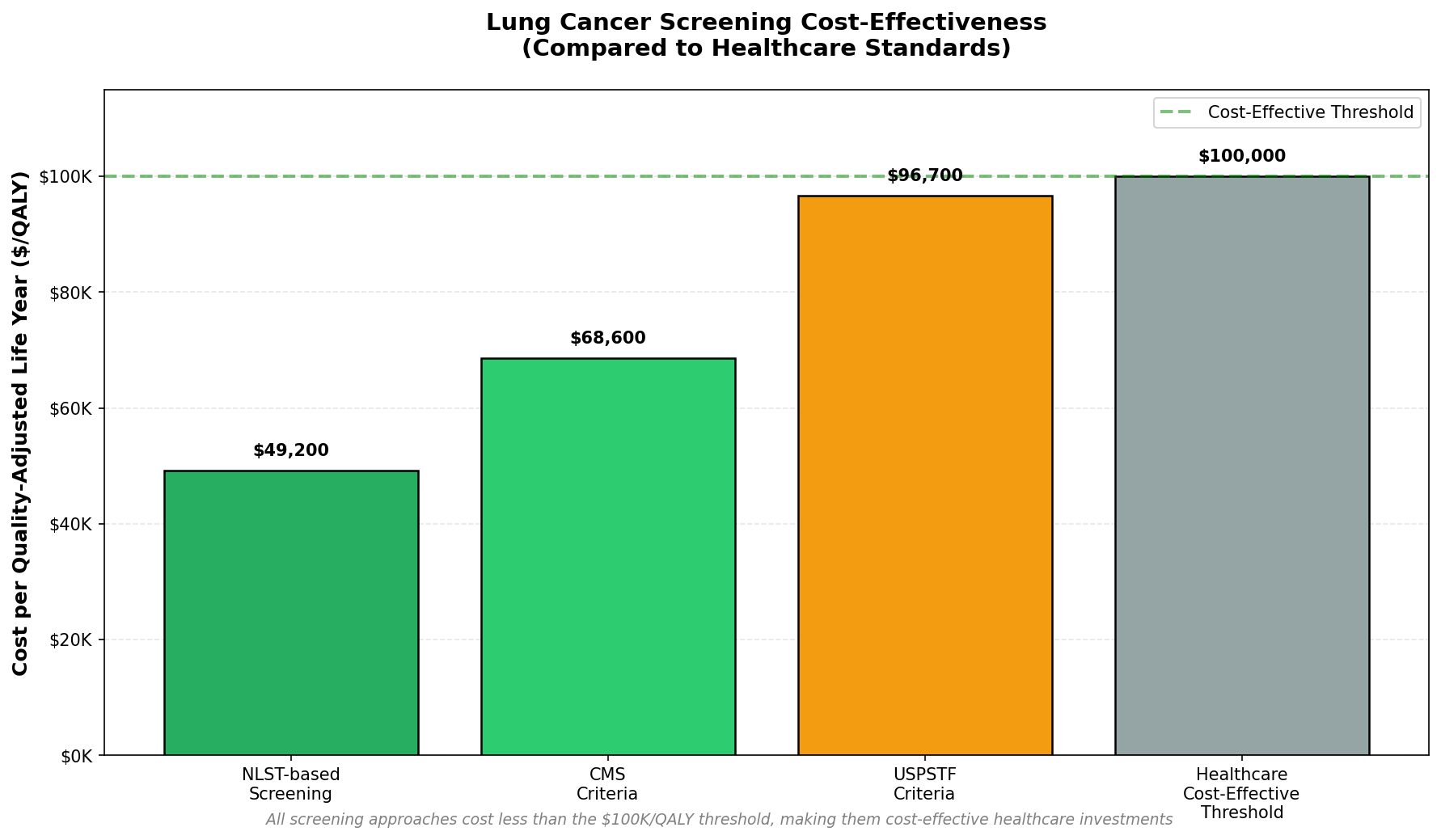 Figure 1: How screening guidelines have expanded over the past decade, making millions more people eligible.
The Shift in Guidance
In 2024, the US Preventive Services Task Force (USPSTF) made landmark changes to screening recommendations. The organisation lowered the age from 55 to 50 and reduced the pack-year requirement from 30 to 20 (where a pack-year equals one pack of cigarettes daily for one year). These changes alone made nearly 5 million additional Americans newly eligible for screening.
The USPSTF now recommends annual low-dose CT screening for:
- Ages 50-80 years
- Those with at least 20 pack-year smoking history
- Current smokers or those who quit within the past 15 years
The American Cancer Society (2023) offers similar guidance and notably removed the upper age limit for screening eligibility, reflecting better outcomes in older populations.
Beyond Traditional Smoker Criteria
Importantly, current guidelines also recommend discussing screening with doctors for several non-smoking populations:
- Never-smokers with a strong family history of lung cancer in first-degree relatives (parent, sibling, child)
- Occupational asbestos exposure of 5 or more years
- Significant radon or air pollution exposure
- History of certain chronic lung diseases
- Multiple risk factors combined
For asbestos-exposed workers aged 50 or older with significant exposure (or fewer years with intense exposure), screening may be reasonable, especially combined with either at least 10 pack-years of smoking history or a history of asbestos-related lung scarring.
What Screening Actually Involves: The Real Experience
Low-dose CT screening is straightforward. You lie on a table that moves through a scanner; the process takes roughly 10 minutes. The machine produces detailed images of your lungs without the radiation exposure of a diagnostic CT scan. Because screening CT uses lower radiation doses, it's designed to minimise radiation risk whilst still detecting early cancers.
Most screening centres conduct annual scans for eligible individuals and provide results within days or weeks. The process causes minimal discomfort and no pain.
The Benefits: What Early Detection Changes
The evidence on screening effectiveness is robust. The landmark National Lung Screening Trial (NLST) followed over 53,000 heavy smokers and found that low-dose CT screening reduced lung cancer-specific mortality by 20% compared to chest X-rays.
In practical terms, this means approximately 3 fewer deaths per 1,000 high-risk people screened over 7 years. Over 12.3 years of follow-up, the benefit held steady, suggesting long-term protection.
The reason early detection matters so profoundly is visible in survival statistics. Look at what stage matters:
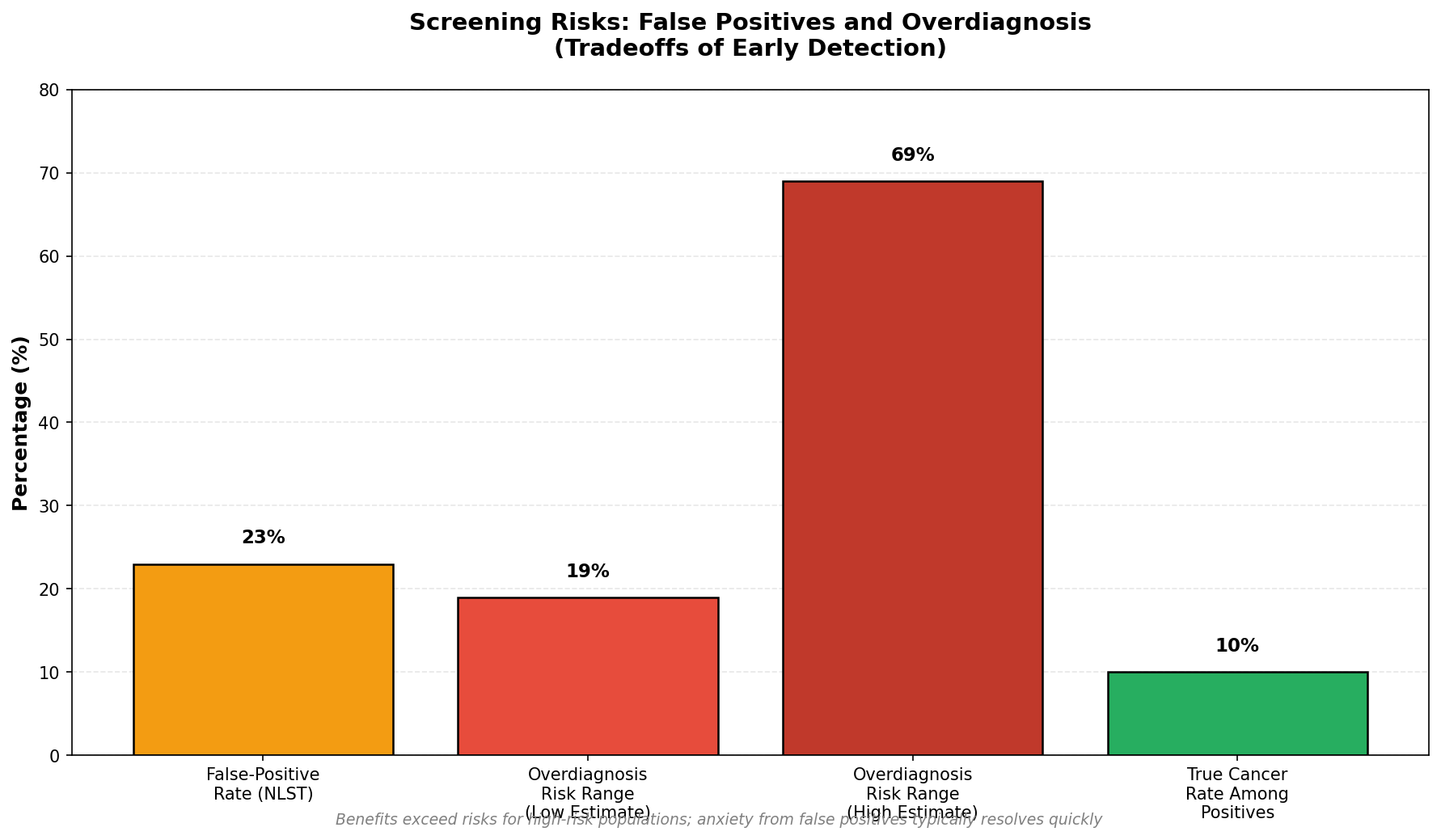 Figure 2: Early detection transforms outcomes. Stage I cancers detected through screening have 80-87% five-year survival, compared to less than 10% for advanced disease.
When screening detects stage I cancer, five-year survival reaches 80-87%. This is dramatically better than the overall five-year survival rate of just 17.7% across all stages. To appreciate the magnitude, being screened and caught early multiplies your survival chances by roughly 4 to 5 times.
Screening also substantially shifts the stage distribution. Among screened populations, 52% are diagnosed with stage I disease, compared to only 27% in unscreened populations. This stage shift explains the mortality benefit; earlier stages are simply far more treatable.
The Risks: What You Should Know
Screening isn't perfect, and understanding the potential downsides is essential for informed decision-making. The most common issue is false positives. Approximately 23% of screening tests initially suggest something concerning that turns out to be benign upon follow-up. For most people, this creates temporary anxiety that resolves quickly once the results are clarified.
Research shows that whilst false-positive results do cause short-term distress, this anxiety returns to baseline levels within weeks. Reassuringly, negative results actually decrease anxiety; the reassurance benefit of a normal test is real.
Overdiagnosis is a more complex concern. Some screen-detected cancers are so slow-growing that they would never have caused symptoms or affected lifespan. Estimates suggest 19-69% of detected lung cancers might represent overdiagnosis, though the precise rate remains uncertain. This means some people receive cancer treatment and experience surgery risks for cancers that would never have harmed them.
There's also radiation exposure. Whilst low-dose CT uses less radiation than diagnostic CT, multiple annual scans accumulate exposure over time. The cancer risk from screening-related radiation is small but real.
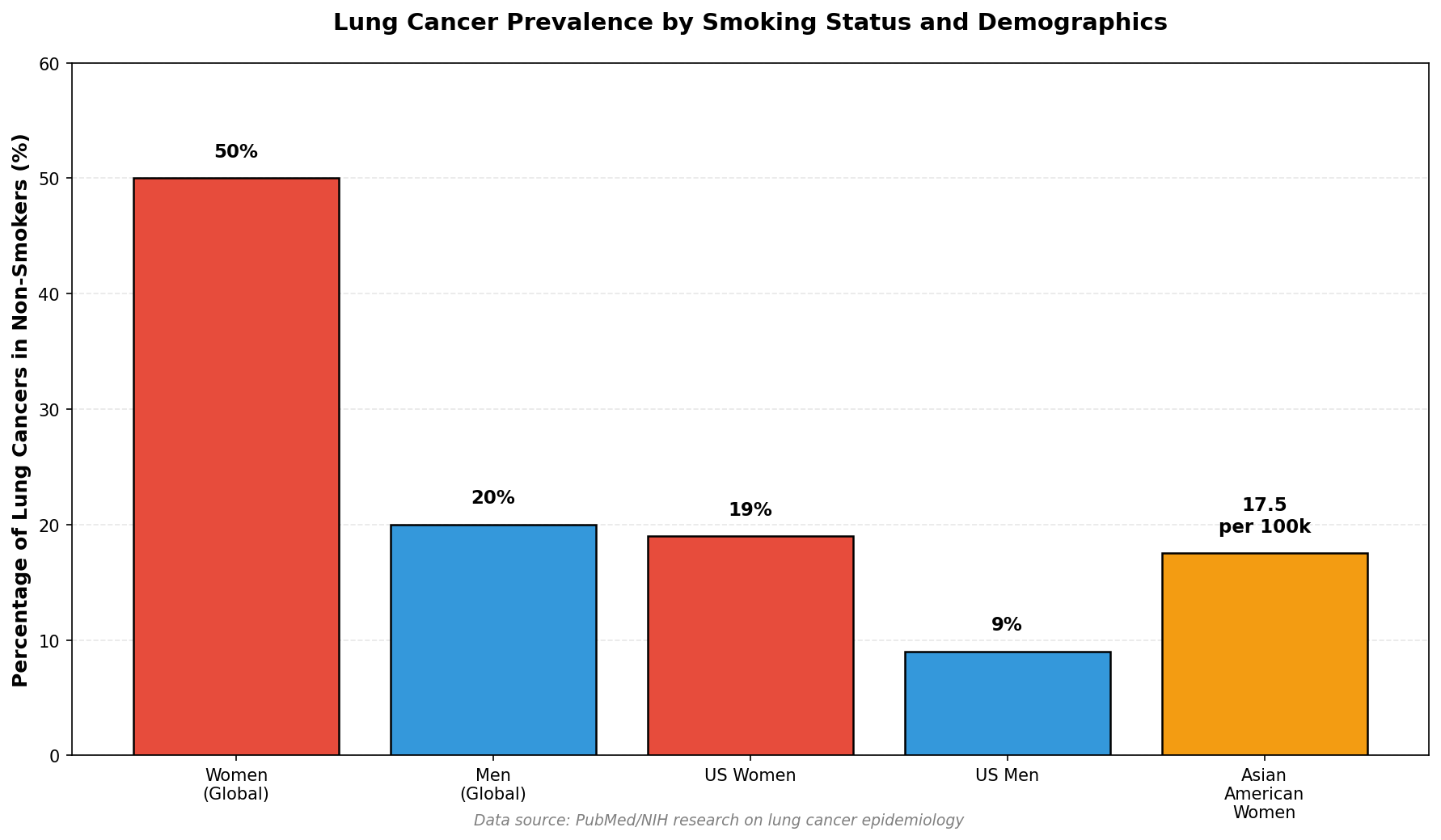 Figure 3: The balance of benefits and harms. Nearly 1 in 4 tests show something concerning, requiring follow-up, but most are false alarms.
Who Actually Gets Screened: The Disparity Crisis
Here's where the picture becomes troubling. Screening works—it saves lives—but access is profoundly unequal.
The Geographic Problem
If you live in a rural area, accessing screening is vastly more difficult. 97.6% of metropolitan residents have access to a screening centre, compared to only 41% of those in non-metropolitan areas. After accounting for other factors, rural residents have only 17% of the odds of accessing screening compared to urban residents.
This disparity is particularly cruel because rural populations experience higher smoking rates and higher lung cancer mortality, yet have the least access to life-saving screening.
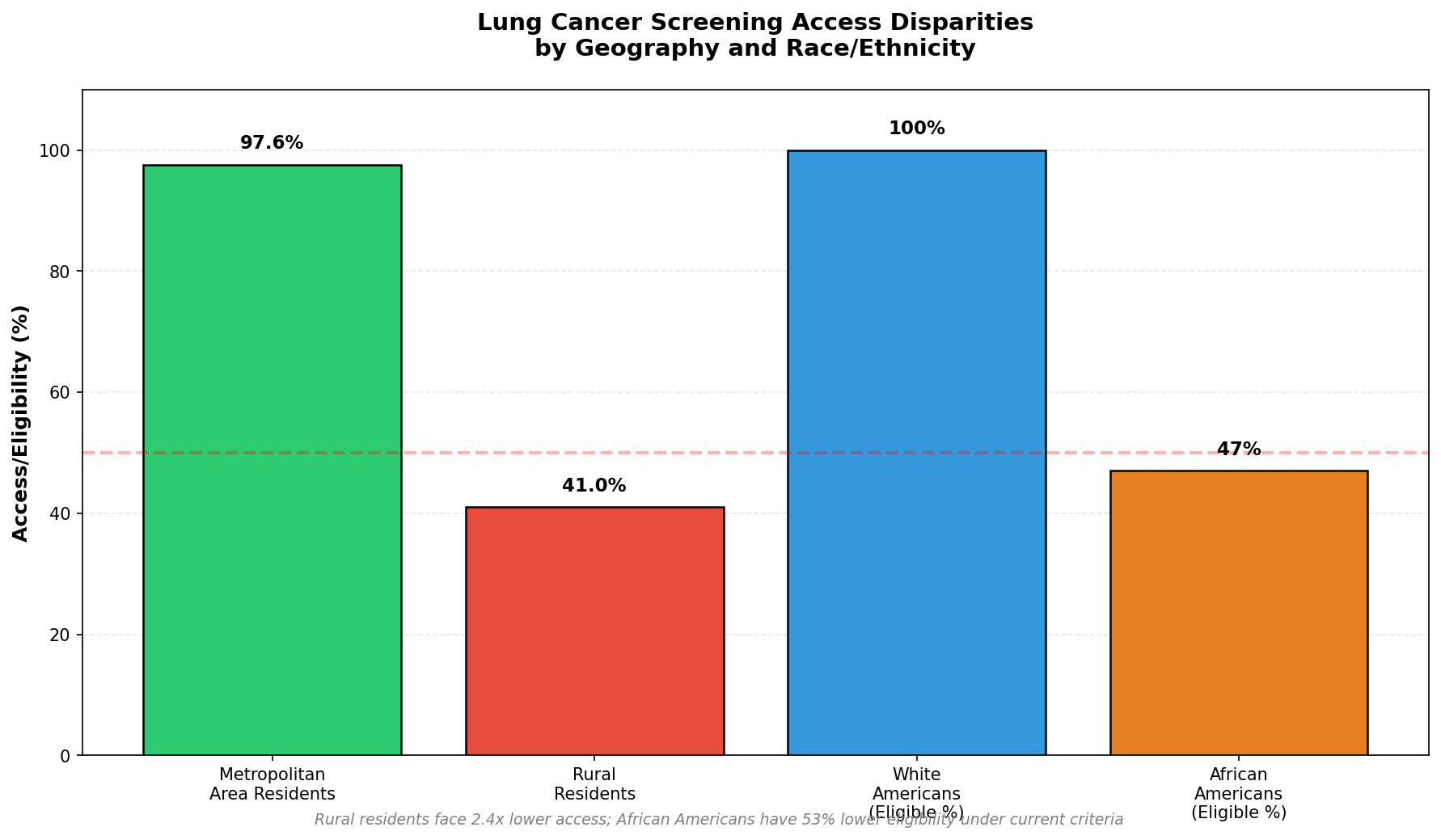 Figure 4: Rural-urban divide in screening access. Urban residents are roughly 6 times more likely to have a screening centre nearby.
The Racial and Ethnic Disparity
The American medical system has created systematic barriers to screening access for Black patients. USPSTF screening criteria resulted in 53% lower eligibility ratios for African American smokers compared to White smokers. African American smokers were less likely to meet guideline criteria, which seems paradoxical until you examine the underlying drivers: guidelines use age and pack-year thresholds that don't account for the earlier age at diagnosis and different smoking patterns in Black populations.
Moreover, even when eligible, Black patients encounter additional barriers. Black individuals are more likely to use emergency rooms as their usual place of care, whilst others lack any usual place of healthcare entirely. Non-White racial and ethnic groups experience statistically significant delays in screening completion once referred. Most troublingly, early-stage cancer detection has improved in the general population but not in Black patients, widening the disparity over time.
The Income and Insurance Problem
Insurance status dramatically affects screening access. Insured people are 3 times more likely to be screened than uninsured individuals. Medicaid coverage is determined at the state level, leaving high-risk patients in non-expansion states without insurance coverage for screening. This is particularly problematic because low-income populations have the highest rates of tobacco use yet face the greatest barriers to access.
At safety-net institutions serving low-income populations, the screening rate is only 16% despite high-risk populations.
Why Screening Is Worth the Cost
Does screening represent good value for money? Healthcare economists assess this through "cost per quality-adjusted life year saved," abbreviated QALY. Generally, anything under £25,000-£30,000 per QALY is considered cost-effective.
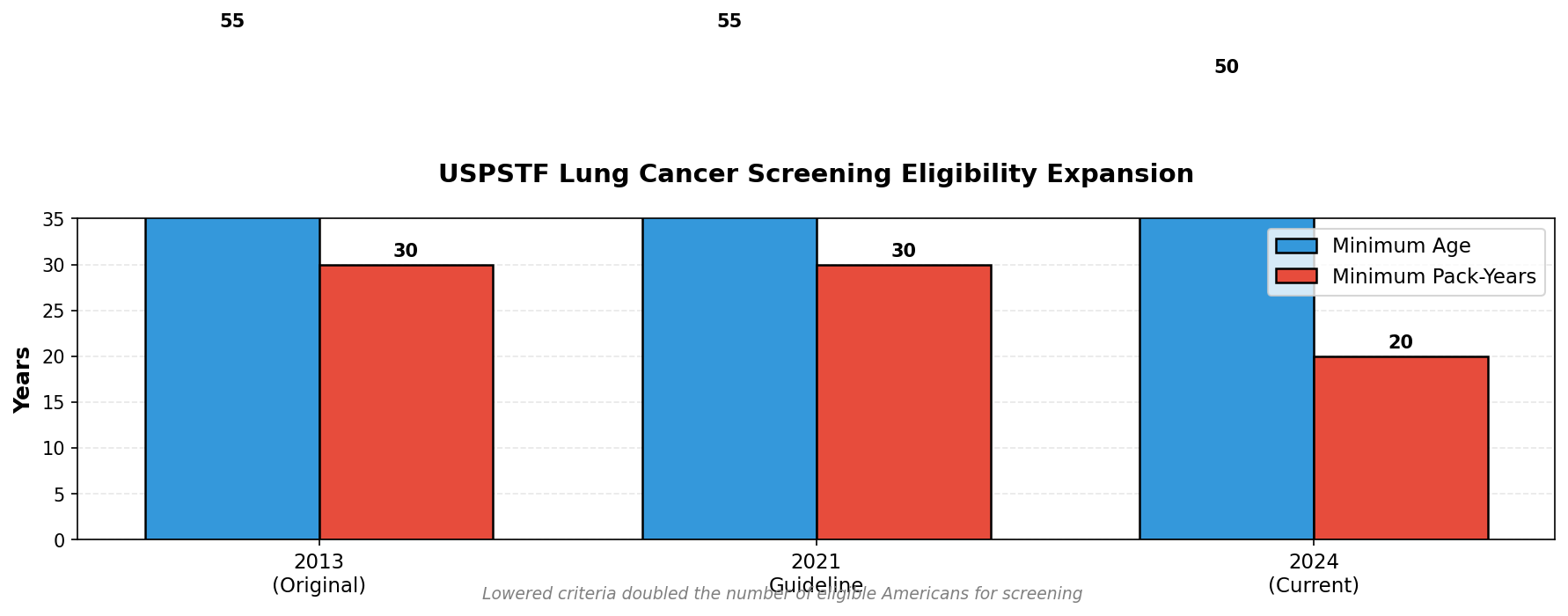 Figure 5: Screening's economic value. The cost per quality-adjusted life year saved is £45,000-£85,000, depending on the screening strategy—considered cost-effective by healthcare standards.
Screening costs approximately £48,000 per life-year gained when cancer is detected at the localised stage. More comprehensive screening strategies reach costs of £97,000 per quality-adjusted life year saved. Crucially, these figures fall within the range that healthcare systems worldwide consider cost-effective.
To put this in perspective: a screening programme preventing one lung cancer death requires screening about 320 people. The lives saved justify the investment.
What Stage Detection Differences Really Mean
The shift in stage distribution from screening deserves special attention because it directly translates to lives saved.
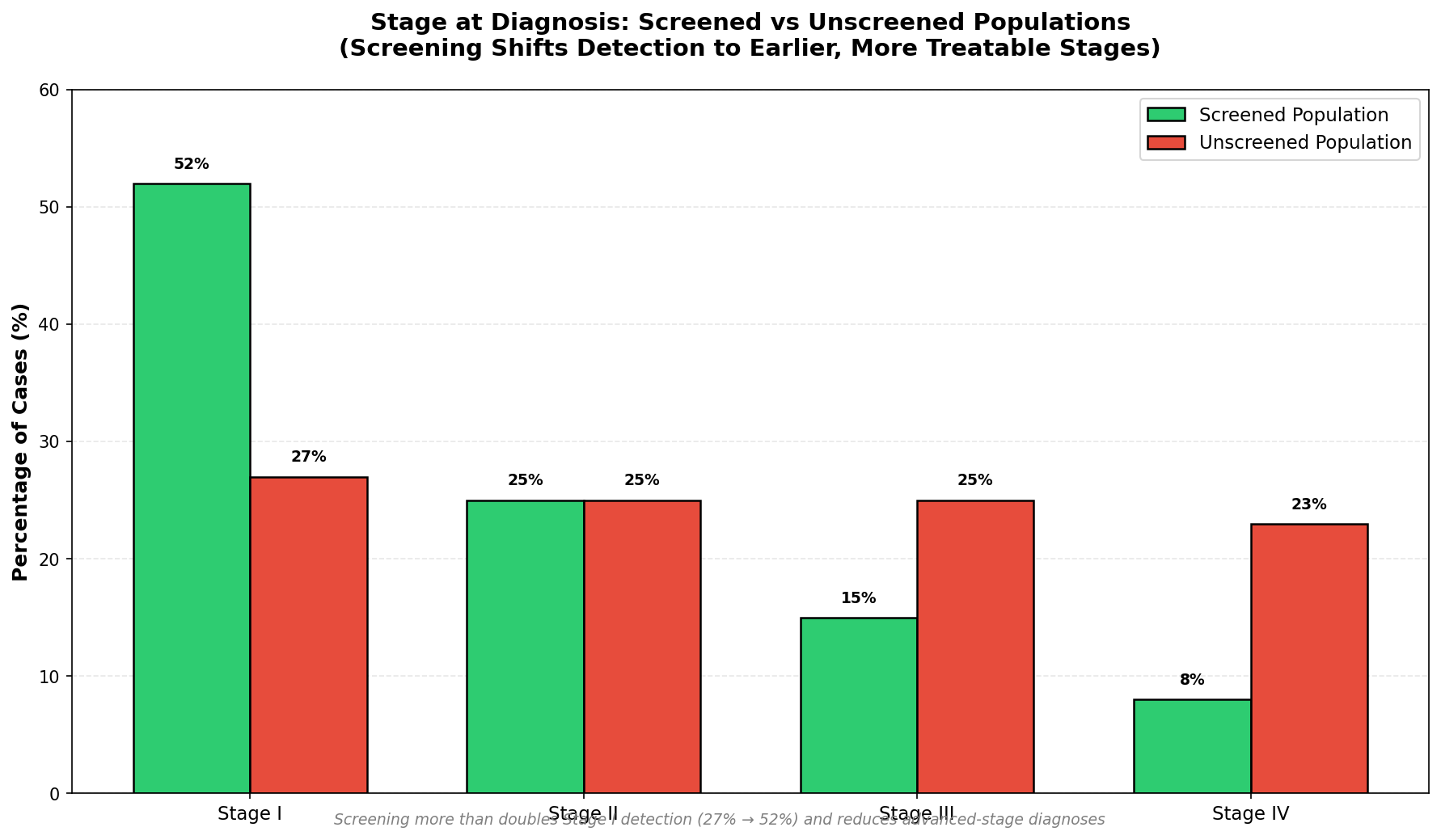 Figure 6: The stage distribution shift. Screening dramatically increases the proportion of early-stage detections, where survival is dramatically better.
When screening moves cancer detection from stage III or IV (advanced) to stage I (early), the survival curves separate dramatically. This isn't just a statistical improvement; it's the difference between treatable disease and advanced disease that requires far more aggressive treatment with lower success rates.
What Non-Smokers Should Do Now
If you've never smoked or quit many years ago, your personal risk assessment should consider the factors beyond smoking.
Take these steps:
- Test your home for radon. Contact your regional health authority or EPA (if in the US) for testing kits. If radon exceeds 4 picocuries per litre, remediation is recommended
- Know your occupational history. If you've worked with asbestos, chemical exposures, or diesel exhaust, document the exposure years and intensity. Discuss this with your doctor
- Assess your family history. Multiple relatives with lung cancer, particularly before age 60, warrant discussion with your doctor about whether screening or genetic counselling might be appropriate
- Understand your air quality. Check your area's air quality index regularly and be aware if you live in a pollution hotspot
- Have a conversation with your doctor. Even if you don't meet traditional screening criteria, if you've identified multiple risk factors, ask whether screening deserves consideration. Shared decision-making conversations should explore your personal risk, the benefits and harms of screening, and what makes sense for your situation
Key Takeaways
Lung cancer is not just a smoker's disease. One-quarter to one-third of cases occur in people without significant smoking histories. Understanding that your risk might come from radon, occupational exposures, air pollution, family history, or combinations of these factors is the first step.
Screening works when caught early. The difference between stage I detection (80% five-year survival) and advanced disease (less than 10% survival) is literally life or death. Screening shifts diagnoses towards earlier stages where treatment succeeds.
Eligibility has expanded dramatically. If you're between 50-80 and smoke or quit within 15 years, you qualify for screening regardless of how heavy your pack-year history is. Non-smokers with significant risk factors should discuss screening with their doctors.
Access remains profoundly unequal. Rural residents, low-income populations, and Black patients face substantial barriers to screening despite having the highest risk. This disparity represents a crucial healthcare equity challenge that demands action.
Screening has psychological and economic costs that must be weighed carefully. False positives create temporary anxiety; radiation exposure and overdiagnosis represent real, though modest, harms. For high-risk populations, benefits substantially outweigh harms, but shared decision-making ensures informed choices.
The bottom line: if you've categorised yourself as "not at risk" for lung cancer because you don't smoke, it's time to reconsider. Your actual risk might be higher than you realise—and if screening is appropriate, it could save your life.
Further Reading
Lung Cancer Risk Factors and Prevention
- National Cancer Institute: Lung Cancer Prevention
- MedlinePlus: Lung Cancer Overview
- NHS England: Lung Cancer Information
- Mayo Clinic: Lung Cancer Risk Factors
Screening Guidelines and Recommendations
- US Preventive Services Task Force: Lung Cancer Screening
- American Cancer Society: Lung Cancer Screening Guidelines
- National Cancer Institute: Lung Cancer Screening Q&A
Early Detection and Survival
- National Cancer Institute: TNM Staging and Prognosis
- Mayo Clinic: Lung Cancer Stages and Survival Rates
Occupational and Environmental Exposures
Shared Decision-Making and Patient Resources
- Harvard Health Publishing: Lung Cancer Screening
- Cleveland Clinic: Lung Cancer Screening Considerations
References/Helpful Resources
- National Institutes of Health / National Cancer Institute. Lung cancer prevention [Internet]. [cited 2026 June 3]. Available from: https://www.cancer.gov/types/lung/hp/lung-prevention-pdq
- US Preventive Services Task Force. Lung cancer screening: Recommendation statement [Internet]. [cited 2026 June 3]. Available from: https://www.uspreventiveservicestaskforce.org/uspstf/recommendation/lung-cancer-screening
- American Cancer Society. Lung cancer screening guidelines [Internet]. [cited 2026 June 3]. Available from: https://www.cancer.org/cancer/types/lung-cancer/detection-diagnosis-staging/detection.html
- National Health Service England. Lung cancer screening programme [Internet]. [cited 2026 June 3]. Available from: https://www.nhs.uk/tests-and-treatments/lung-cancer-screening/
- Liu P, Morrison C, Wang L, Xiong D, Vedell P, Cui P, et al. Identification of somatic mutations in non-small cell lung carcinomas using whole-exome sequencing. Carcinogenesis. 2012 Jul;33(7):1270–6. doi:10.1093/carcin/bgs148 PubMed PMID: 22510280; PubMed Central PMCID: PMC3499051.
- National Institutes of Health. National Lung Screening Trial (NLST): Questions and answers [Internet]. [cited 2026 June 3]. Available from: https://www.cancer.gov/types/lung/research/nlst-qa
- US Environmental Protection Agency. Radon: Health risks and testing [Internet]. [cited 2026 June 3]. Available from: https://www.epa.gov/radon
- Centres for Disease Control and Prevention. Environmental health disparities and screening access [Internet]. [cited 2026 June 3]. Available from: https://www.cdc.gov/pcd/issues/2020/20_0202.htm
- National Institute for Occupational Safety and Health. Occupational lung cancer [Internet]. [cited 2026 June 3]. Available from: https://www.cdc.gov/niosh/topics/cancer/
- Subramanian J, Govindan R. Lung cancer in never smokers: a review. J Clin Oncol. 2007 Feb 10;25(5):561–70. doi:10.1200/JCO.2006.06.8015 PubMed PMID: 17290066.
- Mayo Clinic. Lung cancer overview [Internet]. [cited 2026 June 3]. Available from: https://www.mayoclinic.org/diseases-conditions/lung-cancer/diagnosis-treatment/drc-20350633
- Cleveland Clinic. Lung cancer screening: Benefits and risks [Internet]. [cited 2026 June 3]. Available from: https://my.clevelandclinic.org/health/diseases/4121-lung-cancer
