

Why Men Avoid Screening and How to Change the Narrative
More than half of all men skip routine health screenings. That is not a small statistic. It means most men are walking past the very check-ups that could detect cancer early, catch high blood pressure before it leads to a stroke, or prevent a silent slide into severe depression. If you are a man reading this, or you love one, this article is for you. It explains, without judgement, why men avoid the doctor, what that avoidance actually costs, and what the evidence shows actually works to change the narrative.
This is not a lecture about willpower. It is a look at a pattern that has been measured, studied, and, most importantly, solved in real-world settings. The good news: small, practical changes have shifted behaviour by more than four times in some communities. The path forward is clearer than it might seem.
The Scale of the Problem
Let's start with the numbers, because they are striking.
- Fifty-five per cent of men report not receiving regular health screenings, according to data from the Centers for Disease Control and Prevention. Among men of colour, that figure rises to roughly 63 per cent
- Forty per cent of men never schedule a routine check-up at all. They only see a doctor when something is already seriously wrong
- Across virtually every country studied, women outlive men by nearly six years on average. In the United States, the gap is about 5.4 years (74.8 versus 80.2). Much of that gap is driven by conditions that are preventable or detectable at an early stage
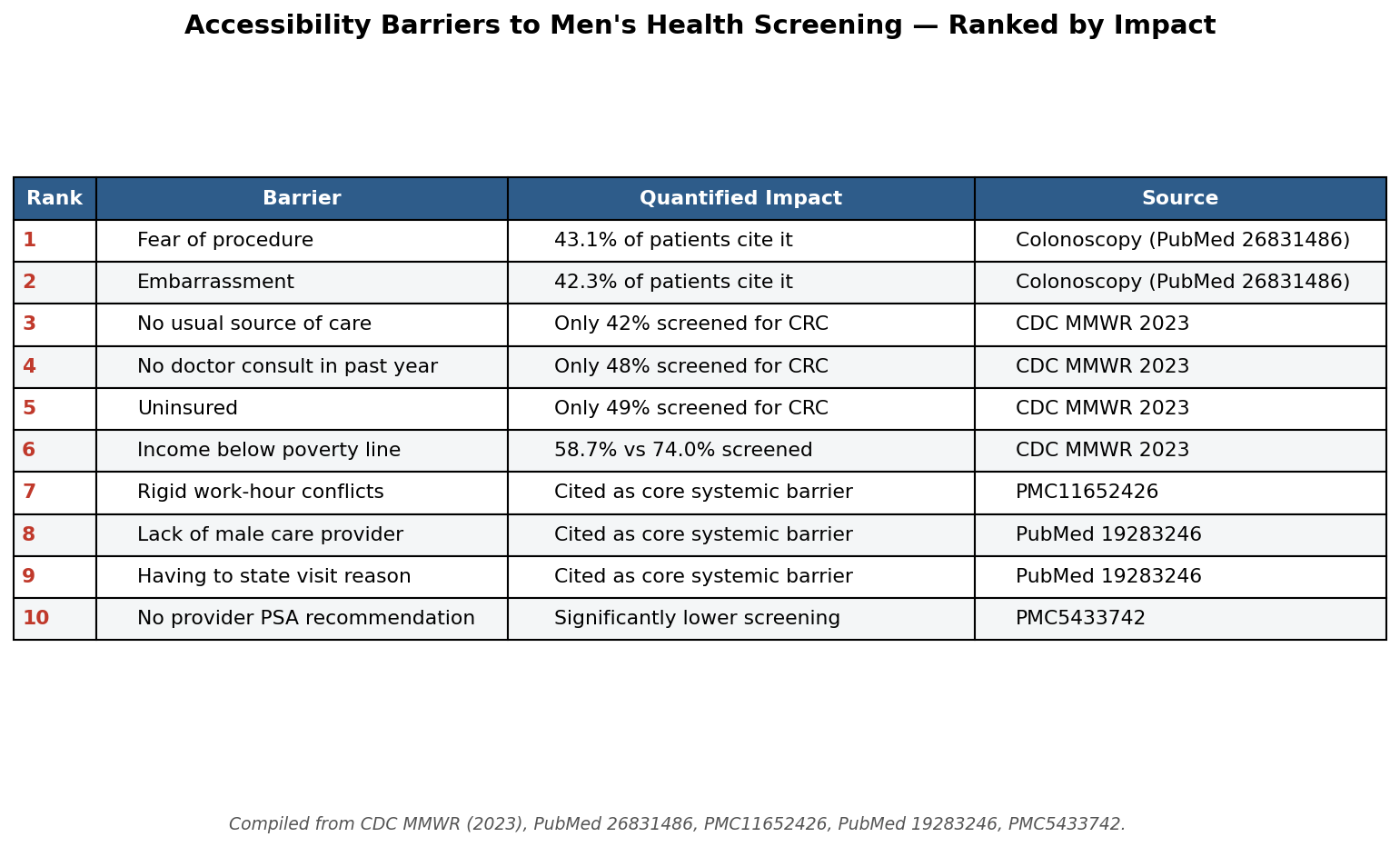 Figure 1: Men trail women in nearly every preventive screening category, with the largest gap in talking-therapy referrals. Data from the Centers for Disease Control and Prevention, the National Institute of Mental Health, and the National Health Service.
The gaps are not equal across conditions. Mental health shows the widest divide: only 41.6 per cent of men with a diagnosable mental illness receive treatment, compared with 56.9 per cent of women. In the United Kingdom, only 36 per cent of National Health Service talking-therapy referrals are for men. Diabetes screening shows a 9.9-percentage-point gap (69.9 per cent men versus 79.8 per cent women), and only 32 per cent of men aged 40 and over have had a prostate-specific antigen test (a blood test for prostate cancer markers) in the past two years.
One bright spot: colorectal cancer screening, where structured invitation programmes have largely closed the gender gap. Men and women now screen at similar rates (70.6 per cent versus 72.6 per cent for ages 50–75). That detail matters; it tells us the gap shrinks dramatically when men are systematically invited and supported.
The Core Barriers: Why Men Stay Away
Why does this happen? Research over the last two decades points to a number of overlapping reasons, and they are remarkably consistent across countries.
Masculinity Norms
The most-studied internal barrier is what researchers call "traditional masculinity": the cluster of beliefs that being a man means being strong, self-reliant, emotionally controlled, and not seeking help. These ideas sound abstract until you see them measured.
- Men who endorse the trait "being strong" are 54 per cent less likely to complete colorectal cancer screening, according to a study published through the National Center for Biotechnology Information
- Men with negative attitudes towards medical professionals are 57 per cent less likely to complete the same screening
- Men with a "stoic" profile (combining emotional restriction, self-reliance, and risk-taking) have a 2.3 times higher lifetime risk of attempting suicide
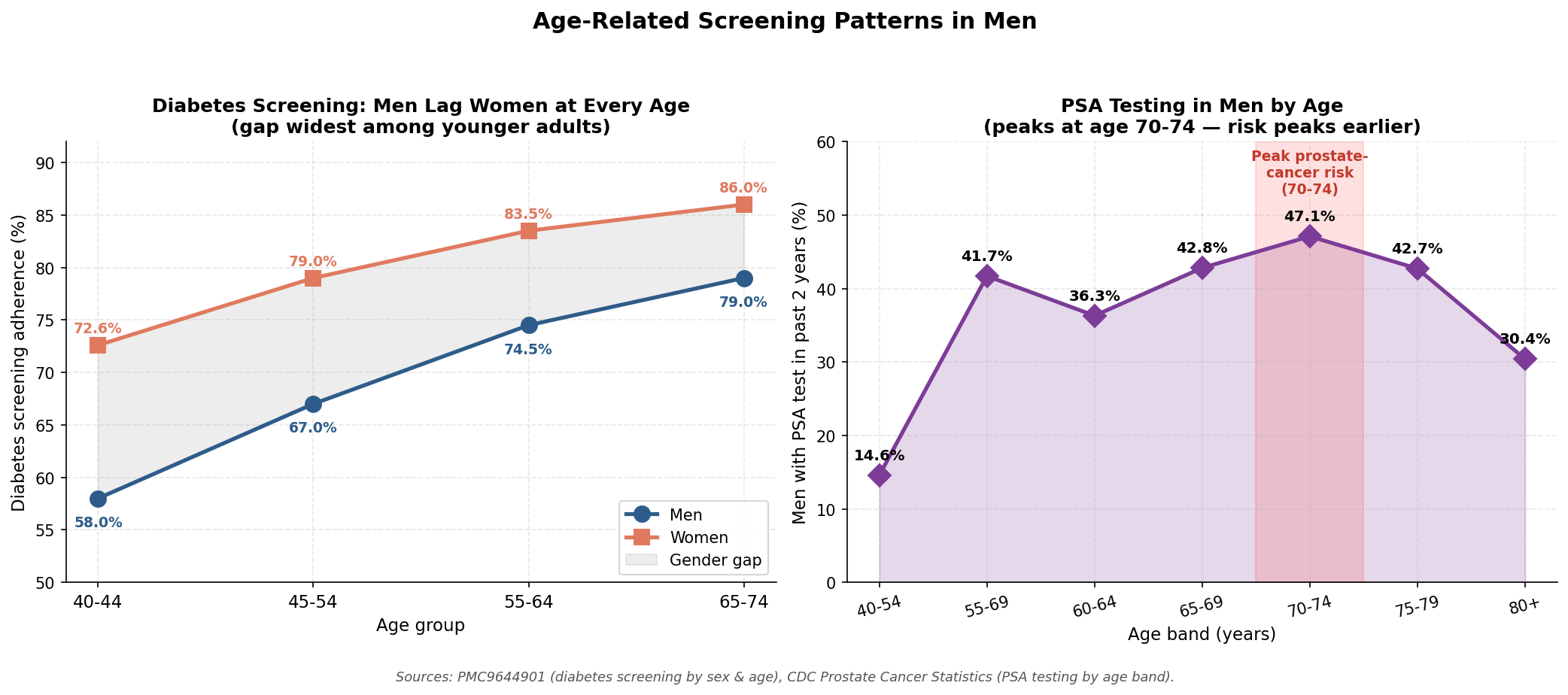 Figure 2: Internal beliefs translate into measurable behaviour, cutting screening completion roughly in half. Data from studies published in PubMed-indexed journals.
These are learned behaviours, not character flaws. They are socialised patterns; many men grew up being taught to "tough it out", to never complain, to handle things alone. Those lessons help in some contexts and hurt in others. When it comes to preventive health, they almost always hurt.
Fear, Embarrassment, and Invulnerability
If you ask men directly why they skip screenings, two emotions come up over and over: fear of finding something bad, and embarrassment about the procedure itself.
- 42.3 per cent of patients cite embarrassment as a barrier to colonoscopy (a camera examination of the bowel), and 43.1 per cent cite fear of the procedure
- Bowel-screening avoidance is strongly associated with fear, embarrassment, or disgust
- For testicular cancer, embarrassment is one of the strongest predictors of how long a man waits before getting checked, with median delays of around 30 days even after noticing a symptom
Layered on top is what researchers call low-risk perception: the quiet belief that "this won't happen to me". Younger men, in particular, often feel invulnerable. The data disagrees: hypertension (high blood pressure) and the early markers of heart disease and type 2 diabetes accumulate silently for years before symptoms appear.
Lack of Awareness
Many men simply do not know what screenings they need, when to have them, or where to go. Sample reasons men give for skipping prostate screening include "I didn't know what kind of doctor to see" and "I didn't know where to go". This is not ignorance; it is a sign that public health communication has not reached them effectively.
Provider behaviour matters too. Men whose doctors had never recommended prostate-specific antigen testing were significantly less likely to be screened than those whose doctors had. The conversation, or the absence of one, shifts behaviour.
Systemic and Practical Barriers
The healthcare system itself is part of the problem. Studies repeatedly identify the same structural obstacles:
- Rigid appointment hours that conflict with men's work schedules
- Lack of male-friendly entry points to care. Women have routine touchpoints through reproductive and antenatal services; men have far fewer
- Cost and insurance gaps. Uninsured men screen at dramatically lower rates (only 49 per cent are up-to-date with colorectal screening)
- Clinics perceived as not "for" men, with waiting rooms, materials, and staff oriented around female patients
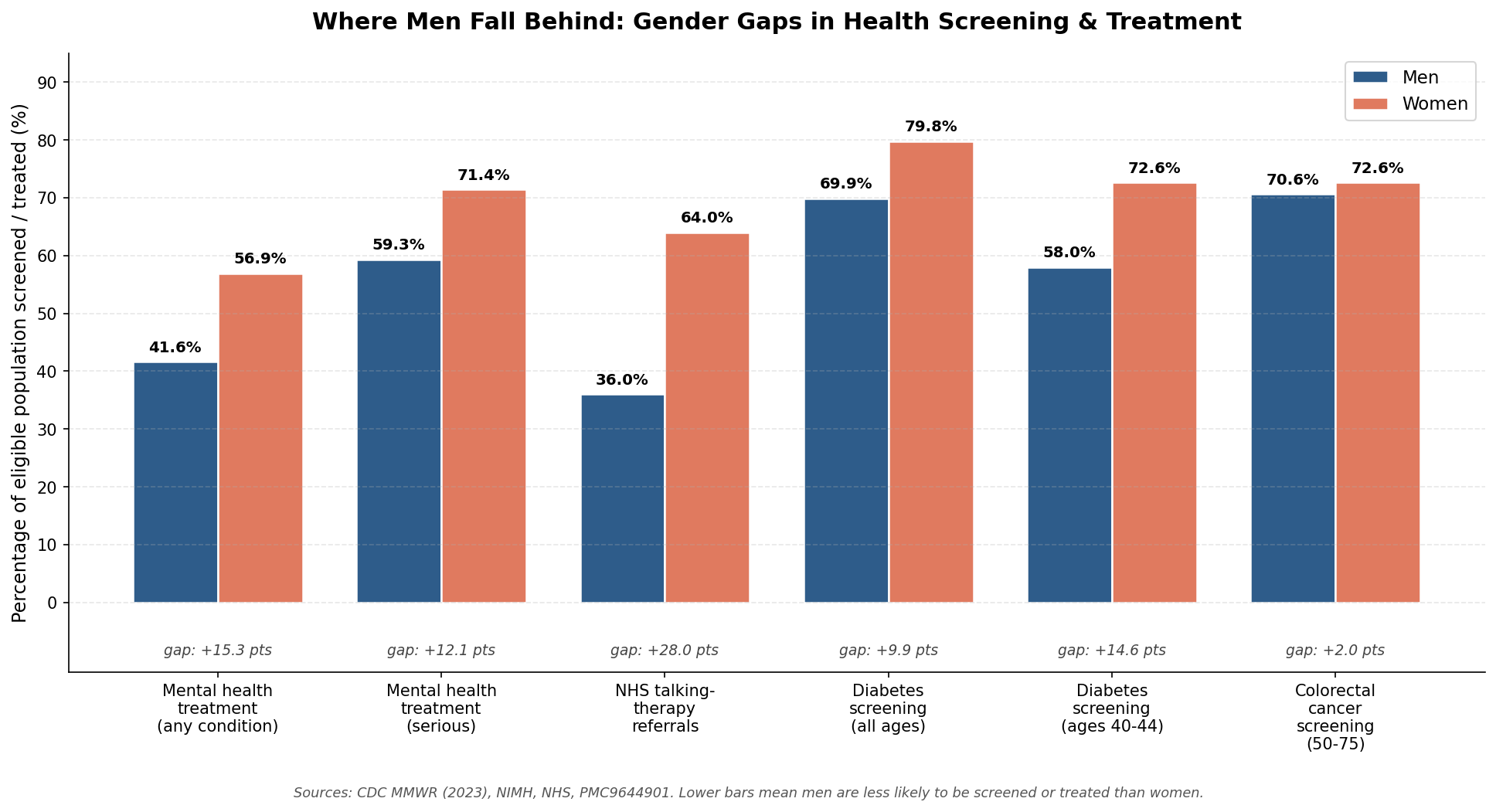 Figure 3: Fear and embarrassment top the list, but most leading barriers are structural rather than psychological. Data drawn from Centers for Disease Control and Prevention reports and multiple peer-reviewed studies.
What This Avoidance Actually Costs
It is tempting to file all this under "men should know better". The mortality data does not allow that:
- Cancer mortality is 36 per cent higher in men than women (171.5 versus 126.3 per 100,000). Much of that gap reflects later detection rather than worse biology
- The male suicide rate is nearly four times the female rate (22.8 versus 5.9 per 100,000 in 2023). Among men aged 75 and older, the rate climbs to 42.2 per 100,000. About 22 per cent of men who die by suicide had not seen their primary-care doctor in the entire year before their death; a measurable, missed window for intervention
- Sixty-eight per cent of men with breast cancer are diagnosed at Stage IV (the most advanced stage), and their five-year mortality is 19 per cent higher than women's. Most men do not know they can get breast cancer
The single most powerful data point is this: when colorectal cancer is caught at Stage I, three-year survival rate is essentially 100 per cent. By Stage IV, it falls to 61.8 per cent.
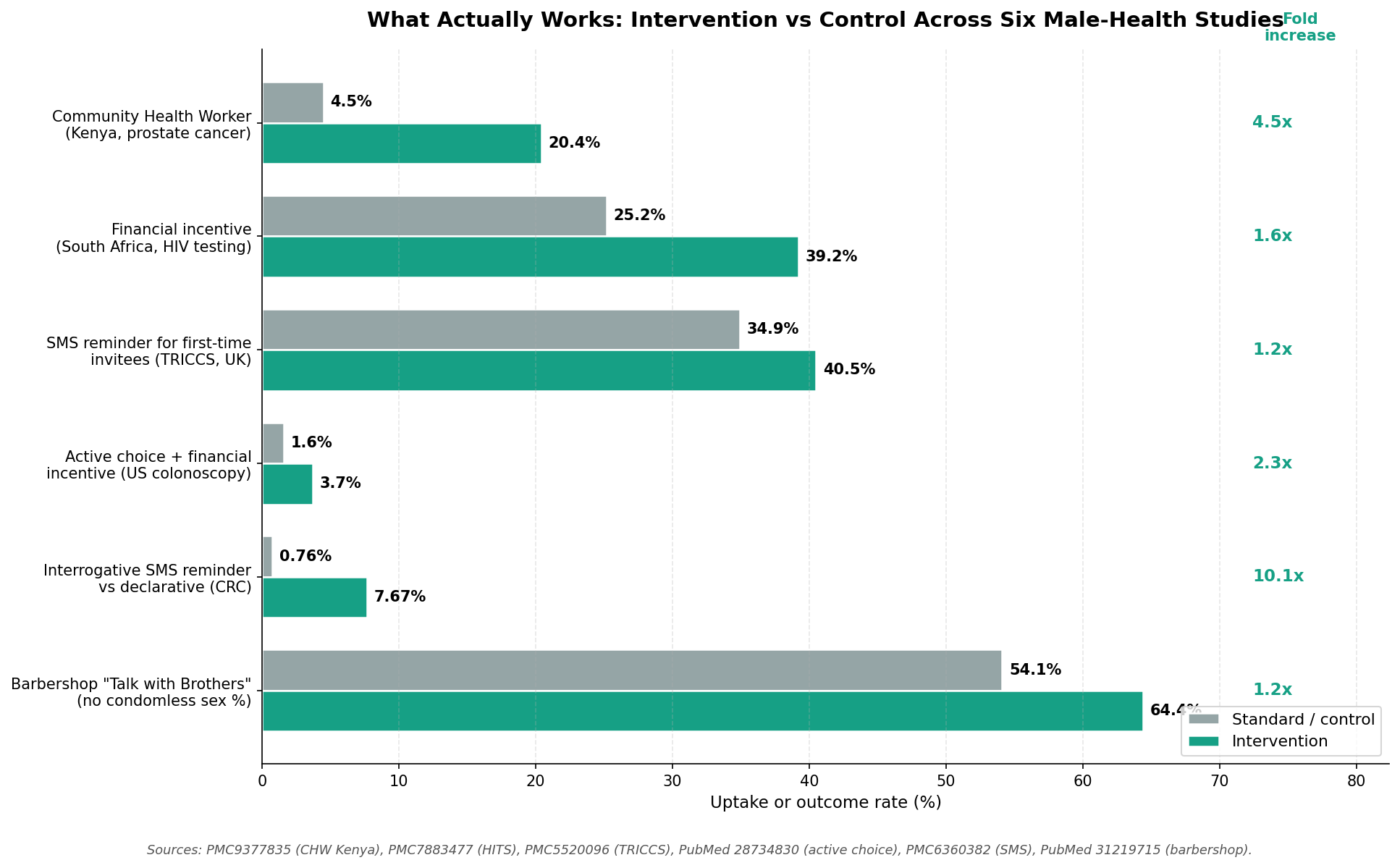 Figure 4: Catching colorectal cancer at Stage I produces a near-universal three-year survival; delay to Stage IV cuts that to roughly 6 in 10. Data from the National Cancer Institute, the National Institute of Mental Health, and peer-reviewed survival modelling.
The point is not that screening is a cure-all. The point is that for many of the conditions men are most likely to die from (heart disease, stroke, colorectal cancer, lung cancer, depression), the difference between catching them early and catching them late is the difference between a short conversation and a long, painful diagnosis.
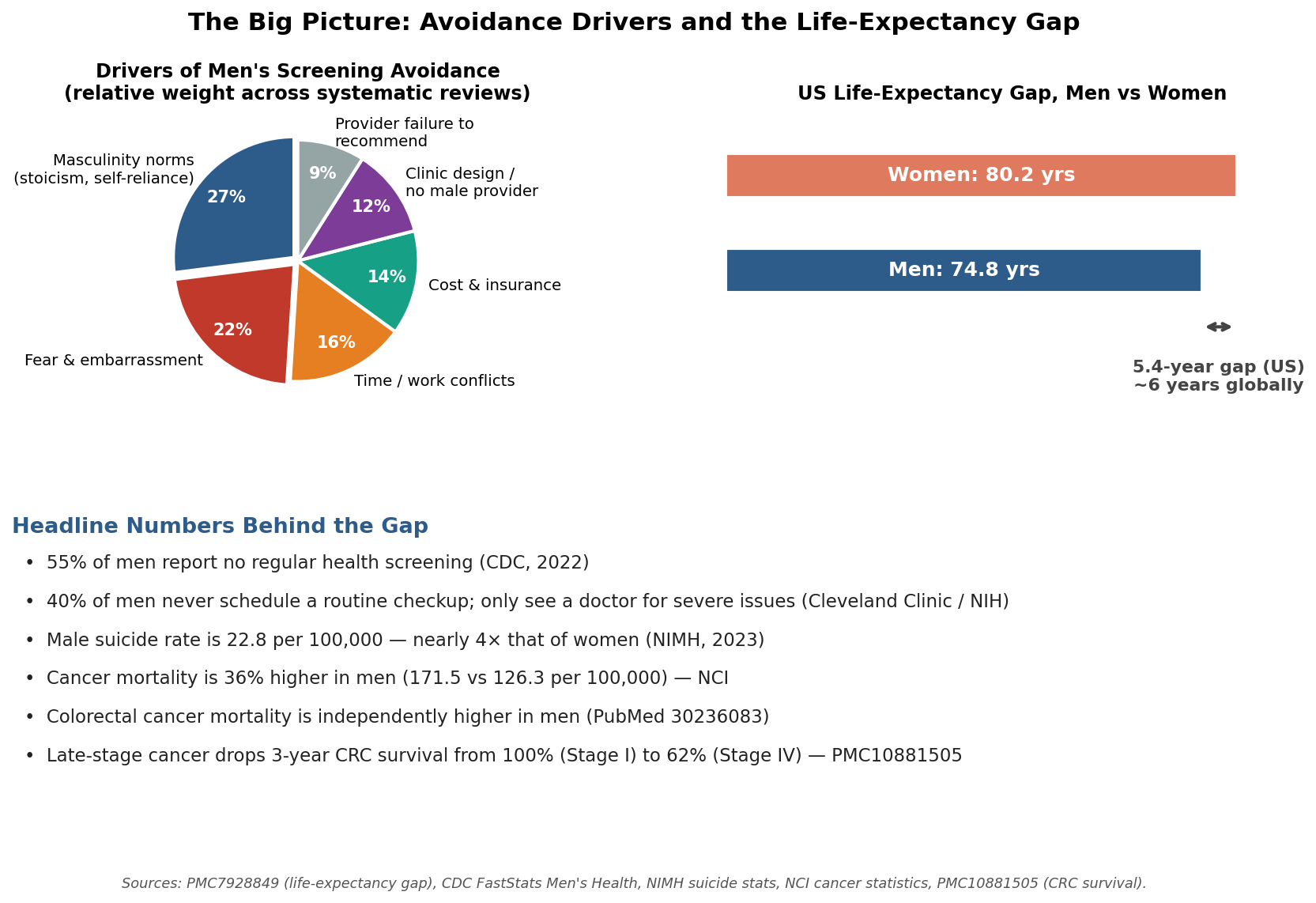 Figure 5: A breakdown of the behavioural and structural drivers behind men losing roughly 5.4 years of life on average. Data synthesised from National Cancer Institute, National Institute of Mental Health, and Centers for Disease Control and Prevention sources.
Patterns by Age: The Gap Starts Early
The gender gap in screening is widest among younger and middle-aged men, the group most likely to assume nothing is wrong. Diabetes screening adherence at ages 40–44 is 58 per cent in men versus 72.6 per cent in women: a 14.6-percentage-point gap. Among older men (65 and over), screening rates often equal or exceed women's, partly because retirement removes scheduling barriers and health worries become harder to ignore.
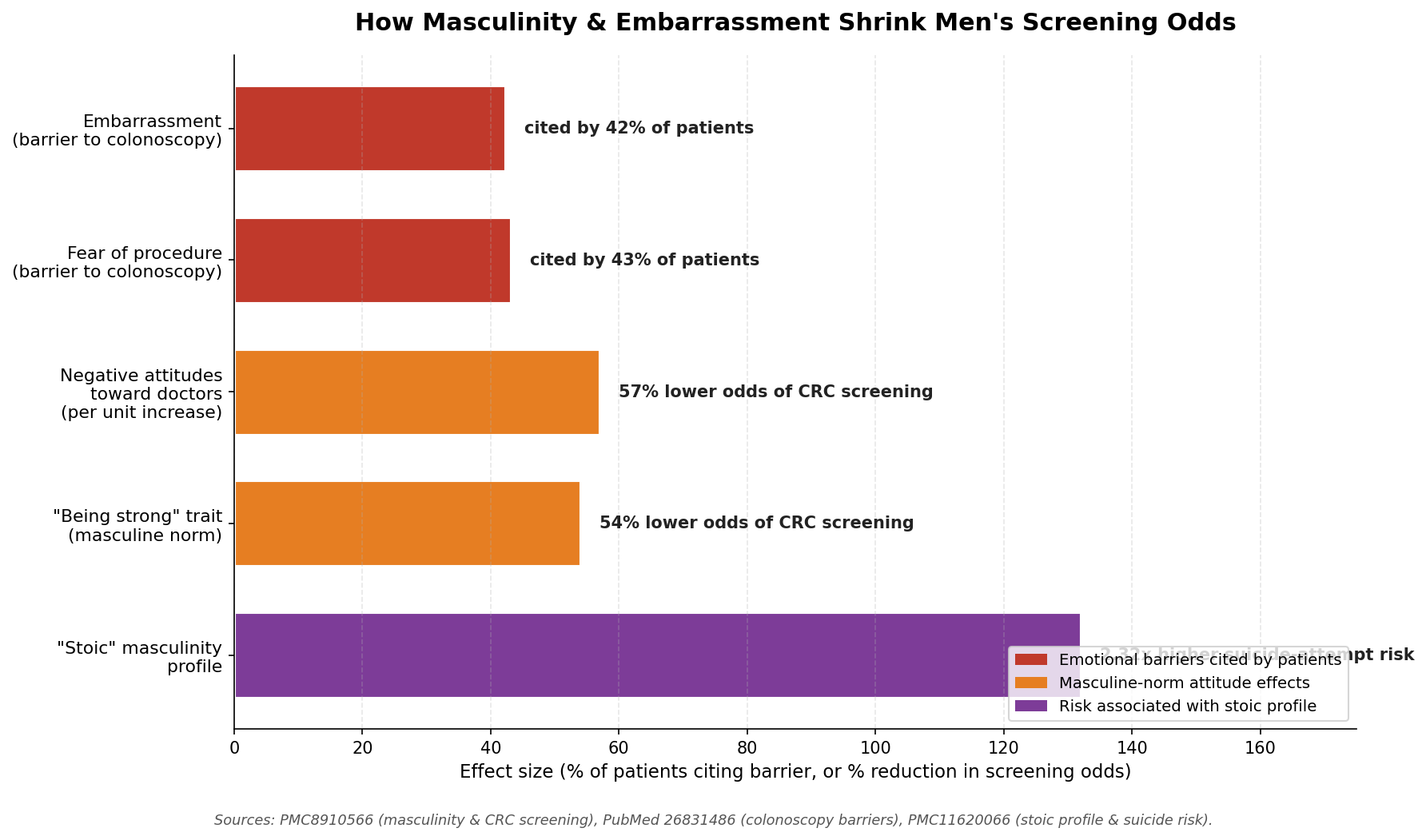 Figure 6: The gender gap is widest among men in their forties and early fifties; even among men in the highest-risk prostate cancer age group, fewer than half are being screened. Data from the National Center for Biotechnology Information population study and Centers for Disease Control and Prevention prostate cancer statistics.
Even more striking: prostate cancer incidence rises to 930 per 100,000 men aged 70–74, yet only 47.1 per cent of men in that band have had a recent prostate-specific antigen test. The highest-risk men are still being missed.
What Actually Works: Proven Solutions
Here is the encouraging part: Researchers have tested dozens of approaches to increase men's screening uptake, and a clear pattern of "what works" has emerged. The unifying lesson: the setting and the messenger matter more than the message itself.
Peer Influence and Trusted Settings
The single largest intervention effect in published literature comes from community health worker outreach. In rural Kenya, a programme that sent trusted local workers to talk to men about prostate cancer raised screening uptake from 4.5 per cent to 20.4 per cent, a 4.5-fold increase, while knowledge climbed from 49 per cent to 76.4 per cent.
Barbershop-based programmes are another standout. In the Los Angeles Barbershop Blood Pressure Study, pairing pharmacists with barbers produced a 21 mmHg greater reduction in systolic blood pressure than usual care: a clinically significant result. A separate barbershop programme on HIV (human immunodeficiency virus) and sexually transmitted infections raised the proportion of men reporting safer sexual behaviour from 54.1 to 64.4 per cent.
Sports-based programmes work too. Football Fans in Training, delivered through professional football clubs in the United Kingdom and across Europe, has improved physical activity and reduced sedentary time in over a thousand middle-aged men with elevated body weight.
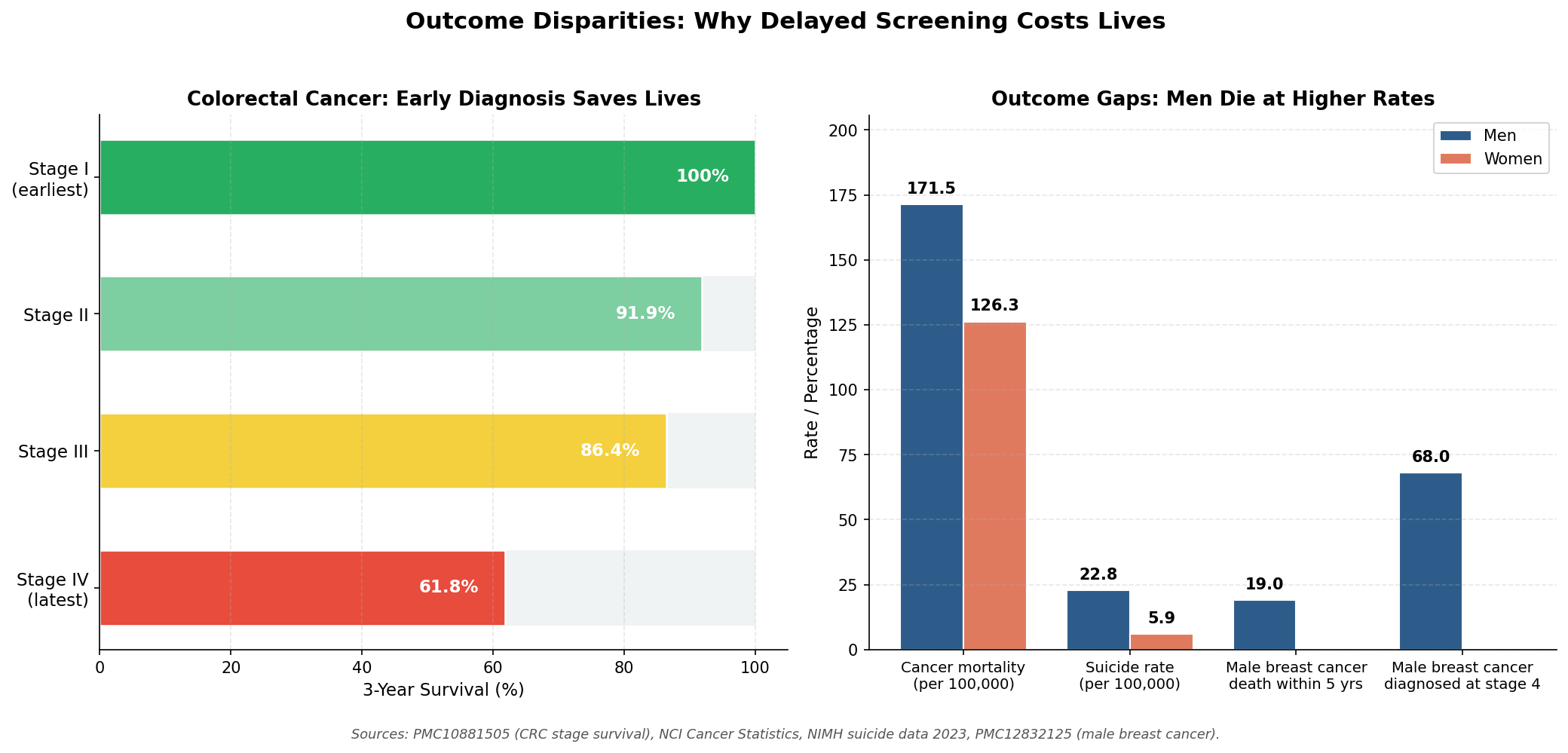 Figure 7: The most effective interventions are delivered in trusted community settings and through simple behavioural prompts. like question-based text messages. Data from randomised controlled trials registered on ClinicalTrials.gov and indexed in PubMed.
Small Prompts and Convenience
Small design choices can produce surprisingly large changes. A trial of 40,000 people found that question-based text reminders ("Will you book your screening this week?") produced a 7.67 per cent response rate, compared with 0.76 per cent for declarative reminders ("Book your screening"): a ten-fold improvement. In the United Kingdom, text-message reminders raised first-time invitee uptake of bowel screening from 34.9 per cent to 40.5 per cent.
At-home self-testing addresses embarrassment and privacy concerns at once. A systematic review of HIV self-testing across sub-Saharan Africa found it was highly acceptable to men precisely because it sidestepped clinic-based stigma.
Financial Incentives
Modest financial nudges work. In rural South Africa, a small food voucher worth about US$3 raised men's HIV testing uptake from 25.2 to 39.2 per cent. In a colonoscopy trial, combining a clear yes-or-no prompt with a small cash incentive produced 3.7 per cent uptake versus 1.6 per cent in the control group: more than double.
Workplace and Digital Tools
Workplace programmes succeed when they go beyond screening alone. A systematic review found that 68 per cent of workplace weight-loss programmes for men were effective, particularly when they combined nutrition and physical activity. By contrast, workplace mental-health screening with no follow-up support produced essentially no improvement: a useful warning that screening without action is wasted effort.
Digital tools designed specifically for men (such as Man Therapy, an online mental-health platform) increased professional help-seeking by about 55 per cent. Generic websites and information-only videos sometimes had no effect, and occasionally reduced uptake. The lesson: tone, framing, and a clear next step matter as much as content.
Practical Recommendations
So what can you actually do, this week, with the people in your life?
If You Are a Man
- Book one thing. Not five. Pick the single screening most relevant to your age and risk: blood pressure and cholesterol after 35, colorectal screening from 45, a prostate conversation after 50, a mental-health check-in any time
- Use the easiest entry point. Many employers offer free workplace health checks. Telehealth lets you book a 15-minute video consultation from home. The National Health Service offers free Health Checks every five years for adults aged 40–74 in England
- Take a friend with you. Pairing up dramatically increases follow-through. Men who attend with partners have significantly higher prostate cancer screening uptake
- Reframe what screening is. It is not a sign of weakness or worry. It is the routine maintenance every demanding system needs: cars, careers, relationships, and bodies
If You Love a Man Who Avoids the Doctor
- Ask, do not tell. Question-based prompts work; declarative ones do not. Try "Have you had a check-up this year?" rather than "You need to see a doctor"
- Make it specific and small. "Will you book a blood pressure check before your birthday?" beats "You should look after yourself"
- Normalise it. Talk openly about your own appointments. Mention friends who got something caught early. Reduce the sense that screening is unusual or alarming.
- Offer logistics, not pressure. "I'll book the appointment for both of us" removes a barrier that pure persuasion cannot
For Communities and Employers
The evidence supports investing in trusted-setting interventions: workplace health checks paired with follow-up support, partnerships with barbers, sports clubs, and faith communities, and gender-sensitive digital tools that respect male identity rather than fighting it. Generic posters and reminder letters alone rarely shift behaviour; people and places do.
Changing the Narrative
For decades, the story we have been told about men and health has been one of stubbornness. The research tells a different story. Men avoid screening for reasons that are partly cultural, partly emotional, partly structural, and entirely human. They respond to the right invitation, in the right setting, from the right person.
Screening is not about admitting weakness. It is about staying in the game: for yourself, for your partner, for your children, for the friends who would rather have you around for the next thirty years than wish they had said something sooner. The six-year life-expectancy gap is not destiny. It is the sum of millions of small decisions, and many of them can be made differently, starting today.
If this article moves one reader to book one appointment, it has done its job. If it moves you to text a friend, even better.
Further Reading
Understanding the Screening Gap
- Centers for Disease Control and Prevention: Men's Health FastStats
- National Health Service: Men and Mental Health
- National Institute of Mental Health: Men and Mental Health
Specific Screening Types
- American Heart Association: Heart-Health Screenings
- Centers for Disease Control and Prevention: Prostate Cancer Statistics
- National Cancer Institute: Cancer Statistics
- Centers for Disease Control and Prevention: Colorectal Cancer Screening
Mental Health Support for Men
- National Institute of Mental Health: Men and Depression
- National Institute of Mental Health: Suicide Statistics
- National Institute of Mental Health: Suicide Frequently Asked Questions
Community and Workplace Programmes
- Community Health Worker Prostate Cancer Intervention, Rural Kenya
- Los Angeles Barbershop Blood Pressure Study
- European Fans in Training: Football Club Health Programme
- Mobile Wellness in the Workplace: Men's Healthcare Gap
Designing Better Interventions
- Improving Health Screening Uptake in Men: Systematic Review
- Approaches to Engaging Men During Primary Healthcare Encounters
- Designing Men's Health Programs: The 5C Framework
References/Helpful Resources
- Centers for Disease Control and Prevention. Men's Health FastStats [Internet]. [cited 2026 Jun 3]. Available from: https://www.cdc.gov/nchs/fastats/mens-health.htm
- QuickStats: Age-Adjusted Percentage of Adults Aged 50–75 Years Who Received the Recommended Colorectal Cancer Screening, by Sex and Family Income — National Health Interview Survey, United States, 2021. MMWR Morb Mortal Wkly Rep. 2023;72(25):699. Available from: https://www.cdc.gov/mmwr/volumes/72/wr/mm7225a7.htm doi: 10.15585/mmwr.mm7225a7
- King SC, King J, Thomas CC, Richardson LC. Baseline Estimates of Colorectal Cancer Screening Among Adults Aged 45 to 75 Years, Behavioral Risk Factor Surveillance System, 2022. Prev Chronic Dis. 2025;25:250175. Available from: https://www.cdc.gov/pcd/issues/2025/25_0175.htm doi: 10.5888/pcd22.250175
- Centers for Disease Control and Prevention. United States Cancer Statistics: Prostate Cancer [Internet]. [cited 2026 Jun 3]. Available from: https://www.cdc.gov/united-states-cancer-statistics/publications/prostate-cancer.html
- Gwira JA, Fryar CD, Gu Q. Prevalence of total, diagnosed, and undiagnosed diabetes in adults: United States, August 2021–August 2023. NCHS Data Brief, no 516. Hyattsville, MD: National Center for Health Statistics. 2024. Available from: https://www.cdc.gov/nchs/products/databriefs/db516.htm doi: 10.15620/cdc/165794
- Hing E, Albert M. State variation in preventive care visits, by patient characteristics, 2012. NCHS data brief, no 234. Hyattsville, MD: National Center for Health Statistics. 2016. Available from: https://www.cdc.gov/nchs/products/databriefs/db234.htm
- Pazol K, Robbins CL, Black LI, et al. Receipt of Selected Preventive Health Services for Women and Men of Reproductive Age — United States, 2011–2013. MMWR Surveill Summ 2017;66(No. SS-20):1–31. Available from: https://www.cdc.gov/mmwr/volumes/66/ss/ss6620a1.htm doi: 10.15585/mmwr.ss6620a1
- National Institute of Mental Health. Men and Mental Health [Internet]. [cited 2026 Jun 3]. Available from: https://www.nimh.nih.gov/health/topics/men-and-mental-health
- National Institute of Mental Health. Mental Illness Statistics [Internet]. [cited 2026 Jun 3]. Available from: https://www.nimh.nih.gov/health/statistics/mental-illness
- National Institute of Mental Health. Suicide Statistics [Internet]. [cited 2026 Jun 3]. Available from: https://www.nimh.nih.gov/health/statistics/suicide
- National Health Service Keeping Well. Men and Mental Health [Internet]. [cited 2026 Jun 3]. Available from: https://www.keepingwellnwl.nhs.uk/self-help-resources/mens-health/men-and-mental-health
- National Cancer Institute. Cancer Statistics [Internet]. [cited 2026 Jun 3]. Available from: https://www.cancer.gov/about-cancer/understanding/statistics
- National Cancer Institute. Male Breast Cancer Higher Mortality. Cancer Currents Blog. 2019. [Internet]. [cited 2026 Jul 26]. Available from: https://www.cancer.gov/news-events/cancer-currents-blog/2019/male-breast-cancer-higher-mortality
- American Heart Association. Heart-Health Screenings [Internet]. [cited 2026 Jun 3]. Available from: https://www.heart.org/en/health-topics/consumer-healthcare/what-is-cardiovascular-disease/heart-health-screenings
- Victor RG, Lynch K, Li N, Blyler C, Muhammad E et al. A Cluster-Randomized Trial of Blood-Pressure Reduction in Black Barbershops. N Engl J Med. 2018;378:1291-1301. Available from: https://www.nejm.org/doi/full/10.1056/NEJMoa1717250 doi: 10.1056/NEJMoa1717250
- Ebinger J, Blyler CA, Brettler J, Rader F. Barbershop Management of Hypertension in the African American Population: Pitfalls and Opportunities for Extension to Other Underserved Communities. Curr Cardiol Rep. 2020;22(8):64. Available from: https://pubmed.ncbi.nlm.nih.gov/32562103/ doi: 10.1007/s11886-020-01319-9
- Rogers CR, Perdue DG, Boucher K, Korous KM, Brooks E et al. Masculinity Barriers to Ever Completing Colorectal Cancer Screening among American Indian/Alaska Native, Black, and White Men (Ages 45-75). Int J Environ Res Public Health. 2022;19(5):3071. Available from: https://www.ncbi.nlm.nih.gov/pmc/articles/PMC8910566/ doi: 10.3390/ijerph19053071
- Eggenberger L, Spangenberg L, Genuchi MC, Walther A. Men's Suicidal thoughts and behaviors and conformity to masculine norms: A person-centered, latent profile approach. Heliyon. 2024;10(20):e39094. Available from: https://www.ncbi.nlm.nih.gov/pmc/articles/PMC11620066/ doi: 10.1016/j.heliyon.2024.e39094
- Teo CH, Ling CJ, Ng CJ. Improving Health Screening Uptake in Men: A Systematic Review and Meta-analysis. Am J Prev Med. 2018;54(1):133-143. Available from: https://pubmed.ncbi.nlm.nih.gov/29254551/ doi: 10.1016/j.amepre.2017.08.028
- Mbugua RG, Karanja S, Oluchina S. Effectiveness of a Community Health Worker-Led Intervention on Knowledge, Perception, and Prostate Cancer Screening among Men in Rural Kenya. Adv Prev Med. 2022;2022:4621446. Available from: https://www.ncbi.nlm.nih.gov/pmc/articles/PMC9377835/ doi: 10.1155/2022/4621446
- Tanser FC, Kim HY, Mathenjwa T, Shahmanesh M, Seeley J et al. Home-Based Intervention to Test and Start (HITS): a community-randomized controlled trial to increase HIV testing uptake among men in rural South Africa. J Int AIDS Soc. 2021;24(2):e25665. Available from: https://www.ncbi.nlm.nih.gov/pmc/articles/PMC7883477/ doi: 10.1002/jia2.25665
- Wyke S, Hunt K, Gray CM, Fenwick E, Bunn C et al. Football Fans in Training (FFIT): a randomised controlled trial of a gender-sensitised weight loss and healthy living programme for men – end of study report. Southampton (UK): NIHR Journals Library. 2015. Available from: https://pubmed.ncbi.nlm.nih.gov/25654156/ doi: 10.3310/phr03020
- Wyke S, Bunn C, Andersen E, Silva MN, van Nassau F et al. The effect of a programme to improve men's sedentary time and physical activity: The European Fans in Training (EuroFIT) randomised controlled trial. PLoS Med. 2019;16(2):e1002736. Available from: https://pubmed.ncbi.nlm.nih.gov/30721231/ doi: 10.1371/journal.pmed.1002736
- Gilgoff JN, Wagner F, Frey JJ, Osteen PJ. Help-seeking and Man Therapy: The impact of an online suicide intervention. Suicide Life Threat Behav. 2023;53(1):154-162. Available from: https://pubmed.ncbi.nlm.nih.gov/36412229/ doi: 10.1111/sltb.12929
- Hagoel L, Stein N, Rennert G, Neter E. Better Ask Than Tell: Responses to mHealth Interrogative Reminders and Associations With Colorectal Cancer Screening Subsequent Uptake in a Prospective Cohort Intervention. JMIR Mhealth Uhealth. 2019;7(1):e9351. Available from: https://www.ncbi.nlm.nih.gov/pmc/articles/PMC6360382/ doi: 10.2196/mhealth.9351
- Hirst Y, Skrobanski H, Kerrison RS, Kobayashi LC, Counsell N et al. Text-message Reminders in Colorectal Cancer Screening (TRICCS): a randomised controlled trial. Br J Cancer. 2017;116(11):1408-1414. Available from: https://www.ncbi.nlm.nih.gov/pmc/articles/PMC5520096/ doi: 10.1038/bjc.2017.117
- Mehta SJ, Feingold J, Vandertuyn M, Niewood T, Cox C et al. Active Choice and Financial Incentives to Increase Rates of Screening Colonoscopy-A Randomized Controlled Trial. Gastroenterology. 2017;153(5):1227-1229.e2. Available from: https://pubmed.ncbi.nlm.nih.gov/28734830/ doi: 10.1053/j.gastro.2017.07.015
- Alinia S, Ahmadi S, Mohammadi Z, Rastkar Shirvandeh F, Asghari-Jafarabadi M et al. Exploring the impact of stage and tumor site on colorectal cancer survival: Bayesian survival modeling. Sci Rep. 2024;14(1):4270. Available from: https://www.ncbi.nlm.nih.gov/pmc/articles/PMC10881505/ doi: 10.1038/s41598-024-54943-8
- Bezzina A, Clarke ED, Ashton L, Watson T, James CL. Workplace Health Promotion Programs Targeting Smoking, Nutrition, Physical Activity, and Obesity in Men: A Systematic Review and Meta-Analysis of Randomized Controlled Trials. Health Educ Behav. 2024;51(1):113-127. Available from: https://www.ncbi.nlm.nih.gov/pmc/articles/PMC10785566/ doi: 10.1177/10901981231208396
- Davis S, Ameyan W, Medley A, Toledo C. Mobile Wellness in the Workplace: Addressing the Global Men's Healthcare Gap, from a World Health Organization Framework Perspective. J Epidemiol Glob Health. 2024;14(4):1782-1784. Available from: https://www.ncbi.nlm.nih.gov/pmc/articles/PMC11652426/ doi: 10.1007/s44197-024-00334-1
- Kaul P, Chu LM, Dover D, Yeung RO, Eurich DT, Butalia S. Disparities in adherence to diabetes screening guidelines among males and females in a universal care setting: A population-based study of 1,389,697 adults. Int J Popul Data Sci. 2022;7(3):1938. Available from: https://www.ncbi.nlm.nih.gov/pmc/articles/PMC9644901/ doi: 10.23889/ijpds.v7i3.1938
- Teo CH, Ng CJ, Booth A, White A. Barriers and facilitators to health screening in men: A systematic review. Soc Sci Med. 2016;165:168-176. Available from: https://pubmed.ncbi.nlm.nih.gov/27511617/ doi: 10.1016/j.socscimed.2016.07.023
- Mokhwelepa LW, Sumbane GO. Men's Mental Health Matters: The Impact of Traditional Masculinity Norms on Men's Willingness to Seek Mental Health Support; a Systematic Review of Literature. Am J Mens Health. 2025;19(3):15579883251321670. Available from: https://www.ncbi.nlm.nih.gov/pmc/articles/PMC12117241/ doi: 10.1177/15579883251321670
- Hossin MZ. The male disadvantage in life expectancy: can we close the gender gap? Int Health. 2021;13(5):482-484. Available from: https://www.ncbi.nlm.nih.gov/pmc/articles/PMC7928849/ doi: 10.1093/inthealth/ihaa106
- Baker P, Dworkin SL, Tong S, Banks I, Shand T, Yamey G. The men's health gap: men must be included in the global health equity agenda. Bull World Health Organ. 2014;92(8):618-20. Available from: https://www.ncbi.nlm.nih.gov/pmc/articles/PMC4147416/ doi: 10.2471/BLT.13.132795
- Basch CH, Basch CE, Zybert P, Wolf RL. Fear as a Barrier to Asymptomatic Colonoscopy Screening in an Urban Minority Population with Health Insurance. J Community Health. 2016;41(4):818-24. Available from: https://pubmed.ncbi.nlm.nih.gov/26831486/ doi: 10.1007/s10900-016-0159-9
- Mallon S, Galway K, Rondon-Sulbaran J, Hughes L, Leavey G. When health services are powerless to prevent suicide: results from a linkage study of suicide among men with no service contact in the year prior to death. Prim Health Care Res Dev. 2019;20:e80. Available from: https://www.ncbi.nlm.nih.gov/pmc/articles/PMC8060821/ doi: 10.1017/S1463423619000057
- ClinicalTrials.gov. Cardiovascular Disease Screening Trial (NCT03946956) [Internet]. [cited 2026 Jun 3]. Available from: https://clinicaltrials.gov/study/NCT03946956
