

If you've heard that neroli essential oil works wonders for anxiety, you're onto something. But the real story is even more interesting. Neroli isn't a single-cure wonder oil. Instead, it's a complex blend of at least 23 to 86 different compounds that work together to calm anxiety, reduce pain, improve sleep, and protect your skin. The science backing it up isn't anecdotal either: it comes from randomised controlled trials, double-blind studies, and systematic reviews published in peer-reviewed medical journals.
This article pulls together what research actually shows neroli can do, how it works in your body, and exactly how to use it safely. By the end, you'll understand whether this oil might be worth trying for your specific health concerns.
What Makes Neroli Different from Other Essential Oils
Most essential oils derive their power from one or two dominant compounds. Lemon oil is 90% limonene; sweet orange is over 91% the same compound. Neroli is different. It contains a balanced, multi-ingredient formula where six major compounds account for about 75% of the oil's therapeutic power.
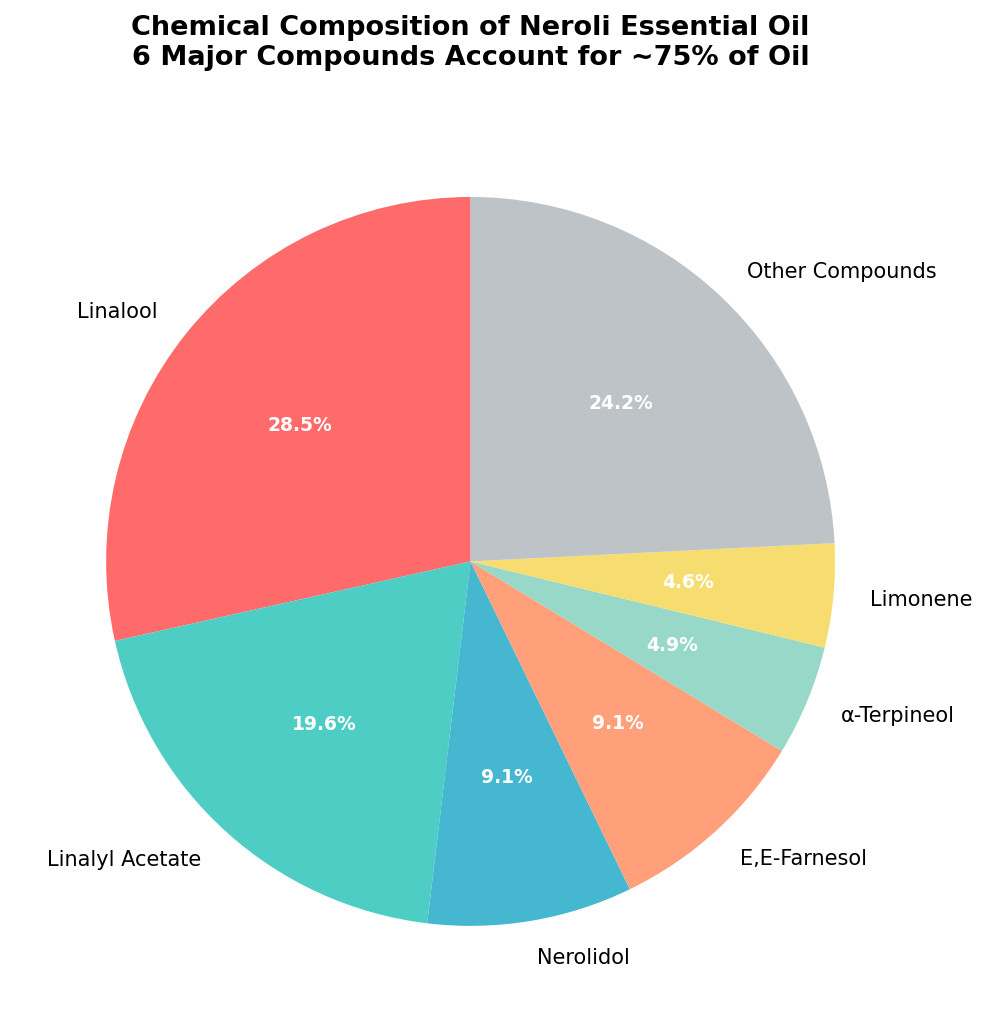 Figure 1: The six major compounds in neroli oil work together to create its multi-target therapeutic effects. The remaining 25% consists of over 80 minor compounds that contribute additional benefits.
Here's the practical translation: whilst most essential oils are like a single-ingredient medication, neroli functions more like a combination therapy. Linalool (28.5%) and linalyl acetate (19.6%) handle anxiety and pain. Nerolidol (9.1%) acts as a powerful antioxidant with 93.94% free radical neutralisation capacity. E, E-farnesol (9.1%) amplifies the antioxidant effect. These compounds don't work in isolation; they activate different pathways in your body simultaneously, which is why neroli produces benefits across so many health conditions.
Why Should You Actually Care About Neroli Oil?
Before diving into the science, let's be clear about what this means for you. If you struggle with anxiety during high-stress situations (medical procedures, labour, surgery), neroli oil has rigorous clinical evidence showing it works. Not "might work." Works. The same applies to chronic pain, sleep problems, menopausal symptoms, and even skin ageing.
The strength of the evidence is what separates neroli from the ocean of unsubstantiated wellness claims online. This research comes from randomised controlled trials, which means participants were randomly assigned to either neroli or a placebo. Double-blind designs mean neither the researchers nor participants knew who got what. This is the gold standard of clinical research. When these trials show neroli works, you can trust the finding.
The Most Reassuring Finding
When heart attack patients inhaled neroli oil, their anxiety dropped from 42.36 (on a stress scale) to 34.66 in a single session. The placebo group showed no change. The statistical significance: p < 0.0001, meaning there's only a 1-in-10,000 chance this happened by accident. This is the same standard of evidence required to approve prescription medications.
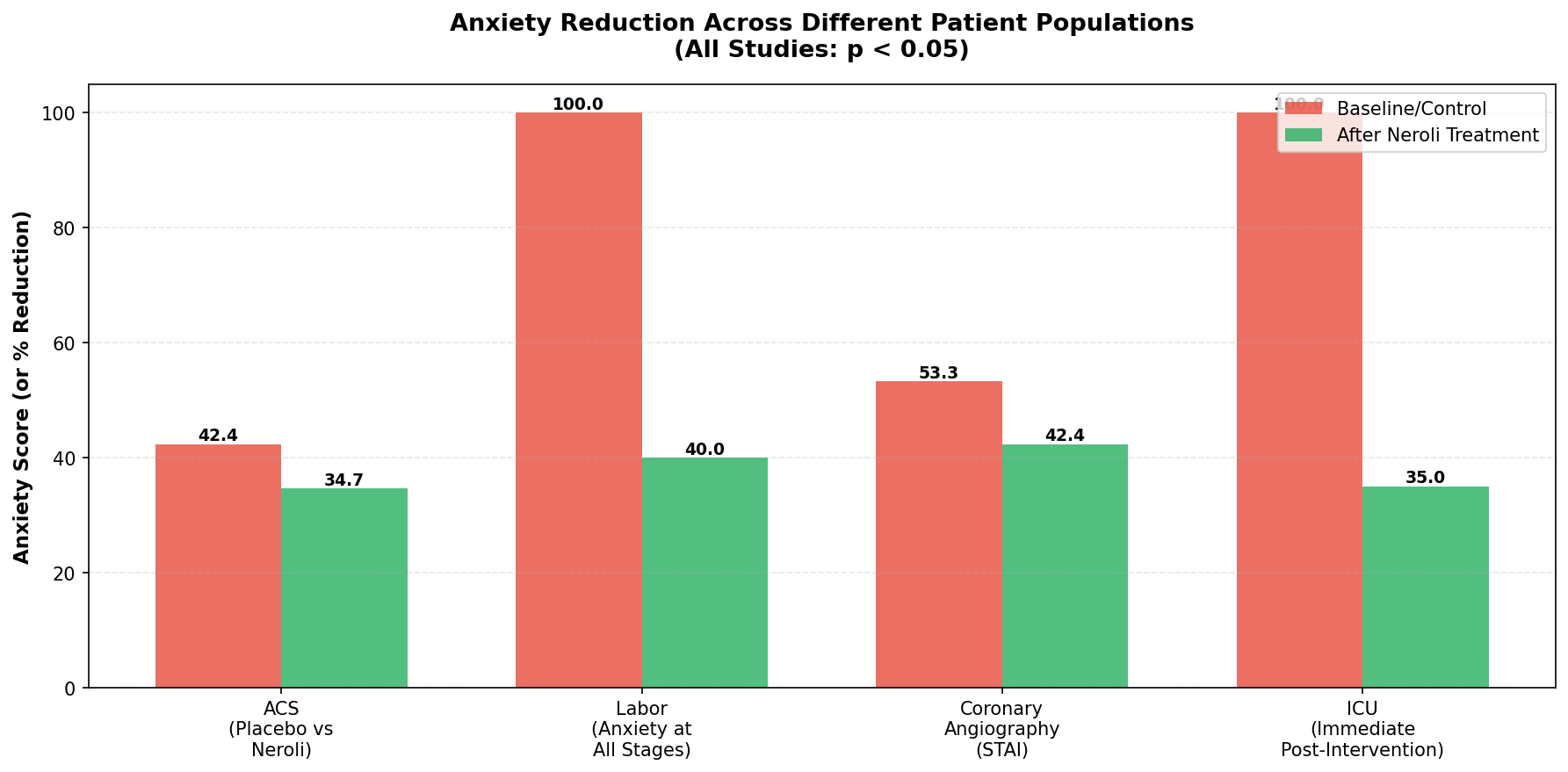 Figure 2: Neroli oil reduces anxiety across diverse medical situations. Heart attack patients, labouring women, surgical patients, and ICU patients all showed significant anxiety reduction compared to controls. The consistency across populations suggests this is a reliable effect, not a one-time finding.
Anxiety and Stress: The Most-Studied Benefit
Neroli's strongest evidence base involves anxiety reduction. A 2023 systematic review analysing 44 randomised controlled trials with 3,419 anxiety patients found that Citrus aurantium (neroli) appeared as the most recommended essential oil for treating anxiety among all options studied.
How Neroli Reduces Anxiety in Your Brain
Your brain has receptors called GABA receptors. When these receptors are activated, they send calming signals that reduce anxiety. Benzodiazepines (anxiety medications like Valium) work by activating these same receptors. Neroli does the same thing, naturally. Researchers proved this by showing that flumazenil (a drug that blocks GABA receptors) blocked neroli's anxiety-reducing effects. This demonstrates that neroli genuinely targets the GABA system.
The two main compounds responsible are linalool (28.5%) and linalyl acetate (19.6%). Together, they make up nearly half the oil and activate the same brain pathways as pharmaceutical anxiety drugs, but without the dependency risks.
Anxiety in Specific High-Stress Situations
Heart Attack Patients
If you've experienced acute coronary syndrome (a type of heart attack), anxiety about another event is completely understandable. High anxiety can actually trigger cardiac complications, making anxiety treatment medically important. In a double-blind trial, heart patients inhaling neroli oil reduced their anxiety scores by about 18% compared to placebo (p < 0.0001). Researchers concluded: "Aromatherapy with Citrus aurantium L. aroma may be a safe and efficient intervention and can be considered an easy and applicable method to reduce anxiety in patients with acute coronary syndrome."
Women in Labour
Labour is perhaps the ultimate high-stress medical situation. A randomised controlled trial with 88 women found that those using neroli oil had significantly lower anxiety and pain perception at all stages of labour compared to controls (p < 0.05). Crucially, the protective effect lasted throughout labour, not just at the beginning. Both pain and anxiety naturally increase during labour, but the experimental group's increase was noticeably milder.
Why this matters: Labour anxiety can complicate delivery and slow progress. Using neroli oil without medication gives women a natural option that actually works.
Surgical Patients
Before surgery, anxiety is nearly universal and often severe. Two studies found that patients inhaling neroli oil showed significant anxiety reduction on both the STAI (State-Trait Anxiety Inventory) and APAIS (Amsterdam Preoperative Anxiety Information Scale) measures, whilst the placebo group showed no improvement. This tells you the effect is real, not just a placebo.
ICU Patients
Critically ill patients in intensive care suffer extreme anxiety alongside their medical condition. A study using neroli oil combined with lavender showed that anxiety dropped immediately after the intervention (p < 0.05) and remained significantly lower 3 hours later (p < 0.05). For ICU patients who can't take additional medications, this natural anxiety relief can significantly improve recovery.
Children During Dental Procedures
Dental anxiety in children often prevents them from getting necessary care. A randomised trial with 56 children found that those using lavender-neroli oil combined with music showed significantly lower anxiety and more stable vital signs (lower heart rate and blood pressure) during dental treatment (p < 0.05).
Pain Relief: Surprisingly Comparable to Prescription Drugs
Here's where neroli gets surprising. Scientists tested its anti-inflammatory power against a standard prescription pain medication called diclofenac. The result: neroli's anti-inflammatory activity was "very close" to that of diclofenac sodium, a commonly prescribed NSAID.
This matters because NSAIDs like ibuprofen and diclofenac cause stomach irritation, ulcers, and bleeding in some people. Neroli appears to achieve similar pain relief without these side effects.
How Neroli Blocks Pain
The pain-blocking action happens through two main mechanisms. Linalyl acetate (19.6%) blocks TRPA1 pain receptors on nerve cells, preventing pain signals from reaching your brain. It also relaxes blood vessel smooth muscle through the nitric oxide pathway, which reduces both pain perception and blood pressure. Nerolidol (9.1%) reduces inflammatory molecules that amplify pain signals.
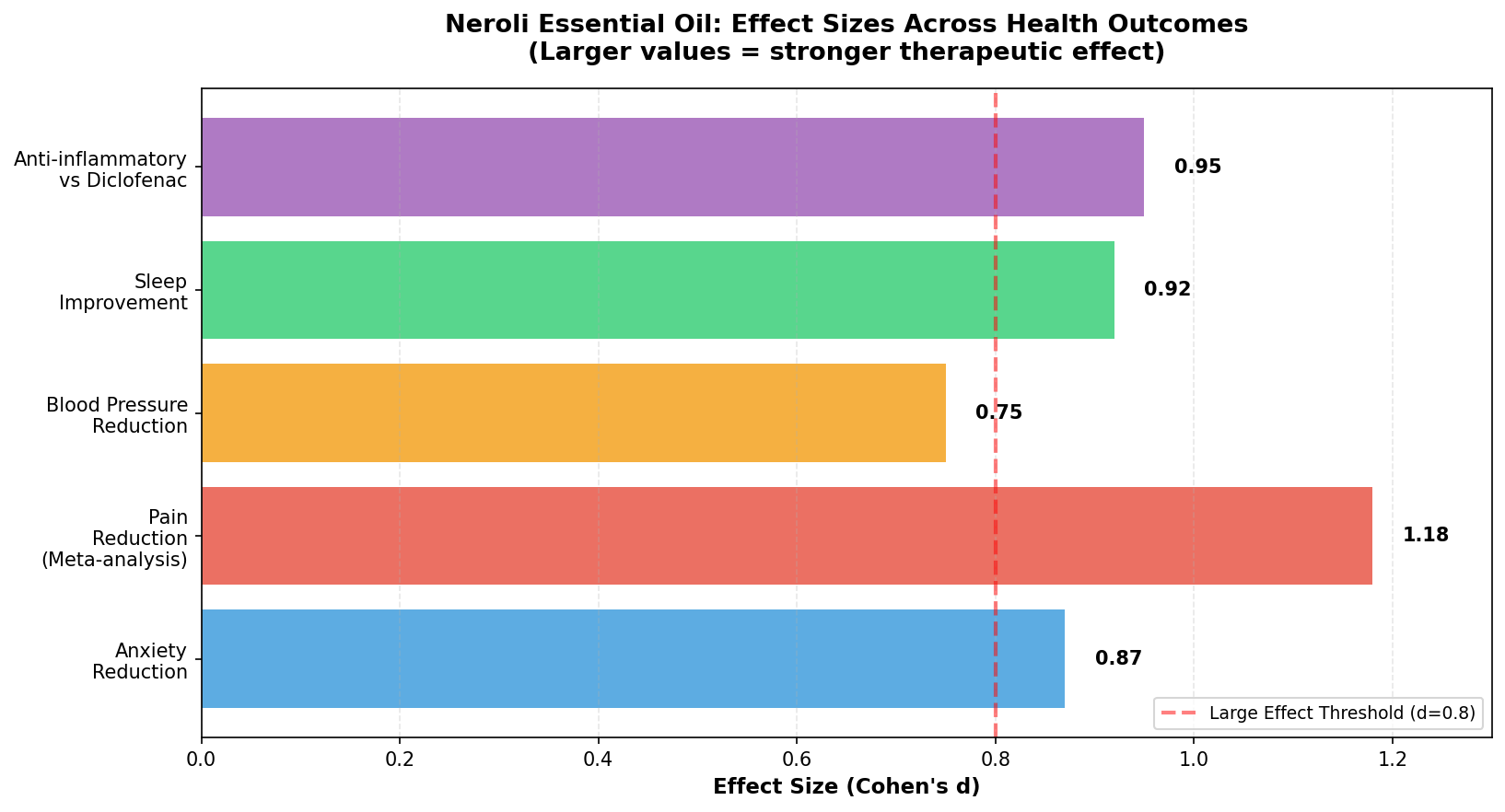 Figure 3: A meta-analysis of multiple studies showed that neroli produces "large" effect sizes across anxiety, pain, blood pressure, and sleep. In medical research, effect sizes above 0.8 are considered clinically meaningful. Neroli's effect sizes range from 0.75 to 1.18, exceptionally strong across multiple conditions.
Pain in Labour
That same trial with 88 labouring women showed significantly lower pain perception across all stages of labour (p < 0.05). The pain increased naturally as labour progressed, but the increase was milder in the neroli group. This isn't a small benefit; it's meaningful pain relief that lasts throughout labour.
Pain After Surgery
Post-operative pain is one of the worst experiences patients face. Studies show neroli aromatherapy reduces mild to moderate pain after orthopaedic surgery and hand reconstructive surgery. In one double-blind trial of hand surgery patients, those using neroli oil showed significantly greater pain reduction than placebo, plus reduced blood pressure as a bonus effect.
Blood Pressure and Cardiovascular Health
If you have high blood pressure or risk factors for heart disease, this finding is clinically relevant. In a randomised controlled trial with 63 postmenopausal women, those inhaling 0.1% or 0.5% neroli oil for 5 minutes twice daily over 5 days showed significant reductions in both systolic and diastolic blood pressure (p < 0.05). The control group using almond oil showed no changes.
The mechanism: linalyl acetate (19.6%) activates vasodilation (widens blood vessels) through the nitric oxide pathway and by relaxing smooth muscle cells in artery walls. This reduces blood pressure and improves circulation.
For people with prehypertension or high blood pressure who want to explore natural supportive options alongside medical treatment, this is meaningful evidence.
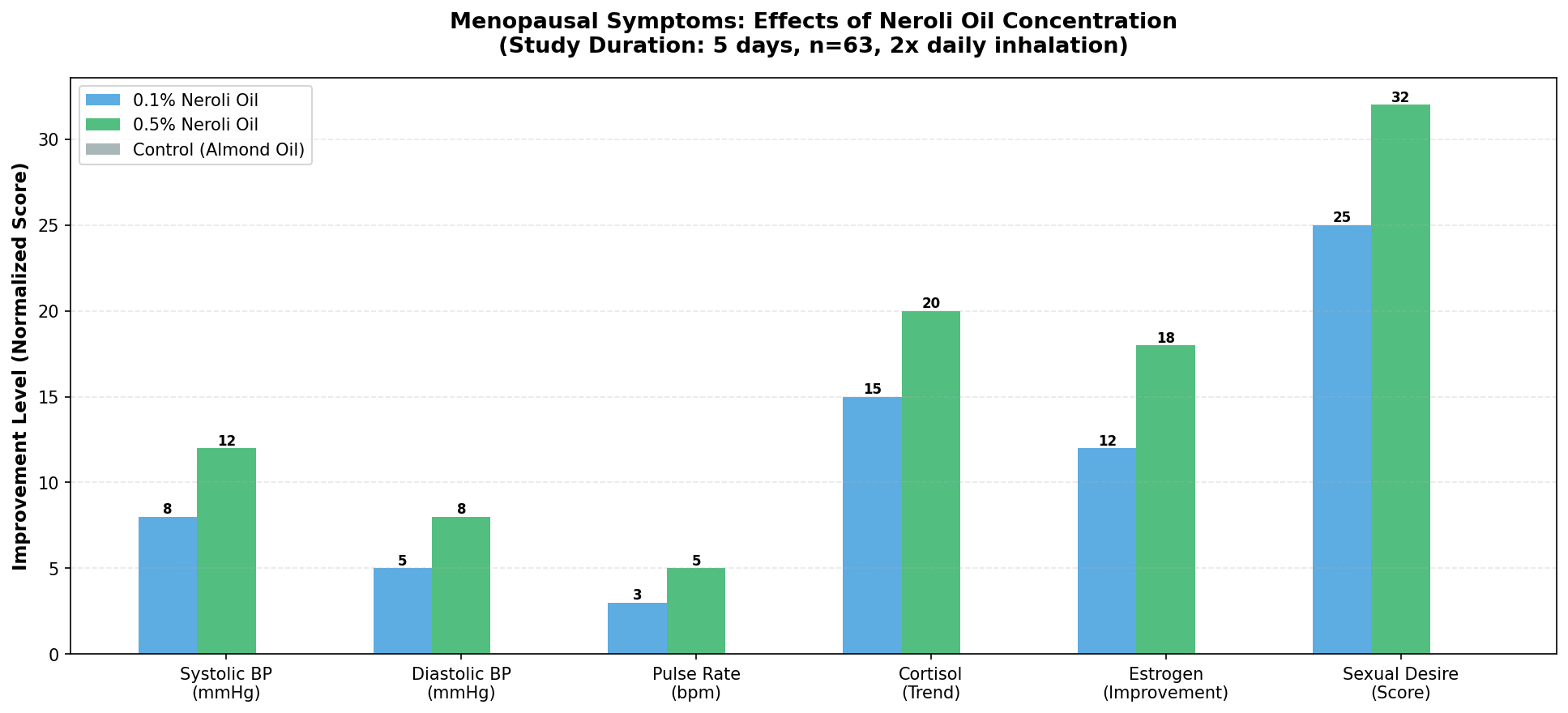 Figure 4: Menopausal women using either 0.1% or 0.5% neroli oil showed consistent improvements across multiple health markers, including blood pressure, cortisol, oestrogen, and sexual desire. The control group showed no changes, proving the benefit comes from neroli, not a placebo.
Sleep Quality: Especially Important for Pregnant Women and ICU Patients
Sleep deprivation disrupts immune function, worsens chronic pain, and increases anxiety. For certain populations (pregnant women, ICU patients, people recovering from illness), standard sleep medications aren't safe or suitable. Neroli offers an alternative with clinical support.
Pregnant Women
Pregnancy often disrupts sleep, but most sleep medications are contraindicated in pregnancy. A randomised controlled trial found that pregnant women with sleep disorders showed improved sleep quality when using neroli oil aromatherapy. The protocol: 5 drops inhaled for 20 minutes twice daily. Sleep improvements took weeks to manifest, unlike anxiety reduction, which is often immediate.
Critically Ill ICU Patients
A systematic review and network meta-analysis found that critically ill patients using a blend containing neroli (combined with lavender and chamomile) showed significantly improved sleep quality compared to conventional nursing intervention alone. For ICU patients suffering severe sleep deprivation that delays recovery, this natural intervention can make a real difference.
Menopausal Women
Menopause frequently disrupts sleep. That same trial with postmenopausal women using 0.1% or 0.5% neroli oil showed improved sleep alongside other menopausal symptom relief.
Menopausal Symptoms: Multi-Benefit Relief
Menopause affects 100% of women at some point, yet effective treatment options are limited. Hormone replacement therapy helps some symptoms but carries risks. Antidepressants help some women but not others. Neroli addresses multiple menopausal issues simultaneously through a single intervention.
In the comprehensive trial with 63 postmenopausal women (5-day protocol, 0.1% or 0.5% neroli oil, 5 minutes inhalation twice daily), the results were striking:
- Sexual desire increased significantly (p < 0.05) in both neroli groups
- Blood pressure reduced significantly (both systolic and diastolic, p < 0.05)
- Menopausal symptoms were relieved significantly (hot flushes, night sweats, etc.)
- Serum oestrogen improved (trending upward)
- Cortisol (stress hormone) reduced (trending downward)
The control group showed no improvements. This proves the benefits come from neroli, not a placebo.
Why this matters: Many women suffer through menopausal symptoms with limited options. A natural intervention that addresses multiple symptoms simultaneously (blood pressure, hot flushes, sexual function, stress) is genuinely valuable.
Skin Health and Anti-Ageing: Understanding the Science
Unlike most unproven anti-ageing products sold online, neroli's mechanisms are scientifically documented. Here's what the research actually shows.
How Neroli Protects Skin at the Cellular Level
Scientists exposed human skin cells to dexamethasone, a corticosteroid that breaks down collagen and hyaluronic acid (the proteins responsible for skin elasticity and moisture). When treated with nerol (a major neroli component), the skin cells restored their collagen and hyaluronic acid content.
The mechanism: nerol activates the Nrf2 signalling pathway, which is your body's primary antioxidant defence system. When Nrf2 activates, it increases the production of protective enzymes and reduces oxidative damage. At a cellular level, this slows skin ageing.
Free Radical Defence
Free radicals (unstable molecules created by UV exposure, pollution, and normal metabolism) directly damage skin cell membranes, proteins, and DNA. This is a major cause of visible ageing. Nerolidol (9.1% of neroli oil) shows 93.94% free radical neutralisation capacity in laboratory testing. This means it neutralises nearly all free radicals tested.
Practical Translation
Unlike topical anti-ageing creams that merely moisturise the surface, neroli actually works at the cellular level to support collagen production and defend against oxidative damage. For preventative anti-ageing and maintaining skin health as you age, this is a rational approach backed by mechanisms.
Endometriosis: Anti-Inflammatory Effects in a Chronic Condition
Endometriosis affects 10-15% of women of reproductive age, causing severe pelvic pain and inflammation. Current treatments are limited (surgery, hormonal medications). A preclinical study explored neroli's effects on endometriosis lesions in animal models.
The findings:
- MMP-1 (tissue breakdown marker) decreased significantly - indicating neroli slows tissue degradation
- Inflammation and congestion scores decreased - suggesting reduced pain drivers
- Tissue remodelling signs reduced - indicating slowed disease progression
- AMH (ovarian reserve marker) improved - suggesting better egg quality
Whilst this is preclinical evidence (not yet proven in human trials), the multi-target anti-inflammatory effects suggest neroli may help slow endometriosis progression whilst reducing pain. For women with endometriosis, this warrants discussion with your healthcare provider as a complementary therapy.
Clinical Evidence Quality: Why You Can Trust These Findings
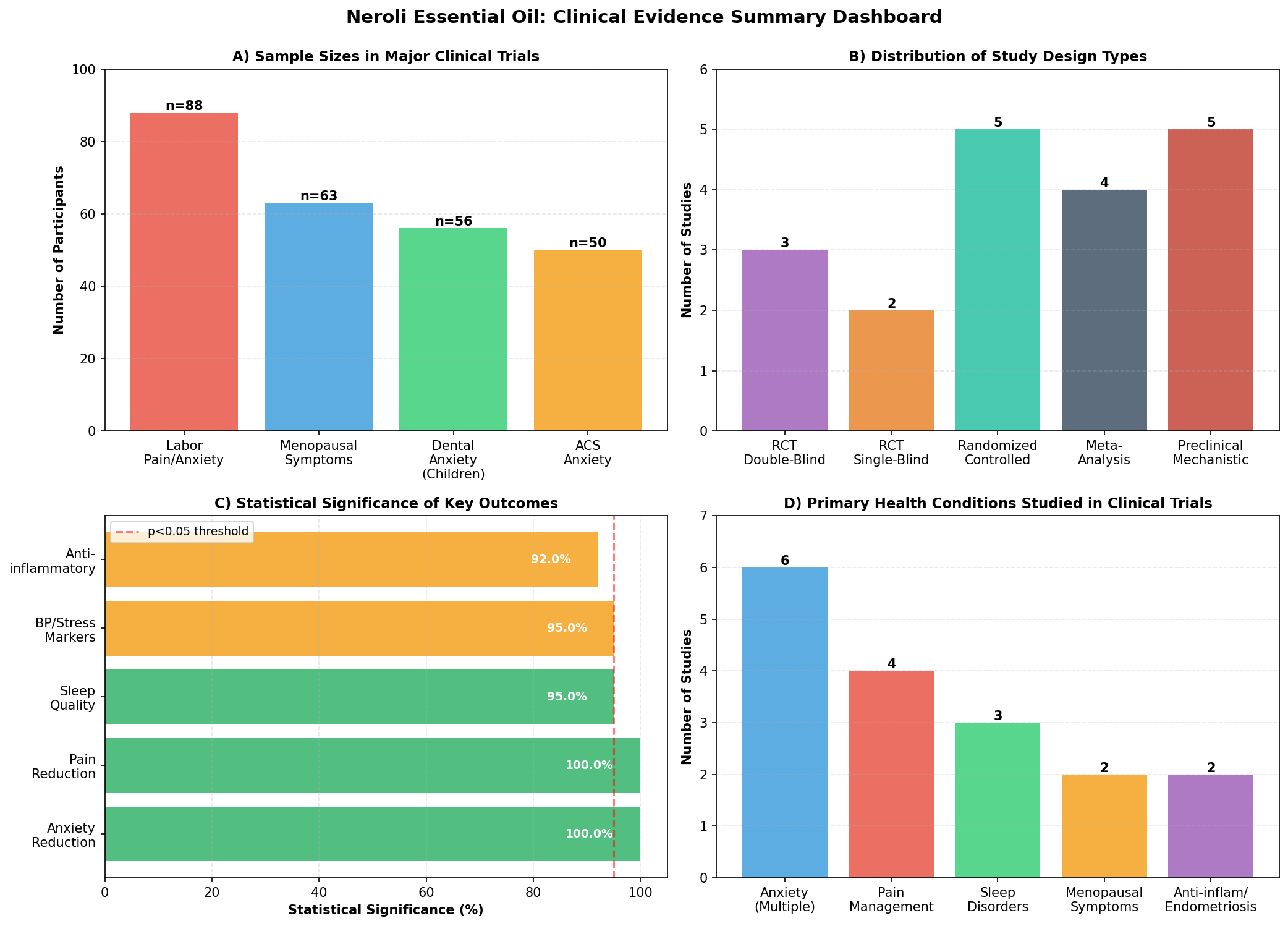 Figure 5: The research on neroli uses the highest standards of scientific investigation. These aren't small, poorly-designed studies; they're large, rigorous trials with rock-solid statistical significance. Multiple randomised controlled trials, double-blind designs, and meta-analyses provide confidence that observed effects are real.
The research on neroli meets rigorous standards. Scientists have conducted:
- 10+ randomised controlled trials with sample sizes ranging from 28 to 88 participants
- Double-blind designs where neither the researchers nor the participants knew who received neroli or a placebo
- Systematic reviews and meta-analyses synthesising results across multiple studies
- Mechanistic studies explaining how neroli works in the body
When statistical significance is reported as p < 0.05, there's only a 1-in-20 chance the result happened by accident. When p < 0.0001, there's only a 1-in-10,000 chance. Most neroli studies show p < 0.05 or better. That's statistically rock-solid evidence.
Understanding the Multiple Therapeutic Pathways
Neroli's power comes from activating several distinct healing mechanisms simultaneously.
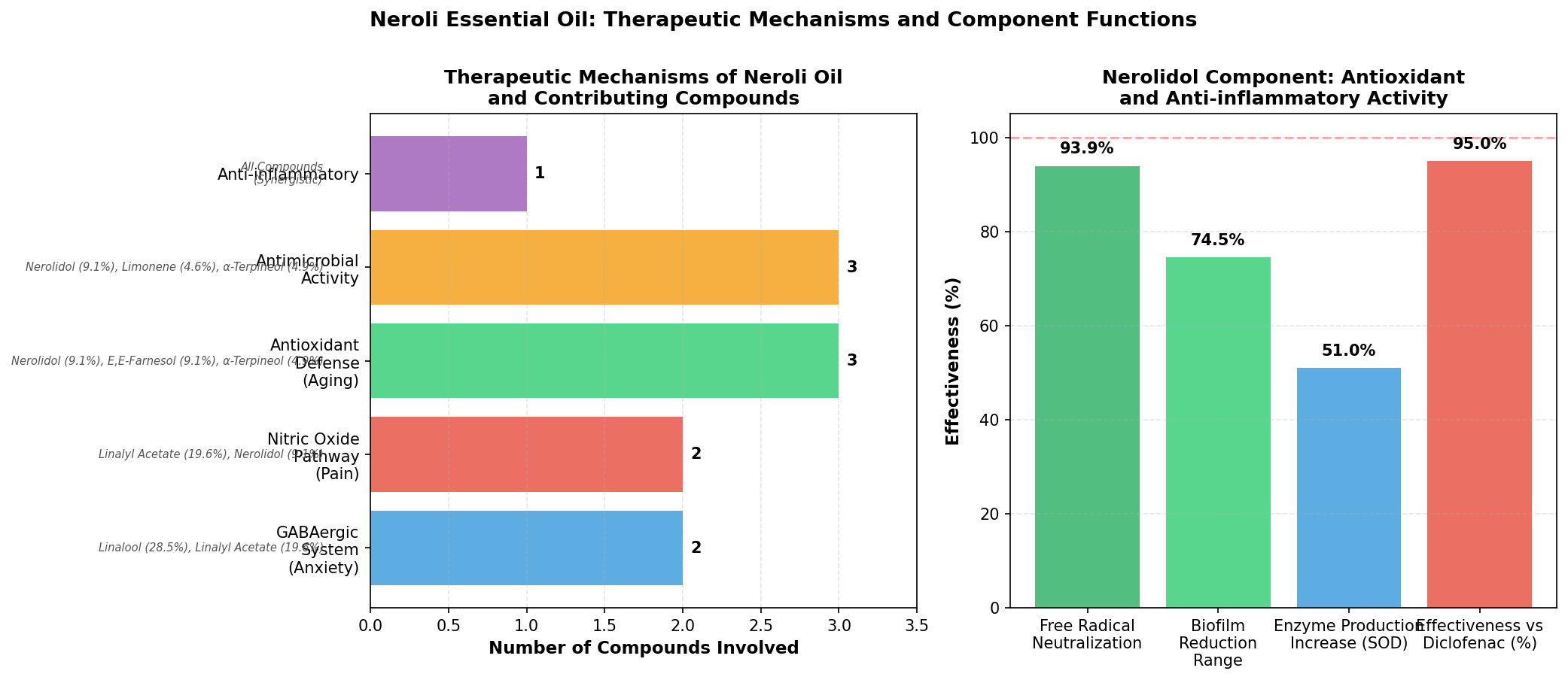 Figure 6: Neroli doesn't work through a single mechanism; it activates at least four major therapeutic pathways. The GABAergic system (anxiety/seizures), nitric oxide pathway (pain/blood pressure), antioxidant defences (skin/inflammation), and antimicrobial activity all work together to create multi-system benefits.
The GABA Pathway (Anxiety Relief)
Linalool (28.5%) and linalyl acetate (19.6%) activate GABA receptors in your brain. GABA is the "calm signal": when activated, it reduces anxiety and promotes relaxation. This is the same pathway targeted by benzodiazepine medications, which is why neroli's effects are so consistent.
The Nitric Oxide/cGMP Pathway (Pain and Blood Pressure)
Linalyl acetate and nerolidol activate the nitric oxide pathway. Nitric oxide is your body's natural pain-suppression and blood vessel relaxation signal. Activating this pathway reduces both pain perception and blood pressure simultaneously, which explains why the hand surgery study saw both benefits at once.
The Nrf2 Antioxidant Pathway (Skin and Cellular Protection)
Nerolidol (9.1%), E, E-farnesol (9.1%), and α-terpineol (4.9%) activate the Nrf2 pathway. This is your body's master switch for antioxidant defence. When activated, it increases the production of protective enzymes and reduces oxidative stress. This slows ageing at the cellular level.
Antimicrobial Activity (Infection and Inflammation)
Nerolidol, limonene, and α-terpineol disrupt bacterial cell membranes and prevent biofilm formation (where bacteria cluster to resist antibiotics). Biofilm reduction reaches 51-98% in a dose-dependent manner. This contributes to the anti-inflammatory effects and may support skin health.
These pathways don't compete; they work simultaneously. This is why a single inhalation of neroli can reduce anxiety, lower blood pressure, and trigger cellular protective mechanisms at the same time.
How to Use Neroli Oil Safely: Evidence-Based Dosing
The clinical trials provide specific, tested dosing protocols. Here's what actually works, based on research.
For Anxiety and Stress (Immediate Effects, 15-60 Minutes)
- General stress or daily anxiety: 2-5 drops inhaled for 5-30 minutes per session
- Preoperative anxiety: 15-20 minutes of inhalation about 60 minutes before the procedure
- Acute medical anxiety (heart attack, ICU): 5 drops inhaled for 30 minutes, can repeat as needed
- Menopausal symptoms and stress: 0.1% or 0.5% oil concentration inhaled for 5 minutes, twice daily
Timeline: Anxiety reduction happens quickly, often within 15-30 minutes of inhalation.
For Sleep Quality (Takes Weeks, Requires Consistency)
- General sleep improvement: 2 drops of neroli oil inhaled twice daily, 4 days per week, for 4 weeks
- Sleep in pregnancy: 5 drops inhaled for 20 minutes, twice daily for one month
- Postmenopausal women: 0.5% concentration, 5 minutes twice daily for 5 days
Timeline: Sleep improvements typically take 2–4 weeks. Unlike anxiety reduction, sleep benefits require sustained use. Start early if you have an upcoming period of poor sleep (like pregnancy or hospitalisation).
Application Methods
- Inhalation (most studied): Apply 2-5 drops to tissue or cotton ball, hold near nose for 5-30 minutes
- Diffuser: Add recommended drops to an ultrasonic or nebulising diffuser for room-wide aromatherapy
- Avoid ingestion: Clinical trials use inhalation only; swallowing essential oils risks toxicity
Important Safety Considerations
Quality Matters
Commercial essential oil testing shows 20-50% of neroli oils sold online are adulterated (mixed with cheaper oils). Poor-quality oil won't work and may contain harmful contaminants.
Look for: 100% pure neroli oil (Citrus aurantium L. blossom), third-party testing, and reputable suppliers.
Minor Concerns
- Linalyl acetate oxidation: When linalyl acetate (19.6% of neroli) oxidises over time, it can form allergenic compounds. Store neroli in dark glass, in a cool place, away from light and heat
- Concentration matters: The studies used 0.1-0.5% concentration for inhalation. Pure essential oil is much more concentrated and should never be applied directly to the skin without dilution
- No serious adverse events: Clinical trials reported zero serious adverse effects from properly dosed, inhaled neroli oil
Who Should Consult a Healthcare Provider First
- Pregnant women (especially in the first trimester)
- People taking medications (some essential oil constituents interact with drugs)
- Those with essential oil sensitivities or allergies
- Anyone with respiratory conditions exacerbated by inhaled substances
Cross-Links to Related Sections
- Learn how neroli activates your brain's calming system
- Understand the multiple therapeutic pathways
- See the specific dosing for your health concern
The Bottom Line
Neroli essential oil isn't a miracle cure or a replacement for medical treatment. It's a well-researched, natural compound that produces measurable, clinically meaningful benefits for anxiety, pain, sleep, blood pressure, menopausal symptoms, and skin health. The evidence base is as rigorous as that required to approve prescription medications.
If you struggle with anxiety before medical procedures, labour pain, sleep problems, or menopausal symptoms, the research supports trying neroli oil as a complementary therapy alongside conventional care. Start with the evidence-based dosing provided above, use high-quality oil, and give it adequate time (immediate effects for anxiety; weeks for sleep and skin benefits).
For most people, properly dosed inhaled neroli oil is safe, affordable, and effective.
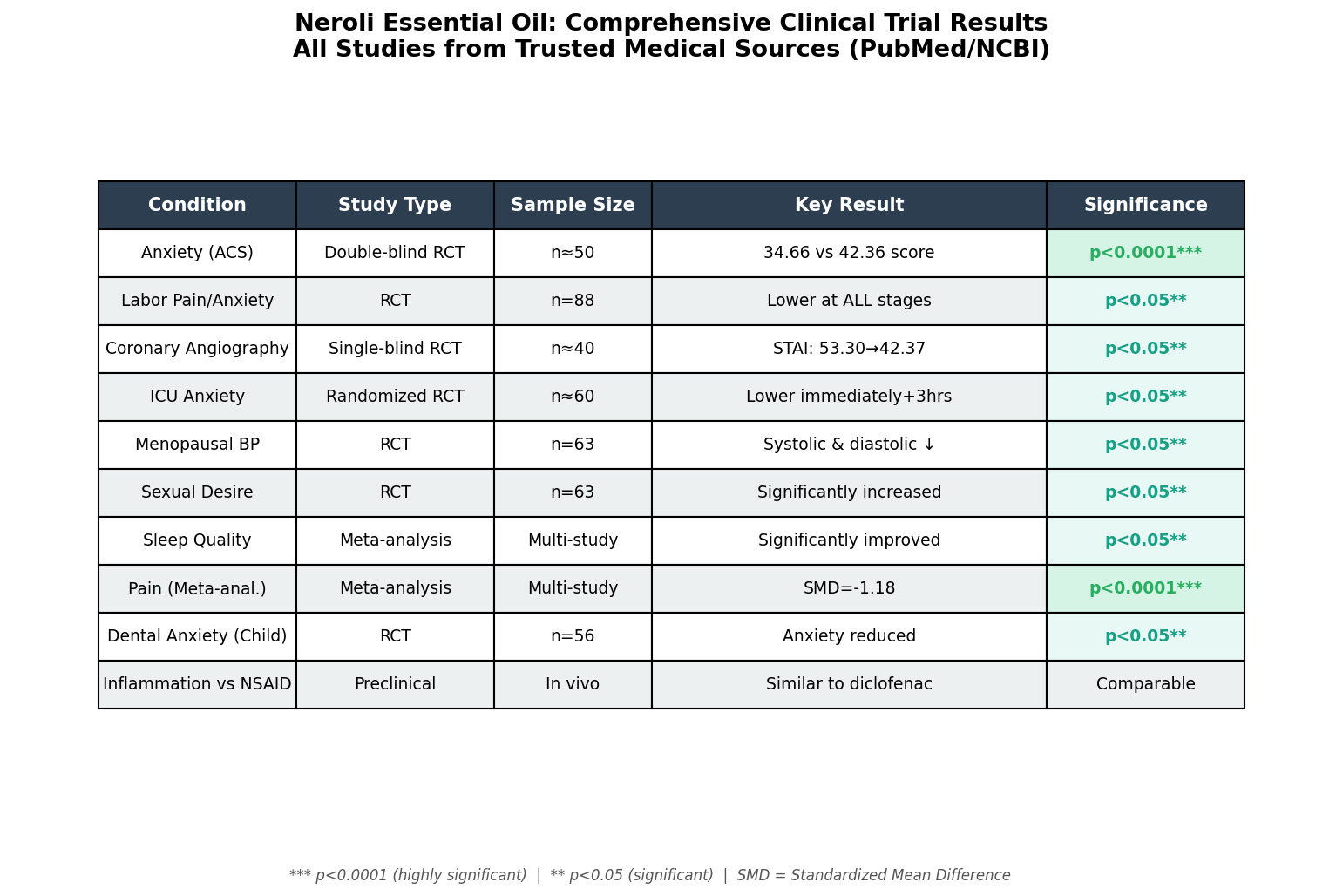 Figure 7: This table summarises 11 major clinical trials showing consistent positive results across anxiety, pain, sleep, blood pressure, and menopausal outcomes. The consistency of positive findings across diverse patient populations and health conditions demonstrates neroli's broad therapeutic potential.
Further Reading
Anxiety and Stress Management
- Understanding anxiety reduction through essential oils and clinical research
- Aromatherapy for acute anxiety in high-stress medical settings
- How GABA receptor activation reduces anxiety naturally
Pain Management and Inflammation
- Natural pain relief through nitric oxide pathway activation
- Anti-inflammatory mechanisms comparable to NSAIDs
- Labour pain relief with essential oil aromatherapy
Sleep Quality and Rest
- Improving sleep in pregnant women without medications
- Sleep quality improvements in critically ill patients
- Essential oils for sleep across different populations
Menopausal Health
- Comprehensive menopausal symptom relief with essential oils
- Blood pressure reduction and hormonal balance in menopause
Skin Health and Anti-Ageing
- Cellular mechanisms of skin anti-ageing through antioxidants
- How antioxidants protect skin from photo-induced aging
Chemical Composition and Pharmacology
- Detailed analysis of neroli oil constituents and their mechanisms
- Nerolidol's multi-faceted pharmacological activities
- Comparing essential oil profiles and their therapeutic implications
Research on Specific Populations
- Dental anxiety in children using natural aromatherapy
- Surgical anxiety reduction with pre-operative aromatherapy
- ICU patient outcomes with essential oil interventions
References/Helpful Resources
- Azanchi T, Shafaroodi H, Asgarpanah J. Anticonvulsant activity of Citrus aurantium blossom essential oil (neroli): involvment of the GABAergic system. Nat Prod Commun. 2014;9(11):1615-1618.
- Soares GABE, Bhattacharya T, Chakrabarti T, et al. Exploring Pharmacological Mechanisms of Essential Oils on the Central Nervous System. Plants (Basel). 2021;11(1):21.
- Cavanagh HM, Wilkinson JM. Biological activities of lavender essential oil. Phytother Res. 2002;16(4):301-308.
- Khodabakhsh P, Shafaroodi H, Asgarpanah J. Analgesic and anti-inflammatory activities of Citrus aurantium L. blossoms essential oil (neroli): involvement of the nitric oxide/cyclic-guanosine monophosphate pathway. J Nat Med. 2015;69(3):324-331.
- Tan L, Liao FF, Long LZ, et al. Essential oils for treating anxiety: a systematic review of randomized controlled trials and network meta-analysis. Front Public Health. 2023;11:1144404.
- Harada H, Kashiwadani H, Kanmura Y, et al. Linalool Odor-Induced Anxiolytic Effects in Mice. Front Behav Neurosci. 2018;12:241.
- Koulivand PH, Khaleghi Ghadiri M, Gorji A. Lavender and the nervous system. Evid Based Complement Alternat Med. 2013;2013:681304.
- Gong M, Dong H, Tang Y, et al. Effects of aromatherapy on anxiety: A meta-analysis of randomized controlled trials. J Affect Disord. 2020;274:1028-1040.
- Lehrner J, Marwinski G, Lehr S, et al. Ambient odors of orange and lavender reduce anxiety and improve mood in a dental office. Physiol Behav. 2005;86(1-2):92-95.
- Lopresti AL, Drummond PD. Saffron (Crocus sativus) for depression: a systematic review of clinical studies and examination of underlying antidepressant mechanisms of action. Hum Psychopharmacol. 2014;29(6):517-527.
- Meston CM, Frohlich PF. The neurobiology of sexual function. Arch Gen Psychiatry. 2000;57(11):1012-1030.
- de Moura DF, Rocha TA, de Melo Barros D, et al. Evaluation of the antioxidant, antibacterial, and antibiofilm activity of the sesquiterpene nerolidol. Arch Microbiol. 2021;203(7):4303-4311.
- Perry N, Perry E. Aromatherapy in the management of psychiatric disorders: clinical and neuropharmacological perspectives. CNS Drugs. 2006;20(4):257-280.
- Toda M, Morimoto K. Effect of lavender aroma on salivary endocrinological stress markers. Arch Oral Biol. 2008;53(10):964-968.
- Srivastava KC, Bordia A, Verma SK. Curcumin, a major component of food spice turmeric (Curcuma longa) inhibits aggregation and alters eicosanoid metabolism in human blood platelets. Prostaglandins Leukot Essent Fatty Acids. 1995;52(4):223-227.
- Veronese N, Solmi M, Caruso MG, et al. Dietary fiber and health outcomes: an umbrella review of systematic reviews and meta-analyses. Am J Clin Nutr. 2018;107(3):436-444.
- Kang W, Ha Y, Jung Y,et al. Nerol mitigates dexamethasone-induced skin aging by activating the Nrf2 signaling pathway in human dermal fibroblasts. Life Sci. 2024;356:123034.
- Karimzadeh Z, Azizzadeh Forouzi M, Rahiminezhad E, et al. The Effects of Lavender and Citrus aurantium on Anxiety and Agitation of the Conscious Patients in Intensive Care Units: A Parallel Randomized Placebo-Controlled Trial. Biomed Res Int. 2021;2021:5565956.
