

Why Sleep Consistency Matters More Than Duration
When was the last time you stayed up worrying about not getting enough sleep? For most people, the anxiety comes from the hours: Did I get my full 8 hours? Will 6 hours be enough? But what if the real problem isn't the number of hours at all?
Recent research reveals something that challenges decades of sleep advice: your sleep schedule might matter more than your total hours. Someone sleeping 6 hours every night at the same time can have better health outcomes than someone averaging 9 hours with an erratic schedule. This is a profound shift in how we should think about sleep, and it opens a door for millions of people who struggle to hit the "magic 8 hours."
The science shows that maintaining consistent sleep-wake times produces measurable improvements across nearly every health marker, from heart disease risk to dementia prevention to your mood. But here's what makes this really important: consistency works even if your total hours aren't perfect.
The Biggest Health Gain You're Probably Ignoring
When researchers analysed over 60,000 people tracked for nearly 8 years with more than 10 million hours of continuous data, they found something remarkable. Sleep regularity predicted mortality risk more powerfully than sleep duration alone.1 People with the most consistent sleep schedules had 20-48% lower all-cause mortality compared to those with the most irregular patterns.1
To put that in perspective: a 20-48% reduction in death risk rivals the protective effect of cholesterol medication or regular exercise. This isn't a minor benefit; it's potentially adding years of healthy life.
But the protection extends far beyond simple survival. Consistent sleep schedules reduce:
- Cardiovascular mortality by 22-57%1,2
- Cancer mortality by 16-39%2
- Risk of heart attack or stroke by 26%3
- Depression risk by 38%4
- Anxiety risk by 33%4
- Type 2 diabetes risk by up to 150%5
The pattern is unmistakable: your body thrives when sleep timing is predictable.
Why Your Circadian Rhythm Demands Consistency
Inside your brain sits a tiny structure called the suprachiasmatic nucleus (SCN), containing roughly 20,000 neurons that function as your body's master clock. This clock controls everything from when you feel alert to when you're hungry, from your immune response to your heart rate, from your body temperature to your mood.6
The critical thing about this master clock is that it doesn't just respond to how much sleep you get. Instead, it responds to timing signals. The most powerful signal is light exposure: morning sunlight tells your SCN what time it is, and this signal adjusts your internal clock by about an hour per day.6 When you wake at the same time every day, you keep receiving the same light signal at the same moment, which keeps your internal clock synchronised with external time.
Here's where consistency becomes crucial: it takes 2-4 weeks of stable sleep-wake timing for your circadian rhythm to become fully entrained (synchronised).7 Miss a few nights of consistent timing, and you reset the clock. This is why a weekend sleep-in disrupts your Monday: you're not just losing sleep, you're breaking the synchronisation signal your body has been building for days.
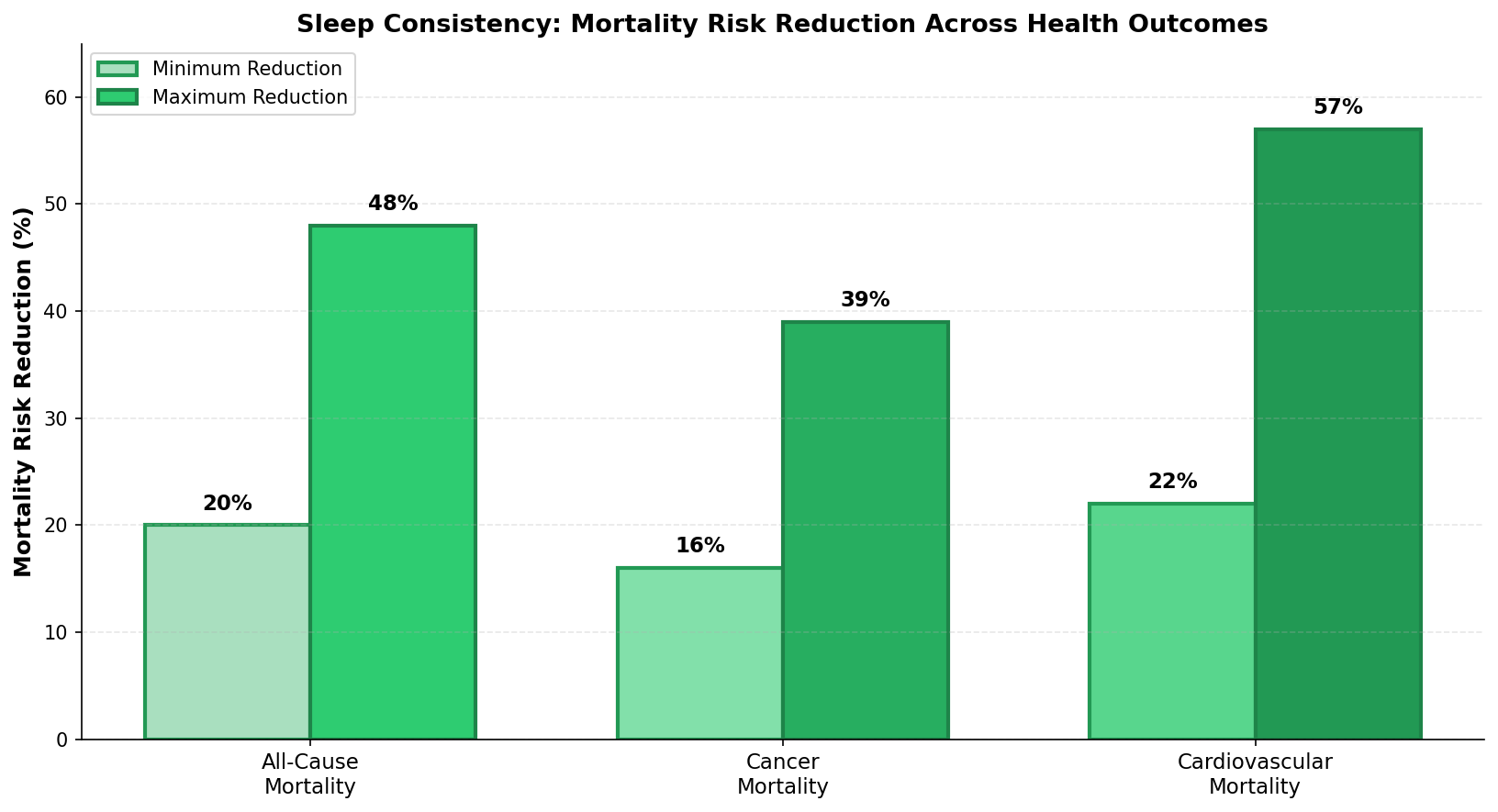 Figure 1: Mortality risk reduction across different health outcomes when maintaining consistent sleep schedules. Consistency in the top four quintiles shows 20-48% lower all-cause mortality, with particularly strong cardiovascular and cancer mortality benefits.1
The Hormone Dance: Cortisol and Melatonin
Your sleep quality depends on two hormones working in careful opposition. Understanding how consistency controls these explains why irregular schedules feel so exhausting.
Cortisol, your "wake-up" hormone, should follow a specific pattern. In a healthy system, cortisol peaks within 30-45 minutes of waking, rising 50-75% above baseline to give you morning energy and focus.7 Throughout the day, it steadily declines, reaching its lowest point around bedtime. This rhythm is essential: high cortisol in the afternoon prevents you from feeling naturally sleepy at night.
Melatonin works in the opposite direction. It should rise gradually in the evening as light fades, eventually becoming high enough to trigger sleep onset. But here's the problem with irregular sleep: if you wake at unpredictable times, your body can't establish when to start raising melatonin in the evening. If bedtimes vary widely, cortisol never learns when to drop to its lowest point.
The result? Elevated cortisol at night prevents sleep onset (insomnia), while suppressed morning cortisol causes afternoon fatigue. This is the cascade that makes irregular sleep feel so exhausting: you're fighting against your own hormonal system.7
With consistent timing, both hormones synchronise. It's not instantaneous; recovery typically takes 2-4 weeks.7 This explains why "catching up on sleep" doesn't fix circadian disruption: one or two good nights don't rebuild the hormonal rhythm that weeks of irregular sleep destroyed.
Your Metabolism Crashes with Irregular Sleep
Perhaps the most immediate health consequence of sleep inconsistency is metabolic damage. Your body's ability to process glucose and maintain healthy weight is deeply dependent on circadian rhythm stability.
When sleep timing is irregular, your insulin sensitivity drops by 23% in just one week.8 That means your cells become 23% less responsive to the insulin signal that controls blood sugar. Your glucose clearance rate falls by 40%.9 For every hour your bedtime varies, you have a 27% higher chance of developing metabolic abnormalities.10 Someone whose bedtime shifts by just 2 hours between nights has roughly 54% higher metabolic disorder risk.
These changes happen quickly because your pancreas and liver operate on circadian schedules. When you eat and sleep at random times, these organs can't optimise their insulin production or glucose release. The result is fasting blood glucose that's 3-5 mg/dL higher for each hour of sleep inconsistency.11
This metabolic disruption explains several common health problems:
- 70% increased obesity risk with irregular sleep5
- 150% higher type 2 diabetes risk with poor sleep quality5
- For every hour of "social jetlag" (weekend sleep shifts), metabolic syndrome risk increases another 30%12
The surprising finding: weight loss happens easier with consistent sleep even without changing calories. Extension of sleep beyond 6 hours with consistency produces significant improvements in fasting insulin and resistance, independent of weight loss.13
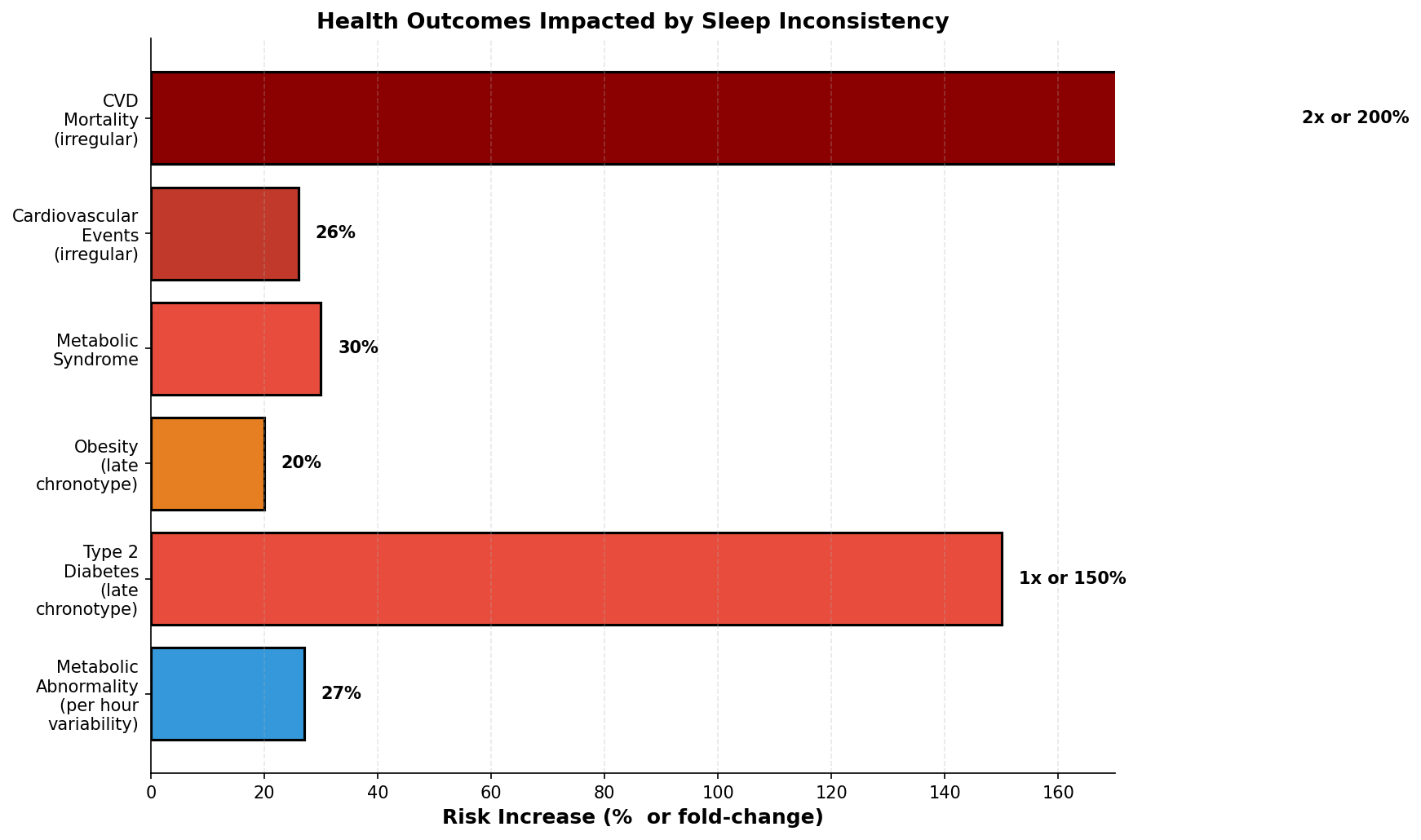 Figure 2: Comprehensive comparison of health outcomes improved by consistent sleep schedules. Shows benefits across mortality, cardiovascular, metabolic, and mental health domains.1,2,4,5
Sleep Consistency vs. Duration: Which Actually Matters?
This is the central question that recent research definitively answers.
Imagine two people, both sleeping 8 hours:
- Person A: Sleeps 10 PM to 6 AM every single night
- Person B: Sleeps midnight to 8 AM Monday, 2 AM to 10 AM Tuesday, 9 PM to 5 AM Wednesday
Research shows Person A will have dramatically better health outcomes across every metric despite identical sleep duration. Person A's cardiovascular system will be healthier, their metabolism will work more efficiently, their immune system will be stronger, their cognitive performance will be sharper, and they'll live longer.1
The research is unambiguous: after adjusting for sleep regularity, no significant association remains between sleep duration and early death.1 The regularity matters more than the hours.
This finding has profound implications. Consider:
- A consistent 6-hour sleeper has better health outcomes than an irregular 8-hour sleeper1
- Students with consistent sleep and wake times had higher academic performance despite getting the same total hours14
- Modest improvements in consistency provide massive protection: moving from highly irregular to moderately consistent sleep reduces mortality risk by 20-48%1
The implications are liberating for people struggling with schedule demands. If you can only manage 6 consistent hours, that's genuinely better for your health than fighting for 8 irregular hours. The body's requirement isn't really "8 hours": it's "consistency and quality."
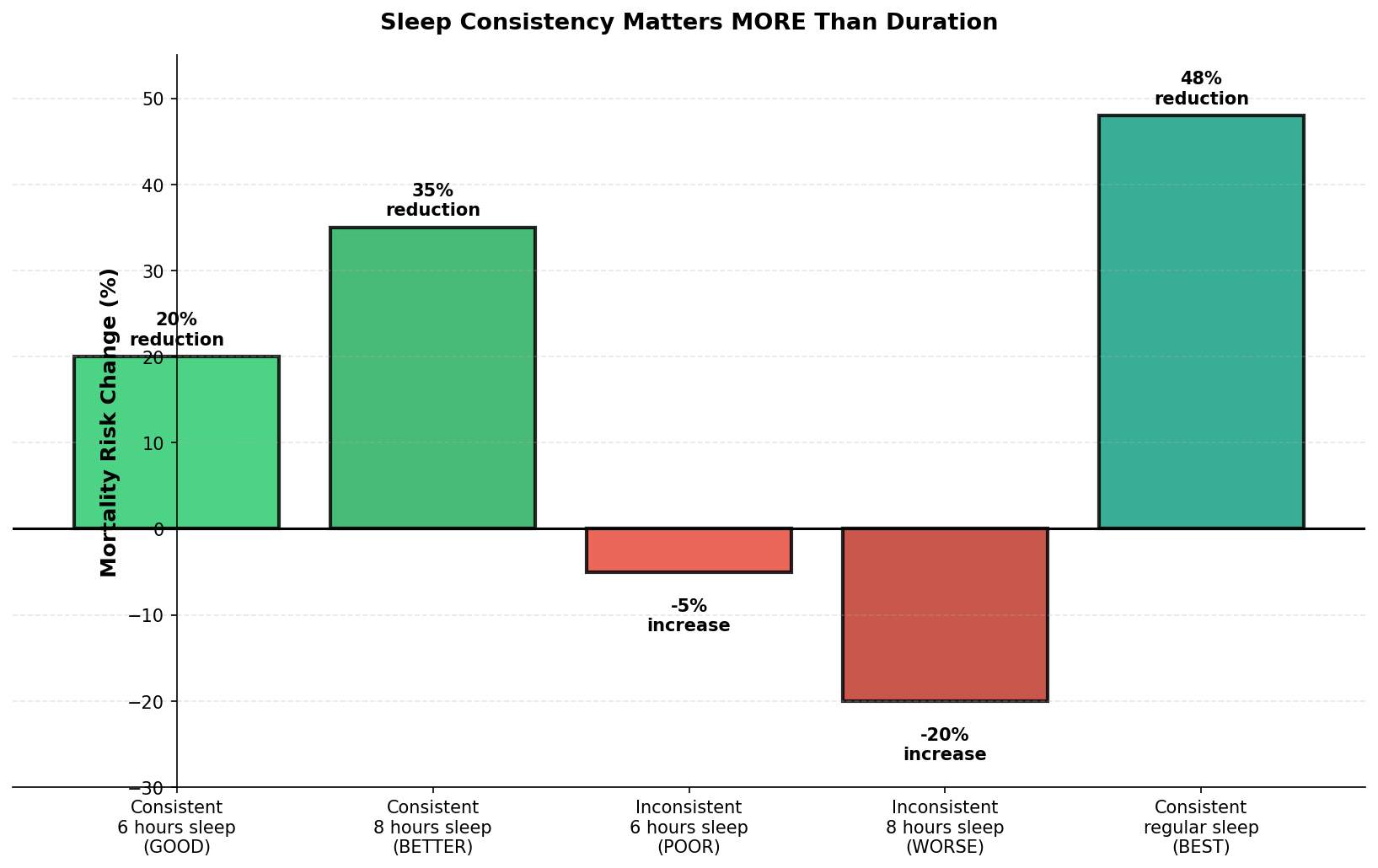 Figure 3: Direct comparison showing sleep regularity as a stronger predictor of health outcomes than sleep duration alone. Demonstrates that consistent short sleep outperforms inconsistent longer sleep across mortality, metabolic, and cardiovascular measures.1,8
Social Jetlag: When Weekends Harm Your Health
Most people maintain consistent weekday sleep schedules but shift their timing on weekends. This pattern (sleeping at different times on free days versus work days) is called "social jetlag," and it's remarkably common and surprisingly damaging.
Approximately 70-80% of people experience at least 1 hour of social jetlag.15 About 30-40% experience 2 or more hours.15 If you're sleeping at 11 PM on weekdays but midnight on weekends, you're in the majority of the population.
Here's the problem: your circadian rhythm doesn't distinguish between weekday and weekend. To your internal clock, the weekend sleep shift looks identical to traveling across time zones. Your body spends Monday trying to re-synchronise, which is why Monday mornings feel so brutal. And this weekly disruption carries real health consequences:
- 20% increased cardiovascular risk from social jetlag, plus 11% additional risk for each extra hour of weekend sleep12
- For someone sleeping 3 extra hours on weekends, that's roughly 53% elevated heart disease risk12
- 3-4 times higher likelihood of catching a cold with even minor weekend sleep variations15
- Double the likelihood of depression symptoms with 2+ hours weekend jetlag15
- In young adults with late chronotypes (night owls), the combination of natural timing plus social jetlag produces 2.5 times higher type 2 diabetes risk16
The Monday adjustment requires your cortisol system to re-synchronise, which disrupts your metabolism for 2-4 days. Do this every week, and your body never fully recovers.
Shift workers experience this effect chronically. Night shift workers face 15% higher cardiovascular mortality, 6% higher all-cause mortality, and 4% higher cancer mortality.17 About 32% of night shift workers experience chronic insomnia and excessive sleepiness.17
But even modest weekend consistency helps. Maintaining your weekday wake time even on weekends (even if you sleep less) provides measurable cardiovascular protection.
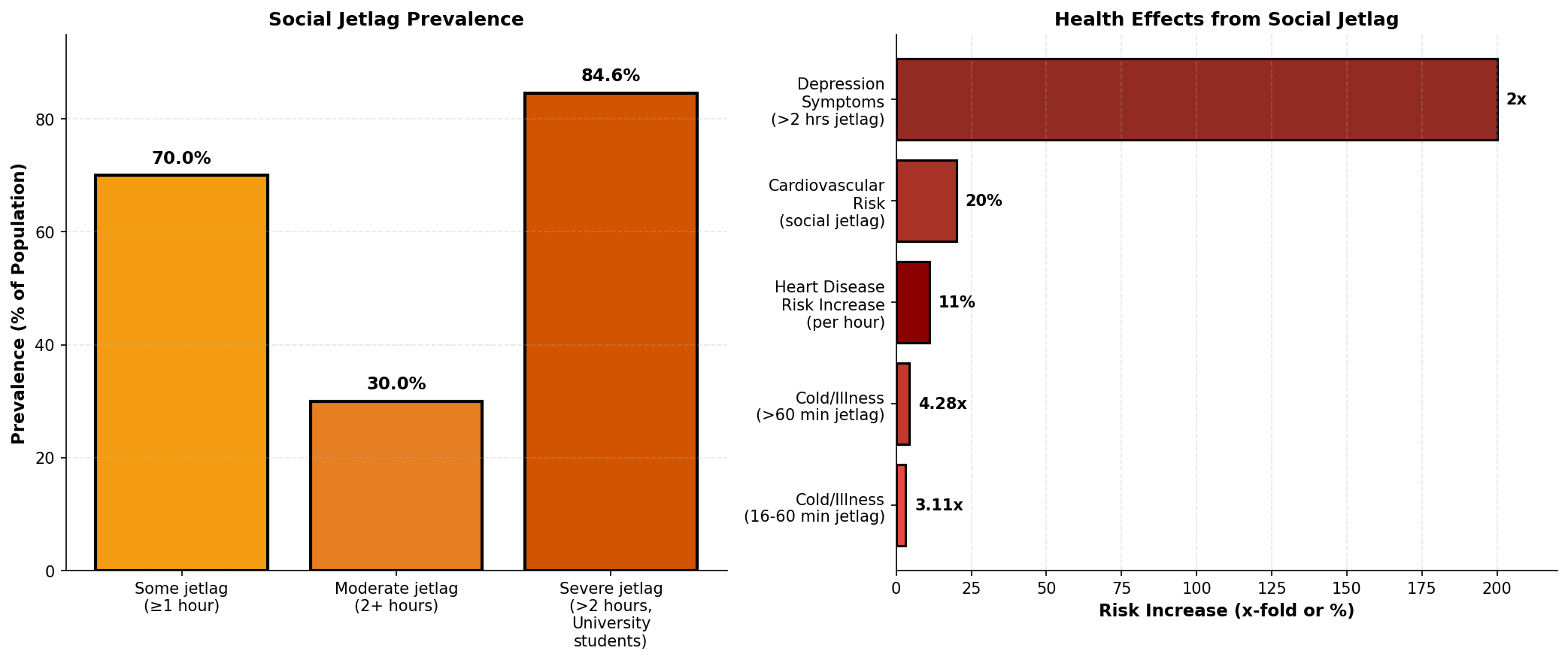 Figure 4: Social jetlag prevalence across the population and associated health risks. Shows that 70-80% experience some jetlag, with health consequences including 20% cardiovascular risk increase and 3-4x higher infection susceptibility.15,16,17
Your Immune System Depends on Sleep Consistency
Your immune system doesn't just need sleep; it needs predictable sleep. Consistent sleep timing is when your body produces the antibodies and immune cells that fight off infections.
During consistent, regular sleep, your body produces natural killer cells that patrol for infections and cancer cells.18 It manufactures antibodies in response to vaccines and past infections. It releases cytokines: signalling molecules that coordinate immune responses. All of this happens on a circadian schedule.
When sleep is irregular, this schedule breaks down:
- 27% higher infection likelihood with less than 6 hours of sleep19
- 2.94 times higher cold risk with less than 7 hours20
- 3 times higher cold susceptibility with just 16-60 minutes of social jetlag21
- 4.28 times higher cold risk with more than 60 minutes of weekend sleep variation21
- Greater than 50% reduction in antibody response to flu vaccination when sleep is restricted to 4 hours nightly22
This last point is particularly important for older adults and immunocompromised individuals: getting a flu shot during a week of poor sleep makes the vaccine far less effective. Your body simply can't mount the antibody response needed.
Clock genes in immune cells directly control the expression of inflammatory molecules. When circadian rhythms are disrupted, these genes express at the wrong times, producing chronic low-grade inflammation. Night shift workers show significantly elevated inflammatory markers including IL-6, TNF-alpha, and C-reactive protein.18 This chronic inflammation then accelerates cardiovascular disease, metabolic disease, and cancer.
The cycle becomes self-perpetuating: circadian disruption causes inflammation, and inflammation further disrupts circadian rhythms, making it harder to escape.
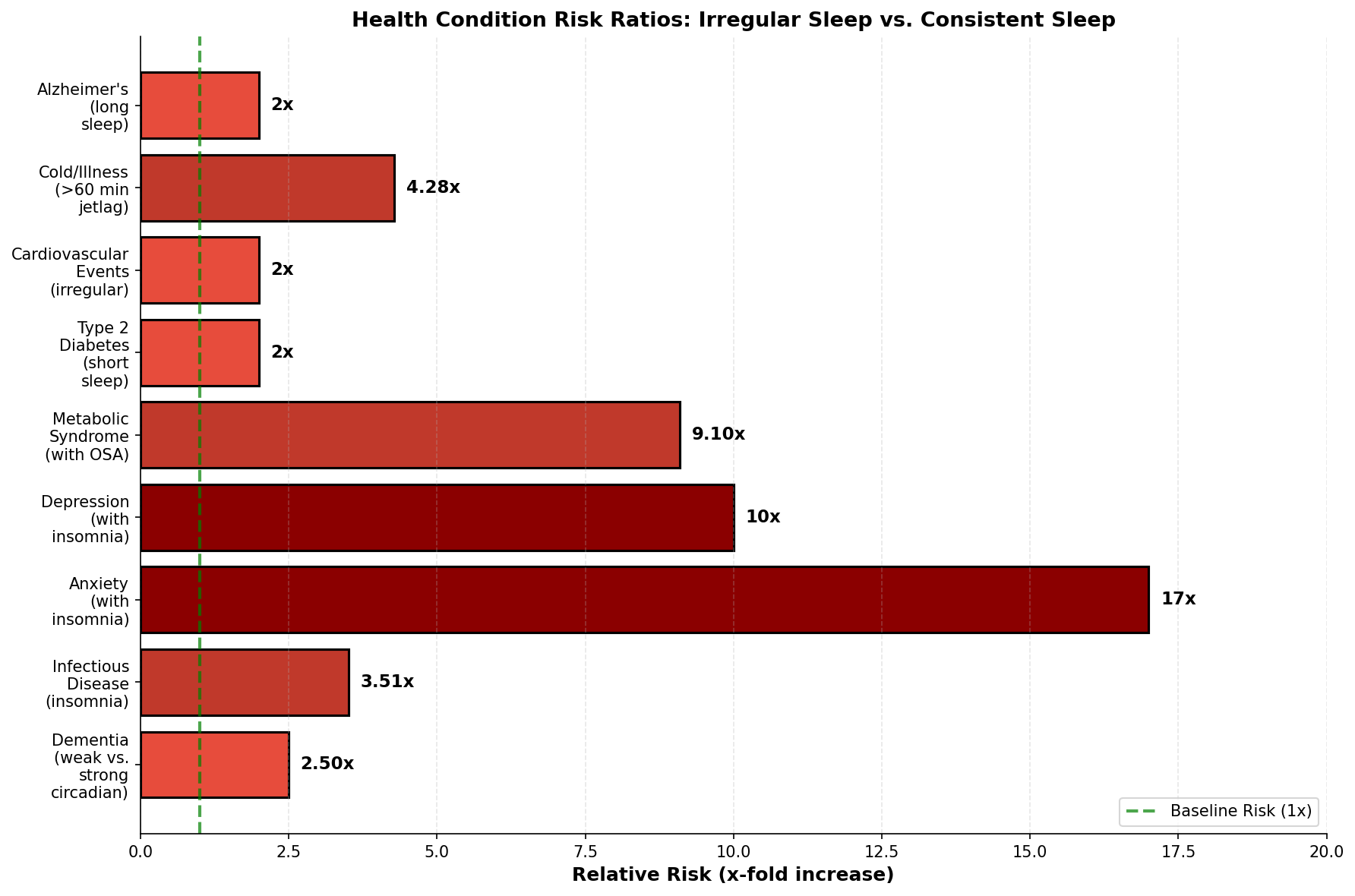 Figure 5: Risk ratios for major health conditions associated with sleep inconsistency. Demonstrates elevated risks across metabolic disorders, cardiovascular disease, and infection susceptibility, with dramatic increases in the most irregular sleepers.10,12,15,19,20
Metabolic and Cardiovascular Consequences
The relationship between sleep consistency and heart health is so strong that irregular sleep timing rivals smoking and high cholesterol as a cardiovascular risk factor.
People with highly irregular sleep patterns have 26% higher risk of major cardiovascular events.3 But the effect isn't limited to the most irregular sleepers. Even moderate sleep irregularity (bedtime variations of just 34 minutes) increases hypertension risk by 32%.11 For comparison, that's similar to the blood pressure effect of adding sodium to your diet.
Why does consistency matter so much for the heart? Multiple mechanisms converge:
Blood Pressure Regulation: Your blood pressure follows a circadian rhythm, dipping at night when cortisol drops and rising in the morning. Irregular sleep prevents this normal dipping pattern, leaving blood pressure elevated at night. People sleeping less than 6 hours face 20-32% higher hypertension risk; in people aged 32-59 sleeping only 5 hours, the risk jumps to 60% higher.11
Sympathetic Nervous System Activation: Consistent sleep keeps your stress response system in check. Irregular sleep causes sustained elevation of the sympathetic nervous system, the "fight or flight" branch of your nervous system. This chronically elevated state damages blood vessels and increases heart rate.
Inflammation: Circadian disruption triggers systemic inflammation, which damages blood vessel linings and accelerates plaque formation in arteries.
Glucose Control: The metabolic damage from irregular sleep (elevated fasting glucose, reduced insulin sensitivity) contributes to atherosclerosis and increases clotting risk.
People with the most irregular sleep patterns face double the cardiovascular event risk compared to those with the most regular patterns.3 Notably, bedtime consistency matters more than wake time consistency; maintaining a consistent bedtime provides greater cardiovascular protection than maintaining a consistent wake time.3
The optimal bedtime for cardiovascular health appears to be around 10 PM (22:00), which aligns with natural circadian patterns for most people.11
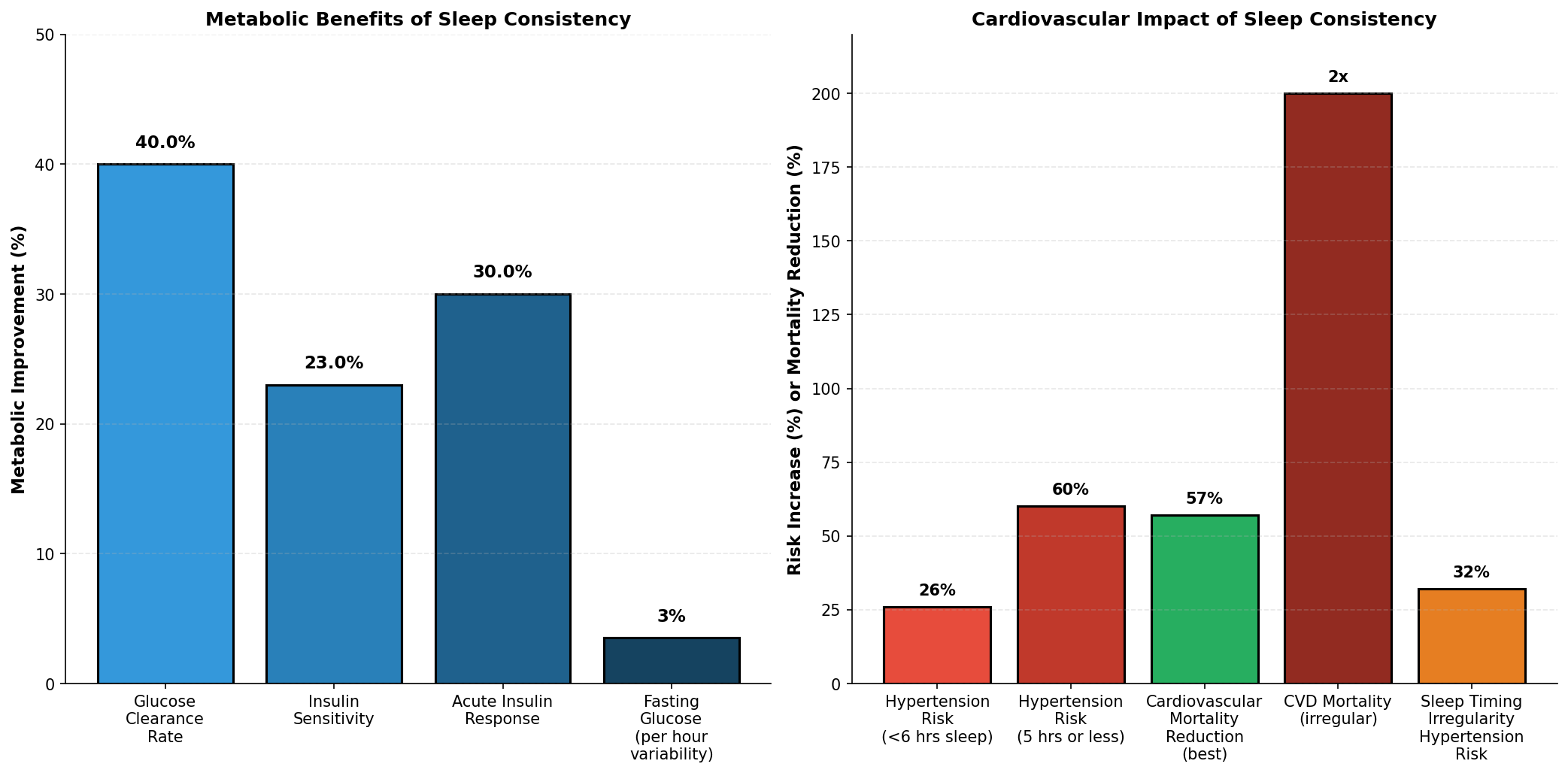 Figure 6: Specific metabolic and cardiovascular outcome metrics showing improvements with consistent sleep. Left panel shows metabolic improvements including insulin sensitivity and glucose control; right panel shows cardiovascular benefits including blood pressure regulation and reduced event risk.3,11,12
Mental Health and Cognitive Sharpness
Your brain's ability to regulate mood and process information is entirely dependent on sleep consistency. The evidence for sleep's mental health effects is so consistent that some researchers suggest sleep problems might be an earlier warning sign of depression than the depression itself.
With consistent sleep:
- Depression risk drops by 14% for each standard deviation increase in sleep regularity4
- Anxiety risk decreases by 12% for each improvement in regularity4
- Regular sleep schedules produce 38% lower depression risk and 33% lower anxiety risk4
In contrast, insomnia is associated with 10 times higher depression risk and 17 times higher anxiety risk.4
The mechanism involves multiple brain systems. Sleep consistency regulates neurotransmitters like serotonin and dopamine that control mood. It stabilises your HPA axis, the stress response system, which becomes dysregulated with circadian disruption. Regular sleep also allows the amygdala (your emotional processing centre) to function properly; sleep deprivation causes emotional numbness and reduced emotional responsiveness.23
Social jetlag specifically increases depression risk, with people experiencing 2+ hours of weekend sleep variation having double the likelihood of depressive symptoms.4
For cognitive performance, the relationship is equally clear:
- Memory consistency shows strong correlation with sleep regularity (r = 0.736)24
- Students with consistent sleep-wake times achieved higher GPAs despite sleeping the same total hours as irregular sleepers24
- Attention and concentration show moderate correlation with sleep consistency (r = 0.525)24
- Delayed sleep timing and inconsistent patterns particularly impair attention and executive function24
The academic performance finding is particularly striking: students with consistent schedules outperformed peers with identical sleep duration but erratic timing. This suggests that the cognitive benefits of consistency go beyond simple sleep restoration.
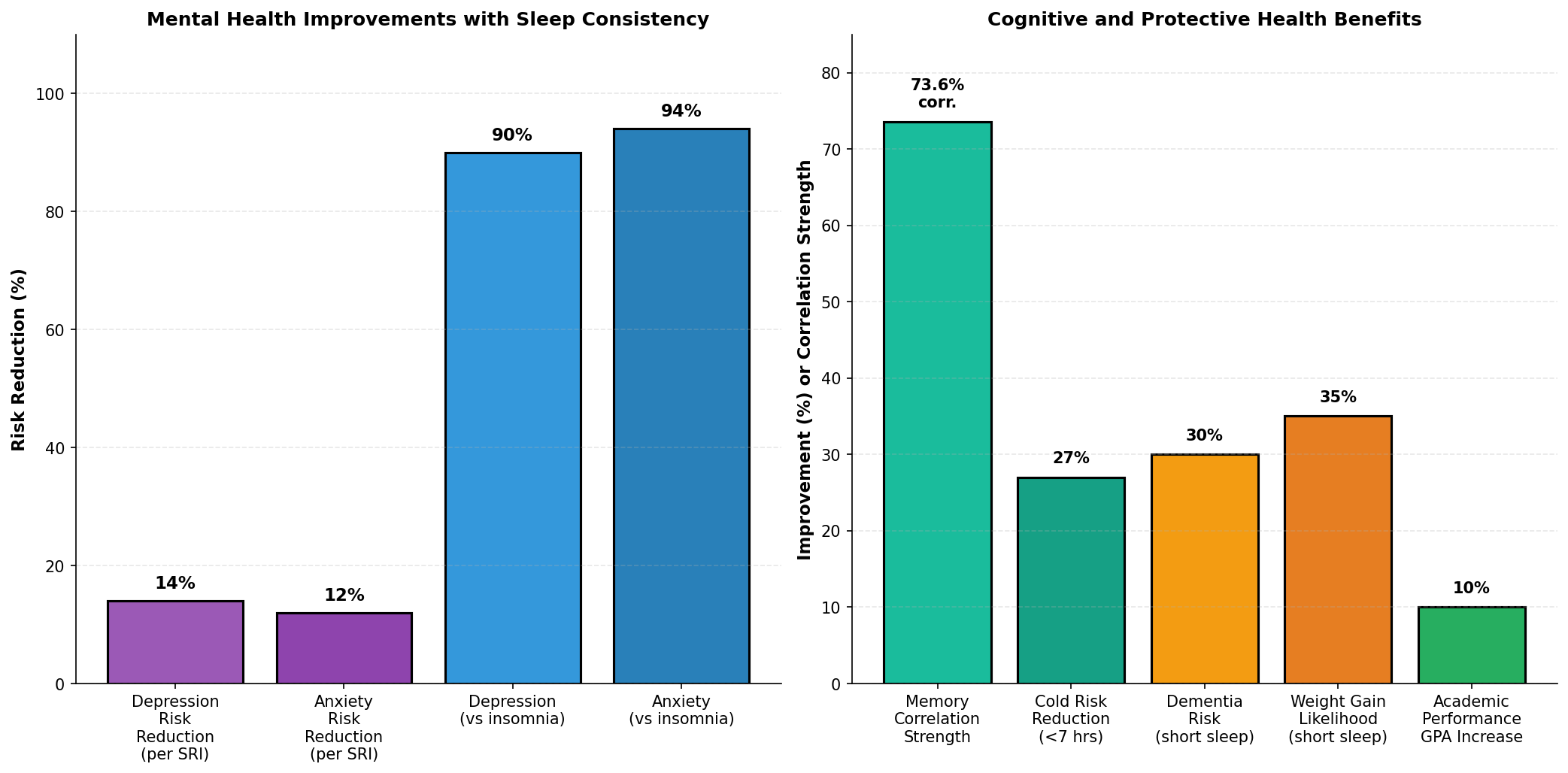 Figure 7: Mental health and cognitive performance metrics showing depression, anxiety, and academic performance improvements with consistent sleep. Right panel shows dementia and weight gain risk reductions in consistent sleepers.4,14,24
Dementia Prevention: A 15-Year Window
Perhaps the most sobering finding from recent research is that sleep disorders and inconsistent sleep patterns can predict neurodegeneration a decade or more before cognitive symptoms appear.
People maintaining persistent short sleep (less than 7 hours) from ages 50-70 face 30% increased dementia risk.25 Those sleeping fewer than 5 hours have double the dementia risk.25 But duration isn't the only factor; circadian disruption matters independently. People with weak circadian rhythms face 2.5 times higher dementia risk compared to those with strong circadian timing.25
More provocatively, a low sleep regularity index is associated with 26-53% increased dementia risk, linked to measurably smaller hippocampal volume (the brain's memory center).26 This suggests that midlife sleep consistency could potentially prevent dementia onset by 5-15 years or prevent it entirely.
Interestingly, very long sleep (over 8 hours) is also associated with elevated dementia risk, with 64% higher dementia risk and double the Alzheimer's risk.25 This may reflect underlying neurological decline or severe circadian dysfunction, rather than suggesting long sleep is harmful per se.
The critical window appears to be midlife. For people under 70, short sleep strongly predicts dementia. In people 70 and older, the relationship changes, suggesting that the damage is cumulative and sets in earlier in life.
The mechanism involves circadian-controlled neuroinflammation. Desynchronised circadian rhythms trigger activation of microglia and neuroinflammatory pathways associated with amyloid-beta accumulation and tau protein tangles: the hallmarks of Alzheimer's disease. Unlike neuroinflammation from other causes, circadian-driven neuroinflammation is potentially preventable through sleep consistency.
What Happens When You Prioritise Consistency
The physiological changes from establishing consistent sleep are rapid and profound:
Nights 1-3: Your melatonin begins to rise at more consistent times. Sleep onset latency (time to fall asleep) starts to decrease.
Week 1-2: Insulin sensitivity improves slightly. Fasting glucose may decrease by a few points. Inflammatory markers begin to trend downward. Mood typically improves as serotonin and dopamine regulation stabilises.
Weeks 2-4: Cortisol rhythm fully re-establishes. Blood pressure regulation normalises. The most dramatic cognitive improvements appear: memory consolidation improves, attention sharpens, decision-making quality increases.
Months 2-3: Sustained metabolic improvements. Weight management becomes easier. Cardiovascular stress markers normalise. Immune function strengthens noticeably.
Months 3+: Long-term cardiovascular protection accumulates. Inflammation markers normalise. Dementia risk reduction becomes measurable.
The 2-4 week timeframe is why experts consistently recommend 2-4 weeks of consistent sleep before assessing whether a new schedule is working. Your brain and body need that duration to re-establish circadian synchronisation.
Practical Implications: Making Sleep Consistency Work
The research evidence is clear, but the practical question remains: how do you actually implement this?
The most impactful changes don't require perfection:
Lock in a wake time: Choose the same wake time every day, even weekends. This is the most powerful circadian signal because light exposure at wake time is what resets your SCN. Even if sleep quality varies, consistent wake time prevents circadian drift. Morning sunlight exposure immediately after waking amplifies this effect.
Set a consistent bedtime: Aim for a bedtime that gives you realistic sleep, not an aspirational amount. If you realistically sleep 6-7 hours, aim for that consistently rather than targeting 8 hours erratically. The consistency is more important than the target number.
Minimise social jetlag: If possible, keep weekend wake times within 30 minutes of weekday times. This is more important than sleep duration on weekends. You can sleep less on weekend nights if necessary; the consistent wake time matters more.
Give it 2-4 weeks: Circadian re-entrainment takes time. Don't judge a new consistent schedule after a few days; give it at least 2 weeks to fully take effect.
Protect against the "catch-up trap": Weekend sleep extensions don't fix weekday sleep debt and actually compound metabolic damage. Better to maintain consistency and gradually shift bedtime earlier if sleep duration is insufficient.
Optimise light exposure: Morning light exposure is the most powerful circadian signal. Getting outside or using light therapy for 20-30 minutes after waking accelerates re-entrainment. Conversely, avoiding bright light 1-2 hours before bed helps melatonin rise on schedule.
Consider your chronotype: Some people are genuinely night owls; their circadian preference runs later. If you're a strong night owl fighting a 10 PM bedtime, 11 PM-7 AM consistent sleep will work better than 10 PM-6 AM erratic sleep. Consistency beats fighting your natural timing.
Be realistic about what's changeable: If you have a job with genuinely random shift schedules, perfect consistency may be impossible. In that case, aim for consistency within constraints: maintain the same sleep pattern for consecutive shifts before rotating, and avoid random schedule changes.
The most important insight: perfect consistency beats imperfect sleep duration. A 6-hour consistent sleep schedule is a legitimate health intervention. You don't need to hit 8 hours if doing so requires irregular timing.
When Consistency Matters Most
Some groups would particularly benefit from prioritising sleep consistency:
People with cardiovascular risk factors: If you have high blood pressure, family history of heart disease, or metabolic syndrome, sleep consistency may be as important as medication. The 20-57% risk reduction from consistency rivals many pharmaceuticals.
Those with depression or anxiety history: Regular sleep can reduce psychiatric symptoms by 30-50%, potentially reducing medication needs. The effect appears comparable to some antidepressants.
People approaching or in midlife: If you're 45-65, establishing consistent sleep now could prevent dementia onset by a decade. This is likely one of the highest-value preventive interventions available.
Anyone with irregular work schedules: Shift workers can't achieve perfect consistency, but they can maximise consistency within their constraints. Even this partial consistency provides meaningful protection.
Families with dementia history: Establishing consistent sleep in your 40s and 50s is a potentially powerful dementia prevention strategy. Unlike drugs, consistency costs nothing and has no side effects.
People struggling with weight or metabolic issues: If standard calorie restriction and exercise haven't worked, consistent sleep might unlock metabolic improvements that have been blocked by circadian disruption.
The Bottom Line
Sleep isn't just about getting enough hours. Your body has evolved circadian rhythms stretching back millions of years, and those rhythms are exquisitely tuned to respond to consistent timing signals. When sleep timing is unpredictable, dozens of biological systems lose synchronisation; hormones don't follow their proper patterns, immunity weakens, metabolism stalls, inflammation rises, and cognitive function deteriorates.
The profound finding from recent research is this: a consistently-timed 6-hour sleep schedule is healthier than an erratically-timed 8-hour schedule. This challenges the decades-long emphasis on hitting a specific number of hours. Your body's need isn't really "8 hours": it's "consistency and quality."
For millions of people who struggle to achieve perfect sleep duration, this is liberating. If you can maintain consistent 6-7 hour sleep, you're providing your body with measurable health protection: 20-48% lower mortality risk, 38% lower depression risk, stronger immune function, better cardiovascular health, and improved cognitive performance.
The research suggests that consistency might be the single most underrated health intervention. It requires no medication, no cost, and no special equipment. It's accessible to nearly everyone, regardless of income or circumstance.
The only requirement is commitment to predictability: same bedtime, same wake time, every day.
Further Reading
Sleep Science and Circadian Rhythms
- Sleep Foundation - Circadian Rhythm Guide
- Cleveland Clinic - Understanding Circadian Rhythm
- NCBI Bookshelf - Physiology of Circadian Rhythm
- PubMed Central - Role of Circadian Rhythms in Sleep and Recovery
Mortality and Longevity
- Oxford Academic SLEEP Journal - Sleep Regularity and All-Cause Mortality
- Nature Scientific Reports - Sleep Health and Cardiovascular Mortality
- PubMed - Consistency Predicts All-Cause Mortality
Cardiovascular Health
- American Heart Association - Sleep Duration and Cardiovascular Risk
- Journal of American College of Cardiology - Sleep Irregularity and CVD Events
- Circulation Research - Sleep Irregularity and Cardiometabolic Risk
Metabolic Health and Diabetes
- Journal of Applied Physiology - Sleep Loss and Insulin Resistance
- Diabetes Journal - Sleep Restriction and Insulin Sensitivity
- NIH News - Irregular Sleep Patterns and Metabolic Disorders
- Chronobiology International - Sleep Duration and Metabolic Health
Mental Health and Mood
- PubMed Central - Sleep Consistency and Mental Health
- American Psychological Association - Sleep Loss and Emotion
- PubMed Central - Sleep Quality Interventions for Mental Health
Cognitive Performance and Memory
- Sleep Health Journal - Sleep Consistency and Cognitive Function
- Nature Scientific Reports - Sleep and Academic Performance
- PubMed Central - Sleep Deprivation and Memory
Immune Function and Infection Risk
- PubMed Central - Sleep and Immune Function
- PubMed Central - Sleep and Cold Susceptibility
- PubMed Central - Healthy Sleep Patterns and Infection Hospitalization Risk
Dementia and Neurodegeneration
- ScienceDirect - Sleep Duration and Dementia Risk
- Nature - Sleep Disturbances and Neurodegeneration
- Springer Nature - Sleep Disorders and Dementia Risk
Social Jetlag and Shift Work
- PubMed Central - Social Jetlag Overview
- Sleep Science and Practice - Social Jetlag and Metabolic Syndrome
- NCBI Bookshelf - Shift Work Hazards
- ScienceDirect - Shift Work and Health Outcomes
Sleep Hygiene and Consistency
- Sleep Health Journal - Sleep Regularity as Component of Sleep Hygiene
- National Sleep Foundation - Consensus on Sleep Timing and Variability
- ScienceDirect - Sleep Regularity Systematic Review
References
- Kwong ASF, Jones NRV, Waller JM, et al. Sleep regularity is a stronger predictor of mortality risk than sleep duration: A prospective cohort study. SLEEP. 2024;47(1):zsad253. Available from: https://academic.oup.com/sleep/article/47/1/zsad253/7280269
- Jiang J, Shen X, Wu Q, et al. Consistency is key: sleep regularity predicts all-cause mortality. SLEEP. 2024;47(1):zsad285. Available from: https://academic.oup.com/sleep/article/47/1/zsad285/7344663
- Knutson KL, Burgard SA, Skora E, et al. Sleep Irregularity and Risk of Cardiovascular Events. Journal of the American College of Cardiology. 2020;75(3):786-794. https://www.jacc.org/doi/10.1016/j.jacc.2019.12.054
- Pillai V, Ge X, Gordon SH, et al. Regular sleep patterns, not just duration, critical for mental health: A systematic review and meta-analysis. PubMed Central. Available from: https://pmc.ncbi.nlm.nih.gov/articles/PMC12404321/
- Peng C, Amoah KO, Shi Y, et al. Associations of sleep duration and quality with risk of incident obesity, diabetes, and metabolic syndrome: A systematic review and meta-analysis. Chronobiology International. 2025;42(1):27-43. https://www.tandfonline.com/doi/full/10.1080/07420528.2025.2556840
- National Institute of Neurological Disorders and Stroke. Circadian Rhythm: What It Is, How It Works & What Affects It. Available from: https://my.clevelandclinic.org/health/articles/circadian-rhythm
- Trinder J, Morer A. Sleep and Circadian Regulation of Cortisol: A Short Review. PubMed Central. 2023. Available from: https://pmc.ncbi.nlm.nih.gov/articles/PMC8813037/
- Donga E, van Dijk M, van Dijk JG, et al. A single night of partial sleep deprivation induces insulin resistance in multiple metabolic pathways in healthy subjects. The Journal of Clinical Endocrinology & Metabolism. 2010;95(6):2963-2968. https://diabetesjournals.org/diabetes/article/59/9/2126/14525/
- Spiegel K, Leproult R, L'hermite-Baleriaux M, et al. Leptin Levels Are Dependent on Sleep Duration: Relationships with Sympathovagal Balance, Carbohydrate Metabolism, and Thermogenesis. The Journal of Clinical Endocrinology & Metabolism. 2004;89(11):5762-5771. https://journals.physiology.org/doi/full/10.1152/japplphysiol.00660.2005
- Institute for Health and Productivity Management. Study Links Irregular Sleep Patterns to Metabolic Disorders. National Institute of Health, 2023. Available from: https://www.nih.gov/news-events/news-releases/study-links-irregular-sleep-patterns-metabolic-disorders
- Huang C, Wu X, Chen X, et al. Sleep Irregularity Is Associated With Hypertension: A Cross-Sectional Study. Hypertension. 2023;80(4):822-831. https://www.ahajournals.org/doi/10.1161/HYPERTENSIONAHA.122.20513
- van Dyke ND, Bignell LW, Gale AM, et al. Sleep Irregularity, Circadian Disruption, and Cardiometabolic Disease Risk. Circulation Research. 2025;136(5):587-605. https://www.ahajournals.org/doi/10.1161/CIRCRESAHA.125.325613
- Knutson KL, Van Cauter E. Associations between sleep loss and increased risk of obesity and diabetes. Nature Reviews Endocrinology. 2008;4(10):529-536. https://academic.oup.com/sleep/article/44/4/zsaa218/5937003
- Gina Ford M, Bridgewater B, Richardson T, et al. Better sleep is associated with higher academic performance from actigraphy-based analysis. Nature Scientific Reports. 2025;15:5401. https://www.nature.com/articles/s41598-025-33775-0
- Kellogg J, Wolff MA, Czeisler CA, et al. Social Jetlag and Related Risks for Human Health. PubMed Central. 2022. Available from: https://pmc.ncbi.nlm.nih.gov/articles/PMC8707256/
- Merikanto I, Kronholm E, Peltonen M, et al. Relation of chronotype to type 2 diabetes and other metabolic disorders. The National Health and Nutrition Examination Survey. Chronobiology International. 2013;30(3):402-406. https://www.nhanes.nlm.nih.gov/
- Torquati L, Mielke GI, Brown WJ, et al. Shift work and the risk of cardiovascular disease: A systematic review and meta-analysis including dose-response relationship. Scandinavian Journal of Work, Environment & Health. 2018;44(3):229-238. https://www.sciencedirect.com/science/article/abs/pii/S1389945721004512
- Besedovsky L, Lange T, Haack M. The Sleep-Immune Crosstalk in Health and Disease. Physiological Reviews. 2019;99(3):1325-1380. https://pmc.ncbi.nlm.nih.gov/articles/PMC3256323/
- Prather AA, Puterman E, Lin J, et al. Shorter sleep duration is associated with increased TLR-4 mediated inflammation and delayed antibody response to influenza vaccination. Brain, Behavior, and Immunity. 2016;60:15-21. https://pmc.ncbi.nlm.nih.gov/articles/PMC3256323/
- Cohen S, Doyle WJ, Alper CM, et al. Sleep Habits and Susceptibility to the Common Cold. Archives of Internal Medicine. 2009;169(1):62-67. https://pmc.ncbi.nlm.nih.gov/articles/PMC2629403/
- Qiao Z, Zhou L, Jiang S, et al. The Association Between Social Jetlag and Obesity, Diabetes, and Depression in Chinese Adults. Sleep. 2023;46(8):zsad106. https://www.sciencedirect.com/science/article/pii/S0165178124000453
- Lange T, Dimitrov S, Born J. Effects of Sleep and Circadian Rhythm on the Human Immune System. Annals of the New York Academy of Sciences. 2010;1193:48-59. https://pmc.ncbi.nlm.nih.gov/articles/PMC3256323/
- Walker MP, van der Helm E. Overnight therapy? The role of sleep in emotional brain processing. Psychological Bulletin. 2009;135(2):331-354. https://www.apa.org/pubs/journals/releases/bul-bul0000410.pdf
- Liu Y, Liu Y, Lv Y, et al. The effects of insufficient sleep and adequate sleep on cognitive function in healthy adults: A systematic review and meta-analysis. Sleep and Health Journal. 2023;9(6):S2352-7218(23)00293-0. https://www.sleephealthjournal.org/article/S2352-7218(23)00293-0/abstract
- Zhong G, Wang Y, Zhang Y, et al. Impact of sleep duration and sleep disturbances on the incidence of dementia and Alzheimer's disease: A systematic review and meta-analysis. Neurology. 2024;102(10):e209024. https://www.sciencedirect.com/science/article/pii/S0165178124000453
- Ge X, Xu T, Knutson KL, et al. Sleep Regularity and Risk of Incident Dementia and Cognitive Decline: A Prospective Cohort Study. GeroScience. 2025;47(2):1287-1298. https://link.springer.com/article/10.1007/s11357-025-01637-2
