

Most parents notice it in the first few weeks: the baby's hair, which looked perfectly normal at birth, is beginning to fall out. Patches appear on the pillow. By three to six months, it is gone entirely, and it never grows back.
This is not alopecia areata, the immune condition that makes headlines when it affects celebrities. It is not a nutritional deficiency or a sign of illness. It is atrichia (pronounced a-TRIK-ee-a), a rare inherited condition in which a fault in a single gene permanently shuts down the hair follicle for life cycle.
For the families it affects, the road from first noticing the hair loss to getting a correct diagnosis can take years. In the meantime, children are often given treatments that do nothing for them, and parents are left piecing together information from sources that barely mention the condition exists.
This article sets out to change that. Here, you will find a plain-language explanation of what atrichia is, why it happens at the genetic level, what living with it actually looks like, and what the current evidence says about support and management.
What Exactly Is Atrichia?
The word comes from Greek: a- meaning without, and trich- meaning hair. Atrichia means a complete, permanent absence of hair on the scalp and body.
There are two clinically recognised forms:
- Congenital atrichia (simple form): The child is born with normal-looking hair, which sheds completely within the first few weeks to six months of life. No papules or skin cysts develop. Once the hair is gone, it does not return
- Atrichia with papular lesions (APL): The same pattern of complete, irreversible hair loss occurs, but affected individuals also develop small keratin-filled cysts called papules across the face, neck, trunk, and limbs. These papules often appear months or years after the hair loss itself, which can complicate early diagnosis
Both forms are permanent. Unlike alopecia areata, where the immune system attacks the hair follicle but the follicle itself remains intact and capable of regrowing hair, atrichia involves a structural failure of the follicle. The machinery that allows the follicle to restart after each growth cycle is broken from the start. Once the first growth cycle ends, the follicle cannot reset, and it never produces hair again.
APL is the more extensively studied form and is caused by mutations in a gene called HR, which is responsible for hair growth. It is the focus of most of the research and the bulk of this article.
What Causes It? The Genetics Behind the Condition
To understand atrichia, it helps to understand how hair growth works.
A healthy hair follicle grows in repeating cycles: a growth phase (called anagen), a transitional phase (catagen), and a resting phase (telogen). After resting, the follicle resets and a new hair pushes through. This cycle repeats throughout a person's lifetime.
The catagen phase is the critical moment. During catagen, a gene called HR plays a specific and essential role: it acts as a molecular "off switch" that helps regulate which other genes are active as the follicle transitions from one cycle to the next. The HR gene produces a protein called Hairless, which works as a nuclear corepressor, meaning it helps silence certain other genes at precisely the right moment. It does this partly by interacting with the vitamin D receptor and the thyroid hormone receptor inside skin cells.
When the HR gene is working normally, catagen completes correctly: the old hair falls out, the follicle resets, and growth begins again.
When the HR gene carries a damaging mutation, this transition fails. The follicle degenerates into small sac-like remnants called utriculi and dermal cysts filled with keratin. The dermal papilla (the structure that signals the follicle to start growing again) becomes stranded deep in the skin, unable to reconnect with the follicle above. The hair follicle does not restart. In APL, those stranded keratin-filled cysts gradually push up through the skin, forming the characteristic papules.
Think of it this way: the HR gene is part of the reset mechanism for a factory. After the first production run, the factory powers down, and without the reset mechanism working, it never starts up again. The old machinery gradually turns into storage rooms (the cysts).
More than 60 distinct mutations across the HR gene have been documented in published research. They include:
- Nonsense mutations: A premature stop signal in the genetic code causes the Hairless protein to be produced in a truncated, non-functional form. These are the most commonly reported mutation type
- Missense mutations: A single amino acid is substituted in the protein chain. Critically, some missense mutations affect the zinc-finger domain, a structurally important region of the Hairless protein responsible for binding to nuclear receptors
- Frameshift mutations: A deletion or insertion shifts the reading frame of the gene entirely, altering every amino acid that follows
- Compound heterozygous mutations: Two different mutations, one on each copy of the HR gene, both disrupting protein function
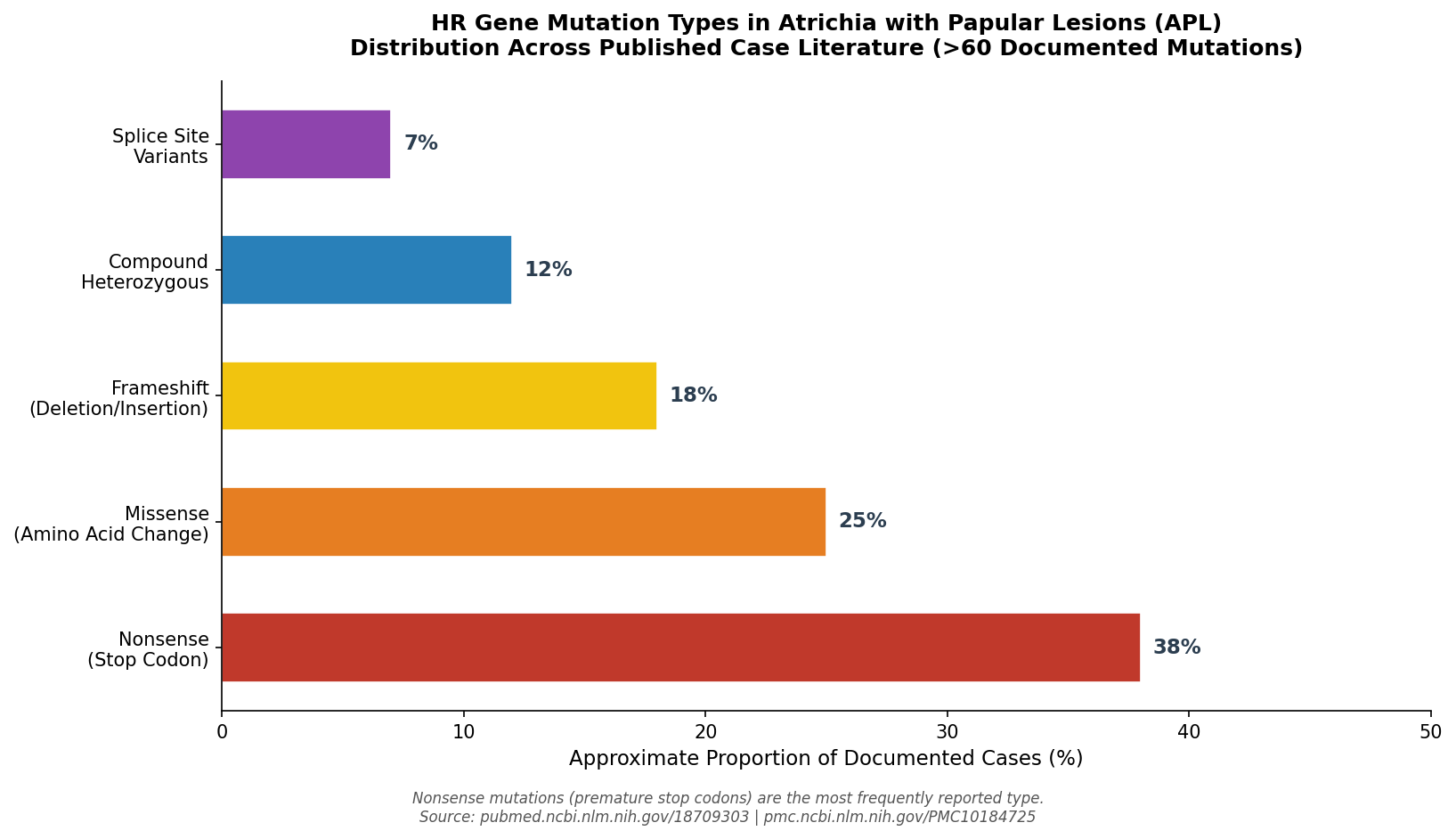 Figure 1: The distribution of HR gene mutation types identified in published atrichia cases. Nonsense mutations creating premature stop codons are the most frequently reported type.
How Is It Inherited?
The most important thing for families to understand is that atrichia follows an autosomal recessive inheritance pattern. This means:
- A child must inherit two defective copies of the HR gene, one from each parent, to develop the condition
- Both parents are typically unaffected carriers. They each carry one working copy and one faulty copy, which is enough for normal hair growth. They show no symptoms themselves
- Each time two carriers have a child together, that child has a 25% chance of inheriting both faulty copies and developing atrichia, a 50% chance of being a carrier like the parents, and a 25% chance of inheriting two normal copies
This explains why atrichia is seen most often in communities where consanguineous marriage (marriage between relatives) is common. Related individuals are more likely to carry the same recessive mutation. Published case studies document affected families across multiple ethnic communities, including Pakistani and Kashmiri families, Irish Traveller families, Arab Palestinian families, and Iranian families, all with a pattern of consanguinity.
One of the earliest well-characterised cases came from a large Irish Traveller family, in whom a missense mutation in the zinc-finger domain of the HR gene was identified. The Irish Traveller community has elevated rates of several autosomal recessive conditions, reflecting a small founding population and a tradition of marriage within the community.
In rare cases, atrichia can also follow autosomal dominant inheritance (where one faulty copy is sufficient) or X-linked patterns, but these are far less common.
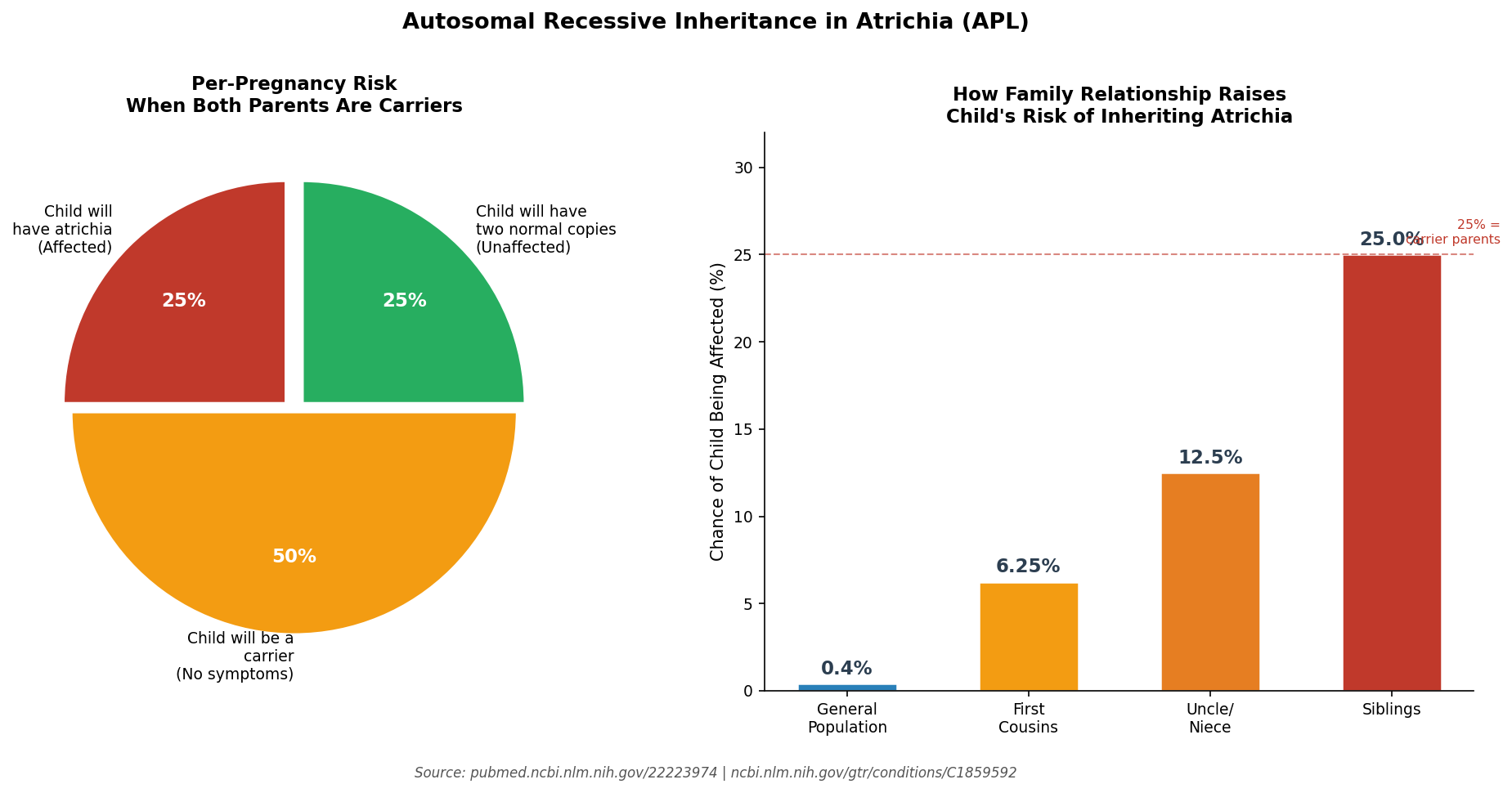 Figure 2: Probability outcomes for each pregnancy when both parents are carriers of a recessive HR gene mutation. Each pregnancy represents an independent 25% chance of the child being affected.
How the Condition Develops Over Time
The typical clinical timeline looks like this:
- At birth: Hair is present and appears completely normal
- Weeks 2 to 8: Hair begins to shed progressively
- Months 3 to 6: Complete or near-complete hair loss is established on the scalp, eyebrows, eyelashes, and body
- No further growth occurs after the initial shedding. The follicles are permanently lost
- Childhood onwards (in APL): Small, firm papules gradually develop across the face, neck, trunk, and limbs. These are keratin-filled cysts and are considered pathognomonic (uniquely characteristic) of APL, meaning their presence is the single most important clue that distinguishes APL from other forms of total hair loss
- Puberty and adulthood: No axillary, pubic, or body hair develops
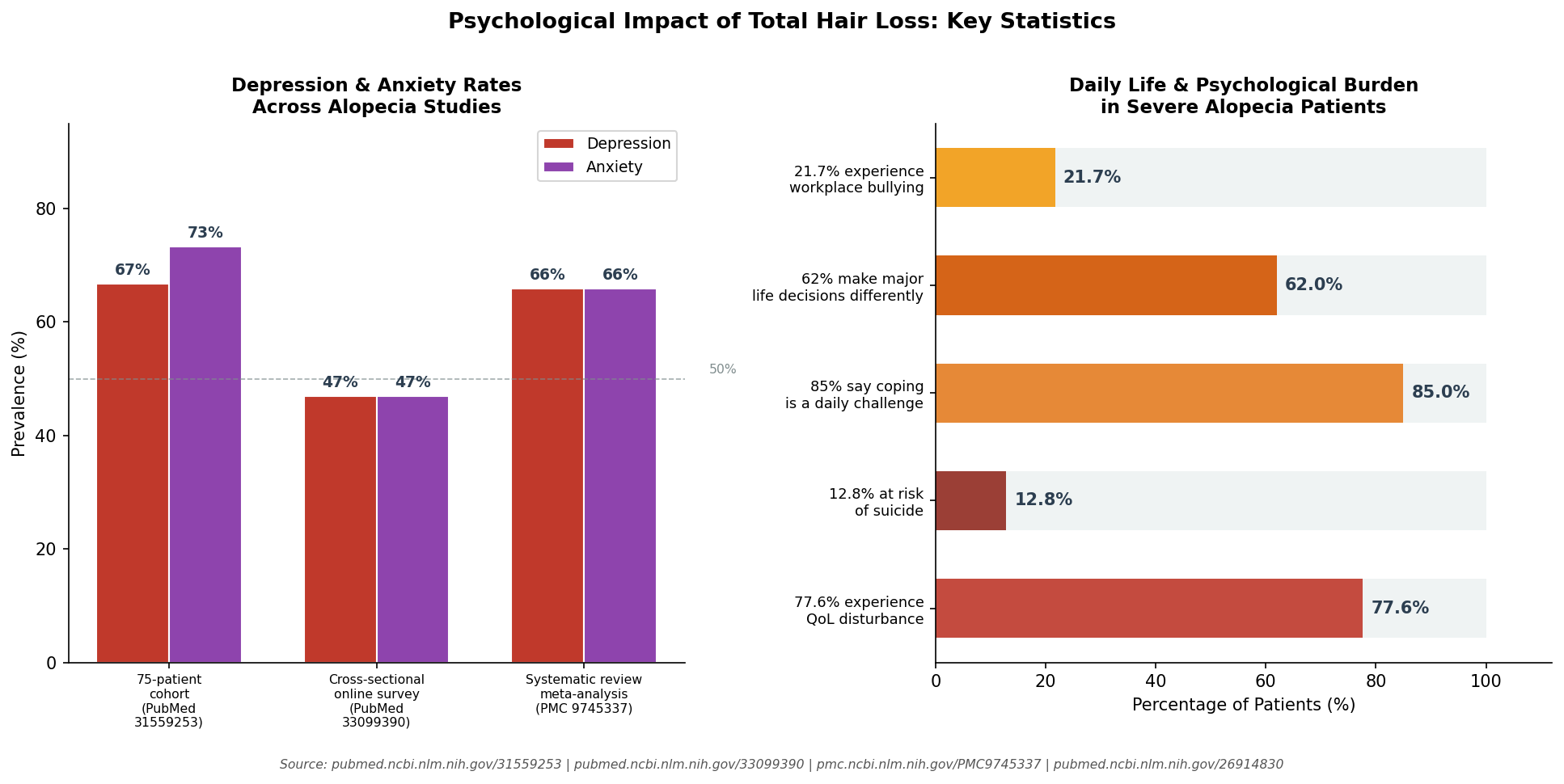 Figure 3: The typical progression of atrichia symptoms over time, from birth through adulthood. Hair loss is established in the first six months; papular lesions in APL emerge later in childhood.
Getting the Right Diagnosis
Atrichia is frequently misdiagnosed as alopecia universalis congenita (AUC), an autoimmune form of complete hair loss. This is a significant problem because the two conditions require entirely different approaches: alopecia universalis may respond to immune-modulating treatments, while atrichia does not. Patients with atrichia who receive steroids or immunosuppressants gain no benefit while being exposed to the risks of those drugs.
The key distinguishing features are:
|
Feature |
Atrichia with papular lesions |
Alopecia universalis |
|
Skin papules (keratin cysts) |
Present (characteristic) |
Absent |
|
Hair loss onset |
1 to 6 months of age |
Birth or shortly after |
|
Response to steroids |
None |
Sometimes |
|
Scalp biopsy |
Keratin cysts; no terminal follicles |
No cysts |
|
Genetic cause |
HR gene mutation |
Autoimmune; different genetics |
A definitive diagnosis requires a combination of detailed family history, clinical examination, skin biopsy (which reveals the mid-dermal keratin cysts characteristic of APL), and genetic testing to identify the specific HR gene mutation. Genetic testing for atrichia with papular lesions is available through the NIH Genetic Testing Registry.
The correct diagnosis, even when it confirms there is no cure, is genuinely beneficial. It stops unnecessary treatments, gives families accurate information, allows for proper genetic counselling, and opens access to appropriate support.
What Treatment Is Available?
There is currently no treatment that restores hair growth in atrichia. The permanent loss of hair follicles means that treatments targeting the immune system (such as JAK inhibitors, which have shown remarkable results in autoimmune alopecia) have no relevance here. The follicles are structurally absent, not immunologically suppressed.
A note on JAK inhibitors: These medications, including baricitinib and ritlecitinib, have transformed outcomes for people with autoimmune alopecia universalis. In clinical studies, baricitinib achieved meaningful scalp hair coverage (80% or more) in 42% of patients at nine months, with 90% of those patients maintaining that level of regrowth at nearly three years. These are genuinely significant results, but they apply specifically to the autoimmune condition. They do not apply to atrichia, and patients should be aware of this distinction.
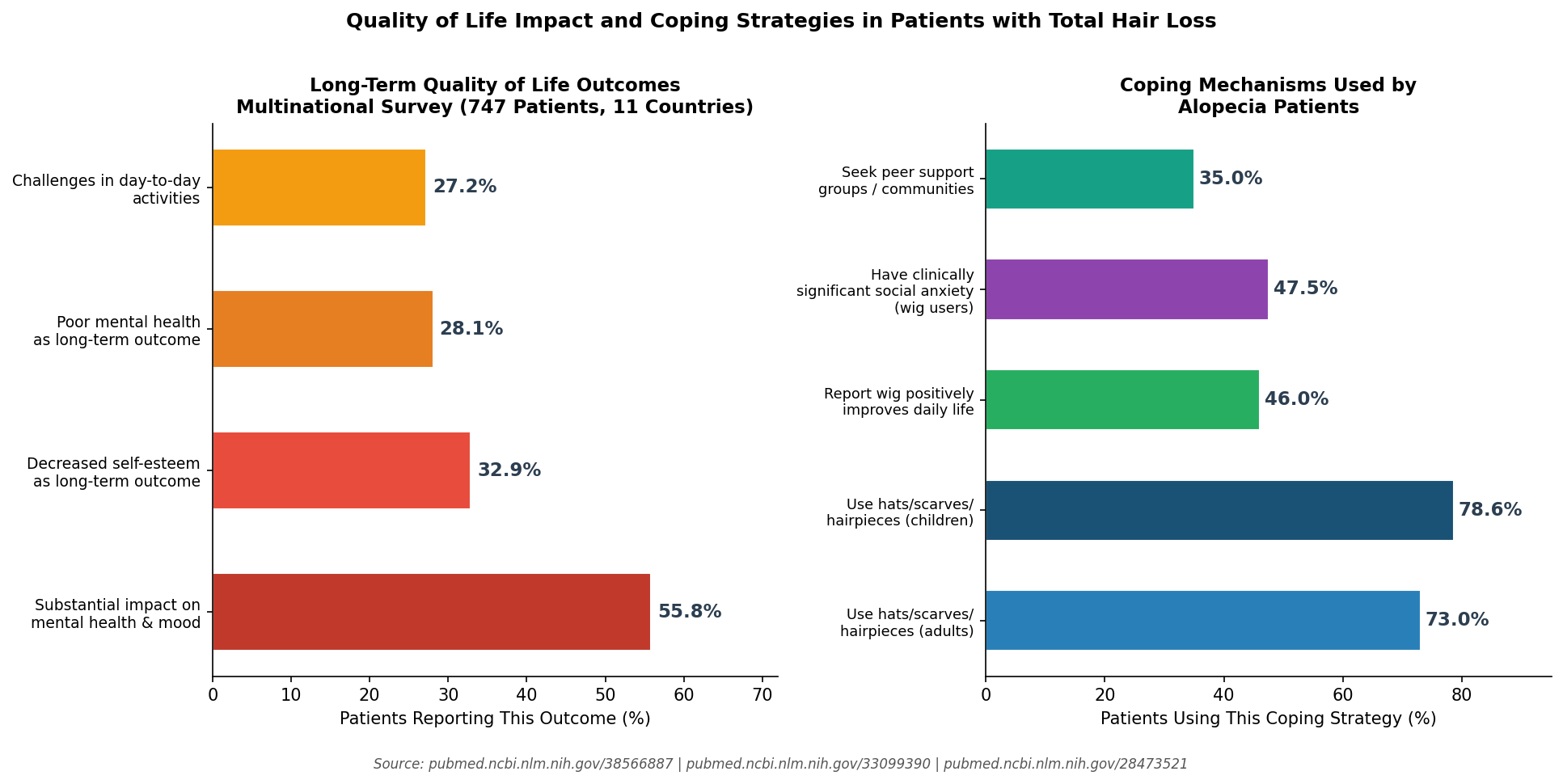 Figure 4: Efficacy data for JAK inhibitor treatments in autoimmune alopecia universalis. These results do not apply to atrichia, where hair follicles are structurally absent rather than immunologically suppressed. The chart is included to clarify a common point of confusion.
What management does involve is:
- Genetic counselling: Once a specific HR gene mutation is identified in a family, counselling helps relatives understand their carrier status, their children's risk, and their options. Prenatal testing is theoretically possible once the family mutation is known
- Cosmetic support: Wigs, hairpieces, tattooed eyebrows, eyelash extensions, scalp micropigmentation, hats, and head coverings are the practical tools most people use. These are not trivial measures: published research shows that wearing a wig for four or more weeks leads to measurable improvements in self-reported competence and self-esteem. In UK surveys, 46% of alopecia patients who wore wigs reported a meaningful positive impact on daily life
- Skin care for papules: The keratin-filled cysts in APL do not usually require treatment but may benefit from regular moisturising, topical keratolytic agents (creams containing urea or salicylic acid that soften the cyst walls), and periodic dermatological review
- Sun protection: Without scalp hair, the skin on the head is continuously exposed to UV radiation. Sun protection (hats, sunscreen) is an important practical consideration
- Psychological support: For many people, this is the most important component of management, and it is covered in depth below
On the research horizon, gene therapy and CRISPR-based approaches are being explored as theoretical future treatments for genetic hair loss conditions. Early animal studies have produced proof-of-concept results, but no clinical trials exist for atrichia as of 2026. These remain early-stage possibilities, not near-term options.
The Psychological Weight of Growing Up Without Hair
Hair is one of the most visible social signals of identity. Its permanent absence from infancy carries a documented psychological cost.
Among adults with total or severe alopecia, 77.6% experience measurable quality-of-life disturbance. Rates of depression in published alopecia cohorts reach 66.7%, and anxiety reaches 73.3%. In a cross-sectional study of severe alopecia patients, 12.8% were identified as being at risk of suicide. These are not small numbers.
85% of adults with severe alopecia describe coping with the condition as a daily challenge. 62% say they have made major life decisions differently because of it, affecting relationships, education, or career choices. 75% persistently conceal their hair loss, spending a mean of 10.3 hours per week on concealment activities.
A key finding from the research is that the psychological impact is driven more by how a person perceives and frames their condition than by the objective extent of hair loss. Illness perceptions alone account for 35% of the variance in quality-of-life outcomes. This matters because it means that how someone thinks about their situation is one of the most powerful and potentially changeable factors in how they feel.
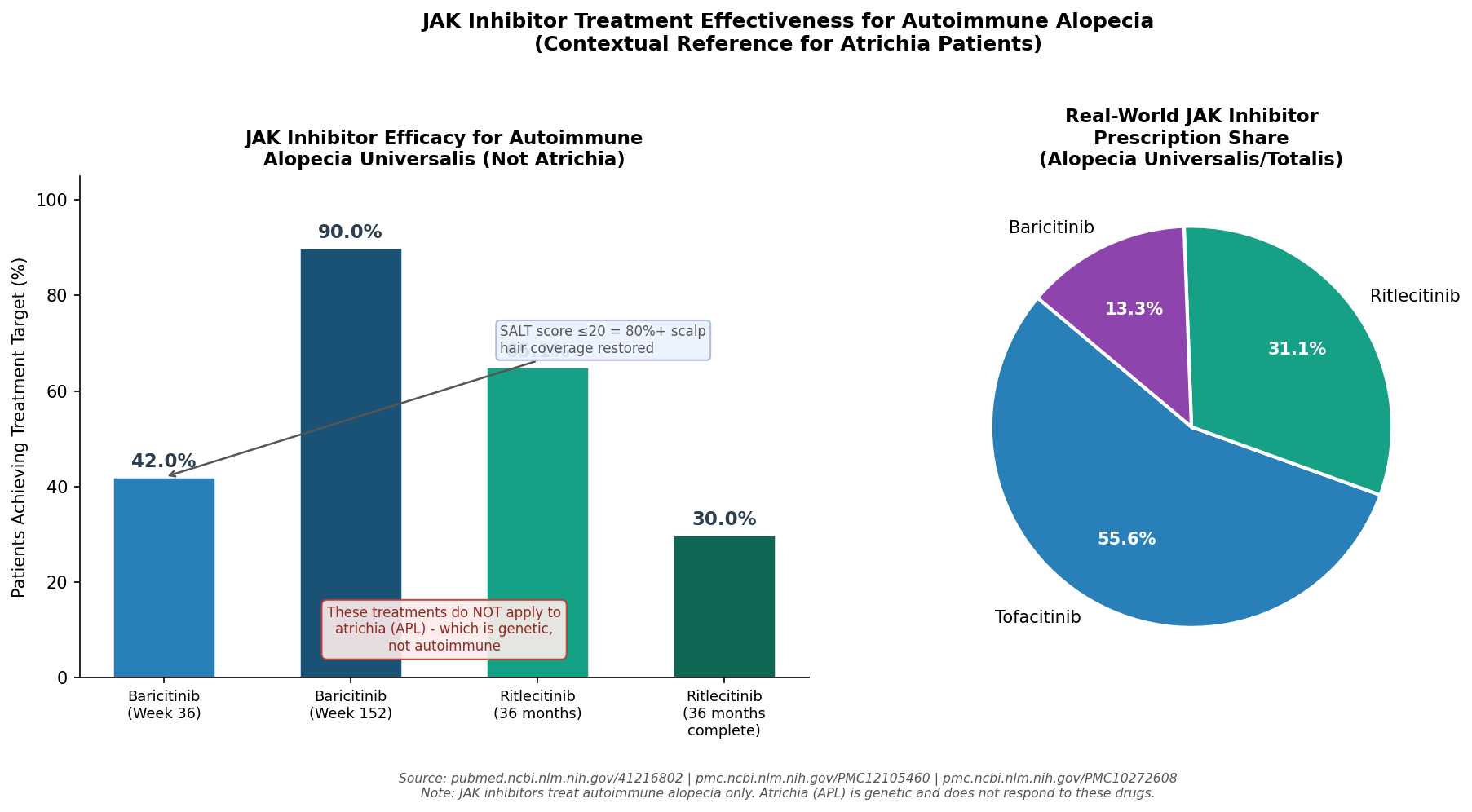 Figure 5: Rates of depression, anxiety, quality-of-life disturbance, and at-risk status in published studies of adults with total alopecia. These figures illustrate the significant mental health burden of permanent hair loss.
One particularly striking research finding: people with 95 to 100% total hair loss sometimes report less psychological distress than those with 21 to 94% hair loss. The suggestion is that complete hair loss, while more visible, may eventually reach a point of adaptation that partial loss never allows, because with partial loss there is always something to manage, conceal, and worry about.
What It Feels Like: Real Experiences
Qualitative research, which documents people's lived experiences rather than just numbers, paints a recognisable picture.
For parents, the early period is often described as devastating and isolating. Because atrichia is so rare, even many medical professionals are unfamiliar with it. Parents of children with rare congenital conditions consistently report difficulty sharing their experiences, a sense that close friends and family do not fully understand, and a lack of appropriate guidance from healthcare systems.
For children, the social impact is significant. Peer teasing and bullying are commonly reported in alopecia conditions involving visible hair loss. Academic performance can suffer alongside self-esteem. Research in children with hair loss conditions consistently documents higher anxiety scores, lower self-esteem, and greater social difficulty compared with peers.
Adolescence adds another layer of complexity. This is the stage when identity, appearance, and social belonging become particularly acute concerns. For a young person who has never had hair, this period can be especially challenging.
For adults, long-term qualitative research shows a recognisable arc across people's lives. Early coping typically relies heavily on concealment and avoidance. Over time, for many people, this shifts towards acceptance and a reframing of identity. In studies following participants diagnosed for two to 49 years, those who had lived with the condition longest had often reached a form of adaptation: more open about their condition, less focused on concealment, and more settled in their sense of self.
Wig use is widespread and emotionally complex. While 46% of wig users report positive daily life impact, fears about the wig being seen or displaced can create their own form of social anxiety. In surveys specifically of alopecia patients who use wigs, clinically significant social anxiety was present in 47.5%, anxiety disorder in 35.5%, and depression in 29%.
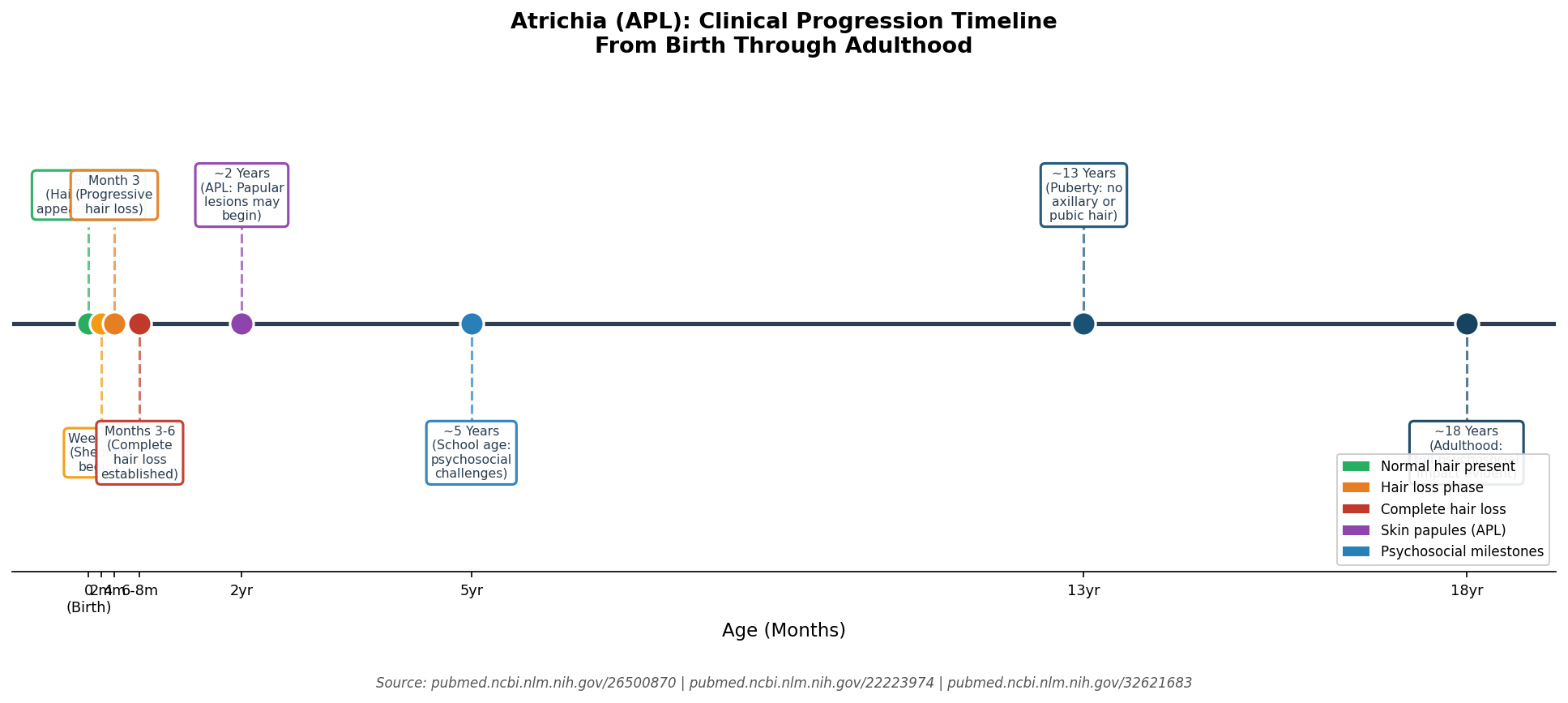 Figure 6: The prevalence of concealment behaviours (wig use, hats, scarves) among alopecia patients and the associated social impact. While concealment tools provide practical help, they carry their own psychological dimension.
Men face a particular barrier: they are less likely to seek psychosocial support despite experiencing comparable distress, a pattern attributed to masculine norms that discourage help-seeking. This is an identified gap in care.
Stigma itself is a significant barrier to accessing help. Research shows that patients with the highest stigma burden are twice as unlikely to seek medical care and are more likely to experience severe anxiety and depression as a result.
Support and Coping: What the Evidence Shows Works
Because there is no treatment for atrichia that restores hair, psychological and psychosocial support are not supplementary extras: they are the core of management.
Mindfulness-based approaches have the strongest emerging evidence base. Mindfulness-Based Cognitive Therapy (MBCT) reduced social anxiety in all participants in a published case-series study of alopecia patients. Mindfulness-Based Stress Reduction (MBSR) improved quality of life, reduced anxiety, and reduced psychological distress in alopecia populations.
Cognitive behavioural therapy (CBT) addresses the patterns of thought that amplify distress and social avoidance, and is recommended for depression and anxiety in people with chronic skin conditions.
Peer support and community connection are identified consistently in qualitative research as among the most protective factors. Knowing other people who understand the experience of growing up without hair, or raising a child without hair, reduces isolation in a way that medical appointments alone cannot.
Psychodermatology, an approach that integrates dermatological and psychological care in a single service, is the recommended model of care for conditions like atrichia. It is not universally available, but it represents best practice.
For children specifically, early intervention before difficulties become entrenched is strongly recommended. School-based support plans, engagement with teachers and peers, and family-centred psychological support all have roles.
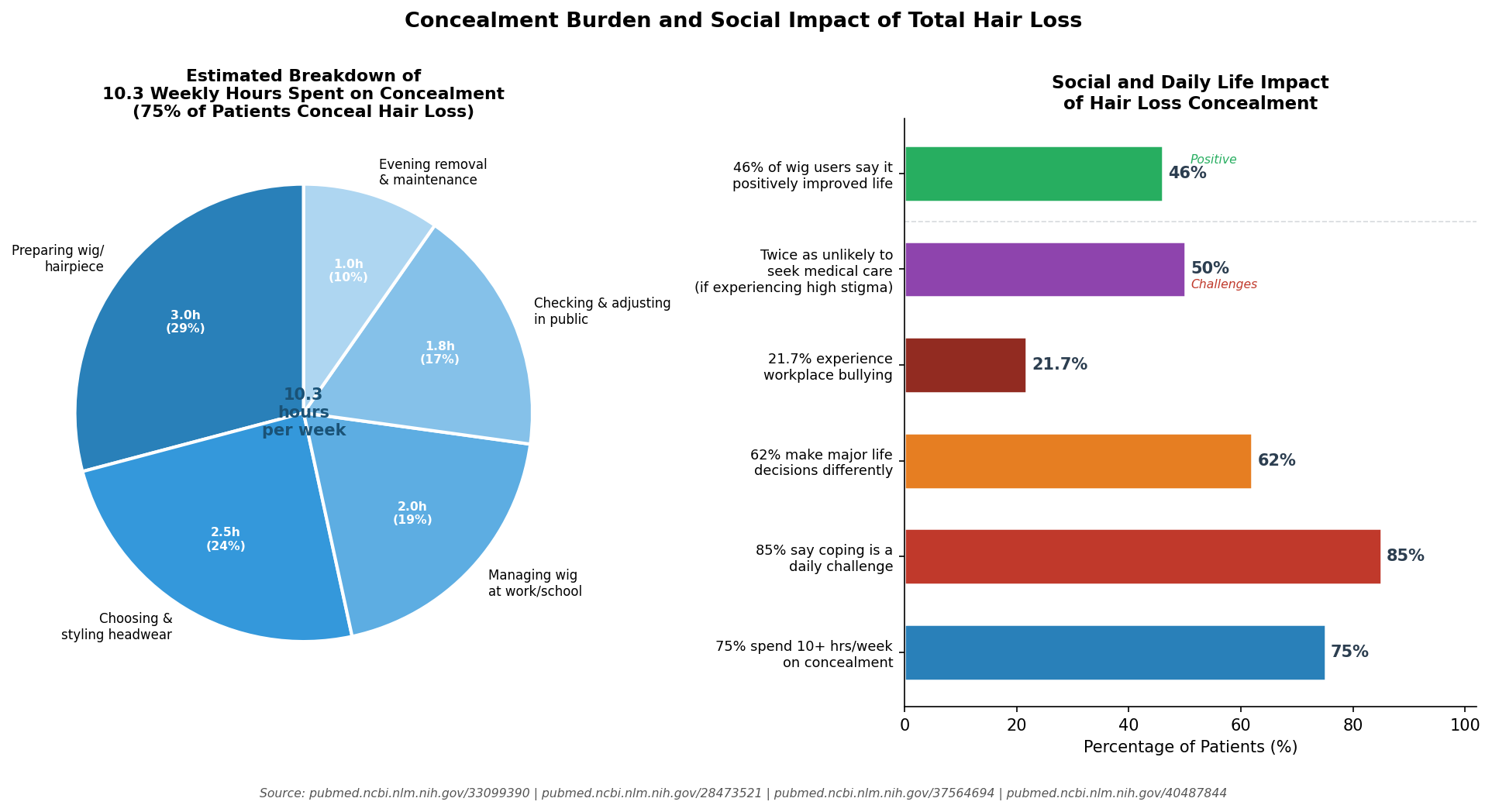 Figure 7: Quality-of-life and coping outcomes across different psychological support approaches in alopecia patients. Mindfulness-based and CBT approaches show measurable benefit; peer connection and social support are consistently identified as protective factors.
Prognosis: What the Future Holds
Atrichia is not life-threatening. It does not affect intelligence, physical health (beyond the skin), or lifespan. People with atrichia lead full lives, form relationships, pursue careers, and raise families.
The hair loss itself is permanent and complete. This will not change with current treatments, and it is important that families receive honest information rather than false hope.
What does change over time is adaptation. Long-term qualitative research is consistent on this point: while the early years are often the hardest, many people with complete hair loss reach a genuine form of acceptance. The lived experience shifts, often gradually, from concealment and avoidance towards openness and a settled sense of identity that does not depend on hair.
The research is also evolving. A 2024 cohort study identified 10 families with novel HR gene variants causing APL, the largest single-study cohort yet published, suggesting that cases are being identified more frequently as genetic testing becomes more accessible. Better understanding of the molecular mechanism of the HR gene is a step towards the possibility of targeted therapies in the future, even if that possibility is years away.
For families navigating a new diagnosis, the most important immediate steps are: getting genetic confirmation of the diagnosis, accessing genetic counselling to understand implications for other family members, connecting with psychological support early, and finding communities of people who share this experience. None of these things restores hair. All of them make a real difference.
Further Reading
Genetic Causes and Inheritance
- Atrichia with papular lesions - NIH Genetic Testing Registry
- Inherited hairlessness: a case study of familial congenital atrichia - PMC
- Genomic organisation of the human hairless gene and identification of a mutation in an Arab Palestinian family - PubMed
- Novel pathogenic variants in HR underlie atrichia with papular lesions in a cohort of 10 families - PubMed
Diagnosis and Clinical Features
- Atrichia with papular lesions: three novel HR mutations and a revision of diagnostic criteria - PubMed
- Atrichia with papular lesions confirmed via genetic testing: a case report - PMC
- Congenital atrichia with papular lesions - PubMed
- Atrichia congenita review - PubMed
Treatment Options and Related Conditions
- Real-world effectiveness of JAK inhibitors for alopecia totalis and universalis - PubMed
- JAK inhibitors meta-analysis (2,018 patients) - PMC
- Isolated autosomal recessive woolly hair: genetics, pathogenesis, and therapies - PubMed
Psychological Impact and Quality of Life
- Anxiety, depression, and quality of life in alopecia areata: systematic review and meta-analysis - PMC
- Burden of illness in alopecia areata: cross-sectional online survey - PubMed
- Psychosocial implications of rare genetic skin diseases on quality of life - PMC
- The lived experience of alopecia areata: a qualitative study - PubMed
Psychological Interventions and Coping Strategies
- Systematic review of psychological interventions for quality of life in alopecia - PMC
- Mindfulness-based cognitive therapy for social anxiety in alopecia areata - PubMed
- Managing identity and appearance changes in alopecia: systematic review and meta-synthesis - PubMed
Children and Families
- Psychosocial comorbidities in paediatric alopecia areata - PubMed
- Children with a rare congenital genetic disorder: systematic review of parent experiences - PMC
- Practical approach to diagnosis and management of hair loss in children and adolescents - PMC
Patient Resources
References/Helpful Resources
- Spoor M, Heilig B, Betz RC. Congenital atrichia with papular lesions. Orphanet Journal of Rare Diseases. 2020;15:214. Available from:https://pubmed.ncbi.nlm.nih.gov/32621683/
- Sprecher E. Congenital hypotrichosis and congenital atrichia. Current Problems in Dermatology. 2015;47:58-72. Available from: https://pubmed.ncbi.nlm.nih.gov/29551108/
- Atrichia congenita. Rare Diseases. 2015. Available from: https://pubmed.ncbi.nlm.nih.gov/26500870/
- Ahmad M, Farooq M, Bhatt DL, et al. Congenital atrichia with papular lesions resulting from novel mutations in human hairless gene in four consanguineous families. Clinical Genetics. 2012;82(4):380-385. Available from: https://pubmed.ncbi.nlm.nih.gov/21919222/
- Rasheed H, Mirza W, Khan A. Atrichia with papular lesions: a report of three novel human hairless gene mutations and a revision of diagnostic criteria. Dermatology. 2009;218(3):232-238. Available from: https://pubmed.ncbi.nlm.nih.gov/18709303/
- Atrichia with papular lesions (APL). NIH Genetic Testing Registry [Internet]. [cited 2026 Jul 7]. Available from: https://www.ncbi.nlm.nih.gov/gtr/conditions/C1859592/
- Novel pathogenic variants in HR underlie atrichia with papular lesions in a cohort of 10 families. PubMed. 2024. Available from: https://pubmed.ncbi.nlm.nih.gov/38923025/
- Inherited hairlessness: a case study of familial congenital atrichia. PMC. 2023. Available from: https://pmc.ncbi.nlm.nih.gov/articles/PMC10184725/
- Atrichia with papular lesions confirmed via genetic testing: a case report. PMC. 2023. Available from: https://www.ncbi.nlm.nih.gov/pmc/articles/PMC9840447/
- Hairless is a nuclear receptor corepressor essential for skin function. PMC. 2010. Available from: https://pmc.ncbi.nlm.nih.gov/articles/PMC2807636/
- Genomic organisation of the human hairless gene (HR) and identification of a mutation underlying congenital atrichia in an Arab Palestinian family. PubMed. 1999. Available from: https://pubmed.ncbi.nlm.nih.gov/10051399/
- Piliang MP, Bergfeld WF. Atrichia with papular lesions (review). International Journal of Dermatology. 2013. Available from: https://pubmed.ncbi.nlm.nih.gov/22223974/
- Cline A, Uwakwe LN, McMichael AJ. No to AAD Clinical Practice Guidelines for alopecia areata: a critical appraisal. JAMA Dermatology. 2019. Available from: https://pubmed.ncbi.nlm.nih.gov/33424962/
- Lai VW, Chen G, Gin D, et al. Psychosocial implications of rare genetic skin diseases on quality of life in adults. Dermatology. 2023. Available from: https://www.ncbi.nlm.nih.gov/pmc/articles/PMC9951542/
- Tabolli S, Sampogna F, Di Pietro C, et al. Anxiety, depression, and quality of life in alopecia areata: systematic review and meta-analysis. PMC. 2022. Available from: https://www.ncbi.nlm.nih.gov/pmc/articles/PMC9745337/
- Burden of illness in alopecia areata: cross-sectional online survey. PubMed. 2020. Available from: https://pubmed.ncbi.nlm.nih.gov/33099390/
- Patient-reported burden of severe alopecia areata: multinational unmet need survey. PubMed. 2024. Available from: https://pubmed.ncbi.nlm.nih.gov/38566887/
- The invisible impact of a visible disease: psychosocial impact of alopecia areata. PubMed. 2023. Available from: https://pubmed.ncbi.nlm.nih.gov/37289409/
- The lived experience of alopecia areata: a qualitative study. PubMed. 2009. Available from: https://pubmed.ncbi.nlm.nih.gov/19409867/
- Managing identity and appearance changes in alopecia: systematic review and meta-synthesis. PubMed. 2025. Available from: https://pubmed.ncbi.nlm.nih.gov/41553006/
- Illness perceptions, coping, and quality of life in patients with alopecia. PubMed. 2009. Available from: https://pubmed.ncbi.nlm.nih.gov/19183424/
- Systematic review of psychological interventions for quality of life and mental health in alopecia. PMC. 2023. Available from: https://www.ncbi.nlm.nih.gov/pmc/articles/PMC9917611/
- Mindfulness-based cognitive therapy for social anxiety in alopecia areata. PubMed. 2023. Available from: https://pubmed.ncbi.nlm.nih.gov/37550306/
- Social anxiety, anxiety, depression, and wig use in alopecia: a mixed methods survey. PubMed. 2017. Available from: https://pubmed.ncbi.nlm.nih.gov/28473521/
- Stigma and healthcare interaction in alopecia areata. PubMed. 2025. Available from: https://pubmed.ncbi.nlm.nih.gov/40487844/
- Psychosocial comorbidities in paediatric alopecia areata. PubMed. 2024. Available from: https://pubmed.ncbi.nlm.nih.gov/38739703/
- Children with a rare congenital genetic disorder: systematic review of parent experiences. PMC. 2022. Available from: https://www.ncbi.nlm.nih.gov/pmc/articles/PMC9575260/
- Workplace bullying in patients with alopecia areata. PubMed. 2023. Available from: https://pubmed.ncbi.nlm.nih.gov/37564694/
- Real-world effectiveness of JAK inhibitors for alopecia totalis and universalis. PubMed. 2025. Available from: https://pubmed.ncbi.nlm.nih.gov/41216802/
- JAK inhibitors meta-analysis: 2,018 patients. PMC. 2023. Available from: https://www.ncbi.nlm.nih.gov/pmc/articles/PMC10272608/
- Rare Association of Congenital Atrichia with Central Nervous System: a report of three cases. PMC. 2024. Available from: https://pmc.ncbi.nlm.nih.gov/articles/PMC11588192/
