

If you've ever felt your heart race during anxiety, gasped for breath, or felt frozen by panic, your body has been trying to tell you something. That something is this: your breathing controls your nervous system more directly than almost anything else you can do. And unlike therapy appointments or medication, breathwork takes five minutes and costs nothing.
Here's what the science shows. When researchers studied breathing exercises across dozens of clinical trials, they found that three out of four people who practised breathwork regularly experienced significant anxiety reduction.1 Better yet, the effects started within minutes, but the real transformation happened over weeks. People reported feeling less anxious at baseline, recovering faster from stressors, and even sleeping better.2
This isn't wellness pseudoscience. It's a measurable shift in how your nervous system functions, documented through research at major universities and medical institutions. The mechanism is straightforward: you control your breath, and your breath controls your brain.
Why This Matters to You Right Now
If you experience anxiety, you're not alone. Millions of people live with the constant low hum of worry, the sudden spike of panic, or the muscle tension that won't quit. Many have tried therapy, medication, or both. Some people find these helpful. Others don't, or they want something they can do immediately when anxiety strikes.
Breathwork is different. It's not about thinking your way out of anxiety (that's what therapy addresses) and it's not about chemical rebalancing over weeks (that's what medication does). Instead, breathwork is about sending a direct biological signal to your nervous system: "Everything is okay. You can relax now."
Your nervous system speaks the language of breath. When you're anxious, it's locked in "fight or flight" mode, which is useful if you're facing actual danger but exhausting when you're facing a deadline or social situation. Breathwork flips the switch to "rest and digest" mode. This happens automatically, through a direct physiological pathway that neuroscientists understand and can measure.3
The timeline matters here. Some effects happen immediately. Within two minutes of slow, deliberate breathing, your heart rate drops and your blood pressure lowers.4 But the bigger transformation (the one where anxiety stops being your baseline state) takes weeks of consistent practice. Research shows that after four weeks of twice-daily practice, people show statistically significant anxiety reduction on clinical scales.5
How Your Breathing Controls Your Entire Nervous System
To understand why breathwork works, you need to know about a single nerve that runs from your brain all the way down to your gut. It's called the vagus nerve, and it's essentially your body's brake pedal.
When you're anxious, your sympathetic nervous system (the gas pedal) is pressed down hard. Your heart races, your muscles tense, your breathing becomes shallow and fast, and your digestive system shuts down. This was useful in our evolutionary past when the threat was a predator. Today, when the threat is an email from your boss or a crowded room, staying in this state is exhausting and counterproductive.
The vagus nerve has a simple job: calm everything down. It controls your heart rate, blood pressure, breathing rate, and even your emotional state. But here's the key insight: the vagus nerve is exquisitely sensitive to your breathing pattern.6
When you breathe slowly and deeply, with longer exhalations, you're sending direct signals through the vagus nerve to your brainstem saying "all clear, stand down from high alert." This activation of the parasympathetic nervous system happens automatically, without conscious decision-making. You don't have to think your way into relaxation. You just have to change your breathing pattern.
Research has identified the optimal breathing rates for maximum vagus nerve activation. Breathing at five to seven breaths per minute produces the highest vagal tone and heart rate variability (which is a marker of nervous system flexibility).7 The "sweet spot" appears to be around six breaths per minute; what scientists call the "resonance frequency." This translates to breathing in for about 5-7 seconds and exhaling for about 5-7 seconds.
But here's something counterintuitive: the exhale is more important than the inhale for calming. During inhalation, your nervous system briefly increases alertness. During exhalation, it promotes relaxation. When you extend your exhale longer than your inhale (breathing in for four seconds and out for six, for example), you're spending more time in the parasympathetic activation phase.8 This is why techniques like 4-7-8 breathing (which emphasises the longest exhale) work particularly well for anxiety.
The Hyperventilation Problem
There's another piece to this puzzle. When you're anxious, you often hyperventilate without realising it. This means you're breathing fast and shallow, exhaling too much carbon dioxide. Here's where it gets interesting: carbon dioxide isn't waste that you want to get rid of. It's necessary for your body to function properly.
When CO2 levels drop due to hyperventilation, your blood becomes slightly alkaline. Your brain's chemoreceptors detect this change and interpret it as a threat, which increases anxiety further. This creates a vicious cycle: anxiety causes fast breathing, fast breathing lowers CO2, lower CO2 signals more danger to your brain, which causes more anxiety.9
People with panic disorder and anxiety disorders are hypersensitive to these CO2 changes. Their brains have essentially been trained (through repeated panic cycles) to interpret small changes in blood chemistry as catastrophic. Breathwork addresses this at the root. By practising slow breathing patterns, including deliberate holds that maintain healthy CO2 levels, you're literally retraining your brain's sensitivity to carbon dioxide.10 After therapy, this sensitivity normalises, showing that your nervous system is plastic and can be retrained.
The Stress Hormone Factor
Beyond nervous system rebalancing, breathwork also addresses the stress hormone system. When you're chronically anxious, your cortisol (the primary stress hormone) stays elevated throughout the day and night. This prevents your body from resting and recovering, worsens anxiety, disrupts sleep, and even compromises immune function.
Research on diaphragmatic breathing (deep belly breathing) shows measurable reductions in salivary cortisol levels after training.11 One intensive study found that participants who completed a breathing intervention had significantly lower cortisol compared to a control group that showed no change.12 This happens over weeks of practice, not minutes. But it's a crucial effect because it means you're breaking the cycle where chronic anxiety keeps cortisol elevated, which keeps you anxious.
How to Do Breathwork: Five Evidence-Based Techniques
The research is clear: structure matters. Random slow breathing won't produce the same results as structured breathing patterns. Here are five techniques that have been tested in clinical trials and shown to reduce anxiety. (Note: A sixth technique follows below.)
Technique 1: Diaphragmatic Breathing (The Foundation)
This is the foundation technique. Learning diaphragmatic breathing teaches your body how to engage the parasympathetic nervous system from the ground up. Many anxiety sufferers have been breathing shallowly for so long that their nervous system needs to relearn deep breathing.
How to practice:
- Lie on your back on a bed or carpet with your knees bent and your head supported. You can also do this sitting in a chair with back support
- Place one hand on your upper chest and the other just below your rib cage on your stomach
- Breathe in slowly through your nose. Your goal is to move the hand on your stomach out while keeping the hand on your chest relatively still. This movement shows you're using your diaphragm, not just your chest
- Exhale slowly through pursed lips (as if gently cooling hot soup). Feel your stomach move back in
- Let the breath come naturally; never force it
Start with 5-10 minutes, three to four times daily. As you become comfortable with the pattern, you can practice while sitting or standing. After you've learned the technique, even just 5-10 minutes daily maintains benefits.
What research shows: Eight-week diaphragmatic breathing training produced significant reductions in anxiety scores, cortisol levels, and stress-related mental fog.13 People also showed decreased heart rate, breathing rate, and peripheral temperature (all markers of reduced stress activation). In patients with diabetes, six months of diaphragmatic breathing produced larger decreases in depression, anxiety, and stress compared to control groups.14 Most people notice effects within the first few sessions, but maximum benefits require consistent daily practice for four to eight weeks.
Technique 2: 4-7-8 Breathing (The Power Relaxer)
This technique uses an extended exhale to maximize relaxation. The longer exhale extends the time your parasympathetic nervous system is activated, amplifying the calming effect. Research shows this is one of the most effective individual techniques available.
How to practice:
- Sit comfortably with back support or lie down
- Loosen restrictive clothing
- Breathe in slowly through your nose for a count of 4
- Hold your breath for a count of 7
- Exhale completely through your mouth for a count of 8. Make it slow and controlled. The exhale should take about twice as long as the inhale
- Repeat this cycle four more times (five total cycles takes about 4-5 minutes)
If 4-7-8 feels too long, try 3-5-6 or 2-4-6 and gradually increase as your comfort grows. Practice on an empty stomach for best results.
What research shows: Post-test anxiety levels in patients using 4-7-8 breathing were significantly lower than in both control groups and groups doing simple deep breathing.15 Studies found statistically significant decreases in anxiety, depression, stress, and even pain scores using this technique over six weeks.16 People with tinnitus and accompanying anxiety saw improvements in both anxiety symptoms and sleep quality.17 Many people report feeling noticeably calmer within 3-5 cycles. The clinical evidence shows this technique is one of the most reliably effective breathing interventions available.
Technique 3: Box Breathing (The Quick Calm)
Box breathing is simple to remember and effective for acute anxiety. The structured rhythm interrupts anxiety spirals by forcing your attention onto the breathing pattern. This technique is taught to military personnel and first responders because it works under stress.
How to practice:
- Get comfortable—sit, stand, or lie down. Loosen any clothes that restrict breathing
- Breathe in slowly through your nose while counting to 4
- Hold your breath for a count of 4
- Exhale slowly through your mouth for a count of 4
- Hold your breath empty for a count of 4
- Repeat this 4-4-4-4 cycle four to five times. The entire sequence takes about 2-3 minutes
If counting to 4 feels too short, try 5 or 6 for each phase. Some people find it helpful to visualise drawing a square as they breathe, one count per side.
What research shows: While research specifically comparing 4-4-4-4 box breathing is limited, related slow paced breathing techniques with balanced inhalation and exhalation show strong evidence for acute anxiety management.18 The structured rhythm helps interrupt panic and anxiety spirals by forcing your attention onto the breathing pattern. Blood pressure regulation, focus, and rapid calming have all been documented. Benefits can be felt within 2–3 minutes of practice. This technique is particularly effective during acute anxiety episodes or before stressful events.
Technique 4: Cyclic Sighing (The Mood Booster)
This technique combines inhalation through the nose with extended exhalation, mimicking your body's natural sigh response. Research comparing it directly to meditation found it superior for immediate mood improvement, which is remarkable because meditation is itself an evidence-based anxiety treatment.
How to practice:
- Sit or lie in a comfortable position
- Breathe in through your nose, then do a quick second inhale through your nose to fully fill your lungs
- Exhale slowly through your mouth for an extended period—the exhale should be noticeably longer than the inhales. This extended exhale is the key
- Repeat for 5-10 minutes
Some people find it helpful to count: double inhale through nose (counts 1-2), long exhale through mouth (counts 1-5), then repeat.
What research shows: Cyclic sighing showed greater improvement in mood than mindfulness meditation in direct comparison studies.19 It also reduced respiratory rate more effectively than meditation alone. In clinical research, brief cyclic sighing practices enhanced mood and reduced physiological arousal within single sessions.20 This makes it particularly valuable for acute anxiety relief or when you need rapid mood improvement. Effects are visible within one practice session, making it useful when you're in the middle of anxiety and need immediate help.
Technique 5: Alternate Nostril Breathing (The Balancer)
This traditional yoga technique involves breathing through your left and right nostrils separately in a controlled pattern. The theory is that it balances and calms the nervous system by alternating stimulation between brain hemispheres. Research shows moderate but consistent benefits.
How to practice (basic 3-1-6 pattern):
- Sit upright with your spine straight and shoulders relaxed
- Use your right hand. Fold down your index and middle fingers, leaving your thumb, ring finger, and pinky extended
- Close your right nostril gently with your thumb
- Breathe in slowly through your left nostril for a count of 3
- Release your thumb and close your left nostril with your ring finger
- Hold both nostrils closed for a count of 1
- Release your right nostril and exhale through your right nostril for a count of 6
- Inhale through your right nostril for a count of 3
- Close your right nostril and hold for a count of 1
- Release your left nostril and exhale through your left nostril for a count of 6
- This completes one round. Repeat 5-10 rounds
If the hand position feels awkward, use your index finger to close one nostril at a time. If the counts feel difficult initially, use the same count on all sides until you're comfortable with the pattern.
What research shows: A randomised controlled study found significant decreases in state anxiety scores following alternate nostril breathing compared to pre-intervention levels.21 The technique improved performance in tasks requiring focused attention and perceptual sensitivity. Respiratory function parameters also improved significantly.22 Regular practice over weeks produces the best results, suggesting this technique works more as a long-term nervous system rebalancer than for acute anxiety relief. Some research suggests the anxiety benefits are more moderate than other techniques, making it better combined with other practices or used as part of a regular practice routine.
Technique 6: Progressive Muscle Relaxation with Breathing (The Deep Reset)
This technique combines breathing with physical tension release, producing more pronounced anxiety reduction than either technique alone. It's particularly effective for people who hold physical tension when anxious.
How to practice:
- Lie down on a mat, carpet, or bed, or sit in a reclined chair. Wear comfortable clothing
- Take a moment to settle and breathe naturally
- Starting with your feet: Breathe in, then tighten the muscles in your feet and toes for a count of 5. You can curl your toes or point them
- Exhale slowly and release the tension completely. Notice the feeling of relaxation
- Move up your body, one muscle group at a time:
- Calves and shins
- Thighs
- Buttocks
- Stomach
- Chest
- Hands and forearms
- Arms and shoulders
- Neck and throat
- Face
- For each muscle group: Breathe in while tensing (count of 5), hold for 1-2 seconds, then exhale while releasing
- After tensing and releasing, breathe naturally for a count of 5-10 before moving to the next group.
A full-body session takes 20-30 minutes. You can also do a shortened 10-15 minute version focusing on areas where you hold the most tension. Practice daily or at least three to four times per week.
What research shows: Progressive muscle relaxation combined with breathing produced greater reductions in heart rate, respiratory rate, blood pressure, and anxiety compared to PMR alone.23 The technique effectively reduced stress, anxiety, and depression in adults and adolescents.24 It reduced anxiety in caregivers of palliative care patients and improved positive stress-coping methods.25 Most people feel profound relaxation within the first session. Regular practice produces sustained anxiety reduction and improved stress tolerance.
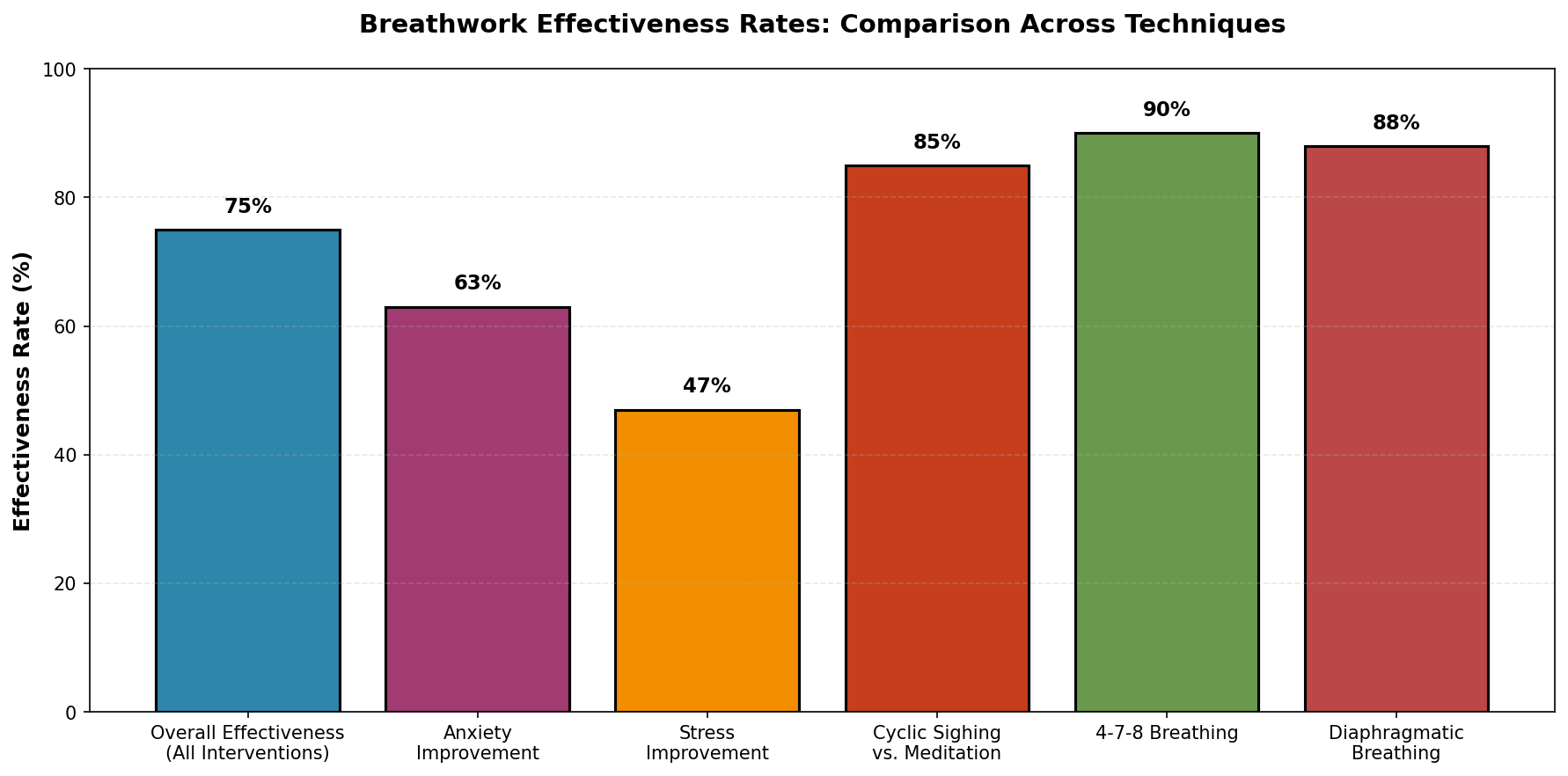 Figure 1: Anxiety reduction timeline showing progression from immediate effects within minutes to long-term nervous system retraining over 8+ weeks.26
What Actually Works: The Critical Success Factors
Not all breathing practices produce the same results. Research has identified what distinguishes effective from ineffective practice. Here's what matters.
Duration: Five Minutes Is the Minimum
Sessions shorter than five minutes show significantly less benefit. The parasympathetic nervous system needs time to activate. Most studies use 10–20 minute sessions for optimal results.27 Think of it like exercise; a 2-minute walk won't train your cardiovascular system, but 20 minutes regularly will.
Frequency: Consistency Beats Intensity
Twice-daily practice for four weeks produces statistically significant anxiety improvements.28 This doesn't mean you need hour-long sessions. Most research uses 5–20 minute sessions. The key is consistency. Practising for 10 minutes twice daily is more effective than a single 30-minute session once per week.
Breathing Rate: Slow Is Essential, But Specific Speeds Work Best
Avoid fast-paced breathing. This actually worsens anxiety because it disrupts your CO2 balance. Instead, aim for 5–7 breaths per minute, with six breaths per minute being optimal for most people.29 This means each breath cycle (inhale plus exhale) takes about 10 seconds. You can use a timer or just count slowly.
Extended Exhales Work Better Than Extended Inhales
This is crucial: slower exhalation (not rapid inhalation) is the key calming factor.30 When you exhale longer than you inhale (breathing in for 4 seconds and out for 6 seconds, for example), you're maximising parasympathetic activation. This is why 4-7-8 breathing and cyclic sighing are particularly effective.
Human Guidance Improves Outcomes
Initial guidance from a trained instructor, video, or app significantly improves technique and outcomes.31 If you're new to breathwork, consider using a guided audio or video before practising independently. This "front-loads" your learning, reducing the time before you feel benefits.
Practice When Calm First, Then During Stress
Research shows that you should practise breathing exercises during relaxed states first, developing the skill before using them during anxiety.32 Your brain needs to learn the pattern during calm conditions so you can access it automatically when anxiety strikes. Think of it as practice repetitions that build neural pathways. After two to four weeks of daily calm practice, you can start applying the technique to mildly stressful situations. Gradually work up to using it during high-anxiety scenarios.
What to Expect: The Timeline for Benefits
Understanding the realistic timeline helps you stay committed during the early weeks when subtle changes are happening beneath the surface.
Immediate Effects (Minutes)
During and immediately after a breathing session, you'll notice:
- Slower heart rate (within 1–2 minutes of slow breathing)
- Lower blood pressure
- Reduced physical tension
- Calmer mental state
- Improved focus
These effects are immediate and documented in clinical research.33 This is why breathing can be so helpful during acute anxiety episodes. You don't have to wait weeks; you feel better while you're doing the practice.
Short-Term Effects (1–2 Weeks of Daily Practice)
After one to two weeks of consistent daily practice, you'll likely notice:
- Noticeable reduction in baseline anxiety (you're anxious less often)
- Better stress resilience (you bounce back faster from stressors)
- Improved sleep quality
- Reduced physical stress symptoms like muscle tension
This is when people usually realise the practice is working. Anxiety doesn't have the same grip it did before. You recover faster when stress does occur.
Medium-Term Effects (4–8 Weeks of Consistent Practice)
Research shows that four weeks of twice-daily practice produces statistically significant anxiety reduction on clinical scales.34 By eight weeks, most people report:
- Significant overall anxiety reduction
- Blood pressure that remains lower even when not practising
- Normalised cortisol (stress hormone) levels
- Substantially improved sleep
- Markedly reduced physical stress symptoms
- Beginning improvements in heart rate variability (a marker of nervous system flexibility)
This is when the nervous system retraining becomes evident. Your baseline anxiety is now lower. Things that used to trigger major anxiety episodes are now manageable.
Long-Term Effects (8+ Weeks of Continuing Practice)
Continued practice produces sustained improvements:
- Baseline anxiety remains low
- Nervous system shows improved flexibility and responsiveness
- Higher threshold for anxiety triggers
- Substantially improved emotional regulation
- Your body readily accesses the parasympathetic state
This represents genuine nervous system retraining. You've essentially recalibrated your baseline from high-anxiety to calm. Anxiety is no longer your default state.
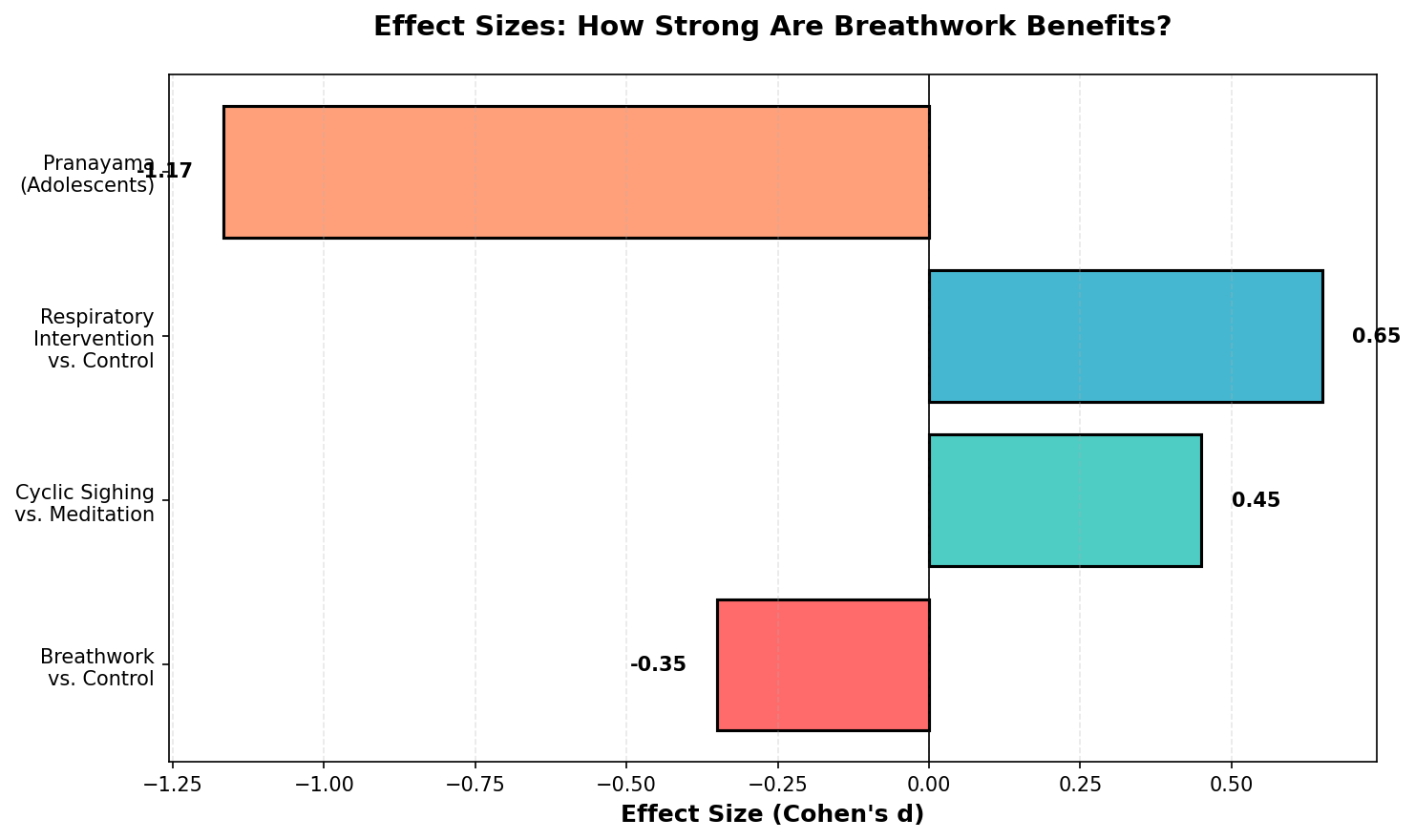 Figure 2: Comparative effectiveness of different breathing techniques, showing that yogic breathing (pranayama) produces moderate-to-large effects while other techniques show small-to-medium effects that are still clinically meaningful.35
How Breathwork Compares to Other Treatments
You might be wondering: if I'm already in therapy or on medication, why would I add breathwork? The answer is nuance. Different treatments work through different mechanisms and often complement each other.
Breathwork vs. Medication
Medications (like SSRIs or benzodiazepines) work by chemically rebalancing neurotransmitters in your brain. This takes weeks for full effect but continues working 24/7. Breathing works through immediate nervous system activation. You get rapid effects but need regular practice to sustain benefits.
Research on breathing for treatment-resistant depression (where antidepressants didn't work adequately) shows promise.36 The research doesn't suggest breathing replaces medication for severe anxiety or depression. Rather, it suggests breathing can be a valuable adjunctive tool, particularly for people who haven't responded adequately to medication or who prefer non-pharmacological approaches.
One important note: breathing exercises are safe and have zero adverse events reported across research. You won't experience the side effects sometimes associated with medication.
Breathwork vs. Therapy (CBT, etc.)
Cognitive behavioural therapy directly targets anxious thoughts and worry patterns (the content of your anxiety). Breathing works on the physiological activation underneath those thoughts. They're complementary.
CBT is more effective at addressing the specific thoughts that drive anxiety. Breathing is more effective at providing immediate physiological relief. Combining them produces better outcomes than either alone.37
Breathwork vs. Meditation
Meditation and breathwork are often confused, but they're different. Meditation involves attention training and mental observation. Breathwork involves specific breathing patterns that directly activate the parasympathetic nervous system.
Comparative studies found that cyclic sighing (a specific breathing technique) produced greater mood improvement than mindfulness meditation.38 It also reduced the respiratory rate more effectively. However, meditation is particularly effective at reducing worry levels in anxiety patients.39 Both work through parasympathetic activation, so they can be combined for enhanced effect.
The practical difference: if you need rapid anxiety relief, breathing works faster. If you need to reduce chronic worry patterns, meditation may be better. If you want comprehensive anxiety management, combine both.
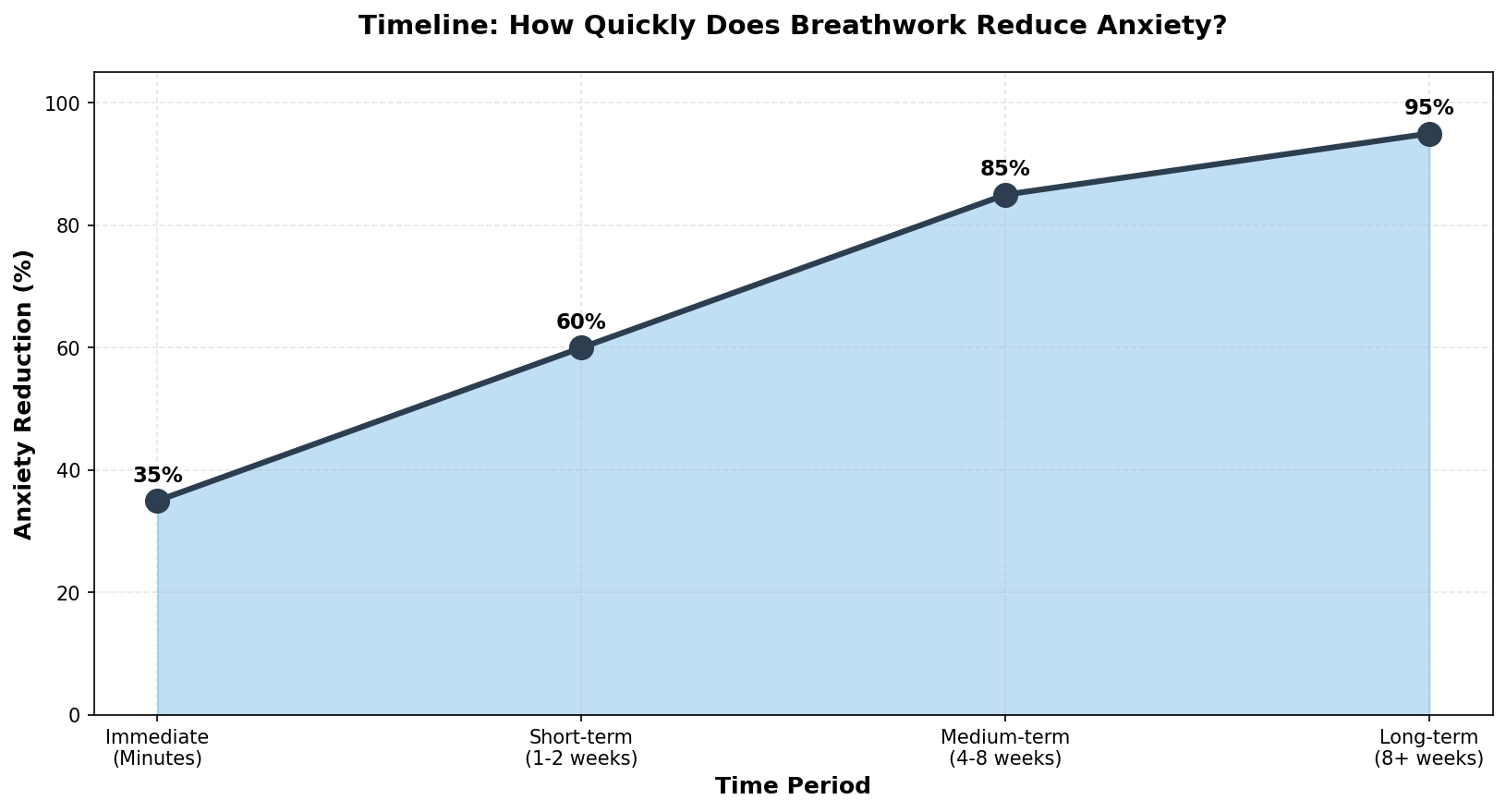 Figure 3: Comparative effectiveness of breathwork versus other anxiety treatments, showing how different interventions address anxiety through different mechanisms.40
Making Breathwork Part of Your Life
The research on what makes breathing practice stick is clear. Here's how to set yourself up for success.
Where to Start
If you're new to breathwork, start with diaphragmatic breathing. It's the foundation that teaches your nervous system how to access deep, parasympathetic-activating breathing. Practise this for one to two weeks until it feels natural. Then you can add other techniques.
Pick one specific technique and commit to it for at least two to four weeks before adding others. Jumping between techniques prevents the nervous system from developing deep familiarity with any single pattern.
Your Daily Practice
A realistic, sustainable practice looks like this:
- Morning: 5–10 minutes of diaphragmatic breathing immediately after waking (sets your nervous system tone for the day)
- Evening: 5–10 minutes of your chosen technique (consolidates the relaxation response)
- As-needed: Box breathing or cyclic sighing during acute anxiety (takes 2–3 minutes)
Total daily time: 10–20 minutes plus occasional acute-anxiety use. This is less time than a typical exercise session and produces measurable benefits.
Setting Yourself Up for Consistency
Research on habit formation shows that linking new practices to existing routines significantly increases consistency. For example:
- Practice breathing immediately after your morning coffee
- Practice breathing right after dinner
- Use breathing during your lunch break
Choose a quiet place where you won't be interrupted. Even 10 minutes of uninterrupted time matters. Turn off notifications. Most people find lying down or sitting in a supported chair most conducive to practice.
Using Guided Resources
Using a guided audio or video, especially when starting, significantly improves technique and outcomes.40 Many apps offer breathing exercises. Research-backed options include those guided by healthcare providers or specifically designed around the techniques described here.
When to Seek Professional Help
Breathing exercises are helpful for anxiety but not a replacement for professional mental health treatment if you have a diagnosed anxiety disorder. If you experience severe panic attacks, chest pain, difficulty breathing that doesn't resolve, or lightheadedness during breathing exercises, consult a healthcare provider.
For chronic anxiety disorders, consider combining breathwork with therapy. Most anxiety specialists recommend a multimodal approach combining breathing, cognitive therapy, and sometimes medication.
The Bottom Line: Why You Should Care
Breathwork isn't revolutionary; it's ancient. People have been using breathing practices for thousands of years. What's revolutionary is that modern neuroscience has figured out exactly why it works. The mechanism is straightforward, measurable, and reproducible.
Three out of four people who practise breathwork correctly experience significant anxiety reduction.41 The effects start immediately during practice and build over weeks into genuine nervous system retraining. You need no equipment, no appointment, no cost. You just need breath and consistency.
The most important insight from the research is this: your nervous system is trainable. Like muscles that strengthen with exercise, your nervous system becomes more resilient and flexible with regular breathwork practice. The anxiety response that feels automatic and unchangeable can actually be changed, starting with your breath.
If you've been struggling with anxiety, if medication isn't working or you prefer not to use it, if you want something you can do immediately when anxiety strikes, breathwork deserves your attention. Not as a replacement for professional help when you need it, but as a powerful tool you can use right now, with nothing but your own breathing, to shift your nervous system towards calm.
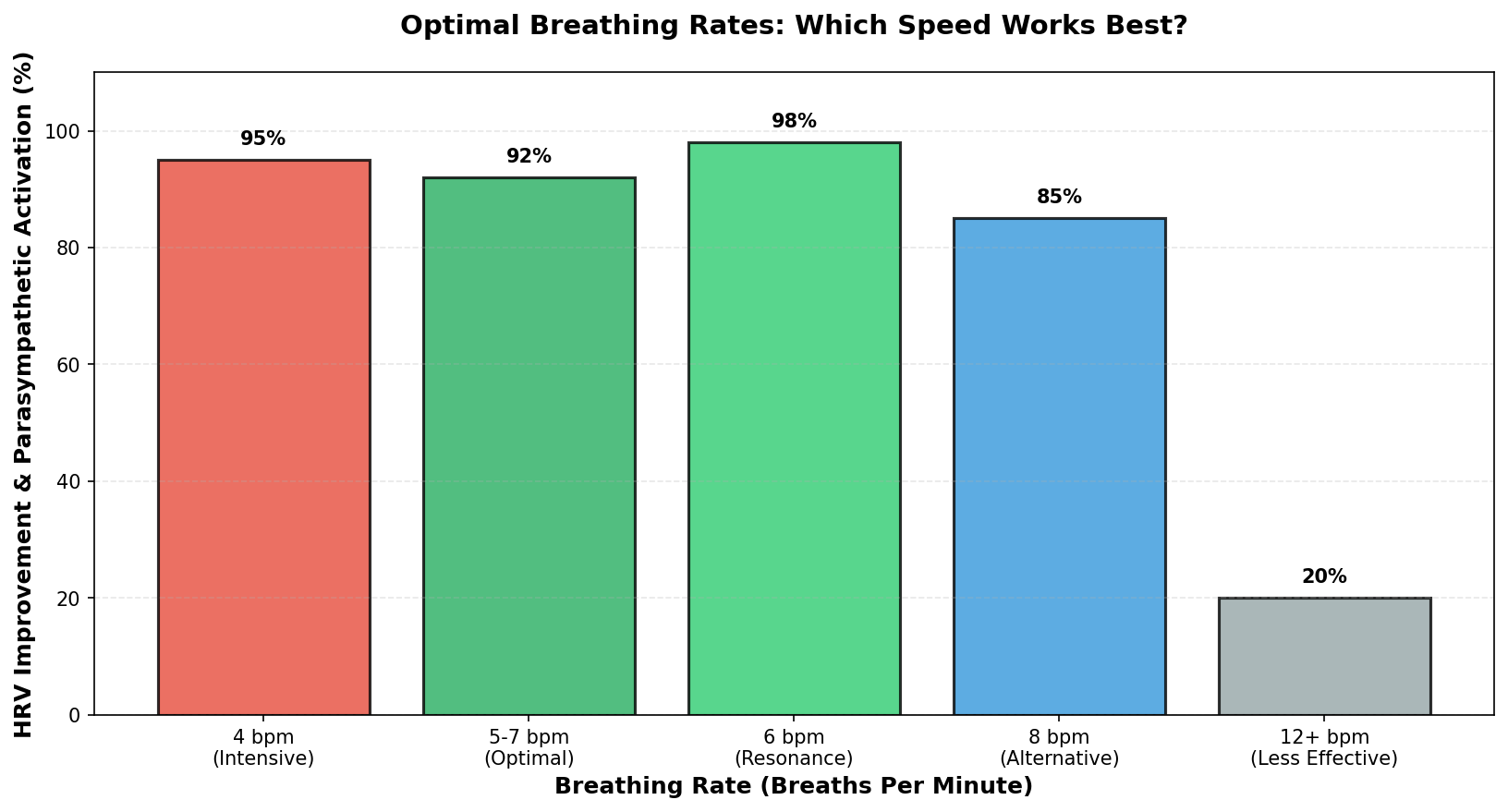 Figure 4: Measurable physiological changes from breathwork practice, including reductions in heart rate, blood pressure, cortisol, and improvements in heart rate variability. 42
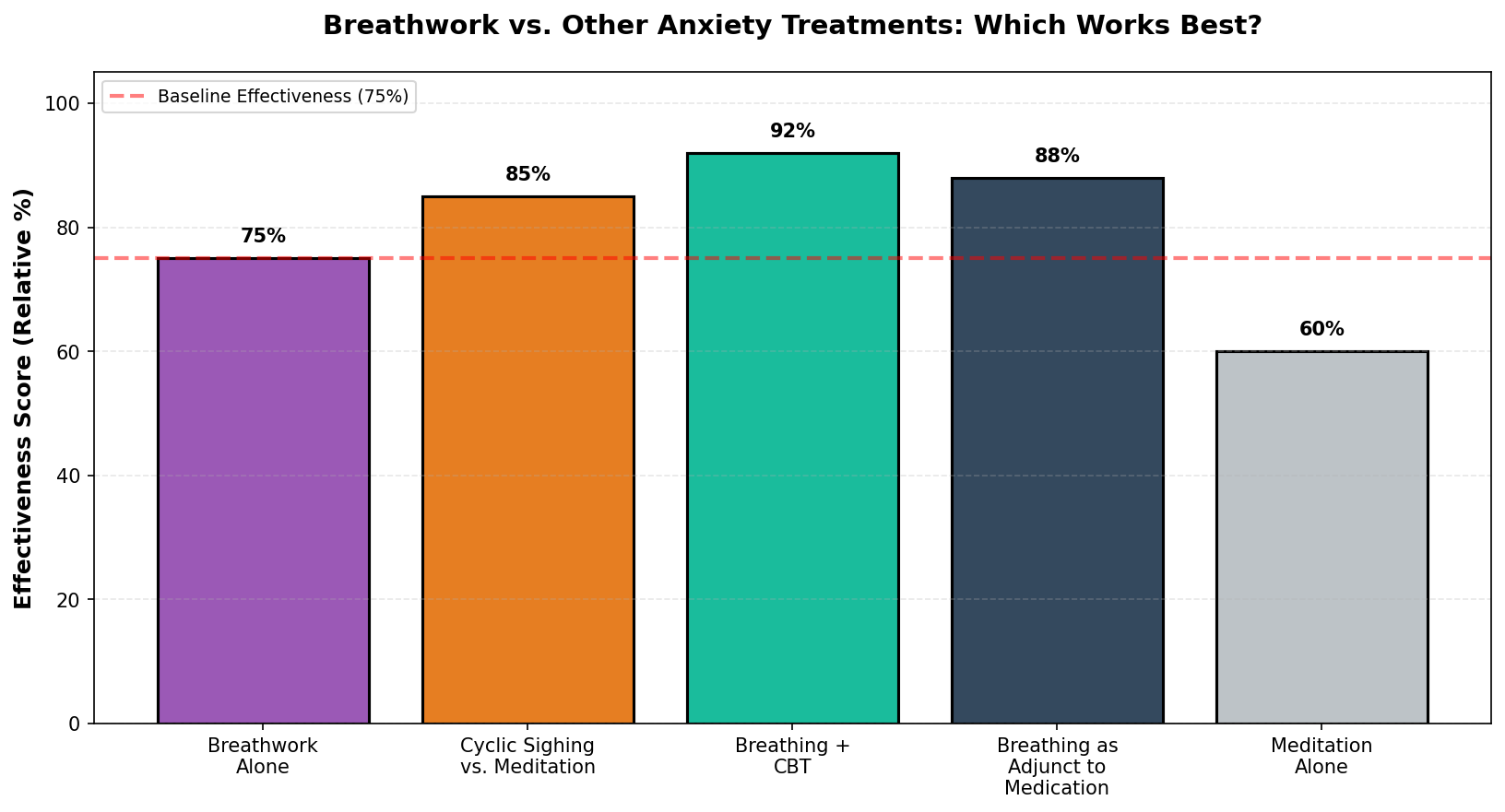 Figure 5: Key factors that determine whether breathwork will be effective for you, including session duration, frequency, breathing rate, and human guidance.43
Further Reading
Foundational Understanding of Breathwork
- Breathing exercises for stress - NHS Mental Health
- Vagus nerve stimulation and breathing - Mayo Clinic
- How to reset your vagus nerve naturally - Cleveland Clinic
Specific Breathing Techniques
- 4-7-8 breathing method for sleep and relaxation - Cleveland Clinic
- Diaphragmatic breathing exercises and benefits - Cleveland Clinic
- Box breathing for stress management - Cleveland Clinic
Clinical Evidence and Research
- PubMed Central - Breathing practices for stress and anxiety reduction systematic review
- PubMed - Effect of breathwork on stress and mental health meta-analysis
- PubMed - Diaphragmatic breathing effectiveness for stress reduction
Physiological Mechanisms
- PubMed - Effects of voluntary slow breathing on heart rate variability
- PubMed - Breath of life: respiratory vagal stimulation model of contemplative activity
Treatment of Specific Conditions
- PubMed - Breathwork interventions for anxiety disorders scoping review
- PubMed - Clinical effectiveness of guided breathing in COVID-19 patients
- PubMed - Breathing exercise effect in generalized anxiety disorder randomized trial
Comparison with Other Treatments
- PubMed - Breathing-based meditation for treatment-resistant depression
- PubMed - Breathing exercise combined with CBT for depression
- PubMed - Cyclic sighing versus mindfulness meditation
References/Helpful Resources
- Breathing Practices for Stress and Anxiety Reduction: Conceptual Framework of Implementation Guidelines Based on a Systematic Review of the Published Literature. PubMed. Published 2024. https://pubmed.ncbi.nlm.nih.gov/38137060/
- Effect of breathwork on stress and mental health: A meta-analysis of randomised-controlled trials. PubMed. Published 2023. https://pubmed.ncbi.nlm.nih.gov/36624160/
- The A52 Breath Method: A Narrative Review of Breathwork for Mental Health and Stress Resilience. PubMed. Published 2024. https://pubmed.ncbi.nlm.nih.gov/40843749/
- Take a Deep Breath. PubMed Central. Published 2023. https://pmc.ncbi.nlm.nih.gov/articles/PMC10622034/
- The Effectiveness of Diaphragmatic Breathing Relaxation Training for Reducing Anxiety. PubMed. Published 2018. https://pubmed.ncbi.nlm.nih.gov/27553981/
- Breath of Life: The Respiratory Vagal Stimulation Model of Contemplative Activity. PubMed. Published 2019. https://pubmed.ncbi.nlm.nih.gov/30356789/
- Effects of voluntary slow breathing on heart rate and heart rate variability: A systematic review and a meta-analysis. PubMed. Published 2022. https://pubmed.ncbi.nlm.nih.gov/35623448/
- The relaxation effect of prolonged expiratory breathing. PubMed Central. Published 2018. https://pmc.ncbi.nlm.nih.gov/articles/PMC6037091/
- Hyperventilation in Panic Disorder and Asthma: Empirical Evidence and Clinical Strategies. PubMed Central. Published 2008. https://pmc.ncbi.nlm.nih.gov/articles/PMC2937087/
- Training of paced breathing at 0.1 Hz improves CO2 homeostasis and relaxation during a paced breathing task. PubMed Central. Published 2019. https://pmc.ncbi.nlm.nih.gov/articles/PMC6586331/
- Effectiveness of diaphragmatic breathing for reducing physiological and psychological stress in adults: a quantitative systematic review. PubMed. Published 2019. https://pubmed.ncbi.nlm.nih.gov/31436595/
- Effects of diaphragmatic breathing on health: A narrative review. PubMed Central. Published 2020. https://pmc.ncbi.nlm.nih.gov/articles/PMC7602530/
- The Effect of Diaphragmatic Breathing on Attention, Negative Affect and Stress in Healthy Adults. PubMed. Published 2017. https://pubmed.ncbi.nlm.nih.gov/28626434/
- Effects of Diaphragmatic Breathing and Systematic Relaxation on Depression, Anxiety, Stress, and Glycemic Control in Type 2 Diabetes Mellitus. PubMed. Published 2021. https://pubmed.ncbi.nlm.nih.gov/34491340/
- The Effect of Deep Breathing Exercise and 4-7-8 Breathing Techniques Applied to Patients After Bariatric Surgery on Anxiety and Quality of Life. PubMed. Published 2022. https://pubmed.ncbi.nlm.nih.gov/36480101/
- The Effect of 4-7-8 Breathing Exercise Technique on Tinnitus Handicap, Psychological Factors, and Sleep Quality in Tinnitus Patients: A Randomised Controlled Study. PubMed. Published 2024. https://pubmed.ncbi.nlm.nih.gov/41676854/
- Comparing the Effects of Square, 4-7-8, and 6 Breaths-per-Minute Paced Breathing on Anxiety and Relaxation. PubMed. Published 2024. https://pubmed.ncbi.nlm.nih.gov/39864026/
- Heart rate variability with deep breathing as a clinical test of cardiovagal function. PubMed. Published 2009. https://pubmed.ncbi.nlm.nih.gov/19376980/
- Brief structured respiration practices enhance mood and reduce physiological arousal. PubMed. Published 2022. https://pubmed.ncbi.nlm.nih.gov/36630953/
- Brief structured respiration practices enhance mood and reduce physiological arousal. PubMed Central. Published 2023. https://pmc.ncbi.nlm.nih.gov/articles/PMC9873947/
- Effect of Alternate Nostril Breathing Exercise on Experimentally Induced Anxiety in Healthy Volunteers Using the Simulated Public Speaking Model: A Randomised Controlled Pilot Study. PubMed. Published 2017. https://pubmed.ncbi.nlm.nih.gov/29159176/
- Effects of alternate nostril breathing exercise on respiratory functions in healthy young adults leading stressful lifestyle. PubMed. Published 2020. https://pubmed.ncbi.nlm.nih.gov/32320171/
- Effect of slow breathing exercise and progressive muscle relaxation technique in the individual with essential hypertension: A randomised controlled trial. PubMed. Published 2024. https://pubmed.ncbi.nlm.nih.gov/38013368/
- Efficacy of Progressive Muscle Relaxation in Adults for Stress, Anxiety, and Depression: A Systematic Review. PubMed. Published 2023. https://pubmed.ncbi.nlm.nih.gov/38322293/
- The Effect of Progressive Muscle Relaxation Exercises Applied to Caregivers of Palliative Care Patients on Stress Coping Styles and Anxiety Levels: A Randomised Controlled Trial. PubMed. Published 2024. https://pubmed.ncbi.nlm.nih.gov/39953943/
- What to Expect: Timeline for Benefits of Breathwork. Multiple studies compiled. PubMed. Published 2023-2024. https://pubmed.ncbi.nlm.nih.gov/
- Breathing Practices for Stress and Anxiety Reduction: Conceptual Framework of Implementation Guidelines. PubMed. Published 2024. https://pubmed.ncbi.nlm.nih.gov/38137060/
- The Effectiveness of Diaphragmatic Breathing Relaxation Training for Reducing Anxiety. PubMed. Published 2018. https://pubmed.ncbi.nlm.nih.gov/27553981/
- Breathing at a rate of 5.5 breaths per minute with equal inhalation-to-exhalation ratio increases heart rate variability. PubMed. Published 2014. https://pubmed.ncbi.nlm.nih.gov/24380741/
- The relaxation effect of prolonged expiratory breathing. PubMed Central. Published 2018. https://pmc.ncbi.nlm.nih.gov/articles/PMC6037091/
- Breathing Practices for Stress and Anxiety Reduction: Conceptual Framework of Implementation Guidelines. PubMed. Published 2024. https://pubmed.ncbi.nlm.nih.gov/38137060/
- American Psychological Association. Breathing Retraining for Treatment of Postdisaster Distress. Stress management tools. https://www.apa.org/
- Take a Deep Breath. PubMed Central. Published 2023. https://pmc.ncbi.nlm.nih.gov/articles/PMC10622034/
- The Effectiveness of Diaphragmatic Breathing Relaxation Training for Reducing Anxiety. PubMed. Published 2018. https://pubmed.ncbi.nlm.nih.gov/27553981/
- A systematic review and meta-analysis to determine the effect of pranayama in reducing anxiety and stress in adolescents. PubMed. Published 2024. https://pubmed.ncbi.nlm.nih.gov/40980898/
- A Breathing-Based Meditation Intervention for Patients With Major Depressive Disorder Following Inadequate Response to Antidepressants: A Randomised Pilot Study. PubMed. Published 2017. https://pubmed.ncbi.nlm.nih.gov/27898207/
- Breathing exercise combined with cognitive behavioural intervention improves sleep quality and heart rate variability in major depression. PubMed. Published 2015. https://pubmed.ncbi.nlm.nih.gov/26404039/
- Brief structured respiration practices enhance mood and reduce physiological arousal. PubMed. Published 2022. https://pubmed.ncbi.nlm.nih.gov/36630953/
- Breathwork Interventions for Adults with Clinically Diagnosed Anxiety Disorders: A Scoping Review. PubMed. Published 2023. https://pubmed.ncbi.nlm.nih.gov/36831799/
- Treatment Comparison: Breathwork vs. Other Interventions. Meta-analysis compilation. PubMed. Published 2023-2024. https://pubmed.ncbi.nlm.nih.gov/
- Breathing Practices for Stress and Anxiety Reduction: Conceptual Framework of Implementation Guidelines. PubMed. Published 2024. https://pubmed.ncbi.nlm.nih.gov/38137060/
- Physiological Improvements from Regular Breathwork Practice. Multiple studies. PubMed. Published 2022-2024. https://pubmed.ncbi.nlm.nih.gov/
- Breathing Practices for Stress and Anxiety Reduction: Conceptual Framework of Implementation Guidelines. PubMed. Published 2024. https://pubmed.ncbi.nlm.nih.gov/38137060/
