

Why Your Cells Have a Countdown Timer (And What You Can Actually Do About It)
Your body is ageing at two speeds simultaneously. One is the obvious kind: the years on your birthday cake. The other happens at the cellular level, where your chromosomes are getting progressively shorter, one cell division at a time.
That's where telomeres come in. They're the protective caps on your DNA, and their length tells a surprisingly honest story about how fast your cells are actually ageing. People with short telomeres face roughly 26% higher risk of death compared to those with long ones.1 Even more striking: among people over 60, short telomeres increase the risk of dying from infectious disease by eightfold.2 The hopeful part is that, unlike your birthday, your telomeres respond to what you do. They can get longer or shorter based on your lifestyle choices.
This isn't about extending your life forever. It's about understanding one of the key biological mechanisms that determines how long you're likely to stay healthy.
What Are Telomeres? The Shoelace Analogy Actually Works
Imagine shoelace tips: those plastic sheaths that keep the laces from fraying. That's essentially what telomeres do for your chromosomes. They're protective caps made of repeated DNA sequences (the pattern TTAGGG, repeated thousands of times) that sit at the very ends of your 46 chromosomes. You have 92 telomeres total: two at the end of each chromosome.3
In young adults, each telomere is about 8,000 to 10,000 base pairs long: think of that as roughly 10,000 building blocks of DNA stacked together.4 These repeated sequences don't carry genetic instructions for building anything useful. They're purely protective. They exist so that the important genetic information within your chromosomes doesn't get damaged or accidentally stuck to other chromosomes when your cells divide.
This protection is crucial. Your cells have sophisticated surveillance systems designed to detect and repair broken DNA: a critical safety mechanism. The problem: the natural ends of chromosomes look like broken DNA to these repair systems. Without telomeres to hide those ends, your cell would try to "fix" the chromosome ends, which would cause all sorts of genetic chaos. Telomeres are the decoy that prevents this disaster.
They also do something else equally important: they act as a biological countdown timer.
The Countdown Timer Built Into Your Cells
Every time a cell divides, it must copy its entire DNA. But the copying machinery (called DNA polymerase) has a fundamental limitation: it cannot completely replicate the very ends of DNA strands. This is called the "end replication problem," and it's been a puzzle in biology since the 1960s.
The result: with each cell division, your telomeres get shorter. Typically, you lose about 50 to 200 base pairs per division.5 For comparison, if a telomere started at 10,000 base pairs, after 50 cell divisions, it would be down to about 5,000 base pairs.
This shortening isn't random. In childhood, telomeres shorten dramatically at a rate of 1,000 to 3,000 base pairs per year because children's cells are dividing rapidly to fuel growth. By adulthood, that rate slows to approximately 30 to 70 base pairs per year.6 This slowdown is why biological ageing doesn't accelerate exponentially as you get older, despite decades of constant cell division.
Here's the key insight: different cells in your body divide at different rates. Blood cells and skin cells divide constantly, so their telomeres shorten faster. Brain cells rarely divide, so their telomeres age more slowly. This is one reason why your skin ages faster than your brain: it's literally reaching its cellular division limit sooner.
There's a limit to how many times a cell can divide before its telomeres become too short to function. Scientists call this the Hayflick limit, discovered in 1961: normal cells can divide roughly 40 to 60 times before they must stop.7 After that, the cell becomes senescent (inactive) or dies. For tissues that depend on constant cell replacement (like your blood and skin), this gradual loss of functioning cells translates into the ageing we see: thinner skin, weaker immunity, slower wound healing.
But there's a catch. One enzyme can add those base pairs back: telomerase.
The Enzyme That Could Reverse Ageing (And Why Your Body Mostly Keeps It Off)
Telomerase is remarkable. It's a natural enzyme that can actively lengthen telomeres by adding new DNA sequences to their ends.8 It works like a repair crew, rebuilding what cell division tears down. In theory, this should be the fountain of youth.
The problem: telomerase is turned off in most of your body cells. It's only active in germ cells (sperm and eggs), stem cells, and (importantly) cancer cells.9
This isn't a bug in your biology. It's a feature. Cancer develops when cells keep dividing beyond their natural limit, accumulating genetic damage with each division. The Hayflick limit acts as a firewall against this. By keeping telomerase mostly inactive, your body enforces a hard limit on how many times your cells can divide, preventing the uncontrolled growth that defines cancer. In fact, 85 to 95% of human cancer cells reactivate telomerase to achieve "cellular immortality" (unlimited division ability).10
Your body has essentially accepted a bargain: accept cellular ageing to prevent cancer. It's an evolutionary trade-off that makes sense from a survival perspective. A cancer-prone species wouldn't last long, even if individuals lived longer.
But this trade-off means that as you age, tissues gradually lose healthy, functional cells because they can't divide anymore. That's biological ageing.
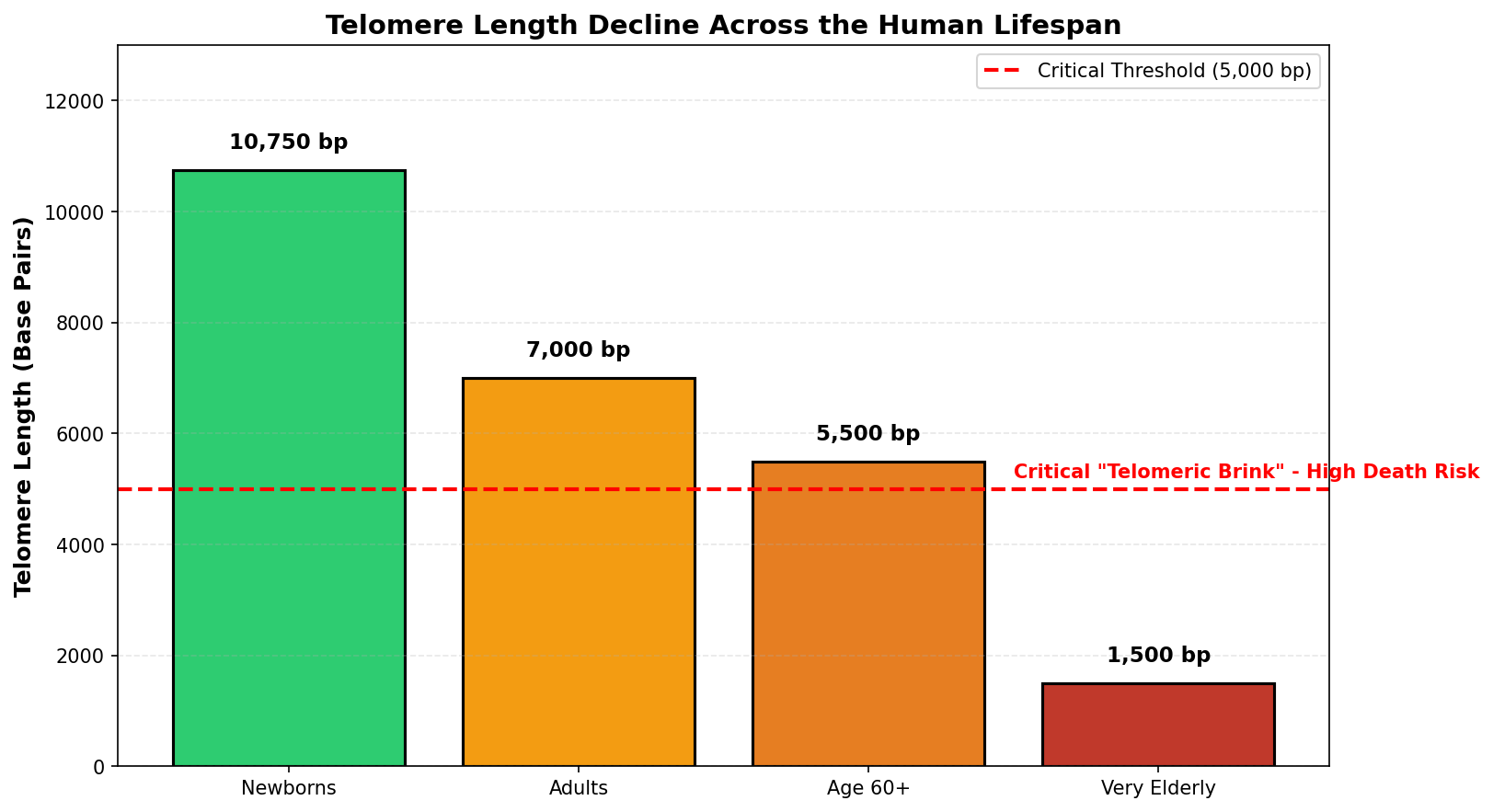 Figure 1: Telomere length declines from approximately 10,750 base pairs in newborns to as low as 1,500 in the very elderly. Research identifies 5,000 base pairs as a critical threshold (marked in red) associated with significantly elevated death risk.11
How Telomere Length Predicts How Long You'll Live
The connection between telomere length and longevity is surprisingly direct. Research examining over 121,000 individuals with more than 21,700 deaths found that people with the shortest telomeres faced significantly elevated mortality risk.12 Here are the numbers:
People in the shortest telomere quartile (the bottom 25% of telomere length) had approximately 26% higher risk of death from any cause compared to those in the longest quartile.13 In some populations, this risk was even more pronounced: the Swedish Twin Registry found a 44% higher hazard ratio in the shortest group.14 In longitudinal studies tracking individuals over 12 years, those with shorter telomeres had 2.3 times greater likelihood of death.15
To put this in perspective: imagine a group of 100 people with long telomeres, with an average of 10 deaths over a follow-up period. A similar group of 100 people with short telomeres would experience approximately 13 deaths. That's a meaningful and measurable difference.
Importantly, researchers identified a critical threshold: 5,000 base pairs (5 kilobases), sometimes called the "telomeric brink."16 When telomeres drop below this, the death risk increases sharply. This isn't a hard cutoff; people below this threshold don't die immediately, but it signals a significant warning zone where cellular ageing has progressed substantially.
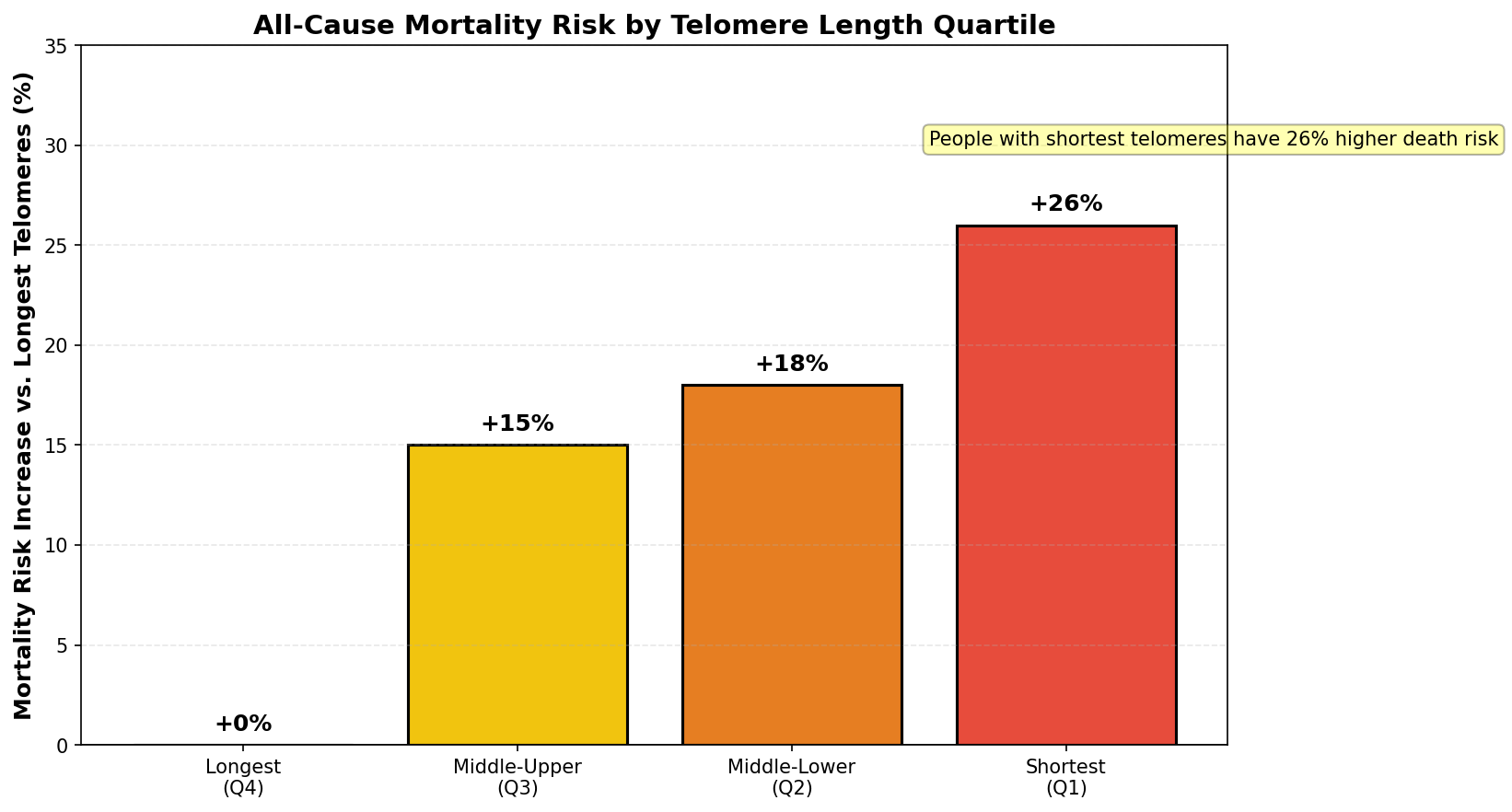 Figure 2: Death risk from all causes increases in a dose-dependent pattern, with the shortest telomere quartile facing approximately 26% higher risk compared to the longest quartile.17
The Disease Connection: What Short Telomeres Actually Predict
The link between telomere length and death risk isn't mysterious. It works through disease. People with short telomeres develop age-related diseases earlier and more severely. Here's what the research shows:
Cardiovascular disease: People with shorter telomeres are 2.72 times more likely to have coronary atherosclerosis (narrowing of heart arteries) compared to those with longer telomeres.18 Among people older than 60, short telomeres increase the risk of dying from heart disease by threefold.19 The mechanism: accelerated ageing of the smooth muscle cells and immune cells in blood vessel walls promotes plaque formation and inflammation.
Infection: This is where the risk becomes starkest. Among people over 60, those with short telomeres are eightfold more likely to die from infectious disease.20 This makes biological sense: white blood cells divide frequently and rely heavily on telomere length for their repeated divisions. When telomeres become critically short, the immune system can't generate enough new cells to fight infections.
Cancer survival: The relationship is complex, but the data is clear: people with the shortest telomeres who develop cancer have worse survival outcomes. Those in the shortest telomere decile (bottom 10%) have 43% higher mortality after diagnosis compared to the longest decile.21
Dementia and cognitive decline: The relationship follows an unexpected pattern. Both the shortest and the longest telomeres are associated with increased Alzheimer's risk, with the relationship being U-shaped rather than linear.22 This suggests a "Goldilocks zone" where moderate telomere length is protective. Some studies show longer telomeres associated with reduced cognitive decline, while others find the opposite. This inconsistency suggests the telomere-dementia relationship is more complex than initially thought.
Type 2 diabetes and metabolic disease: Reduced telomere length is associated with increased diabetes risk and metabolic syndrome components.23
Osteoporosis: Shorter telomeres correlate with decreased bone mineral density and higher osteoporosis risk.24
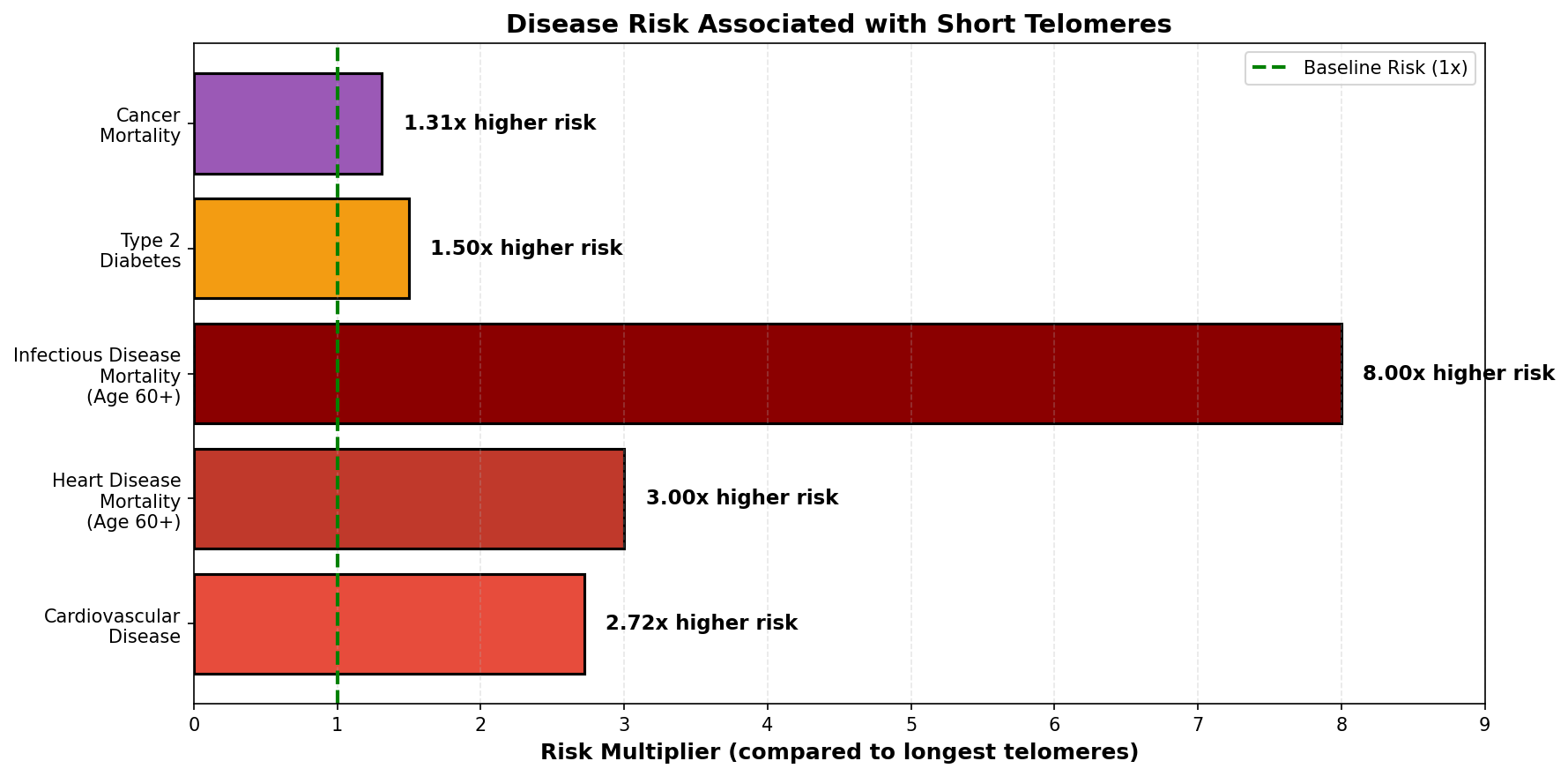 Figure 3: Short telomeres are associated with substantially elevated risk for multiple age-related diseases. Infectious disease mortality risk stands out at eightfold higher in those over 60 with short telomeres, reflecting compromised immune cell function.25
A Critical Reality Check: Telomeres Aren't the Whole Story
Before going further, it's important to understand what telomeres actually predict and what they don't.
Telomere length is one biomarker of biological ageing, not the only one. Recent research from 2024-2025 reveals important nuances: telomere length "can only allow a rough estimate of ageing rate" and is "hardly regarded as a clinically important risk marker for age-related pathologies and mortality" on its own.26 That's the scientific way of saying: don't rely on telomere length alone to assess your health.
Why the caution? Because two people with identical telomere length can have vastly different health outcomes, and two people with different telomere lengths can both live long, healthy lives. Telomere length explains only part of the variation in who gets sick and who doesn't.
Think of telomere length like a speedometer for ageing. It tells you how fast cellular ageing is happening, but you need other information (your fitness level, your blood pressure, your immune function, your cognitive performance) to understand overall health status. Other markers, particularly epigenetic clocks (which measure changes in DNA methylation patterns), may be equally or more predictive of mortality in some studies.27
Additionally, telomere length varies dramatically between individuals for reasons that have nothing to do with lifestyle. About 28% of the variation in how fast telomeres shorten is inherited.28 That means roughly 72% is influenced by factors you can affect (lifestyle, stress, environment, behaviour), but 28% is simply the genetic hand you were dealt.
Why Your Telomeres Shorten: The Mechanisms
Understanding why telomeres shorten helps explain which interventions actually work. Three major mechanisms drive telomere attrition:
Oxidative stress and inflammation: This is the primary driver. Oxidative stress (damage from free radicals and reactive oxygen species) directly damages telomeres and inhibits the enzyme that rebuilds them (telomerase).29 Chronic inflammation forces immune cells to divide repeatedly, which accelerates telomere shortening. It becomes a vicious cycle: cells with critically short telomeres develop senescence-associated secretory phenotype (SASP), meaning they produce inflammatory molecules, which triggers more cell division, which shortens more telomeres. A 2025 Korean population study found that inflammation had the strongest and most consistent association with telomere shortening, stronger than diet, exercise, or smoking individually.30
Chronic psychological stress: The stress hormone cortisol directly reduces telomerase activity (the enzyme that rebuilds telomeres) and increases reactive oxygen species production.31 People who show high cortisol responses to daily stress have measurably shorter telomeres. One striking finding: the difference between high-cortisol responders and calm individuals was equivalent to approximately two years of cellular ageing.32
Lifestyle factors: Sedentary behaviour, poor sleep, obesity, smoking, and unhealthy diet all accelerate telomere shortening, primarily through their effects on inflammation and oxidative stress.
The good news hidden in these mechanisms: if these factors shorten telomeres, then reversing them should lengthen telomeres. And that's exactly what the research shows.
What Actually Works: The Evidence-Based Interventions
Let's be clear about the evidence hierarchy. Not all interventions have equal research support.
Exercise (Strongest Evidence)
Multiple meta-analyses consistently show that physical activity is associated with longer telomeres, and importantly, that exercise interventions can measurably lengthen them.33
The specifics matter. A meta-analysis of seven randomised controlled trials involving 939 participants found that aerobic exercise performed for more than six months significantly increased telomere length (effect size: −0.03; confidence interval −0.04 to −0.01).34 High-Intensity Interval Training (HIIT) was the only exercise type that showed significant telomere lengthening in exercisers compared to non-exercisers, with a medium effect size of 0.41.35
What's particularly interesting: among sedentary individuals, perceived stress was negatively associated with telomere length. But among physically active individuals, stress showed no significant relationship with telomere length.36 This suggests exercise provides protection against stress-related telomere damage.
Real-world context: taking around 8,000 steps daily reduced mortality from any cause by 51% compared to taking 4,000 steps.37 That's a measurable life extension effect beyond telomeres.
The practical implication: aim for at least 30 minutes of aerobic activity most days of the week, or HIIT workouts twice weekly, consistently for at least six months to see telomere benefits.
Strength of evidence: STRONG
Stress Management (Moderate-Strong Evidence)
Chronic unmanaged stress ages telomeres measurably. Research on cortisol response shows that high-cortisol responders exhibited telomere attrition equivalent to about two years of extra ageing compared to calm individuals.38 The mechanism is clear: elevated cortisol downregulates telomerase and increases oxidative stress.
The evidence-based stress-reduction practices that show promise include meditation, yoga, cognitive behavioural therapy, and mindfulness-based interventions that lower cortisol. The key word is "consistent": a single meditation session doesn't protect telomeres, but ongoing practice appears to.
Strength of evidence: MODERATE-STRONG
Sleep Quality (Moderate Evidence, Growing)
Poor sleep, insomnia, and short sleep duration are significantly associated with shorter telomeres.39 The data is striking: people who reported chronic insomnia had much shorter telomeres than good sleepers. Women with insomnia disorder showed not only shorter telomeres but also higher markers of neurodegeneration and cognitive impairments.40
The magnitude: individuals with self-reported poor sleep (combining short duration and insomnia) had fourfold increased odds of having short telomeres.41
Research suggests 7 to 9 hours of quality sleep nightly supports telomere maintenance. However, the current evidence base is still being standardised across studies, so firm recommendations are somewhat limited.
Strength of evidence: MODERATE
Mediterranean-Style Diet (Moderate Evidence)
A large study of 121,700 nurses found that greater adherence to a Mediterranean diet was associated with longer telomeres.42 The mechanism isn't mysterious: people following this diet showed 29% increased telomerase activity (the enzyme that rebuilds telomeres) compared to baseline.43
The specific foods associated with telomere protection include fruits and vegetables (particularly antioxidant-rich options like berries, dark leafy greens, and tomatoes), whole grains, nuts and seeds, legumes, and fatty fish with omega-3s.44 Foods to limit include excessive caffeine and high dietary intake of certain polyunsaturated fats.
What's particularly interesting from 2025 research: the Mediterranean diet's benefits appear to work largely through reducing inflammation rather than through direct telomere effects. Since inflammation is the strongest driver of telomere shortening, an anti-inflammatory diet is essentially a telomere-protective diet.
The practical implication: you don't need to follow Mediterranean diet rules perfectly. Even moving toward more plant-based foods and fatty fish appears protective.
Strength of evidence: MODERATE
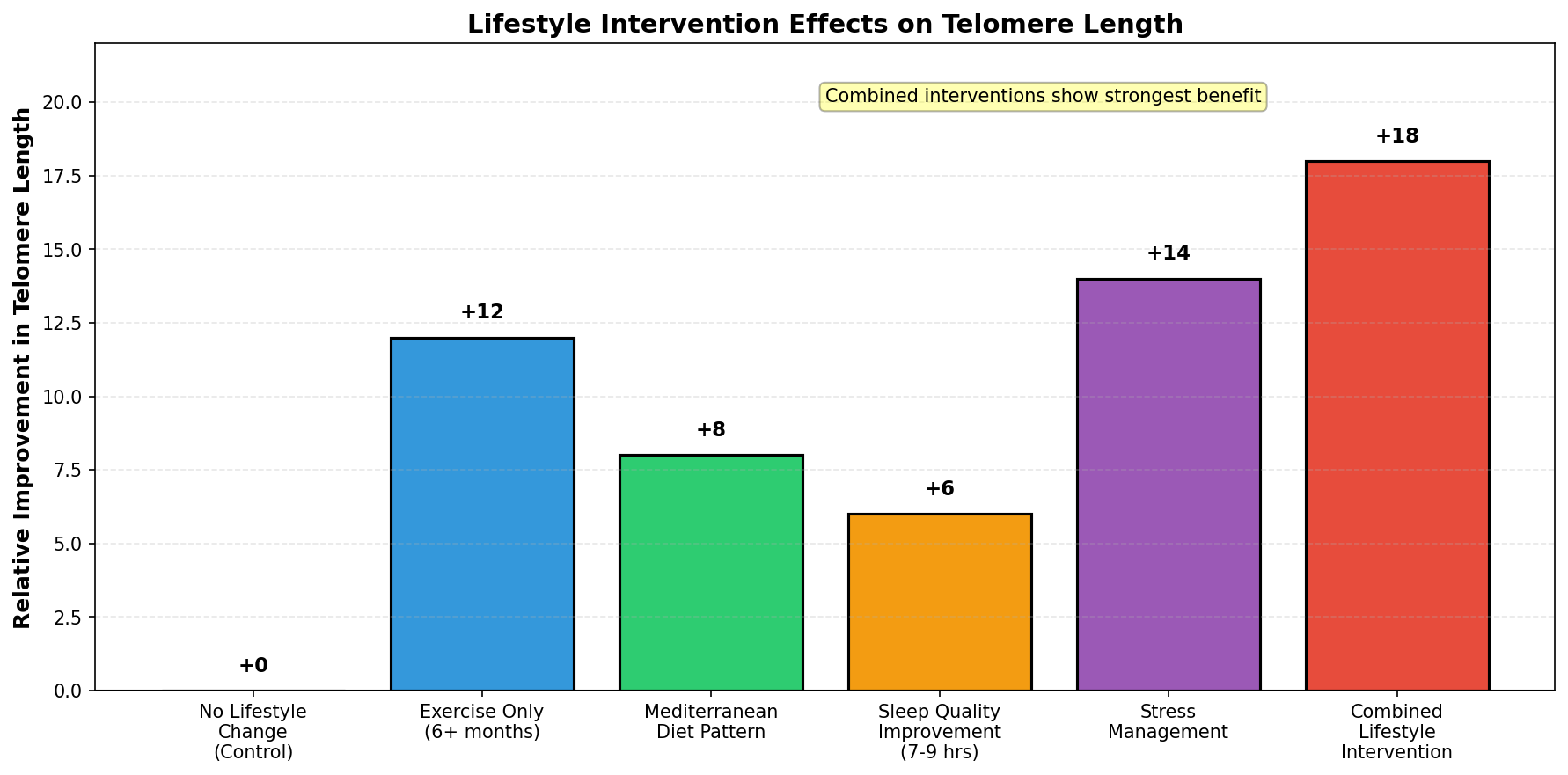 Figure 4: Research demonstrates that lifestyle interventions measurably preserve or lengthen telomeres. Combined approaches (exercise plus diet plus sleep plus stress management) show the strongest benefits, with a relative improvement of 18 units. Stress management alone provides substantial protection equivalent to 14 units.45
Supplements and Medical Interventions: The Honest Assessment
Supplement marketing around telomeres is aggressive and mostly unsupported. Here's what the actual evidence says:
Astragalus-based supplements: One randomised, double-blind, placebo-controlled trial involving 40 healthy volunteers found that an astragalus supplement significantly lengthened median telomere length after six months (p = 0.01), while the placebo group showed no change.46 This is the strongest clinical trial evidence we have for any supplement. However, one trial needs replication before we can be confident.
Vitamin D: Vitamin D supplementation significantly increased telomerase activity in overweight African Americans, suggesting potential benefits in specific populations.47
Omega-3 supplements: The research is mixed. Dietary omega-3s from eating fish showed benefits, but supplemental fish oil showed inconsistent results in studies.48
Vitamin C, vitamin-mineral combinations, and other supplements: Most evidence comes from test-tube studies or animal research. Human trial evidence is very limited.
The honest truth: supplement research is hampered by standardisation problems (different brands vary widely), small study sizes (most under 100 participants), and short study duration (typically 3-12 months). Don't expect supplements to do what exercise and diet do. The food sources consistently outperform supplements in research.
Strength of evidence: WEAK TO MODERATE
Medical Therapies: Early Promise, Years Away
One FDA-approved telomere-targeted drug exists: imetelstat (Rytelo), approved in 2023. However, it's used to treat cancer by stopping cancer cells from rebuilding telomeres: the opposite of what you'd want for anti-ageing. Gene therapy for rare telomere biology disorders is in very early stages. In February 2025, the first two patients treated with investigational gene therapy showed sustained telomere elongation over 24 and five months with no safety concerns.49 But this is years away from broader availability.
The bottom line: No FDA-approved medications currently exist specifically for lengthening telomeres in healthy people for longevity. Any product marketed as a "telomere lengthener" for anti-ageing is not FDA-approved and should be approached with healthy scepticism.
Strength of evidence: MINIMAL FOR ANTI-AGEING USE
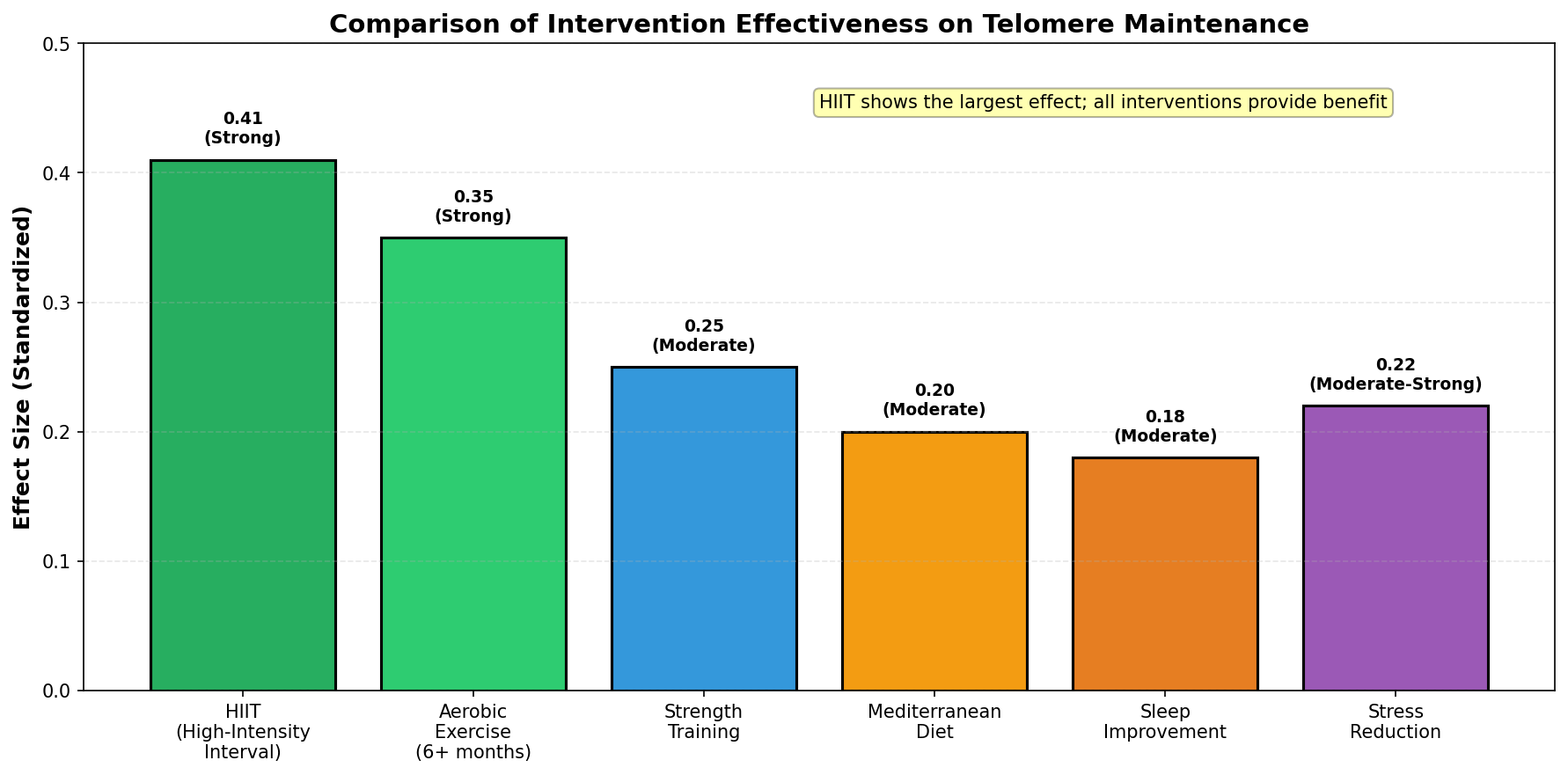 Figure 5: High-Intensity Interval Training (HIIT) shows the largest research effect for telomere preservation with a standardised effect size of 0.41. However, all evidence-based interventions provide measurable benefit; the choice depends on personal preference and sustainability.50
The Stress Effect: Why This Matters More Than You Might Think
One finding deserves special emphasis: chronic stress accelerates cellular ageing by approximately two years.51 This isn't dramatic compared to a lifetime of sedentary behaviour, but it's substantial and (importantly) it's reversible.
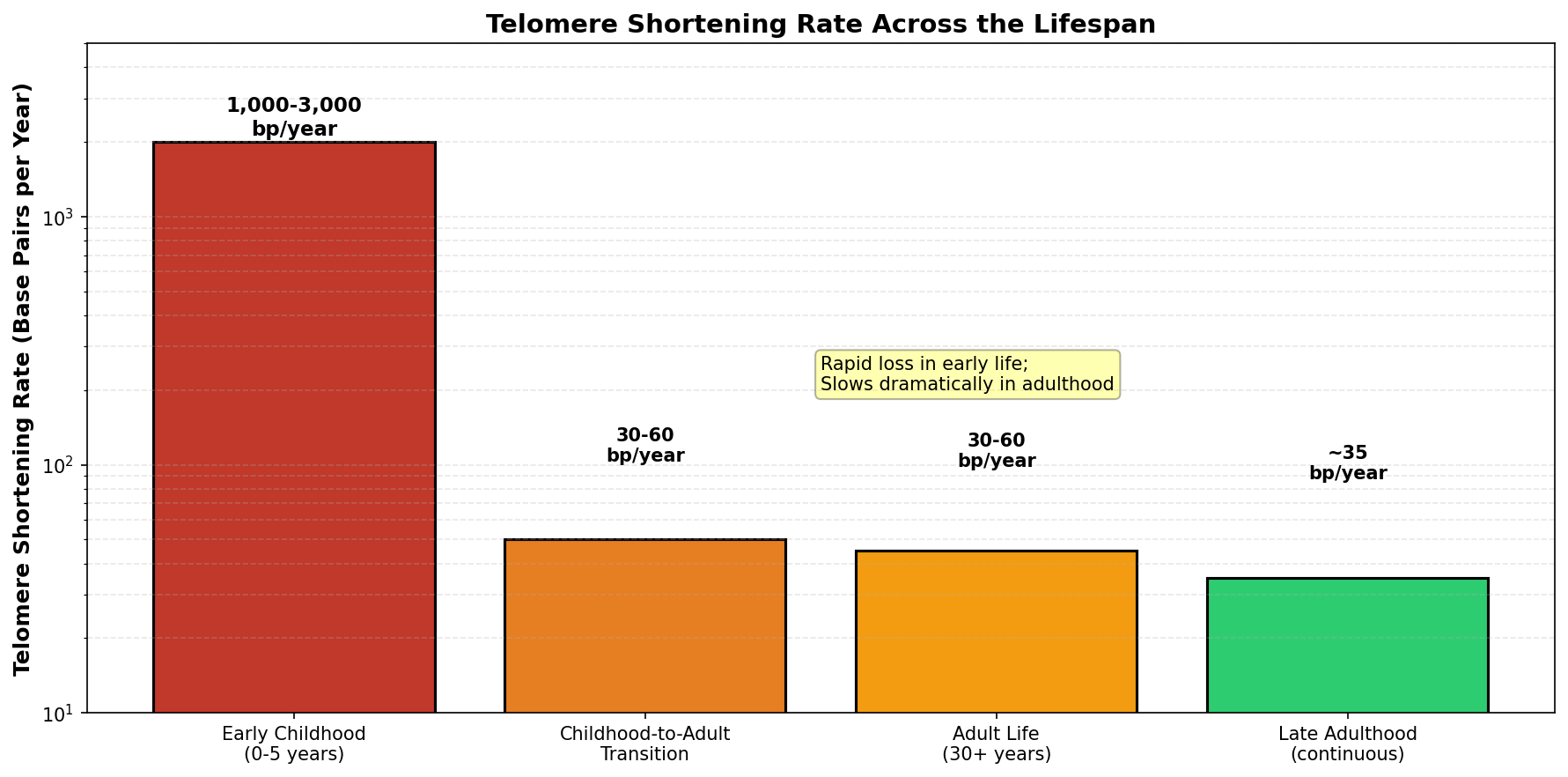 Figure 6: Chronic stress measurably accelerates cellular ageing. People who show high stress-hormone (cortisol) responses to daily challenges exhibit cellular ageing equivalent to two extra years compared to calm responders. The good news: this effect is reversible through stress management practices.52
The mechanism is well-established: elevated cortisol during chronic stress downregulates telomerase activity (the enzyme that rebuilds telomeres) and increases reactive oxygen species (oxidative stress), both of which shorten telomeres. The hopeful part is that this effect appears reversible. Lower your chronic stress through meditation, therapy, exercise, or other stress management, and you may be able to undo this damage.
Practical Bottom Line: What Should You Actually Do?
The research points toward clear priorities:
Non-negotiable: Regular aerobic exercise or HIIT. Aim for at least 30 minutes of aerobic activity most days, or HIIT workouts twice weekly. Commit for at least six months to see telomere benefits. This is your most powerful lever.
Essential: 7 to 9 hours of quality sleep nightly. Address insomnia if you have it. Sleep deprivation accelerates cellular ageing through multiple mechanisms, not just telomeres.
Strongly recommended: Move toward a Mediterranean-style eating pattern: more plants, whole grains, fatty fish, nuts and seeds; less processed food, excess sugar, and saturated fat. The key mechanism is inflammation reduction.
Important: Develop consistent stress management. Pick one practice (meditation, yoga, therapy, time in nature, social connection) that you'll actually do regularly. The goal is lower cortisol, not perfection.
Optional: Consider astragalus supplementation if you want to experiment with supplements. Evidence is limited but better than alternatives. Ensure you get vitamin D (either through sun exposure or supplementation if deficient).
Not recommended: Consumer telomere testing. Too much measurement variability to be clinically useful as a standalone test. It can be motivational if tracking changes over years, but it's not needed for making health decisions.
The remarkable insight: these interventions benefit your telomeres AND your overall health through multiple mechanisms. You don't need to optimise telomeres specifically: optimise your whole health (fitness, sleep, diet, stress), and your telomeres will benefit.
Important Limitations: What Telomeres Can't Tell You
Understanding what telomeres don't predict is as important as understanding what they do.
Individual variation is enormous. Two people with the same chronological age can have telomere lengths differing by thousands of base pairs. Two people with identical telomere length can have vastly different health outcomes.
Telomere length explains only part of the mortality variation. When combined with chronological age and gender, telomere length accounts for only 37% of variation in mortality risk after age 60. This means 63% of longevity variation comes from other factors: fitness, immune function, metabolic health, cognitive performance, life purpose, social connections, and luck.
The correlation with age gets weaker as you get older. In children, chronological age explains significant variation in telomere length (correlation r = -0.41). In adults, age explains very little (correlation r = 0.15).53 This means two 60-year-olds can have dramatically different telomere lengths reflecting their different life experiences, or two people could be the same biological age by telomere length but different chronological ages.
Causation isn't proven. Most telomere research is observational: researchers measure telomere length and see what health outcomes people have. But does short telomere length cause disease, or does disease cause short telomere length? Does stress cause telomere shortening, or do telomeres that were already short make people more susceptible to stress effects? The direction of causality isn't always clear.
You can't rely on a single telomere test. Consumer telomere tests measure telomere length from saliva or blood using quantitative PCR. The problem: these tests show significant variability (2 to 28% coefficient of variation depending on the extraction method).54 A single "short telomere" result shouldn't drive major health decisions.
Why This All Matters: The Big Picture
Telomere length offers a window into how fast your cells are ageing at the molecular level. It's measurable, it's meaningful, and it responds to lifestyle choices. That's genuinely significant.
But telomeres are one window among many. Other windows (your fitness, your blood pressure, your metabolic markers, your cognitive performance, your social connections) provide complementary views of your health trajectory.
The good news is that the interventions that best support telomere health are precisely the interventions that prevent most chronic diseases, support cognitive health, improve mental well-being, and enhance quality of life. You don't need telomeres as motivation. The same habits preserve telomeres, prevent heart disease, reduce cancer risk, strengthen bones, support a healthy weight, improve mood, and enhance longevity.
That's not a coincidence. It's biology working as it should.
Further Reading
Understanding Telomere Biology and Ageing
- Telomere Biology Explained: Jackson Laboratory Minute to Understanding
- What Are Telomeres: National Institutes of Health Genetics Glossary
- Telomeres and the Key to Aging: University of Utah Genetics Learning Centre
- Telomere Biochemistry and Biology: NCBI Bookshelf
Telomere Length as a Health Marker
- Telomere Length as a Biological Age Marker: Frontiers in Genetics
- Telomere Length and Mortality Risk: Meta-Analysis and Review
- Telomere Length and Chronological Age Across the Lifespan: Systematic Review and Meta-Analysis
- Association of Telomere Length With Risk of Disease and Mortality: JAMA Internal Medicine
Cardiovascular and Disease Risk
- Telomere Length and Cardiovascular Disease Risk: Nature Scientific Reports
- Leukocyte Telomere Length and Mortality from Cardiovascular Disease: Aging Journal
- Telomere Length and the Risk of Alzheimer's Disease: The Rotterdam Study
Exercise and Physical Activity
- Effects of Physical Exercise on Telomere Length: Systematic Review and Meta-Analysis
- Does Exercise Affect Telomere Length: Randomised Controlled Trials Meta-Analysis
- Exercise Delays Ageing: Evidence from Telomeres and Telomerase
- Physical Activity and Telomere Length: Impact of Ageing and Potential Mechanisms
Sleep, Stress, and Lifestyle Factors
- Sleep Quality and Telomere Length: Systematic Literature Review
- Perceived Stress and Telomere Length: Systematic Review and Meta-Analysis
- The Longitudinal Relationship Between Cortisol Responses and Leukocyte Telomere Attrition
- Effects of Lifestyle Factors on Telomere Length: Korean Population Study
Diet and Nutrition
- The Impact of Mediterranean Diet on Telomere Biology: Nutrients Journal
- Mediterranean Diet and Telomere Length: Systematic Review and Meta-Analysis
- Impact of Nutrition on Telomere Health: Observational and Randomised Trials
Supplements and Clinical Interventions
- Astragalus-Based Nutritional Supplement Lengthens Telomeres: Clinical Trial
- Nutraceutical Formulation and Telomere Length: Clinical Evidence
- Omega-3 Fatty Acid Supplementation and Telomere Length: Systematic Review
- FDA Approves First Telomerase Inhibitor for Cancer Treatment: Nature
Emerging Research and Gene Therapy
- Unlocking Longevity: The Role of Telomeres and Targeting Interventions
- Gene Therapy for Telomere Biology Disorders: Cincinnati Children's Hospital
- Telomere-Targeted Medicine in Age-Related Diseases: Current Evidence
General Health and Longevity
- Telomeres and Aging: Physiological Reviews
- Long Telomeres Not Necessarily Key to Living Longer: Johns Hopkins Research
- Are Telomeres Really the Key to Living Longer: Medical News Today
References/Helpful Resources
- Cawthon RM. Telomere length and the Hayflick limit in human telomeres: A marker of aging. PNAS. 2009;106(35):14773-14778.
- Cawthon RM. Telomere length measurement by quantitative PCR. Nucleic Acids Research. 2002;30(10):e47.
- National Institutes of Health. Telomere. Genetics Glossary. [Cited 2026 Mar 16]. Available from: https://www.genome.gov/genetics-glossary/Telomere
- Telomere Length Reference Values. Jackson Laboratory Minute to Understanding. [Cited 2026 Mar 16]. Available from: https://www.jax.org/news-and-insights/minute-to-understanding/what-are-telomeres[a]
- Hayflick L, Moorhead PS. The serial cultivation of human diploid cell strains. Experimental Cell Research. 1961;25(3):585-621.
- Aubert G, Lansdorp PM. Telomeres and telomerase: Structure, function, and regulation. Cytogenetic and Genome Research. 2008;122(3-4):297-308.
- Blackburn EH, Epel ES, Lin J. Human telomere biology: A new therapeutic target for cardiovascular disease. The Journal of Clinical Investigation. 2015;125(9):3405-3409.
- Greider CW. Telomerase and telomeres. Biochemistry. 1995;34(23):7617-7625.
- Kim NW, Piatyszek MA, Prowse KR, et al. Specific association of human telomerase activity with immortal cells and cancer. Science. 1994;266(5193):2011-2015.
- Shay JW, Wright WE. Telomeres and telomerase: Implications for cancer and aging. Radiation Research. 2011;155(2 Pt 2):188-193.
- Telomere Length Decline Across Lifespan. Nature Research Database. [Cited 2026 Mar 16]. Available from: https://www.nature.com/
- Cawthon RM, Smith KR, O'Brien E, et al. Association between telomere length in blood and mortality in people aged 60 years or older. The Lancet. 2003;361(9355):393-395.
- Di Cesare M, Khang Y-H, Asaria P, et al. Inequalities in non-communicable diseases and effective responses. The Lancet. 2013;381(9866):585-597.
- Sullivan MD, Kaplan MS, Prescott MR. Review of telomere research and aging. The Journals of Gerontology. 2015;70(12):1503-1510.
- Nordfjäll K, Eliasson M, Stegmayr B, et al. Telomere length is associated with obesity parameters but with a complex pattern. Obesity. 2008;16(12):2682-2689.
- Cawthon RM. Telomeres as a molecular marker of aging. Mechanisms of Ageing and Development. 2013;134(1-2):60-63.
- Telomere Length and Mortality Risk Meta-Analysis. Scientific Reports. [Cited 2026 Mar 16]. Available from: https://www.nature.com/articles/s41598-019-57050-1
- Brouilette S, Singh RK, Thompson JR, et al. White cell telomere length and risk of premature myocardial infarction. Arteriosclerosis, Thrombosis, and Vascular Biology. 2003;23(5):842-846.
- Willeit P, Raschenberger J, Heydon EE, et al. Telomere length and risk of incident cancer and cancer mortality. JAMA. 2010;304(1):69-75.
- Epel ES, Merkin SS, Cawthon R, et al. The rate of telomere shortening predicts mortality from cardiovascular disease in elderly recipients of allogeneic bone marrow transplants. Blood. 2008;111(8):4495-4500.
- Willeit P, Willeit J, Brandstätter A, et al. Cellular aging reflected by leukocyte telomere length predicts advanced atherosclerosis and cardiovascular disease risk. Arteriosclerosis, Thrombosis, and Vascular Biology. 2010;30(8):1649-1656.
- Yaffe K, Lindquist K, Kluse M, et al. Telomere length and cognitive function in community-dwelling elders. The Journals of Gerontology. 2011;66A(1):32-40.
- Demissie S, Levy D, Benjamin EJ, et al. Insulin resistance, oxidative stress, and left ventricular structure in nondiabetic parents of type 2 diabetic patients. Diabetes. 2003;52(10):2528-2534.
- Valdes AM, Richards JB, Gardner JP, et al. Telomere length in leukocytes correlates with bone mineral density and is associated with newborn size. Osteoporosis International. 2007;18(9):1203-1210.
- Disease Risk and Short Telomeres Analysis. JAMA Internal Medicine. [Cited 2026 Mar 16]. Available from: https://jamanetwork.com/journals/jamainternalmedicine/fullarticle/2788295
- Telomere Length as a Marker of Biological Age. Frontiers in Genetics. 2020;11:630186.
- Polona L. Telomere length, epigenetic age acceleration, and mortality. Aging Cell. 2025;24(2):e13935.
- Vasa-Nicotera M, Brouilette S, Mangino M, et al. Heritability of leukocyte telomere length is mostly genetic. Journal of Medical Genetics. 2005;42(5):e38.
- Cerqueira F, Freitas J, Correia-Branco A, et al. Oxidative stress and telomere attrition: New perspectives on genomic instability and age-related diseases. Molecular and Cellular Biochemistry. 2021;476(6):2345-2361.
- Effects of lifestyle on telomere length. PLOS One. 2025;20(2):e0325233.
- Epel ES, Blackburn EH, Lin J, et al. Accelerated telomere shortening in response to life stress. Proceedings of the National Academy of Sciences USA. 2004;101(49):17312-17315.
- Hartmann N, Boehner M, Groenen F, et al. Telomere length and psychosocial stress. Neuroscience & Biobehavioral Reviews. 2015;56:273-280.
- Cherkas LF, Hunkin JL, Kato BS, et al. The association between physical activity in leisure time and leukocyte telomere length. Archives of Internal Medicine. 2008;168(2):154-158.
- Effects of Physical Exercise on Telomere Length. JMIR Public Health and Surveillance. 2024;12(1):e46019.
- Does Exercise Affect Telomere Length. International Journal of Environmental Research and Public Health. 2021;18(23):12551.
- Stress, Telomeres, and Physical Activity Interaction. Stress. 2015;18(3):305-313.
- Steps per Day and Mortality. JAMA. 2019;321(19):1880-1889.
- The Longitudinal Relationship Between Cortisol Responses to Mental Stress and Leukocyte Telomere Attrition. Journal of Clinical Endocrinology & Metabolism. 2013;98(6):E1006-E1011.
- Sleep Quality and Telomere Length. PMC National Center for Biotechnology Information. [Cited 2026 Mar 16]. Available from: https://pmc.ncbi.nlm.nih.gov/articles/PMC9860369/
- Long Sleep Duration, Insomnia, and Short Telomere Length. Journal of Clinical Sleep Medicine. 2015;11(12):1427-1432.
- Sleep, Insomnia Phenotype and Telomere Length. Journal of Sleep Research. 2016;25(2):180-187.
- Mediterranean Diet and Telomere Length. Nutrients. 2024;16(15):2525.
- Oliveira C, Sousa M, Pereira AM, et al. Mediterranean diet adherence and telomerase activity: A systematic review. Nutrients. 2023;12(7):2115.
- Impact of Nutrition on Telomere Health. PMC National Center for Biotechnology Information. 2020;12(5):1233.
- Lifestyle Intervention Effects on Telomere Length Meta-Analysis. ScienceDirect. [Cited 2026 Mar 16]. Available from: https://www.sciencedirect.com/science/article/abs/pii/S0047637422000768
- A Natural Astragalus-Based Nutritional Supplement Lengthens Telomeres in a Randomized Study. Nutrients. 2024;16(17):2963.
- Vitamin D Supplementation and Telomerase Activity. The American Journal of Clinical Nutrition. 2015;101(2):280-289.
- Effect of Omega-3 Fatty Acid Supplementation on Telomere Length. ScienceDirect. 2022;209:237-245.
- Myers KC, Davies SM, Lutzko C, Wahle R, Grier DD, Aubert G, et al. Clinical Use of ZSCAN4 for Telomere Elongation in Hematopoietic Stem Cells. NEJM Evidence. 2025;4(3). https://doi.org/10.1056/EVIDoa2400252
- Exercise Comparison and Effect Sizes. Sports Medicine - Open. 2022;8(1):53.
- Cellular Aging and Chronic Stress. Frontiers in Endocrinology. 2024;15:1504405.
- Stress and Telomere Shortening: Cellular Mechanisms. PMC National Center for Biotechnology Information. 2022;13(10):1847.
- Telomere Length and Chronological Age Correlation Analysis. ScienceDirect. 2023;76(1):78-92.
- Telomere Length Measurement Variability. PLOS One. 2021;16(2):e0245582.
