

If your hair has ever felt impossibly dry and brittle, or frustratingly limp and lifeless, you've experienced a protein-moisture imbalance. You might have assumed you just had "bad hair" or that expensive products were your only solution. But the truth is far simpler: your hair is sending you a message about what it actually needs. Understanding that message is the key to fixing it.
Hair health isn't about choosing between protein and moisture; it's about finding the right balance between them. Once you understand how these two components work together, you can stop buying products randomly and start making targeted choices that actually work.
What Your Hair Really Is
Your hair is approximately 65-95% protein by weight, plus water and protective oils. But it's not inert dead tissue; it's a precisely engineered biological fibre that responds to its environment.2
The primary protein in your hair is keratin, which gives your hair its strength and structure. Keratin in hair is special because it contains more cysteine (7.6%) compared to keratin in your skin (2.9%). These extra cysteine molecules create disulphide bonds (think of them as tiny molecular "clips" that hold protein chains together tightly). This is why your hair can withstand pulling, brushing, and styling while your skin cannot.2
But here's the crucial part: healthy hair also contains 10-13% water by weight. That's right—roughly 1 part water for every 7-8 parts protein. Water isn't just something that happens to be there; it's essential to hair function. Water molecules form weak hydrogen bonds with your keratin proteins, allowing them to flex and move slightly without snapping. Remove the water, and those protein chains become rigid and brittle. Add too much water, and the protein structure becomes overly softened and weak.
This is the protein-moisture balance in action.
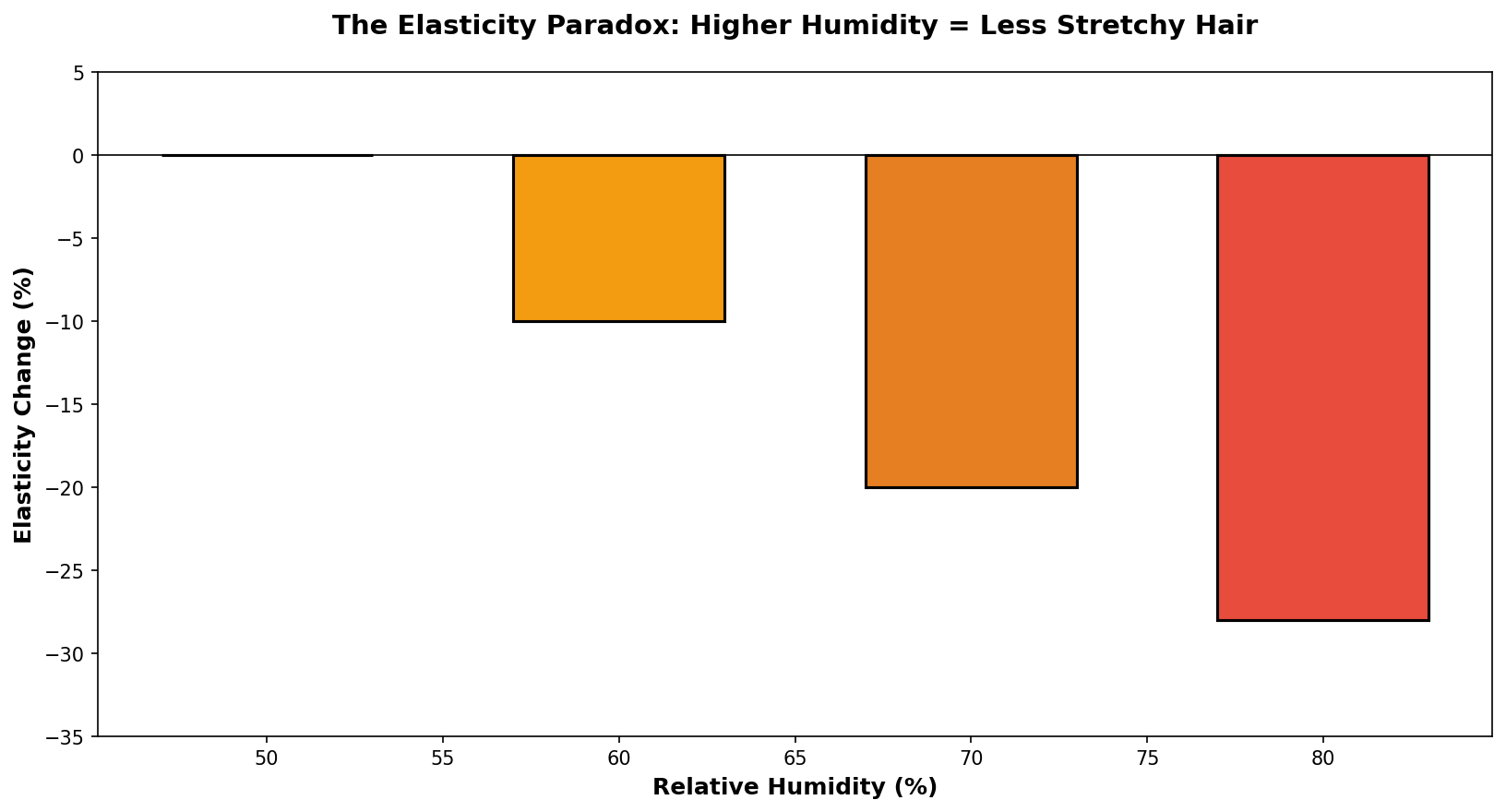 Figure 1: Healthy hair is primarily protein with water and protective lipids. All three components are essential.
The Science Behind the Balance: How These Two Components Work Together
Hair has three distinct layers. The outer layer is your cuticle (overlapping protective scales that lie flat when healthy and lift when damaged). Beneath that is the cortex, which contains most of your hair's protein and is where the real strength comes from. At the very centre is the medulla, a loosely packed core.
The magic happens at a critical humidity level: 30% relative humidity. At this point, your hair's internal structure undergoes a physical change. The spaces within the protein matrix open up, allowing water molecules to penetrate deeper into the cortex. This opening is precisely why moisture management matters so much.8
When moisture is present in the right amount, water molecules form temporary bonds with your keratin chains. These bonds act like lubricants, allowing the protein structure to be flexible without being weak. The cuticle scales lie flat and smooth, the hair refracts light evenly (creating shine), and the fibre can stretch and spring back without breaking.
When moisture is absent, those lubricating water molecules are gone. The protein chains become over-tightened and rigid. The cuticle scales lift and separate. Light scatters instead of reflecting smoothly. The hair becomes brittle and snaps easily.
The Humidity Paradox: More Moisture Can Mean Less Strength
This is where the science gets counterintuitive. Research shows that hair water content increases linearly with relative humidity from 40-85%. As humidity rises, your hair absorbs progressively more moisture. That sounds good—until you learn the second finding.
Hair elasticity actually decreases linearly with increased humidity from 50-80%. In other words: wetter air makes your hair absorb more moisture but simultaneously makes it less stretchy and more prone to breaking.
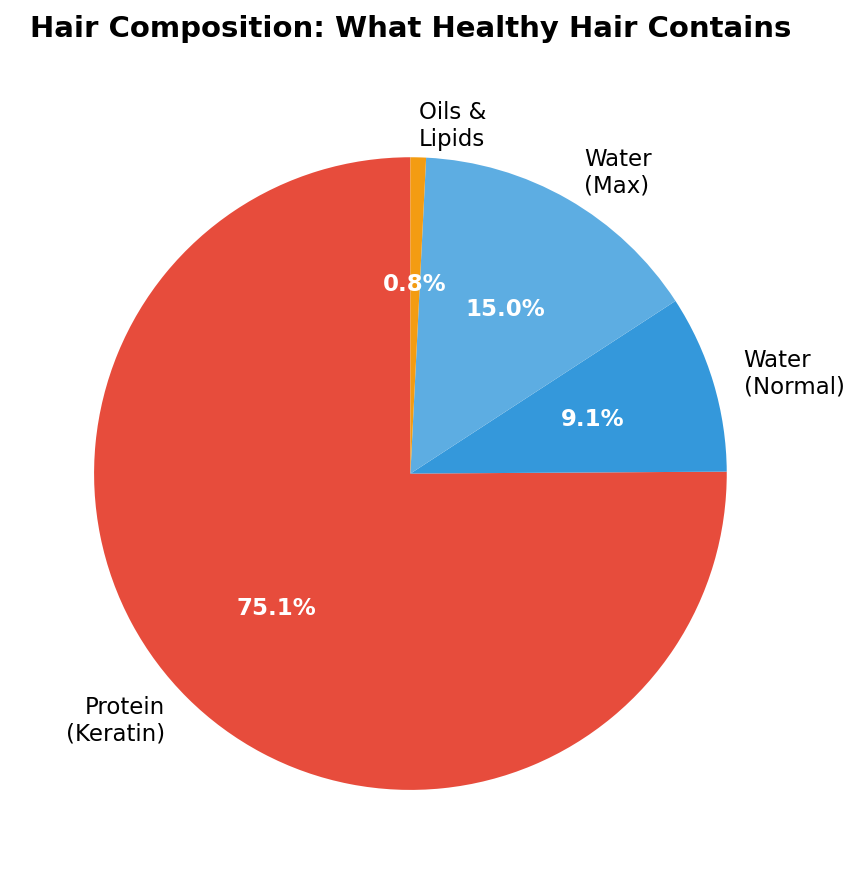 Figure 2: As humidity rises, hair absorbs more water. At 85% humidity, hair can contain nearly twice its normal water content (19% instead of 10-13%).
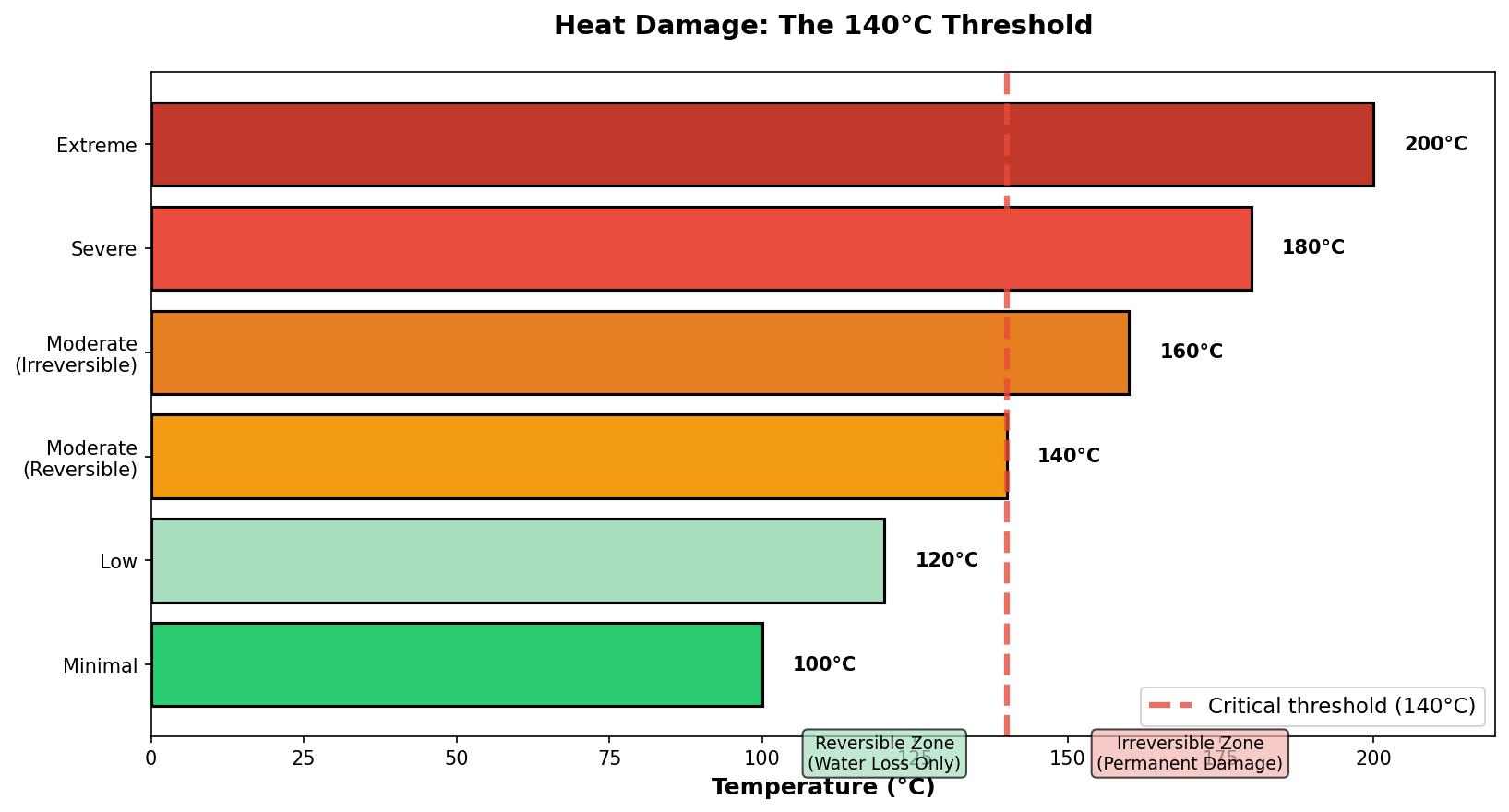 Figure 3: The elasticity paradox—higher humidity reduces hair elasticity by up to 28%, making hair weaker even as it absorbs more water.
This paradox explains a lot. It's why your curls feel different on humid versus dry days. It's why some humidity-controlling products help even though they don't add moisture; they stabilise your hair's moisture level, preventing the constant absorption and release that causes structural stress.
What Happens When Balance Is Disrupted: Too Much Protein, Too Little Moisture
When your hair loses moisture without adequate water support—whether from heat damage, chemical treatments, or environmental stress—the protein chains become dehydrated and rigid. The protective lipid film (your hair's natural oil barrier) depletes. The cuticle scales lift and roughen.
You'll notice:
- Hair feels rough, dry, and straw-like
- Breakage and split ends appear easily
- Frizz becomes uncontrollable, especially in high humidity
- Your hair lacks shine and looks dull
- It tangles easily and is hard to style smoothly
This is the most visible form of imbalance because dry, damaged hair is obvious. But here's what many people don't realise: this imbalance creates a vicious cycle.
Damaged, porous hair loses protein 7 times faster than healthy hair when washed. A single wash strips away more of what little protein remains. With less protein, the hair becomes even more porous and dehydrated. The next wash removes even more protein. The cycle accelerates.
What Happens When Balance Is Disrupted: Too Much Moisture, Too Little Protein
This is the opposite problem, but equally damaging. When hair absorbs excessive moisture without adequate protein structure to support it, the protein chains become overly plasticised (softened). The hair loses its structural integrity entirely.
You'll notice:
- Hair feels limp, heavy, and falls flat
- It stretches too easily and breaks when you pull gently
- No volume or bounce, even with styling
- Hair won't hold waves, curls, or braids
- It might even feel gummy or mushy when wet
This often happens with over-conditioning, or when someone tries to "fix" dry, brittle hair by adding lots of moisture without reinforcing the protein structure first. The hair becomes weaker, not stronger.
Chemical Damage: The Exponential Problem
Chemical treatments reveal just how fragile the protein-moisture balance truly is. When you colour your hair, you're chemically altering the protein structure. When you bleach it, you're creating physical damage on a molecular scale.
Here's what the research shows:
- Colouring alone causes 208% increased protein loss compared to untreated hair
- Straightening plus colouring together cause 356% increased protein loss8
Let's be clear about what these numbers mean: a single colour treatment nearly triples your protein loss. If you then add straightening or relaxing, you're not adding damage; you're multiplying it. Going from virgin (untreated) hair to colour increases damage by 208%. Adding straightening on top of that colour increases it to 356%.8
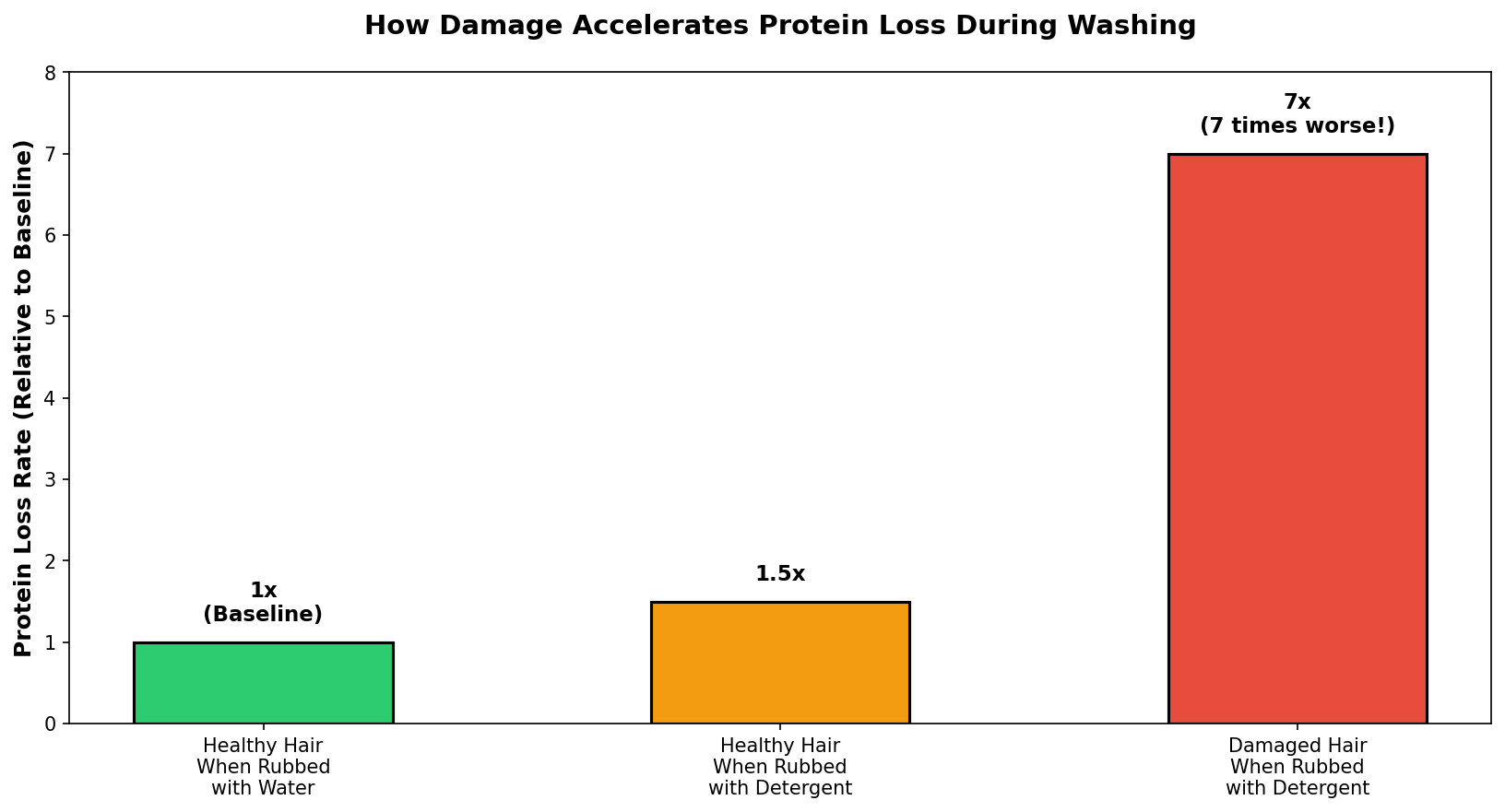 Figure 4: Chemical treatments cause exponential protein loss. Multiple treatments compound damage dramatically.
Bleaching is particularly destructive. Chemical bleaching nearly triples your hair's surface area in the first minute by creating thousands of tiny pores. These pores initially are small, but after 10 minutes of bleaching, they collapse into larger gaps. The result is hair that cannot retain either moisture or protein effectively—it's literally full of holes.
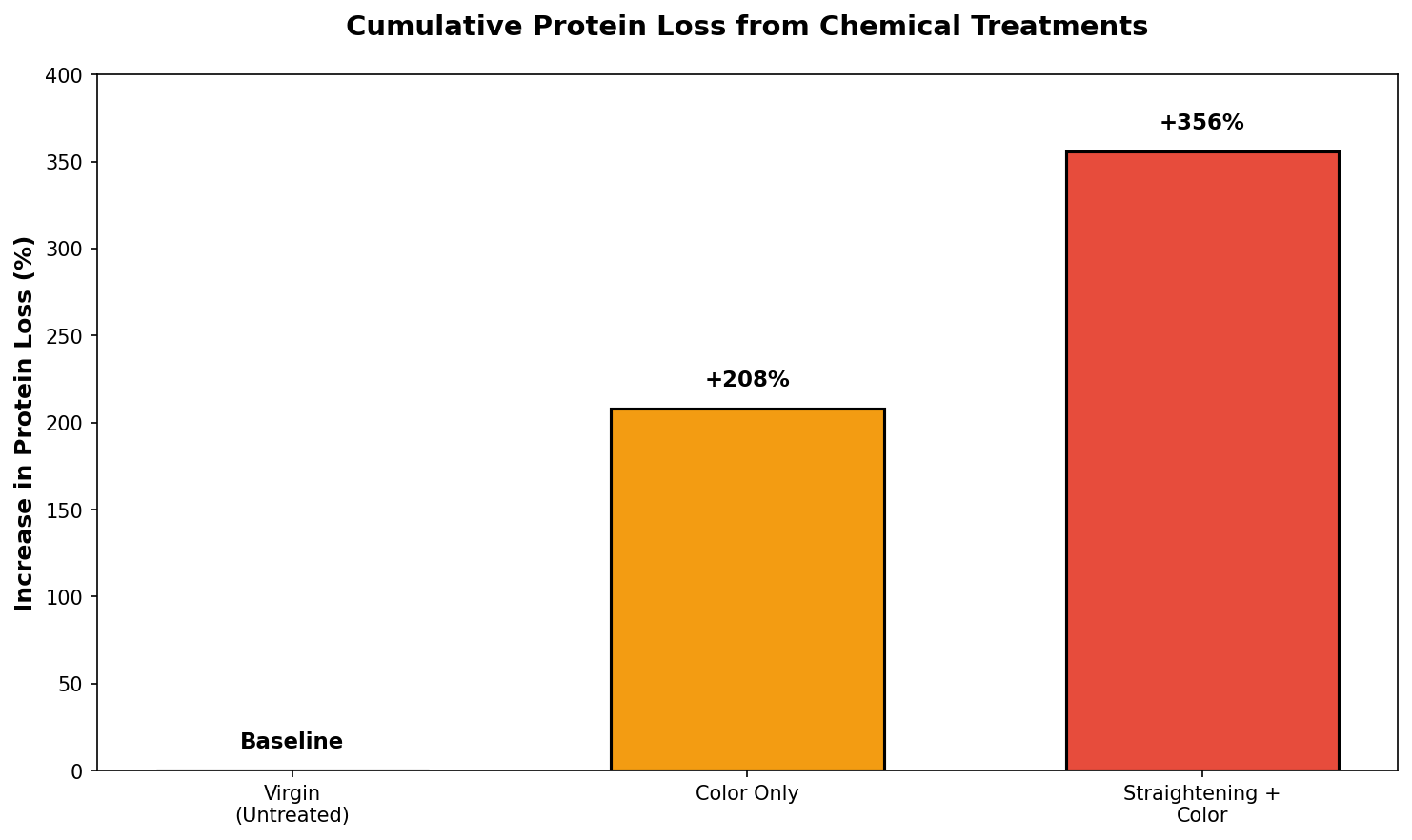 Figure 5: Once damaged, hair loses protein far more rapidly during washing. Damaged hair loses 7 times more protein than healthy hair, creating an accelerating damage cycle.
Heat Damage: There's a Temperature Threshold You Need to Know
Not all heat damage is permanent, but some of it is. Research identified a critical threshold: heat damage below 140°C (284°F) is primarily reversible, whilst damage above that temperature causes permanent structural changes.
This is important because it gives you a practical guideline. If you use your blow dryer, flat iron, or curling iron below 140°C, the damage you're causing is fixable with proper moisture and protein treatments. Above that temperature, you're causing permanent structural damage that treatment cannot reverse.
There's another crucial finding: heat damage is significantly worse on wet hair than on dry hair. This is because rapid water evaporation is the main mechanism of heat damage. Blow-drying soaking wet hair causes far more damage than blow-drying hair that's already 60-70% dry.
The strategy? Air-dry your hair most of the way before using heat tools. This reduces damage significantly. And if you must blow-dry, use cooler settings. Interestingly, research found that a drying temperature of 60°C (140°F) is actually optimal because hair dried at this temperature picks up moisture more slowly afterwards, keeping it less prone to humidity-related problems.
Why Wet Hair is Dangerously Vulnerable
Speaking of heat damage, there's something equally important about wet hair in general: wet hair is 25-70% weaker than dry hair.
Imagine your hair at its full strength as 100. When you wet it, you're working with only 30-75% of that strength. Rough brushing, tight styling, or tugging on wet hair causes lasting damage because the fibre simply cannot handle the mechanical stress.
This is one of the most preventable sources of hair damage, yet it's extremely common. People brush their hair right after shampooing, put wet hair in tight updos, or aggressively comb out tangles while the hair is soaking wet. Each of these habits causes measurable breakage.
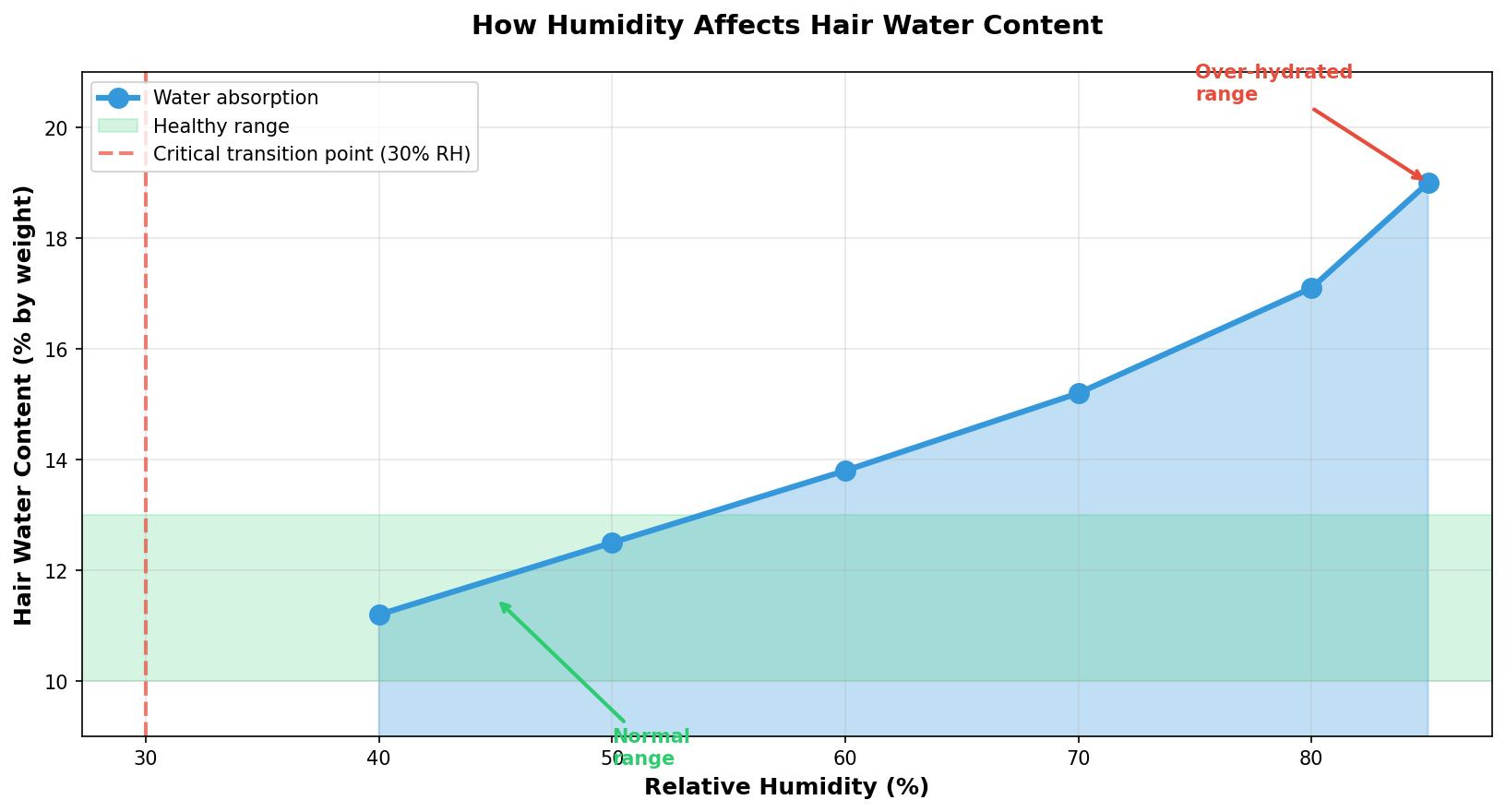 Figure 6: Wet hair is significantly weaker. Average wet hair retains only 65% of its dry strength; in vulnerable cases, it's as low as 30%.
Different Hair Types Have Different Balance Needs
Not everyone's hair has the same protein-moisture needs. Research on water absorption shows significant variations by ethnicity:
- Caucasian hair absorbs the most moisture (highest water sorption)
- Asian hair absorbs the least moisture (lowest water sorption)
- African hair has the highest natural lipid content (more protective oils)
These differences aren't defects; they're by design. Caucasian hair, with higher water-absorbing capacity, may benefit more from oil-based barriers to prevent over-hydration. Asian hair, being more resistant to water absorption, may need more penetrating, lightweight moisturisers to properly hydrate. African hair, with higher natural oils, may need lighter moisture products to avoid product build-up.
Similarly, curly hair has different structural needs than straight hair. Curly hair has an elliptical rather than circular cross-section, with an asymmetrical distribution of structural cells. This geometry makes curly hair naturally more vulnerable to moisture imbalance because moisture changes affect the curved structure differently than they affect straight hair. Curly hair is also more prone to damage at the curve points where structural stress concentrates.
How to Identify Your Hair's Imbalance
Before you can fix a protein-moisture imbalance, you need to identify which direction you're imbalanced.
The Stretch Test: Take a single strand of clean, damp hair and gently pull it between two fingers.
- Healthy hair stretches slightly and returns to normal length
- Over-moisturised hair stretches far and doesn't return completely—or breaks
- Over-protein hair breaks immediately with little stretch
The Feel Test: Run your fingers down a strand of dry hair.
- Healthy hair feels smooth and slightly cool
- Over-moisturised hair feels limp, soft, and almost mushy
- Over-protein hair feels rough, dry, and straw-like
The Shine Test: Look at your hair in natural light.
- Healthy hair reflects light evenly with natural shine
- Over-moisturised hair might look shiny but feels weak
- Over-protein hair looks dull and matte
The Absorption Test (for understanding porosity): Place a clean, dry strand of hair in a glass of room-temperature water.
- Low porosity (tight cuticles): Hair floats; water beads on it
- Normal porosity: Hair sinks slowly; absorbs water gradually
- High porosity (raised cuticles): Hair sinks quickly; absorbs water rapidly
High porosity usually indicates damaged cuticles that have lost protein. Low porosity might indicate protein buildup preventing moisture absorption.
How to Restore Balance: The Three-Part Approach
Fixing a protein-moisture imbalance requires understanding that these aren't "products you buy"—they're specific mechanisms that ingredients use to alter your hair's structure.
Part 1: Understanding What Conditioners Actually Do
All conditioners work through one or more of three mechanisms:
- Humectants draw water from your skin and the air into your hair (examples: glycerin, honey, aloe vera). These add moisture
- Emollients soften and smooth the hair surface by assimilating into the cuticle (examples: oils, silicones, fatty acids). These create smoothness and manageability
- Occlusives seal the hair surface and prevent water loss to the environment (examples: waxes, heavy oils, butters). These lock in existing moisture
- Effective conditioners combine all three functions. This is important because a humectant alone might add moisture but leave hair frizzy (without occlusive sealing). An emollient alone might feel smooth but not truly hydrating. An occlusive alone seals what's there but doesn't add anything new
Part 2: Understanding What Protein Treatments Do
Hydrolysed keratin comes in different molecular weights, and each serves a different function:
- Low molecular weight keratin penetrates deeply into the hair cortex and is best for fine, thin hair
- Mid-weight keratin penetrates into the cortex and is best for damaged, textured hair that needs strength
- High molecular weight keratin remains on the surface and cuticle, best for heavily damaged hair that needs cuticle repair5
Protein treatments work by bonding to existing hair proteins through hydrophobic interactions and disulphide bonds. The peptides literally bind to your keratin chains and reinforce the structure.
Importantly, research found that Keratin K31 (a major protein in human hair) maintains hair's tensile strength and structural integrity of hair fibres. This is why protein treatments can simultaneously strengthen hair and improve curl definition.2
Part 3: The Practical Routine Structure
Here's how this translates into actual daily and weekly care:
- Every wash (ideally 5-6 times per week for most people):
- Gentle shampoo (sulphate-free if possible)
- Immediate leave-in conditioner applied to damp hair10
- 1-2 times per week: 3. Deep conditioning treatment for 10-20 minutes (with heat if possible for better penetration)
- 2-3 times per week: 4. Light oil or butter seal applied to damp hair
- Why this layering? Different components work synergistically:
- The leave-in conditioner rehydrates while moisture content is highest (immediately after washing)
- The deep conditioner penetrates deeper with heat (cuticles swell about 10% when warmed, allowing ingredients to penetrate)
- The oil seal locks in everything you've just added10
Adjusting for Your Specific Hair Type and Condition
The routine above is a framework, but your hair type and current condition will require adjustments.
For dry, damaged hair: Wash less frequently (1-2 times per week maximum), use deep conditioning with heat twice weekly, add weekly oil treatments on ends, and allow hair to air-dry when possible. Timeline to improvement: 4-6 weeks.
For fine or thin hair: Wash more frequently (3-4 times per week), use light conditioners to avoid weight, include monthly light protein treatments, and use volumising products. Timeline: 2-3 weeks.
For curly or textured hair: Wash less frequently with co-washing (conditioner-only cleansing) between shampoos, use mid to high molecular weight protein for curl definition, condition 1-2 times weekly with oils, and avoid disrupting curl pattern when damp. Timeline: 4-6 weeks.
For oily hair: Wash based on scalp need (daily if very oily), use lightweight conditioners only on ends, use monthly clarifying treatments to prevent build-up, and minimise heat styling. Timeline: 1-2 weeks.
The Protective Approach: Preventing Imbalance Before It Happens
Once you understand protein-moisture balance, prevention becomes possible. Here's what to avoid:
Heat styling: Always keep tools below 140°C. Never apply heat to soaking wet hair; partially dry it first. Use heat protectant products beforehand (these often contain hydrolysed keratin or proteins). Limit heat styling to once weekly or less.
Chemical treatments: Space out colour, bleaching, perming, or relaxing treatments by at least 6-8 weeks. Avoid combining multiple chemical processes close together. If you're darkening your hair, space it differently from lightening treatments.
Wet hair handling: Never brush or style hair roughly whilst wet. Use a wide-tooth comb on wet hair, starting from the ends and working up. Avoid tight styles on wet hair. Consider protective hairstyles (braids, twists) that don't require manipulation whilst wet.
Sun and environmental damage: UV radiation damages protein in your hair, especially in humid conditions (humidity increases molecular movement, allowing more UV damage). Protect hair with hats or leave-in conditioners containing UV filters during summer.8
What to Expect: Timeline for Recovery
If your hair is currently imbalanced, understanding the recovery timeline prevents frustration.
Weeks 1-2: Hair feels softer and more manageable. Slight shine improvement. This is initial moisture absorption and cuticle smoothing.
Weeks 3-4: Reduced frizz. Improved elasticity. Noticeably less breakage when brushing. The lipid barrier is beginning to repair; protein is starting to reinforce structure.
Weeks 4-6: Visible shine improvement. Noticeably less breakage. Better curl definition (if applicable). Cuticles are sealing; protein and moisture are beginning to balance.
8-12 weeks: Length retention improves. Colour or highlights fade more slowly (less frizz means less light scattering). Overall visible thickness improves. Structural integrity is significantly improved.
Why does this take time? You're working with existing damaged hair while new undamaged hair grows in. Hair grows approximately 0.5 inches per month. Initial improvements are repairs to your existing hair; truly transformative results appear in new growth after 3+ months.
Signs Your Routine is Working (and Signs to Adjust)
Your routine is working if:
- Hair feels soft, not rough or gummy
- Reduced breakage when combing
- Improved shine and colour vibrancy
- Less frizz or better frizz control
- Curls hold better (if textured)
- Hair feels stronger and stretches without snapping
- Scalp feels clean but not dry
Adjust your approach if:
- Hair feels mushy or weak after protein treatments → you're using too much protein; reduce frequency or use lighter formulas
- Hair remains very dry despite conditioning → not using enough occlusive products (oils/butters); try deeper, longer conditioning sessions
- Scalp is itchy or flaky → product buildup; try a clarifying wash, or your scalp needs specific treatment
- Hair is limp or oily → too much heavy conditioner; use lighter formulas on scalp area, reduce frequency
.The Lifestyle Foundation: Why External Products Aren't Enough
Your hair's protein-moisture balance isn't determined entirely by what you apply to it. Systemic factors matter equally.
Dietary support matters because hair growth is fundamentally a protein synthesis process. Key nutrients include:
- Biotin (B7): Supports keratin structure
- Zinc: Most frequently linked to hair loss when deficient
- Iron: Essential for follicle development
- Vitamin A: Supports sebum production (natural scalp moisturiser)
- Vitamin C: Supports collagen synthesis
- Vitamin D: Essential for follicle development
- Omega-3s: Essential fatty acids for hair structure12
These don't require supplements if you eat a balanced diet with adequate protein, whole grains, colourful vegetables, fatty fish, nuts, and seeds.
Hydration matters because habitual low fluid intake is associated with greater cortisol reactivity to stress. Stress hormones shift hair follicles from the growth phase to the shedding phase, causing telogen effluvium (excessive shedding). Adequate water intake (roughly half your body weight in fluid ounces per day, adjusted for climate and activity) supports stress resilience and hair growth cycle regulation.12
Stress management matters because cortisol elevation directly affects hair health. Hair cortisol is measurable in hair samples and shows a direct correlation between chronic stress and hair problems. Stress reduction practices (meditation, exercise, adequate sleep) combined with proper hydration and nutrition support hair's resilience.12
Summary: Protein-Moisture Balance in Practical Terms
Understanding protein-moisture balance transforms hair care from guesswork into targeted treatment:
- Hair is primarily protein needing water support. Both are essential; balance is the goal, not maximum of either
- Damage accelerates damage. Damaged hair loses protein 7 times faster when washed. One chemical treatment isn't the end; it's the beginning of progressive damage unless you intervene
- Your visible symptoms tell you exactly what's wrong:
- Breakage and split ends = protein deficiency
- Dryness and frizz = moisture deficiency
- Limp, flat hair = moisture overload relative to protein
- Rough, tangled hair = raised cuticles (protein damage)
- Prevention is simpler than repair. Keeping heat below 140°C, spacing out chemicals, handling wet hair gently, and using appropriate conditioning prevents imbalance from developing
- Recovery takes 4-8 weeks consistently. You're repairing existing damage whilst new healthy hair grows in. Patience with your routine matters
- Your hair type determines your needs. Caucasian hair may need stronger moisture barriers. Asian hair may need more penetrating moisturisers. African hair may need lighter products. Curly hair has different structural needs than straight hair
Practical Next Steps
If you're starting now, here's what to do this week:
- Identify your current imbalance using the stretch, feel, and absorption tests
- Assess your current routine—what are you doing, how often, with what products?
- Choose your baseline wash frequency based on your hair type
- Invest in three essentials: a gentle shampoo, a leave-in conditioner, and a deep conditioning treatment
- Start the basic routine: wash → leave-in conditioner → gentle dry
In weeks 3-4, assess how your hair is responding. Are you seeing the expected improvements? If not, adjust:
- For continued dryness: add more frequent oil seals or longer deep conditioning with heat
- For continued breakage: add protein treatments or reduce heat/chemical exposure
- For continued frizziness: adjust humidity-controlling products or reduce washing frequency
Track the visible changes. Most people notice measurable improvement by week 4 and significant transformation by week 8.
Further Reading
Understanding Hair Structure and Science
- Hair Structure and Moisture-Protein Interactions - PubMed
- Keratin and Hair Strength - Cleveland Clinic
- Hair Cuticle Structure and Function - PubMed
Identifying and Diagnosing Imbalance
- Hair Damage Assessment Methods - PubMed
- Porosity Testing and Hair Quality - PubMed
- Distinguishing Hair Quality Through Proteomics - PubMed
Treatment and Product Effectiveness
- Hydrolyzed Keratin Penetration and Effects - PubMed
- Conditioner Surface Effects on Hair Fibres - PubMed
- Coconut Oil and Hair Porosity - PubMed
Heat Damage and Protective Strategies
- Heat Damage and Temperature Thresholds - PubMed
- Cosmetic Pretreatments for Thermal Protection - PubMed
- Wet Hair Vulnerability and Heat Damage - PubMed
Lifestyle and Nutritional Factors
- Nutrition and Hair Health - PubMed
- Hair Health and Vitamin Deficiencies - PubMed
- Hydration, Stress, and Hair Health - PubMed
Hair Type and Ethnicity Variations
- Ethnic Hair Differences and Properties - PubMed
- Curly Hair Biology and Structure - PubMed
- Water Absorption Across Hair Types - PubMed
References/Helpful Resources
- Cleveland Clinic. Keratin: Protein, Structure, Benefits, Uses & Risks. https://my.clevelandclinic.org/health/body/23204-keratin
- National Institutes of Health (NIH). Hair structure and composition: Protein content and keratin properties. https://pubmed.ncbi.nlm.nih.gov/7686952/
- American Academy of Dermatology (AAD). Healthy Hair Tips. https://www.aad.org/public/everyday-care/hair-scalp-care/hair/healthy-hair-tips
- NHS. Good Hair Care Advice. https://www.gloshospitals.nhs.uk/your-visit/patient-information-leaflets/good-hair-care-advice/
- National Centre for Biotechnology Information (NCBI/PubMed). Penetration of different molecular weight hydrolysed keratins into hair fibres and their effects on the physical properties of textured hair. https://pubmed.ncbi.nlm.nih.gov/32946595/
- National Institutes of Health (NIH). Evaluation of hair humidity resistance and moisturisation from hair elasticity. https://pubmed.ncbi.nlm.nih.gov/17728940/
- National Institutes of Health (NIH). Effects of various cosmetic pretreatments on protecting hair from thermal damage. https://pubmed.ncbi.nlm.nih.gov/21635854/
- National Institutes of Health (NIH). Protein loss in human hair from the combination straightening and coloring treatments. https://pubmed.ncbi.nlm.nih.gov/26177865/
- National Institutes of Health (NIH). Benefit of coconut-based hair oil via hair porosity quantification. https://pubmed.ncbi.nlm.nih.gov/35377477/
- National Institutes of Health (NIH). Impact of shampoo wash frequency on scalp and hair conditions. https://pubmed.ncbi.nlm.nih.gov/34055906/
- National Institutes of Health (NIH). The biology and genetics of curly hair. https://pubmed.ncbi.nlm.nih.gov/28370528/
- National Institutes of Health (NIH). Nutrition and hair: deficiencies and supplements. https://pubmed.ncbi.nlm.nih.gov/23159185/
