

Working With Your Cycle, Not Against It: A Complete Guide to Exercise and Nutrition
Your menstrual cycle isn't just about reproduction. It's a monthly hormonal rhythm that affects your energy, strength, recovery speed, appetite, and how you feel day to day. For the last few years, you've probably been told to follow the same workout routine and eat the same way every single day. But your body doesn't work that way.
Cycle syncing is the science-backed practice of aligning your exercise and nutrition with your hormonal phases. It's not about being "controlled" by your cycle. It's about working with your body's natural rhythms instead of fighting them. Emerging research suggests it actually works.
In this guide, you'll learn exactly what's happening in your body during each phase, how to exercise smartly based on your hormones, what to eat when, and why doing this makes a real difference to your energy, performance, and how you feel.
How Your Hormones Change Throughout Your Cycle
Before we talk about exercise and nutrition, you need to understand the hormonal foundation. Your menstrual cycle isn't random. It follows a predictable pattern driven by three hormones: oestrogen, progesterone, and testosterone. These hormones rise and fall in sequence, and each one profoundly affects how your body works.
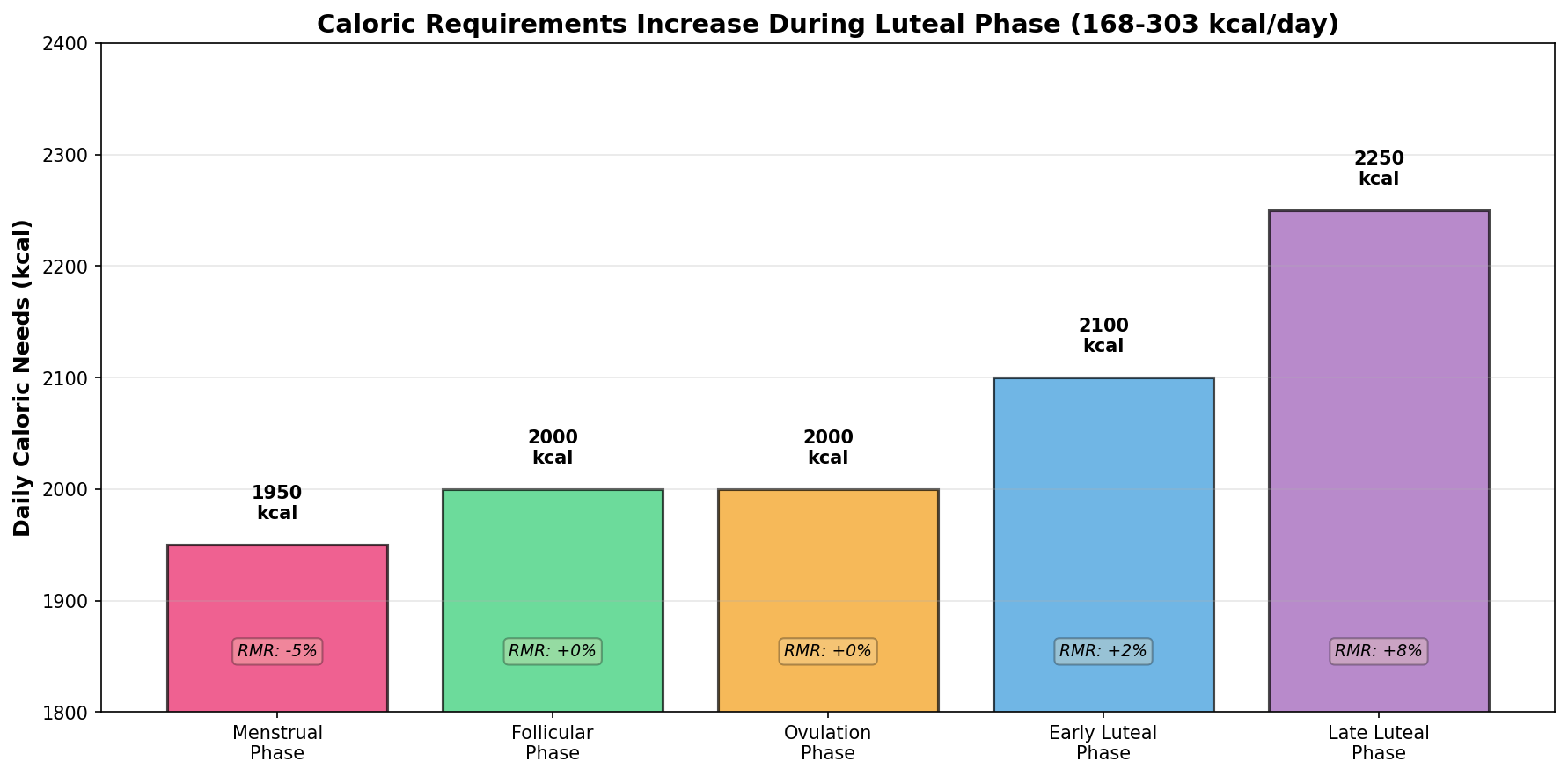 Figure 1: How your three key hormones change across your cycle. Oestrogen rises during your follicular phase (peak at ovulation), while progesterone dominates the luteal phase. Testosterone has a secondary peak at ovulation.1
Here's what happens:
Oestrogen starts low during menstruation and rises through your follicular phase. By ovulation, it reaches its absolute peak: roughly five times higher than it was at menstruation.2 Oestrogen is your energy hormone. It boosts mood, motivation, and confidence. It also makes your muscles more efficient at contracting and your body better at burning fat.
After ovulation, oestrogen drops temporarily, then rises again at the start of your luteal phase. But now, progesterone enters the picture. Progesterone is often called the "rest and digest" hormone. It's 40 times higher in late luteal phase than at the start of your cycle.3 Progesterone acts like a nervous system depressant, promoting rest and recovery. It also increases your appetite and changes how your body burns fuel.
Testosterone peaks alongside oestrogen at ovulation, giving you an extra boost in strength and power during this window.4
Understanding these hormonal changes explains nearly everything you've ever wondered about why you feel different at different points in your cycle.
The Four Phases of Your Cycle (And What's Happening)
Your menstrual cycle has four distinct phases, each with different characteristics and needs. Most cycles last 28 days, but normal cycles range from 21 to 35 days. Your follicular phase might be longer or shorter than average, but your luteal phase is usually remarkably consistent.
Phase 1: Menstruation (Days 1-7)
This is when your uterus sheds its lining. Both oestrogen and progesterone are at their lowest points, which explains the natural fatigue and heaviness you might feel.
Your energy is lower, your muscles feel less responsive, and you might experience cramping. This phase typically lasts 3 to 7 days (average 5 days).
What your body needs: Rest, recovery, and gentle movement. Your hormones are telling you to slow down, and that's completely appropriate. Light exercise is actually beneficial for cramps and mood, but intense training isn't ideal right now.
Phase 2: Follicular Phase (Days 8-14)
This phase starts when menstruation ends, and your follicles (egg sacs) begin developing under the influence of rising oestrogen. It lasts about 10 to 21 days, making it the most variable phase for length.
As oestrogen rises day by day, you naturally feel better. Your energy improves, your mood lifts, you sleep better, and your motivation to exercise increases. By the end of this phase, you feel like you could conquer the world.
What your body needs: This is when you can handle higher intensity training. Your body recovers faster. Your muscles respond well to strength training. This is an ideal time to start new challenging workouts or test your performance.
Phase 3: Ovulation (Days 12-16)
Ovulation is the shortest phase, lasting only 36 to 44 hours. It's when your ovary releases an egg, triggered by a surge in luteinizing hormone (LH).
During ovulation, you experience the absolute peak of oestrogen and a secondary peak of testosterone.5 Hormones are firing on all cylinders. You feel most confident, most social, strongest, and fastest during this window. You have the best pain tolerance and fastest recovery. Your muscles respond beautifully to training.
But here's the critical part: your injury risk is 47% higher during this phase.6 Even though you feel strongest and want to push hardest, your joints are actually more vulnerable because high oestrogen makes ligaments slightly lax (looser). Your tendons are more elastic and more likely to rupture if overstressed.
What your body needs: This is the time to tackle challenging goals, but with excellent form and extended warm-ups. Go for personal records if you want them, but prepare your connective tissues first.
Phase 4: Luteal Phase (Days 15-28)
After ovulation, progesterone rises and dominates this phase. The luteal phase lasts about 14 days, and it's the most consistent phase for duration.
As progesterone climbs, several things happen. Your core body temperature rises 0.3 to 0.5°C above baseline.7 Your resting heart rate increases by 5 to 10 beats per minute.8 Your metabolism ramps up, burning 5 to 10% more calories just at rest.9 Your recovery speed slows by 20 to 40%.10 You naturally feel more introverted and prefer quieter activities. You sleep more (an extra 30 to 60 minutes per night is normal).11 And your appetite increases significantly because your body genuinely needs more fuel.
This isn't a weakness. This isn't failure. This is progesterone doing exactly what it's supposed to do: preparing your body for rest and recovery before the cycle starts again.
What your body needs: Lower intensity training, more recovery time, more sleep, and more food. Your body isn't broken when you feel weaker here; it's just naturally lower due to hormones.
Performance Changes Throughout Your Cycle
Now let's talk about what actually changes in your exercise performance across the cycle. The research shows measurable shifts, though individual variation is enormous.
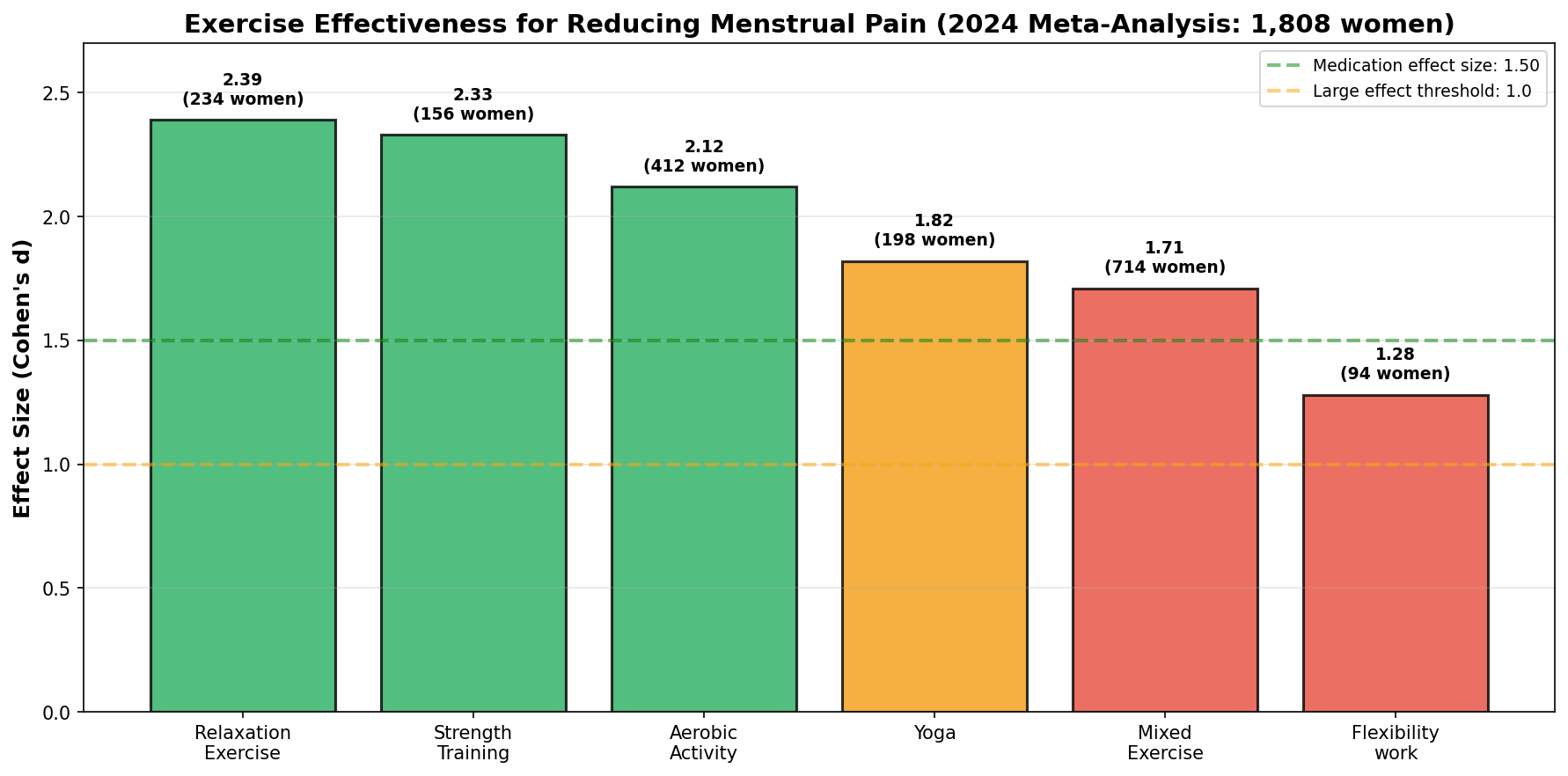 Figure 2: How your strength, recovery speed, resting heart rate, and pain tolerance change across your cycle. Notice how each metric peaks during the follicular phase and ovulation, then dips in the luteal phase.11
Strength varies by approximately 5 to 10% across your cycle, with peak strength during the late follicular phase and ovulation.12 If you can lift 100 pounds at ovulation, you'll likely max out around 90 to 95 pounds at your lowest in late luteal. This variation seems small, but it explains why some workouts feel impossible on certain days.
More importantly, recovery speed drops by 20 to 40% in the late luteal phase.13 A workout that takes 4 hours to recover from at ovulation might take 5 to 6 hours in late luteal. Your resting heart rate stays elevated longer. Your heart rate recovery after intense exercise is slower. Your muscles are more sore. This matters enormously for preventing overtraining.
About 30 to 40% of women report noticing either no difference or the opposite of these patterns.14 This doesn't mean the science is wrong; it means individual variation is huge. Your experience matters more than average statistics. Track your own data for two to three cycles and adjust based on what actually happens in your body.
Exercise Recommendations by Phase
Knowing how hormones affect exercise, here's what to actually do in each phase.
Menstruation Phase: Gentle Recovery
During your period, focus on gentle movement and active recovery rather than intense training.
Ideal workouts:
- Walking (20-30 minutes at an easy pace, daily if desired)
- Swimming (20-30 minutes, light to moderate pace, 3-4 times per week)
- Stationary cycling (20-30 minutes, light to moderate, 3 times per week)
- Gentle yoga or Pilates (30-45 minutes, restorative style, 3-4 times per week)
- Stretching and flexibility work (15-30 minutes, gentle with no forcing, daily)
- Very light strength training (20-30 minutes at 40-60% of your max, 2-3 times per week maximum)
What to avoid: High-intensity interval training (HIIT), heavy powerlifting, max-effort strength work, long-distance endurance events, intense CrossFit, and high-impact exercises like heavy jumping.
Why this matters for pain: Here's something remarkable: a 2024 meta-analysis of 29 randomized controlled trials with 1,808 women showed that exercise is more effective than pain medication for period cramps.15 Specifically, relaxation exercises and strength training were most effective (effect size 2.39 and 2.33, respectively), followed closely by aerobic activity. Exercise works better than ibuprofen (effect size 2.16 vs. 1.50).16 Even 30 minutes of light activity, three times per week for eight weeks, significantly reduces period pain.
If you have severe cramps, gentle movement plus heat might work better than taking a painkiller. This is medicine, not optional.
Follicular Phase: Build and Push
As oestrogen rises through this phase, your energy and capacity for hard work increase naturally.
Early follicular (days 1-7): Continue with light to moderate exercise. Walking, swimming, cycling, and yoga are all good. Gradually increase intensity as you feel better.
Mid-follicular (days 8-11): Add strength training and moderate cardio. Increase frequency to 4-5 days per week. Intensity should be moderate to challenging.
Late follicular (days 12-13): This is your performance peak. Go for high-intensity strength training, HIIT, and intense cardio. Heavy compound lifts (squats, deadlifts, bench press, rows) at 75-85% of your maximum with 3-5 sets of 4-8 reps work beautifully right now.
Research shows that strength gains from training during this phase are 12 to 25% greater compared to luteal phase training.17 Your body builds muscle more efficiently. This is the best window to start a new intense programme or push for a personal record.
Why now works: Rising oestrogen improves nerve-to-muscle signalling, so you recruit muscles more efficiently. Your body preferentially burns fat for fuel, which means you can go harder for longer before hitting fatigue. Testosterone is rising, boosting strength and power. Recovery feels easy.
Ovulation Phase: Peak Performance (With Care)
Ovulation is your absolute best performance window, but it's also high injury risk. Take advantage, but protect yourself.
What you can do: High-intensity interval training, heavy strength training (80-90% of your 1-rep max), explosive movements like sprints and jumps, intense cardio, plyometrics, and sport-specific high-intensity work. This is when to attempt personal records, tackle difficult athletic challenges, or compete.
Critical safety measure: Your injury risk is 47% higher right now.18 Before pushing hard, extend your warm-up to 10-15 minutes. Prioritise perfect form over heavier weight. Avoid pushing into new ranges of motion despite your improved flexibility. Don't max out late in this phase. Your connective tissues are vulnerable despite your confidence.
Why this is peak: You have the perfect hormonal combination for performance: peak oestrogen, secondary testosterone peak, and progesterone is still low. Your strength is highest. Your pain tolerance is highest. Your motivation is highest. Your recovery, though slowing slightly as progesterone begins to rise, is still good. This is when everything feels possible.
Luteal Phase: Adjust Intensity and Fuel
The luteal phase (especially the second half) requires different training and nutrition. Rather than "resting," think of this as "smart recovery training."
Early luteal (days 15-20): You can still do moderate-intensity training. Your strength and recovery haven't dropped dramatically yet. Resistance training at moderate intensity works. Moderate-intensity cardio works. Maintain 3-4 days per week of exercise, but lower the intensity and allow longer recovery between sets.
Late luteal (days 21-28): This is when to prioritise recovery. Your body is slower to recover and needs more rest. Lower the intensity further. Choose lighter weights, longer rest between sets, and easier cardio (steady state rather than intervals). Keep exercise to 3 days per week maximum. Focus on consistency and listening to fatigue signals rather than pushing hard.
Strength training in luteal: Still lift, but reduce load to 60-70% of your maximum and increase repetitions. You'll feel stronger and recover better if you match your training to where your hormones actually are.
Cardio in luteal: Steady-state cardio (continuous easy-to-moderate pace) works better than interval training. Your body prefers steady effort right now. Walking, easy cycling, steady swimming, or light jogging are all good options at 3-4 times per week.
Why adaptation matters: Your recovery is genuinely slower. Your metabolic rate is 5 to 10% higher, adding physiological stress.19 Your resting heart rate is elevated. Your core temperature is higher. Trying to do the same intensity as the follicular phase creates an overtraining risk and increases the chance.
The Nutrition Side: Eating With Your Cycle
Exercise is one half of cycle syncing. Nutrition is the other half. Your caloric needs, macronutrient preferences, and micronutrient requirements genuinely change across your cycle.
The Calorie Picture: Why Your Hunger Increases
During the luteal phase, your body burns 168 to 303 more calories per day compared to the follicular phase.20 Your resting metabolic rate (RMR) increases by 6.1% in the late luteal phase alone.21
This isn't psychological. This isn't a failure of willpower. Your metabolism literally speeds up. Over 14 days of the luteal phase, you burn approximately 1,050 to 1,400 extra calories. Your body needs more fuel.
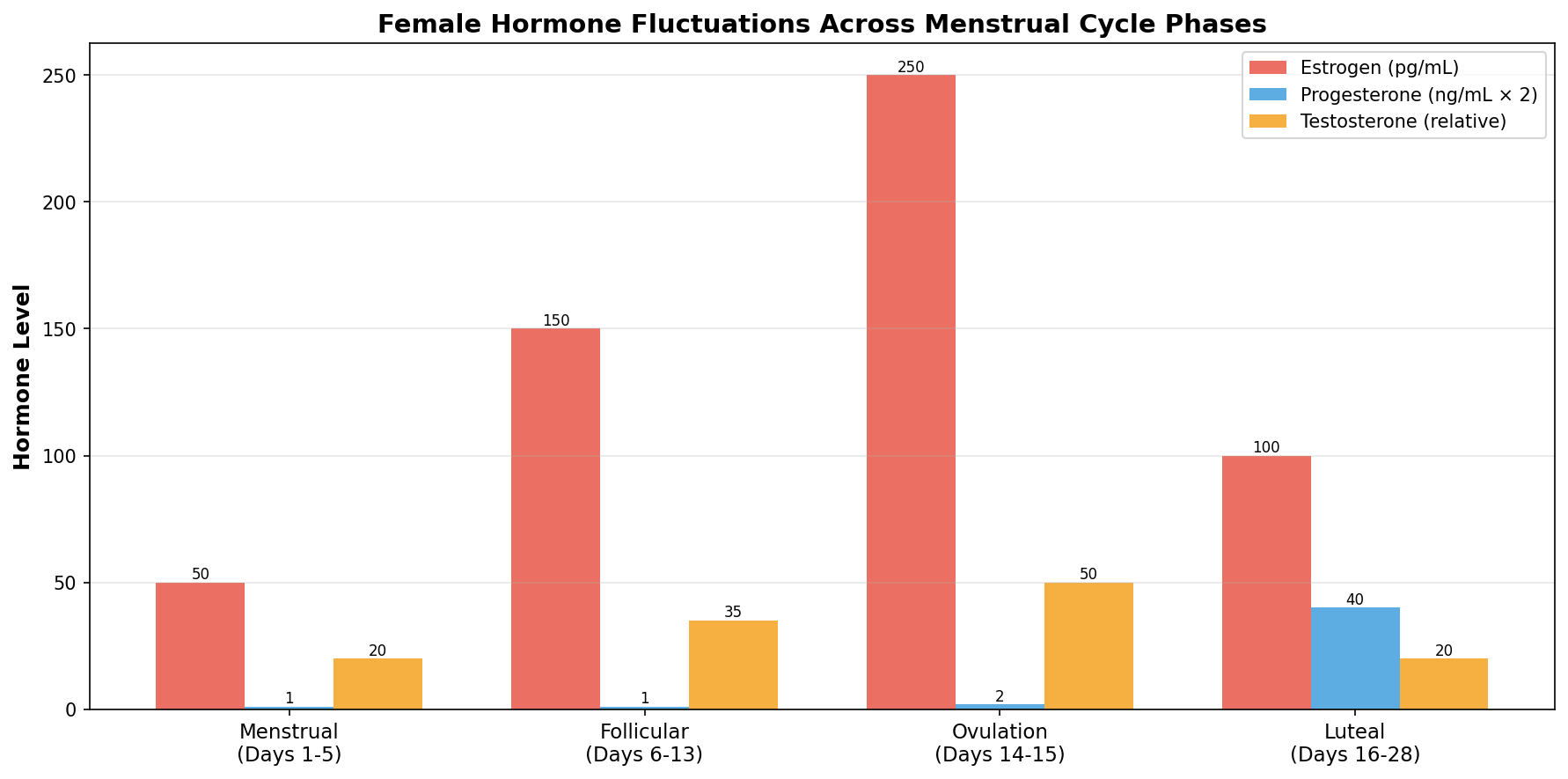 Figure 3: How your caloric needs increase through the luteal phase. A woman eating 2,000 calories during the follicular phase needs approximately 2,168 to 2,303 calories during the luteal phase. The increase is biological, not psychological.20
If you eat 2,000 calories during the follicular phase, your body needs approximately 2,168 to 2,303 calories during the luteal phase. Fighting this hunger or restricting calories during the luteal phase creates metabolic stress that makes everything harder: exercise feels more difficult, recovery is worse, and mood crashes.
Honouring this increased hunger is not "giving in." It's proper nutrition.
Macronutrient Shifts: What Your Body Prefers
Your body's fuel preference actually changes across your cycle. This is driven by changing hormone ratios.
Follicular phase: Your body is more efficient at burning fat and carbohydrates. Oestrogen suppresses appetite overall, so you naturally eat less. When you do eat, your body efficiently extracts energy. You can sustain longer steady cardio because your body isn't depleting glycogen as quickly. A higher-carb, moderate-fat approach works well here. Aim for roughly 50-55% carbohydrate, 15-20% protein, and 20-25% fat.
Luteal phase: Your body shifts toward preferring carbohydrates for fuel. Glycogen depletes faster during exercise, meaning you need more carbs to sustain intensity.22 Progesterone stimulates appetite, and your body genuinely needs more food. Your body can also handle more fat intake. A moderate-carb, higher-protein, slightly higher-fat approach works better. Aim for roughly 40-45% carbohydrate, 20-25% protein, and 30-35% fat.
Important note: Never drop fat below 20% of your calories. Women consuming less than 20% of calories from fat experience irregular periods and fertility problems.
Micronutrient Priorities: The Big Four
Certain micronutrient deficiencies are extremely common in people who menstruate, and they directly cause menstrual problems. Four nutrients matter most.
Iron deficiency is the most common micronutrient deficiency in menstruating women. The data is striking: 12% of adult women have iron deficiency, but 40% of adolescent girls (ages 12-21) are iron deficient.23 Up to 33% of reproductive-age women may not have sufficient iron stores.24
Why? Menstruation costs iron. You lose 0.6 to 0.7 mg of iron daily during your period. The recommended daily allowance is 18 mg per day for menstruating women, but the average woman consumes only 12 mg per day.25 That's a 6 mg daily deficit, multiplied by bleeding days every month.
Iron deficiency feels like: persistent fatigue, weakness, brain fog, shortness of breath during light activity, frequent infections, and unusual cravings (ice, dirt, starch - a symptom called "pica").
What to do: Get tested (ask your doctor for serum ferritin to measure iron stores). If deficient, aim for 18 mg per day of dietary iron. Red meat, poultry, beans, lentils, fortified cereals, and dark leafy greens all contain iron. Pair every iron source with vitamin C (citrus, tomatoes, peppers, strawberries) to triple your absorption rate. Red meat plus orange juice, spinach salad with lemon dressing, beans with tomato sauce; these combinations work beautifully.
Timeline: 3-6 months with food; 2-3 months with supplementation to rebuild iron stores.
More than one-third of women with PMS show magnesium deficiency.26 Magnesium is a natural muscle relaxant. Without enough, your muscles stay tight. Combined with progesterone, increasing muscle tension during the late luteal phase, the result is severe cramping.
Magnesium also supports neurotransmitters that regulate mood and anxiety, so a deficiency worsens PMS mood symptoms.
Magnesium-rich foods: pumpkin seeds (151 mg per ounce, the absolute highest), chia seeds (95 mg per ounce), cashews (82 mg per ounce), almonds (76 mg per ounce), dark chocolate 70%+ cocoa (64 mg per ounce), and cooked spinach (157 mg per cup).
Daily target: 310-320 mg (most women fall short).
Timeline: 2-3 cycles to see cramping improvement with consistent adequate intake.
Vitamin D is actually a hormone, not a vitamin. It regulates calcium absorption and serotonin production. The problem: 71 to 85% of women with PMS have vitamin D deficiency.27
When vitamin D is low, calcium absorption drops, serotonin production drops, and the serotonin crash during oestrogen decline in late luteal becomes severe. It's a cascade.
Vitamin D-rich foods: fatty fish (salmon, mackerel, 400-1000 IU per 3 oz), egg yolks (40 IU per yolk), fortified milk (100 IU per cup), and mushrooms exposed to sunlight (100-2000 IU per cup). But honestly, even with a good diet, most people need supplementation. The optimal serum level is 30-50 ng/mL, and most women run 20-30.
Timeline: 2-4 months to reach optimal levels.
Inadequate calcium intake affects 40% or more of women.28 Calcium regulates serotonin and dopamine production. During the luteal phase, when oestrogen drops, adequate calcium becomes critical for preventing the serotonin crash that causes mood PMS.
Calcium + Vitamin D together is the strongest evidence-based intervention for reducing PMS symptoms (more effective than magnesium or any single nutrient).29
Best sources: dairy products (200-300 mg per serving), canned sardines or salmon with bones (180-325 mg per 3 oz), fortified plant milks (240-300 mg per cup), and collard greens (268 mg per cup). Note: spinach contains oxalates that block calcium absorption, so it's not a reliable calcium source despite its high listed content.
Daily target: 1,000 mg (most women consume 600-800 mg).
Timeline: 2-3 months for mood improvement when combined with vitamin D.
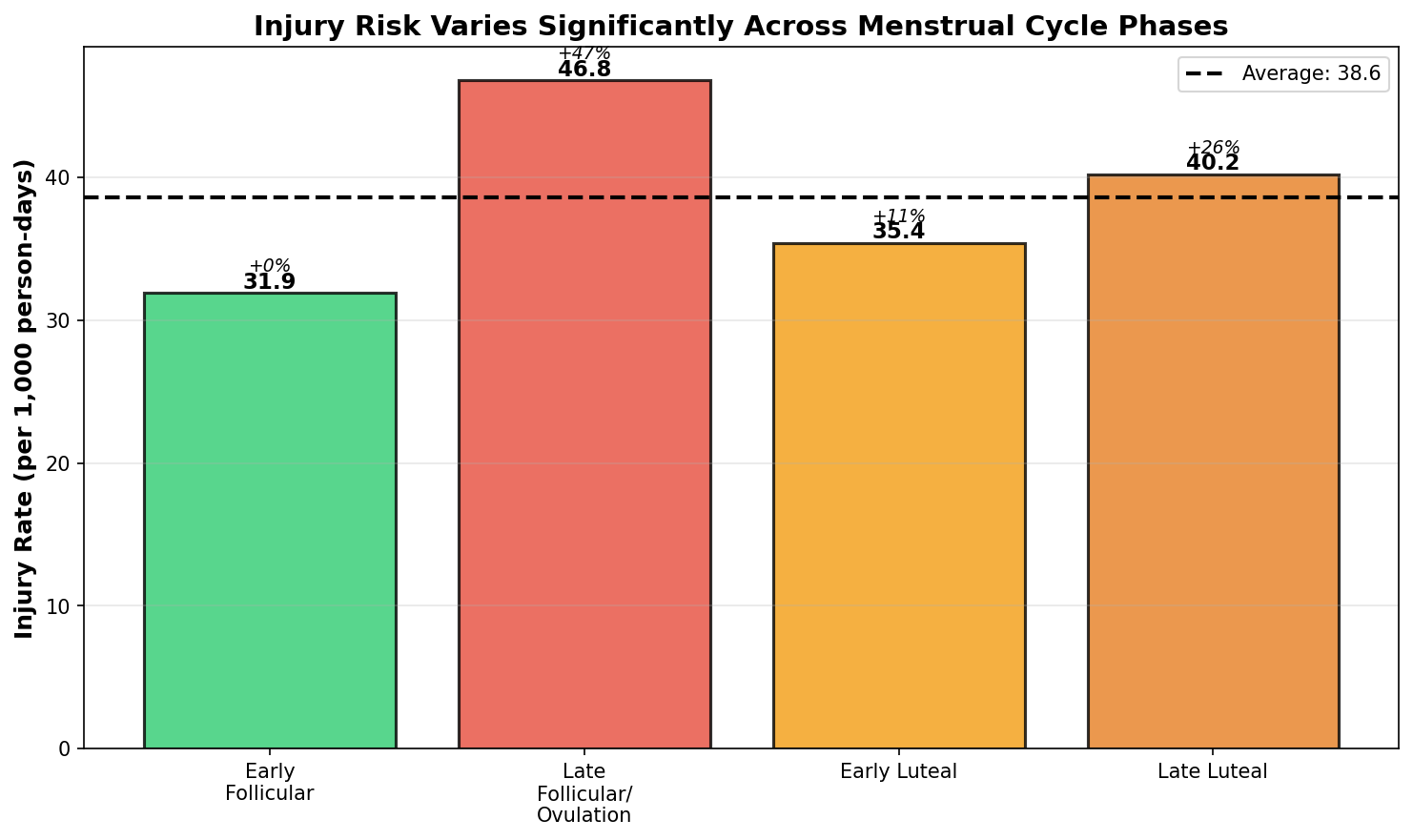 Figure 4: How common micronutrient deficiencies are, especially in women with PMS. Notice that vitamin D deficiency is extremely common in people with PMS symptoms.30
Phase-by-Phase Practical Nutrition Guide
Here's how to translate this into actual eating:
Menstrual Phase (Days 1-5)
Focus: Iron + Vitamin C, comfort, hydration.
Daily targets: 2,000 calories, 18 mg iron, 310-320 mg magnesium, 1,000 mg calcium, sufficient hydration (8-10 cups of water daily).
What works: Red meat with vegetables (beef stew, bolognese, fajitas), salmon, beans with tomato sauce, fortified cereals with milk, dark chocolate, almonds, spinach salads with lemon dressing, and orange juice with breakfast.
Why this matters: Iron loss is greatest now. Magnesium helps with cramping. Hydration reduces pain intensity and bleeding duration.
Follicular Phase (Days 6-14)
Focus: Building energy, sustained fuel for increasing activity.
Daily targets: 2,000 calories, consistent iron/magnesium/calcium, enough carbs to fuel increasing exercise.
What works: Whole grains, fresh fruit, vegetables, lean proteins, and some healthy fats. Carb-forward is fine here because your body handles it well.
Why this matters: Rising oestrogen means you feel more energy and motivation. Support this with adequate fuel. Don't under-eat just because your appetite is lower; eat enough to fuel your increasing activity.
Ovulation Phase (Days 12-16)
Focus: Peak fuel for peak performance.
Daily targets: 2,000-2,100 calories, strong protein intake to support muscle protein synthesis, adequate carbs for energy, emphasis on all four key micronutrients.
What works: Lean meats, fish, eggs, whole grains, vegetables, nuts, and seeds. Protein-rich meals help with the muscle building that's optimised right now.
Why this matters: This is your performance window. Fuel it properly. Adequate protein supports the muscle gains that happen more easily during this phase.
Luteal Phase (Days 15-28)
Focus: Honour increased hunger, stabilise mood with calcium/vitamin D, and adequate carbs.
Daily targets: 2,168-2,303 calories (yes, really), 18 mg iron, 310-320 mg magnesium, 1,000 mg calcium, increased carbs.
What works: More frequent meals or larger portions. Emphasis on calcium-rich foods (dairy, fortified products, canned fish with bones), dark chocolate or magnesium-rich snacks, iron-rich foods, whole grains, vegetables, and lean proteins.
Specific meal ideas: baked salmon with sweet potato and broccoli, chicken and rice bowls, Greek yogurt with granola and berries (calcium + magnesium), pasta with ground beef and tomato sauce (iron + carbs), dark chocolate almonds as a snack.
Why this matters: Your body genuinely needs more calories and more carbs. Restricting here makes everything harder. Honouring this hunger is how you maintain energy, sleep, recovery, and mood.
Hydration Throughout
General guidelines: 11.5 cups (2.7 liters) from all sources daily.
During menstruation: Increase to 8-10 cups of water specifically. Proper hydration reduces pain intensity, shortens duration, and decreases pain medication need.31
During exercise: Drink enough to maintain performance. In the luteal phase, you overheat more easily (higher body temperature), so monitor thirst closely.
Addressing Misconceptions and Common Questions
"Won't cycle syncing limit my workout options or make fitness harder?"
Not at all. Cycle syncing doesn't mean you can only do certain exercises. It means matching intensity and recovery to where you are. You're still exercising 5-6 days a week. You're still getting strong. You're just not trying to do peak-intensity training every single day, which isn't sustainable for anyone.
The data shows that accommodating your cycle's natural rhythm prevents overtraining, reduces injury, and improves overall adherence to fitness because you feel better and recover better.
"What if my cycle doesn't match the 28-day template?"
Adjust based on your actual cycle. If your follicular phase is 21 days instead of 14, use 21 days. If your luteal is slightly shorter or longer, adjust accordingly. The phase patterns matter more than the specific day numbers. Cycle tracking apps can help you identify your personal pattern.
Individual variation is enormous. About 30-40% of women report noticing minimal effect from cycle changes.32 Track your own data for two to three cycles and see what actually happens in your body.
"I'm on hormonal birth control. Does cycle syncing apply to me?"
Hormonal birth control works by suppressing your natural cycle. If you're on it, the hormonal fluctuations are different or absent. Traditional cycle syncing might not apply. However, many hormonal contraceptives still create some hormonal variation, and you can track how you feel and adjust accordingly. Speak with your healthcare provider about your specific contraceptive.
"Isn't increased appetite in the luteal phase just a craving I should resist?"
Absolutely not. Your body genuinely needs more calories. Restricting calories during the luteal phase creates metabolic stress, makes everything harder, disrupts hormones further, and is nutritionally unsound. Honouring hunger is how you support your body's actual needs.
"Will cycle syncing make me perform worse overall?"
Research shows that consistent training (not necessarily synced) produces the best long-term results. However, cycle syncing helps you sustain consistency by preventing injury, burnout, and overtraining. It also helps you perform better during specific windows (peak performance during ovulation rather than always chasing peaks). The research shows no proven long-term advantage to synced training, but it has no disadvantage either; it just helps you feel better and stay injury-free while training consistently.
"What if I have irregular cycles or PCOS?"
Cycle syncing is harder with irregular cycles, but still possible. Work with your actual cycle (however it manifests) rather than an average. If you have PCOS, polycystic ovary syndrome, you might not ovulate regularly. Speak with your doctor about your specific situation. Some of the nutritional recommendations (iron, magnesium, calcium, and vitamin D) are beneficial regardless, because these deficiencies are common in PCOS.
"Can cycle syncing help with endometriosis?"
Some of the general recommendations (gentle movement during menstruation, adequate nutrition, micronutrient support) can be helpful, but endometriosis is a medical condition requiring professional management. Don't use cycle syncing as a substitute for medical care. Work with your healthcare provider.
Making It Work: A Practical Starting Point
You don't need perfection. You need consistency. Here's how to actually implement this:
Week 1-2: Download a menstrual tracking app (Clue, Flo, Period Tracker, or any you like). Identify which cycle phase you're in right now. Start paying attention to how you naturally feel: energy level, strength, hunger, mood, sleep needs.
Week 2-4: Make one small change. Pick either exercise or nutrition. If exercise: adjust your week's plan so your hardest training is during follicular/ovulation and easier training is luteal. If nutrition: adjust calories and food choices based on your current phase (follow the guidelines above).
Month 2: Add the second component. If you adjusted exercise first, now start adjusting nutrition. Or vice versa.
Months 2-3: Track carefully. Note your workouts, nutrition, how you felt, energy levels, sleep, hunger, mood, and menstrual symptoms. After three cycles, you'll see patterns specific to your body.
Month 3+: Adjust based on your data. Maybe you need more calories than the 168-303 kcal range. Maybe your performance peaks earlier or later in your cycle. Your personal data matters more than averages.
The Big Picture: Why This Actually Matters
Here's what the research actually shows: Your menstrual cycle is real and affects exercise performance, recovery, appetite, and how you feel. But individual variation is enormous. Cycle syncing isn't magic that will transform your performance overnight.
However, it does several important things:
It prevents overtraining. By matching intensity to recovery capacity, you can sustain consistency without burning out.
It reduces injury risk. By understanding when injury risk peaks and adjusting training accordingly, you protect yourself.
It improves nutrition adequacy. By eating with your cycle rather than fighting it, you eat enough and meet your nutritional needs.
It honours your body's reality. Your cycle genuinely affects how you feel and perform. Pretending it doesn't and trying to force the same routine every day is fighting biology. Working with it is the opposite.
The ultimate message: Your cycle is information, not a limitation. Use it to understand yourself better, train smarter, and support your body's actual needs rather than fighting them.
Summary: Actionable Steps You Can Take Today
Right now:
- Download a menstrual tracking app if you don't have one
- Identify which phase you're currently in
- If it's menstrual or early follicular: plan lighter exercise this week and increase carbs slightly if hungry
- If it's late follicular or ovulation: plan your hardest workouts this week
- If it's luteal: plan moderate intensity, honour hunger, increase portions
This week:
- Add one magnesium-rich food daily (almonds, dark chocolate, pumpkin seeds)
- Add one iron-rich meal with vitamin C (red meat with orange, or beans with tomato sauce)
- Adjust one workout to match your cycle phase
This month:
- Continue tracking your cycle and how you feel
- Implement both exercise and nutrition adjustments
- Retest magnesium-rich foods and iron sources to find ones you actually enjoy
By month three:
- You'll have clear data on how your body actually responds
- You'll have adjusted recommendations based on your personal pattern
- You'll feel better
That's it. Start small, build consistency, and let your body teach you how to work with it rather than against it.
Further Reading
Understanding Your Menstrual Cycle
- Cleveland Clinic: Follicular Phase of the Menstrual Cycle
- Cleveland Clinic: Luteal Phase of the Menstrual Cycle
- NCBI Bookshelf: The Normal Menstrual Cycle and the Control of Ovulation
- Harvard T.H. Chan School of Public Health: Exploring Exercise Habits by Menstrual Cycle Phase
Exercise and Performance Throughout Your Cycle
- Frontiers in Endocrinology: Exercise Performance at Different Phases of the Menstrual Cycle
- Nature Scientific Reports: The Influence of the Menstrual Cycle on Muscle Injuries
- Springer Sports Medicine: Comparative Effectiveness of Different Exercises for Reducing Pain Intensity in Primary Dysmenorrhea
Nutrition and Caloric Needs
- Oxford Academic: Effect of the Menstrual Cycle on Energy Intake: A Systematic Review and Meta-analysis
- Cleveland Clinic: Nutrition and Exercise Throughout Your Menstrual Cycle
- Frontiers in Nutrition: Impact of Nutritional Diet Therapy on Premenstrual Syndrome
Micronutrient Deficiencies and Menstrual Health
- PMC: Prevalence of Iron Deficiency and Iron-Deficiency Anemia in US Females Aged 12-21 Years, 2003-2020
- Yale Medicine: Are You Iron Deficient? 8 Things Women Should Know
- PMC: The Association Between the Risk of Premenstrual Syndrome and Vitamin D, Calcium, and Magnesium Status
- PMC: A Systematic Review of the Role of Vitamin D and Calcium in Premenstrual Syndrome
Menstrual Symptoms and Prevalence
- PubMed: Premenstrual Syndrome and Dysphoric Disorder: Epidemiology and Treatment
- PMC: Menstrual Cycle Symptoms Are Associated with Nutrient Intake
- BMC Women's Health: The Relationship Between Dietary Habits and Menstruation Problems in Women
Practical Cycle Syncing Guidance
- NewYork Presbyterian: Cycle Syncing: How to Understand Your Menstrual Cycle to Reduce Period Symptoms
- Baylor Scott & White Health: Cycle Syncing: Choosing Food and Diet for Hormonal Balance
- Femia Health: Cycle Syncing Diet: Eat in Harmony with Your Menstrual Cycle
Pain Relief and Exercise
- PMC: The Role of Exercise in the Treatment of Menstrual Disorders
- Cochrane: Exercise for Dysmenorrhea
References
- National Center for Biotechnology Information. Follicular Phase of Menstrual Cycle [Internet]. [cited 2026 Mar 17]. Available from: https://www.ncbi.nlm.nih.gov/books/NBK279054/
- Cleveland Clinic. Follicular Phase of the Menstrual Cycle [Internet]. [cited 2026 Mar 17]. Available from: https://my.clevelandclinic.org/health/body/23953-follicular-phase
- Cleveland Clinic. Luteal Phase of the Menstrual Cycle [Internet]. [cited 2026 Mar 17]. Available from: https://my.clevelandclinic.org/health/articles/24417-luteal-phase
- National Center for Biotechnology Information. The Normal Menstrual Cycle and the Control of Ovulation [Internet]. [cited 2026 Mar 17]. Available from: https://www.ncbi.nlm.nih.gov/books/NBK500020/
- Frontiers in Endocrinology. Exercise Performance at Different Phases of the Menstrual Cycle: Measurements, Differences, and Mechanisms. 2025 [Internet]. [cited 2026 Mar 17]. Available from: https://www.frontiersin.org/journals/endocrinology/articles/10.3389/fendo.2025.1448686/full
- Nature Scientific Reports. The Influence of the Menstrual Cycle on Muscle Injuries: Systematic Review and Meta-Analysis. 2024 [Internet]. [cited 2026 Mar 17]. Available from: https://www.nature.com/articles/s41598-026-36763-0
- PMC. Body Temperature and Electrolyte Changes Across the Menstrual Cycle. 2012 [Internet]. [cited 2026 Mar 17]. Available from: https://pmc.ncbi.nlm.nih.gov/articles/PMC3154522/
- PMC. Effect of Menstrual Cycle on Resting Metabolism: A Systematic Review and Meta-Analysis. 2020 [Internet]. [cited 2026 Mar 17]. Available from: https://pmc.ncbi.nlm.nih.gov/articles/PMC7357764/
- Oxford Academic. Effect of the Menstrual Cycle on Energy Intake: A Systematic Review and Meta-Analysis. Nutrition Reviews. 2024;83(3):e866 [Internet]. [cited 2026 Mar 17]. Available from: https://academic.oup.com/nutritionreviews/article/83/3/e866/7713894
- MDPI. Effect of Menstrual Cycle Phase on the Recovery Process of High-Intensity Interval Exercise. 2023 [Internet]. [cited 2026 Mar 17]. Available from: https://www.mdpi.com/1660-4601/20/4/3266
- National Center for Biotechnology Information. The Menstrual Cycle and the Brain. 2017 [Internet]. [cited 2026 Mar 17]. Available from: https://www.ncbi.nlm.nih.gov/pmc/articles/PMC5555961/
- Frontiers in Sports and Active Living. Meta-Analysis: Menstrual Cycle Phase and Strength Performance. 2023 [Internet]. [cited 2026 Mar 17]. Available from: https://www.frontiersin.org/journals/sports-and-active-living/articles/10.3389/fspor.2023.1054542/full
- MDPI. Effect of Menstrual Cycle Phase on the Recovery Process of High-Intensity Interval Exercise. 2023 [Internet]. [cited 2026 Mar 17]. Available from: https://www.mdpi.com/1660-4601/20/4/3266
- Frontiers in Endocrinology. Exercise Performance at Different Phases of the Menstrual Cycle: Measurements, Differences, and Mechanisms. 2025 [Internet]. [cited 2026 Mar 17]. Available from: https://www.frontiersin.org/journals/endocrinology/articles/10.3389/fendo.2025.1448686/full
- Springer Sports Medicine Open. Comparative Effectiveness of Different Exercises for Reducing Pain Intensity in Primary Dysmenorrhea: A Systematic Review and Network Meta-Analysis. 2024 [Internet]. [cited 2026 Mar 17]. Available from: https://sportsmedicine-open.springeropen.com/articles/10.1186/s40798-024-00718-4
- Springer Sports Medicine Open. Comparative Effectiveness of Different Exercises for Reducing Pain Intensity in Primary Dysmenorrhea: A Systematic Review and Network Meta-Analysis. 2024 [Internet]. [cited 2026 Mar 17]. Available from: https://sportsmedicine-open.springeropen.com/articles/10.1186/s40798-024-00718-4
- PubMed. Effects of Follicular and Luteal Phase-Based Menstrual Cycle Resistance Training on Muscle Strength and Mass. 2022 [Internet]. [cited 2026 Mar 17]. Available from: https://pubmed.ncbi.nlm.nih.gov/
- Nature Scientific Reports. The Influence of the Menstrual Cycle on Muscle Injuries: Systematic Review and Meta-Analysis. 2024 [Internet]. [cited 2026 Mar 17]. Available from: https://www.nature.com/articles/s41598-026-36763-0
- PMC. Effect of Menstrual Cycle on Resting Metabolism: A Systematic Review and Meta-Analysis. 2020 [Internet]. [cited 2026 Mar 17]. Available from: https://pmc.ncbi.nlm.nih.gov/articles/PMC7357764/
- Oxford Academic. Effect of the Menstrual Cycle on Energy Intake: A Systematic Review and Meta-Analysis. Nutrition Reviews. 2024;83(3):e866 [Internet]. [cited 2026 Mar 17]. Available from: https://academic.oup.com/nutritionreviews/article/83/3/e866/7713894
- PMC. Effect of Menstrual Cycle on Resting Metabolism: A Systematic Review and Meta-Analysis. 2020 [Internet]. [cited 2026 Mar 17]. Available from: https://pmc.ncbi.nlm.nih.gov/articles/PMC7357764/
- PMC. Dietary Energy Intake Across the Menstrual Cycle: A Narrative Review. 2023 [Internet]. [cited 2026 Mar 17]. Available from: https://pmc.ncbi.nlm.nih.gov/articles/PMC10251302/
- PMC. Prevalence of Iron Deficiency and Iron-Deficiency Anemia in US Females Aged 12-21 Years, 2003-2020. 2023 [Internet]. [cited 2026 Mar 17]. Available from: https://pmc.ncbi.nlm.nih.gov/articles/PMC10300696/
- Yale Medicine. Are You Iron Deficient? 8 Things Women Should Know [Internet]. [cited 2026 Mar 17]. Available from: https://www.yalemedicine.org/news/are-you-iron-deficient-what-women-need-to-know
- PubMed. Iron Requirements in Menstruating Women. 1991 [Internet]. [cited 2026 Mar 17]. Available from: https://pubmed.ncbi.nlm.nih.gov/1957820/
- PMC. The Association Between the Risk of Premenstrual Syndrome and Vitamin D, Calcium, and Magnesium Status Among University Students: A Case Control Study. 2015 [Internet]. [cited 2026 Mar 17]. Available from: https://pmc.ncbi.nlm.nih.gov/articles/PMC4847116/
- PMC. The Association Between the Risk of Premenstrual Syndrome and Vitamin D, Calcium, and Magnesium Status Among University Students: A Case Control Study. 2015 [Internet]. [cited 2026 Mar 17]. Available from: https://pmc.ncbi.nlm.nih.gov/articles/PMC4847116/
- National Institutes of Health. Calcium: Fact Sheet for Health Professionals [Internet]. [cited 2026 Mar 17]. Available from: https://ods.od.nih.gov/factsheets/Calcium-HealthProfessional/
- PMC. A Systematic Review of the Role of Vitamin D and Calcium in Premenstrual Syndrome. 2015 [Internet]. [cited 2026 Mar 17]. Available from: https://pmc.ncbi.nlm.nih.gov/articles/PMC6422848/
- PMC. The Association Between the Risk of Premenstrual Syndrome and Vitamin D, Calcium, and Magnesium Status Among University Students: A Case Control Study. 2015 [Internet]. [cited 2026 Mar 17]. Available from: https://pmc.ncbi.nlm.nih.gov/articles/PMC4847116/
- BMC Women's Health. Hydration and Menstrual Health. 2021 [Internet]. [cited 2026 Mar 17]. Available from: https://bmcwomenshealth.biomedcentral.com/articles/10.1186/s12905-021-01242-3
- Frontiers in Endocrinology. Exercise Performance at Different Phases of the Menstrual Cycle: Measurements, Differences, and Mechanisms. 2025 [Internet]. [cited 2026 Mar 17]. Available from: https://www.frontiersin.org/journals/endocrinology/articles/10.3389/fendo.2025.1448686/full
