

Ylang ylang has become a staple in aromatherapy collections and natural beauty products, with promises ranging from calming anxiety to clearing skin. Yet most people know surprisingly little about what the oil actually does in the body, what research actually proves, and whether it's as beneficial (and as safe) as marketing suggests. This article separates the science from the hype.
What Is Ylang Ylang Oil and How Does It Work?
Ylang ylang (pronounced "ee-LAHNG ee-LAHNG") comes from the yellow flowers of the Cananga odorata tree, native to Southeast Asia but now cultivated across tropical regions including the Philippines, Madagascar, and the Comoros Islands. The oil has a long history of use in traditional medicine and became globally important in the early 1900s when the fragrance industry discovered it; today, it appears in approximately 40% of quality perfume formulations.
What makes ylang ylang unique (and complex) is its chemistry. Researchers have identified over 160 individual chemical compounds in the oil, far more than most synthetic fragrances contain. The oil is dominated by sesquiterpenes (compounds with multiple carbon chains), with the four major constituents being α-farnesene (31.50%), α-bergamotene (26.79%), germacrene D (13.26%), and β-caryophyllene (11.57%). The most aromatic compound you'll notice is linalool, a monoterpene that gives ylang ylang its distinctive sweet, floral scent and also appears in lavender.
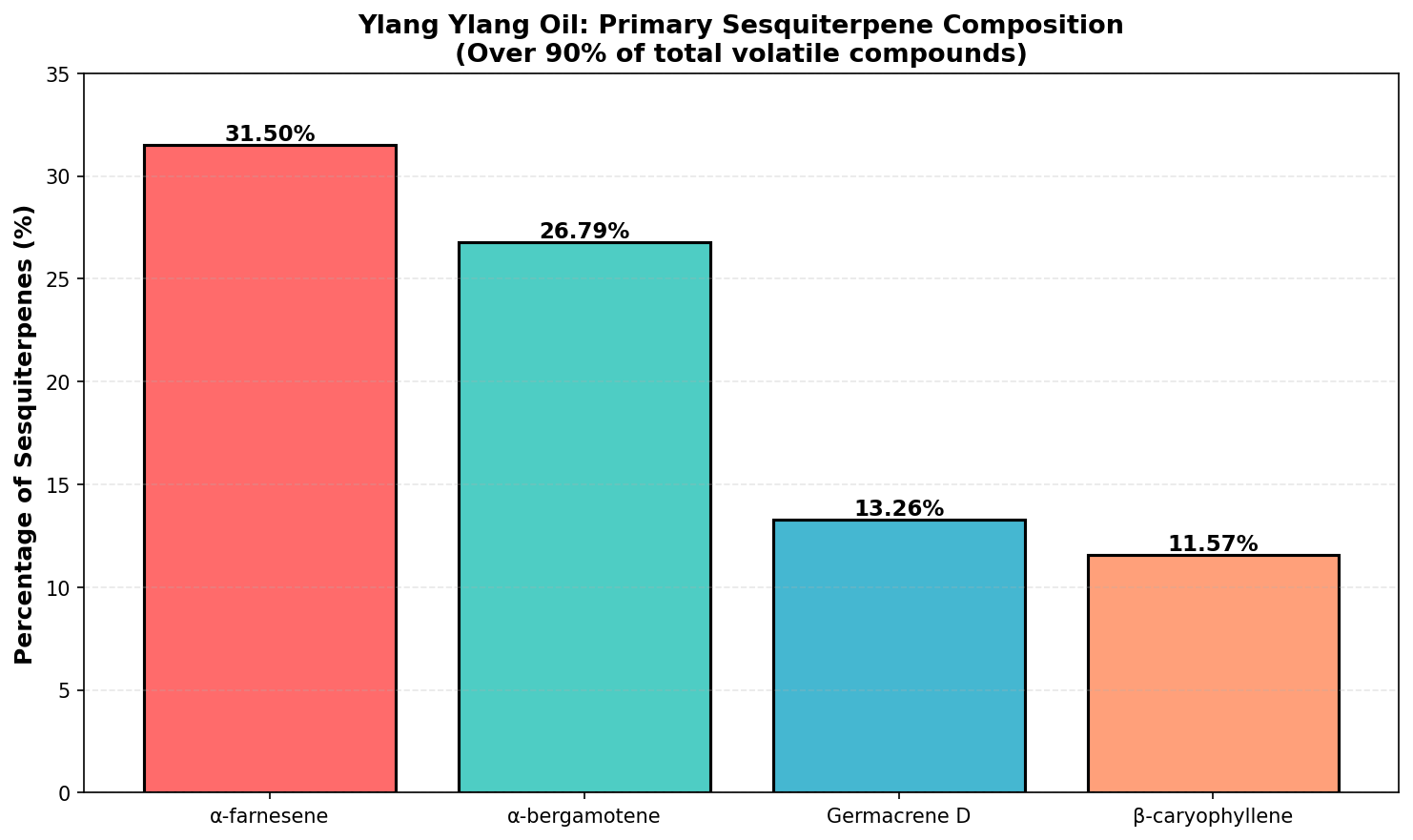 Figure 1: The four major sesquiterpenes make up over 83% of ylang ylang's volatile compounds. This chemical diversity explains why the oil has varied therapeutic effects. Data from chemical analysis studies (PubMed 34931852).
This chemical complexity matters because each compound potentially contributes different effects. Some promote relaxation (particularly linalool), others fight inflammation, and others are antimicrobial. It's why ylang ylang affects your body in multiple ways; it's also why it's challenging to conduct rigorous research on it. You can't easily create a fake version for a placebo trial when the real product contains 160+ compounds.
How the Oil Actually Enters Your Body
When you inhale ylang ylang aroma, something remarkable happens: the smell molecules bypass your blood-brain barrier (the protective filter surrounding your brain) and travel directly to your limbic system. This is the emotional centre of your brain, controlling anxiety, memory formation, stress hormones, and sleep regulation. The olfactory bulb receives smell information and sends it directly to the amygdala (the fear and emotion centre), creating rapid physiological responses without conscious thought.
When you apply ylang ylang topically (diluted in a carrier oil), the oil molecules penetrate your skin and absorb into your bloodstream, creating both local skin effects and systemic effects throughout your body.
What the Research Actually Shows: Separating Evidence From Marketing Claims
This is where things become more honest. Most claims about ylang ylang exceed what rigorous human research actually demonstrates.
The Strongest Evidence: Blood Pressure Reduction
The most convincing research on ylang ylang concerns cardiovascular effects. A 2013 randomised controlled trial of 29 healthy men found that inhalation of ylang ylang aroma produced significant decreases in both systolic and diastolic blood pressure, plus measurable heart rate reduction in 10 of 12 electrocardiogram measurements. Skin temperature also increased significantly, indicating improved circulation and parasympathetic nervous system activation (your body's "rest and digest" response).
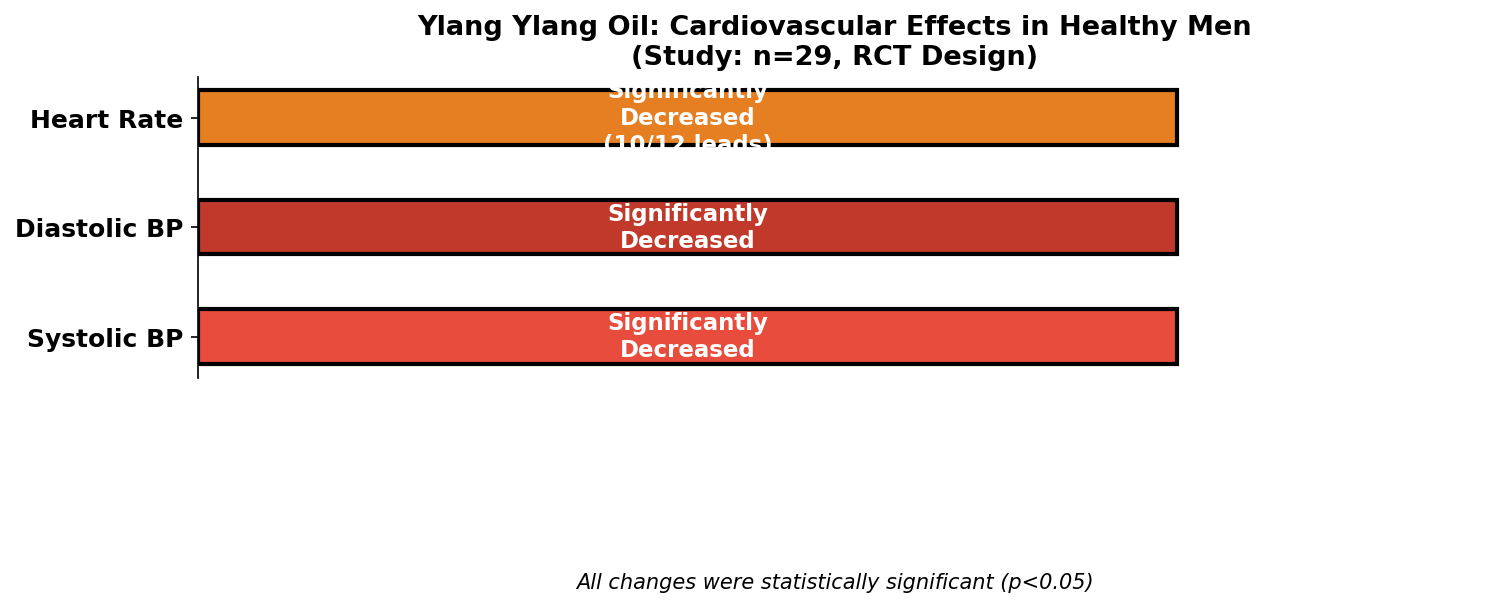 Figure 2: Blood pressure and heart rate measures all decreased significantly in healthy men after ylang ylang inhalation. This is one of ylang ylang's strongest evidence categories with measurable, objective physiological changes. Source: PubMed 24278868.
A more recent study in 2023 examined a blend containing lemon, lavender, and ylang ylang in high blood pressure patients, finding statistically significant systolic blood pressure reduction after just 3 weeks of twice-daily use. However, this was a blend rather than ylang ylang alone, so we can't attribute the entire effect to the oil.
What this means: Ylang ylang appears to have genuine, measurable effects on blood pressure. However, these effects are modest and observed in controlled settings. This should complement, not replace, prescribed blood pressure medications. If you take antihypertensive drugs, consult your doctor before using ylang ylang.
Labour Pain: Ylang Ylang's Most Robust Human Evidence
The most compelling evidence for ylang ylang's effectiveness comes from a randomised controlled trial in pregnant women in active labour. Women using ylang ylang oil inhalation at 5-7 cm cervical dilation reported pain reduction on the Visual Analog Scale of 19% compared to the control group. Lemon oil performed slightly better at 25% reduction, but both were significantly better than the control group's 9.20/10 pain score.
Importantly, the aromatherapy did not reduce anxiety levels in this study, only pain perception. This is an important distinction: pain and anxiety are different mechanisms, and ylang ylang appears to address one but not necessarily the other.
What this means: If you're pregnant and considering labour pain management, ylang ylang inhalation shows genuine potential for pain relief. It's not a complete solution, but a 19% reduction in a painful process is clinically meaningful.
Anxiety: The Claim With the Weakest Evidence
Here's where marketing claims crash into scientific reality. Despite ylang ylang's reputation as an anxiety remedy, human research shows surprisingly weak evidence for anxiety reduction in healthy people.
A pilot study of 34 nursing professionals compared topical application, inhalation, and placebo. The result: no significant difference in anxiety symptoms between ylang ylang and placebo groups. The one positive finding was that self-esteem ratings improved in the topical application group, but anxiety reduction itself didn't differ from placebo. This is honest, if disappointing, evidence that contradicts widespread claims.
However, context matters. A 2023 study found potential anxiety benefits in patients undergoing interventional neuroradiology procedures (stressful medical imaging) when measured via stress biomarkers like salivary cortisol and alpha-amylase. So ylang ylang may help with anxiety in specific medical situations, but general anxiety in everyday life lacks strong human evidence.
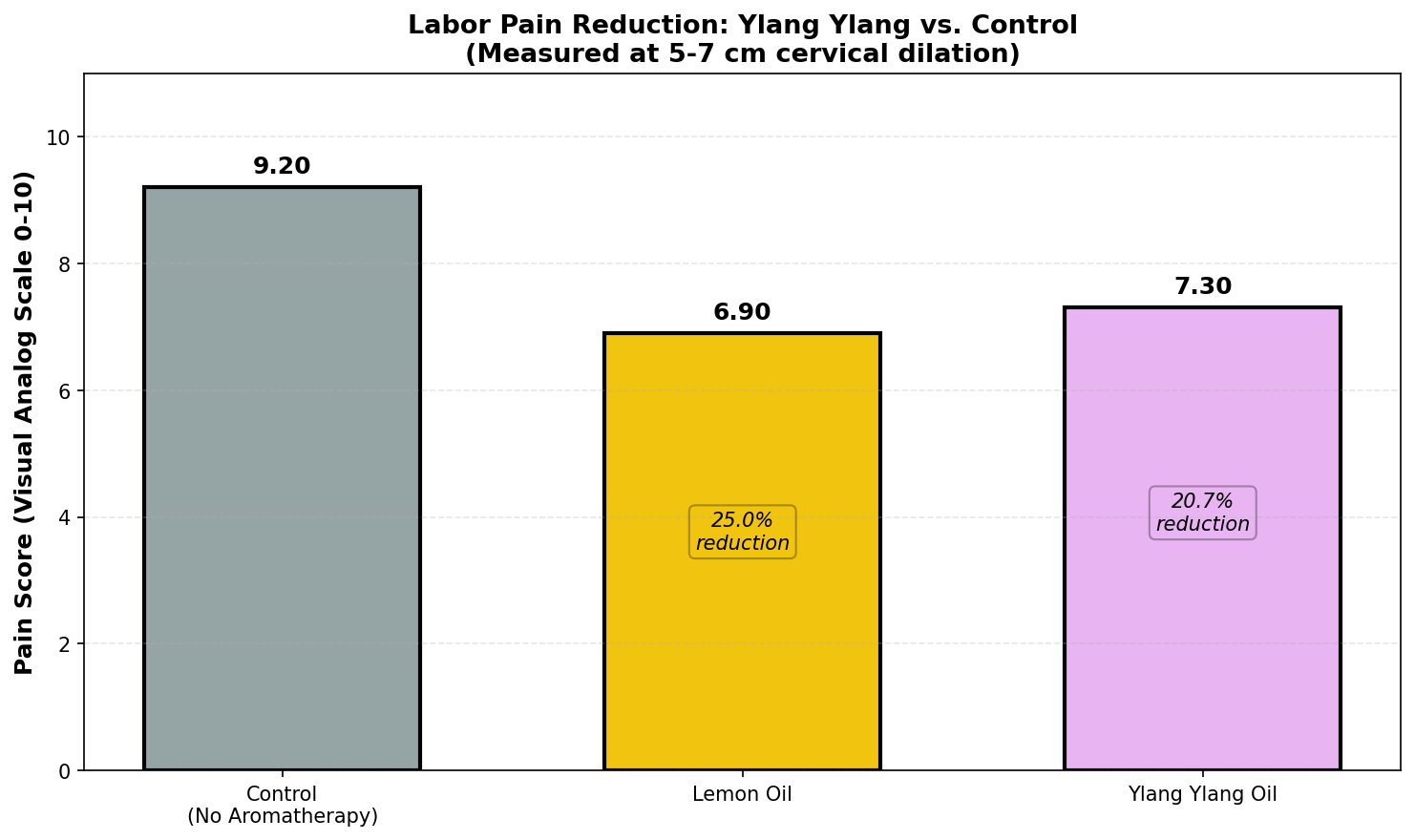 Figure 3: Evidence strength varies dramatically by context and study design. General population anxiety shows weak evidence, whilst labour pain reduction shows strong evidence. Animal studies (mice and rats) demonstrate a mechanism, but don't necessarily apply to humans. This hierarchy explains why medical claims often exceed the actual evidence. Sources: Multiple studies cited in research compilation.
Animal studies consistently show anxiety-reducing effects; mice and rats exposed to ylang ylang spend more time in anxiety-provoking open spaces, suggesting genuine anxiolytic activity through serotonin and dopamine pathways. Yet animal models don't always translate to human pharmacology. What works in a mouse brain may work differently in a human brain due to differences in metabolism, brain structure, and behaviour.
What this means: If you're hoping ylang ylang will treat clinical anxiety, the human research doesn't strongly support that claim. Other essential oils like lavender and lemon have more robust evidence. Ylang ylang may produce a subjective sense of relaxation and improved mood, but this hasn't been rigorously proven in controlled human trials.
Skin Health: Laboratory Promise, Limited Human Proof
In laboratory studies, ylang ylang shows genuinely interesting dermatological properties. The oil demonstrated antimicrobial activity against Staphylococcus aureus (a common cause of acne and skin infections), Escherichia coli, Bacillus subtilis, and Pseudomonas aeruginosa, plus antifungal activity. It also shows anti-inflammatory and antioxidant effects, with one study noting wound-healing potential by inhibiting tissue remodelling proteins in human skin cells.
Researchers have recently developed a nanoemulgel formulation containing ylang ylang specifically for scalp psoriasis and dandruff treatment, representing the latest therapeutic application.
What this means: Laboratory findings suggest ylang ylang could be useful in skincare, particularly for inflammatory or infection-related conditions. However, no large human clinical trials exist proving efficacy for acne, eczema, psoriasis, or other skin conditions. The laboratory evidence is promising but preliminary. Marketing claims about skin benefits are ahead of the human evidence.
The Critical Safety Issue: Dermal Sensitisation Risk
This is essential information that marketing often downplays. Ylang ylang is among the most common essential oils causing allergic contact dermatitis. Dihydro di-isoeugenol (DDIE), a compound within the oil, is the primary allergen responsible. Ylang ylang was first identified as a cosmetic sensitiser in 1971, and reported cases increased significantly through the 1970s and 1980s.
A worldwide multicenter study found that adding ylang ylang to standard fragrance testing would identify 94.2% of positive fragrance sensitivity responses. This means if you have fragrance sensitivity, ylang ylang is very likely a problem for you.
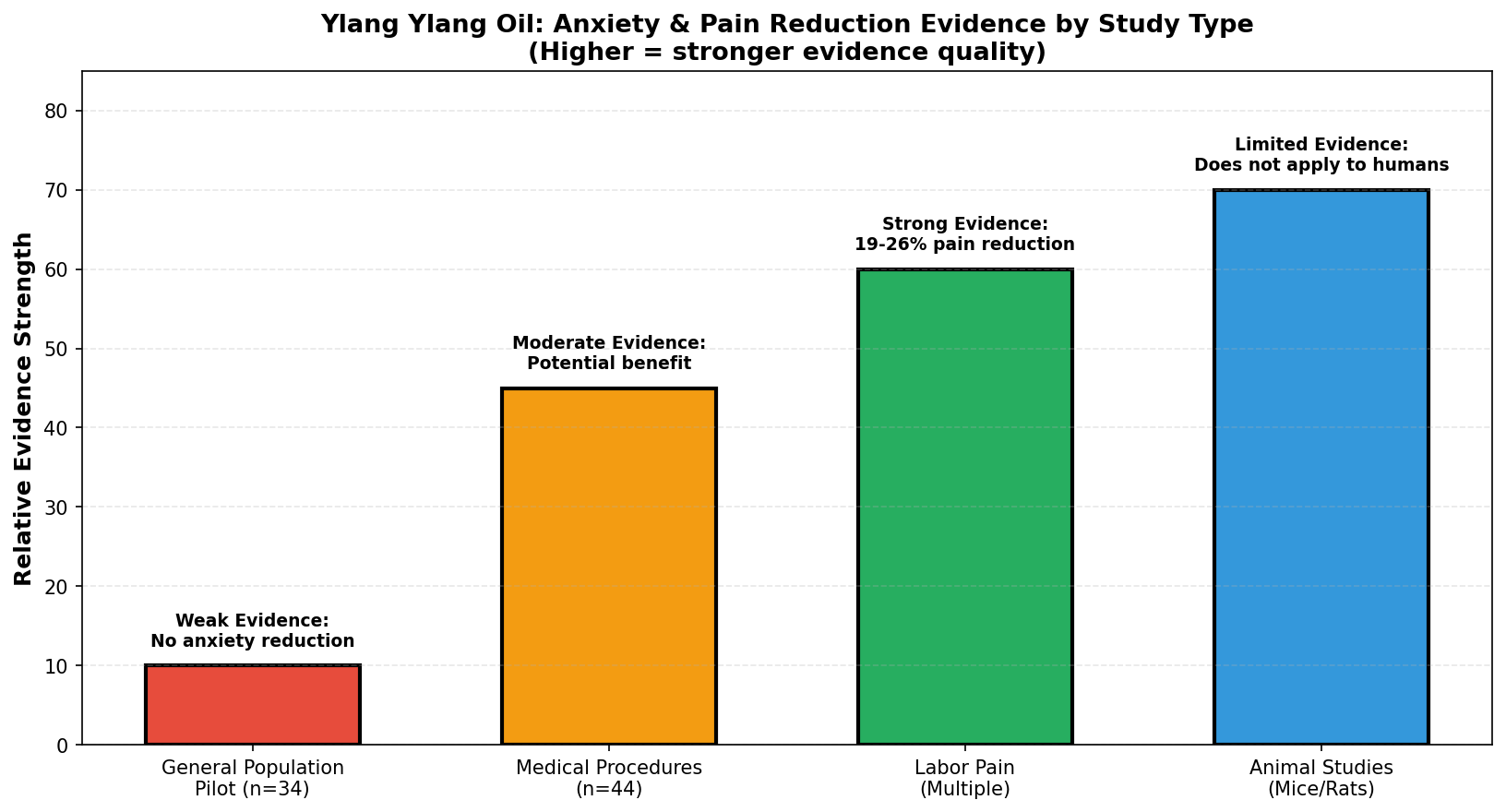 Figure 4: Ylang ylang ranks among the highest-risk essential oils for allergic skin reactions, comparable to tea tree and peppermint oils. This honest safety assessment shows why patch testing is essential before use. Source: PubMed 22936057.
Most documented reactions are mild to moderate (localised redness, itching), though severe reactions occur in sensitised individuals. Occupational contact dermatitis has been documented in healthcare workers and others handling the oil professionally.
At current food-level exposures (0.0001 mg/kg/day used as flavouring), ylang ylang has no documented toxicity and carries GRAS (Generally Recognised As Safe) status. But this is fundamentally different from using concentrated essential oil on your skin or breathing in high concentrations.
Who is at highest risk:
- People with existing fragrance sensitivity or perfume allergies
- Those with atopic dermatitis, eczema, or contact dermatitis history
- Occupational handlers with repeated exposure
- Individuals with sensitive skin conditions
How to Use Ylang Ylang Safely (If You Choose To)
Topical Application (Skin)
Never apply ylang ylang essential oil directly to skin undiluted. Safe dilution ratios are:
- Adults (general skin): 2-3% dilution (2-3 drops essential oil per teaspoon of carrier oil)
- Sensitive skin: 1% dilution or less (1 drop per teaspoon of carrier oil)
- Children: 0.5-1% maximum; inhalation often safer than topical
- Infants: Not recommended topically; limited inhalation only
Before using topically:
- Perform a patch test on a small area (inner wrist or behind the ear)
- Apply a tiny amount of diluted oil
- Wait 24 hours for any reaction
- If no reaction occurs, proceed with caution
- Avoid applying to the face (higher sensitisation risk), broken skin, or recently waxed areas
Recommended carrier oils include coconut oil, jojoba oil, sweet almond oil, fractionated coconut oil, or grapeseed oil.
Inhalation (Aromatherapy)
Inhalation appears to be the safest route of administration based on available evidence.
- Use in an ultrasonic or nebulising diffuser with manufacturer-recommended oil-to-water ratios (typically 3-5 drops per tank)
- Run for 15-30 minutes at a time
- Take breaks between sessions
- Avoid continuous 24-hour diffusion
- Ensure good room ventilation
- Keep diffusers away from children and pets
Ingestion (Internal Use)
Do not ingest ylang ylang essential oil. At food-flavouring levels, ylang ylang is safe. But concentrated essential oil is 1,000-10,000 times more concentrated than food-grade flavouring and has no established safe oral dose. Many essential oils (eucalyptus, sage, hyssop, and thuja) are toxic when ingested. If accidental ingestion occurs, contact your local poison centre immediately.
Quality and Sourcing: How to Identify Quality Oil
Poor-quality or adulterated oils increase adverse reaction risks significantly.
Red flags: avoid these:
- Price suspiciously low (quality ylang ylang costs £10-20+ per 15 mL bottle)
- No scientific name listed (Cananga odorata must be specified)
- Vague sourcing information ("origin unknown")
- No GC-MS (Gas Chromatography-Mass Spectrometry) Certificate of Analysis
- Stored in clear or plastic bottles (oils degrade in light and absorb plasticizers)
- No expiration or harvest date
What to look for:
- Latin botanical name: Cananga odorata (Lam.) Hook. f. & Thomson
- Country of origin (Madagascar, Philippines, or Indonesia are major producers)
- GC-MS Certificate of Analysis matching your lot number
- Dark glass bottles (amber or blue)
- Harvest date and expiration date (typically 1-3 years)
- Proper labelling with dilution instructions and safety warnings
- Supplier transparency and third-party testing evidence
Storage for longevity:
- Cool, dark place (10–25°C)
- Dark glass bottles with tight seals
- Avoid plastic containers
- Proper storage maintains effectiveness for 1-3 years; oxidised oil is less effective and more irritating.
Special Populations: Pregnancy, Breastfeeding, and Children
Pregnancy
Safety data during pregnancy is limited. One study examined ylang ylang inhalation during labour (not pregnancy) and found no significant difference in newborn Apgar scores, suggesting labour use doesn't harm newborns. However, pregnancy is a different situation with a different risk-benefit profile. Consult your obstetrician before using ylang ylang or any aromatherapy oils during pregnancy. Many pregnant women use these oils without provider awareness, representing a communication gap between practitioners and healthcare teams.
Breastfeeding
Specific safety data for ylang ylang during breastfeeding is not well-established. Discuss use with your healthcare provider or lactation consultant before breastfeeding.
Children and Infants
Inhalation appears safer than topical application in children. Inhalation studies in children aged 3-4 years reported no documented side effects. However, topical application carries dermal sensitisation risk; no specific safety data exists for ylang ylang on children's skin.
Age-specific guidance:
- Under 1 year: Avoid topical; limited inhalation only with strong medical guidance
- Ages 1-5: Highly diluted topical (0.5-1%) or diffused inhalation; avoid direct skin contact
- Over 5 years: Can use diluted topical (1-1.5%) or inhalation with appropriate precautions
How Ylang Ylang Compares to Other Essential Oils
When researchers conducted a network meta-analysis ranking essential oils for anxiety effectiveness, ylang ylang ranked fourth among major options. Bitter orange (citrus aurantium), lemon oil, and lavender all showed stronger evidence for anxiety reduction. This contextual comparison helps manage realistic expectations. If anxiety reduction is your primary goal, lavender or lemon may offer better-researched alternatives.
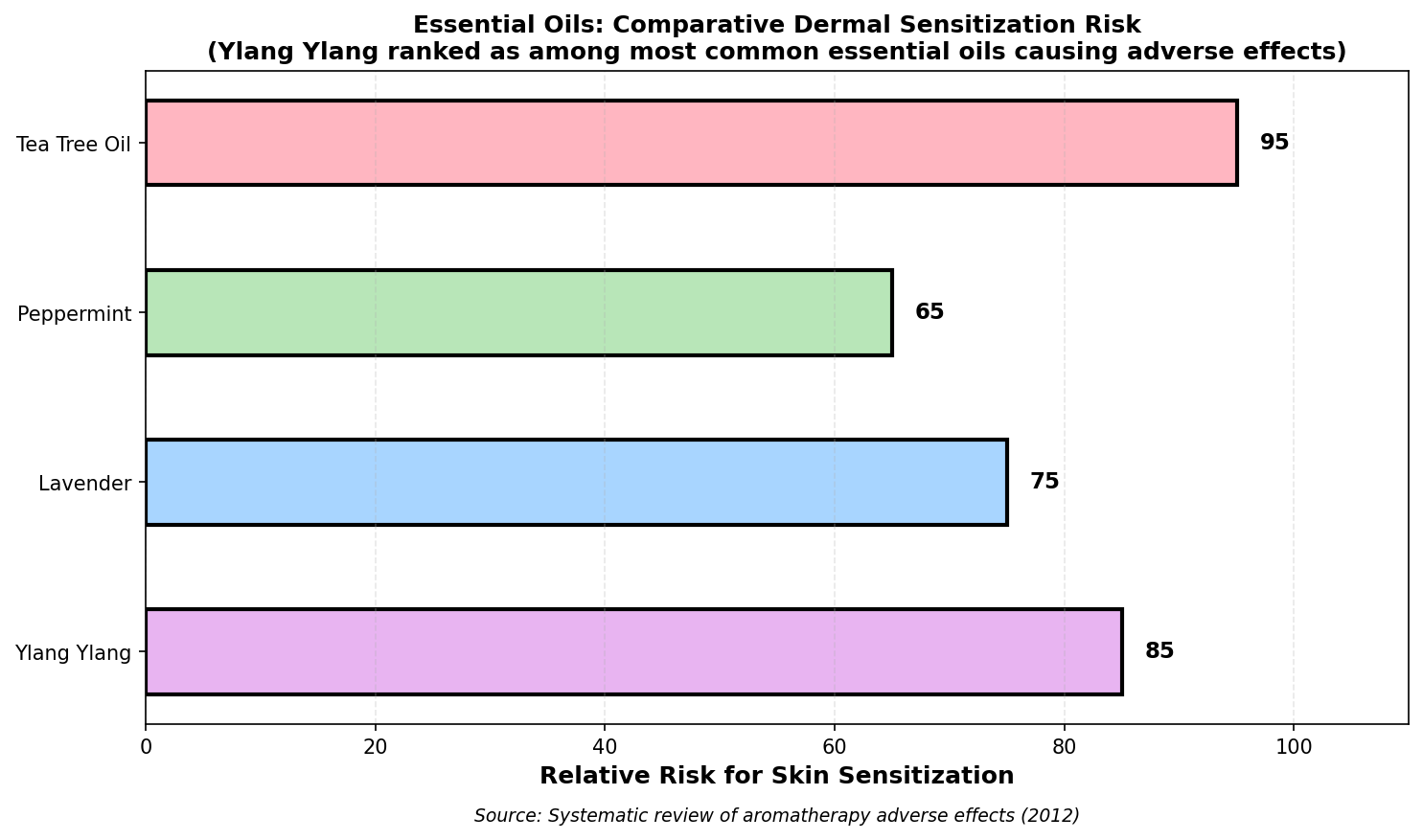 Figure 5: Essential oils ranked by anxiety reduction evidence. Ylang ylang ranks 4th, with bitter orange, lemon, and lavender showing stronger clinical evidence. This helps readers make informed choices about which oils to prioritise. Source: PubMed 37325306.
For safety concerns, ylang ylang shares the dubious distinction of being among the most common essential oils causing adverse effects, alongside peppermint, tea tree, and lavender.
When to Stop Using and Seek Medical Care
Discontinue ylang ylang immediately and seek medical attention if you experience:
Immediate/emergency signs:
- Difficulty breathing or shortness of breath
- Throat tightness or wheezing
- Severe facial swelling
- Dizziness or fainting
- Severe burning or pain
- Signs of widespread allergic reaction (generalised rash or hives)
Contact your doctor if:
- Persistent skin redness, itching, blistering, or oozing
- Reactions worsen over 24-48 hours
- Rash spreading beyond the application area
- Any respiratory symptoms
- Eye pain, redness, or vision changes from oil contact
Monitor closely but may self-resolve:
- Mild skin redness resolving within 24 hours
- Minor itching at application site (usually resolves within hours)
- Mild headache from inhalation (discontinue diffusing; improve ventilation)
The Research Gaps: What We Still Don't Know
Despite ylang ylang's long history and popularity, significant research gaps remain:
- Large-scale human anxiety trials: Most studies contain 29-44 participants. Larger trials with 100+ participants would provide more definitive evidence
- Long-term safety data: Limited research on sustained use over months or years. Most studies examine acute (single-session) or short-term (3 weeks) exposure
- Optimal dosing: No standardised dosing guidance in clinical literature. Users rely on general aromatherapy recommendations
- Skin condition efficacy: Despite antimicrobial laboratory evidence, no large human clinical trials prove effectiveness for acne, eczema, or psoriasis
- Human mechanism of action: Animal studies detail serotonin and dopamine pathway involvement, but human studies lack mechanistic detail
- Elderly population data: Most research involves younger healthy adults or specific medical contexts
- Incidence of adverse effects: Sensitisation is documented but we lack statistical data on what percentage of users experience reactions
- Drug interaction data: Minimal research specifically on ylang ylang; inferred from similar oils
What This All Means for You
Here's the honest summary:
Strongest evidence (high confidence):
- Blood pressure reduction in controlled settings
- Labour pain reduction (19-26% improvement)
- General safety at low exposure levels
- Dermal sensitisation risk in some individuals
Moderate evidence:
- Relaxation and improved mood perception
- Cardiovascular effects in specific populations
- Anxiety in medical procedure contexts
Weak evidence:
- General anxiety reduction in healthy people
- Skin condition treatment
- Sleep improvement
Zero human evidence:
- Antiviral effects
- Fertility effects
- Long-term health outcomes
Ylang ylang is neither a miracle cure nor something to fear outright. It's a complex plant extract with genuine physiological effects (measurable in blood pressure and heart rate), documented risks (allergic sensitisation in some individuals), and modest to moderate benefits in specific contexts (particularly labour pain). Common claims about anxiety relief lack strong human clinical support, though the mechanisms are plausible.
If you're considering using ylang ylang: dilute it properly (never undiluted), patch test first, prefer inhalation over topical application if sensitive, inform your healthcare provider, and don't rely on it as a replacement for medical treatment. For anxiety specifically, the evidence supports lavender or lemon oil more robustly. For relaxation and cardiovascular benefits, the research is more encouraging.
The bottom line: ylang ylang is a reasonable complementary tool, but manage your expectations based on what rigorous research actually demonstrates rather than what marketing promises.
Further Reading
Chemical Composition and Mechanism
- Understanding Essential Oil Chemistry and Volatile Compounds
- Profiling Aroma-Active Compounds in Essential Oils
- Traditional Uses, Phytochemistry, and Bioactivities of Cananga odorata
Cardiovascular Effects and Blood Pressure
- Effects of Ylang-Ylang Aroma on Blood Pressure and Heart Rate in Healthy Men
- Relaxing Effect of Ylang Ylang Oil After Transdermal Absorption
- Essential Oils for Blood Pressure Management: Clinical Studies
Pain Management and Labour
- Effect of Ylang Ylang and Lemon Oil Inhalation on Labour Pain
- Aromatherapy in Pregnancy and Labour Management
Anxiety and Mood Effects
- Aromatherapy with Ylang Ylang for Anxiety and Self-Esteem
- Essential Oils for Treating Anxiety: Systematic Review and Network Meta-Analysis
- The Anxiolytic Effect of Essential Oils in Animal Models
Skin Health and Antimicrobial Properties
- Chemical Composition and Biological Activities in Dermatology Applications
- In Vitro Biological Activities in Skin Cells
- Nanoemulgel Formulation for Scalp Psoriasis and Dandruff
Safety and Adverse Effects
- Adverse Effects of Aromatherapy: Systematic Review
- Fragrance Contact Dermatitis: Worldwide Investigation
- Occupational Allergic Contact Dermatitis from Ylang-Ylang Oil
Quality Standards and Pharmacological Safety
- Safety Assessment of Ylang-Ylang as a Food Ingredient
- Quality Standards and Pharmacological Interventions of Natural Oils
- Essential Oils and Their Influence on Drug Actions
Specific Compound Mechanisms
- Linalool and GABA Receptor Interaction
- MAO-A Inhibitory Potential of Terpene Constituents
- Geraniol Effects on Inflammatory Arthritis
Children and Paediatric Safety
- Inhalation Aromatherapy in Paediatric Patients
- Infants' and Toddlers' Inhalation Exposure to Fragrance Ingredients
Comparative Essential Oil Research
References/Helpful Resources
- Brennan SE, McDonald S, Murano M, McKenzie JE. Effectiveness of aromatherapy for prevention or treatment of disease, medical or preclinical conditions, and injury: protocol for a systematic review and meta-analysis. Syst Rev. 2022 Jul 26;11(1):148. doi: 10.1186/s13643-022-02015-1. PMID: 35883155; PMCID: PMC9317467.
- National Health Service. Essential oils and aromatherapy [Internet]. [cited 2025 Jan 15]. Available from: https://www.nhs.uk/conditions/complementary-and-alternative-medicine/
- Borgonetti V, López V, Galeotti N. Ylang-ylang (Cananga odorata (Lam.) Hook. f. & Thomson) essential oil reduced neuropathic-pain and associated anxiety symptoms in mice. J Ethnopharmacol. 2022 Aug 10;294:115362. doi: 10.1016/j.jep.2022.115362. Epub 2022 May 10. PMID: 35551977.
- Cleveland Clinic. Essential Oils 101: Do They Work, How Do You Use Them [Internet]. [cited 2025 Jan 15]. Available from: https://health.clevelandclinic.org/essential-oils-101-do-they-work-how-do-you-use-them
- Mayo Clinic. Aromatherapy: Is it effective? [Internet]. [cited 2025 Jan 15]. Available from: https://www.mayoclinic.org/healthy-lifestyle/consumer-health/expert-answers/aromatherapy/faq-20058566
- Vora LK, Gholap AD, Hatvate NT, Naren P, Khan S, Chavda VP, Balar PC, Gandhi J, Khatri DK. Essential oils for clinical aromatherapy: A comprehensive review. J Ethnopharmacol. 2024 Aug 10;330:118180. doi: 10.1016/j.jep.2024.118180. Epub 2024 Apr 16. PMID: 38614262.
- NHS Borders. Aromatherapy Guidelines for Midwifery Practice [Internet]. [cited 2025 Jan 15]. Available from: https://www.rightdecisions.scot.nhs.uk/nhs-borders-clinical-guidelines/
- IRCT2017031433083N1. Comparison of the effect of aromatherapy with essential oils of lavender and Citrus aurantium on anxiety. [cited 2026 May 15]. Available from: https://www.cochranelibrary.com/central/doi/10.1002/central/CN-01893839/full
- NIH National Library of Medicine MedlinePlus. Complementary and integrative medicine [Internet]. [cited 2025 Jan 15]. Available from: https://medlineplus.gov/complementaryandalternativemedicine.html
- Matera R, Lucchi E, Valgimigli L. Plant Essential Oils as Healthy Functional Ingredients of Nutraceuticals and Diet Supplements: A Review. Molecules. 2023 Jan 16;28(2):901. doi: 10.3390/molecules28020901. PMID: 36677959; PMCID: PMC9862182.
