

You lie flat on your back, close your eyes, and follow a calm voice through a sequence of body sensations and mental images. Within minutes, your heart rate slows, your blood pressure drops, and your brain shifts into a state it seldom reaches naturally. You're not asleep. You're not quite awake. You're somewhere in between, and it turns out that somewhere is one of the most therapeutically interesting places your nervous system can go.
This is Yoga Nidra ("yogic sleep"), and it has moved well beyond wellness trends. The largest meta-analysis to date reviewed 73 studies and 5,201 participants and found significant, measurable benefits for stress, anxiety, and depression. Separate meta-analyses confirm meaningful reductions in blood pressure. Randomised controlled trials have tested it in cancer patients, veterans with PTSD, people with chronic insomnia, and frontline healthcare workers. The findings are consistent: something genuinely useful is happening in that horizontal, eyes-closed state.
Here is what the evidence actually shows.
What Is Yoga Nidra?
Yoga Nidra is a guided relaxation practice performed lying down. The name translates from Sanskrit as "yogic sleep," but the label is slightly misleading. In ordinary sleep, you lose conscious awareness. In Yoga Nidra, you keep it. The body enters a deeply restorative state while the mind remains gently alert, following the instructor's voice.
That combination (body resting at sleep depth, mind remaining present) is what makes it physiologically unusual. EEG studies confirm the brain does not produce the K-complexes or sleep spindles that characterise ordinary sleep, even during two-hour recording sessions. Instead, it enters a state researchers call the "hypnagogic" zone: the transitional territory between wakefulness and sleep, rich in theta and delta brainwave activity, and associated with heightened receptivity and profound rest.
The practice requires no physical fitness, no flexibility, and no prior experience with meditation. You lie down, listen, and follow along.
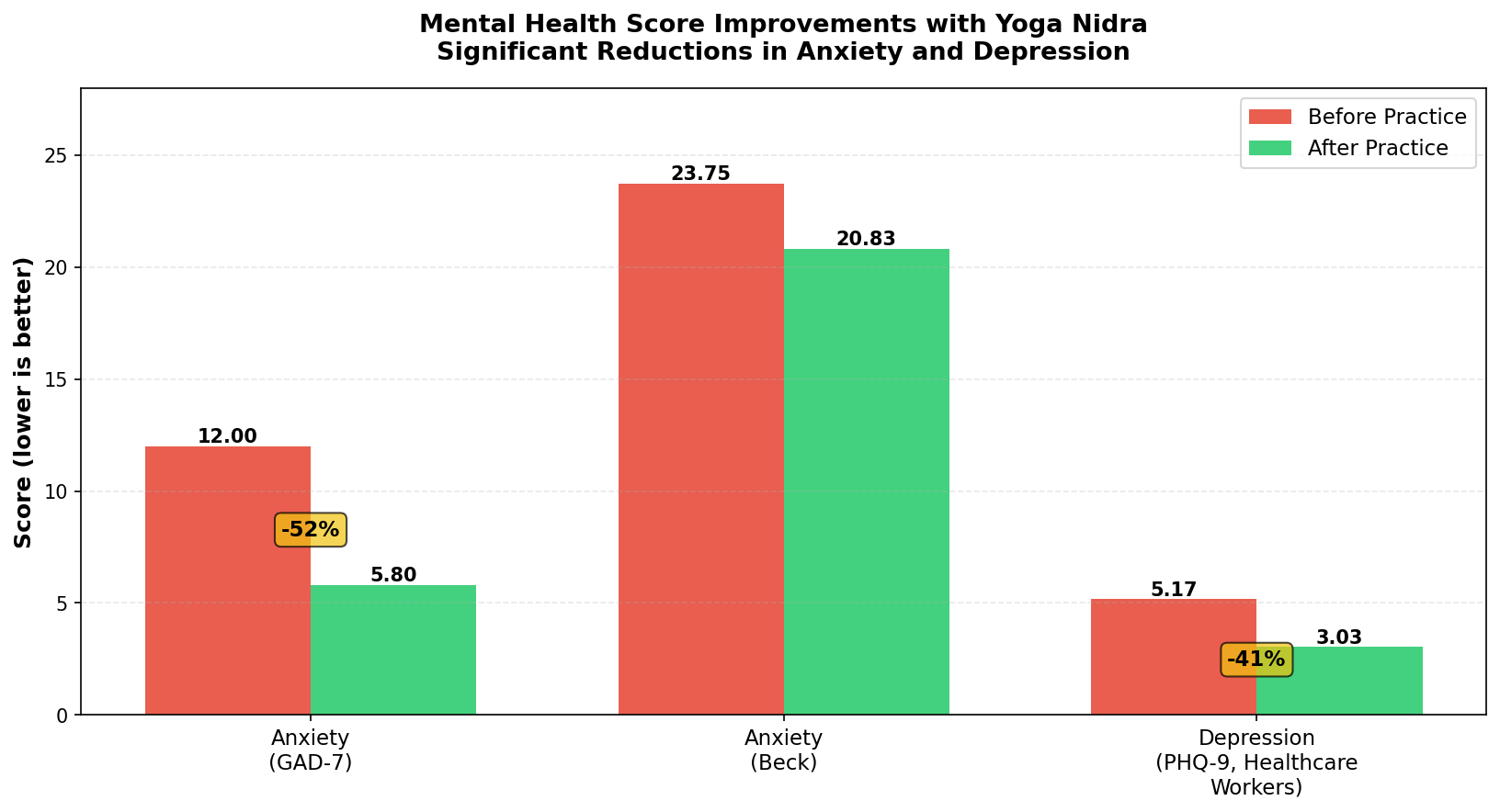 Figure 1: Key milestones in the development of Yoga Nidra from ancient tradition to modern clinical research.
A Brief History
Yoga Nidra's roots lie in ancient Indian scriptures that described a state of "awake-aware sleep" accessible to practitioners. For centuries, it was transmitted only through the guru-to-disciple tradition. The modern, codified version accessible to everyone was systematised by Swami Satyananda Saraswati, whose published manual brought the technique out of closed lineages and into the public domain.
The first scientific EEG recording of the Yoga Nidra state was made in 1977 by Dr Elmer Green. Research accelerated markedly from 2007 onward, and the evidence base now spans sleep medicine, cardiology, oncology, and mental health.
How Yoga Nidra Works: What's Happening in Your Body
The effects of Yoga Nidra are not subjective impressions. They show up in blood tests, brain scans, and physiological monitors.
The Brainwave Shift
A standard session guides the brain through a predictable sequence of states. Early in practice, alpha waves (the signature of calm, wakeful awareness) increase, especially from the occipital lobe. As the practice deepens, theta waves (associated with drowsiness and the hypnagogic state) become dominant across the whole brain. In more experienced practitioners, delta waves (normally seen only in deep sleep) begin to appear in central brain regions, even while the person remains conscious and responsive to the instructor's voice.
This unusual delta-without-sleep pattern, observed during the "Rotation of Consciousness" stage (the phase where awareness is guided sequentially through body parts), is described in the research literature as "local sleep during wakefulness." Parts of the brain enter a sleep-like state while others stay alert. It is genuinely distinct from sleep, napping, seated meditation, or any other familiar mental state.
The Dopamine Surge
One of the most striking findings in Yoga Nidra research comes from a PET-EEG study involving experienced yoga teachers. During practice, the researchers measured a 65% increase in endogenous dopamine release in the ventral striatum. Dopamine is the brain's primary motivation and reward chemical, and this scale of increase is associated with the deeply pleasurable, contented quality that many practitioners describe. It is also linked to reduced executive control and deepened sensory withdrawal, which is likely part of why the practice feels so restoratively different from ordinary rest.
The Nervous System Reset
Yoga Nidra directly activates the parasympathetic nervous system (the "rest and digest" branch) while suppressing the sympathetic system (the "fight or flight" branch). This shift is measurable across multiple physiological markers:
- Respiration rate drops by approximately 1.4 breaths per minute during practice, and by 2.1 breaths per minute in the hour that follows
- Heart rate variability (HRV), a key marker of cardiovascular resilience and autonomic balance, increases significantly
- Cortisol, the primary stress hormone, falls
- Systolic blood pressure reduces by an average of 12.03 mmHg compared to control groups in the meta-analysis
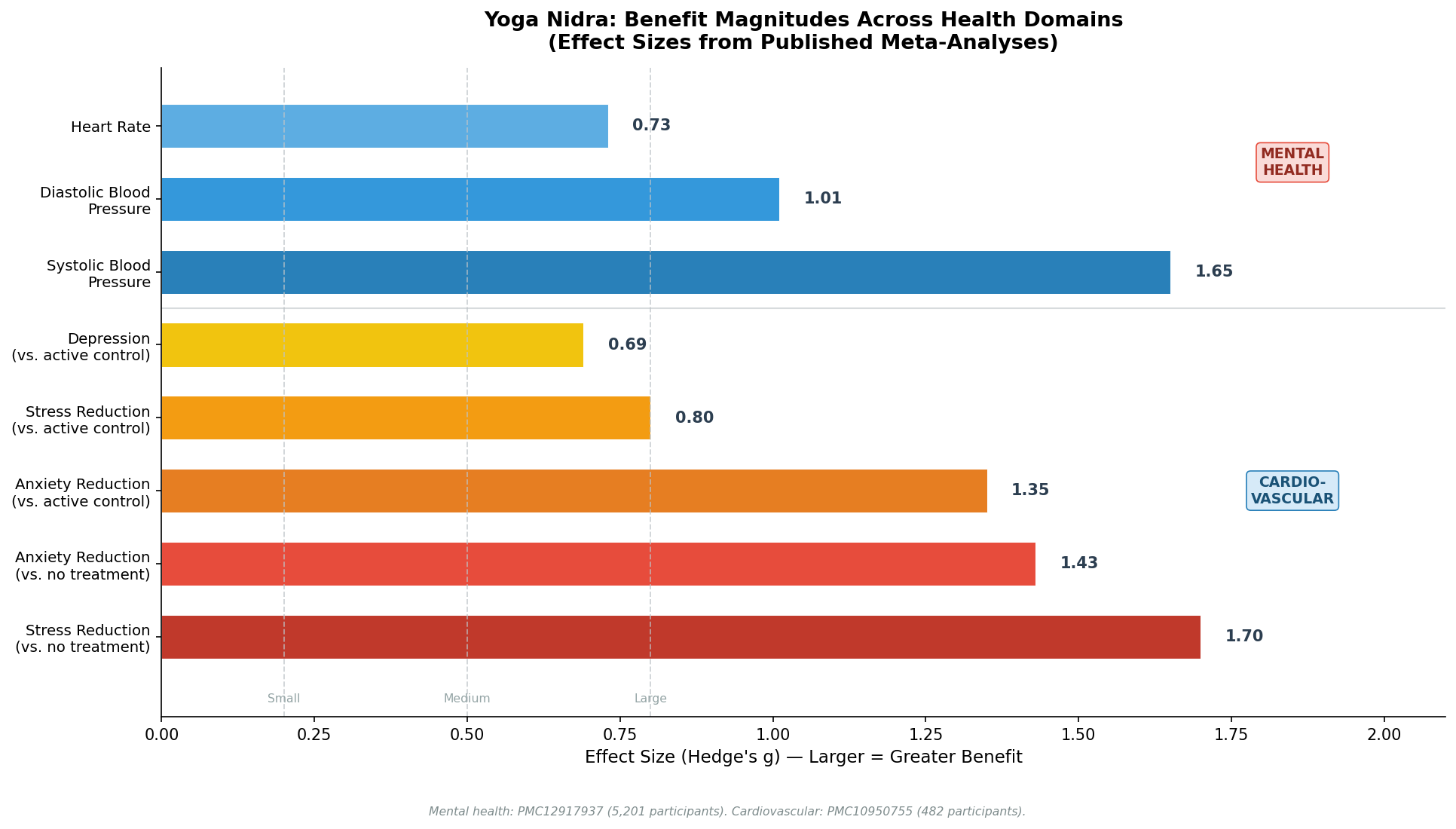 Figure 2: Measurable physiological changes during Yoga Nidra, including dopamine release, brainwave shifts, and autonomic nervous system markers. Data compiled from PubMed-indexed studies.
The Seven Stages of a Session
Every standard Yoga Nidra session follows the same structured sequence. Understanding what each stage does helps explain why the practice produces the effects it does.
- Preparation: You settle into a comfortable lying position, close your eyes, and allow external distractions to recede
- Sankalpa (Setting an Intention): You mentally affirm a short, positive personal resolve. Research suggests that intentions formed during this stage may benefit from the heightened neural receptivity that follows, potentially reinforcing neuroplastic change during the theta-wave state
- Rotation of Consciousness: Guided attention moves systematically through each body part in a fixed sequence, following the brain's sensory map. This is the most physiologically active phase and the one most associated with the distinctive delta-wave signature described above
- Breath Awareness: Passive observation of breathing without attempting to alter it
- Pairs of Opposites: The instructor guides awareness through contrasting sensations (warmth and cold, heaviness and lightness). This deepens the hypnagogic state
- Visualisation: Rapid imagery sequences engage deeper subconscious layers
- Closure and Return: The intention is repeated once more in the now deeply receptive state, followed by a gradual guided return to full waking awareness
A typical session runs 20 to 45 minutes. Studies have also tested shorter 11-minute formats with measurable effects.
What the Research Shows: Proven Benefits
Stress and Anxiety
The evidence here is among the strongest for any non-pharmacological intervention. In a 2026 meta-analysis of 73 studies and 5,201 participants, the effect size for stress reduction was Hedge's g = -1.70 compared to no-comparator groups. That is classified as a very large effect in psychological research, comparable to or exceeding many pharmaceutical and psychotherapy interventions. For anxiety specifically, the effect size was -1.35, again placing it in the large-to-very-large range.
In an online randomised controlled trial, even an 11-minute session significantly reduced salivary cortisol, the biological marker of acute stress. Benefits for anxiety and stress appear within four to eight weeks of regular practice.
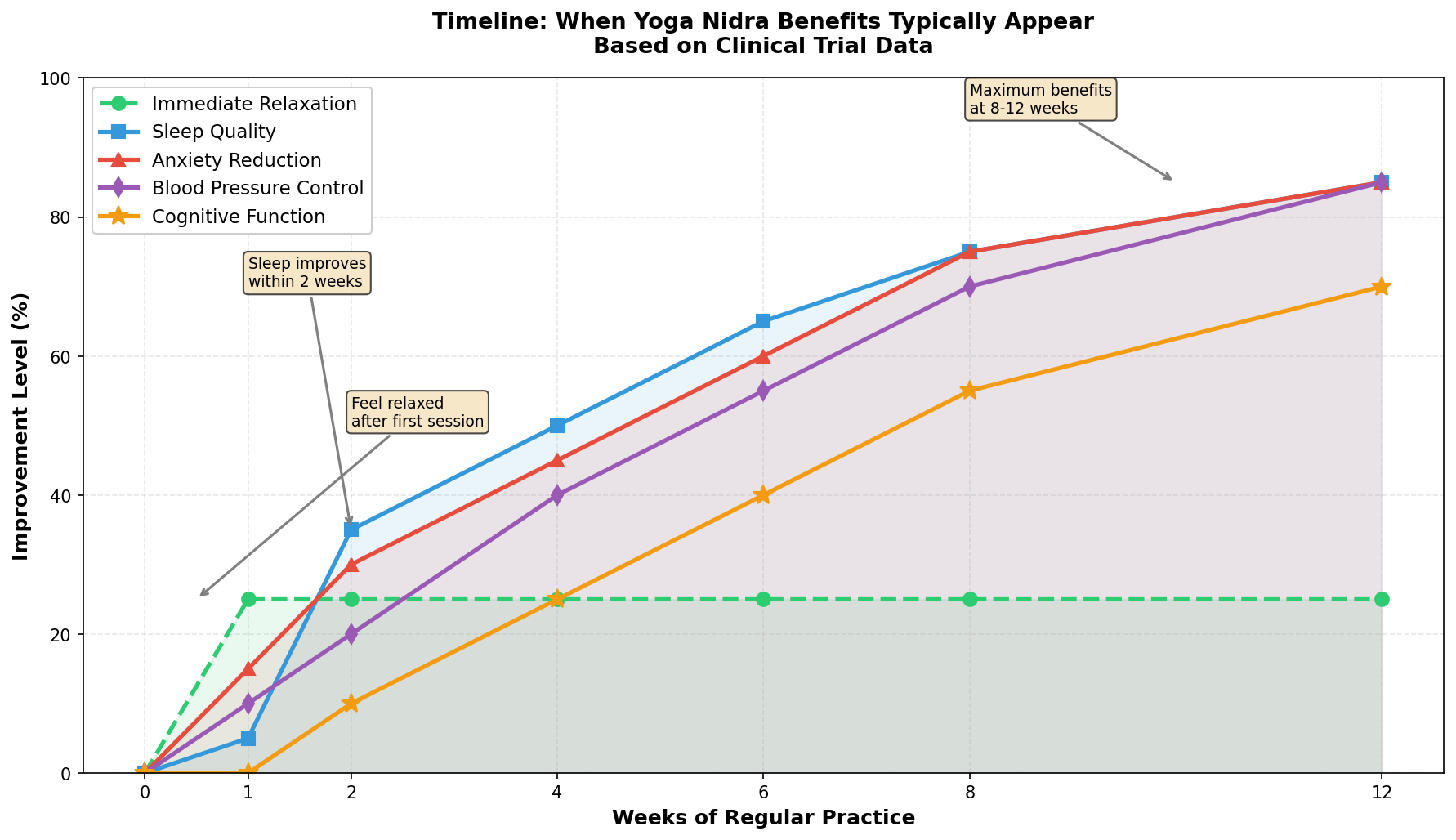 Figure 3: Effect sizes (Hedge's g) for stress, anxiety, and depression from a meta-analysis of 73 studies and 5,201 participants. Larger negative values indicate greater improvement over comparator groups.
Sleep and Insomnia
Yoga Nidra affects sleep in measurable, objective ways, not just subjective impressions. A randomised controlled trial in people with chronic insomnia found significant improvements in sleep duration, sleep efficiency, wake time after sleep onset, and the proportion of time spent in N3 (deep, slow-wave) sleep. Cortisol was also significantly reduced (p = 0.041), which may partly explain the improved sleep architecture.
In a separate study with frontline healthcare workers during the COVID-19 pandemic, Insomnia Severity Index scores dropped from 6.10 to 3.03 in the Yoga Nidra group (p < 0.001). The music relaxation control group showed no significant change.
A systematic review of six randomised controlled trials confirmed that Yoga Nidra consistently improves sleep onset latency, total sleep time, and sleep efficiency. Improvements have been documented after as little as two weeks of practice.
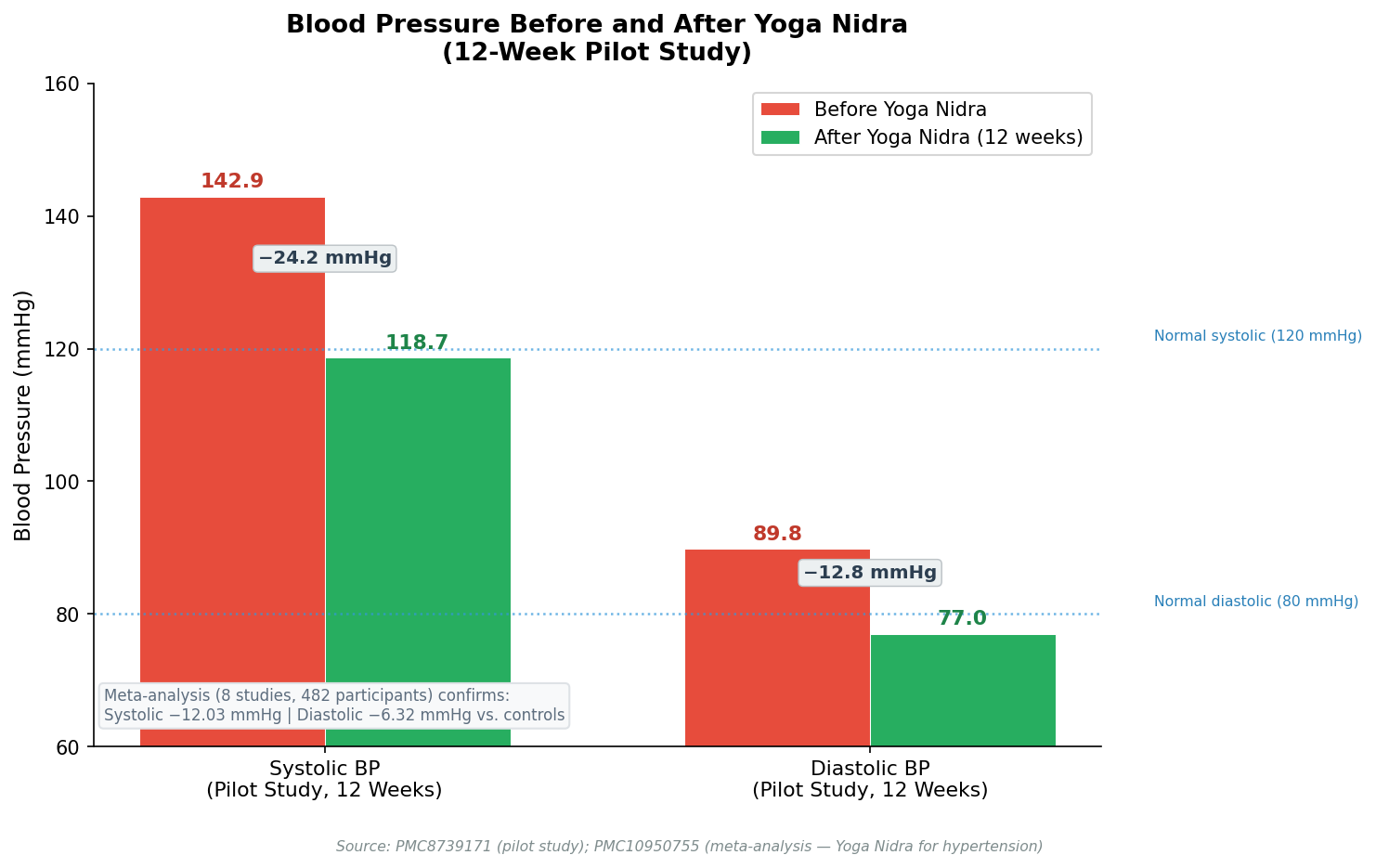 Figure 4: Comparison of sleep quality and depression scores between Yoga Nidra groups and control groups across reviewed studies. Data from PubMed-indexed randomised controlled trials.
Blood Pressure and Heart Health
For people with hypertension, the cardiovascular case for Yoga Nidra is compelling. A systematic review and meta-analysis of eight studies (482 participants) found that Yoga Nidra reduced systolic blood pressure by an average of 12.03 mmHg and diastolic blood pressure by 6.32 mmHg compared to controls.
To contextualise that: a sustained 12 mmHg reduction in systolic blood pressure is associated with a 20 to 25% reduction in the risk of major cardiovascular events, a magnitude comparable to the effect of low-dose antihypertensive medication. Researchers in the field describe Yoga Nidra as "safe, inexpensive, and effective as an adjuvant to pharmacological therapy" for hypertension. Crucially, anyone already taking blood pressure medication who adopts Yoga Nidra should monitor their blood pressure and consult their doctor, as medication doses may need to be adjusted.
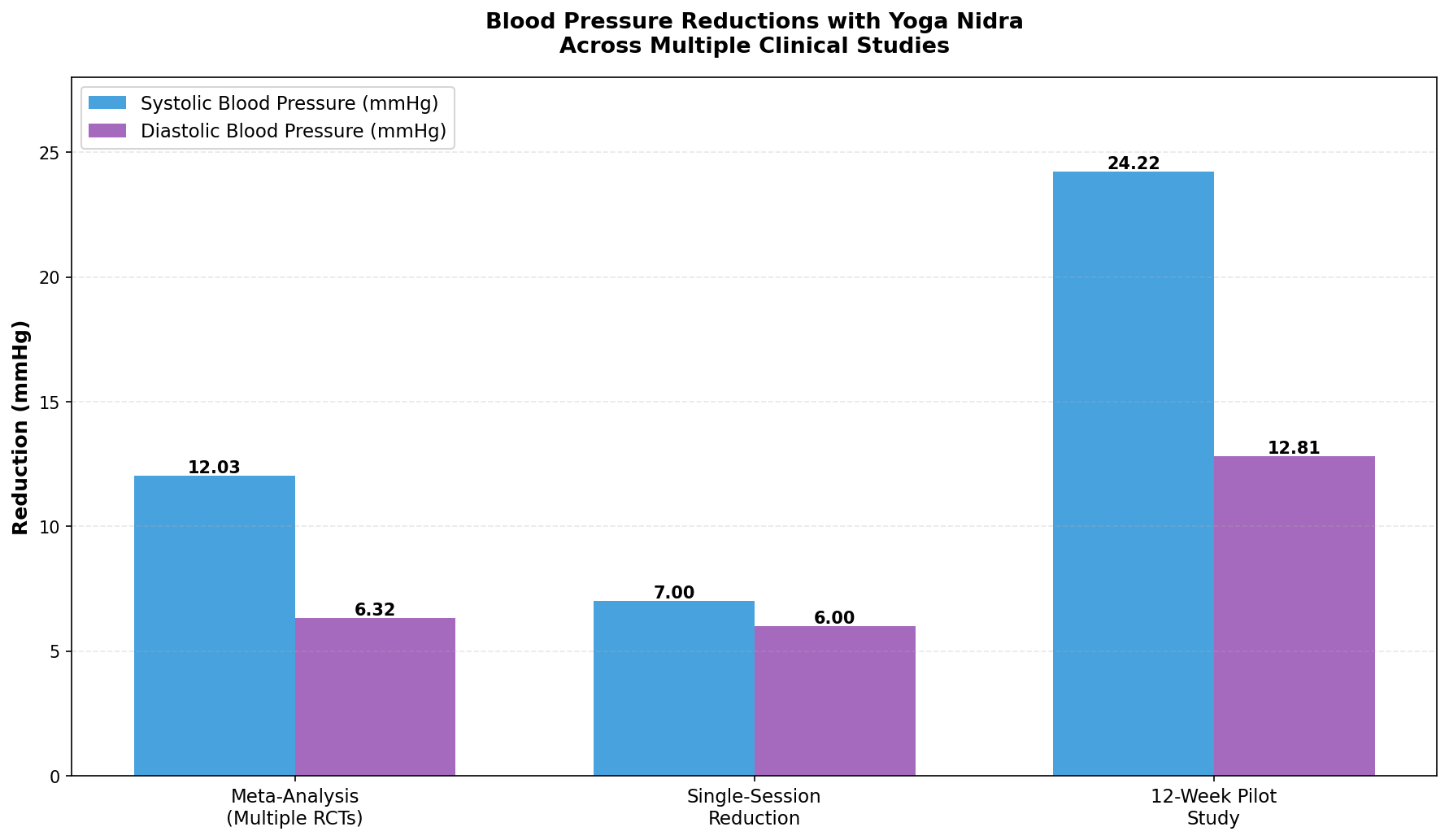 Figure 5: Systolic and diastolic blood pressure before and after Yoga Nidra interventions, from the hypertension meta-analysis (8 studies, 482 participants).
Depression
The meta-analytic effect size for depression was Hedge's g = -0.69, indicating a medium effect. In the COVID-19 healthcare worker trial, PHQ-9 depression scores fell 41.5%, from 5.17 to 3.03, significantly outperforming music relaxation controls (p = 0.002). Even short daily sessions of 11 to 30 minutes reliably reduce depressive symptoms within four to eight weeks.
Benefits Across Health Conditions
Research extends well beyond the "healthy but stressed" population.
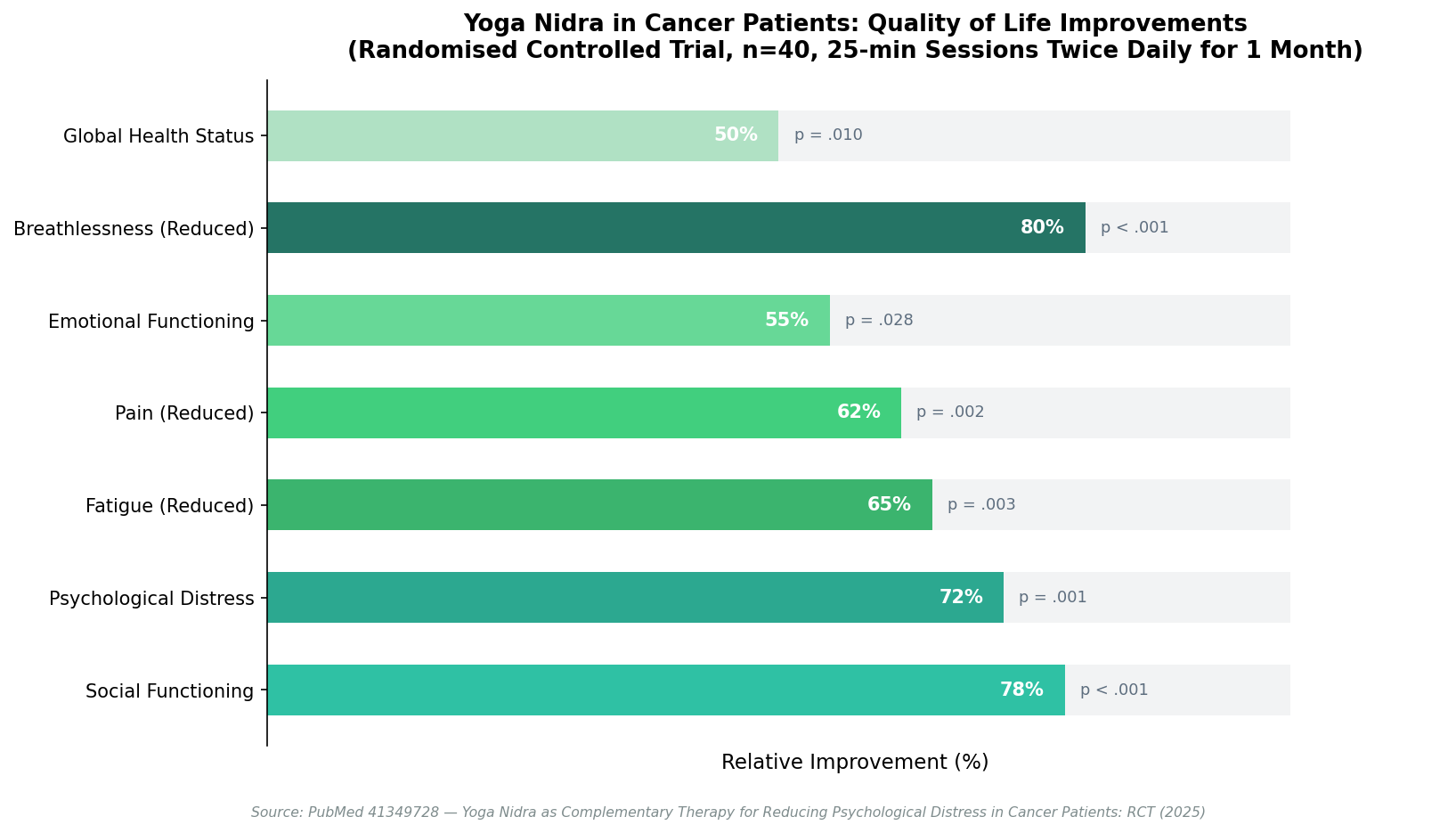 Figure 6: Summary of benefit magnitudes across all major clinical domains studied. Effect sizes and mean differences compiled from peer-reviewed meta-analyses and RCTs.
Cancer Patients
A 2025 randomised controlled trial enrolled 40 cancer patients aged 25 to 55 for 25-minute Yoga Nidra sessions twice daily, five days a week, for one month. Compared to the control group, participants showed significant improvements in psychological distress (p = 0.001), global health (p = 0.010), emotional functioning (p = 0.028), and social functioning (p < 0.001). Fatigue, pain, and breathlessness also decreased significantly. Yoga Nidra is described in the literature as "particularly efficacious" for patients undergoing chemotherapy or radiotherapy, precisely because it requires no physical effort whatsoever
 Figure 7: Quality of life domain scores for cancer patients before and after Yoga Nidra intervention. Data from a 2025 RCT (n=40). Higher scores indicate better functioning; lower scores indicate reduced symptom burden.
Veterans and PTSD
The iRest (Integrative Restoration) protocol is a clinically adapted, trauma-informed version of Yoga Nidra developed specifically for Western healthcare settings. It has been studied in multiple veteran populations. In an eight-week programme with 16 male combat veterans (Vietnam and Iraq), all 11 who completed the course reported reduced rage, anxiety, and emotional reactivity, alongside increased relaxation, peace, and self-awareness. A parallel study with 15 female veterans who had experienced military sexual trauma found significant decreases in PTSD symptom clusters and negative self-blame.
What makes iRest notable for this population is what it does not require. Participants do not need to recount or relive their trauma. The practice builds internal safety and observation capacity gradually, which may explain its high acceptability among veterans who have found conventional talk therapy difficult.
Women's Health
Yoga Nidra has shown specific benefits in women's hormonal and reproductive health. A six-month randomised controlled trial in 150 women with menstrual irregularities found significant improvements in anxiety, depression, well-being, and hormonal profiles. In postmenopausal women, regular practice reduced anxiety, improved sleep quality, and reduced early-morning waking pain. The practice has been studied across conditions, including dysmenorrhoea, oligomenorrhoea, and menorrhagia.
Cognitive Function
A study in yoga-naive adults found that even a single session of Yoga Nidra improved reaction times, accuracy on visual memory tasks, abstract reasoning, and working memory performance. Emotion recognition also improved. These findings are preliminary but suggest the practice may offer an accessible way to temporarily sharpen cognitive performance, particularly for people experiencing mental fatigue from poor sleep or chronic stress.
How to Start Practising
The practical barrier to Yoga Nidra is extremely low. Here is what research-based practice looks like.
What you need:
- A quiet space where you will not be disturbed
- A comfortable flat surface (mat, bed, floor with blanket, or recliner chair)
- A guide: an instructor in person, an audio recording, or an app
- Approximately 20 to 30 minutes
How often: Studies showing benefits have used three to five sessions per week. Daily practice is also supported by the evidence. Even three sessions per week appear sufficient for meaningful effects on sleep and anxiety.
How long before results: Sleep improvements have been documented after two weeks. Anxiety and stress benefits typically emerge after four to eight weeks of consistent practice.
Format options: In-person classes, pre-recorded audio (several clinical trials have used 30-minute MP3 files), online delivery, and smartphone-guided sessions have all been tested in research settings. Home practice is well-established as effective.
For beginners: Falling asleep during early sessions is very common and not harmful. If it keeps happening, try practising at a less fatigued time of day, or with a slightly elevated pillow. The goal is to stay gently aware, but perfect execution is not required.
Safety and Who Should Take Extra Care
Yoga Nidra has an excellent general safety record. No serious adverse events have been reported in any published clinical trial. It is routinely described as "well-tolerated," "non-invasive," and suitable as an adjunct to standard medical care.
That said, there are specific situations requiring extra care.
Trauma history: This is the most important caution. Yoga Nidra involves deep internal awareness and guided imagery, which can, if delivered carelessly, trigger flashbacks, emotional flooding, or dissociation in people with a history of trauma. If you have experienced PTSD, abuse, or severe psychological trauma, seek a qualified, trauma-informed instructor rather than simply downloading a generic recording. The iRest protocol was designed specifically to address this. A trained iRest facilitator will adjust the practice to maintain a sense of safety and personal autonomy throughout.
Psychiatric conditions: People with active psychosis, severe bipolar disorder, or dissociative disorders should consult a mental health professional before beginning. Most clinical studies excluded participants with these conditions.
Blood pressure medication: If you are taking antihypertensive medication, the meaningful blood pressure reductions documented in research mean your doctor may need to review your doses. This is a positive problem, but an important one to manage. Do not reduce medication independently.
Physical adaptations: For people who cannot lie flat due to back pain or other physical conditions, practising with elevated knees, on a side, or in a recliner chair is entirely acceptable. No specific posture is required.
Pregnancy: Yoga Nidra has not been studied as a specific contraindication in pregnancy. Medical guidance is recommended.
Why It Matters
Yoga Nidra sits at an unusual intersection: it is ancient in origin, clinically tested in modern healthcare, free or very cheap to access, and requires nothing physically demanding of the person doing it. Its effects are not confined to feeling calmer after a session. The documented changes in cortisol, blood pressure, dopamine, and brainwave patterns indicate real physiological remodelling with continued practice.
For people managing chronic stress, poor sleep, anxiety, hypertension, or recovering from illness, it represents a meaningful addition to standard care that comes with almost no downside and a growing volume of peer-reviewed evidence behind it.
The practice will not replace medication, therapy, or evidence-based treatments for serious conditions. What it offers is something more modest and more useful: a genuinely restorative technique that almost anyone can learn, practise alone, and benefit from, backed by the largest and most rigorous body of evidence it has ever had.
Further Reading
Getting Started with Practice
- MedlinePlus: Relaxation Techniques
- Mayo Clinic: Meditation and Relaxation Techniques
- Cleveland Clinic: What Is Yoga Nidra?
Sleep and Insomnia
Stress, Anxiety, and Mental Health
- NIMH: Anxiety Disorders
- NIMH: Caring for Your Mental Health
- APA: Stress and Health
- NHS: Every Mind Matters
PTSD and Trauma
Cardiovascular Health and Hypertension
- NHS: High Blood Pressure (Hypertension)
- American Heart Association: Managing Blood Pressure
- NIH: NHLBI High Blood Pressure
Cancer Support and Complementary Therapies
- National Cancer Institute: Complementary and Alternative Medicine
- NHS: Cancer and Complementary Therapies
Clinical Trials and Research
References/Helpful Resources
- Moszeik EN, Rohleder N, Renner K. The Effects of an Online Yoga Nidra Meditation on Subjective Well‐Being and Diurnal Salivary Cortisol: A Randomised Controlled Trial. Stress Health. 2025 Jun;41(3):e70049. doi:10.1002/smi.70049 PubMed PMID: 40373021; PubMed Central PMCID: PMC12080877. Available from: https://pmc.ncbi.nlm.nih.gov/articles/PMC12080877/
- Ghai S, Odyniec P, Ghai I. Effects of Yoga Nidra on Stress, Anxiety, and Depression: A Systematic Review and Meta‐Analysis. Ann N Y Acad Sci. 2026 Feb;1556(1):e70149. doi:10.1111/nyas.70149 PubMed PMID: 41327816; PubMed Central PMCID: PMC12917937. Available from: https://pmc.ncbi.nlm.nih.gov/articles/PMC12917937/
- Nayak K, Verma K. Yoga-Nidra as a mental health booster: A narrative review. J Ayurveda Integr Med. 2023;14(6):100842. doi:10.1016/j.jaim.2023.100842 PubMed PMID: 38056373; PubMed Central PMCID: PMC10714319. Available from: https://pmc.ncbi.nlm.nih.gov/articles/PMC10714319/
- Pandi-Perumal SR, Spence DW, Srivastava N, Kanchibhotla D, Kumar K, Sharma GS, et al. The Origin and Clinical Relevance of Yoga Nidra. Sleep Vigil. 2022;6(1):61–84. doi:10.1007/s41782-022-00202-7 PubMed PMID: 35496325; PubMed Central PMCID: PMC9033521. Available from: https://pmc.ncbi.nlm.nih.gov/articles/PMC9033521/
- Datta K, Tripathi M, Verma M, Masiwal D, Mallick HN. Yoga nidra practice shows improvement in sleep in patients with chronic insomnia: A randomised controlled trial. Natl Med J India. 2021;34(3):143–50. doi:10.25259/NMJI_63_19 PubMed PMID: 34825538. Available from: https://pubmed.ncbi.nlm.nih.gov/34825538/
- Dutta A, Mooventhan A, Nivethitha L, Dharani E. Efficacy of Yoga Nidra in Managing Sleep Disorders: A Systematic Review of Randomised Controlled Trials. J Integr Complement Med. 2026 Mar;32(3):235–41. doi:10.1177/27683605251390728 PubMed PMID: 41144325. Available from: https://pubmed.ncbi.nlm.nih.gov/41144325/
- Datta K, Mallick HN, Tripathi M, Ahuja N, Deepak KK. Electrophysiological Evidence of Local Sleep During Yoga Nidra Practice. Front Neurol. 2022 Jul 12;13:910794. doi:10.3389/fneur.2022.910794 PubMed PMID: 35903117; PubMed Central PMCID: PMC9315270. Available from: https://pmc.ncbi.nlm.nih.gov/articles/PMC9315270/
- Sharpe E, Lacombe A, Butler MP, Hanes D, Bradley R. A Closer Look at Yoga Nidra: Sleep Lab Protocol. Int J Yoga Therap. 2021 Jan 1;31(1):Article_20. doi:10.17761/2021-D-20-00004 PubMed PMID: 33175980; PubMed Central PMCID: PMC8932407. Available from: https://pmc.ncbi.nlm.nih.gov/articles/PMC8932407/
- Sharpe E, Butler MP, Clark-Stone J, Soltanzadeh R, Jindal R, Hanes D, et al. A Closer Look at Yoga Nidra- Early Randomised Sleep Lab Investigations. J Psychosom Res. 2023 Mar;166:111169. doi:10.1016/j.jpsychores.2023.111169 PubMed PMID: 36731199; PubMed Central PMCID: PMC9973252. Available from: https://pmc.ncbi.nlm.nih.gov/articles/PMC9973252/
- Ahuja N, Bhardwaj P, Pathania M, Sethi D, Kumar A, Parchani A, et al. Yoga Nidra for hypertension: A systematic review and meta-analysis. J Ayurveda Integr Med. 2024;15(2):100882. doi:10.1016/j.jaim.2023.100882 PubMed PMID: 38484438; PubMed Central PMCID: PMC10950755. Available from: https://pmc.ncbi.nlm.nih.gov/articles/PMC10950755/
- Amita S, Prabhakar S, Manoj I, Harminder S, Pavan T. Effect of yoga-nidra on blood glucose level in diabetic patients. Indian J Physiol Pharmacol. 2009;53(1):97–101. PubMed PMID: 19810584. Available from: https://pubmed.ncbi.nlm.nih.gov/19810584/
- Kamaraj VK, Boopalan D, Venkatachalam YK, Senthil K, Kuppusamy M. Mechanistic Insights from Neurophysiological Studies of OM Chanting, Pranayama and Yoga Nidra on Sleep Quality. Ann Neurosci. 2025 Oct 29;09727531251386644. doi:10.1177/09727531251386644 PubMed PMID: 41180163; PubMed Central PMCID: PMC12571781. . Available from: https://pmc.ncbi.nlm.nih.gov/articles/PMC12571781/
- Anderson R, Mammen K, Paul P, Pletch A, Pulia K. Using Yoga Nidra to Improve Stress in Psychiatric Nurses in a Pilot Study. J Altern Complement Med. 2017 Jun;23(6):494–5. doi:10.1089/acm.2017.0046 PubMed PMID: 28530462. Available from: https://pubmed.ncbi.nlm.nih.gov/28530462/
- Rani K, Tiwari SC, Singh U, Agrawal GG, Srivastava N. Six-month trial of Yoga Nidra in menstrual disorder patients: Effects on somatoform symptoms. Ind Psychiatry J. 2011 Jul;20(2):97–102. doi:10.4103/0972-6748.102489 PubMed PMID: 23271863; PubMed Central PMCID: PMC3530296. Available from: https://pubmed.ncbi.nlm.nih.gov/23271863/
- Rani M, Singh U, Agrawal GG, Natu SM, Kala S, Ghildiyal A, et al. Impact of Yoga Nidra on menstrual abnormalities in females of reproductive age. J Altern Complement Med. 2013 Dec;19(12):925–9. doi:10.1089/acm.2010.0676 PubMed PMID: 23647406. Available from: https://pubmed.ncbi.nlm.nih.gov/23647406/
- Gulia KK, Sreedharan SE. Yoga Nidra, a Nonpharmacological Technique in Management of Insomnia and Overall Health in Postmenopausal Women. Sleep Med Clin. 2023 Dec;18(4):463–71. doi:10.1016/j.jsmc.2023.06.007 PubMed PMID: 38501518. Available from: https://pubmed.ncbi.nlm.nih.gov/38501518/
- Gunjiganvi M, Rai S, Awale R, Mishra P, Gupta D, Gurjar M. Efficacy of Yoga Nidra on Depression, Anxiety, and Insomnia in Frontline COVID-19 Healthcare Workers: A Pilot Randomised Controlled Trial. Int J Yoga Therap. 2023 Jan 1;33(2023):Article 3. doi:10.17761/2023-D-22-00011 PubMed PMID: 37327384. Available from: https://pubmed.ncbi.nlm.nih.gov/37327384/
- Baruah M, Poovamma CU, Narayanan P, Harish P, Keshav R, Babu N, et al. Yoga-Nidra as a complementary therapy for reducing psychological distress and enhancing quality of life in cancer patients: A randomised controlled trial. Complement Ther Med. 2026 Mar;96:103313. doi:10.1016/j.ctim.2025.103313 PubMed PMID: 41349728. Available from: https://pubmed.ncbi.nlm.nih.gov/41349728/
- Nuzhath FJ, Patil NJ, Sheela SR, Manjunath GN. A Randomised Controlled Trial on Pranayama and Yoga Nidra for Anxiety and Depression in Patients With Cervical Cancer Undergoing Standard of Care. Cureus. 16(3):e55871. doi:10.7759/cureus.55871 PubMed PMID: 38595893; PubMed Central PMCID: PMC11002714. Available from: https://pmc.ncbi.nlm.nih.gov/articles/PMC11002714/
- Stankovic, L. Transforming trauma: a qualitative feasibility study of integrative restoration (iRest) yoga Nidra on combat-related post-traumatic stress disorder. Int J Yoga Therap. 2011;(21):23–37. PubMed PMID: 22398342. Available from: https://pubmed.ncbi.nlm.nih.gov/22398342/
- Pence PG, Katz LS, Huffman C, Cojucar G. Delivering Integrative Restoration-Yoga Nidra Meditation (iRest®) to Women with Sexual Trauma at a Veteran’s Medical Centre: A Pilot Study. Int J Yoga Therap. 2014;24:53–62. PubMed PMID: 25858651. Available from: https://pubmed.ncbi.nlm.nih.gov/25858651/
- Livingston E, Collette-Merrill K. Effectiveness of Integrative Restoration (iRest) Yoga Nidra on Mindfulness, Sleep, and Pain in Health Care Workers. Holist Nurs Pract. 2018;32(3):160–6. doi:10.1097/HNP.0000000000000266 PubMed PMID: 29642130. Available from: https://pubmed.ncbi.nlm.nih.gov/29642130/
- Datta K, Bhutambare A, V. L. M, Narawa Y, Srinath R, Kanitkar M. Improved sleep, cognitive processing and enhanced learning and memory task accuracy with Yoga nidra practice in novices. PLoS One. 2023 Dec 13;18(12):e0294678. doi:10.1371/journal.pone.0294678 PubMed PMID: 38091317; PubMed Central PMCID: PMC10718434. Available from: https://pmc.ncbi.nlm.nih.gov/articles/PMC10718434/
- Fialoke S, Tripathi V, Thakral S, Dhawan A, Majahan V, Garg R. Functional connectivity changes in meditators and novices during yoga nidra practice. Sci Rep. 2024 Jun 5;14:12957. doi:10.1038/s41598-024-63765-7 PubMed PMID: 38839877; PubMed Central PMCID: PMC11153538. Available from: https://pmc.ncbi.nlm.nih.gov/articles/PMC11153538/
- Zaccaro A, Riehl A, Piarulli A, Alfì G, Neri B, Menicucci D, et al. The Consciousness State of Traditional Nidrâ Yoga/Modern Yoga Nidra: Phenomenological Characterisation and Preliminary Insights from an EEG Study. Int J Yoga Therap. 2021 Jan 1;31(1):Article_14. doi:10.17761/2021-D-20-00014 PubMed PMID: 34727178. Available from: https://pubmed.ncbi.nlm.nih.gov/34727178/
- Antony H, Ashok A, Chouhan S, Singh R, Wakode S, Javed D. Impact of Yoga Nidra on Heart Rate Variability in Coronary Artery Disease Patients Undergoing Coronary Artery Bypass Grafting: A Comparative Study. Cureus. 17(9):e92668. doi:10.7759/cureus.92668 PubMed PMID: 41116925; PubMed Central PMCID: PMC12535617. Available from: https://pmc.ncbi.nlm.nih.gov/articles/PMC12535617/
- Cleveland Clinic. What Is Yoga Nidra? [Internet]. Cleveland Clinic; [cited 2026 Jun 04]. Available from: https://health.clevelandclinic.org/what-is-yoga-nidra
- Luu K. Key Components of Trauma-Informed Yoga Nidra. Int J Yoga Therap. 2024 Dec 1;34(2024):Article 20. doi:10.17761/2024-D-24-00021 PubMed PMID: 39690521. Available from: https://pubmed.ncbi.nlm.nih.gov/39690521/
- Ding D, Stamatakis E. Yoga practice in England 1997-2008: prevalence, temporal trends, and correlates of participation. BMC Res Notes. 2014 Mar 24;7:172. doi:10.1186/1756-0500-7-172 PubMed PMID: 24661723; PubMed Central PMCID: PMC3987846. Available from: https://www.ncbi.nlm.nih.gov/pmc/articles/PMC3987846/
- di Fronso S. Unlocking the Power of Sankalpa in Yoga Nidra Practice: Cognitive Restructuring Processes and Suggestions for Athletes’ Health. Healthcare (Basel). 2025 Aug 10;13(16):1957. doi:10.3390/healthcare13161957 PubMed PMID: 40868573; PubMed Central PMCID: PMC12386071. Available from: https://pmc.ncbi.nlm.nih.gov/articles/PMC12386071/
- Bradley R. Remotely-delivered Yoga Nidra for Decreasing Use of BZRAs for Insomnia and Anxiety in Older Adults [Clinical trial registration] [Internet]. clinicaltrials.gov; 2024 Aug [cited 2026 Jun 26]. Clinical trial registration no.: NCT06353919. Available from: https://clinicaltrials.gov/study/NCT06353919 Available from: https://clinicaltrials.gov/study/NCT06353919
