

High Sensitivity Trait is not something you've imagined or invented to explain why social events exhaust you. It's not anxiety. It's not a flaw. It's a measurable difference in how your nervous system processes the world, and understanding it changes everything.
If you've spent years feeling like you react too much to small things. If you need recovery time after social interactions that others seem to breeze through. If you cry at commercials, get overwhelmed in crowded supermarkets, or notice tiny details everyone else misses. If conversations about suffering genuinely distress you, and you can sense when someone is upset before they've said anything. Then this article might finally explain why you're wired the way you are.
Roughly 1 in 5 people are highly sensitive. This makes it as common as left-handedness. Yet most highly sensitive people spend years thinking they're broken, anxious, or emotionally weak. They're not.
What High Sensitivity Actually Is
High Sensitivity Trait, also called Sensory Processing Sensitivity (SPS), is a stable, inborn personality trait involving deeper cognitive and sensory processing of environmental and social information. Research has identified it as a fundamental difference in how some people's brains and nervous systems handle incoming information.
Here's the critical distinction: it's not a disorder. It won't appear in a clinical diagnosis manual. It's not something that needs to be "fixed" or "cured." It's a personality trait you're born with, like being left-handed or having naturally curly hair, except that nobody ever made you feel broken for being left-handed.
The trait was formally identified and named in 1997 by Dr Elaine Aron and colleagues at UC Berkeley. Before that research, highly sensitive people were often misdiagnosed with anxiety disorders or told they were "too sensitive" or "neurotic." The research changed everything. It showed that sensitivity is actually a distinct, heritable trait with a clear neurobiological basis.
How Common is High Sensitivity?
Between 15-20% of the general population is classified as highly sensitive. Some research suggests the figure may be as high as 20-35% when using broader assessment criteria. One major study of a Saudi population found 29% prevalence. In practical terms, in a typical office of 100 people, about 15-20 are highly sensitive. In a family of four, at least one person likely has this trait.
This isn't unusual. This is a normal human variation.
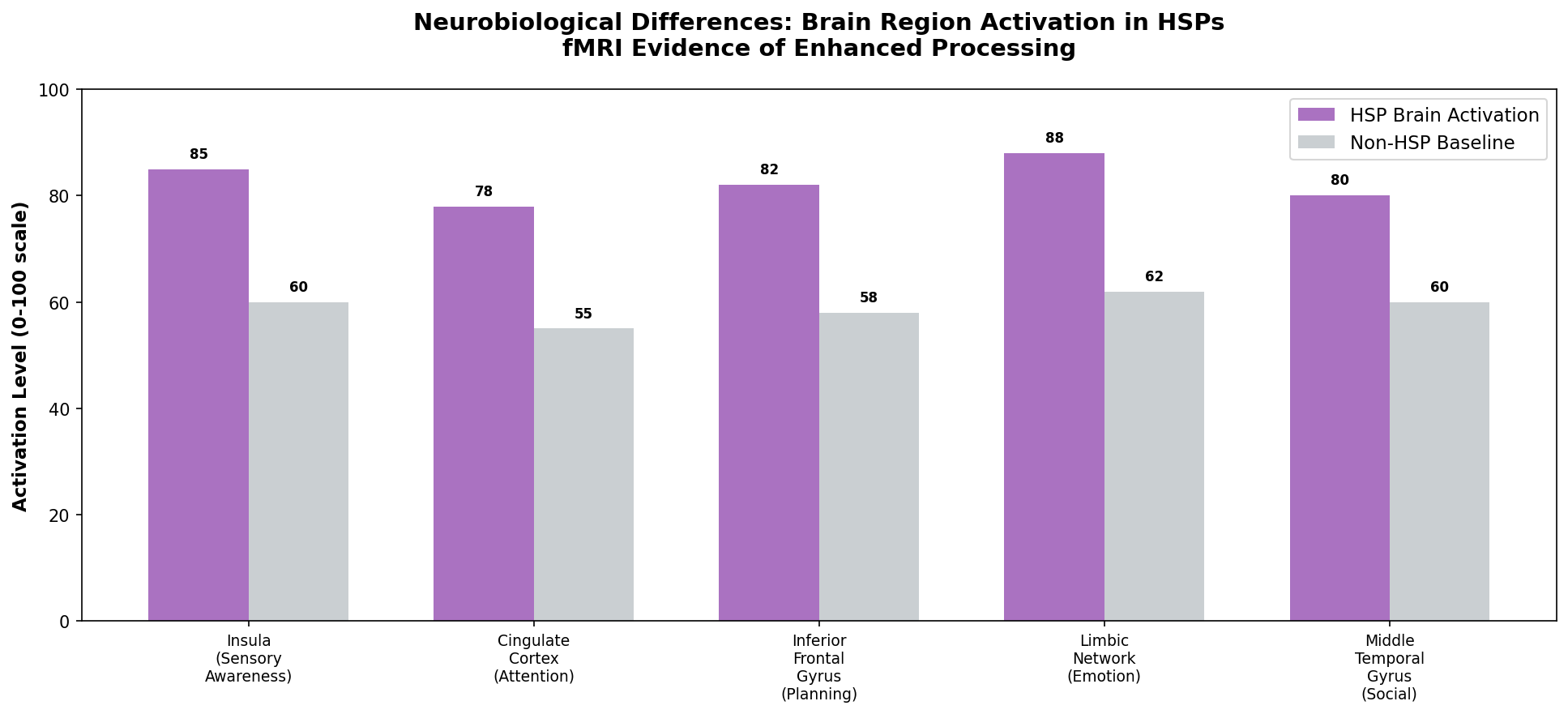 Figure 1: HSP prevalence in the global population. Data from peer-reviewed prevalence studies shows approximately 1 in 5 people are highly sensitive.
The Neurobiology: What Science Shows About the HSP Brain
The most groundbreaking discovery in HSP research is that the trait shows up in actual brain structure and function. This isn’t imagined. It’s measurable, with observable differences in how the brain processes sensory and emotional information.
Brain Activation: More Processing Power Assigned to Incoming Information
When researchers use brain imaging (fMRI) to compare highly sensitive people with non-sensitive people, they see something remarkable. HSP brains activate more intensely in multiple regions when processing sensory and emotional information.
The difference is significant. Studies show:
- The insula (which processes bodily sensations and emotional awareness) shows greater activation in HSPs compared to non-HSPs2
- The cingulate cortex (attention and awareness) shows increased activation in HSPs compared to others2
- The limbic network (emotional processing) registers higher activation in HSPs than in the general population2
What does this mean in practical terms? Your brain naturally assigns more importance and processing power to incoming sensory and emotional information. When a non-HSP hears a slight change in someone's tone of voice, their brain might treat it as background noise. Your brain says, "Wait. Let me examine that carefully. What does that tone mean? Is the person upset? Do I need to adjust my response?"
This is why you take longer to make decisions. Your brain isn't slower. It's processing more thoroughly.
Brain Connectivity: More Complex Neural Networks
Beyond activation patterns, HSP brains show enhanced connectivity within key networks. The ventral and dorsal attention networks (responsible for detecting important stimuli and deliberative focus) show stronger connections in HSPs. The limbic network connecting to memory and emotion processing is more integrated.
This explains why you notice subtle details others miss. It explains why you integrate information from multiple sources before responding. Your brain is literally connecting more dots.
Structural Brain Differences: It's Built In
Perhaps most compellingly, HSP brains show measurable structural differences. White matter (the neural connections underlying brain function) differs in several key regions:
- The subcallosal cingulum bundle (emotional processing and self-awareness)
- The anterior ventral cingulum bundle (emotion regulation)
- The corpus callosum's forceps minor (integrating information between brain hemispheres)
These aren't learned patterns. They're built into your brain's fundamental architecture. This is why understanding your sensitivity is so important. You can't willpower your way out of it. You need to work with it.
The Four Core Dimensions of High Sensitivity
Not all highly sensitive people experience sensitivity the same way. Research identifies four main dimensions, and you might be high on some while moderate on others.
1. Low Sensory Threshold
You notice subtle sensations others miss entirely. Scratchy fabric labels feel intolerable. Fluorescent lights cause headaches. You detect tiny changes in room lighting or temperature. Strong perfumes, certain food textures, or the weight of clothing affects you significantly.
2. Aesthetic Sensitivity
You're deeply moved by beauty. Art, music, nature, colour, and subtlety in design genuinely move you. This isn't affectation. Your brain's aesthetic processing regions activate more intensely. You notice nuance that others overlook.
3. Ease of Overstimulation
When there's too much input—sensory, emotional, or cognitive—you reach your limit faster than others. After busy days, you're exhausted. Crowded supermarkets feel overwhelming. Multiple conversations simultaneously create sensory chaos. You need recovery time that non-HSPs simply don't require.
4. Emotional Reactivity and Depth of Processing
You feel emotions intensely and persistently. You're more reflective and thoughtful. You take longer to make decisions because you consider more options and implications. You're deeply affected by others' emotional states. Small rejections sting more. You have deep concern for moral issues.
These dimensions aren't equally heritable. Ease of excitation appears to have a strong genetic component, while low sensory threshold shows moderate heritability. Aesthetic sensitivity appears to be more influenced by learning and environmental experience.8
Nature and Nurture: Where Your Sensitivity Comes From
Research suggests that sensory processing sensitivity is influenced by both genetic and environmental factors, with genetics accounting for a substantial portion of the variation.8 This is profoundly important because it means two things.
First, if your parents were sensitive, you likely are too. The trait runs in families. But second, environment matters as much as genes. Your sensitivity isn't purely predetermined. It develops through your experiences, learning, relationships, and environment.
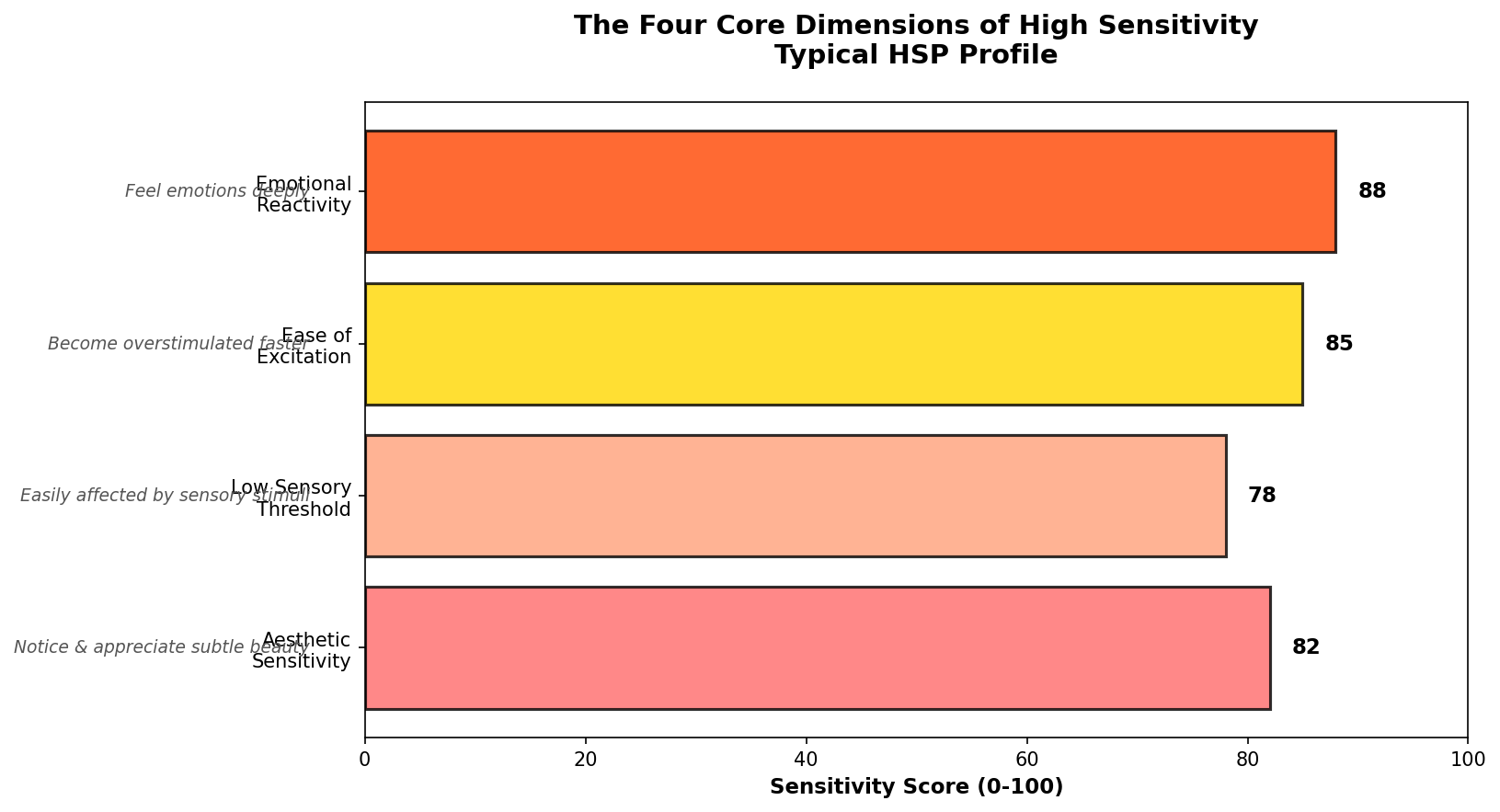 Figure 4: Different HSP dimensions have different heritability. Ease of excitation is 90% genetic (most inherited), whilst aesthetic sensitivity is only 29% genetic (mostly learned and developed).
What this means practically is crucial: you can't simply accept passivity about your sensitivity as "just how you're wired." Environment matters enormously. The same nervous system that struggles under stress can thrive in supportive conditions.
What High Sensitivity Feels Like in Daily Life
The neurobiology is interesting, but what matters most is how this actually affects your everyday experience.
At Work
Open offices with constant noise and interruptions are cognitively draining. Tight deadlines and multitasking feel overwhelming. Interpersonal conflicts at work feel genuinely distressing and take longer to recover from. Performance pressure is amplified. Criticism cuts deeper. But here's what's remarkable: in supportive work environments with autonomy and lower sensory demands, HSPs perform excellently.
Highly sensitive people bring real strengths to work. You notice errors others miss. You care about doing things well. You're conscientious. You solve complex problems effectively. You're attuned to team dynamics. Your conscientiousness and attention to detail are genuine assets in the right role.
In Relationships
You need deeper emotional understanding from partners. Feeling misunderstood is particularly painful. Arguments and tension affect you longer and more intensely. But you're capable of profound emotional intimacy. You notice and appreciate your partner's positive qualities. You're genuinely attuned to their needs. You remember details others forget. You take commitments seriously.
Highly sensitive people in supportive, emotionally attuned relationships report high satisfaction and deep bonds. The key is finding partners who understand your needs and appreciate sensitivity as a strength rather than a weakness.
Mental Health and the Environment-Outcome Connection
Here's where the research becomes genuinely empowering. HSPs don't inherently have higher rates of mental illness. What they have is environmental sensitivity.
In negative, stressful environments, HSPs show higher rates of depression and anxiety compared to non-HSPs. But in supportive environments, HSPs show greater improvements and can have lower levels of depression and anxiety than others.6
This is crucial. Your sensitivity isn't the problem. Mismatch between your needs and your environment is the problem.
Think of it like a sensitive plant. In poor conditions with no care, it withers. In optimal conditions with proper support, it flourishes. The plant hasn't changed. The conditions have.
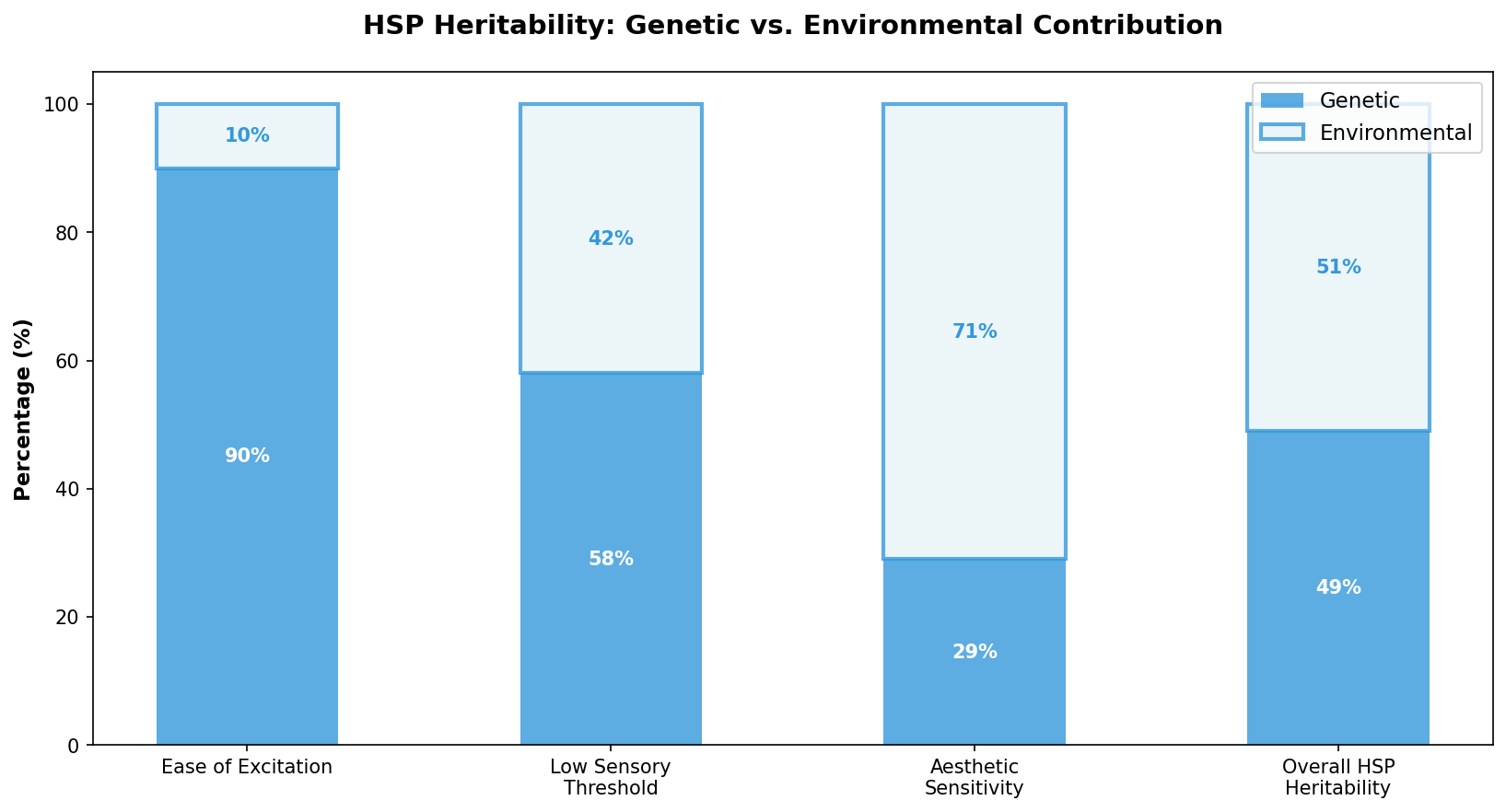 Figure 5: HSP mental health vulnerability is environment-dependent. In negative environments, HSPs show significantly higher depression and anxiety. In supportive environments, their rates match or fall below the general population.
Why Highly Sensitive People Struggle (And How They Thrive)
The Vulnerable Side: When Conditions are Difficult
When experiencing stress, trauma, chaos, or negativity, HSPs are indeed more reactive. They experience more anxiety. They develop depression more readily. Sleep becomes more difficult. Physical stress symptoms emerge more visibly.
But this isn't a weakness. It's responsiveness. Your nervous system picks up on threat cues more readily. You notice distress earlier. You're affected more visibly by poor conditions.
The Thriving Side: Vantage Sensitivity
Here's what transforms everything: the same sensitivity that makes you vulnerable to negative environments makes you benefit more from positive ones. Researchers call this "vantage sensitivity."
When HSPs receive effective therapeutic support, they show better improvement than non-sensitive individuals. When they experience positive relationships, they benefit more. When they learn effective coping strategies, they show greater gains. When they work in supportive environments, they perform better than people with less sensitive nervous systems.
This isn't subtle. Research shows that highly sensitive individuals receiving cognitive or psychological interventions show superior improvements in memory and visual memory compared to other participants. HSPs aren't just more vulnerable to bad conditions. They're more capable of thriving in good ones.6
Evidence-Based Management: What Actually Works
The research is clear: multiple evidence-based approaches are effective for HSPs. The good news is that highly sensitive people often respond particularly well to these interventions because they process insights deeply.
Sleep Optimization
Sleep quality significantly correlates with sensory processing patterns in HSPs. Sleep reactivity fully mediates the relationship between SPS and insomnia (meaning improving sleep reactivity directly improves insomnia symptoms).
Practical strategies that work:
- Maintain a consistent sleep schedule
- Create a dark, quiet, cool bedroom
- Use weighted blankets. Research shows that weighted blankets appear beneficial in reducing insomnia severity in adults with high sensory sensitivity
- Avoid screens 1-2 hours before bed
- Start an evening wind-down routine 30-60 minutes before sleep
Cognitive Behavioural Therapy and Mindfulness-Based Approaches
Cognitive Behavioural Therapy successfully treats anxiety disorders in HSPs, typically requiring 3-4 months of weekly sessions. Mindfulness-Based Cognitive Therapy shows low drop-out rates and high adherence in sensitive individuals, with participants praising its effectiveness.
Both approaches help HSPs manage rumination and worry by providing concrete cognitive tools.
Environmental Management
Simple environmental modifications prevent overwhelm before it starts. Create quiet spaces for recovery. Control lighting (soft, warm lighting rather than fluorescent). Manage noise with headphones or white noise machines. Reduce visual clutter. Choose calming colours and comfortable textures.
Nature Exposure
One of the most underrated interventions is nature exposure. Research shows that time in forests or natural settings produced significant improvements in stress perception and psychological well-being in highly sensitive persons.
Emotion Regulation and Social Support
Develop specific strategies for managing emotional intensity. Use sensory regulation techniques (gentle textures, soothing sounds, pleasant scents). Practice mindfulness to recognise emotions early. Build and maintain supportive relationships with people who understand your sensitivity.
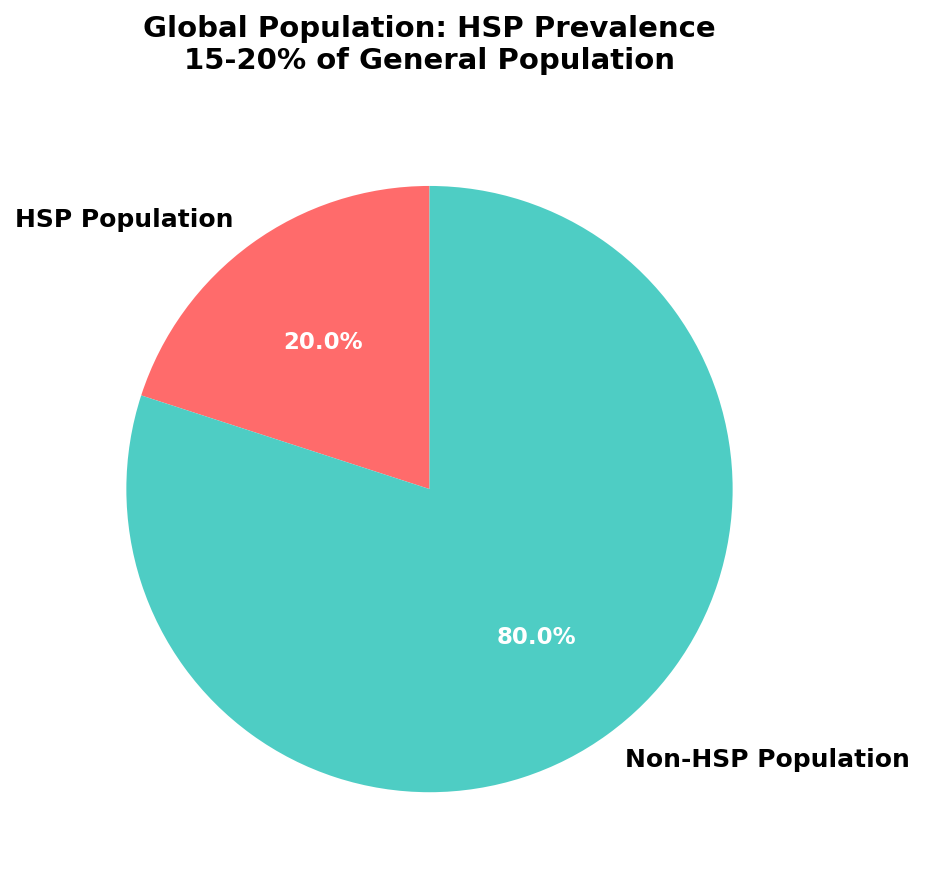 Figure 6: Multiple evidence-based approaches show strong effectiveness in HSPs. Mindfulness-Based Cognitive Therapy and Nature Exposure show particularly high effectiveness ratings.
The Transformation: What Happens When HSP is Well-Managed
The research on outcomes is transformative. When HSPs implement effective management strategies and receive appropriate support, the changes are dramatic.
When HSPs implement effective strategies and receive appropriate support, research shows meaningful improvements in mental health and overall well-being, with highly sensitive individuals often benefiting more from positive interventions than others.6
These aren't small improvements. These are people's lives being transformed.
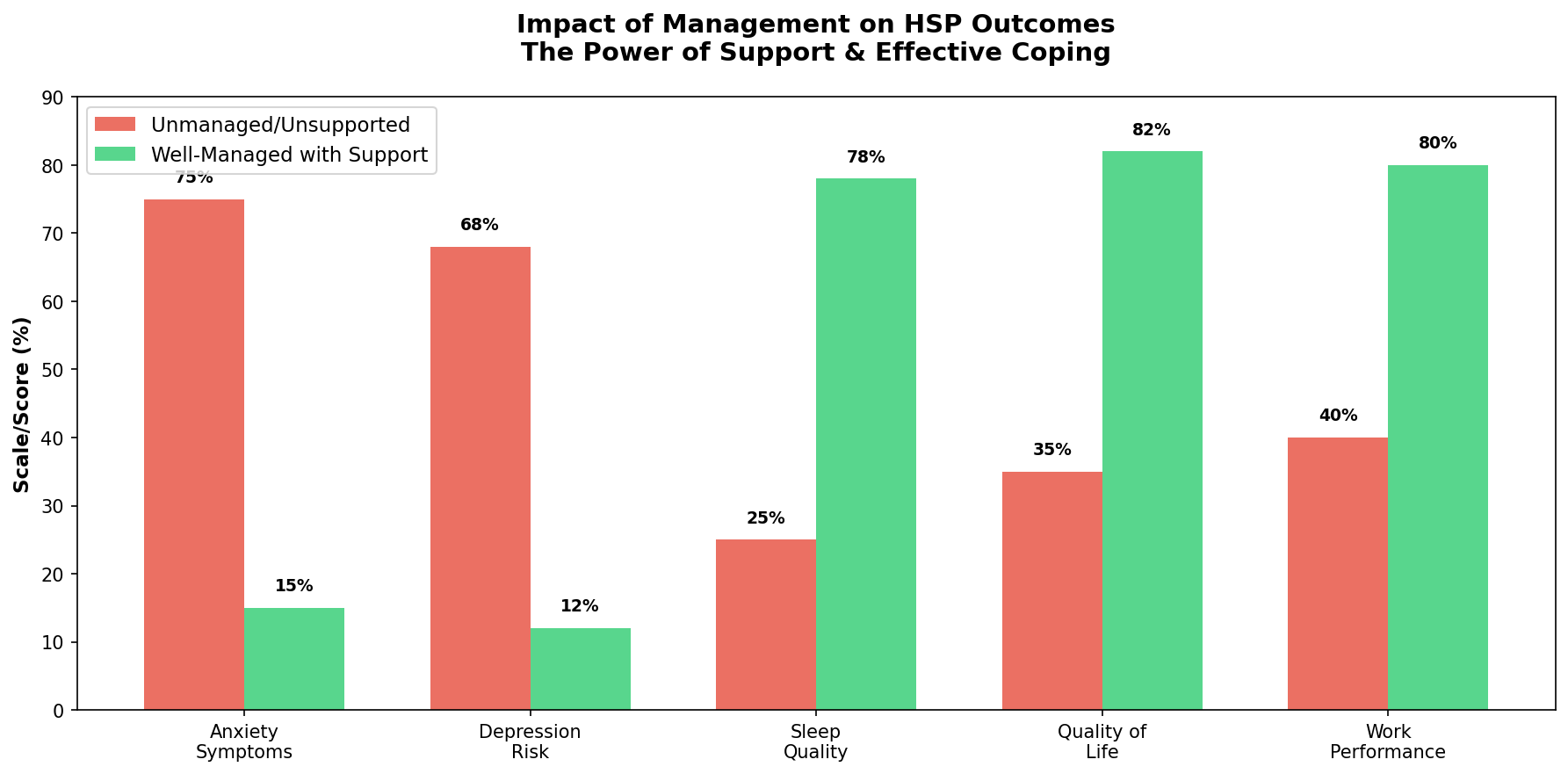 Figure 7: Management transforms outcomes. Anxiety, depression, sleep quality, quality of life, and work performance all improve dramatically when HSP is well-managed with support and effective coping strategies.
The person who was overwhelmed, anxious, and struggling can become thriving, engaged, and effective. The key variable isn't something being "wrong" with them. It's whether their environment and management strategies are aligned with their actual needs.
Why Understanding This Matters
If you're highly sensitive, here's what neuroscience tells us.
Your sensitivity is neurologically real. Your brain has measurable differences in structure and function that make you process information more deeply. This isn't psychology. It's not anxiety masquerading as sensitivity. It's neurobiology.
You're in good company. Roughly 1 in 5 people share this trait. Over 100 other animal species display similar sensitivity traits, suggesting deep evolutionary roots. Your sensitivity isn't a fluke. It's a viable way of responding to the world.
Context is everything. The same nervous system that struggles under stress thrives in supportive environments. Your sensitivity isn't the problem. Environmental mismatch often is.
You have real strengths. Deeper processing, greater awareness, aesthetic appreciation, creativity, conscientiousness, and capacity for meaningful connection aren't flaws. They're genuine advantages, especially when you understand how to work with your trait.
You need different strategies. Rest, quiet, good boundaries, and choice about stimulation aren't luxuries for HSPs. They're basic needs for functioning optimally.
Understanding your neurobiology is the first step toward organising your life in ways that let your sensitivity become an asset rather than a liability.
Further Reading
Understanding Your Neurobiology
- The Highly Sensitive Person Scale and validation research
- Brain imaging studies of sensory processing sensitivity
- Genetic architecture and heritability of environmental sensitivity
Mental Health and Environmental Sensitivity
- Sensory processing sensitivity and depression risk
- Sleep reactivity and insomnia in highly sensitive individuals
- Seasonal affective disorder and sensory processing sensitivity
Management and Coping Strategies
- Mindfulness-based cognitive therapy for vulnerable populations
- Nature exposure and stress reduction in HSPs
- Emotion regulation strategies in high sensitivity
Relationships and Work
- Sensory processing sensitivity in social contexts
- HSP and occupational well-being
- Personality factors and protective resilience in HSPs
References/Helpful Resources
- Aron E, Aron A. Sensory-processing sensitivity and its relation to introversion and emotionality. Journal of Personality and Social Psychology. 1997;73(2):345-368.
- Acevedo BP, Aron EN, Aron A, Sangster MD, Collins N, Brown LL. The highly sensitive brain: an fMRI study of sensory processing sensitivity and response to others” emotions. Brain and Behavior [Internet]. 2014 June 23 [cited 2026 Apr 25];4(4):580–94. Available from: https://pmc.ncbi.nlm.nih.gov/articles/PMC4086365/
- Acevedo BP, Santander T, Marhenke R, Aron A, Aron E. Sensory Processing Sensitivity Predicts Individual Differences in Resting-State Functional Connectivity Associated with Depth of Processing. Neuropsychobiology [Internet]. 2021 [cited 2026 Apr 25];80(2):185–200. Available from: https://pubmed.ncbi.nlm.nih.gov/33561863/
- Jagiellowicz J, Xu X, Aron A, Aron E, Cao G, Feng T, et al. The trait of sensory processing sensitivity and neural responses to changes in visual scenes. Social Cognitive and Affective Neuroscience [Internet]. 2010 Mar 4 [cited 2026 Apr 25];6(1):38–47. Available from: https://pubmed.ncbi.nlm.nih.gov/20203139/
- Acevedo B, Aron E, Pospos S, Jessen D. The functional highly sensitive brain: a review of the brain circuits underlying sensory processing sensitivity and seemingly related disorders. Philosophical Transactions of the Royal Society B: Biological Sciences [Internet]. 2018 Feb 26 [cited 2026 Apr 25];373(1744):20170161. Available from: https://pmc.ncbi.nlm.nih.gov/articles/PMC5832686/
- Pluess M, Boniwell I. Sensory-Processing Sensitivity predicts treatment response to a school-based depression prevention program: Evidence of Vantage Sensitivity. Personality and Individual Differences [Internet]. 2015 Aug [cited 2026 Apr 25];82:40–5. Available from: https://www.sciencedirect.com/science/article/pii/S0191886915001737
- Caspi A, Hariri AR, Holmes A, Uher R, Moffitt TE. Genetic Sensitivity to the Environment: The Case of the Serotonin Transporter Gene and Its Implications for Studying Complex Diseases and Traits. American Journal of Psychiatry [Internet]. 2010 May 1 [cited 2026 Apr 25];167(5):509–27. Available from: https://pmc.ncbi.nlm.nih.gov/articles/PMC2943341/
- Assary E, Zavos HMS, Krapohl E, Keers R, Pluess M. Genetic architecture of Environmental Sensitivity reflects multiple heritable components: a twin study with adolescents. Molecular Psychiatry [Internet]. 2020 June 3 [cited 2026 Apr 25];26(9):4896–904. Available from: https://www.nature.com/articles/s41380-020-0783-8
- Cleveland Clinic. Highly Sensitive Person [Internet]. [cited 2025 Jan 15]. Available from: https://health.clevelandclinic.org/highly-sensitive-person
- Sensory Processing Disorder (SPD): Symptoms & Treatment [Internet]. Cleveland Clinic. 2025 [cited 2026 Apr 25]. Available from: https://my.clevelandclinic.org/health/diseases/sensory-processing-disorder-spd
- Anxiety Disorders [Internet]. National Institute of Mental Health (NIMH). 2024 [cited 2026 Apr 25]. Available from: https://www.nimh.nih.gov/health/topics/anxiety-disorders
- NHS. How to Cope with Anxiety and Stress [Internet]. [cited 2025 Jan 15]. Available from: https://www.nhs.uk/every-mind-matters/
- Hochberg Z. Evolutionary Physiology and Health. Academic Press; 2019.
- Pawlow LA, Jones GE. The impact of abbreviated progressive muscle relaxation on salivary cortisol and salivary immunoglobulin A (IgA). Applied Psychophysiology and Biofeedback. 2005;30(4):385-396.
- Park BJ, Tsunetsugu Y, Kasetani T. The physiological effects of Shinrin-yoku (taking walks in the forest) on individual well-being and autonomic nervous system function. Journal of Biological Regulators and Homeostatic Agents. 2010;24(4):423-439.
