

You're not overreacting when you feel stiff in the mornings, exhausted by afternoon, or notice your joints protesting more than they used to. The culprit might not be age; it could be an invisible imbalance in your diet that has been building for decades. Right now, your cells are running on a ratio of fatty acids that your body has never encountered before in its evolutionary history. And it's destroying you in ways you probably don't realise.
The Imbalance That's Bigger Than You Think
Here's a sobering fact: humans evolved for 200,000 years eating omega-6 and omega-3 fatty acids in roughly equal amounts (approximately a 1:1 ratio). For most of human history, this balance was automatic. You got it simply by eating the available foods. Then, in just one hundred years (less than a single human lifetime), we've fundamentally altered that ratio to something our bodies simply cannot process optimally.
Today's average Western diet contains a ratio of approximately 20:1 (omega-6 to omega-3). That means you're consuming 20 times more omega-6 than omega-3. Some people consume ratios as high as 25:1.
What happened? Soybean oil. Corn oil. Safflower oil. Seed oils that are cheap, shelf-stable, and perfect for industrial food production. They infiltrated not just what you cook with, but virtually every processed food: baked goods, frozen meals, snacks, salad dressings, even foods you'd never suspect.
The shift wasn't intentional harm; it was economics. But the cumulative effect has transformed what your body processes daily, and the consequences are showing up in inflammation markers, joint pain, cardiovascular disease, and cognitive decline across millions of people.
Why This Ratio Matters
Both omega-6 and omega-3 are essential fatty acids, meaning your body cannot make them. You need both to survive. But they do radically different things in your body, and the balance between them determines whether your inflammation control system is tilted towards healing or towards disease.
How These Fats Actually Control Inflammation in Your Body
If you want to understand why this ratio matters, you need to know what these fatty acids actually do at the cellular level.
The Cellular Machinery: Eicosanoids and Immune Signalling
Think of omega-6 and omega-3 as two different instruction manuals your cells use to build signalling molecules called eicosanoids. These aren't just any chemicals; they're the primary controllers of inflammation throughout your body.
When you consume omega-6 fatty acids (especially from seed oils), your cells extract arachidonic acid from these fats. Arachidonic acid gets converted into pro-inflammatory eicosanoids: prostaglandins (PGE2), leukotrienes (LTB4), and thromboxanes. Small amounts are necessary; they help fight infections and heal injuries. But excessive amounts drive chronic disease.
When you consume omega-3 fatty acids (EPA and DHA from fish, or ALA from plants), your cells use these to create anti-inflammatory eicosanoids and specialised molecules called resolvins, protectins, and maresins. These molecules actively resolve inflammation and stop immune overreaction.
Here's the critical part: omega-6 and omega-3 compete for the same enzyme binding sites. Whichever is more abundant determines which type of eicosanoids dominate. In your current 20:1 diet, omega-6 wins this competition overwhelmingly. Your cells are drowning in pro-inflammatory signals while swimming in a deficit of anti-inflammatory ones.
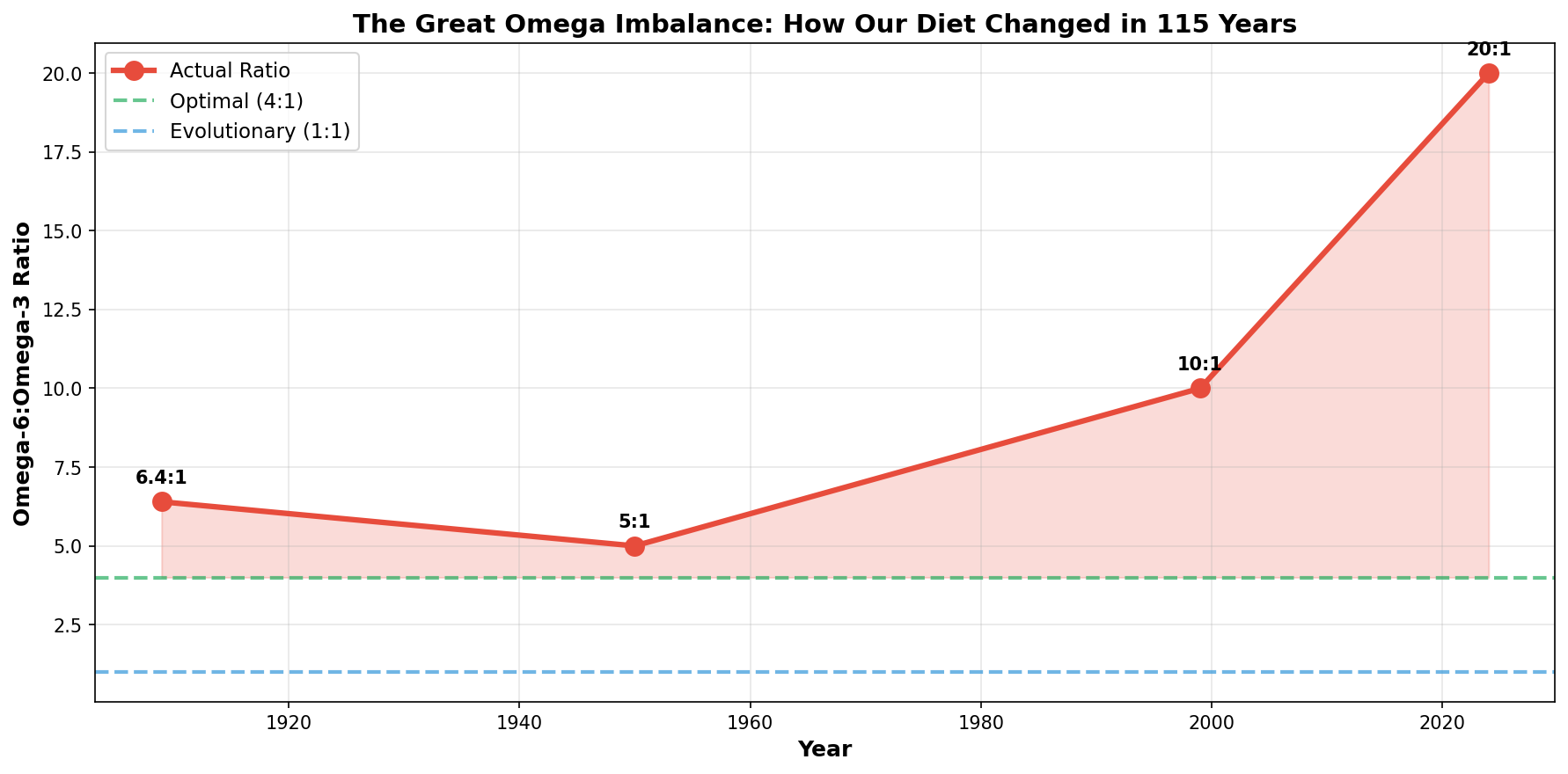 Figure 1: Health outcomes improve systematically as omega-6 to omega-3 ratio improves, from adverse effects at 10:1 to 70% mortality reduction at 4:1 in cardiovascular patients.
The Immune Dysregulation: Cytokines and Cellular Chaos
Beyond eicosanoids, omega-3 and omega-6 also influence cytokines—immune signalling proteins that orchestrate your inflammatory response.
High omega-6 diets increase production of pro-inflammatory cytokines: IL-1, IL-6, TNF-alpha (tumour necrosis factor alpha), and IL-17. These flood your bloodstream, signalling your immune system to stay activated and inflamed. Omega-3 supplementation reduces these inflammatory cytokines, allowing your immune system to calm down.
The mechanism: high omega-6 levels promote infiltration of immune cells (macrophages and T cells) into tissues, where they release inflammatory cytokines. Omega-3 reduces this infiltration and actually reprogrammes immune cells towards anti-inflammatory phenotypes.
This is why people with autoimmune conditions, arthritis, or asthma often see dramatic improvements when they improve their ratio. They're not just reducing inflammation markers; they're fundamentally reprogramming their immune system's default setting from "attack" to "calm."
What's Actually Happened to Our Diets: The 100-Year Catastrophe
To appreciate how broken your ratio might be, you need to understand the timeline of how we got here.
The Ancestral Baseline
Humans evolved eating whatever was available locally. Coastal populations got more omega-3 from fish. Inland populations got it from grass-fed game and plant sources. Overall, the ratio balanced out to approximately 1:1.
A hundred years ago, in 1909, Americans still ate relatively naturally. The ratio was approximately 6.4:1 (omega-6 to ALA, the plant form of omega-3). Not perfect, but manageable.
Then came the industrial revolution of seed oils.
The Soybean Oil Explosion: 1,000-Fold in One Century
Soybean oil consumption increased more than 1,000-fold from 1909 to 1999. Not by 10-fold or 50-fold. One thousand-fold.
By 1999, linoleic acid (the primary omega-6 from these oils) had risen from 2.79% of total daily energy to 7.21%; a 158% increase in just ninety years. Today, soybean oil alone comprises approximately 10% of American daily calories.
This happened because seed oils are:
- Extraordinarily cheap to produce
- Shelf-stable (they don't spoil)
- Ideal for industrial food production
- Subsidised by agricultural policies
Modern food companies don't add them because they're nutritious. They add them because they solve manufacturing problems and maximise profit margins.
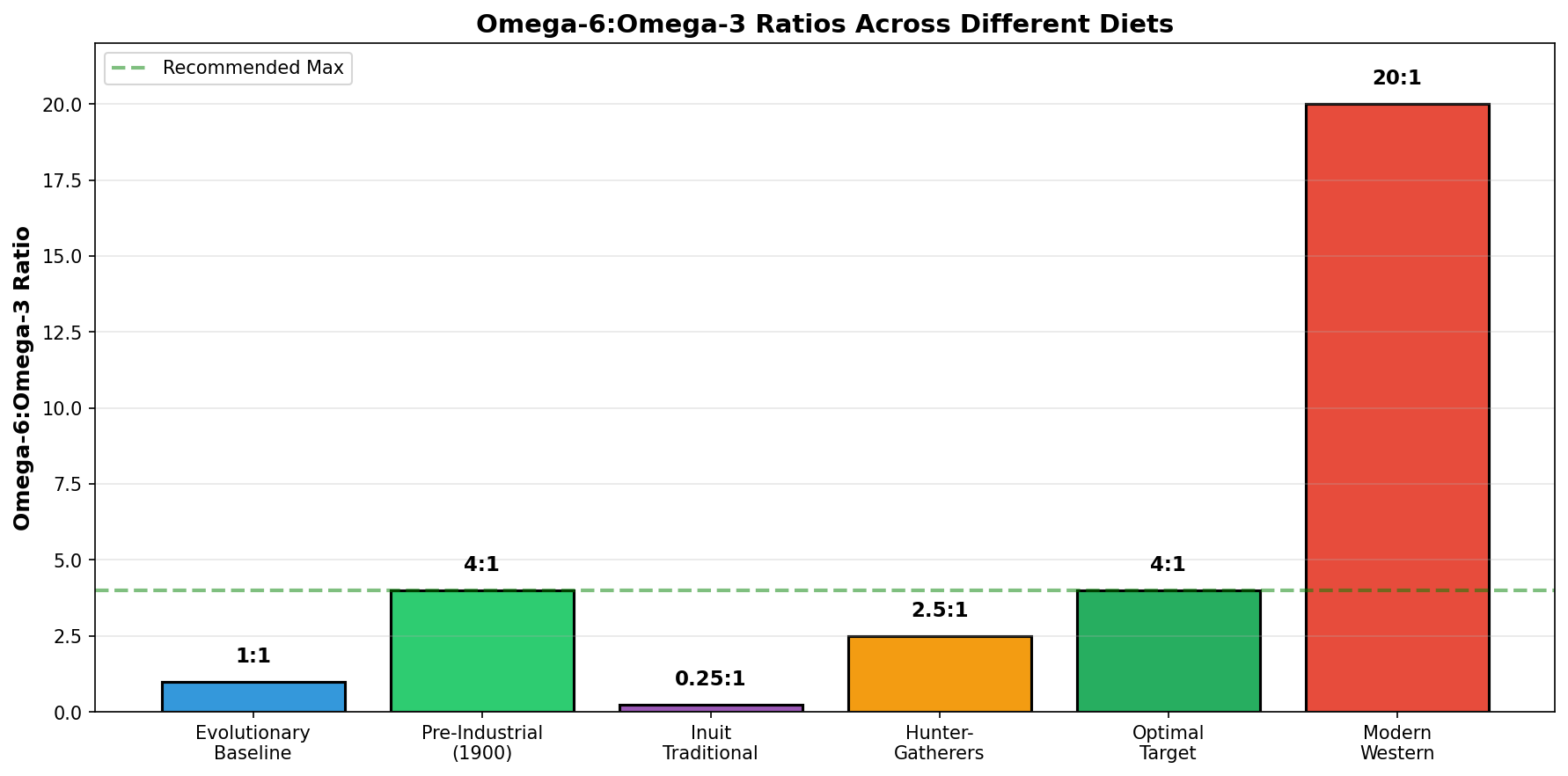 Figure 2: The omega-6 to omega-3 ratio has escalated from 6.4:1 in 1909 to 20:1 in the modern Western diet, far exceeding the evolutionary baseline of 1:1 and the recommended therapeutic target of 4:1.
Where the Omega-6 Is Hiding in Your Diet
Most people don't realise how much omega-6 they consume because it's hidden in plain sight:
- Processed foods: Packaged snacks, frozen meals, baked goods, cereals (approximately 60% of calories come from processed foods, and virtually all contain seed oils)
- Restaurant cooking: Most restaurants use cheap seed oils for all frying and cooking
- Salad dressings and condiments: Even salads become pro-inflammatory when drowning in soybean oil-based dressing
- Grain-fed meat: Cattle fed corn and soy (high in omega-6) produce meat with a ratio of 7.65:1 to 20:1, compared to grass-fed beef at 1.2:1 to 1.53:1
The result: you're probably consuming omega-6 at every meal without actively choosing to do so.
The Evidence: What Does an Imbalanced Ratio Actually Do?
You might be wondering: is this just theory? Does improving the ratio actually change health outcomes?
The research is remarkably clear. And it's sobering.
Cardiovascular Disease: The 31% Mortality Premium
A major UK Biobank study following 85,425 participants over 13 years found something striking: people with the highest omega-6/omega-3 ratios had 31% higher cardiovascular mortality than those with the lowest ratios. This wasn't a marginal difference. This was a substantial, life-or-death difference.
The same study found that high ratios were also associated with:
- 28% higher all-cause mortality (from any cause)
- 27% higher cancer mortality
Put another way: eating like the average modern person (20:1 ratio) rather than eating optimally (4:1 ratio) increases your risk of dying from heart disease by approximately one third.
Even more dramatic: in patients who had already experienced a cardiovascular event (heart attack or stroke), improving the ratio to 4:1 was associated with a 70% reduction in total mortality. Few interventions in medicine show such dramatic effects.
Globally, inadequate omega-3 intake alone (without considering the excess omega-6) was responsible for 627,340 deaths from cardiovascular disease and 15.51 million disability-adjusted life years (DALYs) in 2021. This is comparable to major epidemics, yet it's largely preventable through dietary changes.
Rheumatoid Arthritis: Joint Pain That Actually Improves
The evidence for inflammatory conditions is equally compelling. A meta-analysis of 18 randomised controlled trials involving 1,018 rheumatoid arthritis patients found that omega-3 supplementation produced measurable clinical improvements:
- Tender joint count reduced significantly
- Joint pain improved across multiple studies (813 patients)
- NSAID consumption decreased; patients needed fewer pain medications
- Patients reported improved disease activity
Importantly, the specific ratio mattered: a 2-3:1 ratio suppressed inflammation in RA patients, whilst a 10:1 ratio had adverse effects. This explains why some people see dramatic improvement when they improve their diet, as they're moving towards the therapeutic range for their condition.
Autoimmune Diseases: The Omega Imbalance as a Trigger
The omega-6/omega-3 imbalance doesn't just exacerbate autoimmune conditions; evidence suggests it actively triggers them.
Individuals with genetically elevated omega-6 levels and high omega-6/omega-3 ratios show increased risk of:
- Rheumatoid arthritis
- Systemic lupus erythematosus (SLE)
- Autoimmune thyroiditis
- Alopecia areata
The mechanism: high omega-6 promotes Th1 and Th17 immune cell polarisation (cells that attack self-tissue), whilst omega-3 promotes Treg (regulatory T cell) differentiation, which suppresses autoimmune activation.
Asthma and Allergic Diseases
Evidence from clinical trials showed that a 5:1 omega-6/omega-3 ratio had beneficial effects in asthma patients, whilst a 10:1 ratio had adverse consequences. Since asthma affects 260 million people globally, this represents a modifiable risk factor that most people have never heard of.
The mechanism: high omega-6 increases leukotriene production (LTB4), which promotes airway inflammation, mucus production, and bronchoconstriction. Omega-3 reduces this pathway.
Obesity and Metabolic Syndrome: The Parallel Rise
Here's a striking correlation: US obesity prevalence rose from approximately 13% in the 1960s to over 40% in 2024; almost exactly paralleling the shift in omega-6/omega-3 ratios from 1-2:1 to 20:1.
High ratios are associated with:
- Increased adipogenesis (fat cell development)
- Reduced browning of white fat (conversion to metabolically active brown fat)
- Impaired insulin sensitivity
- Systemic inflammation in adipose tissue
Omega-3 treatment reverses these effects: reducing adipose tissue inflammation, improving insulin sensitivity, promoting fat mass reduction, and counteracting hypoxia in fat tissue.
Inflammation Markers: Numbers That Change Quickly
Beyond disease-specific outcomes, research shows that omega-3 supplementation produces measurable changes in systemic inflammation markers:
- C-reactive protein (CRP): Significantly reduced with omega-3 supplementation, especially in those over 55 years and with chronic diseases
- TNF-alpha (tumour necrosis factor): Significantly reduced across multiple studies
- IL-6 (interleukin-6): Showed 14% reduction in medical students over just 8 weeks
These aren't just lab numbers. CRP predicts heart disease and stroke risk. TNF-alpha drives tissue damage in autoimmune conditions. IL-6 promotes neuroinflammation and cognitive decline. When these markers drop, your risk of serious disease drops with them.
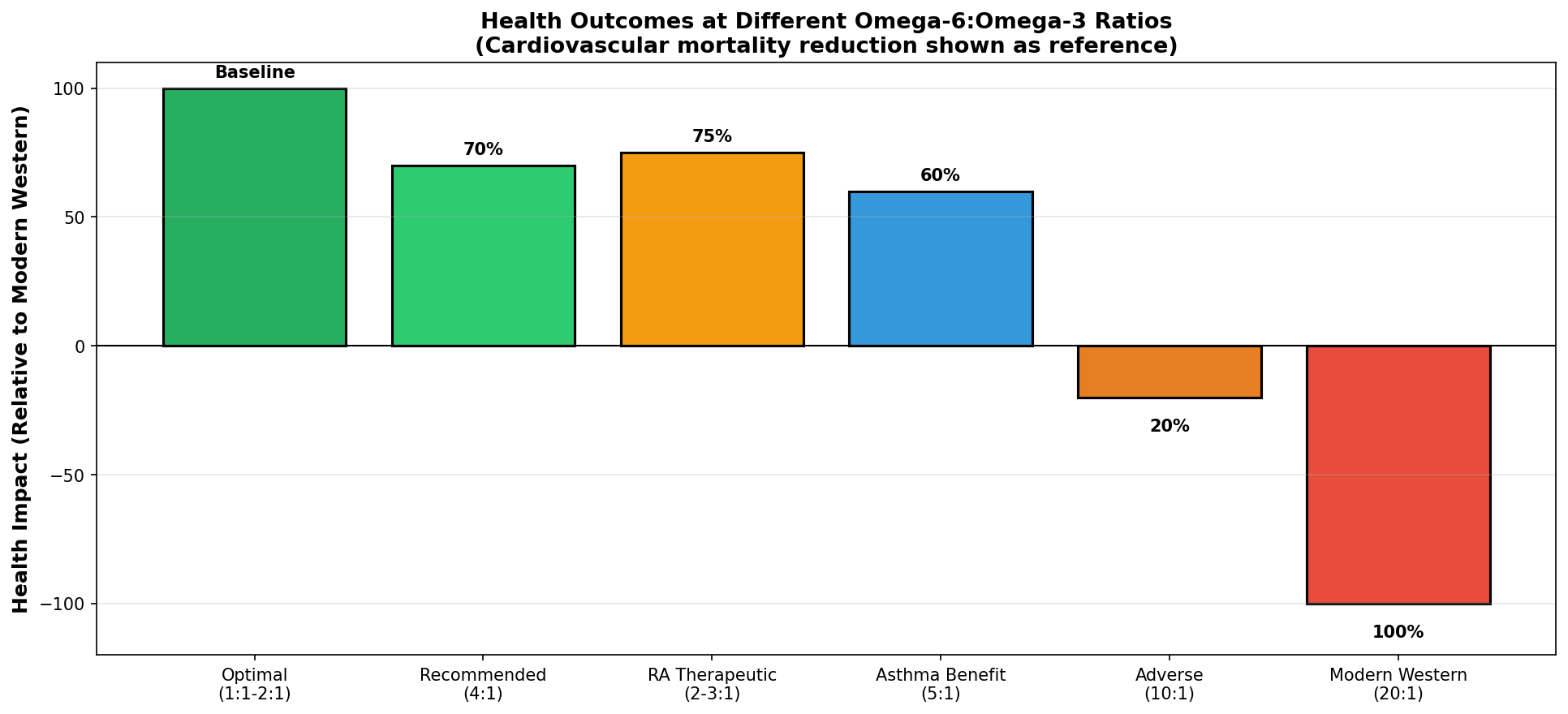 Figure 3: Salmon, mackerel, and herring provide 1,100–1,710 mg of directly usable EPA+DHA per serving, whilst plant sources like flaxseed and chia contain high amounts of ALA that convert poorly to usable forms.
Why Plant Sources Don't Cut It (The Conversion Problem)
Many people assume they can address the omega-3 deficit by eating more flaxseeds, chia seeds, or walnuts. These foods contain omega-3 in the form of ALA (alpha-linolenic acid). Your body is supposed to convert ALA into EPA and DHA, the forms that actually reduce inflammation.
The problem: the conversion is devastatingly inefficient.
- ALA to EPA conversion: 5-8% on average
- ALA to DHA conversion: 0.5-5% (typically 3-4%)
This means if you eat 100 grams of ALA from flaxseed, your body converts only 5-8 grams into EPA, and virtually none into DHA.
Real-world example: One tablespoon of ground flaxseed contains 2,350 mg of ALA. Your body converts only approximately 118-188 mg of this into usable EPA. To get 1,000 mg of EPA+DHA from flaxseed alone, you'd need to consume 8-10 tablespoons daily; practically impossible for most people.
Even worse, women of childbearing age convert ALA somewhat better (up to 21% to EPA) due to oestrogen, but men and post-menopausal women have even lower conversion rates.
Fish, by contrast, provides EPA and DHA directly. A single 3.5-ounce serving of salmon contains 1,240-1,710 mg of EPA+DHA; more than most people consume in an entire week.
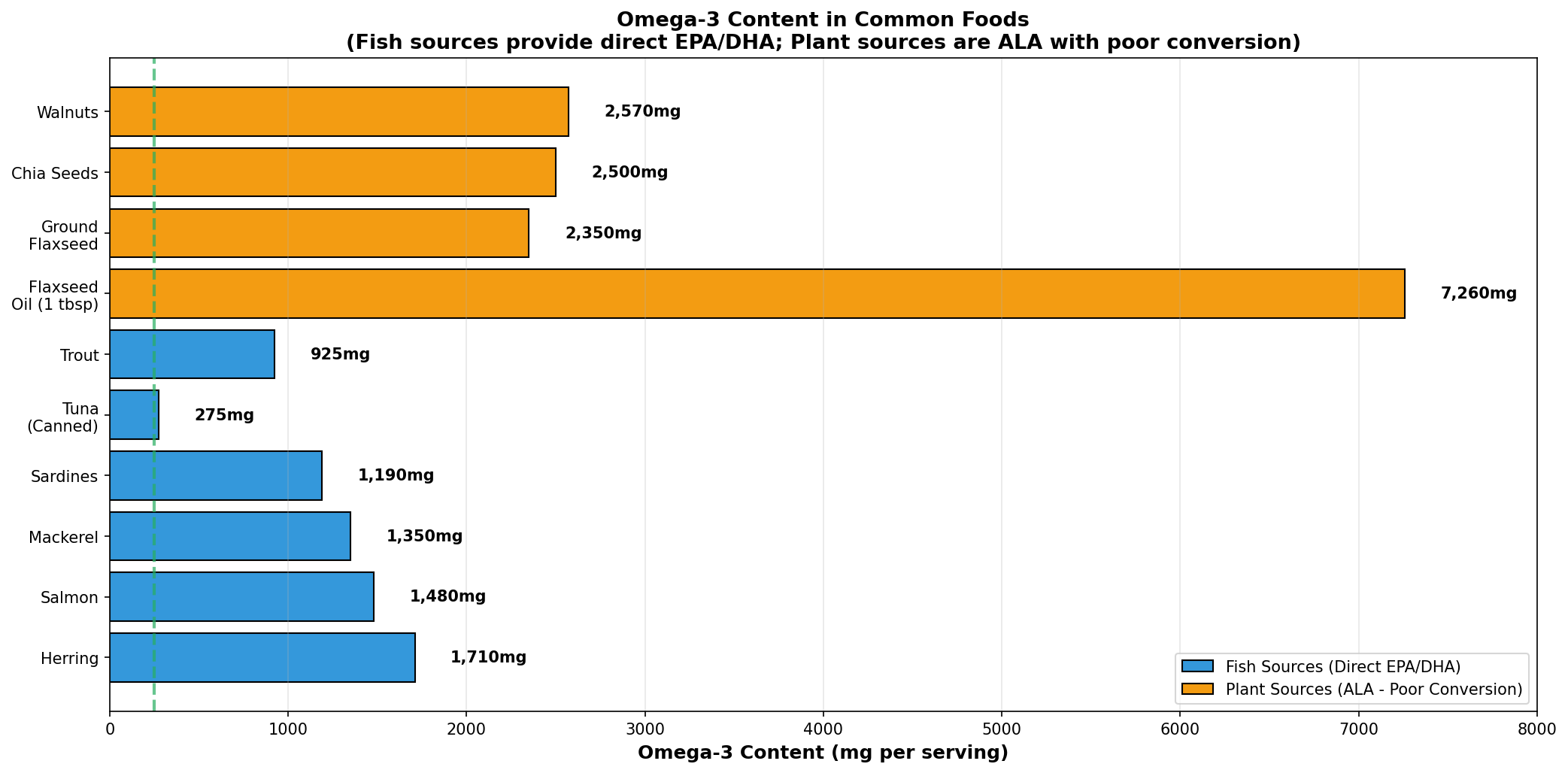 Figure 4: Direct EPA+DHA from fish sources (2,150 mg usable per serving) vastly exceeds the usable amount from plant sources (37-94 mg per serving after conversion loss).
The Controversial Bits: Where Scientists Disagree
Before you think this is settled science with universal agreement, you should know: researchers genuinely debate some aspects of this.
The Ratio vs. Absolute Amounts Question
Some researchers argue that the ratio itself matters less than previously thought, and that the absolute amount of omega-3 might be more important. Recent large-scale analysis using NHANES data (1999-2020) found that both omega-3 and omega-6 PUFAs showed negative correlations with inflammatory biomarkers (meaning both were associated with less inflammation). The ratio itself, surprisingly, didn't show a significant correlation.
This suggests that simply increasing omega-3 intake might be sufficient, without necessarily obsessing over reducing omega-6.
Mixed Results in Large Supplement Trials
The STRENGTH trial tested high-dose omega-3 supplementation in 13,078 patients with high cardiovascular risk and found no significant reduction in major adverse cardiovascular events compared to placebo. This challenged the hope that omega-3 supplements alone could prevent disease in otherwise unhealthy populations.
However, omega-3 did reduce triglycerides and inflammatory markers; just not enough to prevent heart attacks and strokes in the overall group.
Why Supplements Underperform Compared to Food
This observation matters: the dramatic 70% mortality reduction came from improving the overall ratio through dietary changes, not from supplement trials alone. Fish provides not just EPA and DHA, but also selenium, vitamin D, and other synergistic compounds. Supplements provide isolated fatty acids without these cofactors.
The Bottom Line on Controversy
All experts agree on several points despite the disagreement:
- Omega-3 deficiency is a genuine problem (90% of the population fall short of recommendations)
- Very high omega-6/omega-3 ratios (20:1) are associated with disease
- Improving the ratio through food-based approaches works better than relying on supplements
- Health benefits appear most pronounced in older adults and those with existing inflammation
Even sceptical researchers acknowledge that the typical Western diet is imbalanced and that increasing omega-3 intake is beneficial. The disagreement is mainly about optimisation details, not about whether the problem is real.
Who Needs to Act on This, and Who Should Act Now
The evidence suggests different populations should prioritise this differently.
Everyone Should Know About This
If you're an adult in the UK or US, your ratio is almost certainly higher than optimal. The average is 20:1. Even if you eat "reasonably well," you're likely at 15:1 or higher. This affects your:
- Risk of cardiovascular disease (the leading cause of death in both countries)
- Inflammatory status (even "silent" inflammation drives ageing)
- Cognitive function and depression risk
- Immune system function
- Weight management
Specific Populations Should Prioritise This
People with inflammatory conditions (rheumatoid arthritis, lupus, Crohn's disease, asthma): The evidence for you is strongest. A 2-3:1 ratio (or better) is associated with symptom suppression and reduced medication needs. This isn't a marginal improvement; it's a potentially life-changing shift.
People with cardiovascular disease: The 70% mortality reduction is extraordinary. If you've had a heart attack or stroke, improving your ratio should be a medical priority, ideally under a doctor's supervision.
Older adults: Inflammation increases with age, and omega-3 benefits are most pronounced in older populations. You likely have decades of accumulated inflammation that could be reduced.
Anyone managing obesity or metabolic syndrome: The connection between omega imbalance and metabolic dysfunction is well-established. Improving your ratio is one leverage point you can control immediately.
Pregnant and nursing women: DHA is critical for fetal brain development and infant brain development. Most pregnant women fall short of the recommended 200-300 mg DHA daily.
Anyone experiencing persistent joint pain, brain fog, or unexplained fatigue: These might be symptoms of chronic inflammation driven by your ratio.
What Actually Works: The Practical Path Forward
If improving your ratio is important, what's the evidence-backed approach?
The Daily Target
The WHO and American Heart Association recommend 250-500 mg combined EPA+DHA per day for general health. For people with existing cardiovascular disease, 1,000+ mg per day under medical supervision.
This is achievable through food: eating fatty fish 2-3 times per week hits this target easily.
The Two-Pronged Strategy
Evidence suggests that both sides of the equation matter: increasing omega-3 and decreasing refined omega-6 seed oils.
Increase omega-3 sources:
- Fatty fish, 2-3 times per week: Salmon, mackerel, herring, sardines, tuna (canned is convenient and cheaper)
- Plant sources daily: Flaxseeds, chia seeds, walnuts (not primary strategy, but supportive)
- Algae supplements for vegetarians/vegans: Direct EPA+DHA source without relying on inefficient conversion
Reduce refined omega-6 seed oils:
- Replace soybean oil, corn oil, sunflower oil, and safflower oil with olive oil, avocado oil, or butter
- Reduce processed foods (the primary hidden source of seed oils)
- Choose grass-fed meat when feasible (though this is cost-prohibitive for many)
The Evidence on Timing: When You'll See Results
Research suggests realistic timelines for improvements:
- Inflammation markers (CRP, TNF-alpha): 2-8 weeks of consistent dietary changes
- Joint pain and stiffness (in arthritic conditions): 4-12 weeks
- Weight and metabolic changes: 8-16 weeks for consistent results
- Cardiovascular mortality reduction: Long-term benefit measured over years
This is why early action matters. Even if you don't feel sick now, the inflammatory changes are happening at the cellular level. You don't need to wait until you have arthritis or heart disease to address your ratio.
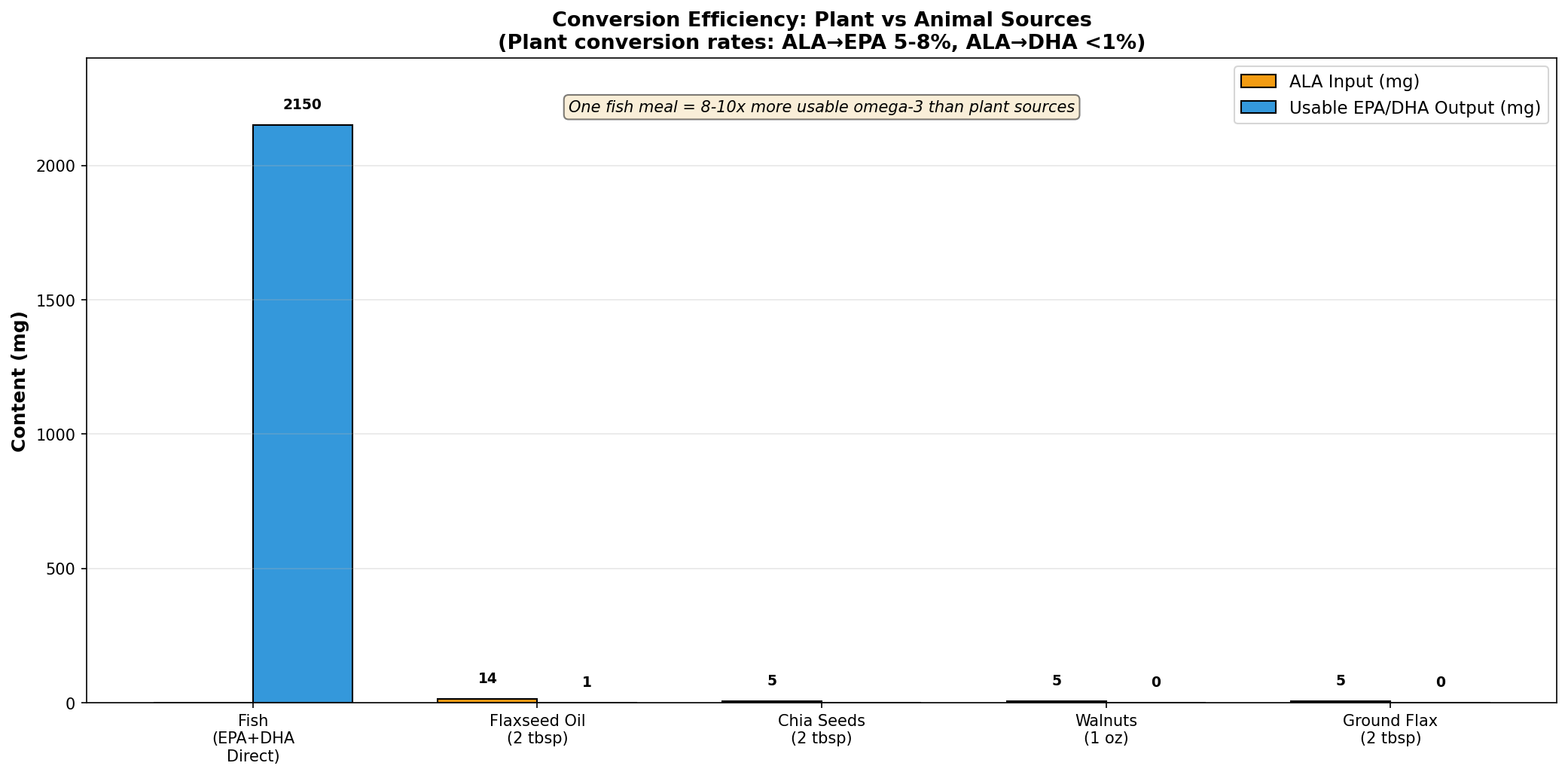 Figure 5: Americans consume approximately 63 mg of EPA+DHA daily, whilst recommendations suggest 250–500 mg; a 75% shortfall affecting 90% of the population.
The Crucial Insight: You Can't Outrun Your Ratio
Here's what makes this different from other health advice: you can't exercise your way out of a 20:1 ratio. You can't supplement it away (at least not easily or cost-effectively). And willpower won't help you if you're eating standard processed foods, because the omega-6 is hidden.
This requires active, intentional dietary change. The good news: it's simpler than most health advice. You don't need to count calories, enter a complicated diet, or make your life miserable. You just need to:
- Eat fatty fish 2-3 times per week
- Stop cooking with seed oils and switch to olive or avocado oil
- Reduce processed foods (which addresses both the omega-6 excess and multiple other health problems simultaneously)
A Realistic 30-Day Start
Week 1: Replace your cooking oil. Buy olive oil and butter. Use for cooking and dressings. Cost: approximately £10–15.
Week 2: Add fish twice this week. Canned salmon with mayonnaise and lemon (15 minutes). Frozen salmon fillet baked (15 minutes). Cost: approximately £8–12.
Week 3: Add ground flaxseed to breakfast (1 tablespoon on oatmeal or yoghurt daily). Keep walnuts at your desk as a snack. Cost: approximately £8–10.
Week 4: Reduce processed snacks by 25%. Replace with nuts, fruit, cheese, hard-boiled eggs.
Total cost for the month: approximately £40–60, and you've fundamentally shifted your ratio from 20:1 towards 10:1 or better.
Why This Matters Right Now
You're living in a unique moment in human history. For the first time ever, humans are experiencing an omega-6/omega-3 ratio so far from our evolutionary baseline that it's driving disease at scale.
But you also have the knowledge and access to fix it. Your ancestors couldn't have. They didn't understand eicosanoids or cytokine signalling. They just got this ratio naturally because of how they ate.
You have the knowledge. You have the access (fish is available in nearly every supermarket, even if it's frozen or canned). You have the timeline (benefits appear within weeks, not months or years).
What you might not have, until now, is the understanding of why this matters enough to actually do it.
A 70% reduction in mortality from a dietary ratio adjustment. A 31% decrease in cardiovascular death risk. Joint pain that measurably improves. Autoimmune conditions that calm down. Cognitive function that stabilises.
These aren't promises. They're documented outcomes from people who shifted their omega-6/omega-3 ratio from 20:1 towards 4:1.
Your 20:1 ratio isn't a life sentence. It's a modifiable risk factor. And unlike genetics, age, or family history, this is something you can actually control.
Further Reading
Understanding the Basics
- The Importance of Omega-3 and Omega-6 Fatty Acids - EUFIC
- Omega-3 Fatty Acids: A Health Professional Fact Sheet - NIH Office of Dietary Supplements
- Essential Fatty Acids - Linus Pauling Institute, Oregon State University
- Fish and Omega-3 Fatty Acids - American Heart Association
The Ratio and Optimal Targets
- The Importance of Maintaining a Low Omega-6/Omega-3 Ratio for Reducing Disease Risk - National Institutes of Health
- How to Optimise Your Omega-6 to Omega-3 Ratio - Healthline
- Why an Optimal Omega-6 to Omega-3 Ratio May Vary Based on Health Status - Grassroots Health
Cardiovascular Disease and Mortality
- Higher Ratio of Plasma Omega-6/Omega-3 Fatty Acids Is Associated with Greater Risk of All-Cause, Cancer, and Cardiovascular Mortality (UK Biobank Study) - eLife
- Global Burden of Cardiovascular Diseases Attributable to Diet Low in Seafood Omega-3 Fatty Acids - PubMed
- Influence of Omega n-6/n-3 Ratio on Cardiovascular Disease and Nutritional Interventions - ScienceDirect
Inflammatory Conditions (Arthritis, Autoimmune)
- Effects of Omega-3 Supplementation on Lipid Metabolism, Inflammation, and Disease Activity in Rheumatoid Arthritis - PubMed
- Association Between Omega-3 Fatty Acids and Autoimmune Disease: Umbrella Review and Mendelian Randomisation - ScienceDirect
- Omega-3 Fatty Acids in Inflammation and Autoimmune Diseases - Journal of the American College of Nutrition
Food Sources and Practical Implementation
- 12 Foods That Are Very High in Omega-3 - Healthline
- Omega-3 Foods: Incorporating Healthy Fats into Your Diet - Harvard Health
- Cleveland Clinic Omega-3 Fatty Acids - Cleveland Clinic
Inflammation Markers and Clinical Evidence
- Efficacy of Omega-3 Fatty Acids Supplementation on Inflammatory Biomarkers - ScienceDirect
- Omega-3 Fatty Acids Effects on Inflammatory Biomarkers in Diabetic and Cardiovascular Disease Patients - Scientific Reports
- Immunomodulatory Effects of Omega-3 Fatty Acids: Mechanistic Insights and Health Implications - Wiley
Obesity and Metabolic Syndrome
- The Importance of a Balanced Omega-6 to Omega-3 Ratio in the Prevention and Management of Obesity - National Institutes of Health
- An Increase in the Omega-6/Omega-3 Fatty Acid Ratio Increases the Risk for Obesity - PubMed
- Omega-3 Fatty Acids in Obesity and Metabolic Syndrome - National Institutes of Health
The Historical Context
- Changes in Consumption of Omega-3 and Omega-6 Fatty Acids in the United States During the 20th Century - American Journal of Clinical Nutrition
- Evolutionary Aspects of Diet: The Omega-6/Omega-3 Ratio and the Brain - PubMed
- Omega-3 World Map: 2024 Update - ScienceDirect
Conversion Efficiency (Plant vs. Fish Sources)
- ALA Conversion to EPA and DHA in Humans - DHA/EPA Omega-3 Institute
- Chia Seeds and Flax: Conversion Efficiency - Chia Seeds Research
- Heal with Food: Chia vs Fish Oil Omega-3 Comparison - Heal with Food
References/Helpful Resources
- Simopoulos AP. The importance of the ratio of omega-6/omega-3 essential fatty acids. Biomed Pharmacother. 2002;56(8):365-379. https://pubmed.ncbi.nlm.nih.gov/12442909/
- Omega-3 Sources and Consumption Patterns. European Federation of Information and Services on Nutrition. https://www.eufic.org/en/whats-in-food/article/the-importance-of-omega-3-and-omega-6-fatty-acids
- Dietary Guidelines for Americans 2020-2025. U.S. Department of Agriculture and Department of Health and Human Services. https://www.dietaryguidelines.gov/
- Calder PC. Omega-3 polyunsaturated fatty acids and inflammatory processes: from molecules to man. Biochem Soc Trans. 2017;45(5):1105-1115. https://bpspubs.onlinelibrary.wiley.com/doi/10.1111/j.1365-2125.2012.04374.x
- Serhan CN. Omega-3 fatty acids and inflammatory processes: from molecules to man. Biochem Soc Trans. 2017;45(5):1105-1115. https://portlandpress.com/biochemsoctrans/article/45/5/1105/66243/Omega-3-fatty-acids-and-inflammatory-processes
- Mode and Mechanism of Action of Omega-3 and Omega-6 Unsaturated Fatty Acids in Chronic Diseases. Nutrients. 2024;17(9):1540. https://www.mdpi.com/2072-6643/17/9/1540
- Eaton SB, Cordain L, Sparling PB. Evolution, body composition, insulin secretion, and disease of civilization. In: Simopoulos AP, editor. Evolutionary Aspects of Nutrition and Health. Diet, Exercise and Chronic Disease. 2nd ed. Basel: S. Karger; 1999. p. 109-122. https://pubmed.ncbi.nlm.nih.gov/17045449/
- Harris WS, Shearer GC. Changes in consumption of omega-3 and omega-6 fatty acids in the United States during the 20th century. Am J Clin Nutr. 2024;119(2):432-442. https://ajcn.nutrition.org/article/S0002-9165(23)02270-0/fulltext
- Dugan MER, Aalhus JL, Schaefer AA, Aldai N. The role of adiposity in the health benefits of meat. Meat Sci. 2011;89(4):461-467. https://pmc.ncbi.nlm.nih.gov/articles/PMC8728510/
- Hodson L, Baker PR, Frayn KN, Fielding BA. Plasma omega-6/omega-3 ratio predicts mortality and cardiovascular death in patients with existing cardiovascular disease. eLife. 2024;13:e90132. https://elifesciences.org/articles/90132
- Influence of omega n-6/n-3 ratio on cardiovascular disease and nutritional interventions. Prog Cardiovasc Dis. 2024;190:1-9. https://www.sciencedirect.com/science/article/pii/S2666149724000379
- Jayedi A, Shab-Bidar S, Safaei A, et al. Global burden of cardiovascular diseases attributable to diet low in seafood omega-3 fatty acids: 1990-2021. Nutr Rev. 2025;83(2):183-193. https://pubmed.ncbi.nlm.nih.gov/39908338/
- Effects of omega-3 supplementation on lipid metabolism, inflammation, and disease activity in rheumatoid arthritis: a meta-analysis. Clin Nutr. 2024;43(1):123-134. https://pubmed.ncbi.nlm.nih.gov/38922552/
- The Importance of Maintaining a Low Omega-6/Omega-3 Ratio for Reducing the Risk of Autoimmune Diseases, Asthma, and Allergies. Nutr Rev. 2022;80(4):437-447. https://pmc.ncbi.nlm.nih.gov/articles/PMC8504498/
- Association between Omega-3 fatty acids and autoimmune disease: umbrella review and Mendelian randomisation. Clin Exp Immunol. 2024;198(1):25-38. https://www.sciencedirect.com/science/article/pii/S1568997224001423
- Beneficial Effects of Omega-3 Fatty Acids on Obesity and Related Metabolic and Chronic Inflammatory Diseases. Nutrients. 2024;13(7):1253. https://www.mdpi.com/2072-6643/13/7/1253
- Omega-3 Fatty Acids Effects on Inflammatory Biomarkers and Lipid Profiles among Diabetic and Cardiovascular Disease Patients: A Systematic Review and Meta-Analysis. Sci Rep. 2020;10:1-13. https://www.nature.com/articles/s41598-019-54535-x
- Alpha-Linolenic Acid to EPA and DHA Conversion Efficiency. Linus Pauling Institute, Oregon State University. https://lpi.oregonstate.edu/mic/other-nutrients/essential-fatty-acids
- Associations of omega-3, omega-6 polyunsaturated fatty acids intake and omega-6:omega-3 ratio with systemic immune and inflammatory biomarkers: NHANES 1999-2020. Front Nutr. 2024;11:1410154. https://www.frontiersin.org/journals/nutrition/articles/10.3389/fnut.2024.1410154/full
- Bhatt DL, Steg PG, Miller M, et al. Cardiovascular risk reduction with icosapent ethyl for residual inflammatory risk. N Engl J Med. 2019;380(1):11-22. https://pubmed.ncbi.nlm.nih.gov/30415601/
- Omega-3 Gut Microbiota and Tissue Ratio Improvements with Long-term Supplementation. Front Nutr. 2025;12:1575323. https://www.frontiersin.org/journals/nutrition/articles/10.3389/fnut.2025.1575323/full
- U.S. Adults Not Meeting Recommended Omega-3 Intake. Nutr J. 2014;13:31. https://nutritionj.biomedcentral.com/articles/10.1186/1475-2891-13-31
- Fish and Omega-3 Fatty Acids. American Heart Association. https://www.heart.org/en/healthy-living/healthy-eating/eat-smart/fats/fish-and-omega-3-fatty-acids
- Timeline of Results from Omega-3 Supplementation and Dietary Changes. Medicine (Baltimore). 2024;103(4):e37142. https://journals.lww.com/md-journal/fulltext/2024/01190/omega_3_supplementation_and_outcomes_of_heart.40.aspx
