

Most people have had dry, gritty eyes at some point. Staring at a screen too long, sitting in air-conditioned offices, or waking up after a poor night's sleep can all make eyes feel scratchy and uncomfortable. For the vast majority of people in the UK and US, this is dry eye syndrome: a very common, very manageable condition that responds well to lubricating drops and lifestyle tweaks.
But there is another condition that shares the word "dry" and even shares some early symptoms: xerophthalmia. And the two could not be more different in their cause, their urgency, or their consequences.
Xerophthalmia is the full spectrum of eye damage caused by vitamin A deficiency. It ranges from difficulty seeing at night, all the way to the cornea liquefying and collapsing permanently within days. In children with severe xerophthalmia, the mortality rate can reach 50% when the cornea is affected. Not because of the eye damage itself, but because eyes this severely affected signal that the entire body is in nutritional collapse.
This article explains both conditions clearly: what causes each, who is at risk, how they progress, and crucially, why confusing one for the other has life-altering consequences.
What Are These Two Conditions?
Dry eye syndrome (also called dry eye disease, or DED) is a chronic condition in which the eyes either do not produce enough tears or produce tears that evaporate too quickly. It is driven by ageing, hormones, screen time, air conditioning, contact lens use, and sometimes autoimmune conditions like Sjögren's syndrome. It is extraordinarily common: more than 16 million Americans have a diagnosed case, and global estimates suggest DED affects between 5% and 50% of adults, depending on how it is measured. It causes discomfort, blurred vision, and a significant reduction in quality of life. Rarely does it threaten sight permanently.
Xerophthalmia is something else entirely. The name comes from the Greek for "dry eye," but it describes a nutritional emergency, not a comfort problem. When the body runs critically low on vitamin A, the specialised cells in the eye that produce the mucus layer of the tear film begin to die. The eye surface dries and thickens. Without treatment, the cornea (the clear window at the front of the eye) can ulcerate and literally dissolve in a process called keratomalacia. The window of time between the first warning sign and permanent, irreversible blindness can be just days.
This is not a condition that responds to lubricating eye drops. It requires urgent medical treatment with high-dose vitamin A supplementation.
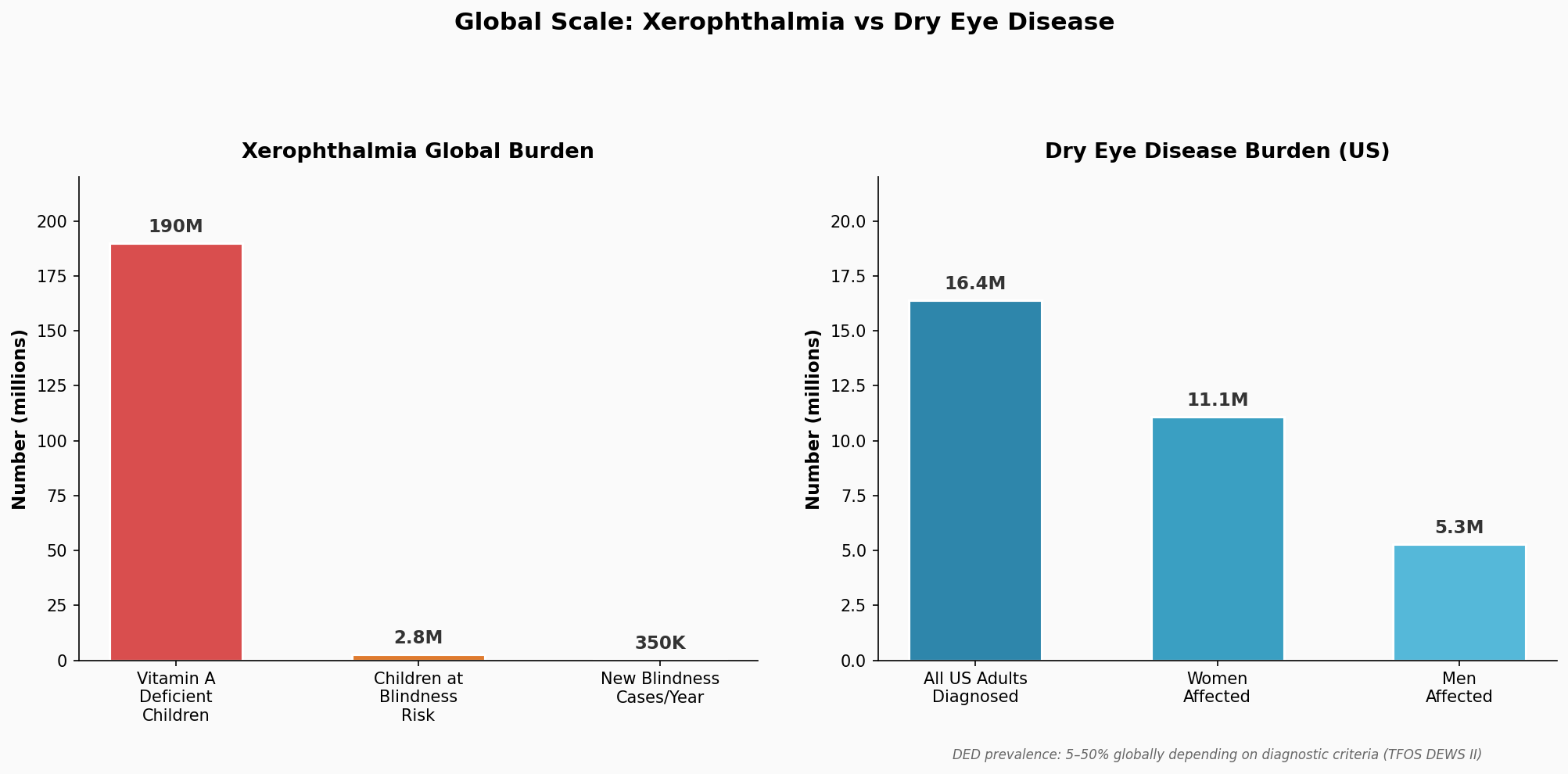 Figure 1: The global scale of both conditions. Data from WHO and PubMed illustrate the sheer difference in populations affected and in severity of outcomes.
Why Each Condition Happens: Very Different Root Causes
Understanding why these two conditions develop makes it clear why they need to be treated so differently.
Dry Eye Syndrome: Many Causes, All Rooted in Tear Film Failure
Dry eye disease is multifactorial, meaning many different things can cause it or make it worse:
- Ageing: tear production naturally declines with age; adults over 75 are nearly seven times more likely to develop DED than those aged 18 to 34 (2.7% prevalence at 18-34 rises to 18.6% at 75+)
- Hormonal changes: postmenopausal women experience significantly higher rates; women are 1.56 times more likely than men to develop DED
- Screen use: prolonged screen time reduces blink rate, allowing tears to evaporate faster
- Environment: air conditioning, dry climates, and heating systems increase evaporation
- Contact lens wear: lenses disrupt the tear film and increase evaporation risk
- Autoimmune conditions: Sjögren's syndrome attacks the tear-producing glands directly
- Medications: antihistamines, antidepressants, and certain blood pressure drugs can reduce tear production
The core problem is a dysfunctional tear film: either too few tears are made (aqueous deficiency), or tears evaporate too fast (evaporative dry eye). This triggers an inflammatory cascade on the eye surface that makes symptoms worse over time.
Xerophthalmia: One Cause, One Solution
Xerophthalmia has a single root cause: vitamin A deficiency. That said, the reasons people become vitamin A deficient vary:
In low- and middle-income countries, the cause is almost always dietary. Vitamin A is found in liver, eggs, dairy, oily fish, and as beta-carotene in orange and dark-green vegetables. In regions of Sub-Saharan Africa and South Asia where these foods are unaffordable or scarce, children and pregnant women can develop severe deficiencies. Illness worsens the situation: diarrhoea reduces absorption, and respiratory infections increase the body's demand for vitamin A. 190 million preschool-age children globally have vitamin A deficiency, with 45% of them living in South and Southeast Asia.
In high-income countries, xerophthalmia is rare but is being increasingly reported in specific groups:
- People who have had bariatric (weight-loss) surgery, particularly Roux-en-Y gastric bypass. This surgery impairs the absorption of fat-soluble vitamins, including vitamin A. Deficiency can develop years after the procedure if supplements are not taken consistently
- People with Crohn's disease or inflammatory bowel disease have reduced vitamin A absorption in the gut
- Children with autism spectrum conditions who have extremely restricted diets and consistently avoid foods containing vitamin A
- People on highly restrictive elimination diets, including cases documented in young adults in the UK
- People with chronic liver disease (since the liver stores approximately 90% of the body's vitamin A reserves)
Who Gets Affected, and Where?
The populations most at risk from each condition differ so completely that this alone underscores how distinct they are.
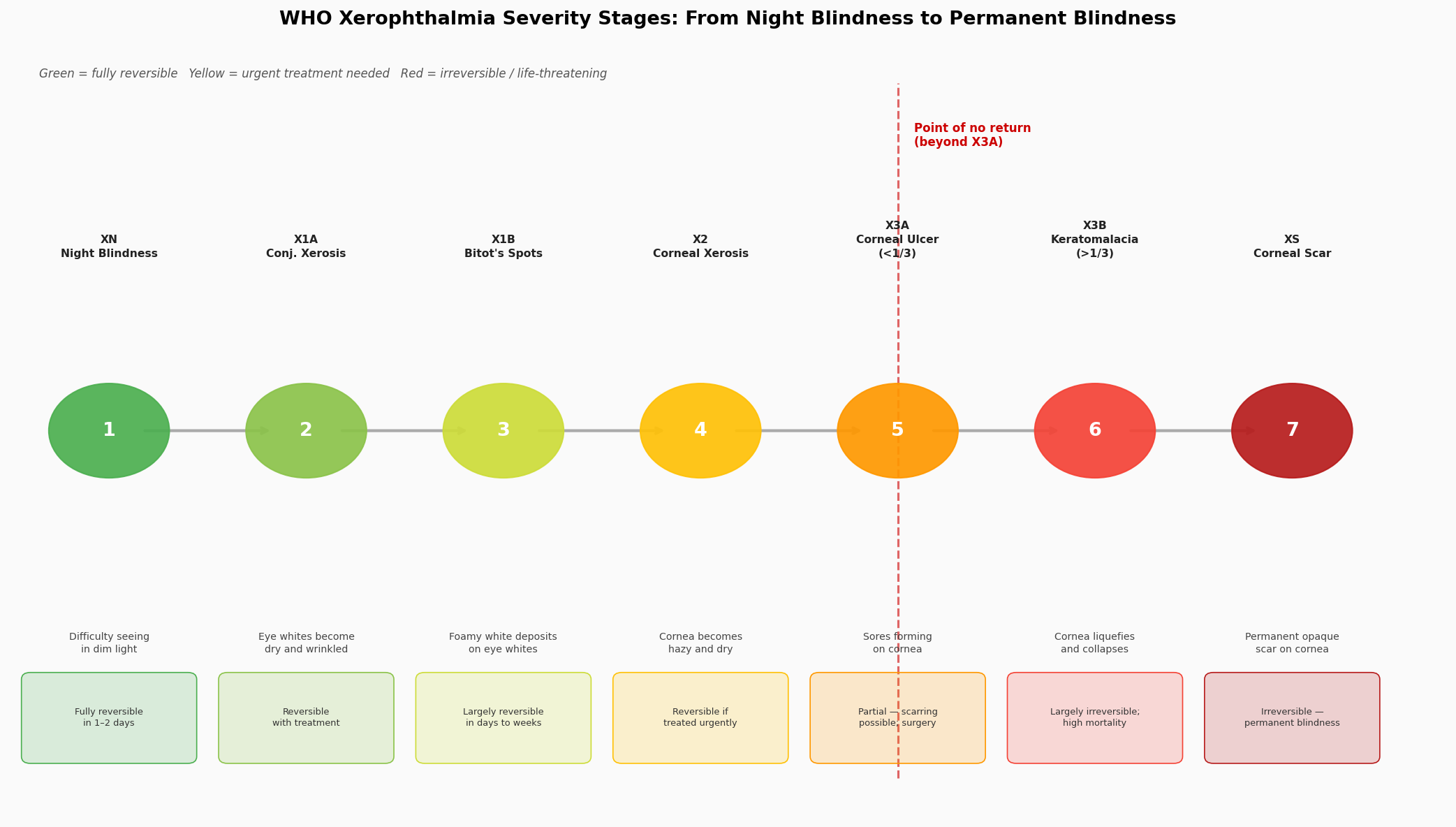 Figure 2: Who is most affected by xerophthalmia and dry eye disease. Data from WHO and population-based studies via PubMed illustrate the stark demographic divide.
Xerophthalmia primarily strikes:
- Children aged 6 months to 5 years in low-income countries (the highest-risk group globally)
- Pregnant women in vitamin A deficient regions
- Adults in high-income countries with specific malabsorption conditions
Sub-Saharan Africa and South Asia account for over 90% of the global burden. Between 5 and 10 million children develop xerophthalmia each year, and 350,000 new cases of childhood blindness from xerophthalmia are estimated annually by the WHO.
Dry eye syndrome primarily affects:
- Adults aged 40 and over in developed countries, particularly women
- Contact lens wearers
- Heavy screen users, including office workers and students
- People with autoimmune conditions
The conditions exist in almost entirely different worlds. A five-year-old in rural Ethiopia and a 52-year-old office worker in London both have "dry eyes," but what that means for their health, their treatment, and their future vision is worlds apart.
How Symptoms Develop: A Story of Two Very Different Timelines
This is perhaps the most important distinction for readers to understand.
How Dry Eye Disease Feels (and Progresses)
DED typically develops gradually over months or years. Symptoms include:
- A gritty or sandy sensation, as if something is in the eye
- Burning or stinging
- Paradoxical watering (the eye overproduces watery tears in response to dryness)
- Light sensitivity
- Blurred vision that improves briefly when blinking
- Tired eyes after reading or screen use
Even in severe cases, the progression is measured in years. The TFOS DEWS II framework (the international scientific consensus on dry eye) describes severity on four tiers, from mild occasional discomfort up to debilitating pain with corneal erosions. Even at the most severe tier, permanent blindness is unusual.
How Xerophthalmia Progresses (and How Quickly It Can Turn Critical)
The WHO classifies xerophthalmia on a graded scale from early (reversible) to late (permanently blinding or fatal). Understanding this progression is essential:
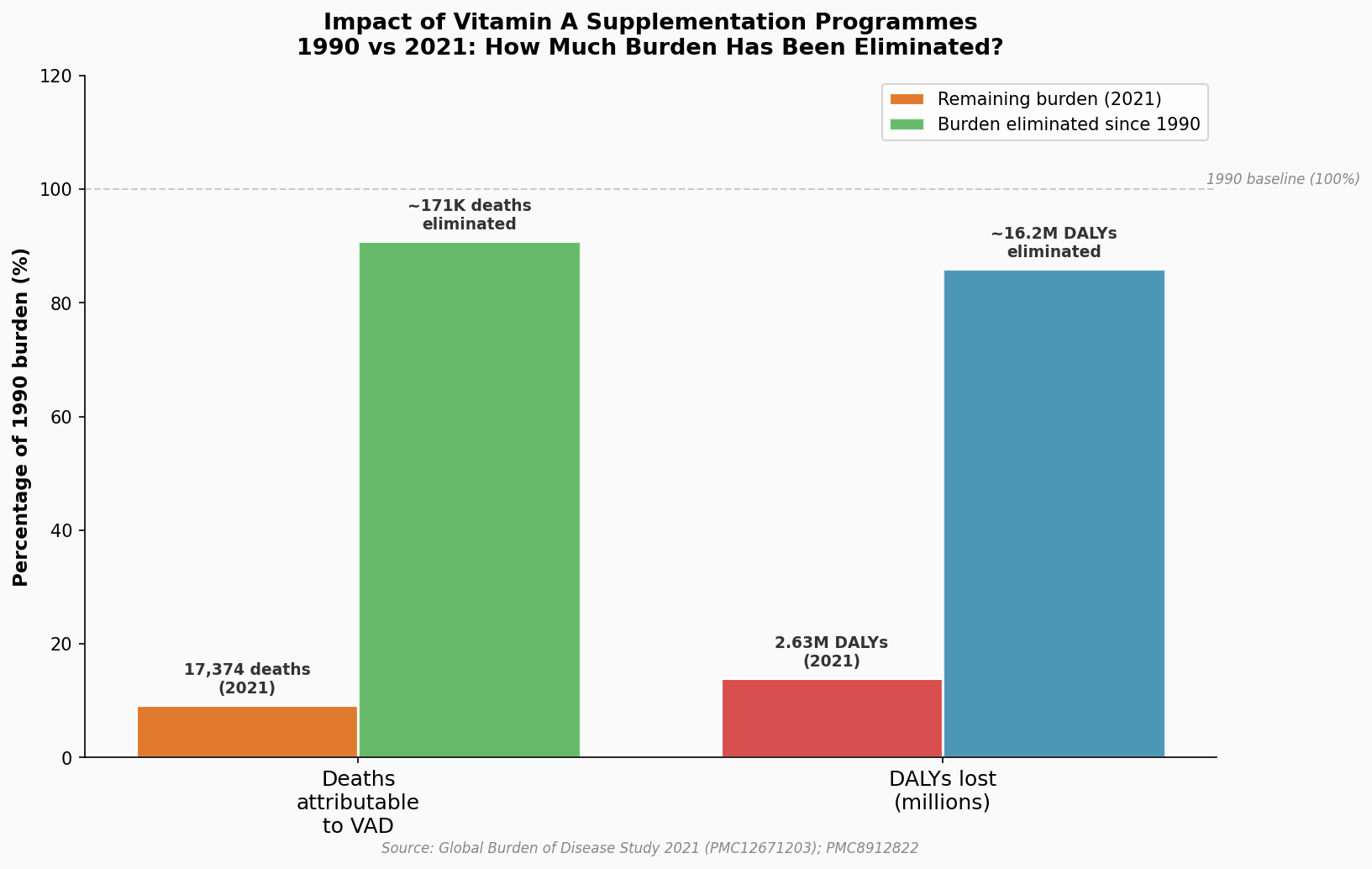 Figure 3: The WHO staging system for xerophthalmia, from night blindness through to corneal scarring. Data from WHO and NIH StatPearls.
Stage XN: Night blindness. The very first sign. Vitamin A is a direct precursor to rhodopsin, the light-sensitive pigment in the rod cells that handle night and dim-light vision. When vitamin A falls, rhodopsin cannot be replenished. The result is difficulty seeing at dusk or in a darkened room. This is fully reversible, and night vision can be restored within 8 days of oral vitamin A supplementation.
Stages X1A and X1B: Conjunctival xerosis and Bitot's spots. The white of the eye becomes dry, dull, and thickened. Foamy, greyish-white triangular deposits appear on the whites of the eyes at the 3 o'clock and 9 o'clock positions (Bitot's spots). These are keratinised debris from dying epithelial cells, and they look nothing like anything seen in ordinary dry eye. Both stages are reversible with treatment.
Stage X2: Corneal xerosis. Dryness spreads to the cornea itself, which becomes hazy and dull. Still treatable with full vision preservation if vitamin A is given promptly.
Stages X3A and X3B: Corneal ulceration and keratomalacia. This is where xerophthalmia becomes a medical emergency. A corneal ulcer develops, and in the worst cases, the entire corneal surface can undergo liquefactive necrosis: the cornea softens and dissolves. Keratomalacia can destroy a cornea within 24 to 72 hours. Once this happens, blindness is permanent. No amount of vitamin A can rebuild a cornea that has already melted.
Stages XS and XF: Corneal scarring and retinal changes. End-stage, irreversible disease. The cornea may be opaque, and the child is permanently blind.
The key takeaway: In xerophthalmia, the window between treatable and permanently blinding can be measured in days. In dry eye disease, even severe cases rarely reach a point of no return, and the timeline is measured in years.
What Happens Without Treatment: The Consequences
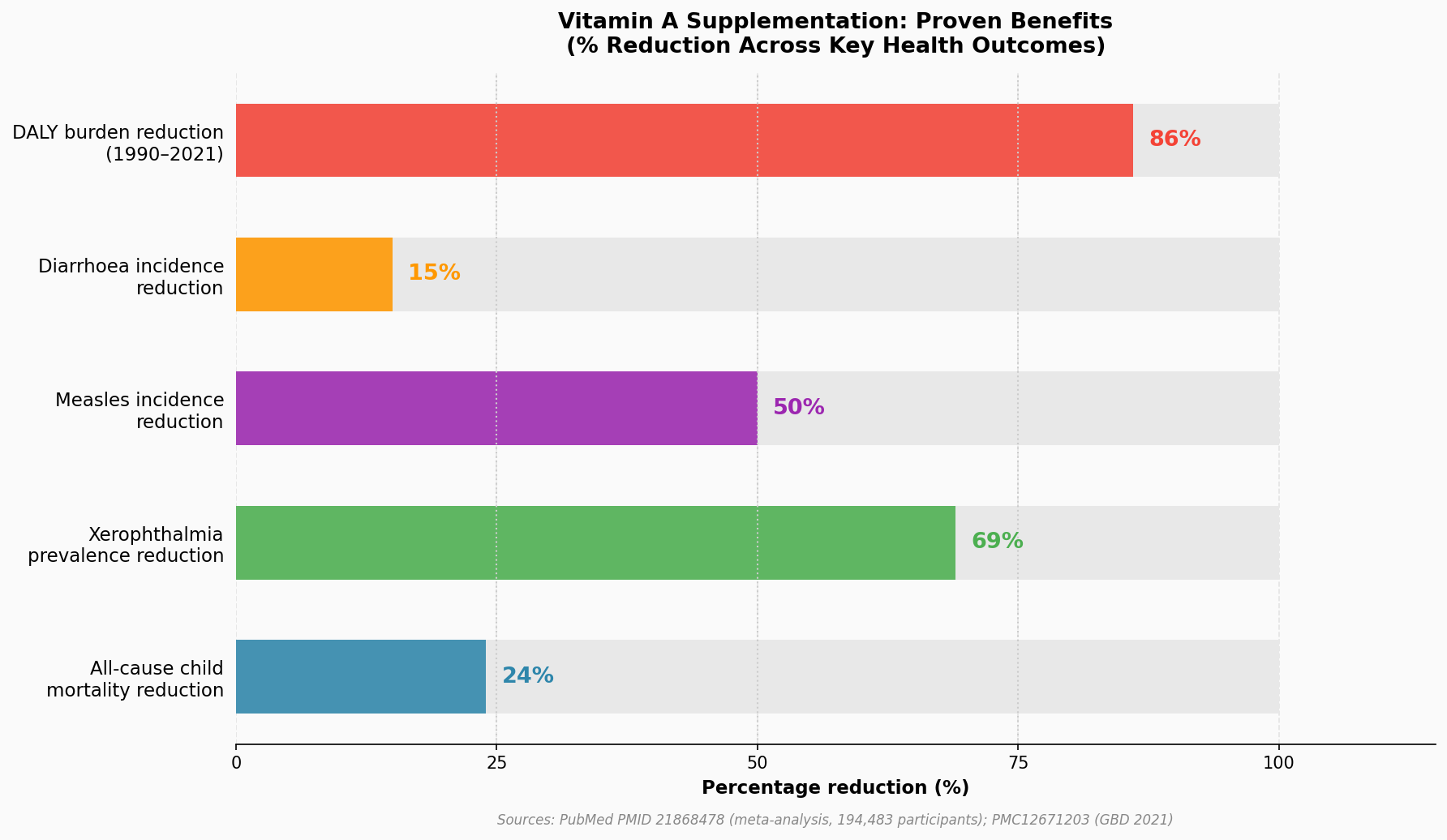 Figure 4: Child mortality rates before and after vitamin A supplementation interventions. Data from WHO and PubMed meta-analyses.
Untreated Dry Eye: Discomfort and Quality of Life
Untreated or poorly managed DED does not usually cause blindness, but it is far from trivial:
- DED is associated with nearly triple the odds of depression (OR 2.92, 95% CI 2.13 to 4.01, based on a meta-analysis of 22 studies involving nearly three million participants)
- DED is associated with 2.8 times higher odds of anxiety
- Workplace performance drops by approximately 30% impairment, with an annual productivity loss per affected person estimated at $741
- The total economic burden of DED in the US alone is estimated at $3.84 billion annually
- Driving at night becomes harder; reading, computer use, and watching television all suffer
These are not small problems. But they are problems of comfort and quality of life, not survival.
Untreated Xerophthalmia: Blindness, Immune Collapse, and Death
The consequences of untreated xerophthalmia extend far beyond the eyes. Vitamin A is essential not just for vision, but for immune function throughout the body. When a child is severely vitamin A deficient:
- The risk of dying from diarrhoea increases substantially
- The risk of dying from measles increases substantially
- In 2013 alone, vitamin A deficiency was attributable to an estimated 94,500 diarrhoea deaths and 11,200 measles deaths globally
- Children with even mild xerophthalmia have a mortality rate 4 times higher than children with healthy eyes (23.3 versus 5.3 deaths per 1,000)
- Of children who develop keratomalacia, only 40% survive one year. Of those who do survive, 25% are completely blind and 50-60% are partially blind
- 250,000 to 500,000 children are blinded by xerophthalmia every year, and half of newly blinded children die within 12 months of losing their sight
A vitamin A supplement costing a few pence can prevent all of this. Yet it still happens, at an enormous scale, because of poverty, food insecurity, and gaps in public health infrastructure.
How Each Condition Is Treated: Completely Different Approaches
The treatments for these two conditions reflect their completely different causes.
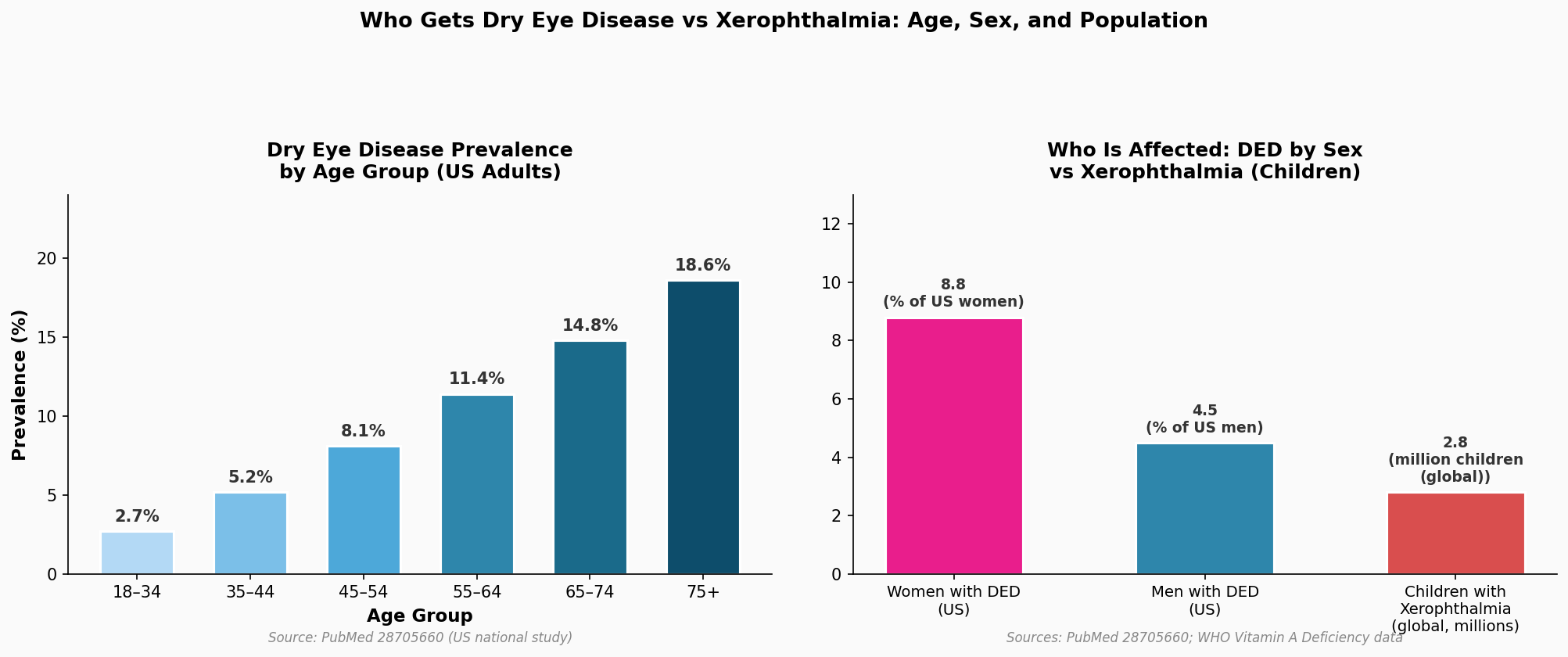 Figure 5: Efficacy data for vitamin A supplementation in preventing xerophthalmia and reducing child mortality. Data from WHO, NIH, and PubMed systematic reviews.
Treating Dry Eye Disease
DED is managed rather than cured. The goal is to restore a stable tear film and reduce inflammation on the eye surface:
- Lubricating eye drops (artificial tears): The first line of treatment. Preservative-free formulations are preferable for frequent use
- Warm compresses and eyelid hygiene: Help unblock the meibomian glands that produce the oily layer of the tear film
- Omega-3 fatty acid supplementation: A meta-analysis of 19 randomised controlled trials involving 4,246 patients found significant improvements in tear break-up time, corneal staining, and tear production scores
- Cyclosporine eye drops (e.g., Restasis): An FDA-approved, disease-modifying treatment that reduces inflammation on the eye surface. Between 66.7% and 74.1% of patients show measurable improvement, though it can take 3 to 6 months to take full effect
- Lifitegrast eye drops (Xiidra): Another anti-inflammatory option targeting a specific inflammatory pathway
- Scleral contact lenses: In severe cases, fluid-filled lenses that vault the cornea provide continuous moisture
- Lifestyle adjustments: Reducing screen time, using humidifiers, taking regular screen breaks (the 20-20-20 rule: every 20 minutes, look 20 feet away for 20 seconds), and addressing any underlying autoimmune conditions
None of these treatments involve vitamin A supplementation, because DED is not caused by vitamin A deficiency. Taking vitamin A supplements will not cure ordinary dry eye.
Treating Xerophthalmia
The treatment is urgent, specific, and highly effective when given before the cornea is destroyed.
The WHO standard treatment protocol uses high-dose oral vitamin A:
| Patient Group | Day 1 | Day 2 | Day 14 |
|---|---|---|---|
| Children 6-11 months | 100,000 IU | 100,000 IU | 100,000 IU |
| Children 12 months and older | 200,000 IU | 200,000 IU | 200,000 IU |
| Adults | 200,000 IU | 200,000 IU | 200,000 IU |
Pregnant women require a different approach: high-dose vitamin A (above 10,000 IU per day) can harm foetal development, so pregnant women with xerophthalmia receive lower, spread-out doses (10,000 IU per day, or 25,000 IU weekly for at least four weeks).
Supportive treatments are used alongside supplementation:
- Preservative-free artificial tears to lubricate the dry eye surface while vitamin A restores function (supportive only, not curative)
- Topical antibiotics if secondary bacterial infection is present
- Corneal surgery for large ulcers, though this does not guarantee full vision restoration
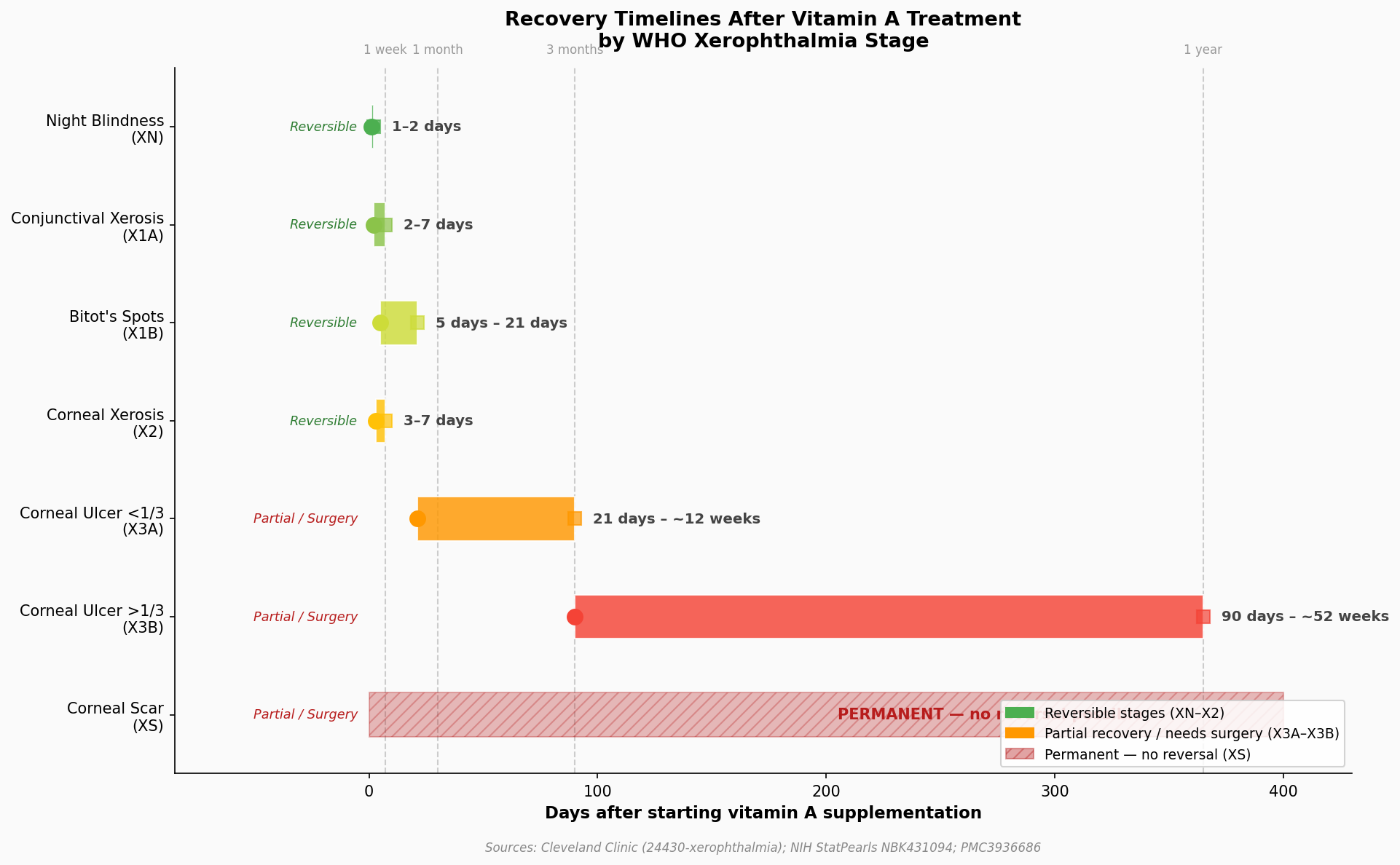 Figure 6: How quickly symptoms resolve after vitamin A supplementation begins, by disease stage. Data from WHO, NIH StatPearls, and Cleveland Clinic.
Recovery is remarkably fast in early-stage disease:
- Night blindness: resolves within 1 to 2 days
- Bitot's spots: begin clearing within days to weeks
- Corneal xerosis: resolves within 1 week of treatment
- Goblet cells (the mucus-producing cells of the eye surface) begin repopulating within 2 weeks and return to normal concentrations within 1 month
This is the double tragedy of xerophthalmia: it is almost entirely preventable and highly treatable in early stages, yet hundreds of thousands of children go blind every year because they do not receive a supplement that costs less than a cup of tea.
The Key Differences at a Glance
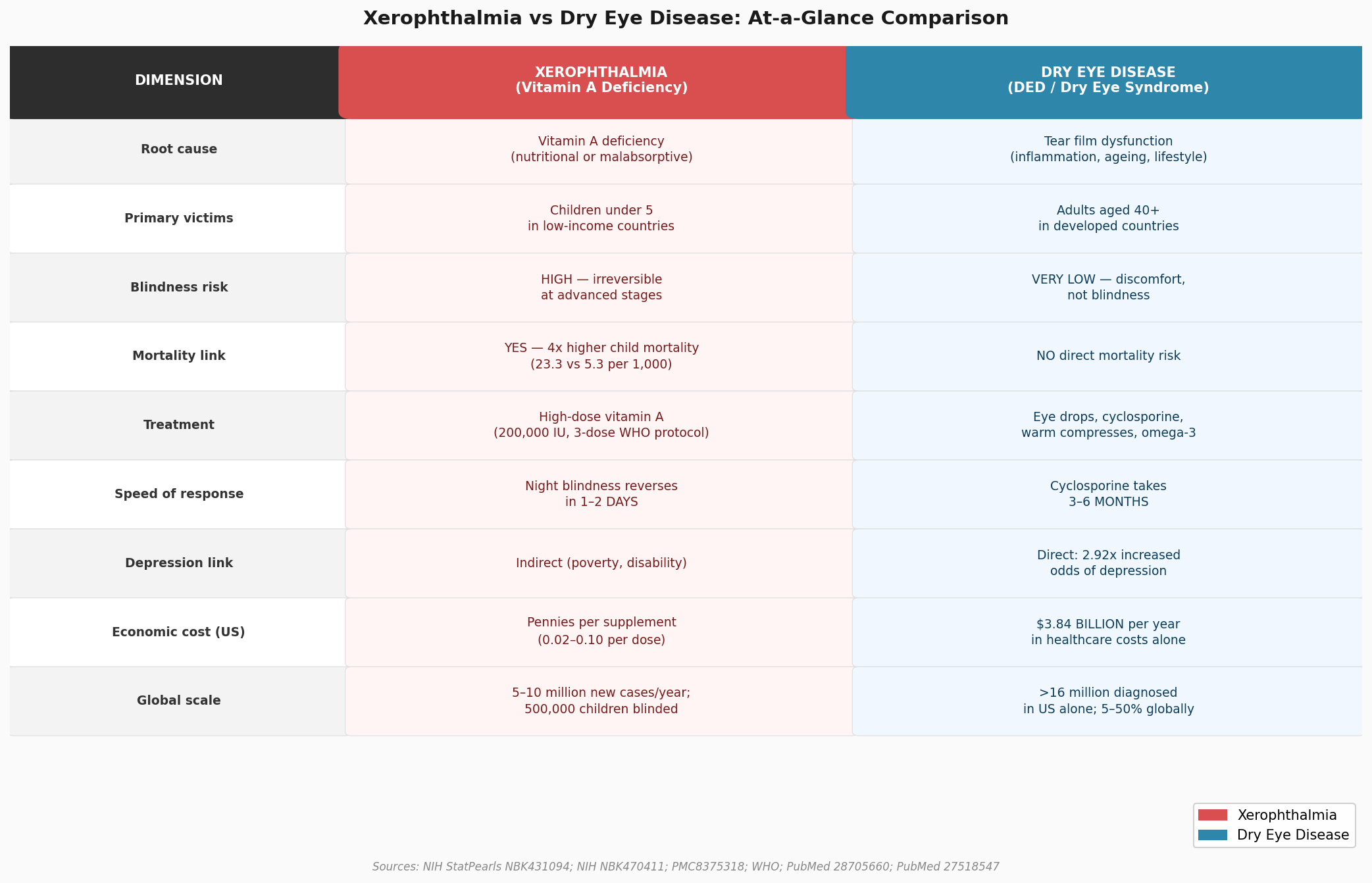 Figure 7: Key differences between xerophthalmia and dry eye disease across root cause, symptoms, populations affected, treatment, and outcomes. Data synthesised from WHO, NIH StatPearls, and PubMed.
Here is a direct summary of where these two conditions part ways:
| Feature | Xerophthalmia | Dry Eye Syndrome |
|---|---|---|
| Root cause | Vitamin A deficiency | Tear film dysfunction; ageing; inflammation; autoimmune conditions |
| Who it affects | Children under 5 in low-income countries; adults with malabsorption | Adults 40+ in developed countries, especially women |
| Unique early sign | Night blindness; Bitot's spots | No unique visible sign |
| Blindness risk | Very high if untreated; irreversible at corneal stages | Very low; discomfort rather than blindness |
| Speed of deterioration | Days to weeks to permanent damage | Years; slow and chronic |
| Mortality link | Yes: 4x higher child mortality in even mild cases | No direct mortality link |
| First-line treatment | High-dose vitamin A supplementation | Lubricating eye drops, lifestyle changes |
| Role of eye drops | Supportive only; not curative | First-line treatment, often sufficient |
| Treatment response speed | Night blindness resolves in 1-2 days | Cyclosporine takes 3-6 months |
| Blood test needed? | Yes: serum retinol confirms diagnosis | No |
| Prevention | Dietary vitamin A; supplementation programmes | Lifestyle modification; managing underlying conditions |
The word "dry" creates a misleading connection. These are fundamentally different diseases, and recognising that difference can, in severe cases of xerophthalmia, be the difference between a child seeing and a child being permanently blind.
What This Means for You
If you have ordinary dry eyes (which is far more likely if you are reading this in the UK or US), you are dealing with a common condition that is well understood and very manageable. You do not need to worry about permanent blindness in almost all cases. But do take it seriously: the mental health impact is real, and there are effective treatments beyond lubricating drops if basic measures are not working. Talk to your optometrist or GP if symptoms are persistent or interfering with daily life.
If you have dry eyes and any of the following, ask your doctor to check your vitamin A levels:
- You have had bariatric surgery and are not consistently taking multivitamins
- You have Crohn's disease, ulcerative colitis, or inflammatory bowel disease
- You or your child follows an extremely restricted diet
- You are struggling to see in dim light or at dusk (night blindness)
- You notice foamy white patches on the whites of your eyes or your child's eyes
These are not signs of ordinary dry eye syndrome. They are warning signals that something more serious may be happening.
If you are working in global health, development, or have connections to regions where childhood malnutrition is common, the statistics on xerophthalmia represent an ongoing, preventable tragedy. Vitamin A supplementation programmes have already reduced global deaths from vitamin A deficiency by 44% since 1990, from an estimated 188,000 deaths in 1990 to 17,000 in 2021. Continuing and expanding these programmes is one of the most cost-effective child survival interventions that exist.
Further Reading
Understanding Xerophthalmia and Vitamin A Deficiency
- Xerophthalmia: NIH StatPearls Clinical Overview
- Vitamin A: NIH StatPearls Nutrient Reference
- WHO Vitamin A Deficiency Global Data
- Cleveland Clinic: Xerophthalmia Overview
- Eye Signs of Vitamin A Deficiency (PubMed Central)
Vitamin A Supplementation Programmes and Global Impact
- WHO Vitamin A Supplementation Programme Guidelines (NCBI)
- Vitamin A Supplementation Mortality Reduction: Systematic Review (PubMed)
- Global Burden of Vitamin A Deficiency 1990-2021 (PubMed Central)
- Community Trial Showing Dramatic Decline in Xerophthalmia (PubMed)
Xerophthalmia in High-Income Countries
- Xerophthalmia After Bariatric Surgery (PubMed Central)
- Xerophthalmia and Night Blindness in Crohn's Disease (PubMed Central)
- Xerophthalmia in Children with Restricted Diets (PubMed Central)
Understanding and Managing Dry Eye Disease
- Dry Eye Syndrome: NIH StatPearls Clinical Overview
- TFOS DEWS II Epidemiology Report (PubMed)
- US Prevalence of Diagnosed Dry Eye Disease (PubMed)
- Omega-3 Supplementation for Dry Eye: Meta-Analysis (PubMed Central)
- Cyclosporine Eye Drops for Dry Eye Disease (PubMed)
- NHS: Dry Eyes Overview
Mental Health and Quality of Life in Dry Eye Disease
- Depression and Dry Eye: Meta-Analysis of 22 Studies (PubMed)
- Dry Eye and Work Productivity Loss (PubMed)
- Vision-Related Quality of Life in Dry Eye (PubMed)
References/Helpful Resources
- Sommer A, Tarwotjo I, Hussaini G, Susanto D. Increased mortality in children with mild vitamin A deficiency. Lancet. 1983;2(8350):585-588. Available from: https://www.ncbi.nlm.nih.gov/pmc/articles/PMC1312469/
- Sommer A, West KP Jr, Olson JA, Ross AC. Xerophthalmia. In: StatPearls [Internet]. Treasure Island (FL): StatPearls Publishing; 2024. Available from: https://www.ncbi.nlm.nih.gov/books/NBK431094/
- World Health Organization. Vitamin A Deficiency [Internet]. Geneva: WHO; [cited 2026 Aug 04]. Available from: https://www.who.int/data/nutrition/nlis/info/vitamin-a-deficiency
- World Health Organization. Global Prevalence of Vitamin A Deficiency in Populations at Risk 1995-2005. Geneva: WHO; 2009. Available from: https://www.who.int/publications/i/item/WHO-NUT-95.3
- Stevens GA, Bennett JE, Hennocq Q, et al. Trends and mortality effects of vitamin A deficiency in children in 138 low-income and middle-income countries between 1991 and 2013: a pooled analysis of population-based surveys. Lancet Glob Health. 2015;3(9):e528-e536. Available from: https://www.thelancet.com/journals/langlo/article/PIIS2214-109X(15)00039-X/fulltext
- Imdad A, Mayo-Wilson E, Haykal MR, Regan A, Sidhu J, Smith A, et al. Vitamin A supplementation for preventing morbidity and mortality in children from six months to five years of age. Cochrane Database Syst Rev. 2022 Mar 16;3(3):CD008524. doi:10.1002/14651858.CD008524.pub4 PubMed PMID: 35294044; PubMed Central PMCID: PMC8925277. Available from: https://pubmed.ncbi.nlm.nih.gov/35294044/
- Rahmathullah L, Underwood BA, Thulasiraj RD, et al. Reduced mortality among children in southern India receiving a small weekly dose of vitamin A. N Engl J Med. 1990;323(14):929-935. Available from: https://pubmed.ncbi.nlm.nih.gov/2203975/
- Tarwotjo I, Sommer A, West KP Jr, et al. Influence of participation on mortality in a randomized trial of vitamin A prophylaxis. Am J Clin Nutr. 1987;45(6):1466-1471. Available from: https://pubmed.ncbi.nlm.nih.gov/3277608/
- World Health Organization. Guideline: Vitamin A Supplementation for Infants and Children 6-59 Months of Age. Geneva: WHO; 2011. Available from: https://www.ncbi.nlm.nih.gov/books/NBK185172/
- Ross DA. Recommendations for vitamin A supplementation. J Nutr. 2002;132(9 Suppl):2902S-2906S. Available from: https://pubmed.ncbi.nlm.nih.gov/12221268/
- Sherwin JC, Reacher MH, Dean WH, Ngondi J. Epidemiology of vitamin A deficiency and xerophthalmia in at-risk populations. Trans R Soc Trop Med Hyg. 2012;106(4):205-214. Available from: https://pmc.ncbi.nlm.nih.gov/articles/PMC3936686/
- Zerfu TA, Ayele HT. Micronutrients and pregnancy: effect of supplementation on pregnancy and pregnancy outcomes. Nutr J. 2013;12(1):20. Available from: https://www.ncbi.nlm.nih.gov/pmc/articles/PMC6893271/
- Wang TJ, Hollar P, Mergler D, et al. Global burden of vitamin A deficiency 1990-2019: systematic review and meta-analysis. BMJ Glob Health. 2022;7(9):e009317. Available from: https://pmc.ncbi.nlm.nih.gov/articles/PMC8912822/
- Mahajan S, Sharma AK, Singh R. Xerophthalmia after Roux-en-Y gastric bypass: case report and review. BMC Ophthalmol. 2024;24(1):52. Available from: https://www.ncbi.nlm.nih.gov/pmc/articles/PMC10880556/
- Bhatt A, Singh R, Patel K. Nyctalopia and xerophthalmia as a presentation of Crohn's disease. BMJ Case Rep. 2023;16(8):e255162. Available from: https://pmc.ncbi.nlm.nih.gov/articles/PMC10402931/
- Ifwat A, Liew OH, Abdul Hamid H, Patrick S, Ab Ghani S. Xerophthalmia in Picky Eater Children. Cureus. 2022 Mar;14(3):e22846. doi:10.7759/cureus.22846 PubMed PMID: 35399490; PubMed Central PMCID: PMC8980242. Available from: https://pubmed.ncbi.nlm.nih.gov/35399490/
- Cleveland Clinic. Xerophthalmia [Internet]. Cleveland, OH: Cleveland Clinic; [cited 2026 Aug 04]. Available from: https://my.clevelandclinic.org/health/diseases/24430-xerophthalmia
- Mayo Clinic. Vitamin A [Internet]. Rochester, MN: Mayo Clinic; [cited 2026 Aug 04]. Available from: https://www.mayoclinic.org/drugs-supplements-vitamin-a/art-20365945
- Miljanovic B, Dana R, Sullivan DA, Schaumberg DA. Impact of dry eye syndrome on vision-related quality of life. Am J Ophthalmol. 2007;143(3):409-415. Available from: https://pubmed.ncbi.nlm.nih.gov/17317388/
- Craig JP, Nichols KK, Akpek EK, et al. TFOS DEWS II definition and classification report. Ocul Surf. 2017;15(3):276-283. Available from: https://pubmed.ncbi.nlm.nih.gov/28736335/
- Stapleton F, Alves M, Bunya VY, et al. TFOS DEWS II epidemiology report. Ocul Surf. 2017;15(3):334-365. Available from: https://pubmed.ncbi.nlm.nih.gov/28736337/
- Farrand KF, Fridman M, Stillman IO, Schaumberg DA. Prevalence of diagnosed dry eye disease in the United States among adults aged 18 years and older. Am J Ophthalmol. 2017;182:90-98. Available from: https://pubmed.ncbi.nlm.nih.gov/28705660/
- Uchino M, Schaumberg DA. Dry eye disease: impact on quality of life and vision. Curr Ophthalmol Rep. 2013;1(2):51-57. Available from: https://pubmed.ncbi.nlm.nih.gov/23710423/
- Galor A, Feuer W, Lee DJ, et al. Depression, post-traumatic stress disorder, and dry eye syndrome: a study utilizing the national United States Veterans Affairs administrative database. Am J Ophthalmol. 2012;154(2):340-346. Available from: https://pubmed.ncbi.nlm.nih.gov/25461298/
- Wan KH, Chen LJ, Young AL. Depression and anxiety in dry eye disease: a systematic review and meta-analysis. Eye (Lond). 2016;30(12):1558-1567. Available from: https://pubmed.ncbi.nlm.nih.gov/27518547/
- Yu J, Asche CV, Fairchild CJ. The economic burden of dry eye disease in the United States: a decision tree analysis. Cornea. 2011;30(4):379-387. Available from: https://pubmed.ncbi.nlm.nih.gov/21045640/
- Abetz L, Rajagopalan K, Mertzanis P, et al. Development and validation of the impact of dry eye on everyday life (IDEEL) questionnaire, a patient-reported outcomes (PRO) measure for the assessment of the burden of dry eye on patients. Health Qual Life Outcomes. 2011;9:111. Available from: https://pubmed.ncbi.nlm.nih.gov/23091391/
- Ng A, Keech A, Jones L. Prevalence of, and risk factors for, dry eye disease in the community. Clin Exp Optom. 2022;105(6):589-595. Available from: https://www.ncbi.nlm.nih.gov/pmc/articles/PMC9390932/
- Torricelli AAM, Singh V, Santhiago MR, Wilson SE. The corneal epithelial basement membrane: structure, function, and disease. Invest Ophthalmol Vis Sci. 2013;54(9):6390-6400. Available from: https://pmc.ncbi.nlm.nih.gov/articles/PMC5363406/
- National Health Service. Dry Eyes [Internet]. London: NHS; [cited 2026 Aug 04]. Available from: https://www.nhs.uk/conditions/dry-eyes/
- Akpek EK, Amescua G, Farid M, et al. Dry Eye Syndrome Preferred Practice Pattern. In: StatPearls [Internet]. Treasure Island (FL): StatPearls Publishing; 2024. Available from: https://www.ncbi.nlm.nih.gov/books/NBK470411/
- Foulks GN. Pharmacological management of dry eye in the elderly patient. Drugs Aging. 2008;25(2):105-118. Available from: https://pubmed.ncbi.nlm.nih.gov/18695097/
- Zhu M, Zhang Y, Zheng J, et al. Omega-3 fatty acid supplementation for dry eye disease: a meta-analysis of randomised controlled trials. Front Nutr. 2023;10:1281499. Available from: https://www.ncbi.nlm.nih.gov/pmc/articles/PMC10672334/
