

Your dentist has been trying to tell you this for years: healthy gums aren't just about your smile. A seemingly simple problem, such as bleeding gums or mild gum recession, actually affects your heart, your brain, your lungs, and even your ability to have healthy pregnancies. This isn't theoretical. Decades of rigorous research show that gum disease is linked to serious systemic conditions that kill more people than gum disease ever could on its own.
The connection is so strong that some researchers now consider gum disease a warning sign of systemic inflammation that predicts future health problems. And here's the empowering part: treating gum disease can actually reduce your cardiovascular risk, improve diabetes control, and lower your infection risk.
How Common Is Gum Disease, Really?
Before we talk about why gum disease matters beyond your mouth, you should know how many people are dealing with this.
42.2% of American adults aged 30 and older have periodontitis (the clinical name for gum disease). That's more than 2 in 5 adults. Not a fringe condition. Not something that affects only people with poor hygiene. A genuine epidemiological finding affecting tens of millions of people.
Among specific groups, it's even more prevalent. 62.4% of current smokers have gum disease. 59.9% of people with diabetes have it. 60.4% of people living below the federal poverty line have it. And among adults 65 and older, 64% have moderate to severe disease.
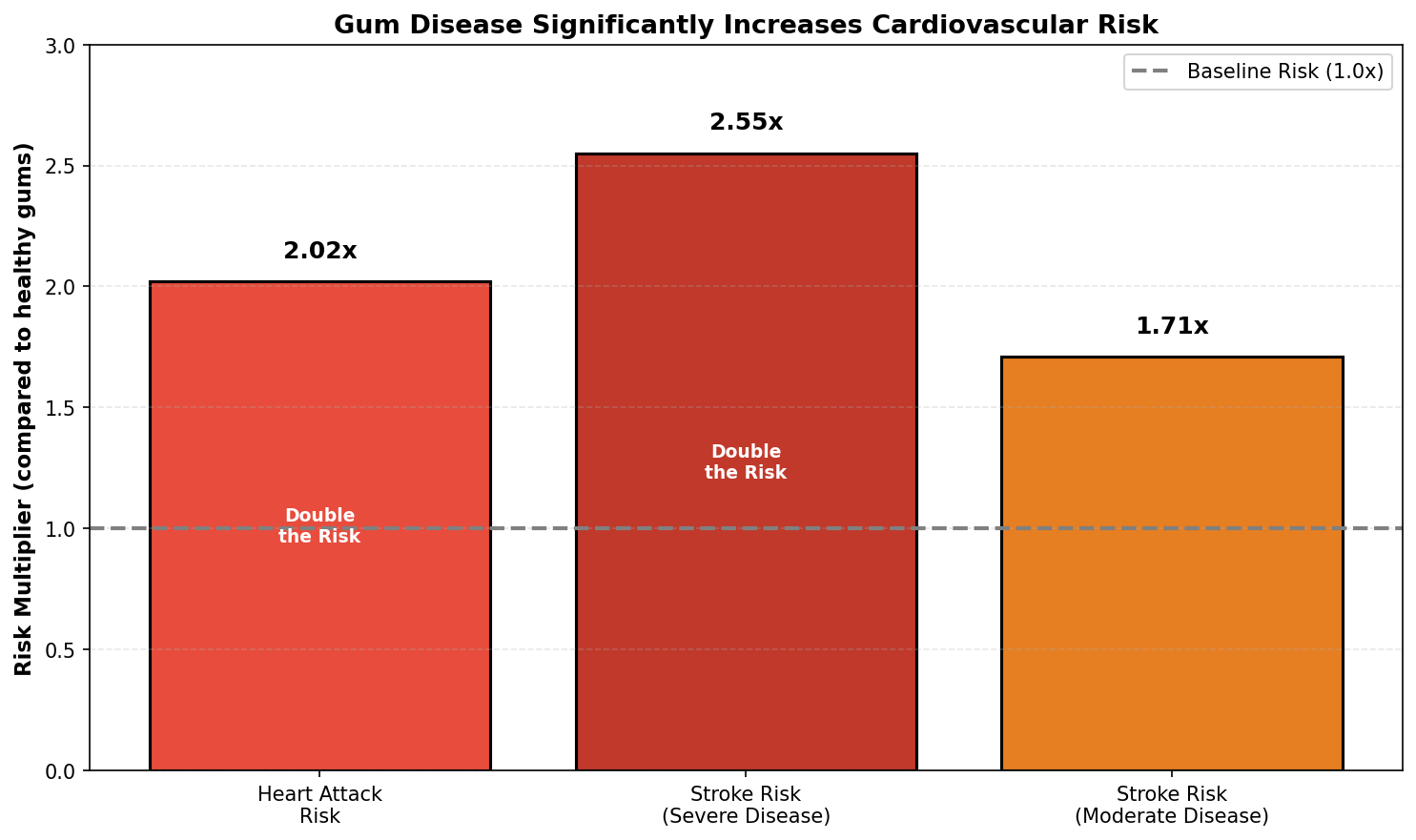 Figure 1: Gum disease prevalence increases dramatically with age, with seniors experiencing the highest burden. Data from CDC and NIDCR.
So if you're over 30, there's roughly a 40% chance you have some degree of gum disease right now. This is the context for understanding why researchers have invested decades uncovering the systemic connections.
What Is Gum Disease, and Why Does It Spread Beyond Your Mouth?
Gum disease begins innocuously: bacteria colonise your gums, triggering inflammation. Your immune system fights back. But in periodontitis, this fight becomes chronic and uncontrolled. Gums recede. Pockets develop between teeth and tissue. The barrier between your oral cavity and bloodstream weakens.
This is where the systemic effects begin.
The Three Pathways to Systemic Disease
Researchers have identified three main mechanisms by which gum disease damages distant organs:
1. Bacterial Translocation (Bacteria Entering the Bloodstream)
When gum tissue ulcerates from chronic inflammation, oral bacteria escape directly into your bloodstream in a process called bacteremia. This happens more often than you might think:
- After ultrasonic scaling at the dentist: 13-23% of patients develop bacteremia
- After simple periodontal probing, 16-20% develop bacteremia
- Even after toothbrushing, 3-13% of people develop brief bacteremia
If your gums bleed when you brush, you're at particular risk. People with generalised bleeding have an 8.8-fold increased risk of bacteremia compared to those with healthy gums. That means bacteria from your mouth enter your bloodstream repeatedly, every single day.
The specific bacteria driving gum disease, particularly Porphyromonas gingivalis, are notably virulent. They produce toxins that damage tissue and enable their own invasion into host cells and through tissue barriers. These bacteria don't just cause local inflammation; they're being found in locations throughout the body.
2. Bacterial Seeding of Atherosclerotic Plaques (Direct Heart Damage)
Perhaps the most striking evidence comes from examining heart disease plaques directly. Researchers using molecular techniques have genetically sequenced bacteria found in atherosclerotic plaques and matched them to oral bacteria from periodontitis patients.
The findings are striking: 44% of atherosclerotic plaque samples tested positive for at least one periodontal pathogen.
- Bacteroides forsythus: found in 30% of plaques
- Porphyromonas gingivalis: found in 26% of plaques
- Aggregatibacter actinomycetemcomitans: found in 18% of plaques
- Prevotella intermedia: found in 14% of plaques
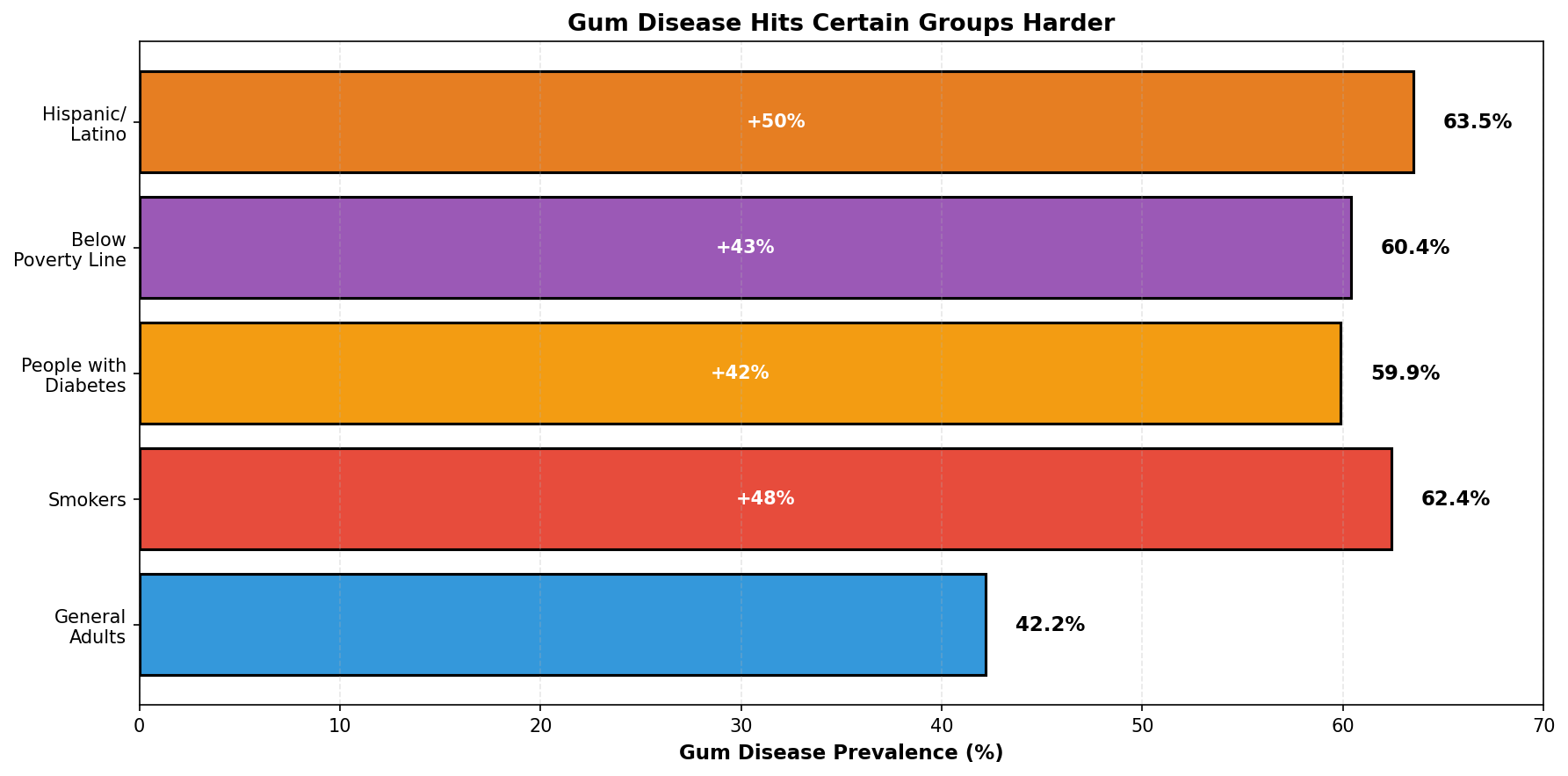 Figure 2: Nearly half of atherosclerotic plaques contain bacteria from gum disease. This represents direct molecular evidence that oral bacteria physically contribute to heart disease, not mere association. Data from metagenomic analysis of coronary artery disease patients.
This isn't theoretical. Bacteria from your infected gums are found in your heart plaques. They're contributing to atherosclerosis development and plaque instability.
3. Chronic Systemic Inflammation (The LPS Pathway)
The third mechanism is perhaps the most important for understanding long-term disease. Gram-negative bacteria in periodontal disease produce lipopolysaccharides (LPS), a powerful endotoxin. When gum tissue ulcerates, these bacterial endotoxins leak continuously into the bloodstream, creating what researchers call "low-grade endotoxemia."
This chronic endotoxemia triggers your immune system to produce pro-inflammatory cytokines, which are chemical messengers that activate inflammation throughout your body. The result is a persistent state of systemic inflammation that increases risk for cardiovascular disease, metabolic dysfunction, and worse outcomes from infections.
The Cardiovascular Connection: Your Gums and Your Heart Risk
This is where the real clinical impact becomes undeniable.
Heart Attack Risk
Multiple large studies have examined whether people with gum disease face higher heart attack risk. A meta-analysis pooling data from 22 observational studies involving 129,630 participants found that people with periodontitis have 2.02 times the risk of myocardial infarction (heart attack) compared to those with healthy gums.
Let that sink in: your risk roughly doubles.
To put this in perspective, a 2-fold increase in heart attack risk is comparable to smoking or high cholesterol: major cardiovascular risk factors we take very seriously. Yet gum disease is often overlooked in cardiovascular risk discussions.
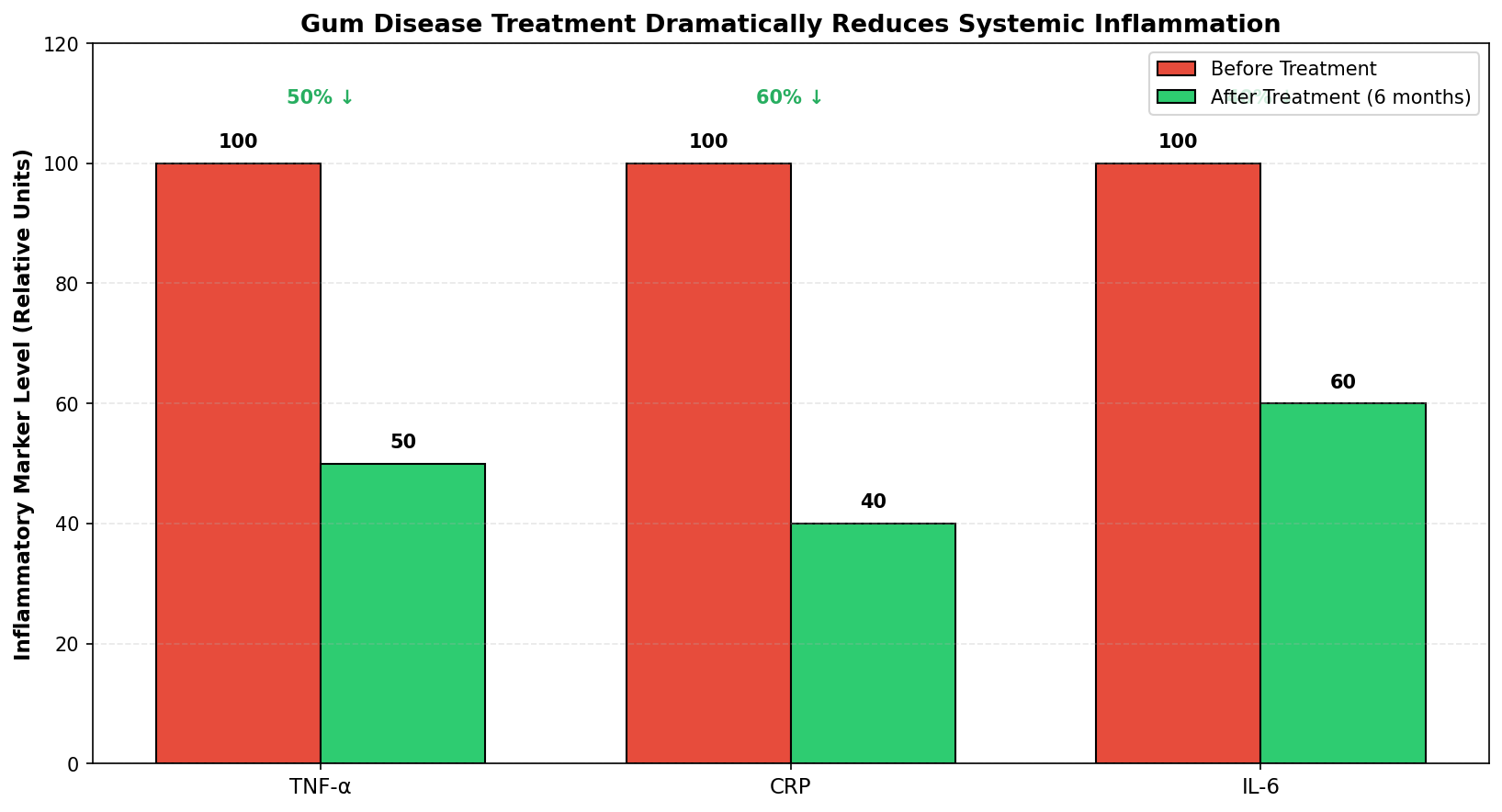 Figure 3: Gum disease creates consistent, clinically meaningful increases in heart attack and stroke risk. The cardiovascular system appears particularly vulnerable to periodontal disease effects.
Some studies show even higher risk in people with severe gum disease involving significant bone loss. Case-control studies document odds ratios ranging from 3.31 to 14.1 in those with more than 4mm of bone loss affecting 50% or more of their teeth. Severity matters.
The PAROKRANK study, a prospective cohort study following patients over time, found a doubling of all-cause mortality in periodontitis patients compared to those with healthy gums (10% versus 5% over the follow-up period). Cardiovascular events occurred in 29% of the periodontitis group versus 19% of the healthy gum group.
Stroke Risk
If anything, the stroke connection is even stronger than the heart attack connection.
Severe periodontitis increases stroke risk 2.55-fold. Even moderate disease increases stroke risk by 1.71-fold. In women specifically, those exposed to Porphyromonas gingivalis (the most virulent gum disease pathogen) were 2.3 times more likely to experience a stroke.
Why is stroke risk so elevated? The mechanisms involve multiple pathways: chronic inflammation damages blood vessel walls and promotes atherosclerosis, bacterial endotoxins directly injure the endothelium, and unstable plaques (which may contain oral bacteria) are more prone to rupture and cause embolic strokes.
Importantly, the ARIC (Atherosclerosis Risk in Communities) study found that people who used dental care regularly had lower stroke risk than those who sought only episodic (emergency) dental care. This suggests that preventive dental care may actually reduce stroke risk: moving the evidence beyond association toward potential causation.
The Diabetes Connection: A Vicious Cycle
The relationship between gum disease and diabetes is bidirectional. Each condition makes the other worse, creating what researchers call a "two-way street."
Diabetes Increases Gum Disease Risk
People with diabetes have a 3-fold increased susceptibility to periodontitis. Why? Diabetes impairs immune function, particularly neutrophil responses to bacterial infection. Diabetics also have delayed wound healing and increased inflammation, all of which compromise the ability to control oral bacterial infection.
Gum Disease Worsens Diabetes Control
But the reverse also occurs. In patients with existing diabetes, untreated periodontitis is associated with worse glycemic (blood sugar) control. More importantly, treating gum disease improves blood sugar control.
Studies show that non-surgical periodontal therapy (scaling and root planing) results in HbA1c reductions of 0.4-0.8% in diabetic patients. HbA1c is the gold standard measure of long-term blood sugar control. A 0.4% reduction is clinically meaningful; it translates to reduced risk of diabetic complications.
This is remarkable: treating your gums can help manage your diabetes. It suggests that periodontal inflammation is directly contributing to metabolic dysfunction in diabetic patients.
Systemic Inflammation: The Measurable Proof That Gum Disease Affects Your Whole Body
The most compelling evidence linking gum disease to systemic disease comes from inflammatory biomarkers: measurable proteins in blood that reflect your body's inflammatory state.
Inflammatory Markers Are Elevated in Gum Disease
Patients with chronic periodontitis show significantly elevated levels of:
- C-reactive protein (CRP): A primary marker of systemic inflammation that independently predicts cardiovascular disease and death
- Interleukin-6 (IL-6): A cytokine involved in the acute inflammatory response that is itself an independent cardiovascular risk factor
- Tumour Necrosis Factor-alpha (TNF-α): A potent pro-inflammatory cytokine that drives systemic inflammation
- Interleukin-1-beta (IL-1β): Central to the inflammatory cascade
The elevation in these markers is proportional to the severity of gum inflammation. Worse gums equal higher systemic inflammation. This is a dose-response relationship, one of the key epidemiological criteria suggesting causality rather than mere coincidence.
Treatment Dramatically Reduces Inflammation
Here's where gum disease becomes genuinely empowering: treating the disease reverses systemic inflammation.
After intensive non-surgical periodontal therapy (scaling and root planing), researchers measure inflammatory markers at follow-up. The results are dramatic:
- TNF-α reduction: 50% reduction at 6 months
- CRP reduction: 30-50% reduction sustained through 6-month follow-up
- IL-6 reduction: Significant decrease with treatment
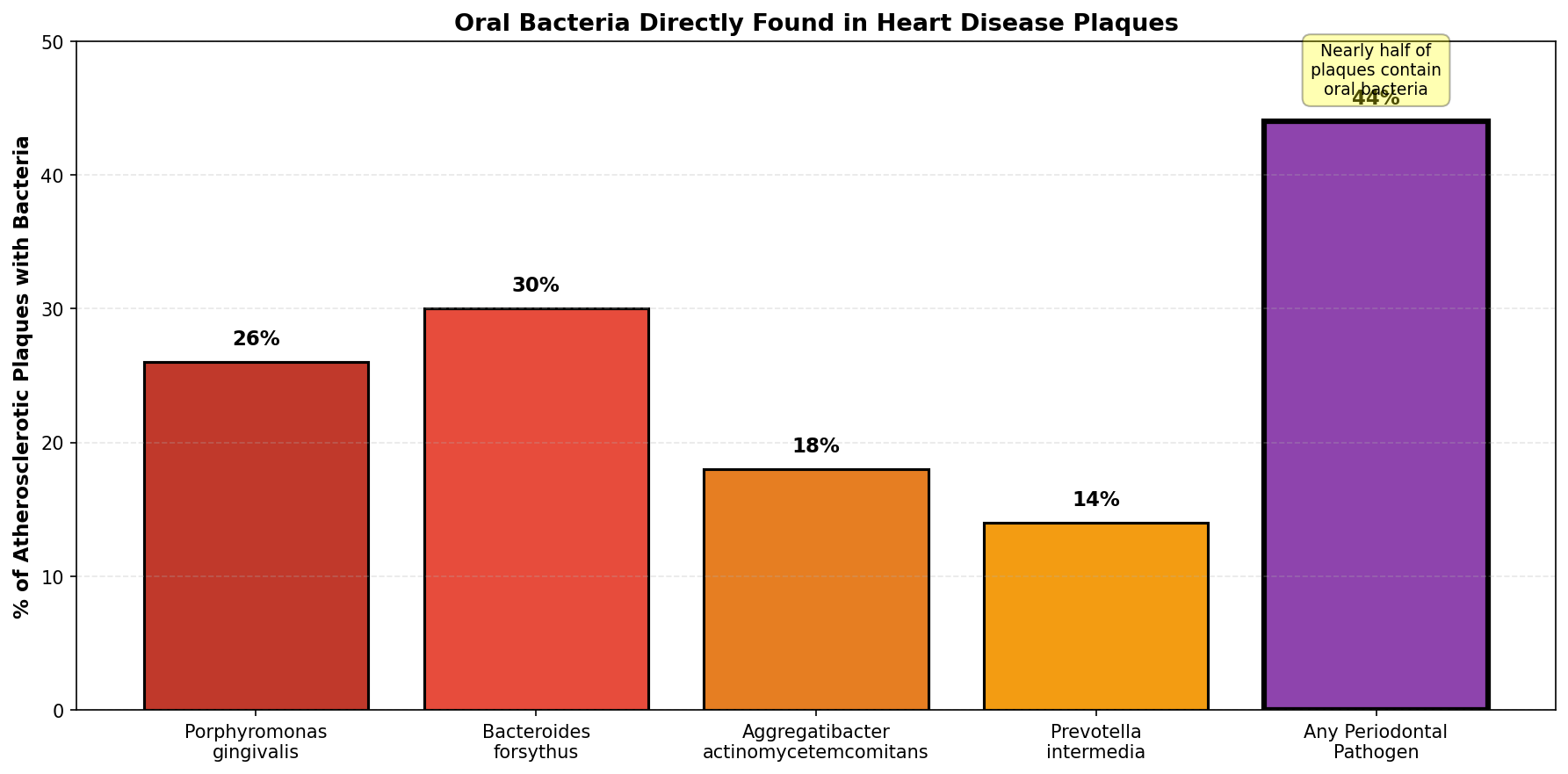 Figure 4: Gum disease treatment produces measurable reductions in systemic inflammation markers within 6 months. This proves that treating periodontal disease affects whole-body inflammation, not just local disease.
Think about this: treating your gums can cut your body's inflammatory burden roughly in half. That's not a minor local effect. That's systemic benefit.
This is why many researchers consider periodontal therapy a form of preventive medicine for cardiovascular disease and metabolic disease. You're not just improving your smile; you're measurably reducing systemic inflammation that contributes to heart disease, diabetes, and other serious conditions.
Respiratory Infections: Pneumonia Risk and the Lung Connection
Beyond the heart and metabolic system, gum disease increases respiratory infection risk, particularly pneumonia.
Pneumonia Risk Is Significantly Elevated
Patients with severe periodontal disease are 2.6 times more likely to develop pneumonia compared to those with healthy gums. In some studies, patients with moderate to severe periodontitis face 4 times the risk of community-acquired pneumonia.
For elderly patients or those with chronic respiratory disease (COPD), this risk is particularly concerning, as pneumonia can be life-threatening.
How Gum Disease Leads to Lung Infections
The mechanism involves aspiration: periodontal bacteria colonising your throat are inhaled into your lungs during sleep or when you're ill. Normally, your respiratory immune system clears aspirated bacteria. But systemic inflammation from periodontitis impairs lung immunity and neutrophil function, allowing bacteria to establish infection.
Researchers have used genetic sequencing to prove direct causation, not just association. They isolated bacteria from the dental plaques of hospitalised patients and compared them to bacteria cultured from those patients' respiratory infections. In 8 of 10 cases with confirmed microbial identification, the mouth bacteria genetically matched the lung infection bacteria. This isn't a coincidence; it's direct transmission.
Pregnancy Complications: Fetal Health and Oral Disease
Pregnancy creates a unique window where gum disease can have immediate, severe consequences.
Prevalence and Risk
11% of pregnant women have periodontitis. Pregnancy hormones actually increase gum inflammation risk, making screening and early treatment important for women planning pregnancy.
Studies of pregnancy outcomes reveal associations with several serious complications:
- Preterm birth: Documented in 62.5% of reviewed studies
- Low birth weight: Documented in 68.7% of studies, with average reductions of 0.5-1.0 kg
- Pre-eclampsia: Documented in 12.5% of studies
- Perinatal mortality: Documented in 12.5% of studies
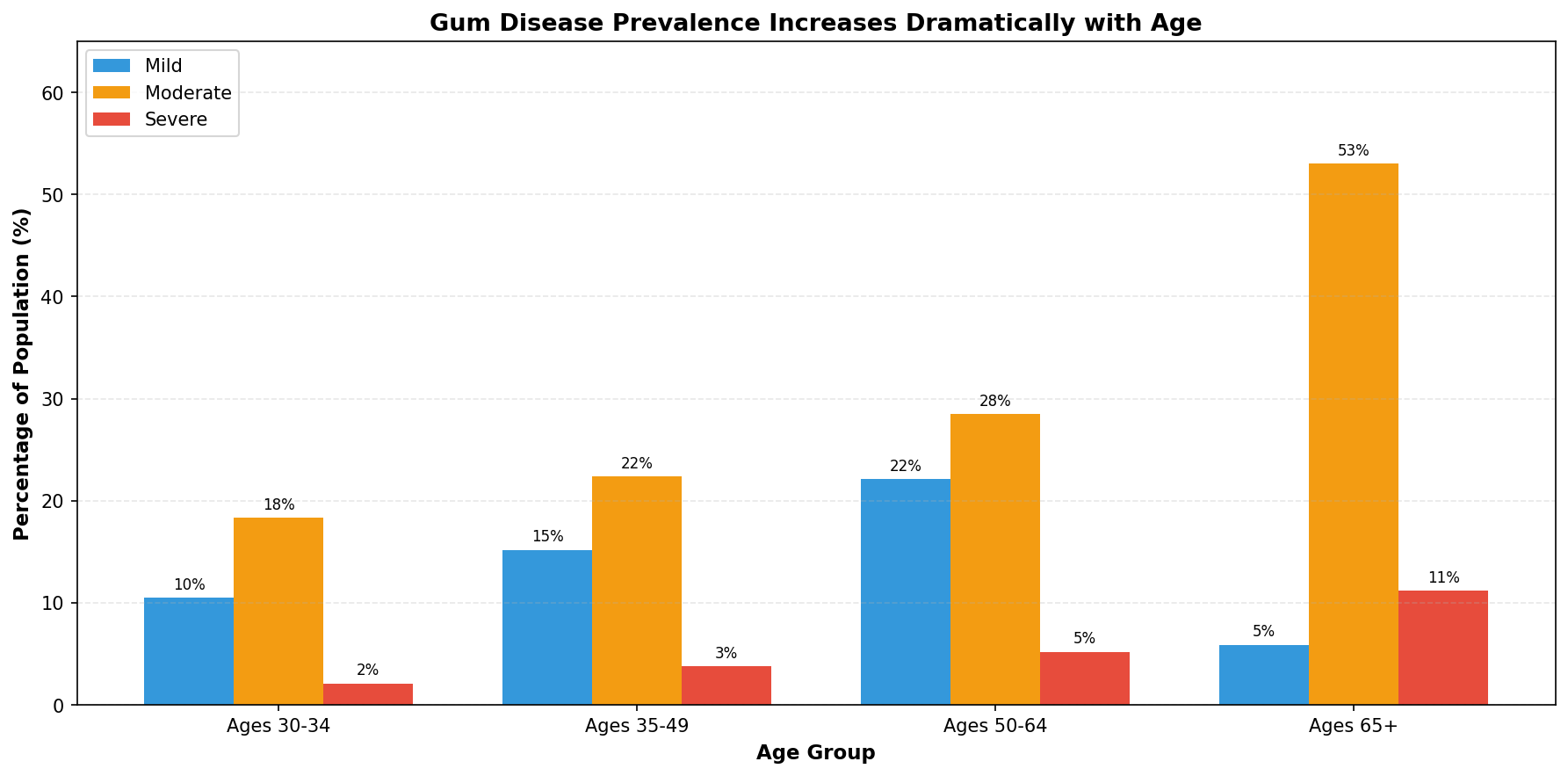 Figure 5: Strong evidence links untreated gum disease to preterm birth and low birth weight. However, treatment during pregnancy was not protective in most studies, suggesting prevention before pregnancy is critical.
The proposed mechanisms involve either direct bacterial translocation to the placenta or inflammatory cytokine crossing into the intrauterine environment, triggering premature labour or fetal growth restriction.
A Critical Caveat About Treatment
Here's where the story becomes more nuanced: while periodontal therapy during pregnancy is safe, it did not statistically reduce preterm birth or low birth weight rates in most randomised trials. This suggests that pregnancy complications begin early; possibly before women seek treatment; and cannot be fully reversed by late-stage intervention.
The clinical implication is crucial: women should optimise oral health before pregnancy, not rely on treatment during pregnancy to prevent complications. Prevention is more effective than treatment.
Quality of Life Impact: This Affects How You Actually Live
Beyond the systemic disease connections, gum disease significantly impacts daily functioning and psychological well-being.
More than 90% of patients with periodontitis report at least one oral health-related quality of life impact experienced occasionally or frequently. This compares to 53.8% in periodontally healthy controls; a 37 percentage point difference.
These impacts span three major life domains:
Physical Function
- Pain or discomfort while eating
- Difficulty chewing specific foods
- Sleep disruption from pain or infection
- Work impairment due to oral symptoms
Psychological Well-Being
- Self-consciousness about appearance or tooth loss
- Social anxiety about smile or bad breath
- Depression related to chronic disease
- Loss of confidence in social situations
Social Participation
- Reduced social interaction
- Avoidance of public eating situations
- Relationship strain
- Economic impacts from lost work time
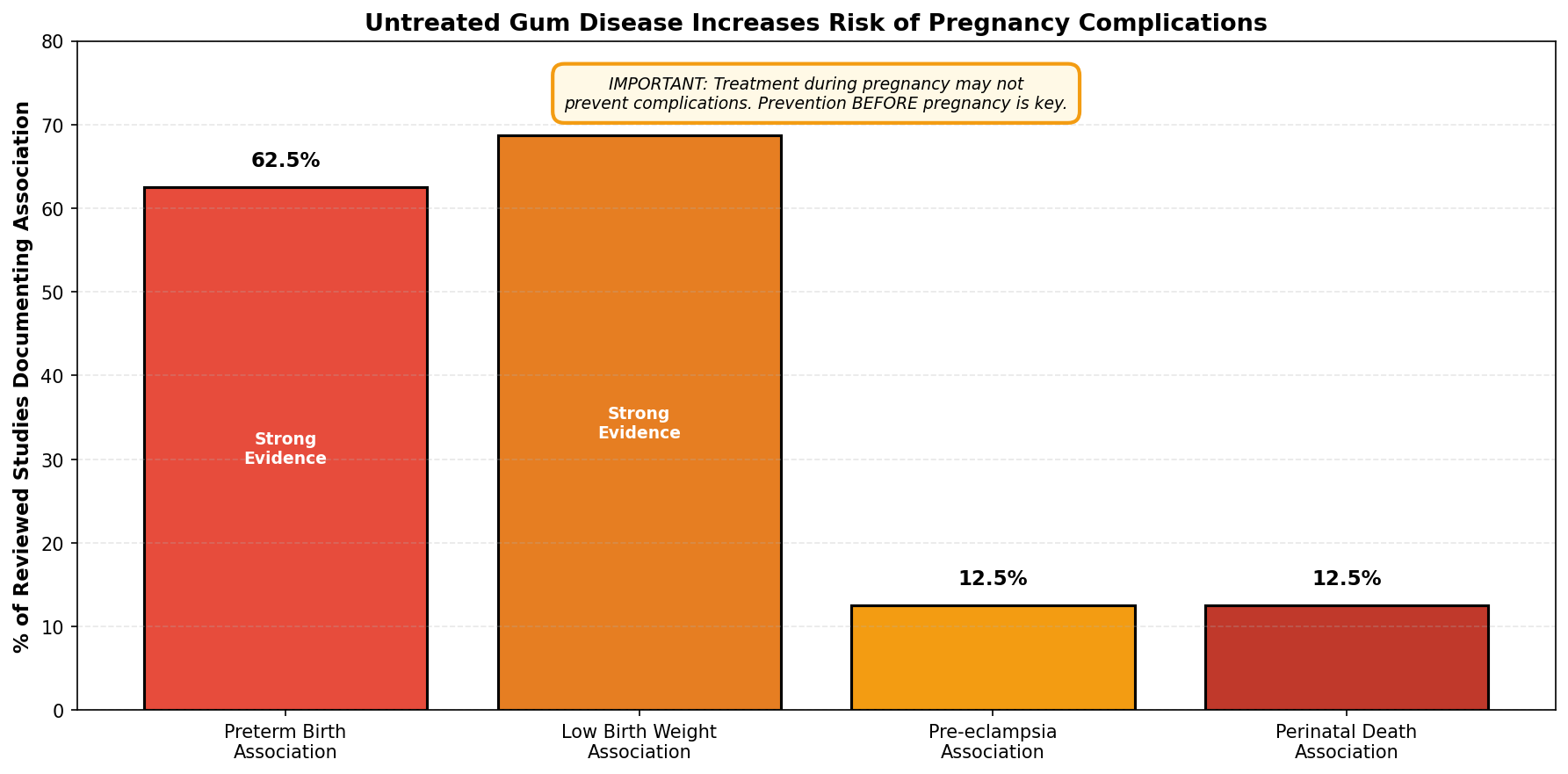 Figure 6: Gum disease affects more than just your health markers; it significantly impacts daily life, mental health, and social functioning. Nearly all patients with periodontitis report quality of life impacts.
Severe disease (Stages III-IV) has substantially greater impact than mild disease. But even moderate periodontitis affects real people in real ways.
Who Is Most at Risk? Identifying High-Risk Groups
Gum disease is not equally distributed across the population. Certain groups face dramatically elevated risk, revealing both behavioural and structural health disparities.
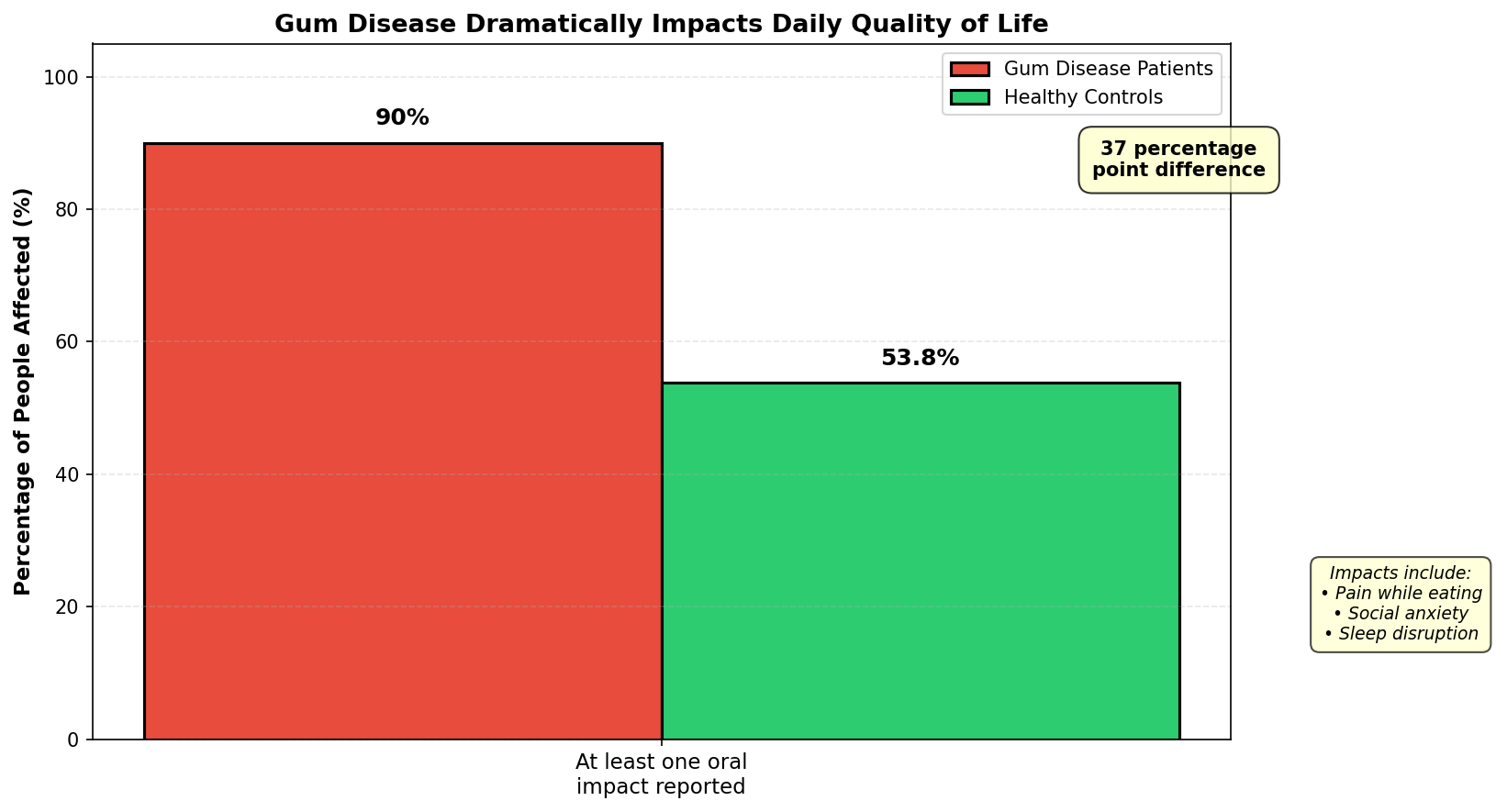 Figure 7: Certain populations face 50% higher prevalence of gum disease, reflecting both behavioural factors (smoking) and structural disparities (poverty, healthcare access, ethnicity).
Smoking: 62.4% of current smokers have periodontitis compared to 42.2% of the general population. Tobacco use impairs immune function and directly damages gum tissue, making smoking one of the strongest modifiable risk factors.
Diabetes: 59.9% of people with diabetes have periodontitis due to immune impairment. The bidirectional relationship means diabetics need aggressive preventive dental care.
Poverty and Healthcare Access: 60.4% of people living below 100% of the federal poverty line have periodontitis. This reflects limited access to preventive dental care and the compounding health effects of poverty.
Race and Ethnicity: 63.5% of Hispanic/Latino adults and 59.7% of Mexican Americans have periodontitis, the highest rates among racial/ethnic groups. This reflects healthcare access disparities, not inherent biological differences.
Age: Disease increases substantially after age 50, with 64% of adults 65 and older having moderate or severe disease.
These disparities highlight that gum disease is partly a public health problem related to healthcare access and socioeconomic factors; not just individual oral hygiene.
What Works: Treatment Reverses Systemic Effects
The good news is that gum disease is treatable, and treatment produces real systemic benefits.
Nonsurgical Therapy (Scaling and Root Planing)
The primary treatment for most periodontitis involves professional removal of bacterial biofilm from tooth surfaces and below the gum line. This is called scaling and root planing (or "deep cleaning").
Studies consistently show that after this treatment:
- Inflammatory cytokines decrease significantly within weeks
- CRP drops 30-50% by 6 months
- Systemic endotoxemia decreases as bacterial load is reduced
- Neutrophil function normalizes
- Diabetic patients' blood sugar control improves
The improvements are not isolated to your mouth. Your body's inflammatory state measurably improves.
Surgical Therapy for Advanced Disease
For severe periodontitis with significant bone loss, surgical intervention (periodontal surgery to regenerate bone or reshape tissue) is more effective. One-year follow-up studies show not only clinical attachment gains but also immune profile rebalancing: shifts toward healing patterns and away from destructive inflammation.
Prevention and Maintenance
Perhaps most importantly, maintaining oral health through regular brushing, flossing, and professional cleaning prevents disease development or progression. For those with diabetes, cardiovascular disease, or pregnancy plans, preventive dental care becomes part of comprehensive disease management.
Practical Takeaways: What You Should Do
Based on this evidence, here are concrete actions:
- See a dentist if you haven't in 12 months. Gum disease often progresses silently without symptoms until damage is significant
- Pay special attention to bleeding gums. This is a visible indicator of bacteremia risk and ongoing systemic bacterial entry. Bleeding gums warrant professional evaluation
- If you have diabetes, treat gum disease as part of diabetes management. Periodontal therapy can improve blood sugar control. Discuss your gum health with your doctor
- If you're planning pregnancy, optimize your oral health beforehand. Preventive care and early treatment are more effective than intervention during pregnancy
- If you smoke, understand that tobacco use significantly increases gum disease risk. Smoking cessation is one of the most effective interventions for preventing periodontitis
- Don't delay treatment. Improvements in inflammatory markers occur within weeks. The longer you wait, the more systemic damage accumulates
The fundamental message: your gums aren't separate from your heart, your lungs, your brain, or your metabolic health. They're connected through multiple biological pathways. Maintaining gum health is preventive medicine for systemic disease.
Further Reading
Cardiovascular Disease and Gum Disease
- Periodontitis is associated with stroke (PubMed)
- Periodontitis and cardiovascular diseases: Consensus report (PubMed)
- Is periodontitis a risk factor for ischaemic stroke and coronary artery disease? Mendelian randomization study (PubMed)
- Association between periodontitis and acute myocardial infarction: meta-analysis (PubMed)
Diabetes and Metabolic Disease
- Causal Association Between Periodontitis and Type 2 Diabetes (PubMed)
- Novel Insight into the Mechanisms of the Bidirectional Relationship between Diabetes and Periodontitis (PubMed)
- Bidirectional association between periodontal disease and diabetes mellitus (PubMed)
Systemic Inflammation and Immune Response
- Periodontal Inflammation and Systemic Diseases: An Overview (PubMed)
- Periodontitis: from microbial immune subversion to systemic inflammation (PubMed)
- C-Reactive Protein and its Association with Periodontal Disease (PubMed)
Bacterial Pathways and Atherosclerosis
- Identification of periodontal pathogens in atheromatous plaques (PubMed)
- Metagenomic Analysis of Subgingival and Atherosclerotic Plaque Microbiota in Coronary Artery Disease (PubMed)
- The Roles of Periodontal Bacteria in Atherosclerosis (PubMed)
Pregnancy Complications
- Periodontitis in Pregnant Women: A Possible Link to Adverse Pregnancy Outcomes (PubMed)
- Periodontal diseases and adverse pregnancy outcomes (PubMed)
- Periodontitis and adverse pregnancy outcomes: Joint EFP/AAP Workshop consensus (PubMed)
Respiratory Infections
- The Association of Periodontal Treatment and Decreased Pneumonia (PubMed)
- Potential role of periodontal infection in respiratory diseases (PubMed)
- Periodontal Pathobionts and Respiratory Diseases (PubMed)
Epidemiology and Prevalence
- Periodontal Disease in Adults (NIDCR)
- Periodontitis Among Adults Aged ≥30 Years (CDC)
- Global and Regional Burden of Periodontal Disease (PubMed)
Quality of Life
- Impact of periodontitis on oral health-related quality of life (PubMed)
- Oral health-related quality of life in patients with periodontitis: systematic review and meta-analysis (PubMed)
References/Helpful Resources
- National Institute of Dental and Craniofacial Research (NIDCR). Periodontal Disease in Adults [Internet]. Bethesda (MD): National Institutes of Health; [cited 2026 Jun 11]. Available from: https://www.nidcr.nih.gov/research/data-statistics/periodontal-disease/adults
- Centers for Disease Control and Prevention (CDC). Periodontitis Among Adults Aged ≥30 Years - United States, 2009-2010 [Internet]. Atlanta (GA): CDC; [cited 2026 Jun 11]. Available from: https://www.cdc.gov/mmwr/preview/mmwrhtml/su6203a21.htm
- Gasner NS, Schure RS. Periodontal Disease. In: StatPearls. Treasure Island (FL): StatPearls Publishing; May 12, 2025.
- Sanz M, Marco del Castillo A, Jepsen S, et al. Periodontitis and cardiovascular diseases: Consensus report. J Clin Periodontol. 2020;47(3):268-288.
- Wang Y, Wu Y, Song J. Global and Regional Burden of Periodontal Disease in Adults (1990-2021). Int Dent J. 2025;75(6):103883. doi:10.1016/j.identj.2025.103883
- Shi Q, Zhang B, Huo N, Cai C, Liu H, Xu J. Association between Myocardial Infarction and Periodontitis: A Meta-Analysis of Case-Control Studies. Front Physiol. 2016;7:519. Published 2016 Nov 4. doi:10.3389/fphys. 2016.00519
- Zheng M, Wang C, Ali A, Shih YA, Xie Q, Guo C. Prevalence of periodontitis in people clinically diagnosed with diabetes mellitus: a meta-analysis of epidemiologic studies. Acta Diabetologica. 2021;58(10):1307-1327. doi:10.1007/s00592-021-01738-2
- Păunică I, Giurgiu M, Dumitriu AS, et al. The Bidirectional Relationship between Periodontal Disease and Diabetes Mellitus-A Review. Diagnostics (Basel). 2023;13(4):681. Published 2023 Feb 11. doi:10.3390/diagnostics13040681
- Rahimi A, Afshari Z. Periodontitis and cardiovascular disease: A literature review. ARYA Atheroscler. 2021;17(5):1-8. doi:10.22122/arya.v17i0.2362
- Zhang Y, Bian CE, Yu C, et al. THE ASSOCIATION BETWEEN PERIODONTAL DISEASE AND STROKE RISK: A SYSTEMATIC REVIEW AND META-ANALYSIS. J Evid Based Dent Pract. 2025;25(4):102172. doi:10.1016/j.jebdp.2025.102172
- Genco RJ, Borgnakke WS. Risk factors for periodontal disease. Periodontol 2000. 2013;62(1):59-94.
- Mayo Clinic. Periodontitis [Internet]. Rochester (MN): Mayo Clinic; [cited 2026 Jun 11]. Available from: https://www.mayoclinic.org/diseases-conditions/periodontitis/symptoms-causes/syc-20354473
- American Heart Association (AHA). Heart Disease and Stroke Statistics [Internet]. Dallas (TX): American Heart Association; [cited 2026 Jun 11]. Available from: https://professional.heart.org/en/science-news/2026-heart-disease-and-stroke-statistics
- American Diabetes Association (ADA). Diabetes and Gum Disease [Internet]. Arlington (VA): American Diabetes Association; [cited 2026 Jun 11]. Available from: https://diabetes.org/about-diabetes/complications/oral-gum-disease
- NHS (National Health Service). Gum Disease [Internet]. London: NHS; [cited 2026 Jun 11]. Available from: https://www.nhs.uk/conditions/gum-disease/
- National Health and Nutrition Examination Survey (NHANES). Oral Health Data [Internet]. Hyattsville (MD): CDC; [cited 2026 Jun 11]. Available from: https://www.cdc.gov/nchs/nhanes/
- Arigbede AO, Babatope BO, Bamidele MK. Periodontitis and systemic diseases: A literature review. J Indian Soc Periodontol. 2012;16(4):487-491. doi:10.4103/0972-124X.106878
- Marsh PD. Dental plaque as a biofilm and a microbial community - implications for health and disease. BMC Oral Health. 2006;6 Suppl 1(Suppl 1):S14. Published 2006 Jun 15. doi:10.1186/1472-6831-6-S1-S14
- Sanz M, Kornman K; working group 3 of the joint EFP/AAP workshop. Periodontitis and adverse pregnancy outcomes: consensus report of the Joint EFP/AAP Workshop on Periodontitis and Systemic Diseases. J Periodontol. 2013;84(4 Suppl):S164-S169. doi:10.1902/jop.2013.1340016
- Zandbergen D, Slot DE, Cobb CM, Van der Weijden FA. The clinical effect of scaling and root planing and the concomitant administration of systemic amoxicillin and metronidazole: a systematic review. J Periodontol. 2013;84(3):332-351. doi:10.1902/jop.2012.120040
