

If you think gum disease is just a dental problem, think again. Your mouth is directly connected to your heart, your blood sugar levels, your lungs, and your immune system. Untreated gum disease isn't merely about tooth loss; it's a systemic health crisis that affects millions worldwide yet remains largely misunderstood.
The science is clear: people with gum disease are 1.7 to 7.5 times more likely to develop serious systemic diseases, including heart disease, stroke, respiratory infections, rheumatoid arthritis, and diabetes complications. Yet here's the hopeful part: gum disease is largely preventable and treatable. Understanding this connection could be one of the most important health lessons you learn this year.
How Common Is Gum Disease, Really?
The numbers are staggering. 42.2% of U.S. adults aged 30 and older have some form of gum disease: that's nearly 1 in 2.4 people. Globally, the problem is even larger, affecting up to 50% of the population worldwide.
This isn't a rare condition affecting only a handful of people. If you're sitting in a room with 10 adults over 30, statistically, 4 of them have periodontitis (advanced gum disease). It's one of the most common chronic conditions on Earth, competing with hypertension and diabetes in terms of how many people it affects.
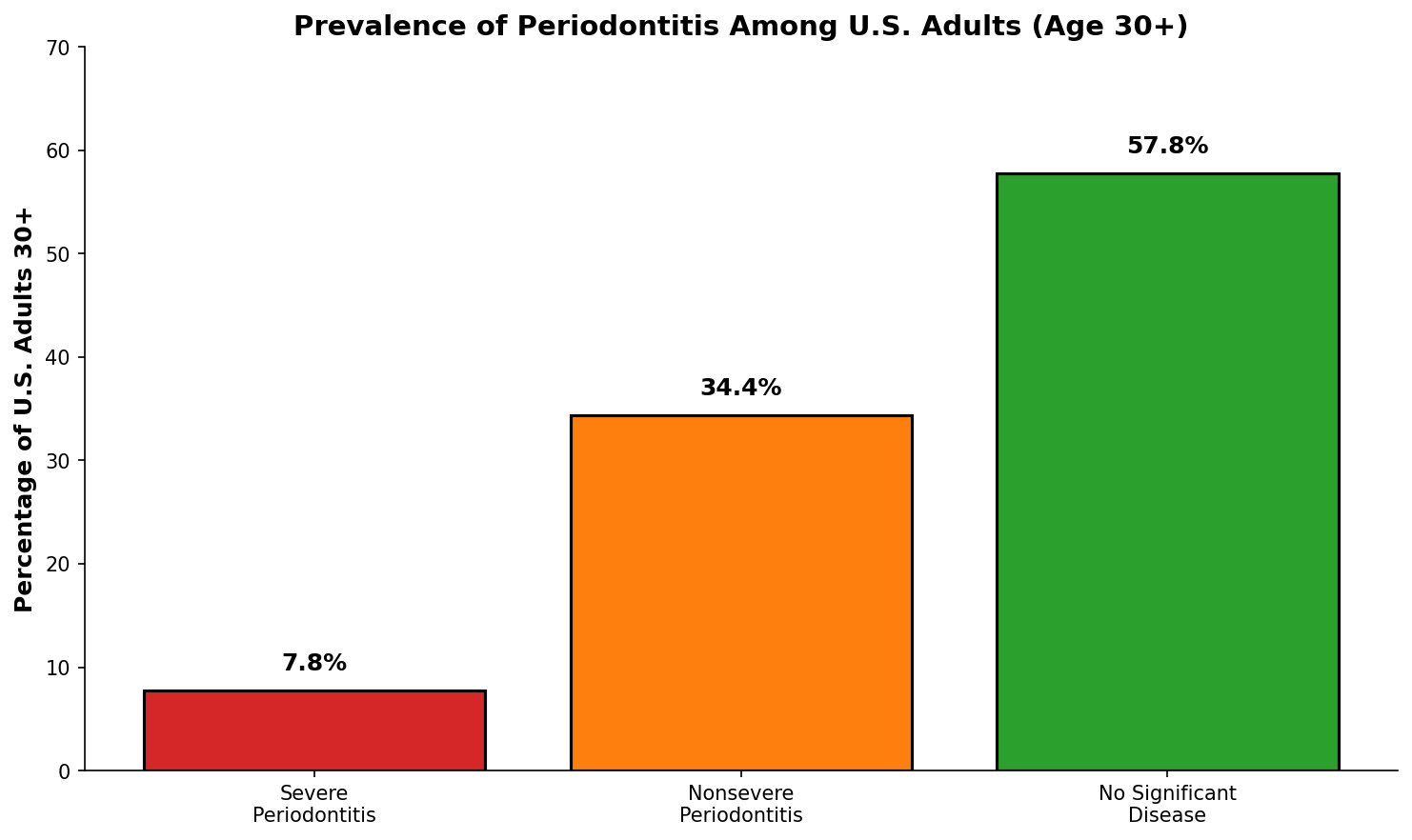 Figure 1: Gum disease severity among U.S. adults aged 30 and older. Data shows that while 42.2% have periodontitis, most (34.4%) have nonsevere disease, indicating early intervention can prevent progression.
What's particularly important: most gum disease falls into the nonsevere category. This means that for most people, early detection and treatment can halt progression before teeth are lost.
Who's Most Vulnerable? It's Not What You Might Think
Gum disease doesn't strike randomly. Certain groups face dramatically elevated risk, revealing important patterns about prevention and health equity.
Smoking is the single most powerful modifiable risk factor. Current smokers have a 62.4% prevalence of gum disease—meaning smoking increases your risk by 2 to 7 times compared to non-smokers. This is the single most actionable finding: if you smoke, quitting would do more for your gums than almost any other intervention.
But the story gets more troubling. Gum disease severity tracks closely with socioeconomic status. People living below the federal poverty line have a 60.4% prevalence of gum disease, compared to the 42% baseline for all adults. Educational level matters too; those with only primary education face significantly greater disease burden. This reflects a stark health equity issue: gum disease burden falls heaviest on those with the least access to dental care.
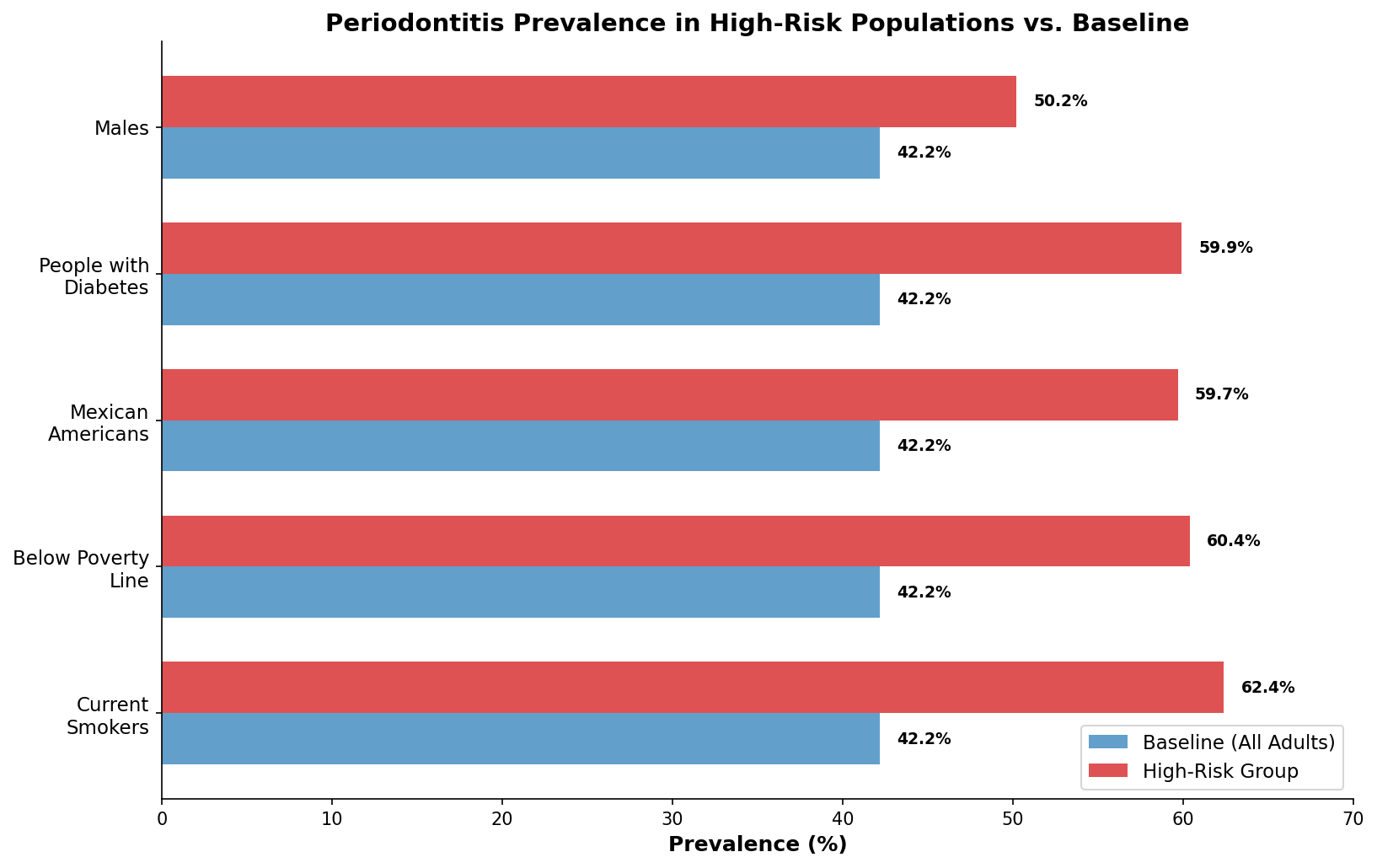 Figure 2: Comparative prevalence of gum disease in high-risk populations. Current smokers, people living in poverty, those with diabetes, and certain ethnic groups show substantially elevated risk compared to the general population.
Demographics tell another story. Men are more likely than women to develop gum disease (50.2% vs. lower rates in women). Mexican Americans show the highest prevalence among U.S. racial/ethnic groups at 59.7%, likely reflecting intersecting socioeconomic factors and healthcare access disparities. Age matters too; the likelihood increases as you get older, with adults 65 and over facing a greater risk than those aged 30-44.
The Bidirectional Trap: When Diabetes and Gum Disease Feed Each Other
Perhaps the clearest example of how gum disease affects systemic health is its relationship with diabetes. This connection works both ways, creating a vicious cycle.
People with diabetes are nearly 1.5 times more likely to develop gum disease, with 59.9% of diabetics having periodontitis compared to 40.4% of non-diabetics. This happens because uncontrolled blood sugar weakens the immune system's ability to fight infection, leaving gums more vulnerable to bacterial attack.
But it goes the other way, too. Untreated gum disease triggers chronic inflammation that worsens blood sugar control. Treating gum disease in diabetic patients resulted in a statistically significant reduction in HbA1c of −0.40% after 3-4 months—a percentage that seems small until you realise that every 0.1% improvement in HbA1c reduces complication risk by 1%. This means periodontal treatment is an overlooked but genuinely important part of diabetes management.
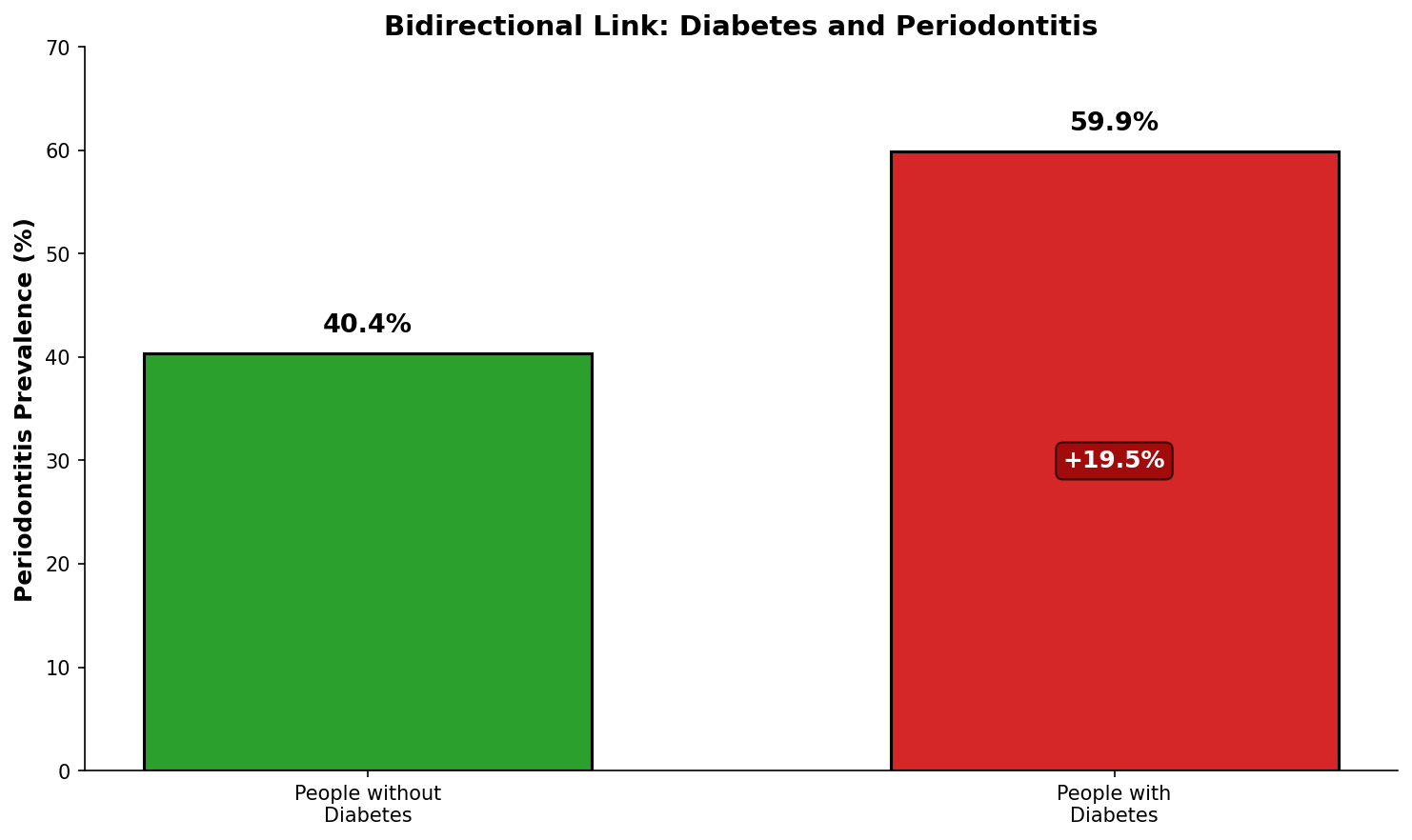 Figure 3: How diabetes and gum disease amplify each other. The difference between diabetics and non-diabetics is 19.5 percentage points, with treatment of gum disease measurably improving glucose control.
The Pathways: How Your Mouth Damages Your Whole Body
This isn't magic or a coincidence. There are specific biological mechanisms explaining how gum disease reaches distant organs and damages them.
Bacteria Enter Your Bloodstream
Here's something most people don't realise: bacteria from your mouth regularly enter your bloodstream. If you have gum disease, bacteremia (bacteria in the blood) happens routinely during everyday activities. Studies show:
- 100% of patients experienced bacteremia after tooth extraction
- 70% had bacteremia after professional dental scaling and cleaning
- Transient bacteremia occurs during chewing, brushing, and flossing in people with periodontitis
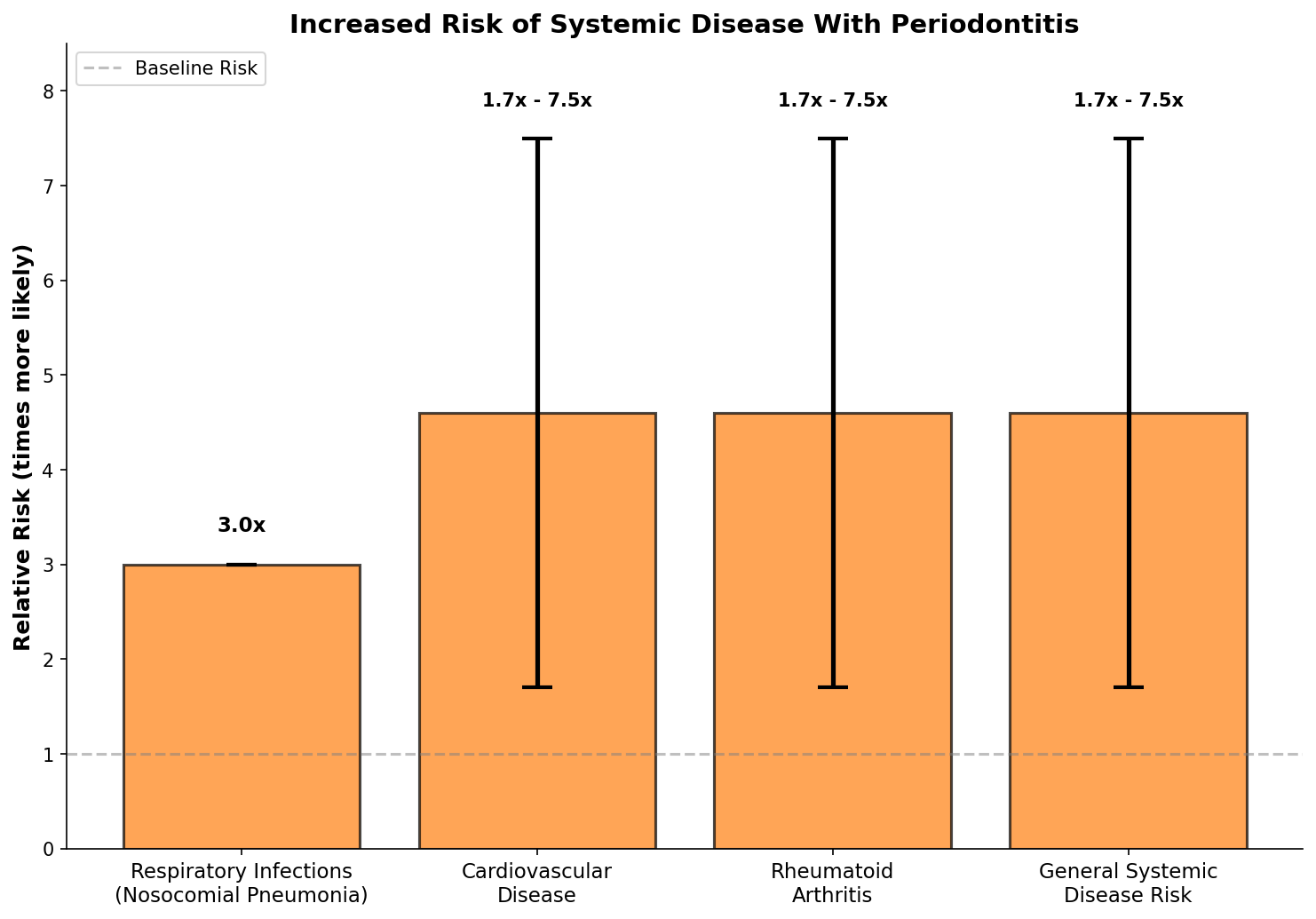 Figure 4: How frequently oral bacteria enter the bloodstream. Even routine activities like brushing create opportunities for bacteria to escape the mouth and travel throughout the body.
These aren't trivial numbers. Once in the bloodstream, periodontal pathogens can seed other tissues and organs, triggering local inflammation. Scientists have actually isolated periodontal bacteria in diseased cardiovascular plaques, inside inflamed joints, and in other organs far from the mouth.
Chronic Inflammation Goes Systemic
When bacteria attack gum tissue, your immune system launches a fierce inflammatory response. This triggers the release of multiple inflammatory molecules called cytokines (interleukins, tumour necrosis factor-alpha, and C-reactive protein). These chemical messengers enter your bloodstream and spread throughout your body.
This isn't localised inflammation; it's system-wide inflammation that damages blood vessels, activates clotting mechanisms, and disrupts normal immune function in organs far from your mouth. This low-grade chronic inflammation accelerates ageing and worsens virtually every age-related disease.
The Barrier Breaks Down
Your gums have an epithelial barrier that acts like a security fence, keeping bacteria out of the bloodstream. In gum disease, Porphyromonas gingivalis—one of the primary culprits—secretes enzymes called gingipains that literally degrade this barrier by destroying proteins holding cells together. This allows not just bacteria but also bacterial toxins (lipopolysaccharides) to penetrate deeper into tissues and cross into circulation.
The Specific Pathogen Danger
Not all oral bacteria are equally dangerous. Porphyromonas gingivalis deserves special attention. This bacterium produces unique virulence factors that specifically trigger cardiovascular damage and autoimmune activation. Systemic exposure to this pathogen predicts incident stroke, and high antibody levels to P. gingivalis associate with cardiovascular disease.
Even more remarkably, this bacterium initiates autoimmune responses through a mechanism unique among oral bacteria. It produces an enzyme that chemically modifies proteins in inflamed tissue, triggering the production of anti-citrullinated protein antibodies (ACPA). This process links periodontitis directly to rheumatoid arthritis development.
The Systemic Damage: What Conditions Are Connected?
The systemic effects of gum disease extend far beyond a single disease. Multiple serious conditions are connected through shared inflammatory pathways.
Cardiovascular Disease: The Strongest Connection
The evidence linking gum disease to cardiovascular disease is substantial and growing. Periodontitis is associated with heart attack, stroke, atrial fibrillation, heart failure, peripheral artery disease, and cardiac death.
Multiple mechanisms explain this connection. Periodontal inflammation elevates inflammatory biomarkers that impair blood vessel function. Bacterial endotoxins (lipopolysaccharides) circulate in the bloodstream associated with pro-atherogenic lipid fractions, directly promoting plaque formation. The bacteria themselves can invade endothelial cells and trigger pro-inflammatory, pro-atherosclerotic responses.
Perhaps most concerning: periodontitis impairs nitric oxide availability in blood vessels. Nitric oxide normally provides vasodilation and protective endothelial effects. When gum disease reduces it, you lose vital cardiovascular protection. Chronic periodontal inflammation even drives endothelial cells to transform into fibroblast-like cells that contribute to plaque destabilisation and rupture: a direct pathway to heart attack and stroke.
Respiratory Infections and Pneumonia
The connection here is particularly important for hospitalised patients. People with gum disease are three times as likely to develop nosocomial pneumonia (pneumonia acquired during hospital stays) compared to those with healthy gums.
The mechanism is straightforward: your teeth serve as a reservoir for respiratory pathogens. Poor oral hygiene and periodontal disease create an environment where dangerous respiratory bacteria colonise your mouth. When these bacteria are aspirated into the lungs, they cause pneumonia.
But here's the good news: oral interventions reducing bacteria (through mechanical cleaning and antimicrobial protocols) reduced nosocomial pneumonia incidence by 40%. This means that for hospitalised patients, mouth care is a serious infection prevention strategy with proven protective value.
Rheumatoid Arthritis: A Shared Inflammatory Pathway
The connection between periodontitis and rheumatoid arthritis represents one of the clearest examples of shared biological mechanisms in medicine. These aren't separate diseases with loose associations; they share 154 gene expression patterns, predominantly in immune and inflammatory response pathways.
The specific culprit is, again, Porphyromonas gingivalis. This bacterium produces an enzyme that chemically modifies (citrullinates) self-proteins in inflamed tissue. This modification triggers autoimmune antibody responses diagnostic of rheumatoid arthritis. In RA patients with periodontitis, ACPA antibody levels are considerably higher than in RA patients without gum disease—indicating that periodontal disease amplifies autoimmune severity.
Both conditions activate TNF-alpha, a key inflammatory cytokine driving both joint and periodontal destruction. This shared pathway suggests that treating one condition may help the other.
Pregnancy Complications
Pregnant women face special risk. Maternal periodontitis significantly associates with preterm birth and low birth weight outcomes, independent of other known risk factors. Research shows 9 of 10 selected studies documented this association.
The mechanism involves inflammatory mediators and bacterial toxins crossing the placental barrier, triggering maternal immune responses that affect fetal development. This identifies periodontal disease as a potentially modifiable risk factor for improved pregnancy outcomes.
Other Connections
Research also documents associations between gum disease and dementia/cognitive decline (through inflammation and bacterial dissemination), HIV/AIDS severity (through immune system impacts), cancer (through chronic inflammation pathways), and chronic kidney disease (through bidirectional inflammatory relationships).
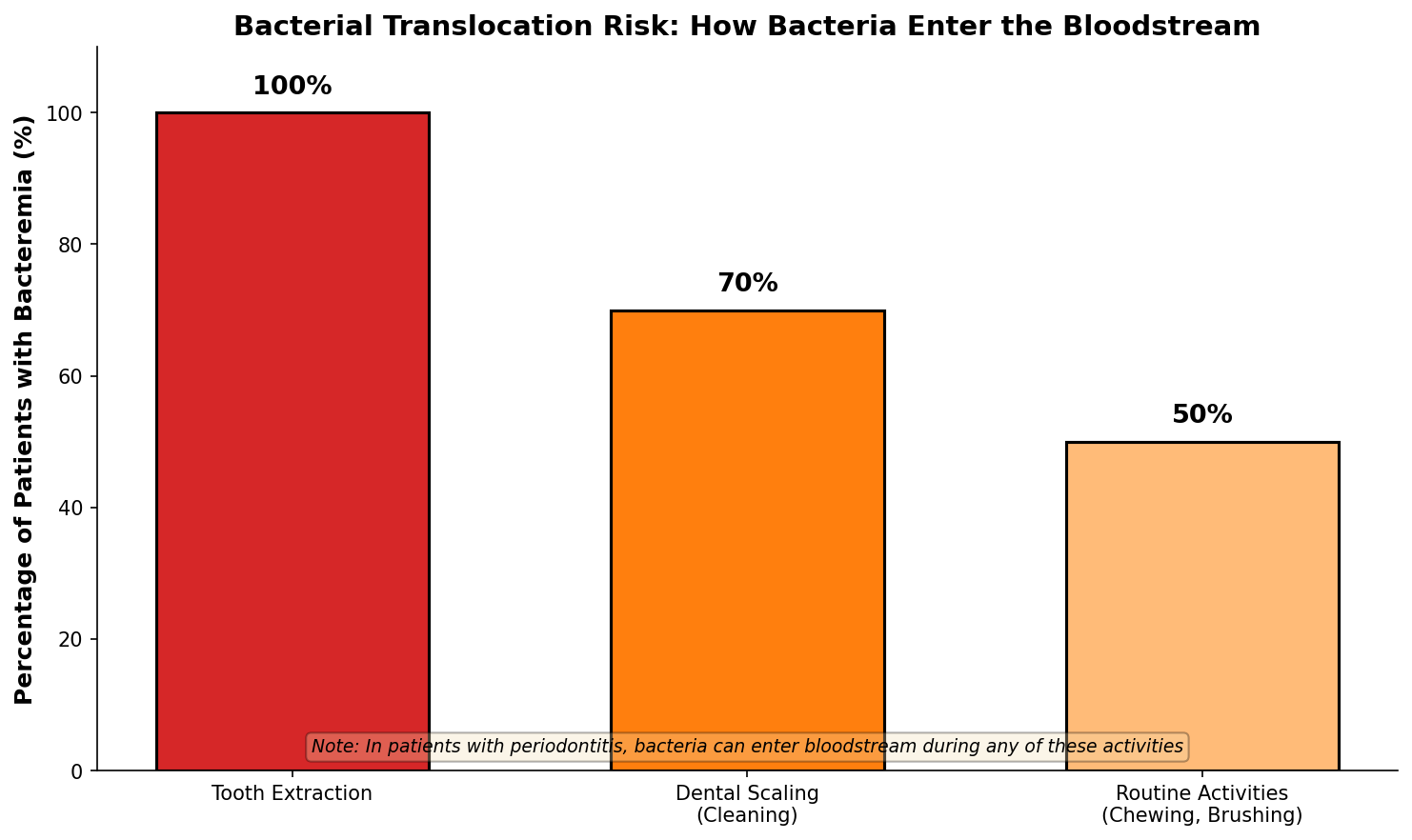 Figure 4: How gum disease multiplies risk for various systemic conditions. The 1.7 to 7.5-fold increased risk means periodontitis can triple or septuple your chance of developing these serious diseases.
Early Prevention: What Gingivitis Really Means
It's crucial to understand that gum disease exists on a spectrum, and early stages are completely reversible.
Gingivitis—the earliest stage—involves only inflammation of the gums without loss of connective tissue attachment to teeth. The clinical signs are obvious: gums change from healthy pink to red, become swollen, bleed when you brush or floss, and feel sensitive or tender.
Here's the key: early gingivitis is completely reversible with proper brushing and flossing to reduce plaque. If you can catch it at this stage, you can eliminate it.
Periodontitis is different. It represents a progression where supporting tissues (connective tissue and bone) are destroyed by plaque-induced inflammation. Once this happens, tissue loss is typically irreversible, though progression can be halted with treatment. This crucial distinction explains why early detection and treatment matter so much.
What Actually Works: Treatment and Prevention Strategies
The good news is that gum disease responds well to treatment. Multiple approaches have proven effective.
Professional Treatment: Scaling and Root Planing
The standard first-line treatment is scaling and root planing (SRP)—deep cleaning that removes plaque and tartar from below the gum line. 84.61% of treated sites showed improvement in gingival status and decreased pocket depth. This is a genuinely effective treatment modality.
Effectiveness varies by pocket depth. For shallow pockets (1-3 mm), SRP works well on its own. For moderate pockets (4-6 mm), combining SRP with surgical flap procedures produces better results. Deep pockets (over 6 mm) often require surgical intervention for optimal outcomes. In many cases, surgical procedures can save teeth that would otherwise be considered hopeless without treatment.
Advanced Treatment Options
Laser light therapy can kill disease-causing bacteria while targeting diseased tissue and leaving healthy tissue intact. Single-visit full-mouth non-surgical therapy has proven effective for long-term management when combined with risk factor analysis and patient compliance.
For antimicrobial support, locally delivered sustained-release formulations deliver antibiotics directly to periodontal pockets, reducing systemic exposure while maintaining effective local concentrations. However, routine systemic antibiotic use in chronic periodontitis is contraindicated; antibiotics are most valuable for early-onset, juvenile, or refractory cases and are no substitute for mechanical debridement and thorough plaque control.
Long-Term Maintenance: The Key to Staying Healthy
Here's what many people miss: treatment isn't a one-time event. Long-term success requires ongoing maintenance.
People who receive meticulous periodontal maintenance following initial treatment experience remarkable tooth preservation. Five-year follow-up data show 0.15 ± 0.14 yearly tooth loss, and 12-14 year follow-up data show even better results: 0.09 ± 0.08 yearly tooth loss. With proper maintenance, many people keep most of their natural teeth for life.
The American Academy of Periodontology recommends that all patients treated for periodontitis return for maintenance appointments every 3 to 4 months after the healing phase. This frequency isn't arbitrary; it's the gold standard for preventing recurrence and minimising tooth loss risk.
Patient compliance with this maintenance schedule is one of the single most important factors affecting long-term outcomes. The difference is measurable: patients who adhere to regular maintenance significantly reduce their risk of tooth loss, even if they have risk factors like diabetes or smoking history.
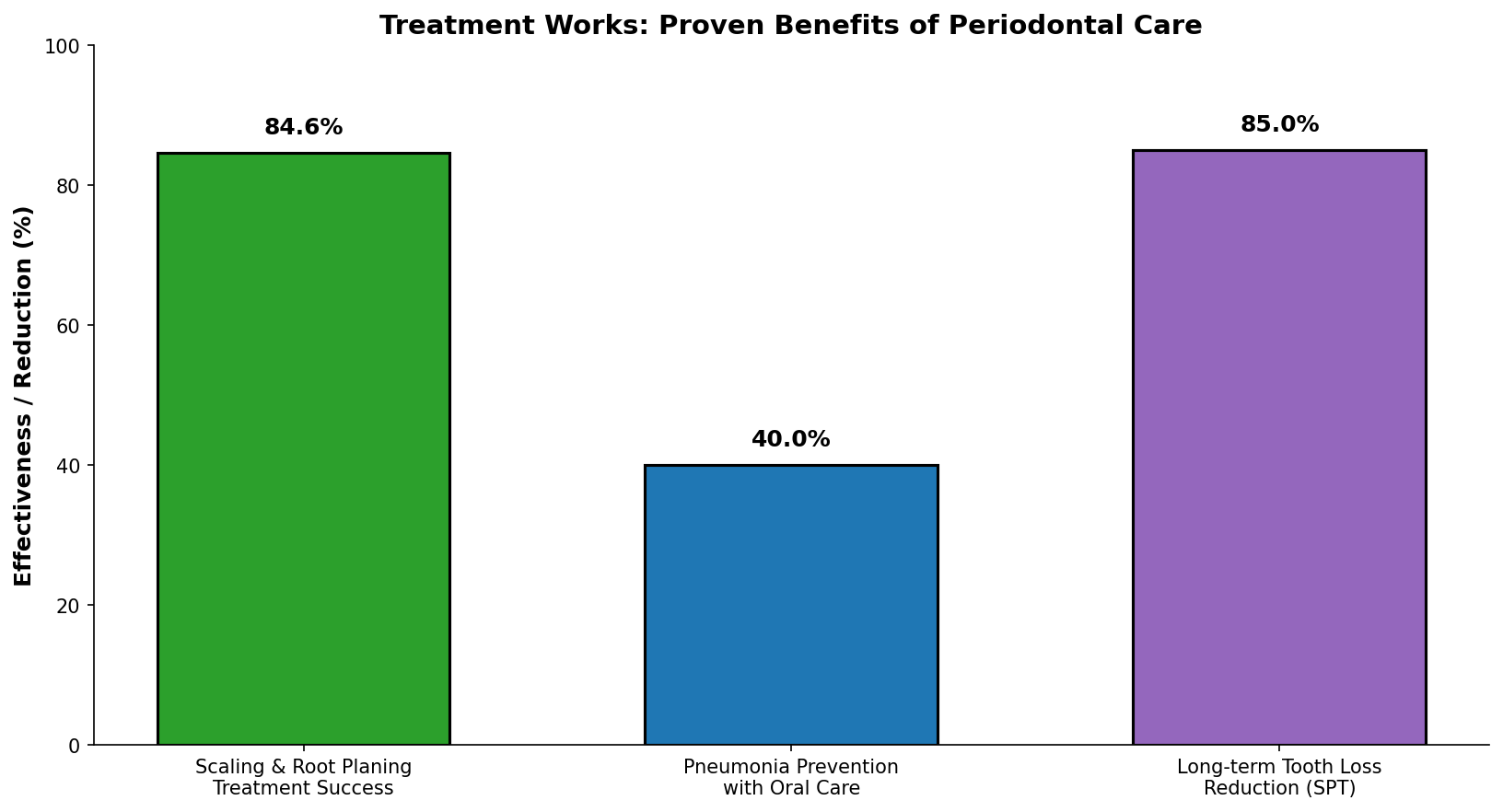 Figure 5: What treatment actually achieves. Scaling and root planing work in 85% of cases, maintenance prevents tooth loss, and oral interventions reduce serious infections like hospital-acquired pneumonia by 40%.
Systemic Health Benefits from Treatment
The evidence that treating gum disease improves systemic health is compelling.
For cardiovascular health, periodontal treatment measurably improves endothelial function and reduces inflammatory biomarkers associated with cardiovascular disease. Studies combining non-surgical periodontal therapy with good oral hygiene resulted in a halving of Staphylococcus aureus infections and the coronary heart disease mortality rate. This isn't theoretical—treating gums saves lives.
For diabetes management, as mentioned earlier, periodontal treatment produces statistically significant improvements in HbA1c. This benefit is often overlooked by both dental and medical providers, but it should be part of standard diabetes care protocols.
For respiratory health in hospitalised patients, the 40% reduction in pneumonia incidence from oral interventions is substantial. In an ICU or other hospital setting, oral care becomes a serious infection prevention tool.
For quality of life, periodontal treatment produces surprising improvements. Patients report enhanced taste perception (food actually tastes better), significant pain reduction, decreased self-consciousness, lower anxiety about their appearance, diminished embarrassment and enhanced ability to relax. Surgical periodontal therapy produces statistically significant improvements across all these domains.
Prevention Starts With Behaviour Change
Simply telling people to brush and floss more doesn't work. Behavioural psychology research shows that effective oral health depends on structured approaches that address motivation and habit formation.
Research has identified six evidence-based psychological frameworks that improve patient adherence:
- Social Cognitive Theory (using goal-setting and self-monitoring)
- Theory of Planned Behaviour (addressing attitudes and social norms)
- Health Action Process Approach (bridging intention and action)
- Leventhal's Self-Regulatory Theory (addressing threat perception)
- Motivational Interviewing (enhancing intrinsic motivation)
- Cognitive Behavioural Therapy (addressing thoughts and behaviours)
The most effective combined approach involves goal-setting, planning, self-monitoring, and feedback. When healthcare providers use these evidence-based behavioural strategies, patients show measurably better clinical outcomes: less plaque presence, fewer periodontal pockets, and better long-term compliance.
Practical reminders work too. Simply reminding patients about upcoming visits improves compliance. Informing them about the importance of periodontal disease builds understanding. Motivating those who show improvement reinforces positive behaviour.
Lifestyle Modifications That Actually Protect Your Gums
Beyond professional treatment, specific lifestyle changes reduce gum disease risk.
Smoking Cessation
This is non-negotiable. Smoking weakens your immune system's ability to fight infection, making it harder to fight off gum disease. Smokers have a 62.4% prevalence of gum disease—not because their teeth are different, but because their immune system can't mount an effective defence. For smokers, quitting is the single most powerful action for preventing gum disease.
Oral Hygiene Practices
The foundation remains simple but essential:
- Brush twice daily with a soft-bristle brush
- Floss every day to remove plaque and debris between teeth
- Schedule regular professional cleanings
- Visit your dentist at least annually (more frequently if recommended based on your risk level)
Dietary Modifications
Nutrition matters more than most people realise. Research shows that people whose diets are high in omega-3 fatty acids (from fatty fish, walnuts, and flax) have reduced periodontitis risk. A diet rich in vegetables, fruits, legumes, nuts, and vegetable oils helps suppress inflammation.
Conversely, avoiding sugar-sweetened foods and drinks reduces the fuel that oral bacteria use to thrive. Reducing alcohol consumption provides additional inflammatory benefits.
Blood Sugar Control
For people with diabetes, tight glycaemic control directly protects gum health. Poorly controlled blood sugar dramatically increases periodontitis risk and severity, creating that bidirectional trap. Treating diabetes as aggressively as possible is therefore part of gum disease prevention.
Regular Health Screening
Annual dental examinations by qualified dentists should be part of your standard healthcare routine, not an optional luxury. For people with diabetes, oral examination during regular diabetic clinic visits ensures early detection of gum disease before it causes serious damage.
The Outlook Is Good With Treatment
Here's the hopeful truth that research consistently demonstrates: the outlook is good with treatment for people who take lifelong ownership of their periodontal condition and adhere to maintenance schedules.
Gum disease is largely preventable. Early detection and treatment can stop progression in 85% of cases. Long-term maintenance prevents tooth loss and systemic health complications. Treatment of established gum disease measurably improves cardiovascular markers, diabetes control, and respiratory health.
Your mouth is not separate from your body. What happens in your gums affects your heart, lungs, blood sugar, and immune system. Conversely, improving oral health improves your entire body's well-being.
Key Takeaways for Your Health
- 42.2% of U.S. adults have some form of gum disease—it's common, not rare
- Gum disease is 1.7 to 7.5 times linked to serious systemic diseases, including heart disease, stroke, and respiratory infections
- Early-stage gum disease (gingivitis) is completely reversible with proper oral hygiene
- Advanced gum disease (periodontitis) causes permanent tissue loss, but progression can be halted with treatment
- Smoking is the most important modifiable risk factor; quitting reduces periodontitis risk by up to 7-fold
- The diabetes-gum disease connection works both ways; treating one helps the other
- Professional treatment (scaling and root planing) works in 85% of cases
- Long-term maintenance every 3-4 months prevents tooth loss and systemic complications
- Treating gum disease measurably improves cardiovascular health, glucose control, and quality of life
- Behavioural approaches to habit change work better than simple instruction
- With committed treatment and maintenance, most people can keep their natural teeth for life
The message is simultaneously sobering and hopeful: your gums matter far more than you realise, but you have powerful tools to protect them.
Further Reading
Understanding Gum Disease and Definitions
- NIH National Institute of Dental and Craniofacial Research - Periodontal Disease in Adults
- NHS - Gum Disease: Causes and Symptoms
- CDC - Periodontal (Gum) Disease Facts
- Mayo Clinic - Periodontitis: Symptoms, Causes and Treatment
The Systemic Health Connections
- Harvard Health Publishing - Why Your Gums Are So Important to Your Health
- American Heart Association - Gum Disease May Be Linked to Plaque Buildup in Arteries
- American Diabetes Association - Diabetes and Gum Disease
- CDC - How to Promote Oral Health for People with Diabetes
Treatment Options and Effectiveness
- Cleveland Clinic - Periodontal Disease Treatment
- Harvard Health - Gingivitis: Reversing and Preventing Early Gum Disease
Risk Factors and Prevention
Pregnancy and Special Populations
References/Helpful Resources
- American Diabetes Association. Diabetes and gum disease [Internet]. [cited 2025]. Available from: https://diabetes.org/about-diabetes/complications/oral-gum-disease
- American Heart Association. Gum disease may be linked to plaque buildup in arteries [Internet]. [cited 2025]. Available from: https://newsroom.heart.org/news/gum-disease-may-be-linked-to-plaque-buildup-in-arteries-higher-risk-of-major-cvd-events
- Centres for Disease Control and Prevention. About periodontal (gum) disease [Internet]. [cited 2025]. Available from: https://www.cdc.gov/oral-health/about/gum-periodontal-disease.html
- Centres for Disease Control and Prevention. Disparities in preventive oral health care and periodontal health among adults with diabetes [Internet]. [cited 2025]. Available from: https://www.cdc.gov/pcd/issues/2021/20_0594.htm
- Centres for Disease Control and Prevention. How to promote oral health for people with diabetes [Internet]. [cited 2025]. Available from: https://www.cdc.gov/diabetes/hcp/clinical-guidance/how-to-promote-oral-health-for-people-with-diabetes.html
- Centres for Disease Control and Prevention. Periodontal (gum) disease facts [Internet]. [cited 2025]. Available from: https://www.cdc.gov/oral-health/data-research/facts-stats/fast-facts-gum-disease.html
- Centres for Disease Control and Prevention. Smoking, gum disease, and tooth loss [Internet]. [cited 2025]. Available from: https://www.cdc.gov/tobacco/campaign/tips/diseases/periodontal-gum-disease.html
- Cleveland Clinic. Periodontal disease [Internet]. [cited 2025]. Available from: https://my.clevelandclinic.org/health/diseases/21482-gum-periodontal-disease.html
- Cleveland Clinic. Gum disease treatment [Internet]. [cited 2025]. Available from: https://my.clevelandclinic.org/health/treatments/10907-gum-disease-treatment.html
- Harvard Health Publishing. Gingivitis: reversing and preventing early gum disease [Internet]. [cited 2025]. Available from: https://www.health.harvard.edu/diseases-and-conditions/gingivitis-reversing-and-preventing-early-gum-disease
- Harvard Health Publishing. Why your gums are so important to your health [Internet]. [cited 2025]. Available from: https://www.health.harvard.edu/heart-health/why-your-gums-are-so-important-to-your-health
- National Health Service. Gum disease [Internet]. [cited 2025]. Available from: https://www.nhs.uk/conditions/gum-disease/
- National Institute of Dental and Craniofacial Research. Periodontal disease in adults (age 30 or older) [Internet]. [cited 2025]. Available from: https://www.nidcr.nih.gov/research/data-statistics/periodontal-disease/adults
- National Institute of Dental and Craniofacial Research. Healthy mouth, healthy body [Internet]. [cited 2025]. Available from: https://www.nidcr.nih.gov/news-events/nidcr-news/2024/healthy-mouth-healthy-body
