

You probably only think about your hair when something goes wrong with it. A handful was left on the shower floor. A widening parting. A sudden shed that seems far too much. But your hair is doing something remarkable every single day, completely below the surface and entirely without your help.
Every follicle on your scalp is running through a precisely timed biological programme, cycling between growth, rest, and renewal. Understanding how that programme works is the key to understanding why hair grows the way it does, why it falls out, and what you can actually do about it when something goes off course.
This article covers the full picture: from the molecular signals that switch a follicle on, to the treatments with the strongest evidence behind them.
What Your Scalp Is Actually Doing Right Now
You have somewhere between 80,000 and 120,000 hair follicles on your scalp, according to NIH StatPearls. Each one is a tiny organ, embedded in the skin, capable of repeatedly producing a new hair shaft from scratch.
Here is what makes it interesting: those follicles are not all doing the same thing at the same time. Right now, roughly 85 to 90% of your follicles are actively growing hair. Around 10 to 15% are resting. Fewer than 1% are in a brief transitional phase between the two.
That staggered activity is why you do not go bald every few months. It is a beautifully choreographed system, and when it is working properly, you barely notice it at all.
The Four Phases of the Hair Growth Cycle
Hair growth is not a single continuous process. Each follicle cycles through four distinct phases, and the length of each phase determines everything from how long your hair can grow to how much you shed on a given day.
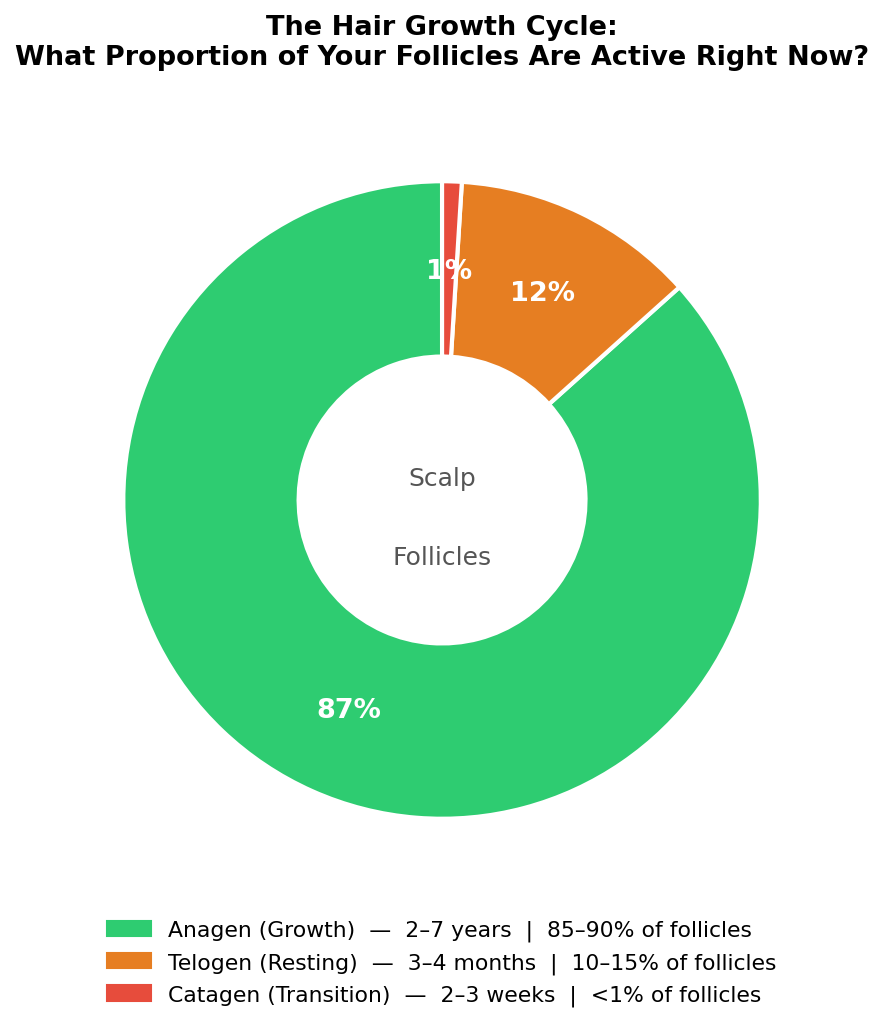 Figure 1: The four phases of the hair growth cycle and the proportion of follicles in each phase at any given time. Data from NIH StatPearls.
Phase One: Anagen (The Growth Phase)
This is where the action is. During anagen, the follicle is fully active, with cells at its base dividing rapidly to push a new hair shaft upward through the skin.
NIH StatPearls data shows scalp hair grows at approximately 0.35 mm per day, which works out to around 1.25 cm (half an inch) per month or roughly 15 cm (6 inches) per year. The anagen phase on the scalp lasts between 2 and 7 years, making it by far the longest of the four phases.
That duration is largely genetic, and it explains one of the most common hair questions: why can some people grow hair down to their waist while others cannot get past their shoulders? If your anagen phase runs for 3 years, your maximum potential hair length is about 45 cm. If it runs for 7 years, you could theoretically grow hair over a metre long.
During anagen, melanocytes inside the follicle bulb produce the melanin that gives hair its colour. This only happens during the growth phase, which is why chemically bleached or heat-damaged hair does not recover its colour: the pigment is gone from that section of the shaft permanently.
Phase Two: Catagen (The Transition Phase)
After anagen ends, the follicle enters catagen, a brief shutdown signal that lasts just 2 to 3 weeks. Fewer than 1% of your follicles are in this phase at any moment, which is why most people have never heard of it.
During catagen, the lower two-thirds of the follicle shrinks back towards the skin surface. The blood supply to the lower follicle reduces. The hair shaft stops growing and becomes what researchers call a "club hair": a fully formed hair with a rounded, bulb-like base rather than the tapered tip of a growing hair. Pigment production stops completely.
This is an orderly, controlled process, not damage. The follicle is preparing for its rest.
Phase Three: Telogen (The Resting Phase)
During telogen, the follicle is metabolically quiet. The club hair sits anchored loosely in the upper portion of the follicle, not growing but not yet falling out. This phase lasts approximately 3 to 4 months for scalp hair.
The telogen phase has a critically important implication for understanding hair shedding. If a stressful event, a serious illness, surgery, or rapid weight loss pushes large numbers of follicles into telogen simultaneously, you will not notice the shedding immediately. You will notice it 3 to 4 months later, when those follicles transition to the next phase and release their club hairs.
This delayed response confuses many people. A significant shed in October may trace back to a high fever, a crash diet, or a traumatic event in June or July. Understanding this lag is one of the most practically useful things to know about hair biology.
Different body regions have very different telogen durations. Eyelashes spend up to 4 to 9 months in telogen, which is why they grow so slowly after being lost.
Phase Four: Exogen (The Shedding Phase)
Exogen was only formally described as a distinct phase in 2001, and it is still less well-known than the others. This is the moment the club hair is actually released from the follicle.
It is not simply a passive process. Research published in PubMed shows that enzymes actively weaken the attachment between the club hair and the surrounding tissue. The new anagen hair growing beneath it can develop simultaneously, not waiting for the old hair to fall out first. This is why you sometimes pull out a hair and find a tiny new hair tip at the root alongside the shed club hair.
Under normal conditions, exogen accounts for 50 to 100 hairs shed per day from a healthy scalp. Some studies place the upper end of normal as high as 150 hairs per day. Losing this volume is not a sign of a problem: it represents the routine completion of the telogen phase in roughly 1% of your follicles at a time.
More hairs are shed after washing or brushing because physical forces accelerate the separation of hairs that are already in the process of releasing.
How Fast Does Hair Actually Grow?
Scalp hair grows at approximately 0.35 mm per day, but this is an average with real variation. Research cited by NIH StatPearls shows that:
- Male scalp growth rate: 0.300 to 0.355 mm per day
- Female scalp growth rate: 0.273 to 0.331 mm per day
- Growth also varies by region of the scalp: the back of the scalp (occipital area) tends to grow slightly faster than the top
Hair on other parts of the body operates on entirely different timescales. Eyebrow anagen lasts only about 4 to 5 months in total, eyelash anagen lasts just 4 to 10 weeks before entering a long telogen of 4 to 9 months, and most body hair has shorter cycles still.
This is why eyebrows and eyelashes cannot grow as long as scalp hair, regardless of how carefully you look after them. Their anagen phase simply does not last long enough.
Cutting your hair does not affect how fast it grows. Growth rate is determined entirely within the follicle, by the cells in the hair matrix and the signals from the dermal papilla. Nothing happening at the tip of the hair shaft has any influence on what is happening at the base.
What Affects How Your Hair Grows
The cycle described above is the default programme. But it can be significantly influenced by genetics, hormones, nutrition, and lifestyle. Understanding these factors is where knowledge becomes practically useful.
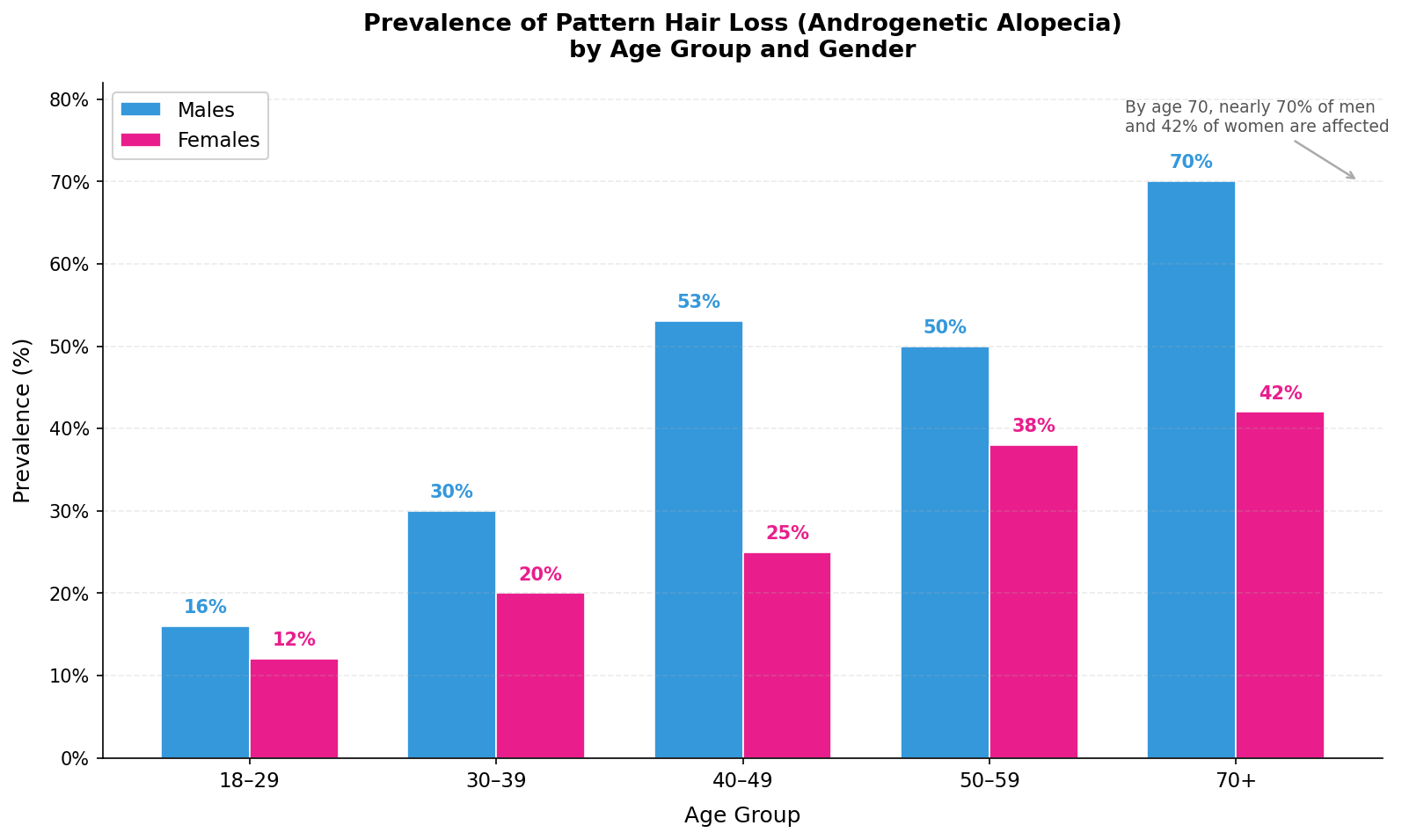 Figure 2: Prevalence of androgenetic alopecia (pattern hair loss) by age and sex. Data from NIH/PubMed population studies.
The Role of Genetics
Genetics is the single largest determinant of how your hair grows and whether it will thin over time. Research using twin studies suggests that around 80% of early and late-onset hair loss is attributed to genetic factors.
The most common genetic form of hair loss is androgenetic alopecia (AGA), known colloquially as male-pattern or female-pattern baldness. NIH data shows it affects approximately 50% of both men and women over their lifetimes, with around 50 million men and 30 million women affected in the United States alone. NHS figures indicate that 6.5 million men in the UK are affected by male-pattern hair loss.
The mechanism involves a hormone called DHT (dihydrotestosterone), produced when testosterone is converted by an enzyme called 5-alpha reductase inside the follicle. In genetically susceptible individuals, DHT binds to receptors in the follicle's dermal papilla cells and progressively shortens the anagen phase with each cycle. Over the years, the follicle miniaturises, producing hair that gets finer, shorter, and eventually invisible. The result is visible thinning or baldness.
Importantly, the gene variants involved are polygenic: many genes contribute, and risk comes from both parents. The old idea that hair loss is inherited exclusively from the maternal grandfather is a myth.
Hormones: Beyond Genetics
Hormones play a major role in the hair cycle, and several hormonal conditions cause hair loss that is potentially reversible once the underlying problem is treated.
Thyroid hormones directly stimulate the activity of hair follicle cells. Research published on PubMed shows that hair loss occurs in approximately 50% of people with hyperthyroidism (overactive thyroid) and around 33% with hypothyroidism (underactive thyroid). In one clinical study of 500 women presenting with diffuse hair shedding, 150 had hypothyroidism, and 102 had hyperthyroidism. Hair loss had a diagnostic odds ratio of 4.58 for hypothyroidism, making it a clinically significant sign. Treating the thyroid disorder typically reverses the shedding.
PCOS (polycystic ovary syndrome) affects 5 to 18% of women worldwide and is associated with elevated androgens. Research from PMC/NIH indicates that around 20 to 30% of PCOS patients develop female-pattern hair loss. Conversely, a meta-analysis found that 32.3% of women with female-pattern hair loss also meet PCOS diagnostic criteria.
Elevated cortisol from sustained psychological or physiological stress is another documented driver of hair cycle disruption, pushing follicles prematurely into the telogen phase.
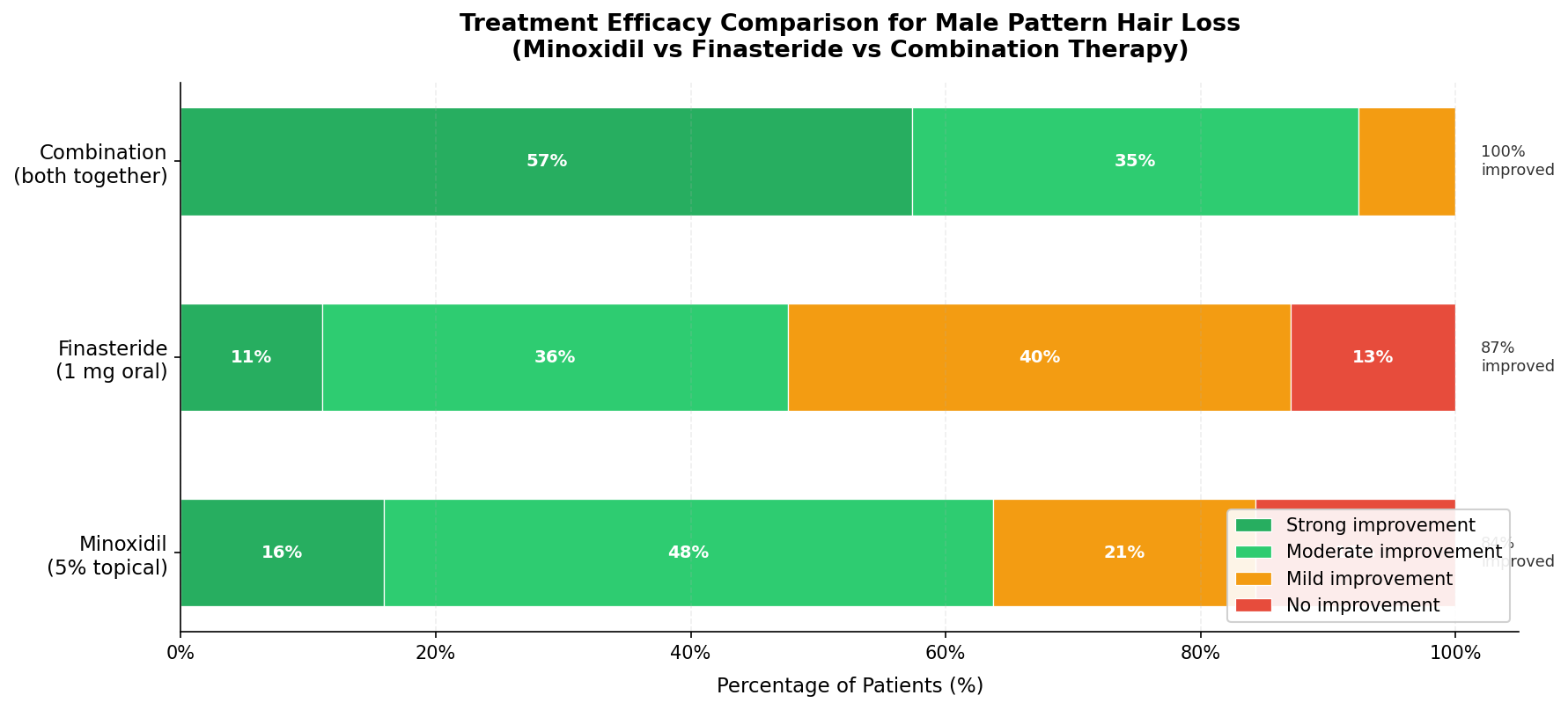 Figure 3: Prevalence of key nutritional deficiencies across different types of hair loss. Data from PubMed meta-analyses.
Nutrition: What the Evidence Actually Shows
Hair is made almost entirely of keratin, a protein that requires amino acids, particularly cysteine and methionine, along with a range of micronutrients to be synthesised. When the body is undernourished, the hair follicle is not a priority system, and the cycle suffers.
Iron is the best-documented nutritional factor in hair loss. Research published in PubMed shows that when stored iron (measured as serum ferritin) falls to 40 µg/L or below, 58.8% of premenopausal women with female-pattern hair loss meet the definition of iron deficiency. Ferritin is a more sensitive early marker than haemoglobin: you can be iron-deficient enough to affect your hair before your blood counts look unusual.
Vitamin D deficiency is consistently found in hair loss patients across multiple types. A meta-analysis found that patients with alopecia areata had 3.89 times higher odds of vitamin D deficiency than healthy controls, and the mean prevalence of vitamin D deficiency among alopecia areata patients was 73.8%. Similar patterns appear in both male and female pattern hair loss.
Zinc contributes to protein synthesis and cell proliferation in the follicle, and deficiency impairs follicle function, though the evidence linking low zinc to hair loss in otherwise well-nourished people is more limited.
Biotin deserves a special mention because it is one of the most heavily marketed hair supplements. The evidence is clear: biotin deficiency does cause hair loss, but true biotin deficiency is rare in Western populations. Supplementing with biotin when you are not deficient has not been shown to promote hair growth. A 2024 review published on PubMed found no evidence that biotin supplementation benefits hair growth in healthy individuals.
Crash dieting and rapid weight loss are established triggers for telogen effluvium. The caloric restriction and nutrient depletion that accompany severe dieting stress the follicle, pushing it out of anagen and into premature rest.
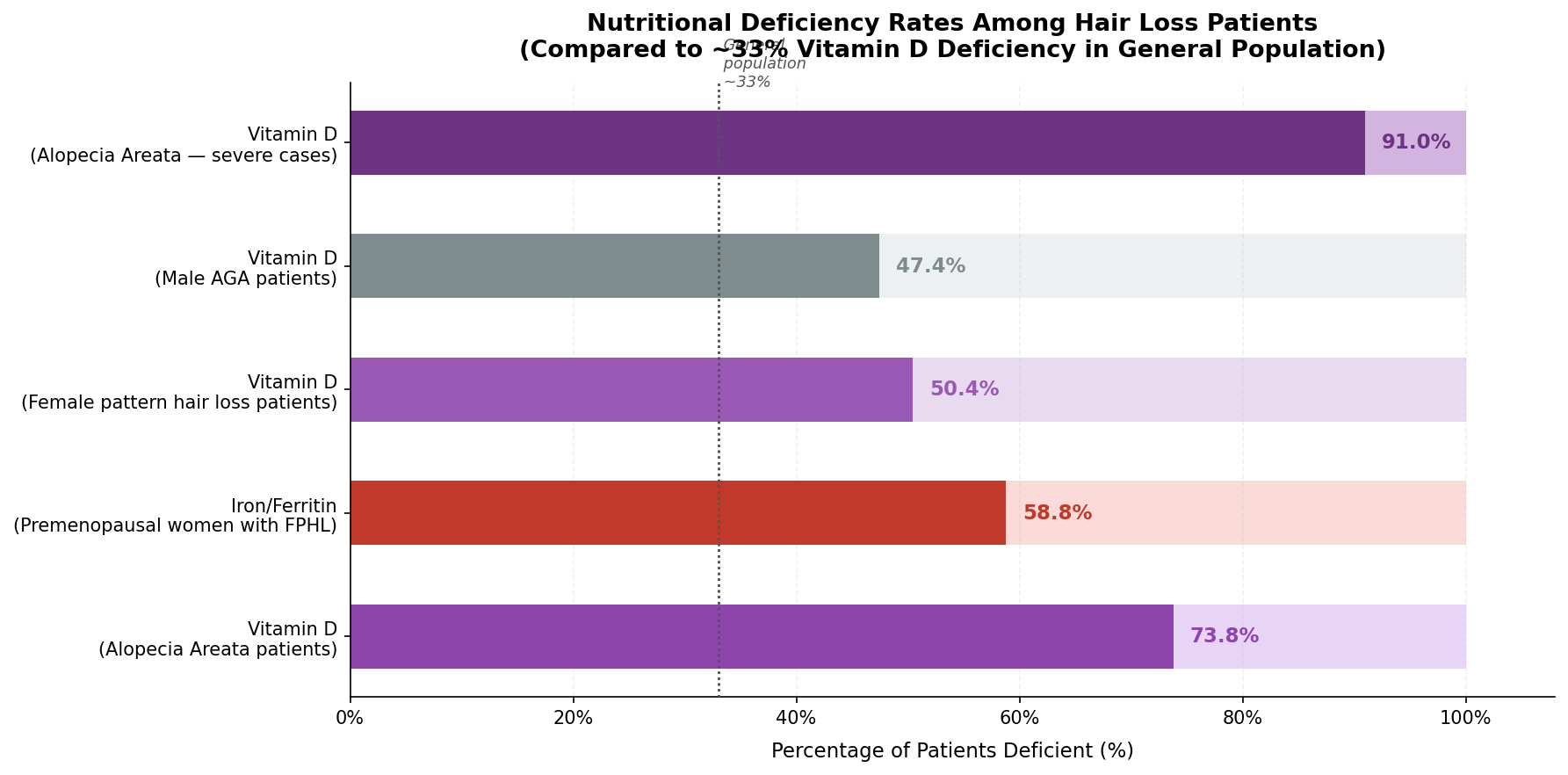 Figure 4: Key hormonal and lifestyle factors and their influence on the hair growth cycle. Data from PubMed/NIH.
Lifestyle Factors
Stress is one of the major contributors to telogen effluvium. Elevated cortisol disrupts the balance of growth factors and signalling molecules needed to keep follicles in the anagen phase. Both psychological stress and physiological stressors, such as major surgery, high fever, and serious illness, can trigger a mass shift into telogen.
Sleep disturbance is an emerging area of research. A 2025 systematic review from PMC/NIH identified sleep disruption as a biologically plausible contributor to hair loss, with evidence of a bidirectional relationship: poor sleep may worsen hair loss, and experiencing hair loss can worsen sleep quality through its psychological impact.
Regular moderate exercise appears broadly beneficial for scalp health, improving circulation and supporting hormonal balance. However, extreme overtraining can elevate cortisol to levels that paradoxically create conditions for telogen effluvium.
When the Cycle Goes Wrong: Common Hair Loss Conditions
Telogen Effluvium
Telogen effluvium is the most common cause of sudden, widespread hair shedding. It occurs when a triggering event pushes far more follicles than usual into the telogen phase simultaneously. Instead of the normal 10 to 15% resting, the proportion rises significantly, and shedding becomes noticeable when those follicles release their club hairs, typically 2 to 3 months after the trigger.
NIH StatPearls describes the characteristic shedding as typically exceeding 150 to 300 hairs per day rather than the normal 50 to 100. Common triggers include childbirth, major surgery, severe illness, emotional trauma, crash dieting, iron deficiency, and thyroid disorders. COVID-19 became a widely documented trigger: research from PMC/NIH found that 68.8% of hospitalised COVID-19 patients reported telogen effluvium as a consequence.
The good news is that this condition resolves on its own in approximately 95% of cases once the trigger is addressed. Post-COVID hair loss studies found that 60.3% of patients reported complete regrowth within six months.
Androgenetic Alopecia
As described above, this is the gradual miniaturisation of follicles driven by DHT in genetically susceptible individuals. It is the most common form of hair loss worldwide, and unlike telogen effluvium, it does not resolve without treatment.
NIH data show the average age of onset is 23.9 years in men and 29.46 years in women. By age 50, approximately 50% of Caucasian men are affected. Among women, the risk rises sharply after menopause: around 38% of women aged 50 to 70 are affected, and fewer than 45% of women maintain a full head of hair throughout their lives.
Alopecia Areata
Alopecia areata is an autoimmune condition where the immune system mistakenly attacks hair follicles, causing patchy hair loss. Research published in PubMed gives its lifetime prevalence as approximately 2% of the general population, with 60% of patients experiencing their first episode before the age of 20.
In most cases, the follicles are not permanently destroyed, which is why significant regrowth is possible. Studies show regrowth rates of 74% in childhood-onset cases and up to 94% in adults. However, relapses are common, occurring in around 31.8% of patients within a year of treatment.
In severe cases, the condition progresses to alopecia totalis (complete scalp hair loss) or alopecia universalis (loss of all body hair). These severe forms account for roughly 7% of patients and are considerably harder to treat.
What Actually Works: Treatments and Their Evidence
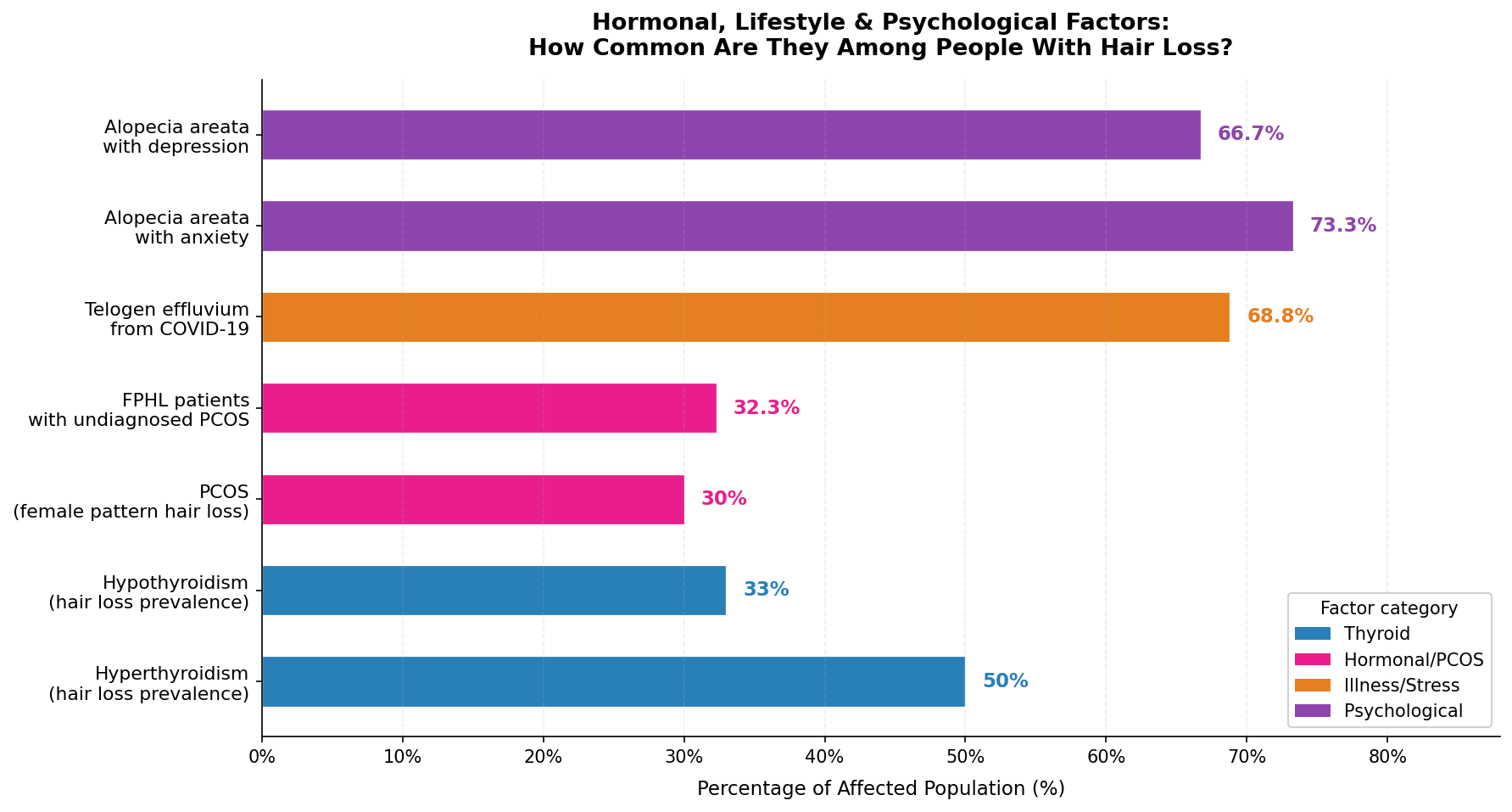 Figure 5: Comparative efficacy of hair loss treatments. Data from PubMed meta-analyses and clinical trials.
Minoxidil
Minoxidil is available without a prescription in the UK and is the most widely used medical treatment for both male and female pattern hair loss. The 5% topical foam is the only FDA-approved treatment specifically for female-pattern hair loss.
A meta-analysis comparing 2% and 5% formulations found that 5% topical minoxidil produced 14.90 additional hairs per cm² versus placebo, compared to 8.11 hairs/cm² for the 2% formulation. In a real-world observational study, 63.7% of patients experienced at least moderate effectiveness.
Two important caveats apply. First, minoxidil takes 3 to 6 months to show visible results. Second, and critically, the gains reverse within 3 to 6 months of stopping treatment. Minoxidil must be continued indefinitely to maintain its effect.
Finasteride
Finasteride (1 mg/day) is an oral medication that blocks the enzyme responsible for converting testosterone to DHT. It is FDA-approved for male pattern hair loss and addresses the hormonal root cause of androgenetic alopecia, rather than simply stimulating growth.
Clinical data published in PubMed shows 87.1% of men see some improvement with finasteride. Hair count and weight measurements at 96 weeks show a net improvement of 15.4% and 35.8%, respectively, versus placebo. Finasteride is not approved for women of childbearing age due to the risk of birth defects, though topical formulations and post-menopausal use are areas of ongoing research.
Concerns about sexual side effects are frequently raised. Clinical trial data reports adverse sexual effects in approximately 1.57 times the rate seen in untreated men, with actual adverse events reported by only 0.7% of clinical study participants. Anyone concerned about side effects should discuss the risk-benefit balance with their GP.
Combination Therapy
Combining finasteride with minoxidil produces better results than either treatment alone. A meta-analysis of seven randomised controlled trials found that combination therapy produced an average of 9.22 more hairs per cm² than monotherapy. In a real-world study of 502 men, 92.4% were stable or improved at 12 months on combined oral finasteride and minoxidil, with 57.4% showing overt regrowth.
Network meta-analysis places the finasteride-plus-minoxidil combination at the top of the efficacy rankings with a SUCRA (surface under the cumulative ranking curve) value of 80.21%.
JAK Inhibitors for Alopecia Areata
Until 2022, no systemic treatments were approved for alopecia areata. This changed significantly when baricitinib (Olumiant) became the first FDA-approved oral drug for severe alopecia areata in June 2022. Since then, two further JAK inhibitors, ritlecitinib (Litfulo, 2023) and deuruxolitinib (Leqselvi, 2023), have received FDA approval for adults and adolescents aged 12 and above.
JAK inhibitors work by modulating the immune response that attacks hair follicles. Clinical trial data show that 62.5% of patients achieved at least 50% improvement in severity scores at week 24, with 28.3% achieving 90% improvement. These treatments represent a genuine step change for people with severe disease.
Hair Transplant Surgery
For androgenetic alopecia where medical treatment is insufficient or unwanted, hair transplantation offers a surgical option. Modern techniques such as follicular unit extraction (FUE) show graft survival rates of 80 to 91% at 7 to 24 months post-procedure. Enhanced techniques report follicle survival as high as 91.1% at 12 months, with patient satisfaction rates of 96.7%.
Transplants move healthy follicles from the back and sides of the scalp (which are not genetically susceptible to DHT) to thinning areas. They do not prevent ongoing loss in untransplanted areas, so medical treatment is usually recommended alongside surgery.
Treating the Underlying Cause
For telogen effluvium caused by nutritional deficiencies or hormonal conditions, treating the cause is the treatment. A GP can check serum ferritin, vitamin D, zinc, and thyroid function. Correcting iron deficiency in women with female-pattern hair loss and low ferritin has been shown in double-blind studies to improve shedding. Treating hypothyroidism or managing PCOS typically leads to hair recovery within several months.
When to See a Doctor
Most gradual thinning does not require urgent attention, but certain signs warrant a prompt GP appointment:
- Sudden or patchy hair loss appearing within days to weeks
- Circular or irregular bald patches on the scalp, beard, or eyebrows
- More than approximately 100 hairs are lost during a single wash or brush
- Hair loss accompanied by scalp pain, itching, redness, or scaling
- Hair loss that began after starting a new medication
- Hair loss alongside fatigue, unexpected weight changes, or feeling persistently cold (possible thyroid problem)
- Hair loss causing significant psychological distress, anxiety, or low mood
A simple self-assessment: Gently grasp around 30 to 40 clean, dry hairs between your thumb and forefinger and apply gentle traction once. Losing 1 to 2 hairs is normal. Losing more than 6 in a single gentle pull is considered a positive "pull test" and warrants medical evaluation.
Timing matters. For androgenetic alopecia in particular, the earlier treatment begins, the more effective it tends to be, because miniaturisation progresses and follicles that have been dormant for too long may not recover even with effective treatment.
The Bigger Picture
Understanding your hair growth cycle does something useful: it replaces anxiety with context. Shedding 50 to 100 hairs per day is biology, not an emergency. A sudden shed three months after an illness is a delayed echo of a stressor, not a sign of permanent damage. Hair that seems slow to grow is almost certainly operating exactly as genetics intended.
Where real problems exist, whether genetic hair loss, autoimmune disease, or nutritional deficiency, the treatments have become meaningfully more effective in recent years. FDA-approved options now exist for conditions that had no approved therapies a decade ago.
Hair biology is one area where understanding the science makes you genuinely better equipped to make decisions about your own health.
Further Reading
Hair Biology and the Growth Cycle
- Physiology of Hair (NIH StatPearls)
- Integrative and Mechanistic Approach to the Hair Growth Cycle and Hair Loss (PMC)
- Hair Structure and Growth (NIH InformedHealth)
Androgenetic Alopecia and Pattern Hair Loss
- Androgenetic Alopecia (NIH StatPearls)
- Hair Loss (NHS)
- Androgenetic Alopecia (MedlinePlus Genetics)
- Hair Loss Symptoms and Causes (Mayo Clinic)
Telogen Effluvium
Nutritional Factors and Hair Loss
- The Role of Vitamins and Minerals in Hair Loss: A Review (PMC)
- Diet and Hair Loss: Effects of Nutrient Deficiency (PubMed)
- Vitamin D Deficiency in Alopecias: Meta-Analysis (PMC)
Hormonal Influences
Treatments and Evidence
- Comparative Efficacy of Minoxidil and 5-Alpha Reductase Inhibitors (PMC)
- Minoxidil and Finasteride Combination Therapy: Meta-Analysis (PMC)
- Hair Loss (Cleveland Clinic)
Alopecia Areata
References/Helpful Resources
- Physiology, Hair. In: StatPearls [Internet]. Treasure Island (FL): StatPearls Publishing; 2024. Available from: https://www.ncbi.nlm.nih.gov/books/NBK499948/
- Anatomy, Hair. In: StatPearls [Internet]. Treasure Island (FL): StatPearls Publishing; 2024. Available from: https://www.ncbi.nlm.nih.gov/books/NBK513312/
- Natarelli N, Gahoonia N, Sivamani RK. Integrative and Mechanistic Approach to the Hair Growth Cycle and Hair Loss. J Clin Med. 2023;12(3):893. Available from: https://pmc.ncbi.nlm.nih.gov/articles/PMC9917549/
- Androgenetic Alopecia. In: StatPearls [Internet]. Treasure Island (FL): StatPearls Publishing; 2024. Available from: https://www.ncbi.nlm.nih.gov/books/NBK430924/
- Telogen Effluvium. In: StatPearls [Internet]. Treasure Island (FL): StatPearls Publishing; 2024. Available from: https://www.ncbi.nlm.nih.gov/books/NBK430848/
- National Health Service. Hair Loss [Internet]. [cited 2026 Jun 11]. Available from: https://www.nhs.uk/symptoms/hair-loss/
- Mayo Clinic. Hair Loss: Symptoms and Causes [Internet]. [cited 2026 Jun 11]. Available from: https://www.mayoclinic.org/diseases-conditions/hair-loss/symptoms-causes/syc-20372926
- Cleveland Clinic. Hair Loss [Internet]. [cited 2026 Jun 11]. Available from: https://my.clevelandclinic.org/health/diseases/21753-hair-loss
- Almohanna HM, Ahmed AA, Tsatalis JP, Tosti A. The Role of Vitamins and Minerals in Hair Loss: A Review. Dermatol Ther (Heidelb). 2019;9(1):51-70. Available from: https://pmc.ncbi.nlm.nih.gov/articles/PMC6380979/
- Goluch-Koniuszy ZS. Nutrition of women with hair loss problem during the period of menopause. Prz Menopauzalny. 2016;15(1):56-61. Available from: https://pubmed.ncbi.nlm.nih.gov/28243487/
- Guo EL, Katta R. Diet and hair loss: effects of nutrient deficiency and supplement use. Dermatol Pract Concept. 2017;7(1):1-10. Available from: https://pubmed.ncbi.nlm.nih.gov/28243487/
- Alopecia Areata Global Burden of Disease Study 1990-2021. Front Med. 2024. Available from: https://pmc.ncbi.nlm.nih.gov/articles/PMC11866473/
- Telogen Effluvium: A Review of the Literature. Skin Appendage Disord. 2020. Available from: https://pmc.ncbi.nlm.nih.gov/articles/PMC7320655/
- Telogen Effluvium: A Review. Int J Womens Dermatol. 2015. Available from: https://pmc.ncbi.nlm.nih.gov/articles/PMC4606321/
- Shanshanwal SJS, Dhurat RS. Superiority of dutasteride over finasteride in hair regrowth and reversal of miniaturization in men with androgenetic alopecia: A randomized controlled open-label, evaluator-blinded study. Indian J Dermatol Venereol Leprol. 2017. Available from: https://pmc.ncbi.nlm.nih.gov/articles/PMC12207719/
- Minoxidil and Finasteride Combination Therapy Meta-Analysis. J Am Acad Dermatol. 2024. Available from: https://pmc.ncbi.nlm.nih.gov/articles/PMC12537375/
- Minoxidil Review and Its Mechanisms of Action. Dermatol Ther. 2019. Available from: https://pmc.ncbi.nlm.nih.gov/articles/PMC6691938/
- Hormonal Effects on Hair Follicles. Int J Mol Sci. 2020;21(15):5342. Available from: https://www.ncbi.nlm.nih.gov/pmc/articles/PMC7432488/
- Impact of Thyroid Dysfunction on Hair Disorders and Quality of Life. Clin Cosmet Investig Dermatol. 2023. Available from: https://www.ncbi.nlm.nih.gov/pmc/articles/PMC10492440/
- Vitamin D Deficiency in Non-Scarring and Scarring Alopecias: A Systematic Review and Meta-Analysis. Int J Dermatol. 2024. Available from: https://www.ncbi.nlm.nih.gov/pmc/articles/PMC11479915/
- National Institutes of Health. What is the structure of hair and how does it grow? [Internet]. [cited 2026 Jun 11]. Available from: https://www.ncbi.nlm.nih.gov/books/NBK546248/
- Exogen, shedding phase of the hair growth cycle: characterization of a mouse model. J Invest Dermatol. 2001;117(6):1501-7. Available from: https://pubmed.ncbi.nlm.nih.gov/12230507/
- Polycystic Ovarian Syndrome in Patients with Hair Thinning or Loss. Int J Womens Dermatol. 2021. Available from: https://www.ncbi.nlm.nih.gov/pmc/articles/PMC8291365/
- The Intersection of Sleep and Hair Loss: A Systematic Review. J Clin Sleep Med. 2025. Available from: https://pmc.ncbi.nlm.nih.gov/articles/PMC12936318/
- Hair Transplantation. In: StatPearls [Internet]. Treasure Island (FL): StatPearls Publishing; 2024. Available from: https://www.ncbi.nlm.nih.gov/books/NBK547740/
