

Finding clumps of hair in the shower drain is alarming. It triggers a particular kind of fear: the worry that something serious is happening, that the hair will not come back, or that you are losing a part of yourself. For millions of people, that fear arrives weeks after an illness, a surgery, childbirth, or a period of extreme stress, and the timing makes it even more confusing because the cause and consequence are separated by months.
The good news is this: for the vast majority of people, that sudden, dramatic shedding is a condition called Telogen Effluvium (TE), and 95% of cases resolve completely on their own once the underlying trigger is addressed. It is the most common cause of diffuse hair loss in women, but it is almost always temporary, and it does not damage hair follicles.
To understand why it happens, and why recovery is so reliable, you first need to understand the remarkable cycle your hair goes through every few years.
How Your Hair Actually Grows: The Four-Phase Cycle
Your scalp contains between 80,000 and 120,000 hair follicles, each one an independent biological unit running its own cycle. At any moment, those follicles are scattered across four different phases, and the fact that they cycle independently, rather than all at once, is exactly why your hair looks full and continuous.
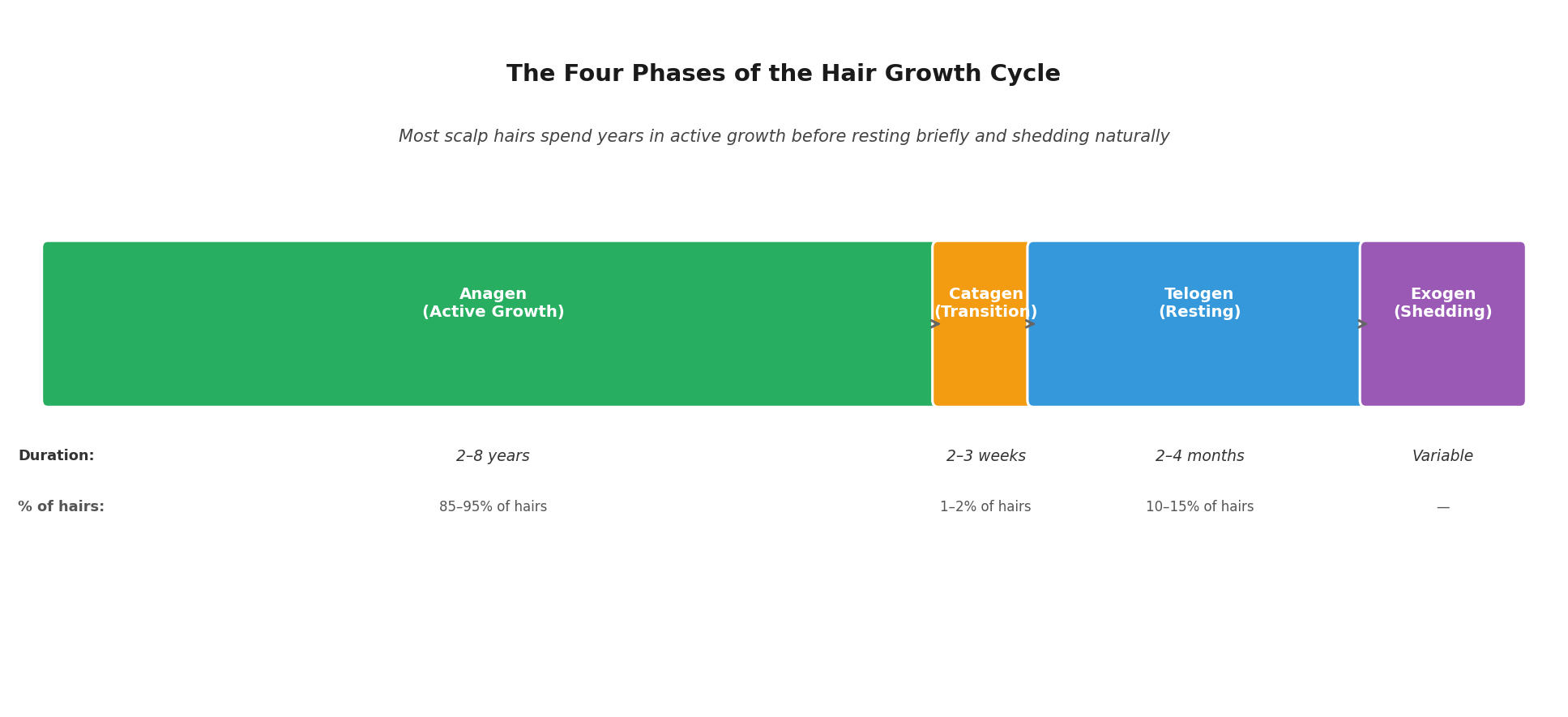 Figure 1: The four phases of the hair growth cycle: anagen (growth), catagen (transition), telogen (resting), and exogen (shedding). Each follicle runs through these phases independently, ensuring continuous hair coverage.
Anagen is the active growth phase and by far the longest: each follicle spends 2–8 years here, producing hair at around 1 centimetre per month. At any given moment, 85–95% of your scalp hairs are in anagen.
Catagen is a brief 2–3 week transition in which the follicle shuts down its growth machinery. The lower portion shrinks, the blood supply withdraws, and the hair shaft becomes a hardened "club hair." Only about 1–2% of hairs are in catagen at any time. Think of it as a factory switching off its production line before a scheduled maintenance break.
Telogen lasts 2–4 months. The follicle is dormant, the club hair sits loosely in place, and no new growth occurs. Around 10–15% of your hairs are in telogen at any given moment. The follicle is not dead: it is quiet, preparing to restart.
Exogen is the enzyme-driven release of the old club hair, pushed out by a new anagen hair growing underneath. This is entirely normal, and it accounts for the 100–150 hairs shed each day in healthy adults.
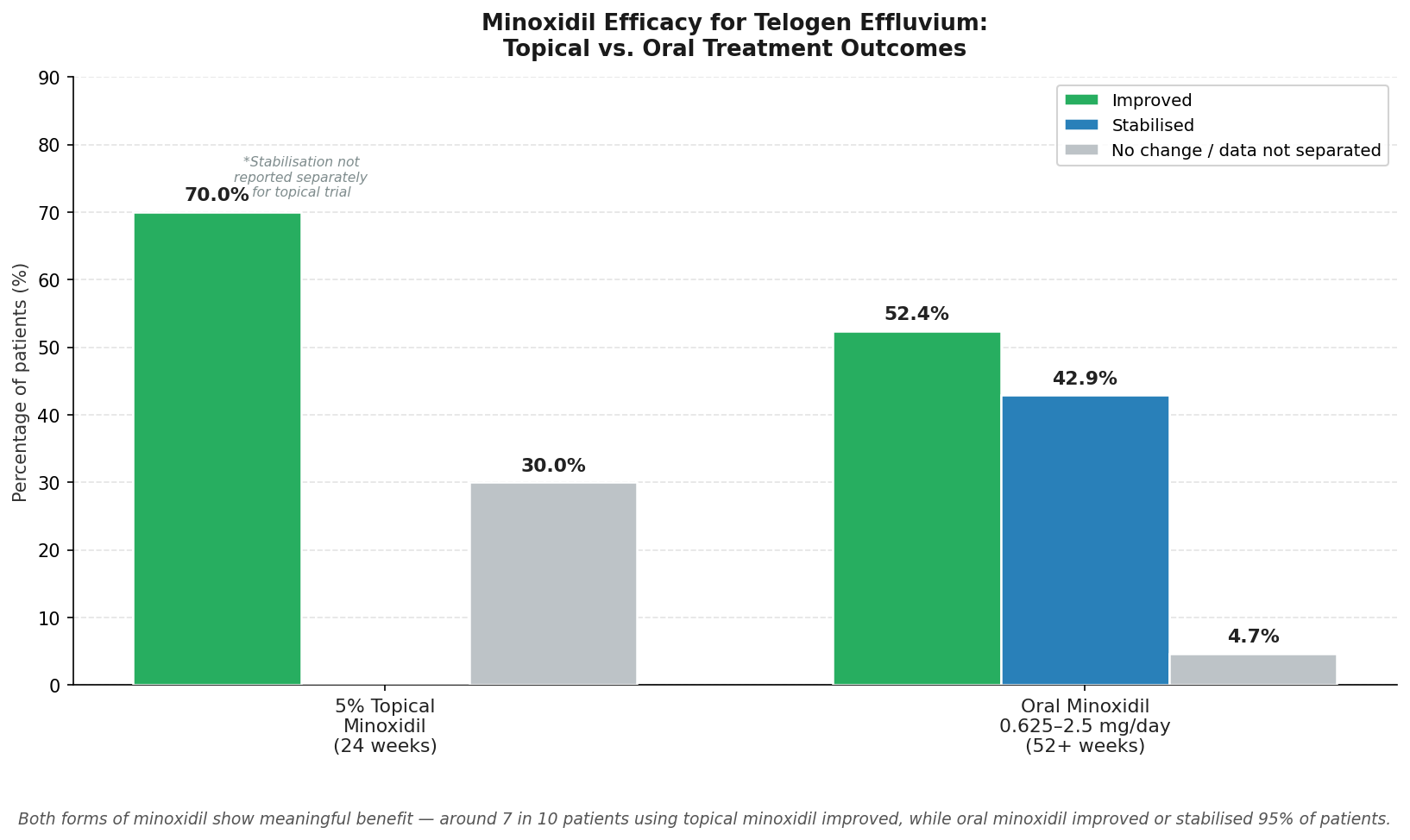 Figure 2: The proportion of scalp hairs in each phase at any given time. The dominance of the anagen phase is why hair appears full and continuously growing. Data from NIH StatPearls.
Critically, this telogen phase explains the most misunderstood feature of telogen effluvium: the delay between a trigger and hair loss. Hairs that are forced into telogen by a stressor must complete their 2–4 month resting phase before they shed. For example, if you had major surgery in January, you may not notice unusual shedding until March or April.
What Is Telogen Effluvium?
Telogen effluvium occurs when a significant physical or emotional stressor causes large numbers of follicles to leave the anagen phase prematurely and enter telogen all at once. When those hairs complete their rest, they shed together, causing a sudden increase in daily hair loss.
Instead of the usual 100 to 150 hairs per day, people with TE can shed up to 300 or more hairs daily, roughly 3–4 times the normal rate. In clinical wash tests, TE patients shed an average of 125 hairs during a single hair wash, compared to roughly 28 in people without the condition.
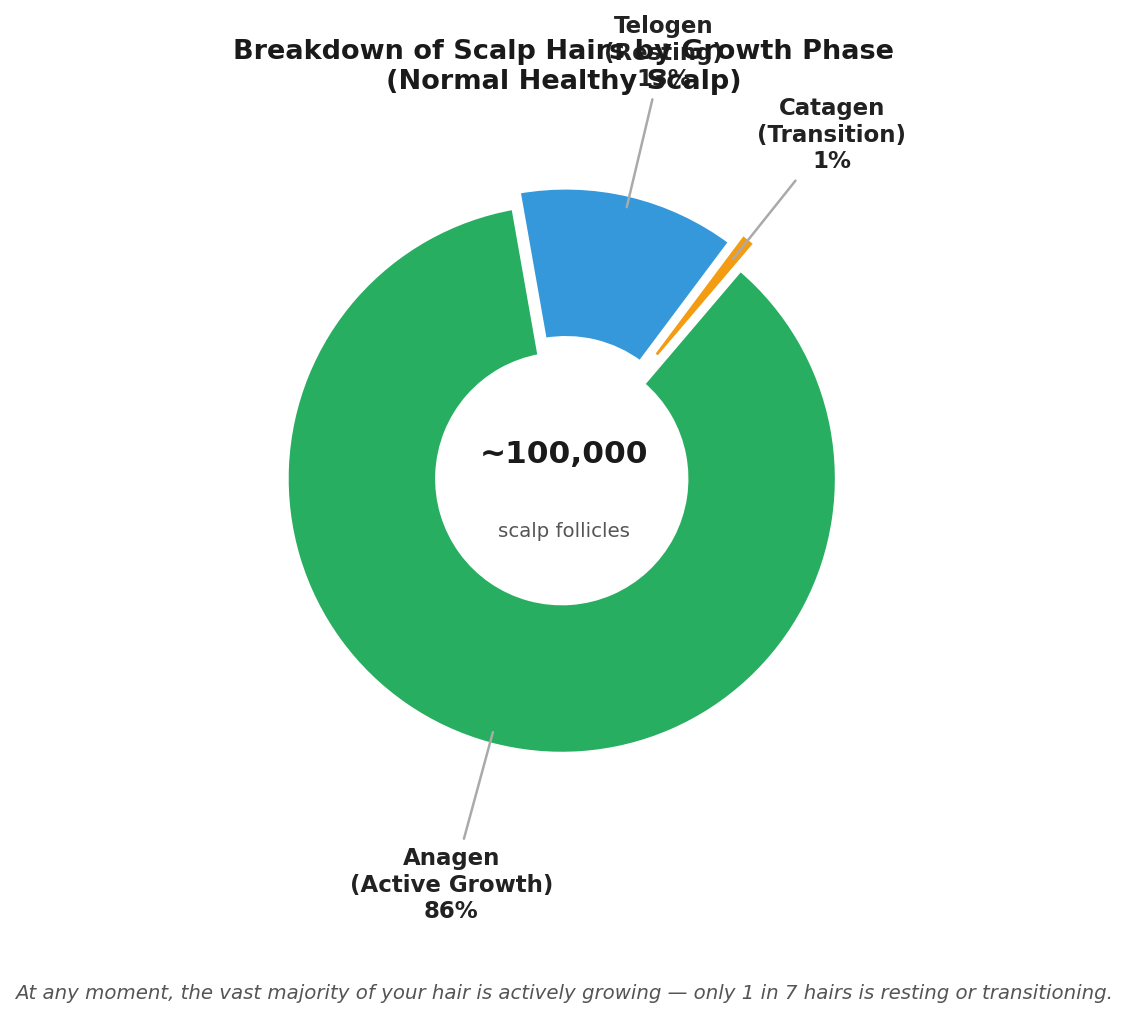 Figure 3: Daily shedding rates in telogen effluvium compared to normal hair loss. TE patients shed approximately 3–4 times more hairs per day. Data from PMC8801509 and Cleveland Clinic.
The critical reassurance: TE does not damage follicles. They remain intact, alive, and capable of growing new hair. TE disrupts the timing of the cycle, not the follicles themselves. This is what distinguishes it from pattern baldness, where follicles gradually and permanently shrink.
TE is the most common cause of diffuse hair loss in women and can affect people at any age.
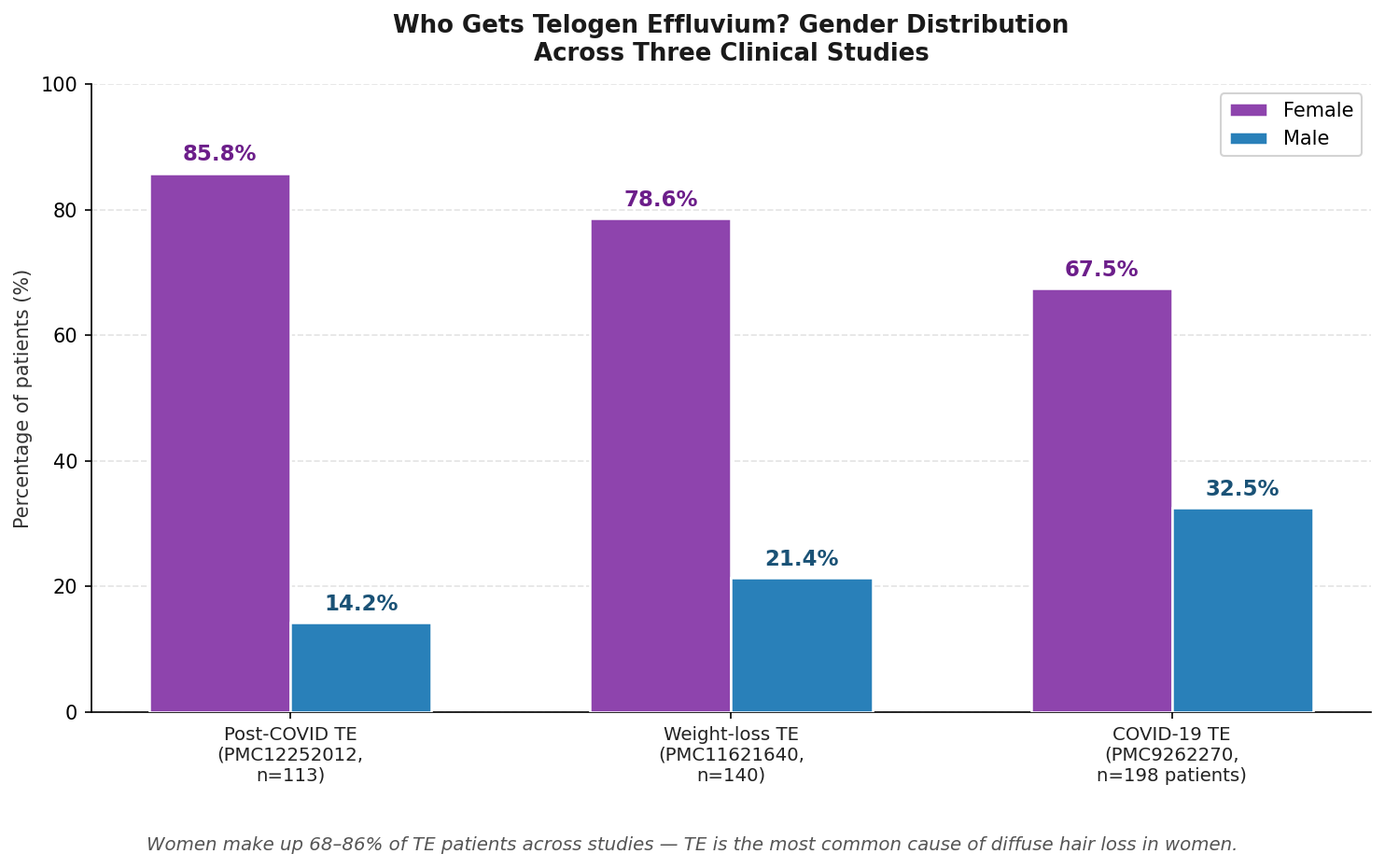 Figure 4: The typical onset and recovery timeline for acute telogen effluvium. The 2–3-month delay between trigger and shedding reflects the duration of the telogen resting phase. Data from NIH StatPearls and PMC4606321.
What Sets It Off: Common Triggers
Almost any significant physical or emotional stress can trigger TE.
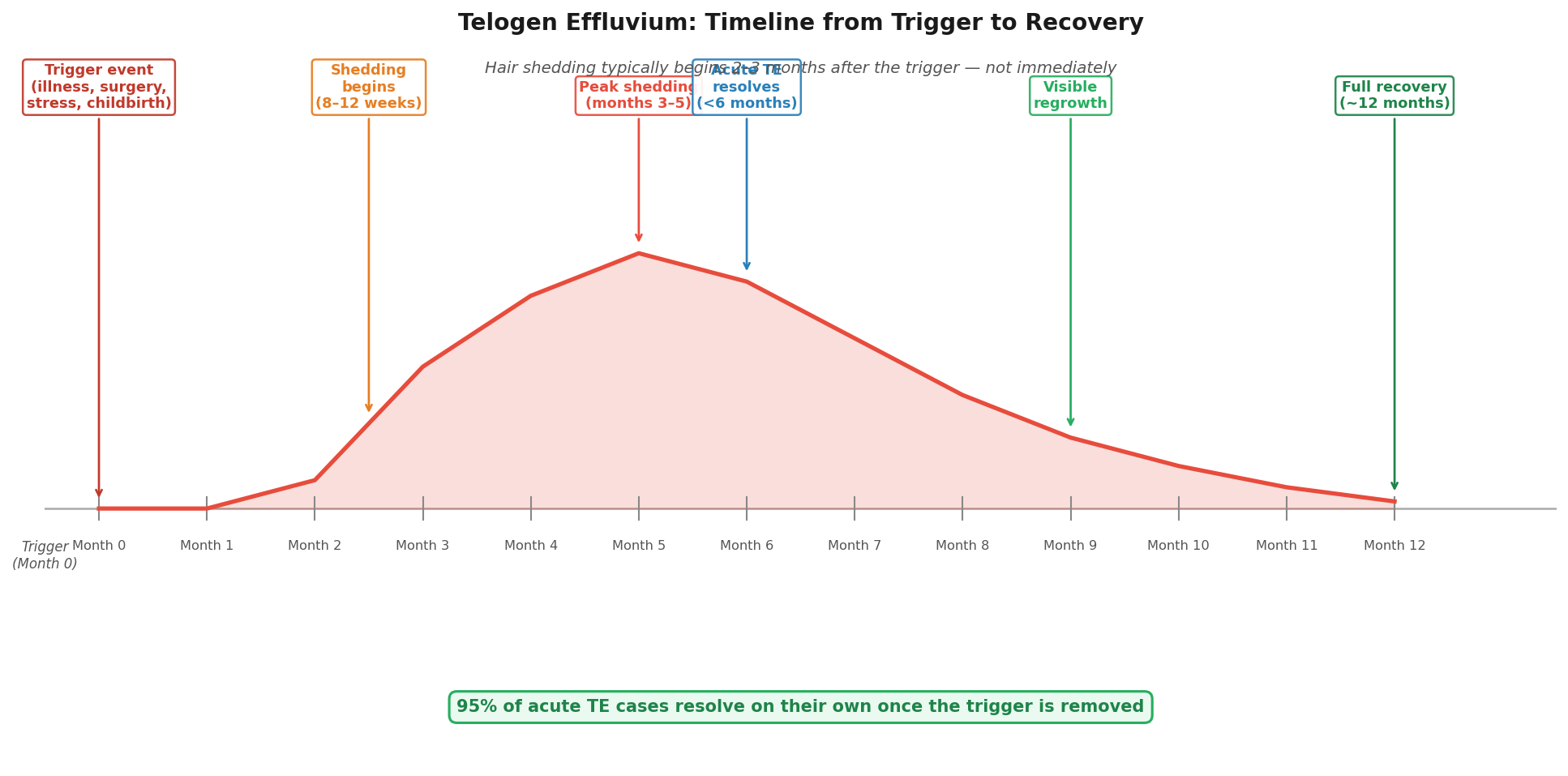 Figure 5: The most common triggers of telogen effluvium. Postpartum hormonal change and acute illness are among the most frequently identified causes. Data from NIH StatPearls and PMC7320655.
The most frequently identified triggers include:
- Acute illness and high fever from any cause
- Major surgery and general anaesthesia
- Childbirth: during pregnancy, high oestrogen prolongs the anagen phase; when oestrogen drops sharply after delivery, those overdue hairs enter telogen simultaneously
- COVID-19, with onset typically around 45 days after infection (faster than classic TE)
- Severe psychological or emotional stress
- Rapid weight loss or crash dieting, particularly when protein intake falls sharply
- Thyroid dysfunction (both underactive and overactive thyroid)
- Nutritional deficiencies, particularly iron, vitamin D, and zinc
- Certain medications, including beta-blockers, retinoids, anticoagulants, antidepressants, and stopping hormonal contraceptives
In around 33% of cases, no clear trigger can be identified; even then, the prognosis remains excellent.
COVID-19 and the Post-Pandemic Surge
The pandemic significantly increased TE prevalence worldwide. Before COVID-19, global TE prevalence was estimated at 3.44%. After the pandemic it rose to approximately 5.41%, a relative increase of around 57%. Among women who had COVID-19, over 60% reported hair problems, the majority of which were TE.
Who Is Most Affected?
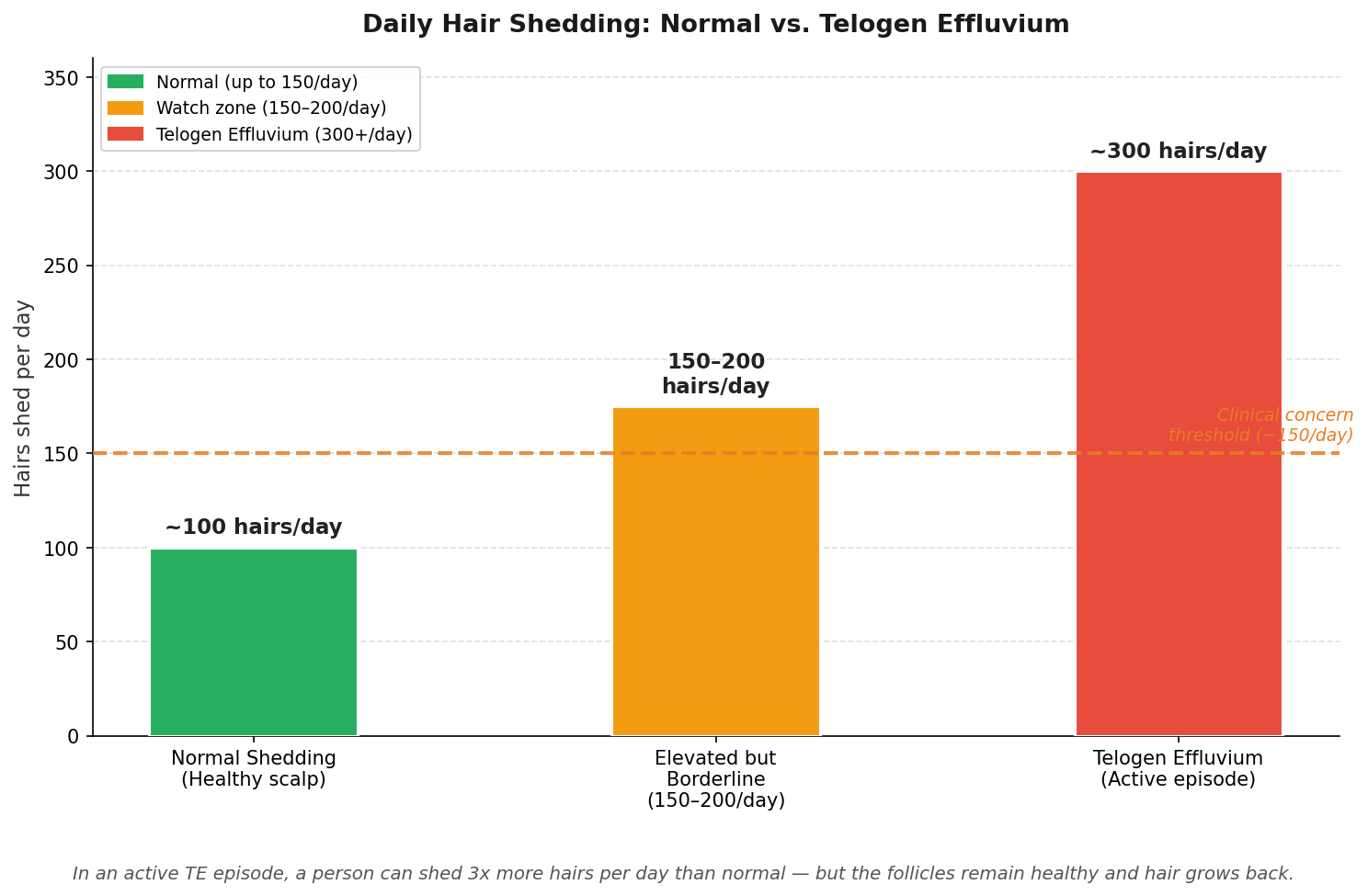 Figure 6: Demographic breakdown of TE cases. Women account for 78–86% of diagnosed cases. Data from PMC11826290 and PMC12252012.
Women account for 78–86% of telogen effluvium cases. Postpartum women are particularly affected: in a survey of 331 new mothers, 91.8% reported postpartum hair loss, with peak shedding at around 5 months after delivery and the condition typically ending by around 8 months postpartum.
What to Expect: Diagnosis and the Recovery Timeline
Doctors diagnose TE primarily through clinical history: what happened, when it happened, and when the shedding began. This history alone is often enough. A confident diagnosis is itself therapeutic: understanding exactly what is happening significantly reduces the anxiety that accompanies TE.
Doctors may perform a pull test (gently tugging a cluster of hairs from different scalp regions) and order blood tests for nutritional deficiencies and thyroid function. TE produces a positive pull test across all scalp regions, including the back of the head, which helps distinguish it from pattern baldness.
How the Timeline Usually Unfolds
- Months 1–3 after the trigger: hairs enter telogen; the person feels normal
- Months 2–4: shedding begins
- Months 3–5: peak shedding
- Months 3–6: shedding typically begins to slow
- Months 6–12: visible regrowth; full recovery for most
Approximately 95% of acute TE cases resolve spontaneously within 3–6 months of the trigger being removed, with full hair density typically returning within 6–12 months.
Around 5% of people develop chronic TE (hair loss persisting beyond 6 months), with an average duration of around 15 months. Even in chronic cases, follicles remain healthy and there is no permanent loss of density.
What Actually Helps: Managing Telogen Effluvium
Remove or Treat the Trigger
The most important step is identifying and addressing whatever caused the TE. Once the trigger is removed, the vast majority of cases resolve on their own. Treating thyroid disease, restoring adequate nutrition after a crash diet, or simply allowing recovery from illness is often all that is needed.
Check Your Nutritional Status
Nutritional deficiencies are worth investigating through a blood test rather than guesswork. Key deficiencies found in TE patients:
- Iron (ferritin): low in 44–45% of TE patients; supplementation has been shown to improve outcomes
- Vitamin D: low in 33–87% of TE patients across different studies; oral supplementation shows clinical improvement
- Zinc: deficient in 4–10% of TE patients; oral zinc has been shown to cure or improve hair loss in all patients where deficiency was confirmed
- Thyroid function: should always be checked, as both an under- and over-active thyroid are common triggers
Targeted supplementation after confirmed deficiency is evidence-based; broad-spectrum supplements without testing offer limited benefit.
Minoxidil
Minoxidil is the most studied medication for TE. It works by extending the anagen phase, counteracting the tendency of stressed follicles to rest prematurely.
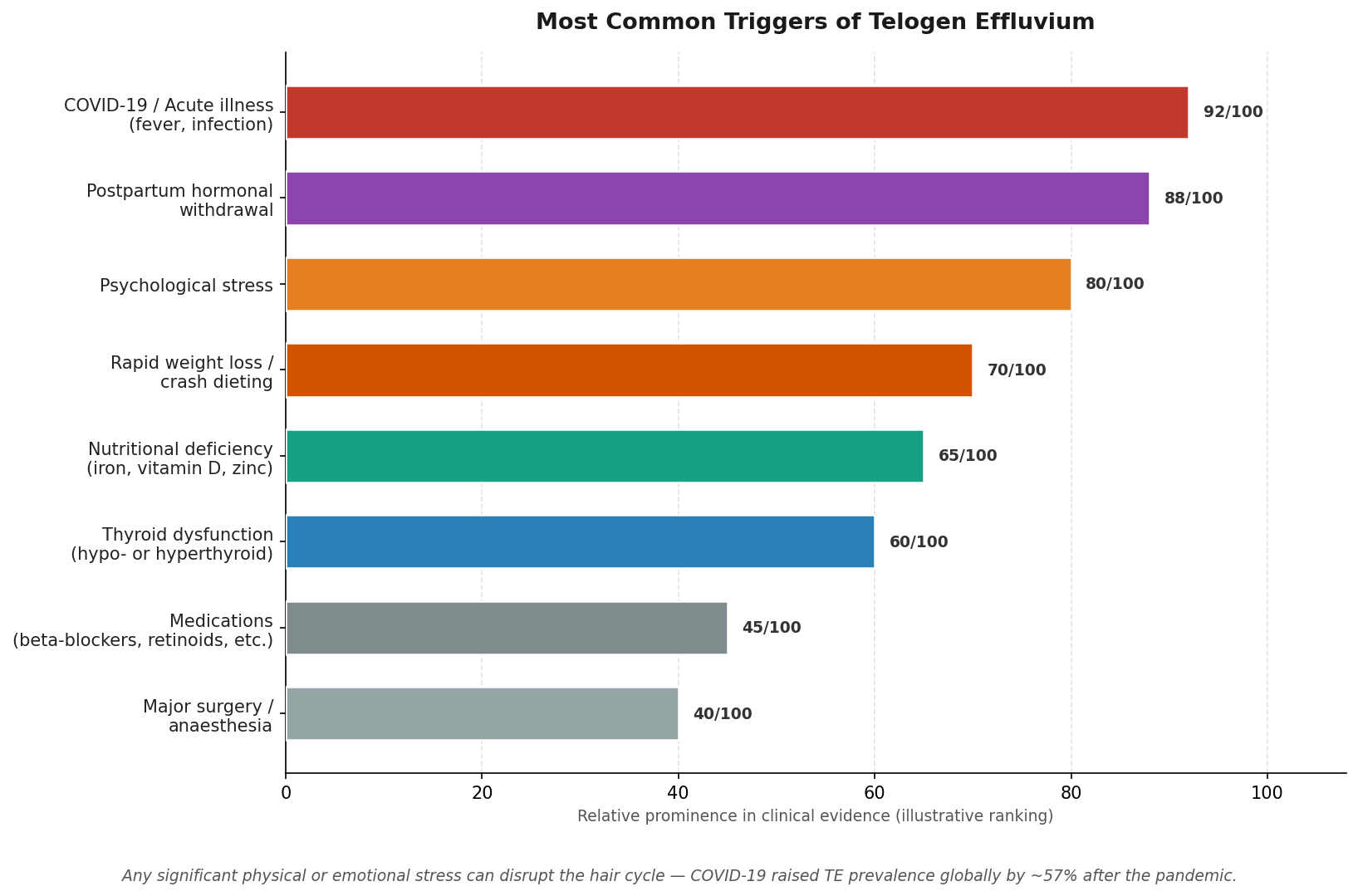 Figure 7: Efficacy of topical and oral minoxidil for telogen effluvium. Both formulations show meaningful improvement in hair shedding and density. Data from PMC12411807 and PubMed 35244759.
- Topical 5% minoxidil: in a clinical trial, approximately 70% of participants improved by at least two grades on a standardised scale within 24 weeks
- Oral low-dose minoxidil: a multi-centre study of 105 adults found 52.4% showed clinical improvement and 42.9% stabilised, meaning approximately 95% either improved or stabilised over 52 weeks
Minoxidil is most useful for shortening the recovery period and is typically prescribed by a dermatologist.
Everyday Self-Care
- Gentle hair handling: avoid tight hairstyles, heat styling, and harsh chemical treatments during active shedding
- Adequate sleep: poor sleep is associated with worsening hair loss and higher stress levels
- Stress reduction: regular exercise, meditation, or counselling can reduce cortisol levels that perpetuate shedding
- Diet: ensure enough protein, iron-rich foods, and vitamin D
The Emotional Dimension
Losing large amounts of hair is genuinely distressing, and that distress is valid. Research confirms TE significantly reduces quality of life and is associated with anxiety and depression. There is also a frustrating feedback loop: stress causes hair loss, and hair loss causes more stress.
Psychological counselling is considered by many dermatologists to be one of the most valuable interventions for TE. Understanding the condition's temporary nature reduces distress, and stress reduction directly addresses one of its core triggers.
When to See a Dermatologist
- Shedding has continued for more than 6 months
- No obvious trigger can be identified
- Hair has not begun to regrow 12 months after the trigger was removed
- You notice patchy bald spots, scalp inflammation, or scarring (which suggest a different condition)
- The emotional impact is significantly affecting daily life
Further Reading
Understanding the Hair Growth Cycle
- Hair Follicle Biology (NIH StatPearls)
- Hair Physiology (NIH StatPearls)
- Hair Follicle Overview (Cleveland Clinic)
Telogen Effluvium: Core Information
- Telogen Effluvium Clinical Reference (NIH StatPearls)
- Telogen Effluvium Patient Guide (Cleveland Clinic)
- Telogen Effluvium: A Comprehensive Review (PubMed Central)
COVID-19 and Hair Loss
- Post-COVID Telogen Effluvium: Onset and Duration (PubMed Central)
- Global Epidemiology of Telogen Effluvium After COVID-19 (PubMed Central)
Postpartum Hair Loss
Nutritional Deficiencies and Hair Health
- Vitamin and Mineral Deficiencies in Telogen Effluvium (PubMed)
- Serum Ferritin and Vitamin D in Diffuse Hair Loss (PubMed Central)
Treatment and Recovery
References/Helpful Resources
- Hughes EC, Syed HA, Saleh D. Telogen Effluvium. [Internet]. StatPearls. Treasure Island (FL): StatPearls Publishing; 2024. [cited 2026 Jul 14]. Available from: https://www.ncbi.nlm.nih.gov/books/NBK430848/
- Malkud S. Telogen Effluvium: A Review. J Clin Diagn Res. 2015;9(9):WE01-WE03. Available from: https://pmc.ncbi.nlm.nih.gov/articles/PMC4606321/ doi: 10.7860/JCDR/2015/15219.6492
- Asghar F, Shamim N, Farooque U, Sheikh H, Aqeel R. Telogen Effluvium: A Review of the Literature. Cureus. 2020;12(5):e8320. Available from: https://www.ncbi.nlm.nih.gov/pmc/articles/PMC7320655/ doi: 10.7759/cureus.8320
- Rebora A. Telogen effluvium: a comprehensive review. Clin Cosmet Investig Dermatol. 2019;12:583-590. Available from: https://pmc.ncbi.nlm.nih.gov/articles/PMC6709511/ doi: 10.2147/CCID.S200471
- Shrivastava SB. Diffuse hair loss in an adult female: Approach to diagnosis and management. Indian J Dermatol Venereol Leprol. 2009;75:20-28. Available from: https://ijdvl.com/diffuse-hair-loss-in-an-adult-female-approach-to-diagnosis-and-management/ doi: 10.4103/0378-6323.45215
- Cleveland Clinic. Telogen Effluvium [Internet]. [cited 2026 Jul 14]. Available from: https://my.clevelandclinic.org/health/diseases/24486-telogen-effluvium
- Cleveland Clinic. Hair Follicle [Internet]. [cited 2026 Jul 14]. Available from: https://my.clevelandclinic.org/health/body/23435-hair-follicle
- Ramos PM, Miot HA. Female Pattern Hair Loss: a clinical and pathophysiological review. An Bras Dermatol. 2015;90(4):529-43. Available from: https://pmc.ncbi.nlm.nih.gov/articles/PMC4560543/ doi: 10.1590/abd1806-4841.20153370
- Karakoyun Ö, Ayhan E, Yıldız İ. Retrospective Review of 2851 Female Patients With Telogen Effluvium: A Single-Center Experience. J Cosmet Dermatol. 2025;24(2):e70037. Available from: https://www.ncbi.nlm.nih.gov/pmc/articles/PMC11826290/ doi: 10.1111/jocd.70037
- Jeon JJ, Kim YH, Kang H, Ha MC, Jung SW, Son H et al. Global epidemiology of telogen effluvium after the COVID-19 pandemic: A systematic review and modeling study. JAAD Int. 2024;18:24-26. Available from: https://pmc.ncbi.nlm.nih.gov/articles/PMC11582742/ doi: 10.1016/j.jdin.2024.08.018
- Abrantes TF, Artounian KA, Falsey R, Simão JCL, Vañó-Galván S et al. Time of onset and duration of post-COVID-19 acute telogen effluvium. J Am Acad Dermatol. 2021;85(4):975-976. Available from: https://pmc.ncbi.nlm.nih.gov/articles/PMC8294706/ doi: 10.1016/j.jaad.2021.07.021
- Seyfi S, Alijanpour R, Aryanian Z, Ezoji K, Mahmoudi M. Prevalence of telogen effluvium hair loss in COVID-19 patients and its relationship with disease severity. J Med Life. 2022;15(5):631-634. Available from: https://pmc.ncbi.nlm.nih.gov/articles/PMC9262270/ doi: 10.25122/jml-2021-0380
- Hirose A, Terauchi M, Odai T, Fudono A, Tsurane K et al. Investigation of exacerbating factors for postpartum hair loss: a questionnaire-based cross-sectional study. Int J Womens Dermatol. 2023;9(2):e084. Available from: https://pmc.ncbi.nlm.nih.gov/articles/PMC10846762/ doi: 10.1097/JW9.0000000000000084
- Cheung EJ, Sink JR, English Iii JC. Vitamin and Mineral Deficiencies in Patients With Telogen Effluvium: A Retrospective Cross-Sectional Study. J Drugs Dermatol. 2016;15(10):1235-1237. Available from: https://pubmed.ncbi.nlm.nih.gov/27741341/
- Almohanna HM, Ahmed AA, Tsatalis JP, Tosti A. The Role of Vitamins and Minerals in Hair Loss: A Review. Dermatol Ther (Heidelb). 2019;9(1):51-70.Available from: https://pmc.ncbi.nlm.nih.gov/articles/PMC7394174/ doi: 10.1007/s13555-018-0278-6
- Ohyama M, Irisawa R, Uchiyama M, Mori M, Aoki K, Ueda Y, Fujita T. Use of 5% Topical Minoxidil Application for Telogen Effluvium: An Open-Label Single-Arm Clinical Trial. J Dermatol. 2025;52(9):1351-1359. Available from: https://www.ncbi.nlm.nih.gov/pmc/articles/PMC12411807/ doi: 10.1111/1346-8138.17844
- Feaster B, Onamusi T, Cooley JE, McMichael AJ. Oral minoxidil use in androgenetic alopecia and telogen effluvium. Arch Dermatol Res. 2023;315(2):201-205. Available from: https://pubmed.ncbi.nlm.nih.gov/35244759/ doi: 10.1007/s00403-022-02331-5
- Mayo Clinic. Stress and hair loss [Internet]. Mayo Clinic News Network. [cited 2026 Jul 14]. Available from: https://newsnetwork.mayoclinic.org/discussion/stress-may-play-a-role-in-hair-loss-but-other-triggers-could-be-the-cause/
