

Your Heart's Hidden Health Secret: What Heart Rate Variability Really Means
Your heart doesn't beat like a metronome. It speeds up, slows down, and constantly varies its rhythm, measured in milliseconds. This variation, called heart rate variability (HRV), is more important to your long-term health than most people realise. In fact, low HRV can predict your risk of dying from heart disease alongside blood pressure or cholesterol levels.1 The remarkable part: unlike your genetics, you can improve it. Dramatically, and relatively quickly.
This article explains what HRV actually is, why it matters for everything from your cardiovascular health to your mental well-being, and what you can do about it today.
Why Your Heart's Rhythm Variation Matters More Than You Think
When you measure your resting heart rate at 60 beats per minute, that doesn't mean your heart beats exactly every second. The interval between beats might be 0.9 seconds, then 1.15 seconds, then 0.95 seconds. That beat-to-beat fluctuation is HRV. A healthy heart shows variation; a heart that beats like clockwork might indicate problems.2
This variation tells you something profound about your nervous system. Your autonomic nervous system has two branches that act like opposing teams:
- The parasympathetic nervous system ("rest and digest") slows your heart, promotes recovery, and builds variability
- The sympathetic nervous system ("fight or flight") speeds your heart, prepares for action, and reduces variability
When both branches work together smoothly, you get high HRV. When one dominates, you get low HRV. High HRV means your body can flexibly switch between stress and recovery; low HRV means you're stuck in stress mode.3
This distinction matters because low HRV can predict serious health consequences.1 In people with existing heart disease, those with low HRV are more than 2.2 times more likely to die in the next few years compared to those with the same heart condition but high HRV.4 After a heart attack, the risk jumps to 3.2 times higher5. For people without known heart disease, low HRV still increases cardiovascular event risk by 32 to 45 per cent.6
But here's what makes this genuinely useful: unlike many risk factors you can't control, HRV is modifiable. Exercise, better sleep, and stress management can boost HRV measurably within weeks.
What Normal HRV Looks Like: Understanding Your Numbers
HRV varies dramatically between people based on age, fitness level, genetics, and life circumstances. There's no universal "good" number. A 60-year-old athlete might have higher HRV than a sedentary 30-year-old. What matters is your personal baseline and your trend over time.
That said, here's how typical HRV ranges look across different populations:7,8
Table 1: HRV ranges across age groups and fitness levels based on data collected by smart wearables.
|
Population |
HRV Range (RMSSD) |
What This Represents |
|
Young healthy adults (20-30 years) |
50–100 ms |
Peak variability; excellent nervous system flexibility |
|
Middle-aged adults (40-50 years) |
30–70 ms |
Noticeable age-related decline |
|
Older adults (60+ years) |
20–50 ms |
More pronounced decline |
|
Elite athletes |
70–100+ ms |
Exceptional parasympathetic tone |
|
Sedentary individuals |
20–40 ms |
Limited nervous system flexibility |
|
General population average |
41 ms |
All ages and fitness levels combined |
The metric most wearables use is called RMSSD (root mean square of successive differences), which measures beat-to-beat variability. It's reliable, practical, and reflects your parasympathetic nervous system activity.9
The Age Factor: How HRV Changes Over Your Lifespan
HRV naturally declines with age. This isn't a disease; it's normal ageing. But understanding the pattern helps explain when lifestyle choices become critically important.10
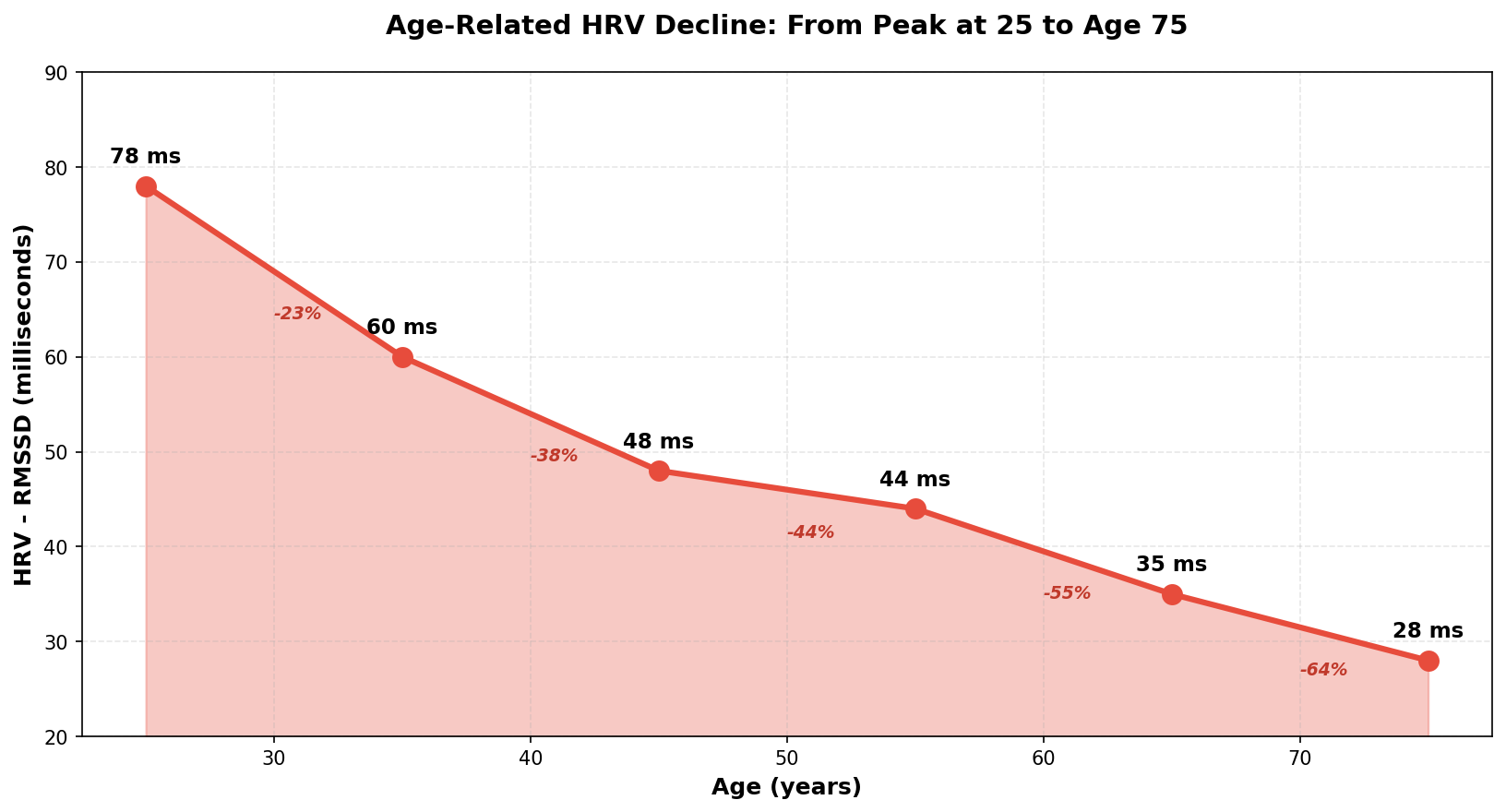 Figure 1: Heart rate variability declines approximately 1–2 per cent per year after age 30, with a 44 per cent reduction by age 55.7
At age 25, average HRV sits around 78 milliseconds. By age 35, it drops to 60 ms (a 23 per cent decline). By age 45, it's down to 48 ms (39 per cent decline). By age 55 (just halfway through many people's lives), average HRV sits at 44 ms, which is 44 per cent lower than at age 25.7
This decline accelerates in the late 60s and levels off after 75. The pattern seems inevitable until you look at one crucial finding: a fit 60-year-old can have HRV like a sedentary 25-year-old, and conversely, a sedentary 30-year-old can have HRV like a 60-year-old.11 Age isn’t the only thing that determines your HRV alone; lifestyle can play a part, too.
The Cardiovascular Connection: Why HRV Predicts Heart Health
The strongest evidence for the importance of HRV comes from cardiovascular research. Low HRV doesn't just correlate with heart disease; it can predict who will die from it alongside other measurements.12
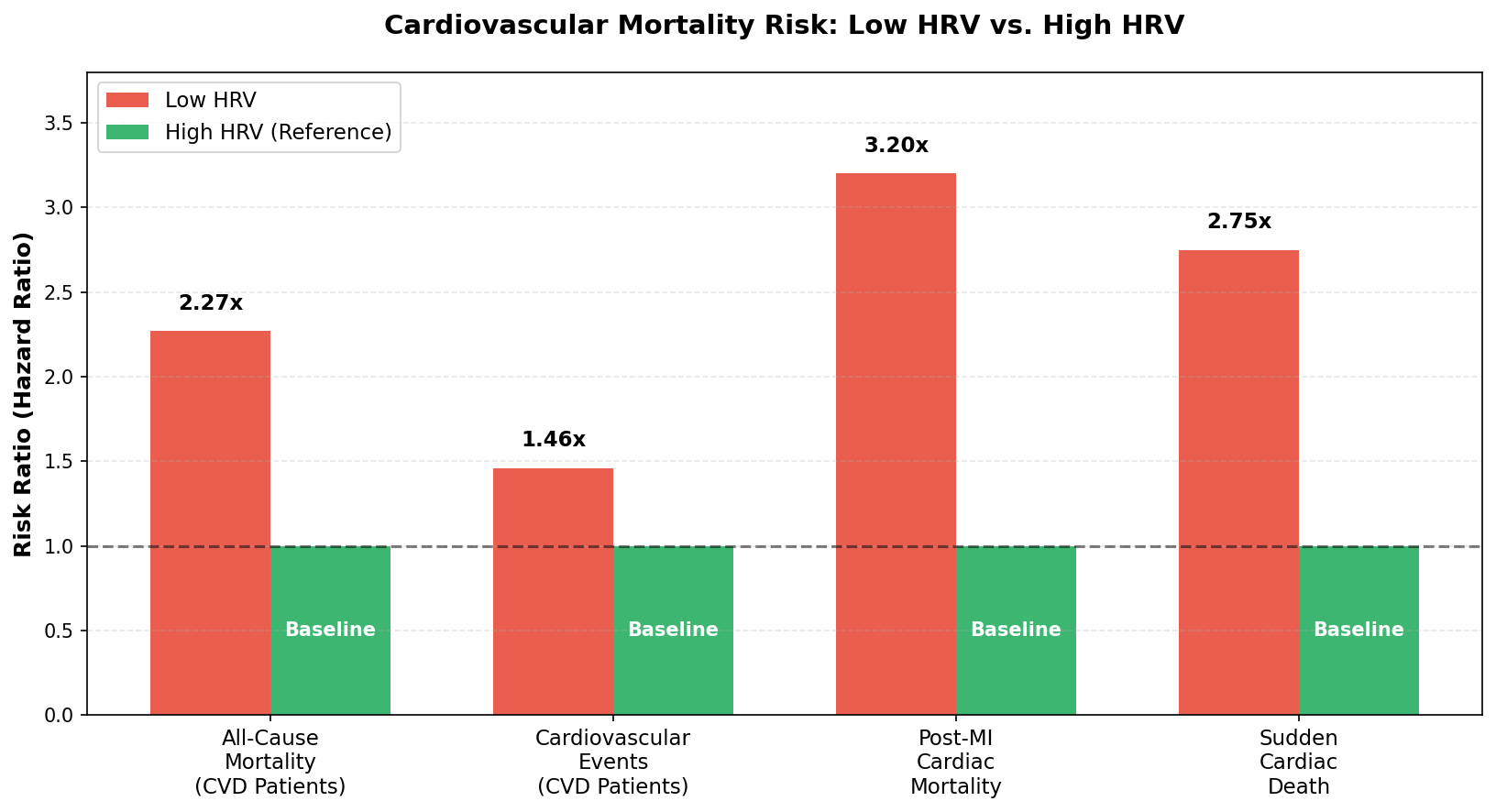 Figure 2: People with low heart rate variability face 2.27 times higher risk of death from any cause, 1.46 times higher risk of cardiovascular events, and 2.1–3.2 times higher risk of sudden cardiac death4513.
Consider these numbers from comprehensive research involving thousands of patients:
- In people with established cardiovascular disease and low HRV: 2.27 times higher risk of death from any cause4
- The same population shows a 1.46 times higher risk of cardiovascular events (heart attack, stroke)4
- After a myocardial infarction (heart attack), reduced HRV means 3.2 times higher cardiac mortality risk5
- For sudden cardiac death prediction, low HRV shows 2.1 to 3.2 times increased risk13
What makes these numbers particularly striking: HRV often predicts outcomes better than other established risk factors. In some studies, HRV measurements have proven superior to ejection fraction (how well the heart pumps) for predicting mortality in patients with heart failure.13
For people without known heart disease, the risk is lower but still significant. Low HRV increases the risk of a first cardiovascular event by 32 to 45 per cent; this is substantial enough that HRV screening could identify people at hidden risk.6
The mechanism isn't mysterious. Your nervous system controls everything from blood pressure to heart rhythm stability to how your arteries respond to stress. When your parasympathetic system (the brake pedal) weakens, and your sympathetic system (the accelerator) dominates, your cardiovascular system becomes less flexible. It handles stress poorly, recovers slowly, and becomes vulnerable to potentially fatal rhythm disturbances.1,14
Mental Health and the Nervous System Connection
Low HRV isn't just about your heart. It's also about your mind. People with depression, anxiety, and post-traumatic stress disorder (PTSD) consistently show significantly lower HRV than healthy controls.15,16
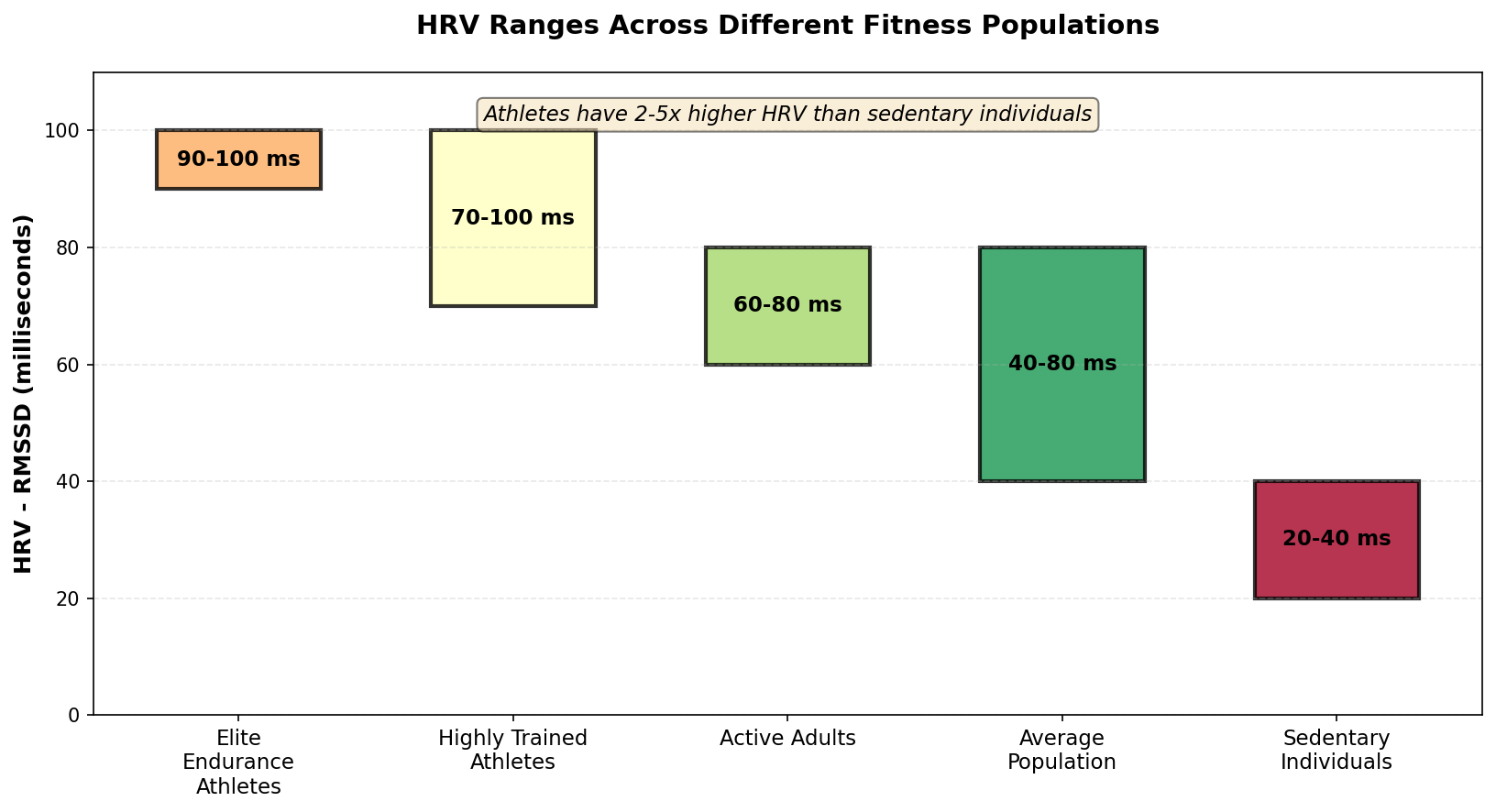
Figure 3: Depression shows the strongest correlation with low HRV (r = -0.276, p = 0.009), indicating a significant relationship between autonomic dysregulation and depressive symptoms.15
The numbers reveal a pattern across multiple HRV measurements:[15–19]
- Depression patients show lower RMSSD (r = -0.276, p = 0.009)
- Depression correlates with lower SDNN measurements (r = -0.214, p = 0.044)
- Depression also shows lower triangular index scores (r = -0.226, p = 0.033)
- Anxiety disorders feature significantly depressed HRV on multiple measures
- PTSD is the most studied psychiatric condition in HRV research
What this means: people with mental health conditions have nervous systems stuck in stress mode. They have difficulty accessing the parasympathetic "brake" that allows recovery.15
The emerging evidence shows this connection goes both ways. Not only does depression reduce HRV, but low HRV may increase vulnerability to developing depression. Early research suggests HRV could potentially identify depression risk before symptoms emerge.20
This opens new treatment possibilities. HRV biofeedback (training people to consciously increase their HRV with real-time feedback) shows moderate-to-large effect sizes for reducing PTSD symptoms and compelling evidence for anxiety reduction.21,22 It's not a replacement for therapy or medication, but rather a complementary tool that teaches your nervous system to recover.22
Sleep: Your Most Powerful HRV Lever
If you want to change one thing about your health, change your sleep. Sleep is the single most powerful influence on HRV.23
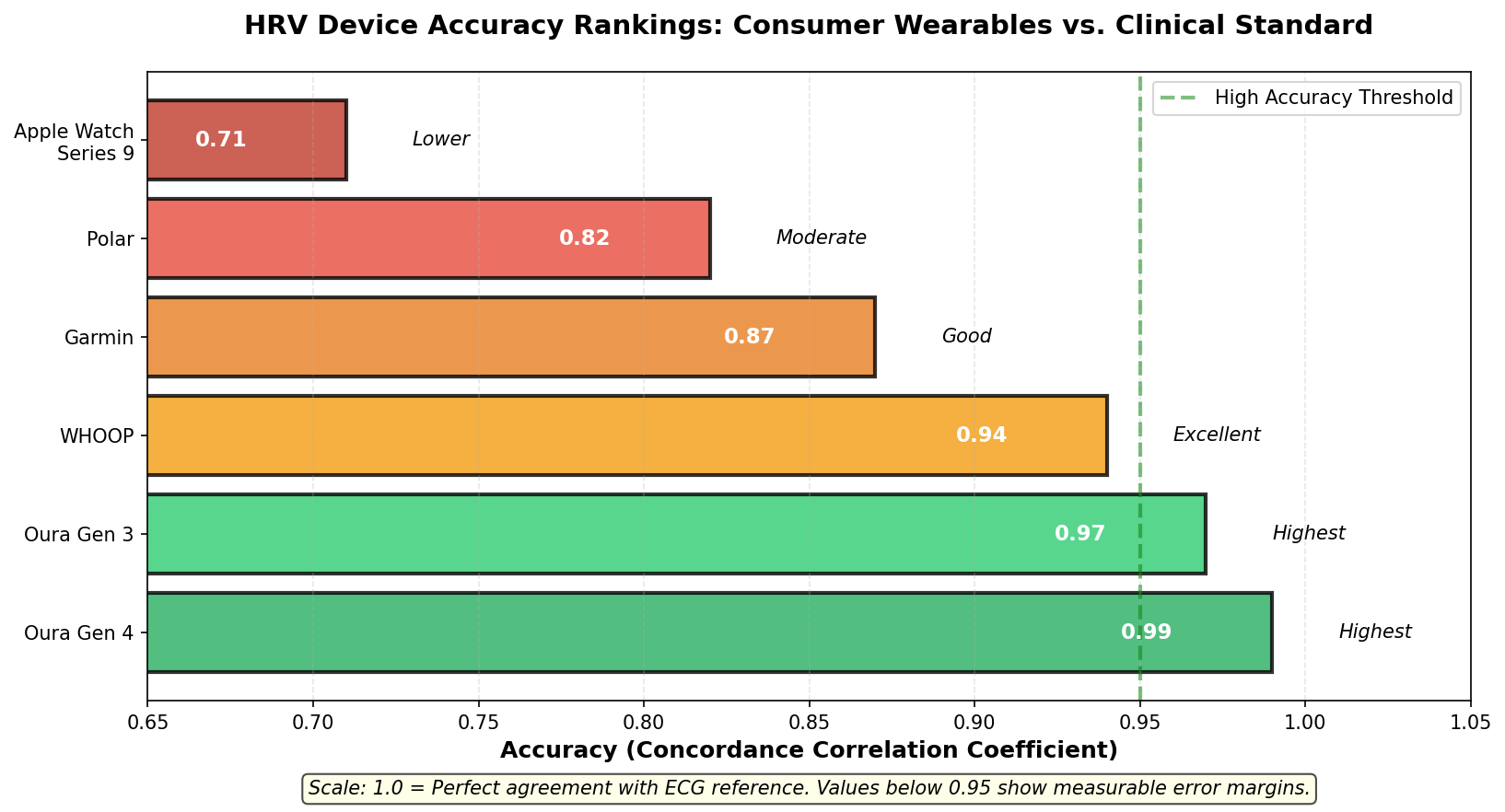 Figure 4: Healthy sleep (7-9 hours) supports baseline HRV. Sleep deprivation progressively reduces HRV, with severe sleep loss (<4 hours) causing a significant decline.23
The link between good sleep and higher HRV is simple: During sleep, your parasympathetic nervous system dominates. Your body shifts into recovery mode. Deep sleep and REM sleep especially boost HRV. When you skip sleep, you deprive yourself of this essential recovery window.24
The practical consequence: someone who sleeps five hours and exercises regularly will have lower HRV than someone who sleeps nine hours and doesn't exercise. Sleep beats almost everything else.25
The good news: improving sleep produces rapid HRV gains. Going from 5-6 hours to a consistent 7-9 hours improves HRV measurably over a few weeks.23 This improvement then cascades into better stress resilience, improved mental health, and lower cardiovascular mortality risk.
Exercise and Fitness: Building HRV Resilience
Athletic performance and HRV go hand-in-hand. Trained athletes show dramatically higher HRV than sedentary people.26
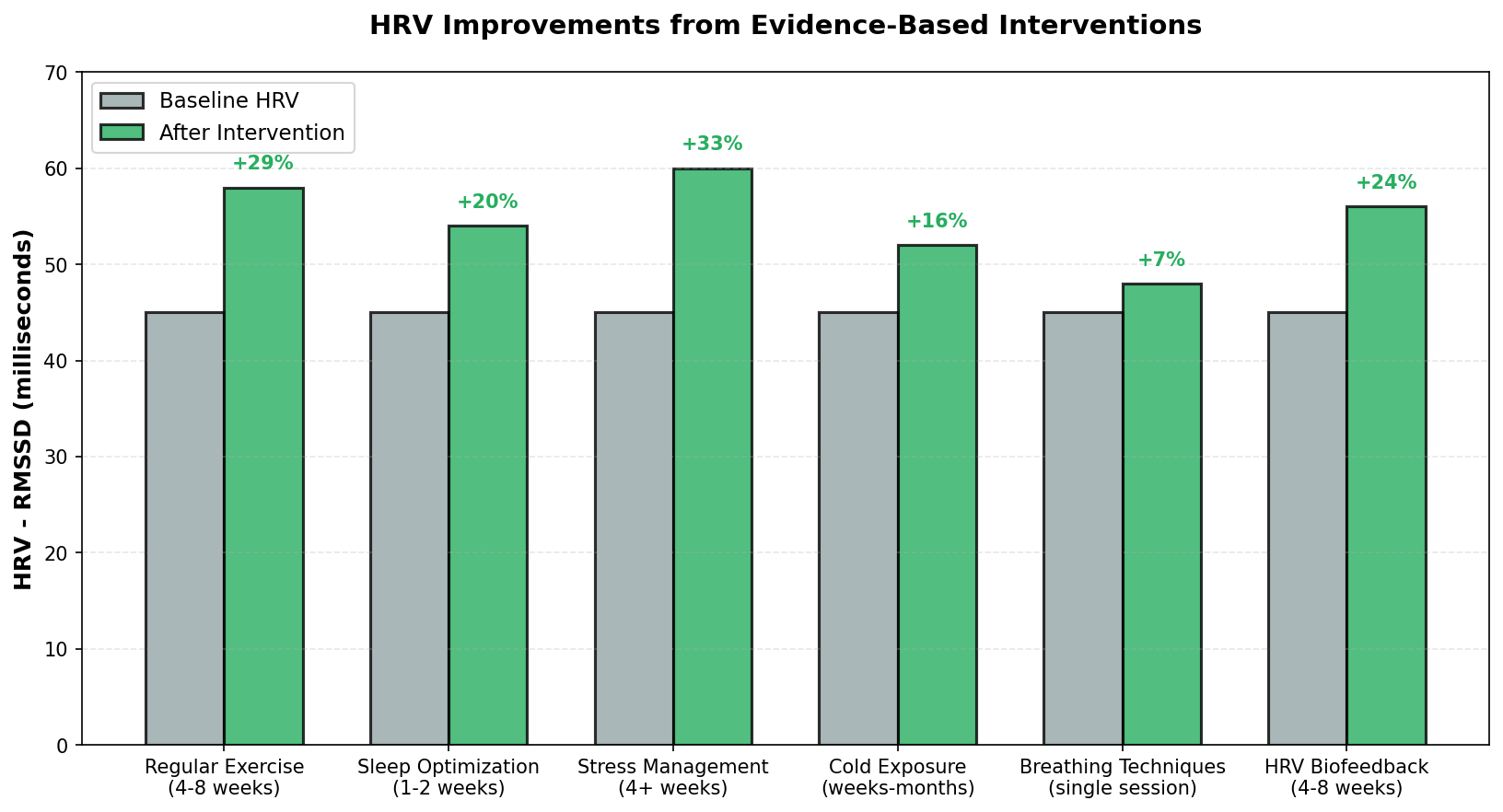 Figure 5: Elite endurance athletes can reach 90–100+ ms HRV, while sedentary individuals average 20-40 ms (a 2.5 to 5 times difference).7
The fitness gradient is striking:
- Elite endurance athletes: 90-100+ milliseconds
- Highly trained athletes: 70-100 ms
- Active adults (regular exercise): 60-80 ms
- Sedentary individuals: 20-40 ms
But here's the crucial part: this isn't just about elite athletes. Regular exercise produces substantial improvements in HRV for anyone.25
Research on intervention trials shows that exercise training produces significant improvements in HRV within 4 to 8 weeks.11,27 That's a transformation. Going from 45 ms to 60 ms (a 33 per cent gain) represents moving from health risk to health resilience.
Both aerobic exercise and high-intensity interval training (HIIT) are effective.28,29 The mechanism: regular exercise increases vagal tone (parasympathetic strength) and decreases sympathetic dominance.11 Your nervous system learns to recover faster from stress.
The recommended dose: 30 or more minutes of exercise, done 3 to 5 times per week. You don't need to be a marathon runner. Walking counts. Cycling counts. Even strength training combined with aerobic work yields results.28
One important caveat: intense exercise temporarily lowers HRV during recovery, which is normal and expected due to increased stress.30 The problem only arises with chronic overtraining, where HRV stays depressed despite adequate sleep.31 This signals insufficient recovery and an increased risk of injury. For most people, though, regular, consistent exercise remains one of the highest-ROI HRV interventions available.28
Stress Management and Breathing Techniques
Your breathing pattern directly influences HRV. Rapid, shallow breathing activates your sympathetic system and lowers HRV. Slow, deep breathing activates your parasympathetic system and raises it.32,33
This means you can change your HRV through deliberate breathing within a single session. Resonant frequency breathing (about 6 breaths per minute) or box breathing (4-count inhale, 4-count hold, 4-count exhale, 4-count hold) produces measurable HRV increases within minutes.33
Sustained stress management practices (meditation, mindfulness, yoga) produce 15 to 20 millisecond HRV improvements within 4 to 8 weeks.34,35 That's the same magnitude of improvement many people achieve through exercise, achieved through a different pathway.
Meditation works by systematically activating your parasympathetic system, teaching your nervous system that it's safe to rest and recover.34 Regular practitioners exhibit higher baseline HRV and more flexible stress responses.36
The accessibility matters. You don't need expensive equipment. A 15-minute daily meditation practice produces measurable results within weeks.37 When combined with adequate sleep and regular movement, stress management becomes a cornerstone of HRV improvement.
Other Factors That Influence HRV
Beyond the big three (sleep, exercise, stress), multiple factors shift HRV:
Hydration influences HRV by about 2–3 per cent. Proper hydration maintains blood volume and parasympathetic function.38
Diet quality matters. Balanced, nutrient-dense diets with adequate omega-3 fatty acids and antioxidants support cardiovascular autonomic function. Inflammatory processed foods may suppress HRV.39
Cold exposure (e.g., cold showers, ice baths) stimulates the vagus nerve and activates the parasympathetic nervous system. Regular cold-exposure training may improve HRV over weeks to months.40
Caffeine has mixed effects on HRV: some studies show temporary increases in sympathetic activity and lower HRV, while others show increases in parasympathetic activity and higher HRV.41 Coffee isn't harmful in moderation, but morning measurements should account for caffeine timing.41
Alcohol impairs sleep quality and suppresses HRV over time.42
Illness temporarily reduces HRV due to sympathetic activation. HRV often improves visibly during post-illness recovery, making it useful for tracking recovery progress.43
Medications like beta-blockers (prescribed for heart disease) are designed to artificially suppress HRV, though this doesn't diminish their cardiovascular benefits.44
Circadian rhythm affects HRV. Your HRV is highest during sleep and follows a daily pattern. Disrupted sleep schedules suppress baseline HRV.45
Understanding these factors helps you interpret your HRV readings. If your HRV suddenly drops, check the obvious culprits: did you skip sleep, get sick, have stress, or consume caffeine before measurement?
How to Measure HRV: Device Accuracy Matters
You can measure HRV in multiple ways. Chest-strap ECG monitors provide the most accurate readings but are inconvenient for daily tracking.46 Optical wearables (smartwatches and rings) use light sensors and are reasonably accurate when validated.47
Recent validation studies ranked consumer device accuracy:
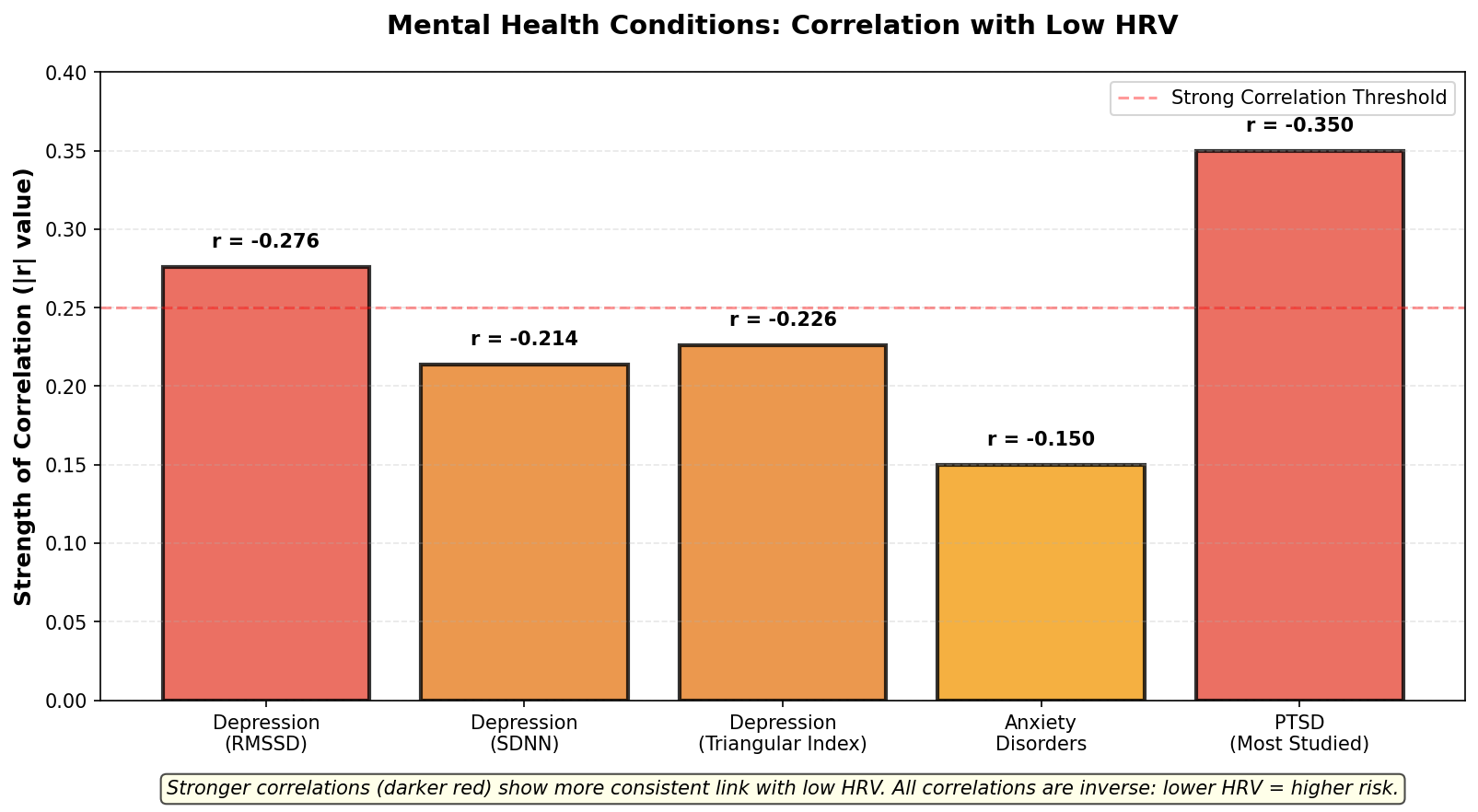 Figure 6: Oura Gen 4 achieves 99 per cent accuracy (5.96% error), while Apple Watch Series 9 has 29 per cent mean error and systematically underestimates HRV by 8.31 milliseconds.47,48,49
The accuracy rankings are stark:47,48,49
- Oura Gen 4: Concordance correlation 0.99 (5.96% error); gold standard
- Oura Gen 3: 0.97 accuracy (7.15% error); excellent
- WHOOP: 0.94 accuracy (8.17% error); good
- Garmin: 0.87 accuracy (10.52% error); moderate
- Polar: 0.82 accuracy (16.32% error); significant error
- Apple Watch Series 9: 0.71 accuracy (28.88% error); substantial underestimation
This matters. If your Apple Watch reports 50 ms, your actual HRV might be 40–60 ms. That's a huge range when interpreting health status.48 Oura rings, by contrast, are consistently validated within 6 per cent of clinical-grade measurements.49
For meaningful HRV tracking, focus on trends over weeks and months rather than individual daily readings. Normal HRV fluctuates significantly day-to-day.50 One low reading means nothing. A pattern of decline over weeks signals something worth investigating.
Best practices for measurement:
- Measure in the morning before getting out of bed
- Measure at the same time daily for trend comparison
- Use the same device consistently (different devices aren't directly comparable)
- Measure in a relaxed state, avoiding caffeine or exercise beforehand
- Require a minimum of 10 to 60 seconds of data for reliable RMSSD measurements
- For clinical-grade accuracy, 24-hour ECG monitoring provides the most robust data
What HRV Improvements Actually Look Like
If you implement lifestyle changes, how much can HRV improve? The evidence is encouraging:
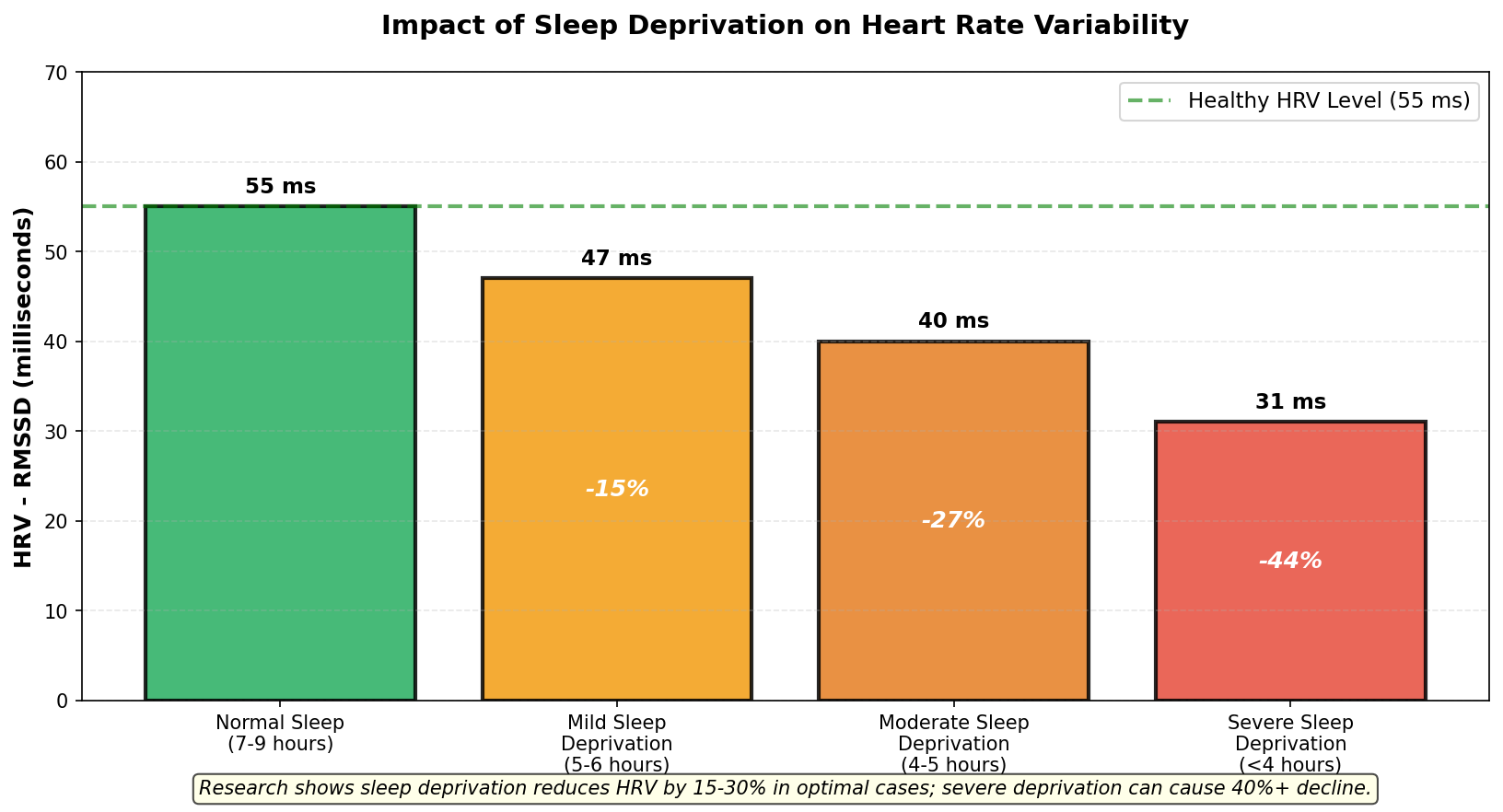 Figure 7: A comparison of each lifestyle change and how they influence improvements in HRV. Percentages represent broad ranges and general increases.
Here's what the data shows:
Regular exercise, sleep optimisation, stress management, mindfulness and biofeedback can help improve HRV over time. Each one contributes in its own way; however, research shows that some of these lifestyle changes can work together to further increase HRV.25,35,37
The crucial finding: improvements happen faster than most people expect. You're not waiting months. You're seeing measurable changes within weeks, sometimes days 11,51. This makes HRV genuinely useful for personalised health feedback: you can try an intervention and see whether it works for your specific body.
Clinical Applications: Where HRV Screening Matters Most
Beyond fitness tracking, HRV has emerging clinical applications. Doctors use HRV assessment for:
Cardiovascular risk stratification: Identifying patients with heart disease who are at the highest risk of mortality, thereby enabling more intensive monitoring and intervention 1.
Diabetes management: HRV abnormalities are present in type 2 diabetes and prediabetes, potentially identifying metabolic dysfunction years before blood sugar becomes abnormal 5253.
Sleep apnea detection: Machine learning algorithms can detect moderate-to-severe sleep apnoea from HRV patterns with 83–98 per cent accuracy.54 This is clinically significant because 80 per cent of moderate-to-severe sleep apnoea cases remain undiagnosed, yet the condition dramatically increases stroke and cardiac event risk.55
Mental health assessment: HRV measurement identifies autonomic dysregulation in depression, anxiety, and PTSD, enabling targeted interventions and prognosis prediction.15,16
Post-cardiac-event monitoring: After a heart attack or cardiac procedure, HRV recovery is a meaningful prognostic indicator.1
These applications remain primarily research-based rather than routine clinical practice, but the momentum is clear. Wearable HRV monitoring may become a non-invasive, scalable screening tool, especially when integrated with machine learning algorithms.56
Important Limitations: What HRV Isn't
HRV is powerful, but it's not magic. Understanding its limitations prevents misuse:
Not a diagnostic tool: Low HRV suggests increased risk and warrants further evaluation, but it doesn't diagnose disease. You still need clinical tests (ECGs, stress tests, blood work) for an actual diagnosis.57
Not sufficient on its own: HRV works best alongside other information. Your sleep quality, stress levels, heart rate, training load, and other metrics together paint a fuller picture than HRV alone.25,35,37
Not predictive for individuals in isolation: The mortality statistics showing "2.27 times higher risk" apply to populations, not individuals.1 One person's low HRV might be benign given their context; another person's lower-than-baseline HRV might signal something important.
Device accuracy varies: Even "high accuracy" devices have 5 to 30 per cent error margins. Measurements during physical activity are less reliable than at rest.47
Confounding factors are numerous: Medications, caffeine, dehydration, illness, acute stress, poor sleep, and overtraining all lower HRV. Interpretation requires considering the full context.2
Use HRV as one input into your health awareness, not as the sole metric. If your HRV drops, that's useful information prompting you to examine sleep, stress, illness, or overtraining. But it's not a diagnosis of a disease.
Building Your HRV Improvement Plan
If you want to improve your HRV, here's what the research supports:
Priority 1: Sleep: Target 7–9 hours nightly with consistent bedtime and wake time. This is the single highest-ROI intervention. You'll see HRV improvements within 1-2 weeks.23
Priority 2: Regular exercise: 30+ minutes, 3-5 times weekly. Both aerobic and HIIT work. You'll see improvements within a few weeks.28,29
Priority 3: Stress management: Daily meditation (10-20 minutes), breathing practices, or yoga. Combined with exercise and sleep, this completes the picture.34,35
Priority 4: Consistency over intensity: Small daily habits compound more effectively than occasional intense efforts. Moderate exercise done consistently beats sporadic intense training.28
Priority 5: Track trends, not daily numbers: Measure regularly but focus on weekly or monthly patterns. One day's low HRV is noise; a consistent decline is a signal.50
Priority 6: Context matters: Account for confounding factors. Caffeine, sleep debt, recent illness, and acute stress all temporarily suppress HRV and don't indicate chronic problems.2
For most people, prioritising sleep, incorporating regular movement, and managing stress through breathing or meditation can lead to measurable improvements in HRV within weeks. You don't need to be an athlete or buy expensive devices. Consistent basics work.
If you have existing cardiovascular disease or mental health conditions, discuss HRV monitoring with your doctor. It can become part of comprehensive assessment and treatment monitoring.2,17
The Practical Reality: Why HRV Matters
HRV matters because it captures something fundamental about your health: your nervous system's flexibility and resilience. It's the difference between a body that bounces back from stress and one that gets stuck in stress mode.2,3
People with high HRV:
- Recover quickly from physical and emotional stress
- Show better emotional regulation and decision-making
- Have lower anxiety and depression risk
- Show lower cardiovascular mortality and event risk
- Handle changing demands more effectively
People with low HRV:
- Struggle to recover from stress
- Show reduced emotional regulation
- Have a higher risk of anxiety and depression
- Show elevated cardiovascular mortality and event risk
- Become overwhelmed more easily by demands
The remarkable part is that you're not stuck with whatever HRV you have today. Sleep better for two weeks, and it improves. Exercise regularly for eight weeks, and it transforms. Managing stress daily strengthens it. HRV is as modifiable as fitness.2
This is genuinely hopeful. Unlike genetic risk factors or established disease, you have direct control over HRV. You can measure it, track it, and watch it improve as your behaviours change. You can become more resilient through evidence-based changes that produce measurable physiological improvements.
That's why HRV matters. It's a window into your body's resilience. And that resilience is something you can build.
Further Reading
Understanding Heart Rate Variability
- Cleveland Clinic: Heart Rate Variability (HRV) Overview
- NIH/PMC: An Overview of Heart Rate Variability Metrics and Norms
- Frontiers in Cardiovascular Medicine: HRV in Cardiovascular Disease Diagnosis, Prognosis and Management
- Scientific Reports: Ultra-Short Heart Rate Variability and Cardiovascular Events
Normal Ranges and Population Data
- Elite HRV: Normal Heart Rate Variability by Age and Gender
- Oura: What Is the Average HRV?
- WHOOP: Normal HRV Range by Age and Gender
Cardiovascular Health and Mortality
- Sage Journals: HRV and Risk of All-Cause Death and Cardiovascular Events Meta-Analysis
- American Heart Association: Heart Rate Variability for Risk Assessment of Myocardial Ischemia (HRV-DETECT Study)
- PMC: HRV as Predictor of Mortality in Heart Failure Meta-Analysis
- ScienceDirect: HRV Post-Myocardial Infarction Meta-Analysis
Mental Health Connections
- Nature: Heart Rate Variability in Mental Disorders Umbrella Review
- PMC: Heart Rate Variability in Psychiatric Disorders Systematic Review
- Frontiers in Psychiatry: Emotion Regulation and HRV in PTSD Treatment
Sleep and Recovery
- Frontiers in Neurology: Sleep Deprivation Effects on HRV Meta-Analysis
- PMC: Association of Sleep Duration and Quality with Heart Rate Variability
Exercise and Athletic Performance
- PMC: HRV Applications in Strength and Conditioning
- PMC: Heart Rate Variability and Athletic Performance Review
- Frontiers in Sports and Active Living: Impact of HRV-Based Exercise Prescription
Wearable Device Accuracy
- PMC: Validation of Nocturnal Resting Heart Rate and HRV in Consumer Wearables
- PMC: The Validity of Apple Watch for Serial HRV Measurements
- Nature: Guide to Consumer-Grade Wearables in Cardiovascular Care
- Oura: Oura Ring Most Accurate Wearable for HRV and Resting Heart Rate
Disease Detection and Clinical Applications
- PLoS ONE: Heart Rate Variability in Type 2 Diabetes Meta-Analysis
- Diabetes Care: Prediabetes and Type 2 Diabetes Associated with Lower HRV
- Frontiers in Neurology: Sleep Apnea Detection Using HRV with Machine Learning
- PMC: HRV in Sleep Apnea and COPD Comprehensive Analysis
Stress Management and Biofeedback
- PMC: Stress and Heart Rate Variability Meta-Analysis and Review
- Advanced Integrated Health: How to Improve HRV with Evidence-Based Methods
References/Helpful Resources
- Wang BX, Brennand E, Le Page P, Mitchell ARJ. Heart rate variability in cardiovascular disease diagnosis, prognosis and management. Frontiers in Cardiovascular Medicine. 2026 Jan 26;12.
- Tiwari R, Kumar R, Malik S, Raj T, Kumar P. Analysis of Heart Rate Variability and Implication of Different Factors on Heart Rate Variability. Current Cardiology Reviews [Internet]. 2021 Oct 22;17(5). Available from: https://pmc.ncbi.nlm.nih.gov/articles/PMC8950456/
- Shaffer F, Ginsberg JP. An Overview of Heart Rate Variability Metrics and Norms. Frontiers in Public Health [Internet]. 2017 Sep 28;5(258). Available from: https://pmc.ncbi.nlm.nih.gov/articles/PMC5624990/
- Fang SC, Wu YL, Tsai PS. Heart Rate Variability and Risk of All-Cause Death and Cardiovascular Events in Patients With Cardiovascular Disease: A Meta-Analysis of Cohort Studies. Biological Research For Nursing. 2019 Sep 26;22(1):109980041987744.
- Kleiger RE, Miller JPhilip, Bigger JThomas, Moss AJ. Decreased heart rate variability and its association with increased mortality after acute myocardial infarction. The American Journal of Cardiology. 1987 Feb;59(4):256–62.
- Hillebrand S, Gast KB, de Mutsert R, Swenne CA, Jukema JW, Middeldorp S, et al. Heart rate variability and first cardiovascular event in populations without known cardiovascular disease: meta-analysis and dose–response meta-regression. EP Europace. 2013 Jan 30;15(5):742–9.
- WHOOP. Normal HRV Range by Age and Gender - Data and Charts [Internet]. WHOOP. Whoop; 2026 [cited 2026 Apr 10]. Available from: https://www.whoop.com/gb/en/thelocker/normal-hrv-range-age-gender/
- Hughes L. What Is the Average HRV? [Internet]. The Pulse Blog. 2025 [cited 2026 Apr 10]. Available from: https://ouraring.com/blog/average-hrv/
- Hernandez R, Schneider S, Herman, Fanning J, Ehrmann D, Jin H, et al. Resting Heart Rate Variability Measured by Consumer Wearables and Its Associations with Diverse Health Domains in Five Longitudinal Studies. Sensors [Internet]. 2025 Nov 22 [cited 2025 Dec 3];25(23):7147–7. Available from: https://www.mdpi.com/1424-8220/25/23/7147
- Jandackova VK, Scholes S, Britton A, Steptoe A. Are Changes in Heart Rate Variability in Middle‐Aged and Older People Normative or Caused by Pathological Conditions? Journal of the American Heart Association. 2016 Feb 23;5(2).
- Amekran Y, El Hangouche AJ. Effects of Exercise Training on Heart Rate Variability in Healthy Adults: A Systematic Review and Meta-analysis of Randomized Controlled Trials. Cureus [Internet]. 2024 Jun 16. Available from: https://pmc.ncbi.nlm.nih.gov/articles/PMC11250637/
- Sessa F, Anna V, Messina G, Cibelli G, Monda V, Marsala G, et al. Heart rate variability as predictive factor for sudden cardiac death. Aging. 2018 Feb 23;10(2):166–77.
- Yadav I, Waqas R, Mohammad A, Lashari UG, Sabra M, Dwayat A, et al. Heart Rate Variability as a Predictor of Mortality in Heart Failure: A Systematic Review and Meta-Analysis. Cureus. 2025;17(12):e99120. Available from: https://pubmed.ncbi.nlm.nih.gov/41531624/
- Chu B, Marwaha K, Ayers D, Sanvictores T. Physiology, Stress Reaction [Internet]. StatPearls Publishing; 2024. Available from: https://www.ncbi.nlm.nih.gov/books/NBK541120/
- Ramesh A, Nayak T, Beestrum M, Quer G, Pandit JA. Heart Rate Variability in Psychiatric Disorders: A Systematic Review. Neuropsychiatric Disease and Treatment. 2023;19:2217–39. Available from: https://www.dovepress.com/heart-rate-variability-in-psychiatric-disorders
- Wang Z, Zou Y, Liu J, Peng W, Li M, Zou Z. Heart rate variability in mental disorders: an umbrella review of meta-analyses. Translational Psychiatry. 2025;15(1):104. Available from: https://pubmed.ncbi.nlm.nih.gov/40155386/
- Anwar D, Airlangga PS, Argarini R, Fithriyah I, Sulistya HA. Stress, Anxiety, and Depression Are Linked to Heart Rate Variability in Indonesian Anesthesiology and Intensive Therapy Residents. SEEJPH. 2025 Jan 4;26:2565–75.
- Wang Z, Luo Y, Zhang Y, Chen L, Zou Y, Xiao J, et al. Heart rate variability in generalized anxiety disorder, major depressive disorder and panic disorder. Journal of Affective Disorders. 2023;330:259–66. Available from: https://pubmed.ncbi.nlm.nih.gov/36914118/
- Chalmers JA, Quintana DS, Abbott MJA, Kemp AH. Anxiety Disorders are Associated with Reduced Heart Rate Variability. Frontiers in Psychiatry. 2014;5(80).
- Galin S, Keren H. The Predictive Potential of Heart Rate Variability for Depression. Neuroscience. 2024;546:88–103. Available from: https://www.sciencedirect.com/science/article/pii/S030645222400126X
- Kenemore J, Benham G, Charak R, Hernandez Rodriguez J. Heart Rate Variability Biofeedback as a Treatment for Military PTSD: A Meta-Analysis. Military Medicine. 2024;189(9–10).
- Goessl VC, Curtiss JE, Hofmann SG. The effect of heart rate variability biofeedback training on stress and anxiety: a meta-analysis. Psychological Medicine. 2017;47(15):2578–86. Available from: https://www.heartmathbenelux.com/doc/Goessl%20Hofmann%202017%20HRV_BF
- Arora D. Influence of Sleep Duration on Heart Rate Variability in Young Adults. CME Journal Geriatric Medicine. 2026;18(1):75–9. Available from: https://cmegeriatricmed.co.uk
- Chouchou F, Desseilles M. Heart rate variability: a tool to explore the sleeping brain? Frontiers in Neuroscience. 2014;8.
- Fein T, Muhammad T, Lee S. The interaction between exercise and sleep with heart rate variability. European Journal of Applied Physiology. 2025;126.
- DONG JG. The role of heart rate variability in sports physiology. Experimental and Therapeutic Medicine. 2016;11(5):1531–6. Available from: https://www.ncbi.nlm.nih.gov/pmc/articles/PMC4840584/
- Dougherty CM, Glenny R, Kudenchuk PJ. Aerobic Exercise Improves Fitness and Heart Rate Variability After an Implantable Cardioverter Defibrillator. Journal of Cardiopulmonary Rehabilitation and Prevention. 2008;28(5):307–11.
- Zhang W, Bi S, Luo L. The impact of long-term exercise intervention on heart rate variability indices. Frontiers in Cardiovascular Medicine. 2025;12. Available from: https://pmc.ncbi.nlm.nih.gov/articles/PMC12198180/
- Songsorn P, Somnarin K, Jaitan S, Kupradit A. The effect of whole-body high-intensity interval training on heart rate variability. Journal of Exercise Science & Fitness. 2021;20(1).
- Kim HG, Cheon EJ, Bai DS, Lee YH, Koo BH. Stress and Heart Rate Variability: A Meta-Analysis. Psychiatry Investigation. 2018;15(3):235–45. Available from: https://www.ncbi.nlm.nih.gov/pmc/articles/PMC5900369/
- Mourot L, Bouhaddi M, Perrey S, Cappelle S, Henriet MT, Wolf JP, et al. Decrease in heart rate variability with overtraining. Clinical Physiology and Functional Imaging. 2004;24(1):10–8.
- Chaitanya S, Datta A, Bhandari B, Sharma VK. Effect of Resonance Breathing on Heart Rate Variability and Cognitive Functions. Cureus. 2022;14(2).
- Steffen PR, Bartlett D, Channell RM, Jackman K, Cressman M, Bills J, et al. Integrating Breathing Techniques Into Psychotherapy to Improve HRV. Frontiers in Psychology. 2021;12(624254).
- Jerath R, Syam M, Ahmed SMZ. The Future of Stress Management: Integration of Smartwatches and HRV Technology. Sensors. 2023;23(17):7314–4.
- Sharma S, Kaushik D, Saini S, Sharma H, Metri K, et al. Effect of Yoga-based Interventions on Heart Rate Variability and Anxiety Among Students. Annals of Neurosciences. 2025 Dec 12.
- Jha K, Kumar P, Kumar Y, et al. The effects of Rajyoga mindfulness meditation training on heart rate variability. Indian Journal of Psychiatry. 2025;67(3):310–5.
- Natarajan A. Heart rate variability during mindful breathing meditation. Frontiers in Physiology. 2023;13.
- Porto AA, Benjamim JR, Sobrinho S, et al. Influence of Fluid Ingestion on Heart Rate Variability. Nutrients. 2023;15(21):4534–4. Available from: https://www.ncbi.nlm.nih.gov/pmc/articles/PMC10650885/
- Zhao Y, Chen P, Huo S, Yu D, Zeng X, Zhang W. Heart rate variability and its modulation by nutrients. Frontiers in Neuroscience. 2025;19.
- Sun B, Wu J, Li C, Hu Z, Wang R. Effects of extreme cold exposure on heart rate variability. Ergonomics. 2023;67(8). Available from: https://pubmed.ncbi.nlm.nih.gov/37988319/
- Yeragani VK, Krishnan S, Engels HJ, Gretebeck R. Effects of caffeine on heart rate variability. Depression and Anxiety. 2005;21(3):130–4.
- Pop GN, Christodorescu R, Velimirovici DE, et al. Alcohol consumption patterns and heart rate variability. Medicina. 2021;57(9):956. Available from: https://www.ncbi.nlm.nih.gov/pmc/articles/PMC8466135/
- Arbo JE, Lessing JK, Ford WH, et al. HRV measures for prediction of severity of illness in sepsis. American Journal of Emergency Medicine. 2020;38(12):2607–13.
- Niemelä M, Airaksinen J, Huikuri HV. Effect of Beta-blockade on heart rate variability. Journal of the American College of Cardiology. 1994;23(6):1370–7.
- Boudreau P, Dumont G, Boivin D. Circadian variation of heart rate variability during sleep stages. Sleep Medicine. 2013;14:e76.
- Sundas A, Contreras I, Navarro-Otano J, et al. Heart rate variability over the decades: a scoping review. PeerJ. 2025;13:e19347. Available from: https://pmc.ncbi.nlm.nih.gov/articles/PMC12047215/
- Dial MB, Hollander ME, Vatne EA, et al. Validation of wearable HRV and heart rate. Physiological Reports. 2025;13(16):e70527. Available from: https://pubmed.ncbi.nlm.nih.gov/40834291/
- O’Grady B, Lambe R, Baldwin M, et al. Apple Watch validity for HRV measurements. Sensors. 2024;24(19):6220–0. Available from: https://www.mdpi.com/1424-8220/24/19/6220
- Hughes L. Oura Ring accuracy for HRV and RHR. The Pulse Blog. 2025. Available from: https://ouraring.com/blog/oura-most-accurate-for-hrv-resting-heart-rate/
- de Vries H, Kamphuis W, van der Schans C, et al. HRV and stress changes in police officers. Healthcare. 2022;10(1):144.
- Hirten RP, Danieletto M, Landell K, et al. HRV biofeedback via wearable tech feasibility study. ProQuest. 2024. Available from: https://www.proquest.com/docview/3047499692/
- Benichou T, Pereira B, Mermillod M, et al. Heart rate variability in type 2 diabetes. PLOS ONE. 2018;13(4):e0195166.
- Coopmans C, Tan Lai Zhou, Henry RMA, et al. Diabetes and heart rate variability. Diabetes Care. 2020;43(5):1126–33. Available from: https://diabetesjournals.org/care/article/43/5/1126/35711/
- Attar ET. Sleep apnea and HRV analysis using machine learning. Frontiers in Neurology. 2025;16.
- Laher I, Faria A, et al. Public health burden of obstructive sleep apnea. Sleep Science. 2021;14(3):257–65. Available from: https://www.ncbi.nlm.nih.gov/pmc/articles/PMC8848533/pdf/ssci-14-03-0257.pdf
- Jamieson A, Chico TJA, Jones S, et al. Wearables in cardiovascular care and population health. npj Cardiovascular Health. 2025;2(1). Available from: https://pmc.ncbi.nlm.nih.gov/articles/PMC12404996/
- Siswishanto R, Nurdiati DS, Aluicius IE, et al. Wearable-derived HRV for detecting inflammation. Diagnostics. 2026;16(4):538. Available from: https://www.mdpi.com/2075-4418/16/4/538
