

If you've noticed your nails splitting, peeling, or crumbling, or your hair snapping off easily, you're not alone. This isn't vanity talking, and you're not imagining it. Brittle nails affect 1 in 5 people overall, and roughly 1 in 3 women in their 50s and beyond. Yet it's a condition many people dismiss or suffer through quietly, thinking there's nothing to be done.
The truth is different. Brittle nails and hair are almost always fixable once you understand what's causing them. The causes range from simple nutritional gaps to underlying health conditions that deserve medical attention. In most cases, visible improvement happens within months, not years.
This article walks you through what brittle nails and hair actually are, why they happen, and exactly what works to fix them.
What's Actually Happening to Your Nails and Hair
Brittle nails aren't weak from lack of willpower or because you're using the wrong polish. They're weak because the structure holding them together is literally falling apart.
Your nails are made primarily of a protein called keratin, held together by intercellular lipids (essentially the "glue" between cells) and a precise water-mineral balance. When any of these components breaks down, the nail plate loses its structural integrity. Instead of bending slightly, it splits, peels, or crumbles.
Similarly, your hair shaft depends on sulphur-containing amino acids (cystine and methionine) for strength and elasticity. When these levels drop, hair becomes fragile and snaps under normal stress, like brushing or washing.
The good news: this is almost always reversible once you identify and address the underlying cause.
How Common Is This Problem, Really?
Research shows brittle nails are far more prevalent than most people realise:
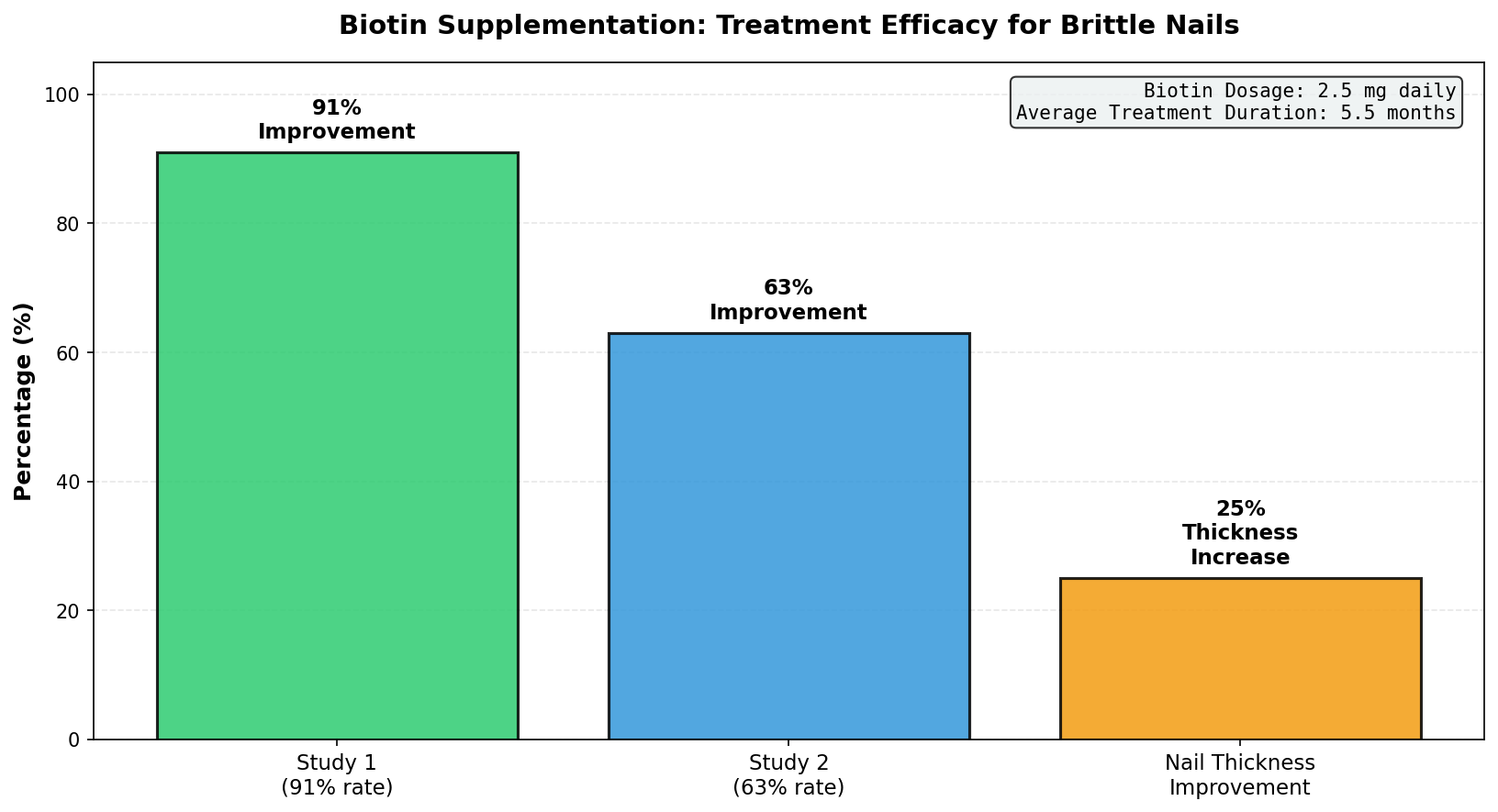 Figure 1: Brittle nails affect different populations at significantly different rates, with women and older adults experiencing the highest prevalence.
The statistics tell a clear story:
- 20-30% of the general population experiences brittle nails at some point
- Among women, 27-30% are affected compared to just 13-15% of men
- Women are 1.6 to 7 times more likely than men to have brittle nails, depending on age
- In people over 60, prevalence jumps to 26-40%, with women aged 60-79 showing 36% prevalence
Brittle nail syndrome ranks as one of the three most common nail disorders that dermatologists encounter, alongside chronic paronychia and nail separation. This means when you visit a dermatologist with brittle nails, you're presenting with something they see regularly in their clinical practice.
The Root Causes: Why This Actually Happens
Brittle nails and hair rarely have a single cause. Instead, they usually result from a combination of factors. Understanding what's driving your particular case is essential for effective treatment.
Nutritional Deficiencies (The Most Treatable Cause)
Your nail and hair cells are among the fastest-dividing cells in your body, and they demand specific micronutrients to function properly. When these are missing, brittleness develops quickly.
Biotin (Vitamin B7) is the most studied nutrient:
Biotin is essential for keratin production. Low biotin levels correlate directly with brittle, weak nails. This is why biotin supplementation is the most evidence-based nutritional treatment available.
Iron is critical but often overlooked:
Low iron (specifically serum ferritin) doesn't just cause anaemia. It directly affects:
- Your hair follicle cycle and cellular turnover in the hair bulb
- Your thyroid function (creating a cascade effect)
- Your nail plate integrity, which sometimes causes spoon-shaped nails (koilonychia)
The connection runs deeper: iron deficiency can impair thyroid peroxidase enzyme function, and the research shows a high prevalence of iron deficiency in patients with thyroid disease.
Other essential nutrients:
Your nail plate contains keratin, sulphur, magnesium, calcium, iron, zinc, sodium, and copper. Deficiency in virtually any of these can weaken nails and hair. The research states clearly: "Virtually every nutritional deficiency can affect the growth of the nail in some manner."
Thyroid Disease: A Major Hidden Cause
Hypothyroidism (underactive thyroid) is surprisingly common, causing brittle nails and hair:
- 90% of patients with hypothyroidism develop nail changes
- These manifest as thin, brittle nails, slow growth, and vertical or horizontal ridges
- Hypothyroidism also directly causes brittle hair and hair loss
If you're experiencing both brittle nails and hair together, especially if you're experiencing other symptoms like fatigue, weight gain, or cold intolerance, thyroid testing should be on your medical checklist. The good news: treating hypothyroidism usually improves nail and hair quality considerably.
Occupational and Environmental Damage
Certain occupations carry dramatically elevated risk:
- Chemical workers, medical personnel, photographers, and painters face the highest exposure risk
- Mechanism of damage: Occupational solvents and solutions dissolve the intercellular lipids (the structural glue in nails) and cause progressive dehydration of the nail plate
- Hand exposure: Frequent contact with cleaning products, regular water immersion, and harsh sanitizers depletes protective oils
For hair specifically, environmental damage accumulates through:
- Excessive sun exposure and UV radiation, which weakens the hair's protective outer layer
- Frequent heat styling (blow dryers, flat irons, curling irons) that dehydrates the hair shaft
- Chemical treatments (dyes, relaxers, bleaching agents) that erode the protective hair cuticle
- Aggressive cosmetic treatments and rough handling
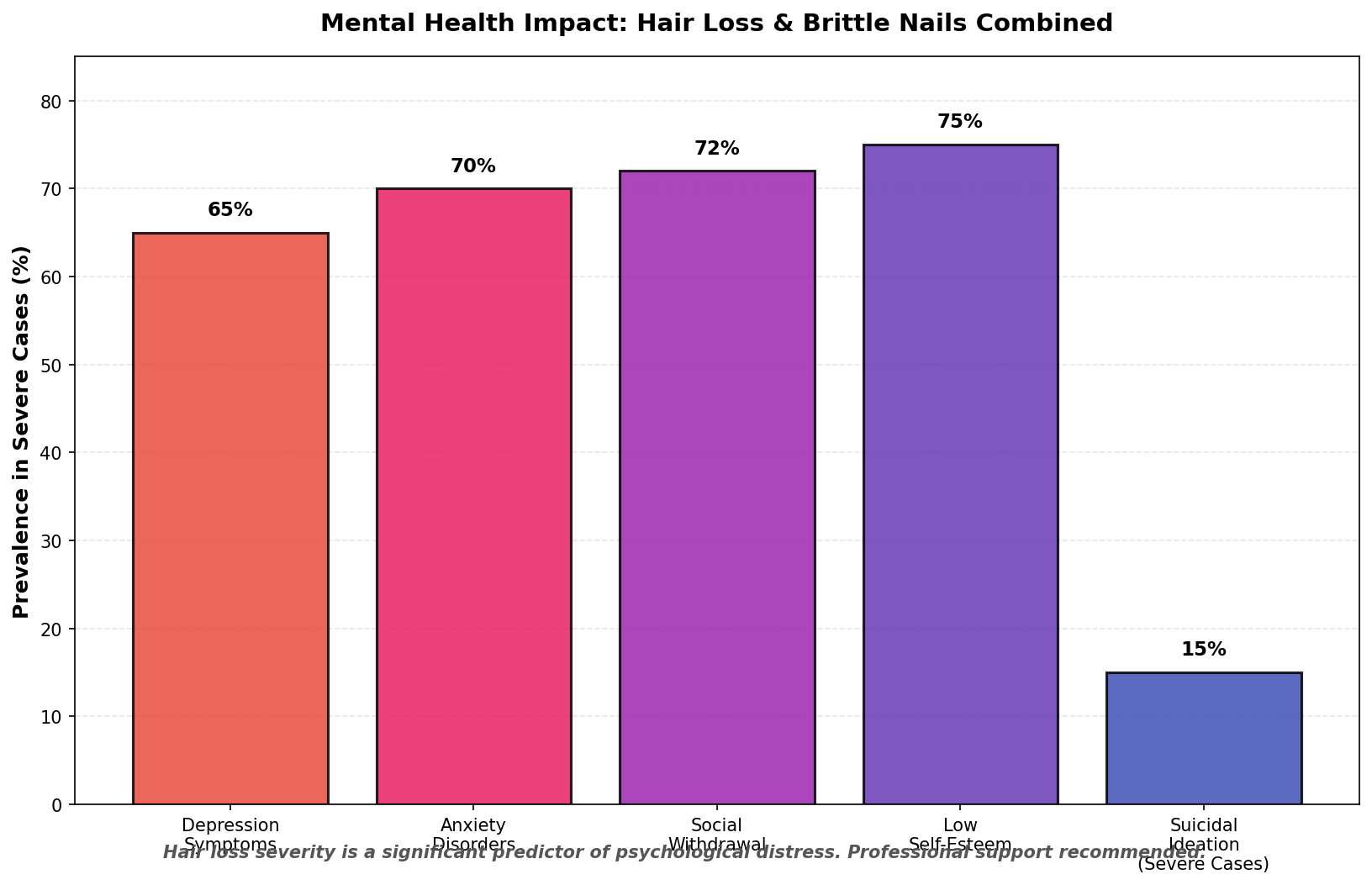 Figure 2: Multiple environmental and occupational exposures contribute to nail brittleness, with professional manicures and regular chemical contact showing notable associations.
Rare Genetic Conditions (Important to Identify)
While acquired brittle nails are far more common, rare inherited conditions cause brittle hair from birth and deserve mention because early identification matters:
Trichothiodystrophy (TTD): A heterogeneous group of genetic disorders characterised by short, brittle hair with abnormally low sulphur content. It often includes mental and physical developmental delays, nail dystrophy, skin problems, eye problems, and dental issues. About 50% of TTD cases involve defects in UV-damaged DNA repair mechanisms.
TUFT1 gene mutations: Cause woolly hair texture combined with early-onset skin fragility.
Monilethrix: An autosomal dominant disorder caused by mutations in genes encoding type 2 hair cortex keratins, resulting in a beaded hair appearance.
Why it matters: If you've had brittle hair since childhood and it runs in your family, genetic testing might be appropriate, especially if you have other health issues.
Systemic Medical Conditions
Several health conditions directly cause brittle nails and hair:
- Alopecia areata: Causes nail pitting and brittleness in 20-30% of patients, often accompanied by emotional distress
- Chronic graft-versus-host disease: Causes nail dystrophy with longitudinal ridging, splitting, and brittleness
- Cancer treatment side effects: Chemotherapy damages growing nails; one study found that 67% of patients on ibrutinib (a cancer therapy) developed brittle fingernails
The Quality of Life Impact: Why Treatment Matters
Brittle nails and hair aren't cosmetic problems. Research on quality of life shows these conditions genuinely affect daily functioning:
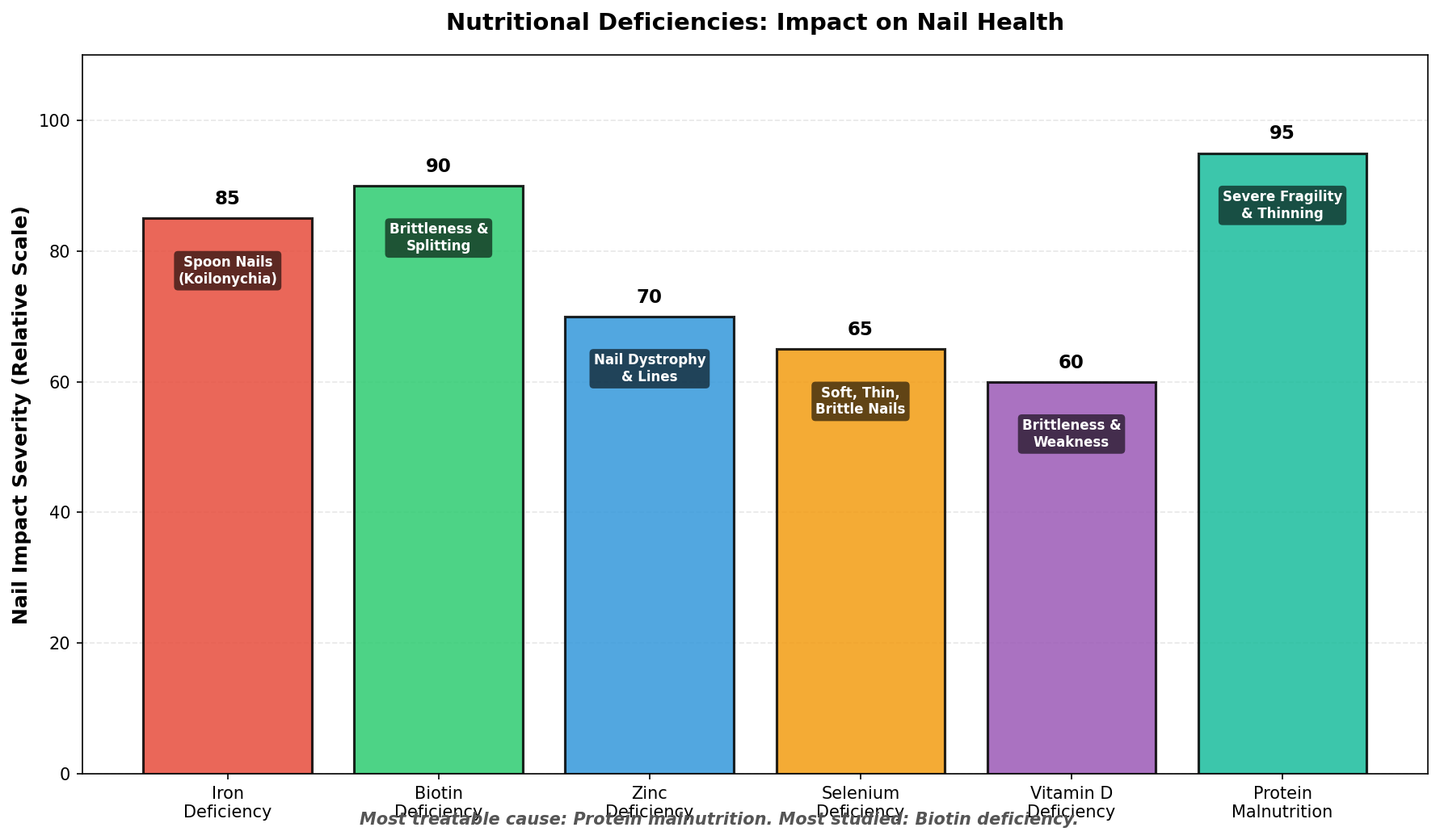 Figure 3: Nail disorders significantly impair quality of life, with the greatest impact reported by women and older adults, showing that psychological burden often exceeds physical symptoms.
Real-world functional effects include:
- Difficulty with typing, writing, and fine motor tasks
- Challenges with personal grooming and daily hygiene
- Occupational impact, especially in jobs requiring hand appearance or use (healthcare, food service, client-facing roles)
- Interference with hobbies and activities (playing musical instruments, crafts, sports)
- Social anxiety related to hand appearance
The psychological burden is significant:
Research reveals a crucial insight: "The appearance of the nail has a more significant impact on quality of life than the severity of the disorder." This means even mild brittleness can cause substantial emotional distress.
One case study documented a professional musician with alopecia areata universalis who could no longer play guitar due to nail brittleness and fragility. This illustrates how brittle nails affect real people's real lives in meaningful ways.
When brittle nails occur alongside hair loss, the psychological effects intensify:
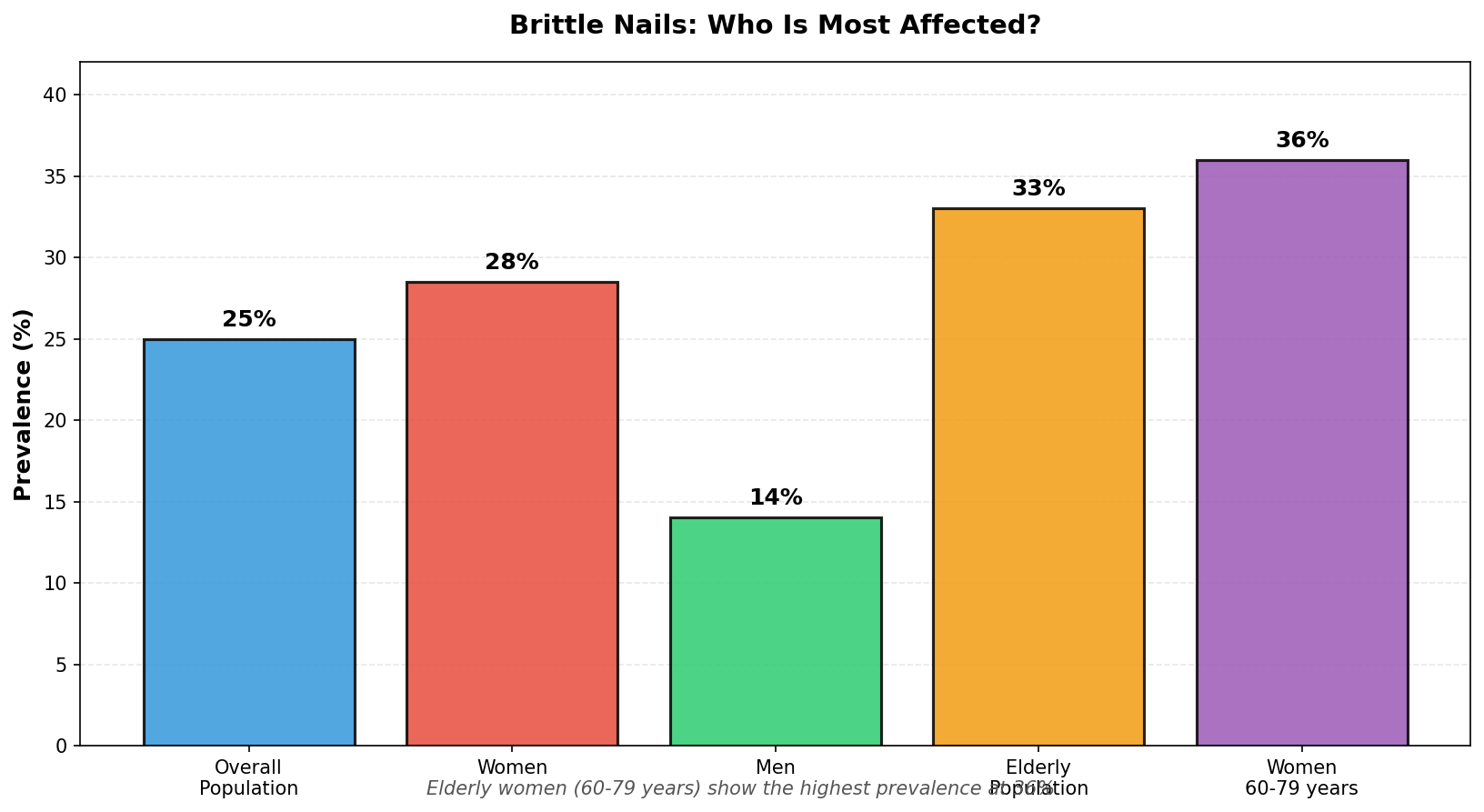 Figure 4: Hair loss severity significantly increases risk for depression, anxiety, social withdrawal, and low self-esteem, with combined nail and hair changes compounding psychological effects.
Research shows that high hair loss severity significantly increases risk for depression, emotional distress, social anxiety, low self-esteem, and, in severe cases, suicidal ideation. This isn't exaggeration; it's documented clinical reality.
Treatment Options That Actually Work
The good news: most brittle nails respond to targeted treatment within 3-6 months. Treatment success depends on identifying and addressing the root cause.
Biotin Supplementation: Strongest Evidence
Biotin is the most studied and most effective nutritional treatment for brittle nails.
The evidence is compelling:
- 91% of patients showed definite improvement (firmer, harder nails) with 2.5 mg daily biotin, reaching improvement after an average of 5.5 ± 2.3 months
- In another study, 63% of patients showed clinical improvement, with 25% increase in nail thickness documented on scanning electron microscopy
- Hair fall was significantly reduced after 90 days of biotin supplementation (1.25 mg daily), with hair growth rate improving by 0.55-0.57 mm per day
Timeline expectations:
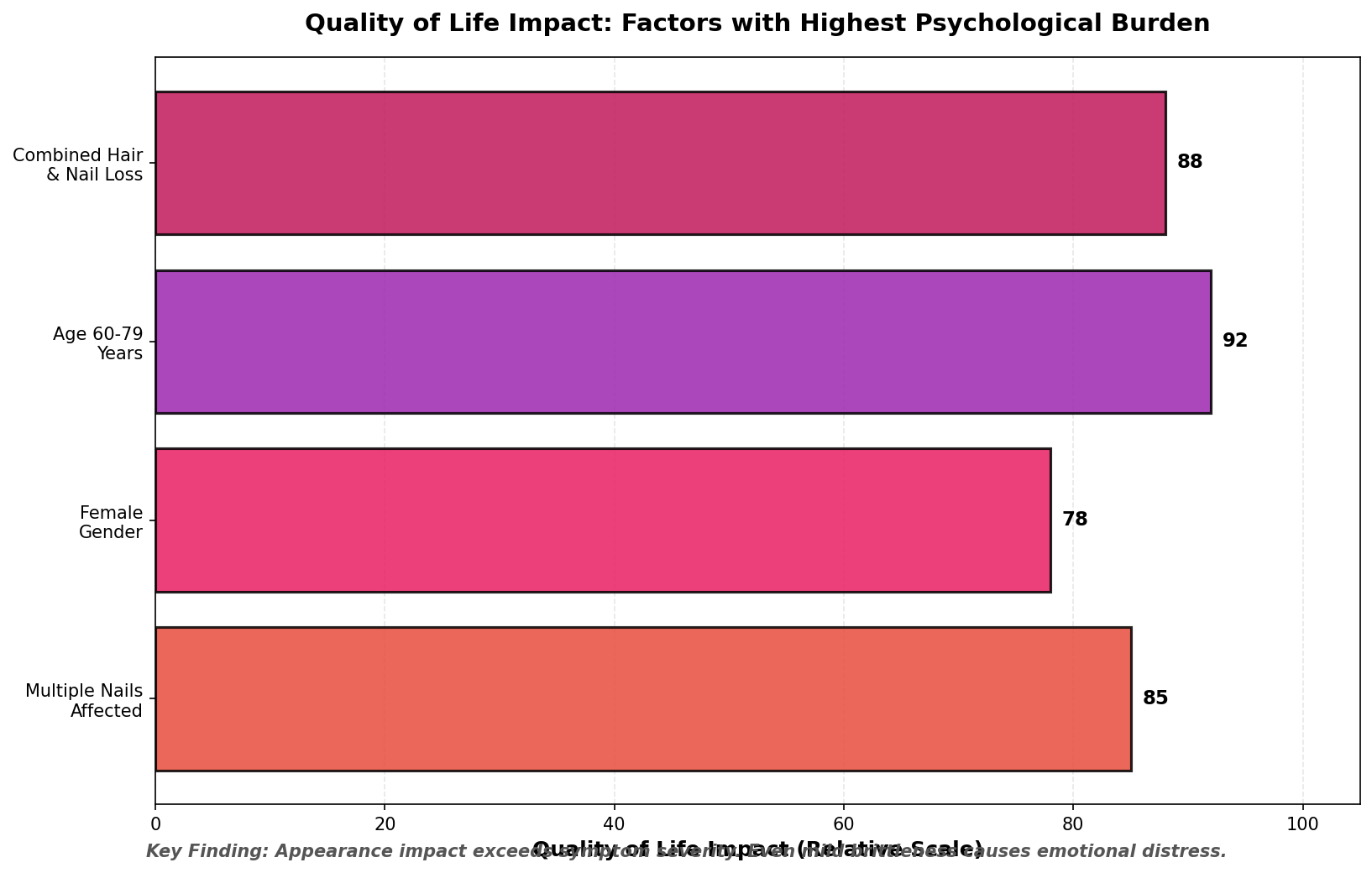 Figure 5: Biotin supplementation shows high efficacy rates with most patients achieving improvement within 5-6 months, with nail thickness increasing by approximately 25%.
Most patients see results within 4-6 months of consistent supplementation. This aligns with nail biology: your nails grow approximately 3-4 mm per month, so visible improvement requires time.
Important caution: Biotin works when an actual biotin deficiency exists or in brittle nail syndrome. For people with adequate nutrition, research states: "No evidence supports vitamin supplementation for improving nail health in well-nourished patients," except for biotin for brittle nails.
Iron Supplementation (If Deficient)
If testing reveals iron deficiency anaemia, supplementation produces faster results:
- Improvement is visible within one month of iron supplementation
- New nails grow from the root (proximal end) with a normal structure
- Treating iron deficiency also improves thyroid function
You must have an iron deficiency documented through blood tests (serum ferritin and haemoglobin) before supplementing.
Treating Underlying Thyroid Disease
If hypothyroidism is the cause, thyroid hormone replacement typically improves or resolves brittle nails. This is sometimes the first and only treatment needed.
Treating Other Medical Conditions
When brittle nails result from specific conditions, treating the underlying disorder often resolves the brittleness:
- Alopecia areata: Immunotherapy with tofacitinib showed remarkable improvement in nail pitting and fragility. One case study documented functional recovery (ability to play guitar) within 10 months
- Zinc deficiency: Rapid clinical responses occur from zinc therapy; one case series showed hair loss improvement or cure in all five patients treated with oral polaprezinc
Topical Treatments
Topical treatments provide temporary improvement only; they don't address underlying causes:
- Moisturisers with alpha-hydroxy acids (AHAs): Provide temporary hydration
- Nail lacquers: Water-soluble nail strengtheners containing Pistacia lentiscus and hyaluronic acid showed clinical evidence for improving appearance versus untreated nails
- Nail oils: Applied morning and before bed, they help restore hydration
Important note: Topical treatments should complement, not replace, treatment of underlying causes.
Prescription Topical Treatments
For severe cases, dermatologists may prescribe:
- Topical cyclosporine: Reduces inflammation in nail tissue; evaluated in randomised controlled pilot studies
- Tazarotene (Tazorac): A synthetic retinoid that normalises epidermal differentiation and reduces inflammatory cell infiltration
Practical Prevention and Self-Care Strategies
Preventing brittle nails and hair requires a multi-pronged approach combining protection, hydration, and gentle handling.
For Nail Health
Protective measures:
- Wear cotton-lined rubber gloves during dishwashing, cleaning, or chemical exposure
- Avoid acetone-based nail polish removers
- Keep nails trimmed short to reduce stress on the nail structure
- Don't use nails as tools for scraping or prying
Moisture management:
- Apply hand lotion to fingernails and cuticles after every hand wash
- Use mild, fragrance-free soaps
- Avoid prolonged water exposure
- Nails expand after moisture contact and shrink during drying; this cycling contributes to brittleness
- Apply fragrance-free hand cream or cuticle oil daily and reapply after washing
Behavioural changes:
- Avoid nail biting and cuticle picking, which damage the nail bed
- Avoid frequent manicures, which traumatise brittle nails
- Use acetone-free nail polish remover
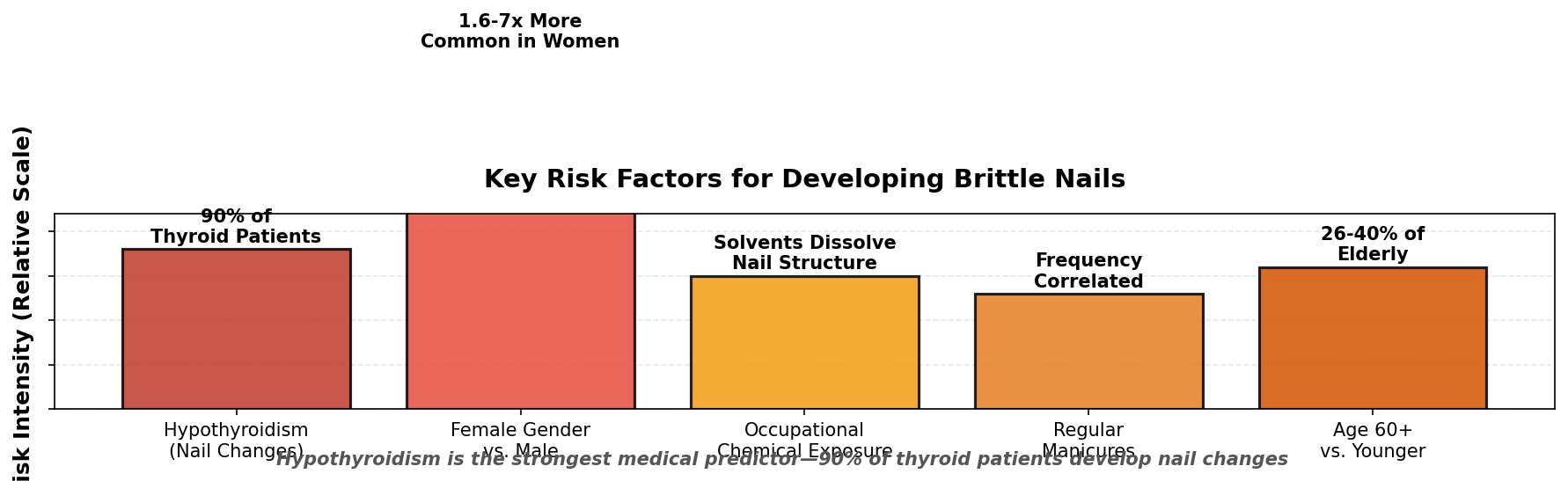 Figure 6: Multiple micronutrient deficiencies produce characteristic changes in nail appearance and brittleness, highlighting the importance of balanced nutrition.
For Hair Health
Heat protection:
- Let hair dry naturally whenever possible
- If using a hairdryer, use the lowest heat and power setting
- Limit sun exposure; UV rays and heat weaken the hair shaft
- Avoid heat lamps and excessive sun exposure
Chemical protection:
- Avoid harsh chemicals: dyes, perms, gels, sprays
- Use a gentle, mild shampoo
- Condition every time you wash; conditioners coat the hair shaft and reduce friction-related breakage
- Wash hair with fingertips, not palms
- Limit washing to twice weekly to prevent stripping natural oils
Handling technique:
- Use a wide-toothed comb or soft brush
- Brush gently once daily
- Pat hair dry with a soft towel; don't rub vigorously
- Use tepid (lukewarm) water, not hot water
- Avoid tight hairstyles that create tension
Dietary Approaches
Your nails and hair depend on consistent, adequate nutrition:
- Eat a balanced diet including protein-rich foods, vegetables, fruits, grains, and healthy fats
- Include collagen-rich foods: bone broth, fish, meat (your body produces collagen using amino acids from these sources)
- Ensure adequate iron intake through red meat, spinach, lentils, or fortified cereals
- Don't supplement without a documented deficiency, except for biotin in brittle nail syndrome
Treatment Timeline and Realistic Expectations
A critical clinical insight applies here: "Management of nail disorders is challenging, and generally, a long period is necessary to achieve favourable outcomes. Both physicians and patients should be persistent during the treatment process."
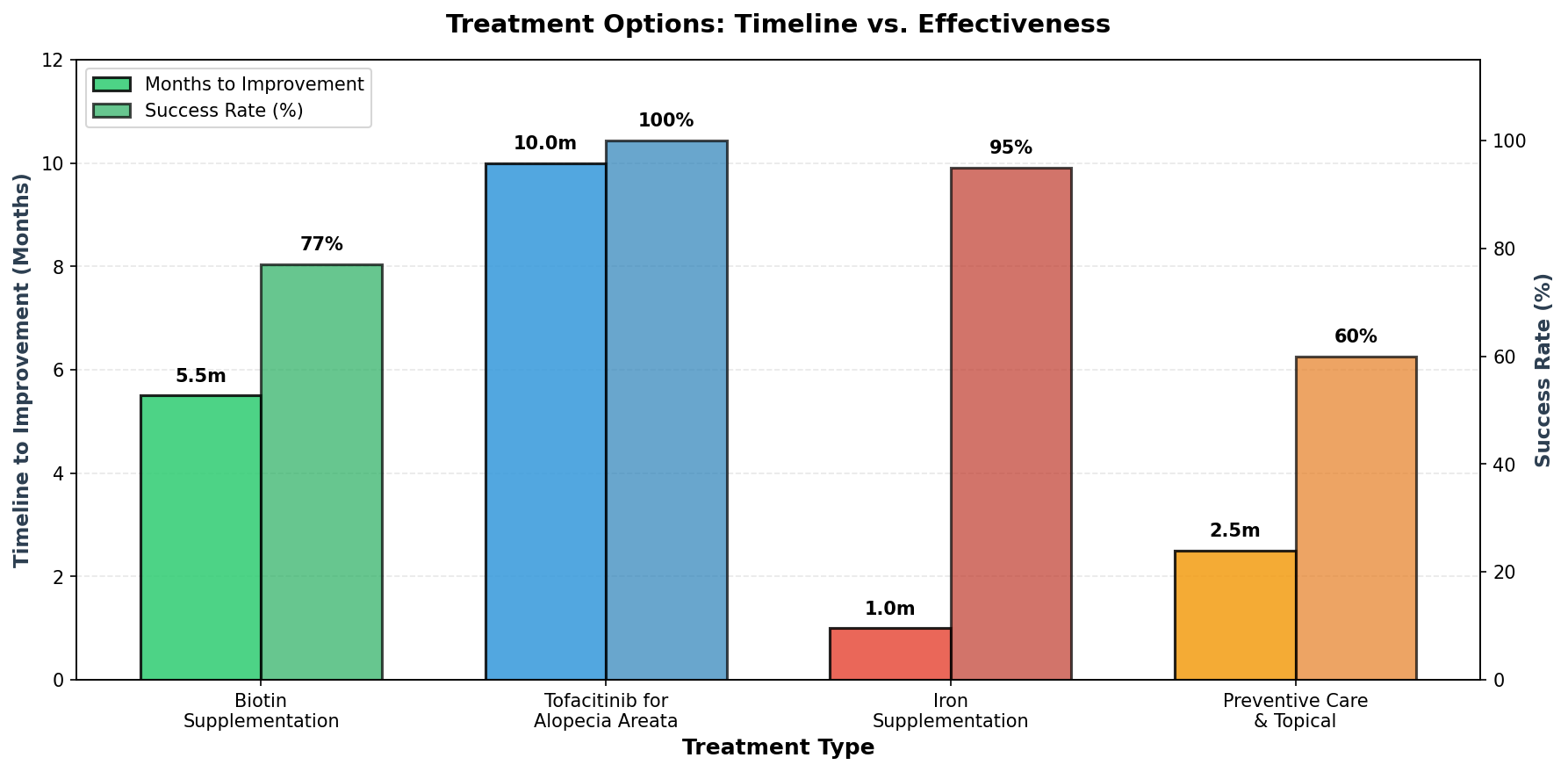 Figure 7: Different treatments produce improvements on different timelines, with biotin requiring 4-6 months while iron supplementation for deficiency shows faster results.
Timeline expectations by treatment:
- Biotin supplementation: 4-6 months average for visible improvement; requires consistent daily use
- Iron supplementation (for deficiency): 1 month for visible improvement; nails grow from the root
- Thyroid hormone replacement: Improvement parallels thyroid control; improvement is typically visible within 2-3 months of medication adjustment
- Preventive measures plus topical treatments: 2-3 months for noticeable improvement
Why persistence matters:
Your nails grow approximately 3-4 mm per month. Visible improvement requires the new nail plate, grown under better conditions, to reach the visible area. This takes time. Skipping treatment too early or inconsistently applying biotin delays results.
Even at the impressive 91% improvement rate for biotin, some people (9%) don't respond. But most do. Consistency is essential.
When to See a Doctor
Medical evaluation is appropriate if you experience:
- Brittle nails and hair developing suddenly (suggesting acute nutritional deficiency, thyroid disease, or other systemic condition)
- Brittleness that persists despite good self-care for more than 3 months
- Brittle nails and hair occur alongside other symptoms: hair loss, fatigue, weight changes, cold intolerance, or occupational exposure to chemicals
- Pain associated with brittle nails
- Signs of infection (redness, swelling, discharge around the nail)
Your doctor should:
- Take a detailed dietary and occupational history
- Assess for risk factors (family history, medications, underlying health conditions)
- Order blood tests for thyroid function (TSH, free T4), iron status (ferritin, serum iron, haemoglobin), and possibly vitamin B12, folate, zinc, and vitamin D
- Examine your nails for specific patterns that suggest particular deficiencies
Addressing the Psychological Impact
Research emphasises that "emotional and social support should be provided to patients" alongside medical treatment. This is not optional.
If you're experiencing depression, anxiety, social withdrawal, or low self-esteem related to brittle nails and hair loss, these feelings are legitimate and warrant professional support:
- Consider speaking with a GP or mental health professional
- If hair loss is involved, specialist organisations exist to provide support and community
- Treatment of the underlying condition (biotin, iron supplementation, thyroid management) often improves psychological symptoms, as nails and hair visibly improve
The psychological burden isn't vanity. It's real, it's documented, and it deserves treatment.
The Bottom Line
Brittle nails and hair affect millions of people, but they're not life sentences. Most cases improve substantially within 3-6 months once the underlying cause is identified and addressed.
Start with a medical evaluation to rule out thyroid disease and nutritional deficiencies. If deficiency is found, supplementation (especially biotin for nails, iron for deficiency anaemia) offers good evidence of improvement.
Combine supplementation with protective measures: gloves for water exposure, gentle hair handling, avoiding harsh chemicals, and consistent moisturising. These habits cost nothing and prevent further damage.
Be patient. Nail growth is slow. Visible improvement takes months, not weeks. But with consistency and persistence, your nails and hair will recover.
Further Reading
Nutritional and Biotin-Related Resources
- Biotin for the treatment of nail disease: what is the evidence?
- A Review of the Use of Biotin for Hair Loss
- Diet and hair loss: effects of nutrient deficiency and supplement use
- The Role of Vitamins and Minerals in Hair Loss: A Review
- Nutrition and nail disease
Thyroid and Systemic Conditions
- Brittle Nails and Hair Loss in Hypothyroidism
- Nail Changes Associated With Thyroid Disease
- Relationship between Iron Deficiency and Thyroid Function: A Systematic Review and Meta-Analysis
- Commentary: Iron deficiency and hair loss
Genetic and Rare Conditions
- Cysteinyl-tRNA Synthetase Mutations Cause a Multi-System, Recessive Disease That Includes Brittle Hair and Nails
- Trichothiodystrophy: update on the sulphur-deficient brittle hair syndromes
- Biallelic TUFT1 variants cause woolly hair, superficial skin fragility and desmosomal defects
Clinical Management and Lifestyle
- Management of simple brittle nails
- Fingernails: Do's and don'ts for healthy nails
- Good hair care advice
- Brittle Nails: Causes and Treatment Tips
Quality of Life and Mental Health
- Health-related quality of life in patients with nail disorders
- Effect of Nail Disorders on Quality of Life Scale Scores: A Prospective, Cross-sectional Study
- Understanding the Association Between Mental Health and Hair Loss
- Psychological Aspects of Hair Disorders: Consideration for Dermatologists, Cosmetologists, Aesthetic, and Plastic Surgeons
Treatment Options
- Efficacy and Acceptability of a New Water-Soluble Nail Strengthener Containing Pistacia lentiscus and Hyaluronic Acid
- Topical Cyclosporine Suspension for the Treatment of Brittle Nails
- Efficacy and Safety Study of Tazarotene (Tazorac) for the Treatment of Brittle Nails
- Considering collagen drinks and supplements
References/Helpful Resources
- Baran R, Haneke E. Brittle nails: pathogenesis and treatment. Journal of the American Academy of Dermatology. 2003;48(3):396-398.
- Zook EG. Nail surgery. In: Usatine RP, Smith MA, Mayeaux EJ, Chumley H, eds. The Color Atlas and Synopsis of Family Medicine. 3rd ed. New York: McGraw-Hill; 2009.
- Fawcett RS, Linford S, Stulberg DL. Nail abnormalities: clues to systemic disease. American Family Physician. 2004;69(6):1417-1424.
- Tosti A, Piraccini BM. Brittle nails. Journal of Cosmetic Dermatology. 2006;5(1):41-47.
- Hochman LG, Scher RK, Mevorah MK. Brittle nails: response to daily biotin supplementation. Cutis. 1993;51(4):303-305.
- Colombo VE, Gerber F, Bronhofer M, Floersheim GL. Treatment of brittle fingernails and onychoschizia with biotin: scanning electron microscopy. Journal of the American Academy of Dermatology. 1990;23(6 Pt 1):1127-1132.
- Scher RK. Brittle nails. Seminars in Dermatology. 1991;10(1):26-30.
- Cashman MW, Sloan SB. Nutrition and nail disease. Clinics in Dermatology. 2010;28(4):420-425.
- National Institutes of Health. Medline Plus: Brittle Nails [Internet]. [cited 2026 June 11]. Available from: https://medlineplus.gov/ency/article/003247.htm
- Mayo Clinic. Fingernails: Do's and don'ts for healthy nails [Internet]. [cited 2026 June 11]. Available from: https://www.mayoclinic.org/healthy-lifestyle/adult-health/in-depth/nails/art-20044954
- Cleveland Clinic. Brittle Nails: Causes and Treatment Tips [Internet]. [cited 2026 June 11]. Available from: https://health.clevelandclinic.org/brittle-nails-causes-treatment
- Harvard Health Publishing. A look at nail problems [Internet]. [cited 2026 June 11]. Available from: https://www.health.harvard.edu/diseases-and-conditions/a-look-at-nail-problems
- National Health Service Gloucestershire Hospitals. Good hair care advice [Internet]. [cited 2026 June 11]. Available from: https://www.gloshospitals.nhs.uk/your-visit/patient-information-leaflets/good-hair-care-advice/
- American Academy of Dermatology. Nail diseases: overview and diagnosis [Internet]. [cited 2026 June 11]. Available from: https://www.aad.org/
- PubMed Central. Pathogenesis, Clinical Signs and Treatment Recommendations in Brittle Nails: A Review [Internet]. [cited 2026 June 11]. Available from: https://pmc.ncbi.nlm.nih.gov/articles/PMC6994568/
- NIH National Institute of Arthritis and Musculoskeletal and Skin Diseases. Nail disorders [Internet]. [cited 2026 June 11]. Available from: https://www.niams.nih.gov/
- Ghannoum MA, Hajjeh RA, Scher RK, et al. A large North American outbreak of fungal nail disease. Journal of the American Academy of Dermatology. 2000;43(4):641-648.
- Scher RK, Eckert J, Hochman LG, et al. Brittle nail syndrome: a pathogenesis-based approach with a proposed grading system. Journal of the American Academy of Dermatology. 2005;53(4):644-651.
- Dawber R. Nail disease: clinical presentation and management. Journal of the European Academy of Dermatology and Venereology. 1997;8(2):97-108.
- Bowers KW. Common nail disorders. Dermatologic Clinics. 2006;24(3):341-347.
