

Your vaginal microbiome is one of your body's most remarkable and hardworking ecosystems, yet most of us never think about it. It's a carefully balanced community of bacteria, primarily friendly Lactobacillus species, that work continuously to protect your reproductive health, prevent infections, and support your overall wellbeing. When this system works as it should, you feel fine. But when it becomes imbalanced (a condition called dysbiosis), it can trigger uncomfortable infections, increase your risk of serious reproductive health complications, and significantly impact your quality of life.
The good news: understanding your vaginal microbiome means understanding how to keep it healthy, how to recognise when something's wrong, and how to take action. This article explains what you need to know.
What Your Vaginal Microbiome Actually Is
Your vaginal microbiome is a living ecosystem of microorganisms, dominated by bacteria. The healthiest vaginal environment is one where a single type of bacteria (Lactobacillus) makes up about 70% of the entire bacterial community. This might sound high, but it's actually ideal. A healthy ecosystem thrives with relatively low diversity and one dominant species.
The Four Key Lactobacillus Species
Your protective bacteria come in four main varieties:
- Lactobacillus crispatus – The strongest health indicator; this species is most strongly associated with optimal reproductive health
- Lactobacillus gasseri – A common protective species that contributes significantly to vaginal defence
- Lactobacillus jensenii – Supports healthy microbiota alongside the other species
- Lactobacillus iners – Present in healthy women, but provides more variable protection
These bacteria work as a coordinated team, and L. crispatus dominance is associated with the best health outcomes.
An Important Nuance
Here's something reassuring: approximately 20-30% of healthy women have a non-Lactobacillus-dominant microbiota, yet remain perfectly healthy and asymptomatic. This means vaginal health isn't entirely one-size-fits-all. Some women thrive with a different bacterial community. What matters is having protection against disease-causing organisms. That said, Lactobacillus dominance remains the strongest indicator of protection across populations.
How Your Microbiome Protects You: The Biological Defence System
Your vaginal microbiota doesn't just occupy space; it actively protects you through multiple layers of sophisticated defences.
The Acid Barrier: Your First Line of Defence
Lactobacilli produce approximately 110 millimoles of lactic acid, maintaining your vaginal pH at around 3.5 (acidic). This might seem like a small detail, but it's one of the most important things happening in your body. Pathogenic bacteria prefer a higher pH (above 4.5). The acidic environment created by lactic acid is fundamentally hostile to invaders; it works similarly to how acidic conditions preserve food, making it nearly impossible for harmful organisms to thrive.
Multiple Chemical Weapons
Beyond lactic acid, your protective bacteria produce an arsenal of antimicrobial compounds:
- Hydrogen peroxide (H₂O₂) – kills bacteria and viruses directly
- Bacteriocin-like substances – antimicrobial proteins that inhibit pathogenic growth
- Short-chain fatty acids – reduce inflammation and further inhibit harmful bacteria
This multi-layered approach makes it extremely difficult for pathogenic bacteria to establish an infection. It's not just one defence mechanism; it's several working in concert.
Training Your Immune System
Your vaginal microbiota doesn't just fight infections directly; it trains your immune system to respond appropriately. Lactobacilli and their metabolites stimulate regulatory immune cells that prevent your immune system from overreacting (which damages tissue) whilst remaining ready to fight real threats. They strengthen the epithelial barrier (the lining that keeps bad bacteria out) and support production of protective antibodies that neutralise pathogens without causing inflammation.
When your microbiota is healthy, your immune system is essentially in a state of "alert but calm"; ready to fight genuine threats but not overreacting to normal bacteria.
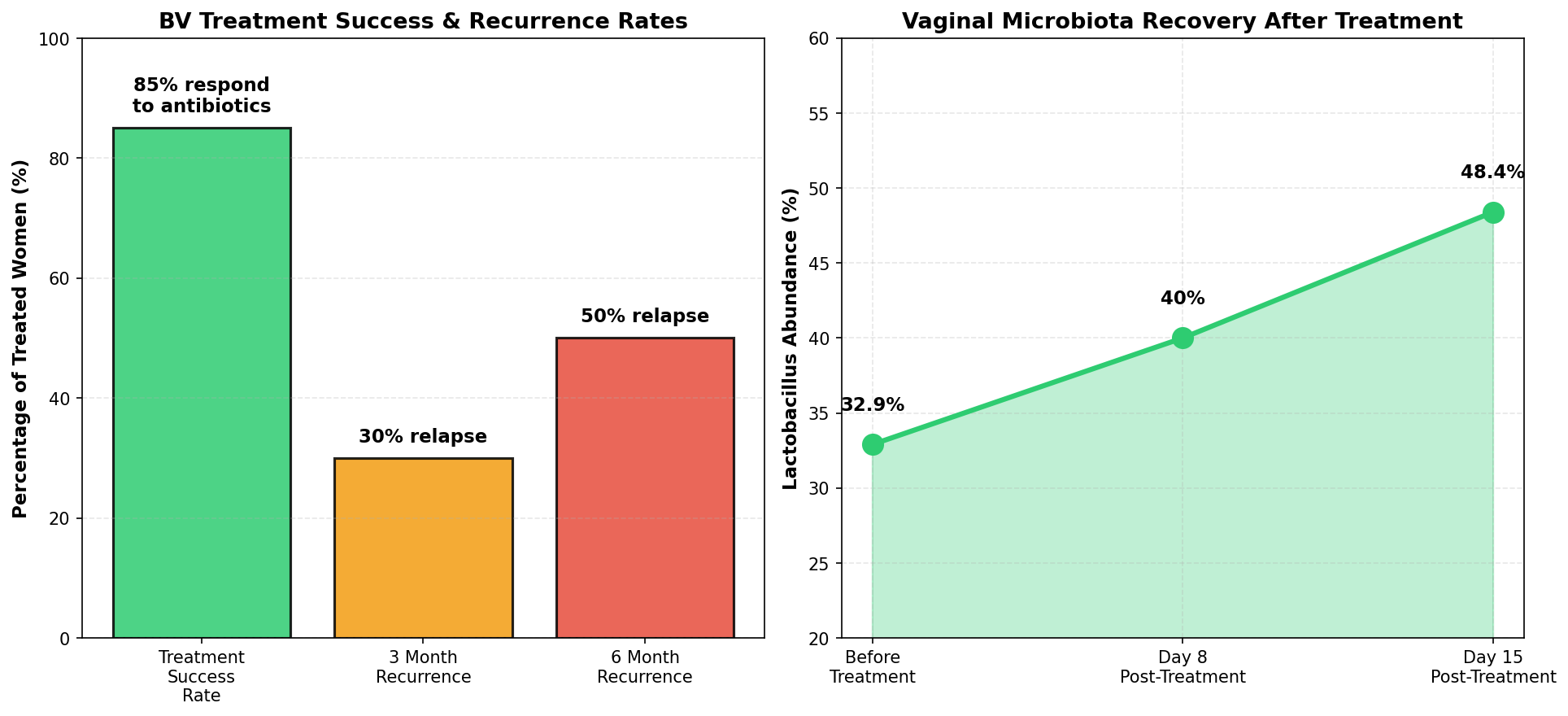 Figure 1: Side-by-side comparison of key markers in healthy versus dysbiotic vaginal microbiota. Lactobacillus dominance, lower pH and lower inflammation characterise health, whilst dysbiosis shows low Lactobacillus, higher pH, increased diversity and elevated inflammation.
How Your Microbiome Changes Across Your Life
Your vaginal microbiota isn't static. It changes dramatically throughout your life in response to shifting hormone levels; understanding these changes helps explain why some life stages bring new symptoms.
Puberty: When the Protective System Turns On
At puberty, everything changes. Oestrogen rises dramatically and triggers a cascade of protective mechanisms. Oestrogen stimulates your vaginal epithelial cells to accumulate glycogen (a form of sugar). Lactobacillus bacteria possess an enzyme that breaks down this glycogen into lactic acid. Suddenly, the system is activated. About 70% of girls establish Lactobacillus dominance during this transition, creating the protective state that characterises reproductive health.
Reproductive Years: Peak Protection
From your late teens through your 30s and 40s, Lactobacillus dominance remains stable at about 70% of the bacterial community. Oestrogen stays relatively high and consistent. Sure, your microbiota fluctuates slightly with your menstrual cycle (progesterone after ovulation releases more glycogen, giving bacteria more "food"), but this cycle is well-managed. These are your years of peak protection.
Pregnancy: Extra Protection
Interestingly, during pregnancy, your microbiota becomes even more Lactobacillus-dominant and more stable than when you're not pregnant. Your body recognises that the developing foetus needs maximum protection. Oestrogen and progesterone remain high, and your immune system shifts to a more tolerant state. Nature essentially dials up the protective mechanisms.
Perimenopause: The First Shift
Starting in your 40s, as you approach menopause, oestrogen levels begin to fluctuate and gradually decline. This is when you first notice changes. About 21.2% of pre-menopausal women start developing low-Lactobacillus microbiota. Many women report their first experiences of vaginal symptoms during this transition: discharge changes, unusual odour, irritation. This is expected and normal as your body undergoes this transition.
Postmenopause: A Dramatic Shift
After your final menstrual period, the picture changes significantly. Oestrogen deficiency creates what researchers call a "perfect storm" for dysbiosis. Glycogen production drops, your vaginal epithelium thins, pH rises above 4.5, and the acidic protection weakens. The result is startling: 49.7% of postmenopausal women develop low-Lactobacillus or dysbiotic microbiota.
This is nearly double the rate in pre-menopausal women, explaining why many postmenopausal women suddenly experience new or worsening vaginal symptoms: dryness, infections, dysbiosis-related discharge changes. It's not personal failure; it's hormonal biology.
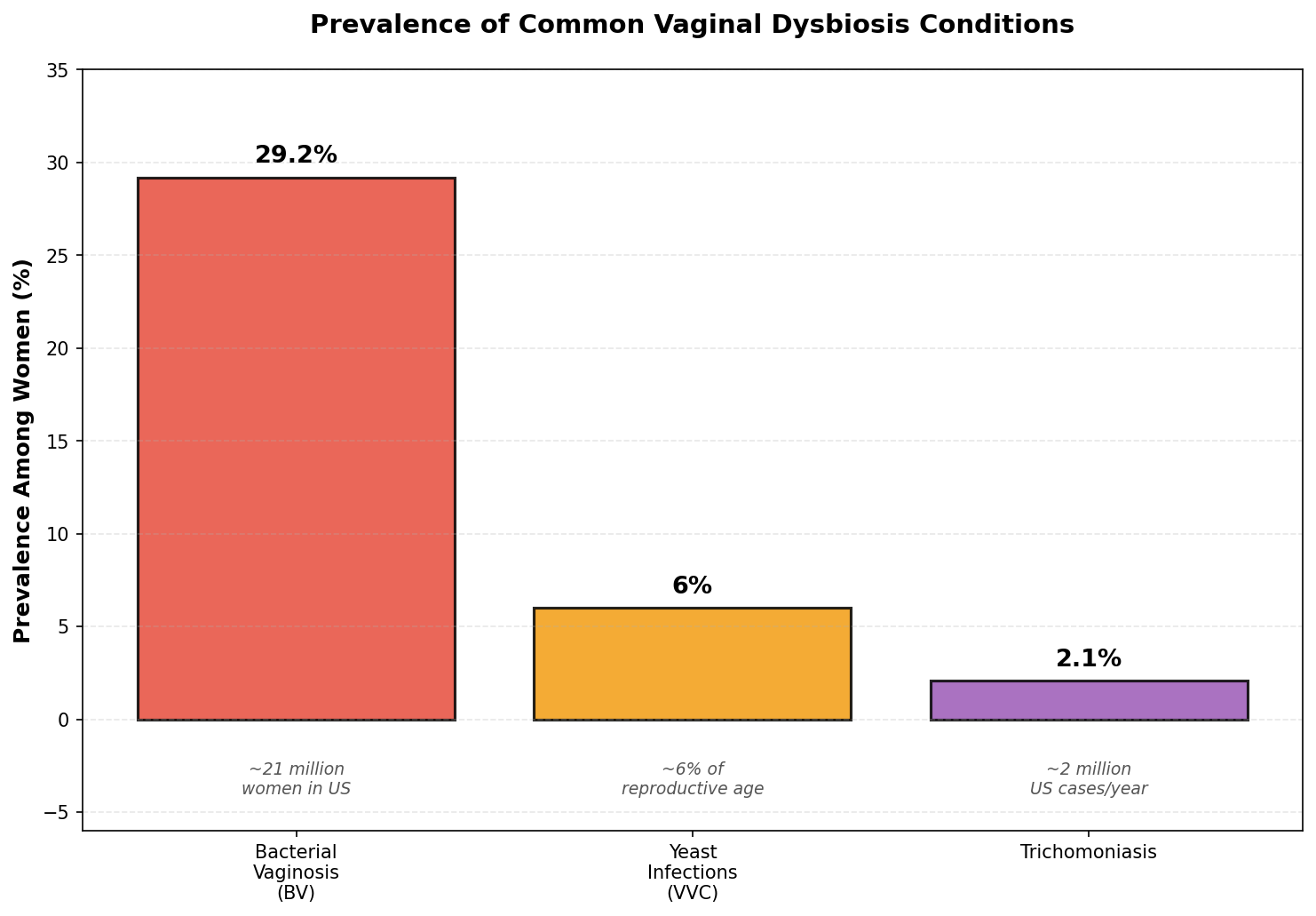 Figure 2: How Lactobacillus dominance changes across life stages, from puberty through postmenopause. The dramatic decline after menopause shows why many postmenopausal women experience new vaginal symptoms.
When the Microbiome Goes Wrong: Dysbiosis and Its Conditions
Dysbiosis simply means the balance has tipped. Lactobacillus numbers drop, protective lactic acid production decreases, pH rises above 4.5, and diverse pathogenic bacteria start proliferating. What follows can range from uncomfortable to serious.
Bacterial Vaginosis (BV): The Most Common Dysbiosis
BV is the most common vaginal infection in women of reproductive age, and the statistics might surprise you. Roughly 29% of women in the United States have BV; that's approximately 1 in 3 to 1 in 5 women. Globally, prevalence ranges from 20-30% depending on the population studied.
Here's the remarkable thing: 84% of women with BV have absolutely no symptoms. About 4 out of 5 women with active BV don't know they have it. This asymptomatic nature means serious complications can develop silently.
Who is most affected: BV isn't equally distributed. Significant racial and ethnic disparities exist. Non-Hispanic Black women experience BV at rates of 51.4%, compared to 31.9% for Mexican American women and 23.2% for Non-Hispanic White women. This disparity reflects both biological factors and healthcare access inequities; something important to acknowledge and address.
What happens in BV: Your Lactobacillus (especially L. crispatus) decreases dramatically. Pathogenic bacteria, including Gardnerella vaginalis, Prevotella, Bacteroides, and other anaerobes, proliferate. Vaginal pH rises above 4.5. Inflammation increases. When symptoms do occur, they typically include a thin, greyish-white discharge with a characteristic fishy odour, though itching and burning are less common than with yeast infections.
Why it matters: Untreated BV increases your risk of pelvic inflammatory disease (an upper genital tract infection that can cause infertility), increases susceptibility to HIV and other sexually transmitted infections, and significantly increases pregnancy complications, including preterm birth and miscarriage.
Fertility impact: BV is 3 times more common in infertile women compared to fertile women. Women with BV showing 45.5% prevalence versus only 15.4% in fertile women. BV actually interferes with conception.
Vulvovaginal Candidiasis: Yeast Infections
Yeast infections are caused by overgrowth of Candida, a fungus normally present in small numbers in your vagina. When Lactobacillus diminishes—typically from antibiotic use, dysbiosis, or other disruption—yeast can proliferate unchecked.
Yeast infections are remarkably common. Nearly 75% of all adult women experience at least one yeast infection in their lifetime. Peak incidence occurs in women aged 25-34, with 54.7% of women having experienced one by age 25.
Recurrence is a major problem: Approximately 50% of women who have a yeast infection get another one. About 5-8% of women develop recurrent VVC, meaning three or more episodes per year. This affects 138 million women globally annually, costing the healthcare system approximately $1.8 billion in direct treatment costs plus $14 billion in lost productivity.
What it feels like: Unlike BV, yeast infections cause itching, vulvar burning, and pain, often accompanied by a thick, white, "cottage cheese-like" discharge.
Mental health impact: For women with recurrent yeast infections, the psychological burden is substantial. 68% report depression or anxiety during acute episodes, and notably, 54% report depression or anxiety even between infections (compared to less than 20% in the general population). This persistent emotional burden often goes unrecognised.
Trichomoniasis: A Parasitic Infection
Trichomoniasis is caused by a protozoan parasite, Trichomonas vaginalis. It's less common than BV or yeast, but still significant. About 2.1% of women in the United States are infected, meaning roughly 2 out of 100 women. The CDC estimates over 1 million people are infected annually in the US.
The disparity is striking: Black women are 12 times more likely to have trichomoniasis than White women (9.6% versus 0.8%), highlighting another serious health equity issue.
What makes trichomoniasis particularly problematic is that 70% of infected people have absolutely no symptoms. Silent infections mean transmission can occur unknowingly, and complications can develop without anyone realising.
Dysbiosis Conditions: A Snapshot
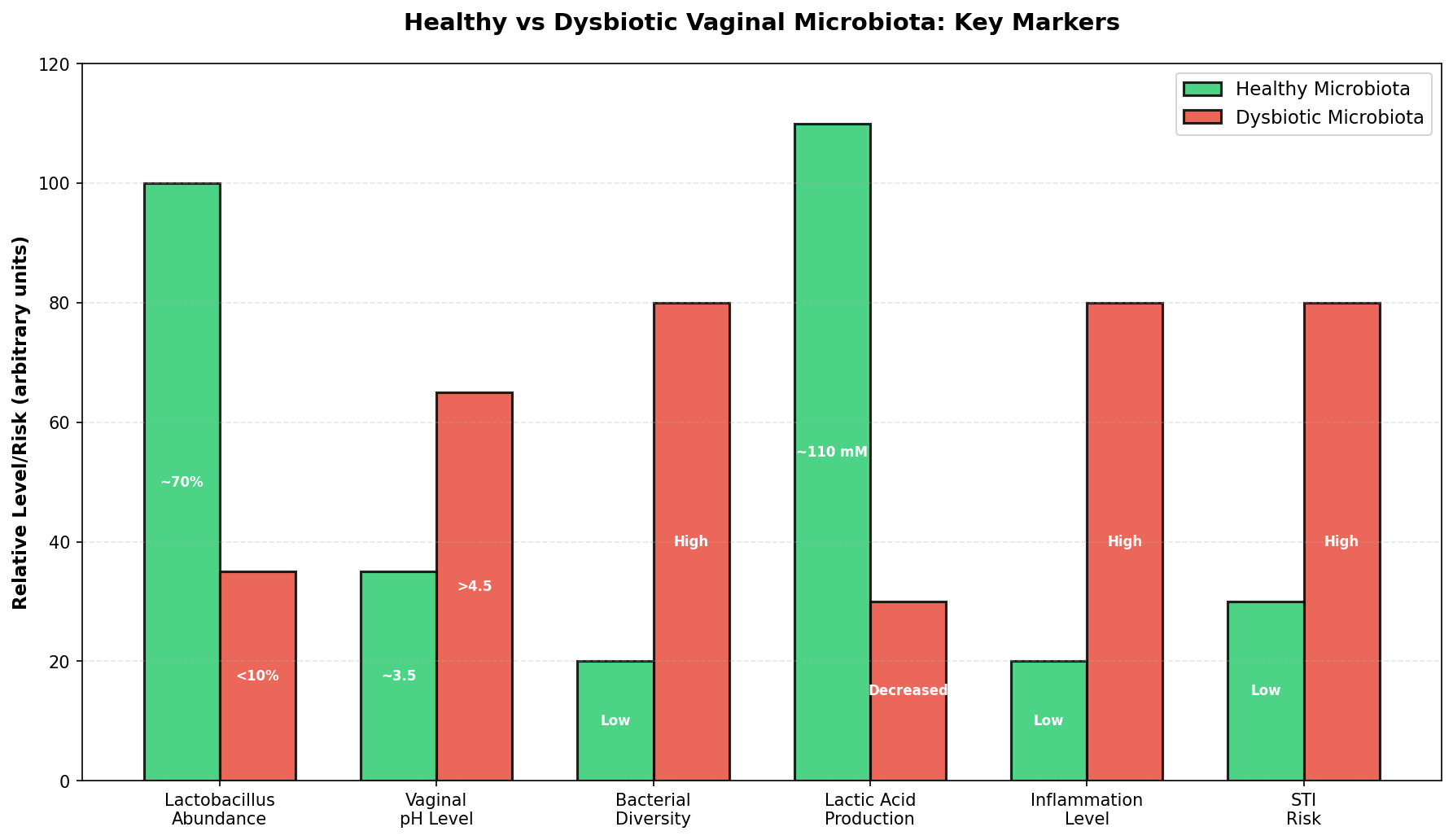 Figure 3: Comparison of the most common dysbiosis conditions. BV affects the largest proportion of women, followed by yeast infections and trichomoniasis. These often occur alongside each other due to underlying microbiota dysbiosis.
Health Disparities: Why Some Women Are Hit Harder
The data on vaginal health disparities are clear and troubling. Black women face dramatically higher rates of both BV and trichomoniasis compared to White women: more than double for BV and 12 times higher for trichomoniasis.
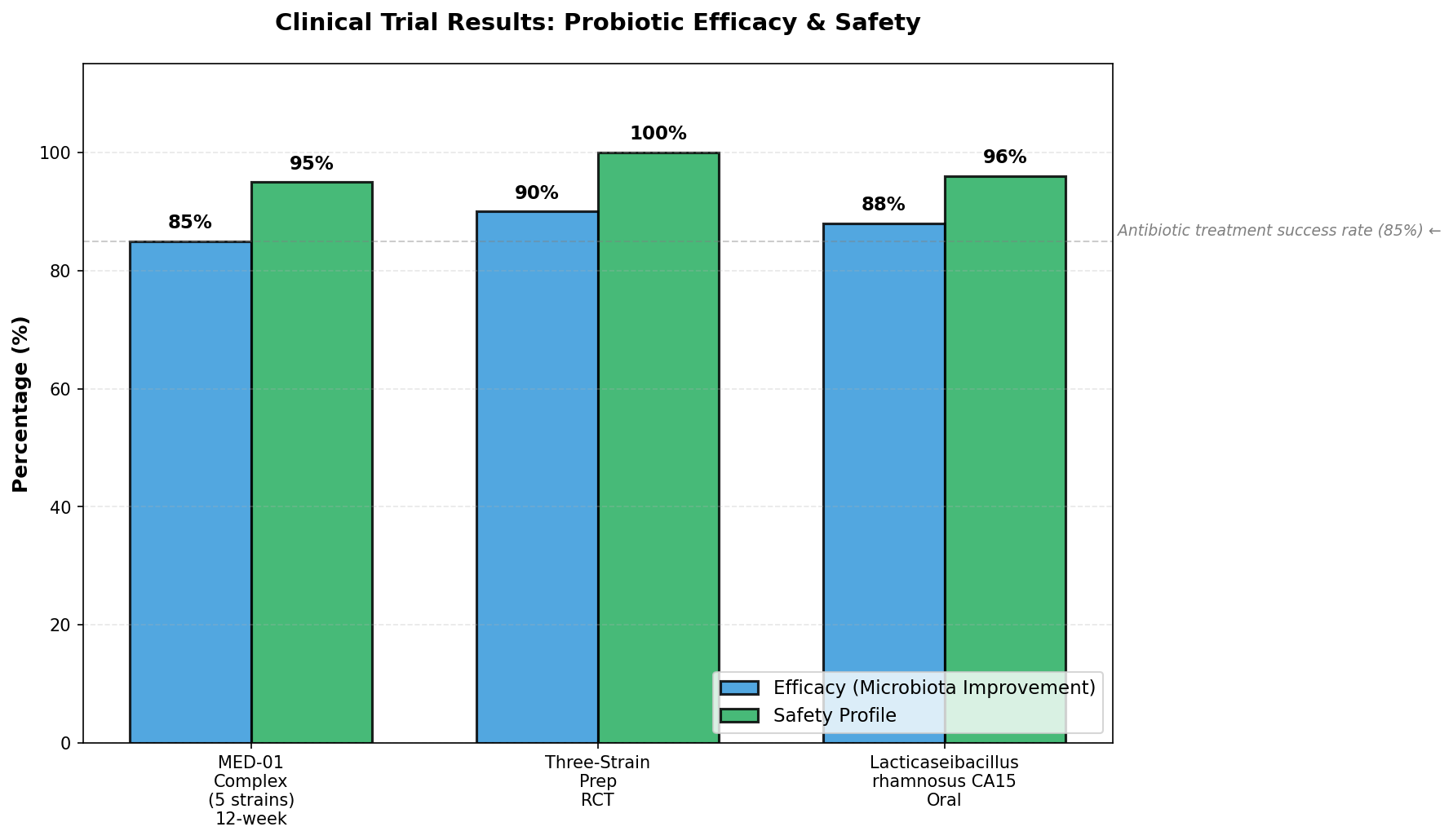 Figure 4: Significant racial and ethnic health disparities exist in BV and trichomoniasis prevalence. Black women experience disproportionately high rates, reflecting both biological factors and systemic healthcare inequities.
These disparities stem from multiple factors: differences in vaginal microbiota composition across populations, variations in immune response, but importantly, also healthcare access inequities, lower rates of screening and treatment, and systemic barriers to care. Addressing vaginal health equity requires recognising these disparities and ensuring that screening and treatment are available and accessible to all women.
Real-World Impact: What Dysbiosis Actually Costs You
Vaginal health issues aren't trivial inconveniences. They substantially impact daily life and wellbeing.
80% of women experiencing vaginal discomfort report that it negatively impacts their lives. But the most common impact is intimate. 75% report disruption to sexual intimacy and sexual function, and when you consider that sexual health is a component of overall health and relationship satisfaction, this matters tremendously.
Further, 33% report that vaginal symptoms impact their ability to have loving relationships, and 25% report an overall decline in quality of life.
These numbers validate something many women feel but don't voice: vaginal health issues are worth taking seriously. They affect not just physical comfort but relationships, sexual satisfaction, and emotional wellbeing.
For women with recurrent yeast infections specifically, the burden extends beyond the physical. The psychological weight is substantial and persistent. Women report impaired sexual function, persistent emotional distress, and a pervasive sense of diminished wellbeing; not just during infections but between them as well.
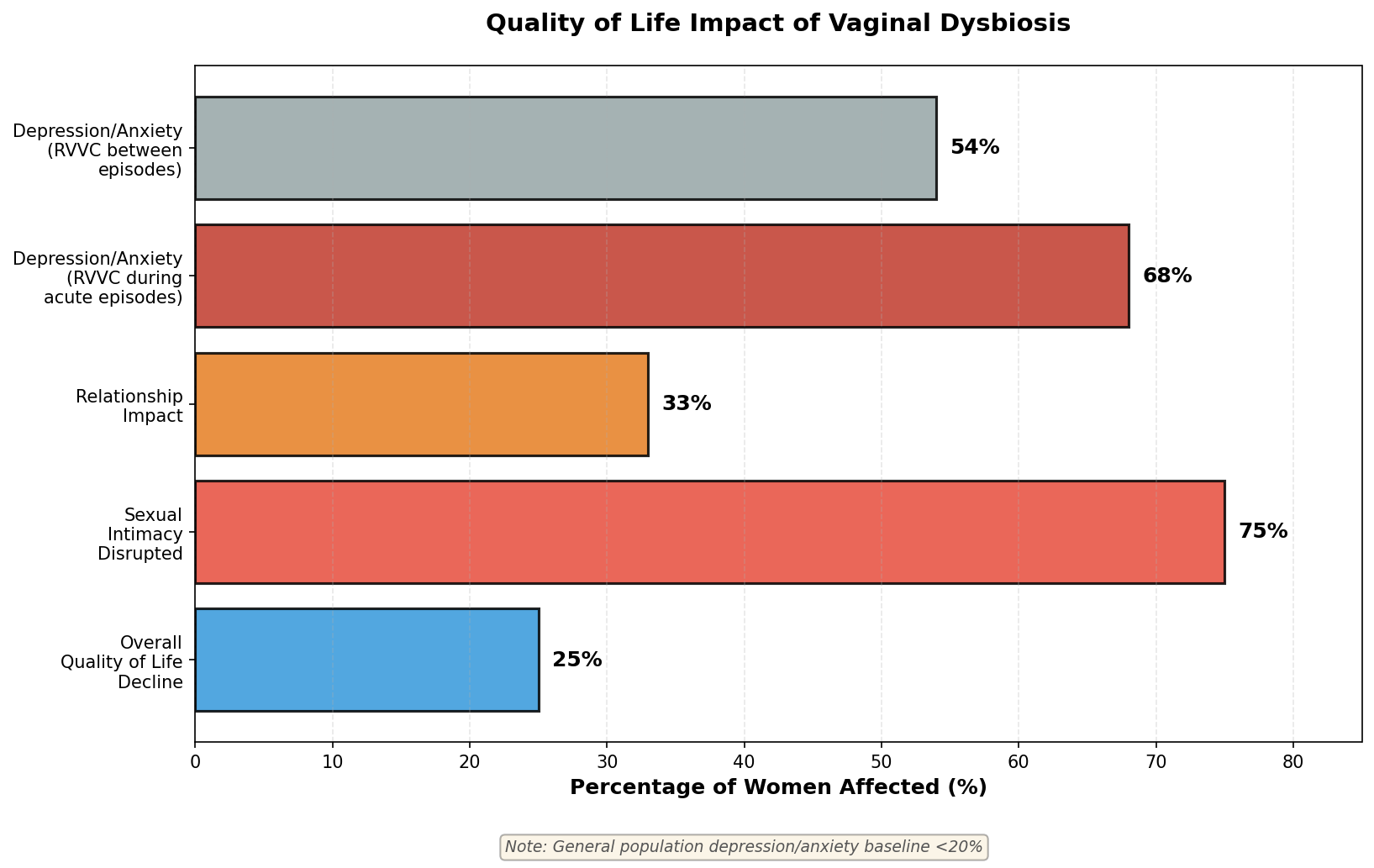 Figure 5: Vaginal dysbiosis and infection significantly impact quality of life across multiple dimensions. 80% report negative impacts, with sexual intimacy being the most common concern. Women with recurrent yeast infections show elevated depression and anxiety both during and between episodes.
Serious Health Consequences of Untreated Dysbiosis
Beyond uncomfortable symptoms, dysbiosis carries real health risks:
Pregnancy complications: Women with dysbiotic microbiota face increased risk of preterm birth, miscarriage, and maternal/neonatal infections. The dysbiotic microbiota increases local inflammation and compromises the protective barrier around the uterus.
Sexually transmitted infection risk: Dysbiosis compromises your protective epithelial barrier, creating "portals of entry" for pathogens. Women with dysbiotic microbiota are at increased risk for HIV and other STIs. The protective epithelial lining isn't intact, and inflammation is elevated, making pathogen acquisition easier.
Pelvic inflammatory disease: BV-associated bacteria can ascend into the upper genital tract, causing infection and inflammation that can lead to infertility, chronic pain, and other serious complications.
Other associations: Research links dysbiosis to increased risk of high-risk HPV infection (linked to cervical cancer), gestational diabetes, uterine fibroids, and polycystic ovarian syndrome.
Treatment: What Works and Why Recurrence Happens
When dysbiosis occurs, treatment is important and usually effective, but understanding why recurrence happens matters.
Bacterial Vaginosis Treatment and Recovery
Standard antibiotics (metronidazole or clindamycin) resolve BV in 85% of women. About 4 out of 5 people improve. But here's where recurrence becomes a problem: 30% recur within 3 months, and 50% recur within 6 months.
Why does this happen? After antibiotic treatment, your Lactobacillus does return. By day 8, L. iners increases significantly. By day 15, the microbiota looks similar to a healthy state, with Lactobacillus increasing from 32.9% at baseline to 48.4% post-treatment. But this recovered microbiota is unstable. The ecosystem remains fragile, and dysbiotic bacteria can re-emerge within a week.
This pattern shows that antibiotics alone aren't the complete answer. Killing bad bacteria is essential, but you also need a stable, long-term approach to microbiota management.
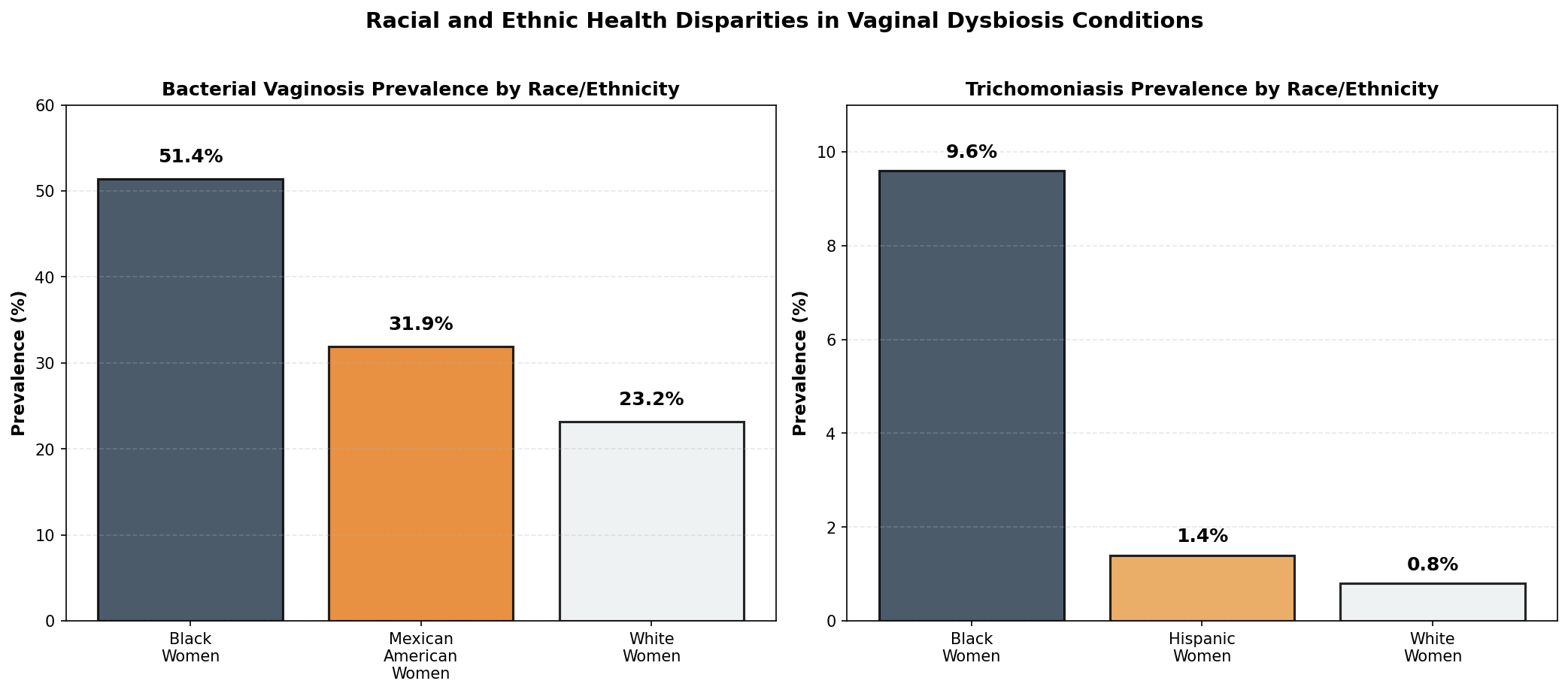 Figure 6: BV antibiotic treatment shows 85% initial success, but recurrence is common (30% within 3 months, 50% within 6 months). Lactobacillus increases during post-treatment recovery but remains unstable, explaining recurrence patterns.
Emerging Treatments
Newer approaches are shifting from antibiotics-only strategies to microbiota restoration. LACTIN-V, which contains Lactobacillus crispatus, represents this shift: directly restoring the most protective species rather than just eliminating pathogens.
Probiotics (oral supplements containing beneficial bacteria) show promise. Clinical trials demonstrate that oral probiotics can effectively restore healthy vaginal microbiota. For example, a 12-week trial of a 5-strain probiotic (MED-01) significantly reduced markers of dysbiosis (Nugent score) versus placebo, with Lactobacillus plantarum increasing and harmful bacteria suppressed. Another trial with a three-strain preparation safely and sustainably restored healthy Lactobacillus-dominant microbiota, with benefits sustained versus placebo.
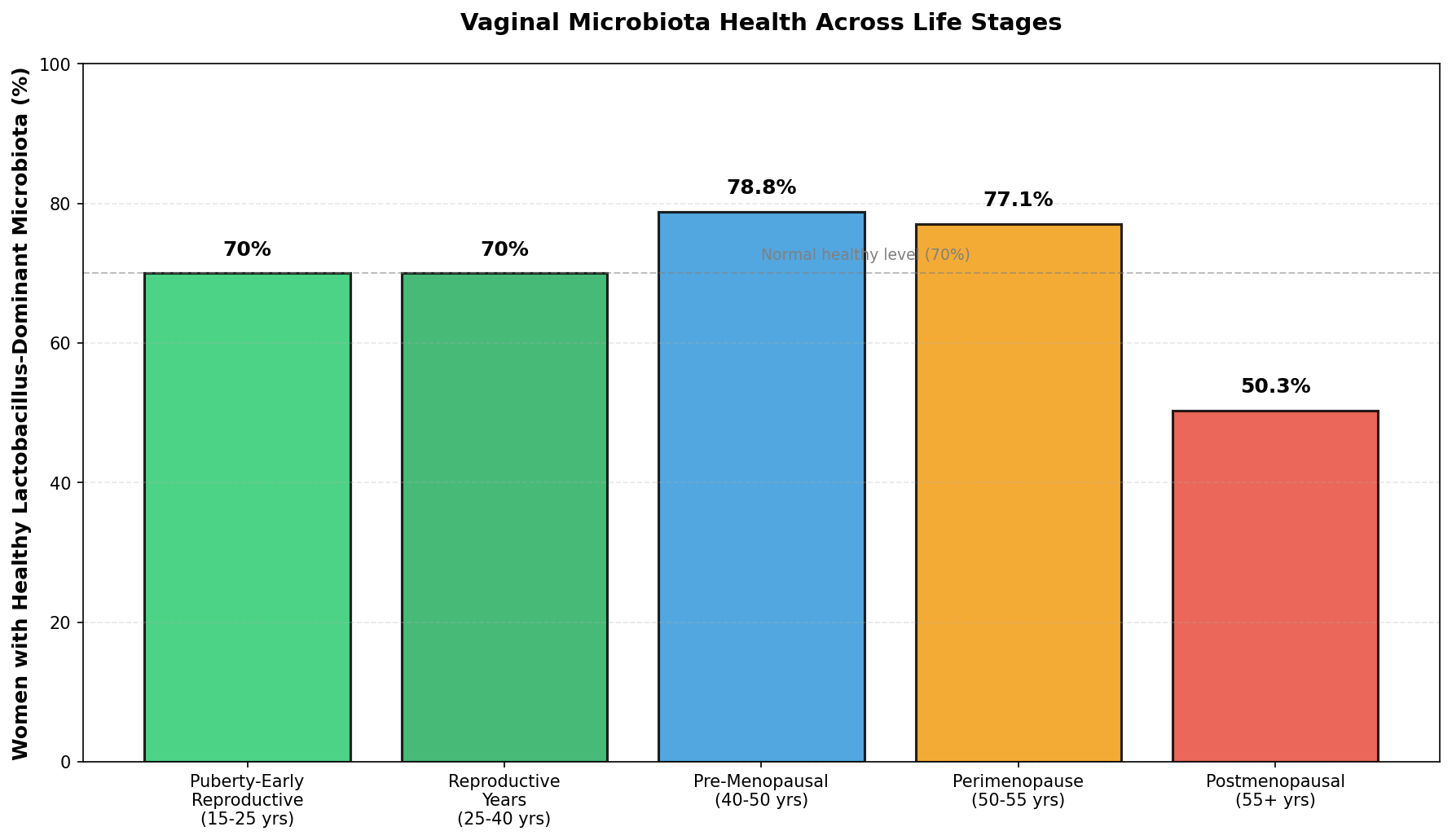 Figure 7: Clinical trial data shows oral probiotics (5-strain and 3-strain preparations) effectively restore vaginal microbiota health with good safety profiles. 12-week treatment duration appears effective for microbiota restoration.
The key finding: probiotics show 85-90% efficacy in clinical trials with excellent safety profiles. They work by restoring Lactobacillus dominance and suppressing harmful bacteria. A 12-week course appears effective for microbiota restoration.
Maintaining Your Vaginal Health: Evidence-Based Strategies
Prevention is genuinely more effective than treatment. Here's what actually works.
The Most Important Single Change: Stop Douching
If you do only one thing for your vaginal health, it should be this: stop douching if you currently do, and never start if you don't.
Douching is statistically significant risk factor for dysbiosis. It washes away protective Lactobacillus, causes inflammation, and creates opportunity for pathogenic bacteria to colonise. The consequences include increased BV risk, increased pelvic inflammatory disease risk, adverse pregnancy outcomes, and increased STI risk.
This single practice may be more harmful to your microbiota than almost anything else you could do. If you've been douching, stopping is a direct, impactful way to improve your vaginal health.
Hygiene: Simple Is Better
Your vagina is self-cleaning. It doesn't need special products. Here's what actually helps:
- Wash your vulva (external area only) with plain, fragrance-free soap and cool or lukewarm water
- Gently pat dry
- Clean once daily maximum (over-cleaning disrupts bacteria)
- Always wipe front to back after bathroom use
- Wear non-tight-fitting pants and underwear
What to Absolutely Avoid
Never use:
- Douches (any type)
- Vaginal "hygiene" products
- Perfumes or fragrances
- Feminine wipes or baby wipes
- Feminine hygiene sprays
- Talcum powder
- Bubble baths or scented shower gels (in the vaginal area)
- Any product marketed to make you "feel or smell cleaner"
These all disrupt your natural protective bacteria and can trigger dysbiosis.
Lifestyle Factors
Hormonal contraception: Hormonal methods (pills, patches, rings) stabilise hormone levels and promote healthy microbiota balance. Natural hormone fluctuations with the menstrual cycle can temporarily disrupt balance; hormonal contraception prevents this.
Sexual health: Condom use protects against STI introduction and helps maintain microbiota balance. Multiple partners and new partners are associated with increased dysbiosis risk, likely because sexual contact introduces new bacteria.
Stress and immune function: High stress elevates inflammation, which disrupts microbiota balance. Research shows that high inflammation is associated with dysbiotic microbiota. Managing stress supports your microbiota, though specific research on vaginal-specific effects is limited. General immune support through stress reduction, adequate sleep, and overall health practices helps.
Diet: Limited specific research exists on particular dietary interventions for vaginal health in trusted medical sources. That said, a healthy diet that supports overall immune function is sensible. Focus on anti-inflammatory foods, adequate protein, and hydration.
Probiotics for Prevention
Whilst treatment-duration probiotics show efficacy for dysbiosis, whether they're beneficial for prevention in healthy women remains an area of active research. If you've had recurrent infections or are taking antibiotics, a 12-week probiotic course may help restore microbiota stability. Choose products containing Lactobacillus strains (particularly L. crispatus and L. gasseri) that have been studied in clinical trials.
When to Seek Medical Care
You don't need to see a doctor for every bit of vaginal discharge—that's normal. But some symptoms warrant professional evaluation:
Seek evaluation if you have:
- Unusual discharge colour (grey, green, or yellowish)
- Strong fishy or foul odour (different from your normal baseline)
- Persistent vulvar itching or burning
- Pain during intercourse
- Pain with urination
- Pelvic pain or lower abdominal discomfort
- Symptoms persisting longer than 2 weeks
- Recurrent infections (multiple episodes in a short period)
Urgent evaluation needed for:
- Signs suggesting pelvic inflammatory disease (severe pain, fever, abnormal discharge)
- Possible pregnancy complications (unusual bleeding or discharge during pregnancy)
- Signs of systemic infection (fever with vaginal symptoms)
When self-care is appropriate:
- Normal discharge (clear to milky, mild odour that varies with cycle, moderate amount)
- Minor irritation from new products or tight clothing (usually resolves in 1-2 days with avoidance)
Early intervention matters. Treating BV prevents serious complications like pelvic inflammatory disease and preterm birth. Addressing yeast infections early prevents recurrence cycles. Identifying dysbiosis reduces STI risk.
Understanding Your Options: A Path Forward
Here's the bottom line: your vaginal microbiome is resilient and capable of recovery. Dysbiosis is common, but it's also treatable and often preventable.
If you currently have dysbiosis or are dealing with recurrent infections, know that treatment works. Antibiotics resolve 85% of BV cases. Probiotics show 85-90% efficacy. Options exist. Yes, recurrence is a possibility, but this is why long-term microbiota management (not just treating infections as they appear) is increasingly recognised as important.
If you want to prevent dysbiosis, the evidence is clear: avoid douching, practise simple hygiene, manage stress, maintain overall health, and pay attention to risk factors like unprotected sex with new partners.
Your vaginal health is worth taking seriously because it directly affects your reproductive health, sexual satisfaction, relationships, and overall wellbeing. Understanding how your microbiome works—and how to support it—is one of the most practical investments you can make in your health.
Further Reading
General Vaginal Health Information
- NHS: Bacterial Vaginosis
- ACOG: Vulvovaginal Health FAQs
- ACOG: What You Should Know About Vaginal Infections
- Mayo Clinic: Dos and Don'ts of Vaginal Health
- Cleveland Clinic: How to Keep Your Vagina Happy and Healthy
Specific Conditions
Menopause and Postmenopausal Health
Pregnancy and Microbiota
References/Helpful Resources
- Ma B, Forney LJ, Ravel J. Vaginal microbiome: rethinking health and disease. Annu Rev Microbiol. 2012;66:371-389. doi:10.1146/annurev-micro-092611-150157
- Centers for Disease Control and Prevention. Bacterial vaginosis [Internet]. Available from: https://www.cdc.gov/bacterial-vaginosis/about/index.html
- American College of Obstetricians and Gynecologists. Vulvovaginal health [Internet]. Available from: https://www.acog.org/womens-health/faqs/vulvovaginal-health
- Ravel J, Gajer P, Abdo Z, et al. Vaginal microbiome of reproductive-age women. Proc Natl Acad Sci U S A. 2011;108 Suppl 1(Suppl 1):4680-4687. doi:10.1073/pnas.1002611107
- Srinivasan S, Fredricks DN. The human vaginal bacterial biota and bacterial vaginosis. Interdiscip Perspect Infect Dis. 2008;2008:750479. doi:10.1155/2008/750479
- Sobel JD. Bacterial vaginosis. Annu Rev Med. 2000;51:349-356. doi:10.1146/annurev.med.51.1.349
- O'Hanlon DE, Moench TR, Cone RA. Vaginal pH and microbicidal lactic acid when lactobacilli dominate the microbiota. PLoS One. 2013;8(11):e80074. Published 2013 Nov 6. doi:10.1371/journal.pone.0080074
- Witkin SS, Linhares IM, Giraldo P. Bacterial flora of the female genital tract: function and immune regulation. Best Pract Res Clin Obstet Gynaecol. 2007;21(3):347-354. doi:10.1016/j.bpobgyn.2006.12.004
- National Health Service. Bacterial vaginosis [Internet]. Available from: https://www.nhs.uk/conditions/bacterial-vaginosis/
- Fredricks DN, Fiedler TL, Marrazzo JM. Molecular identification of bacteria associated with bacterial vaginosis. N Engl J Med. 2005;353(18):1899-1911. doi:10.1056/NEJMoa043802
- Marshall S, Lyon RP, Schieble J. Nonspecific urethritis in females. Calif Med. 1970;112(6):9-10.
- O'Laughlin DJ, McCoy RG. Diabetes and Vulvovaginal Conditions. Clin Diabetes. 2023;41(3):458-464. doi:10.2337/cd23-0011
- Nelson DB, Bellamy S, Nachamkin I, Ness RB, Macones GA, Allen-Taylor L. First trimester bacterial vaginosis, individual microorganism levels, and risk of second trimester pregnancy loss among urban women. Fertil Steril. 2007;88(5):1396-1403. doi:10.1016/j.fertnstert.2007.01.035
- Irving G, Miller D, Robinson A, Reynolds S, Copas AJ. Psychological factors associated with recurrent vaginal candidiasis: a preliminary study. Sex Transm Infect. 1998;74(5):334-338. doi:10.1136/sti.74.5.334
- Centers for Disease Control and Prevention. Trichomoniasis [Internet]. Available from: https://www.cdc.gov/dpdx/trichomoniasis/index.html
- Mayo Clinic. Dos and don'ts of vaginal health [Internet]. Available from: https://mcpress.mayoclinic.org/women-health/the-dos-and-donts-of-vaginal-health/
- Cleveland Clinic. How to keep your vagina happy and healthy [Internet]. Available from: https://health.clevelandclinic.org/how-to-keep-your-vagina-happy-healthy
- Ang XY, Roslan NS, Ahmad N, et al. Lactobacillus probiotics restore vaginal and gut microbiota of pregnant women with vaginal candidiasis. Benef Microbes. 2023;14(5):421-431. Published 2023 Nov 23. doi:10.1163/18762891-20220103
- McCormack WM. Two urogenital sinus syndromes. Interstitial cystitis and focal vulvitis. J Reprod Med. 1990;35(9):873-876.
