

Your vagus nerve might be the most important connection in your entire body that you've never heard of. It's a single, wandering pathway that links your brain directly to your heart, lungs, stomach, and immune system. When you're calm, this nerve is working. When you're stressed, it's not. Understanding and stimulating your vagus nerve may influence stress response, inflammation, and cardiovascular regulation, and may have potential relevance for certain conditions studied in clinical settings. This article explains exactly what your vagus nerve does and gives you practical, evidence-based techniques to activate it safely at home.
What Your Vagus Nerve Actually Is
The vagus nerve is your 10th cranial nerve, and its name comes from Latin: "vagus" means "wandering".1 It truly does wander. Starting from your brainstem, it descends bilaterally through your neck, branches through your chest, and extends all the way down to your abdomen, where it finally terminates in your intestines.1 Of all your cranial nerves, it's the longest, and it may be the most important for your day-to-day health.
But here's the remarkable part: Estimates suggest that a large proportion (around 70–80%) of vagal fibres carry sensory information.1 Your vagus nerve is primarily a listening mechanism, constantly reporting what's happening in your heart, stomach, and immune system. Your brain then uses this information to regulate those same systems. It's a two-way conversation between your brain and your body.
The vagus nerve contributes a major portion of the parasympathetic nervous system signalling.1 This means when you activate your vagus nerve, you're essentially turning on your body's "rest and digest" system; this is the opposite of the "fight or flight" stress response. This single nerve does more to regulate your automatic body functions than any other pathway in your nervous system.
Where Your Vagus Nerve Goes and What It Controls
Understanding the path of your vagus nerve helps explain why stimulating it affects so many different systems.
Your vagus nerve starts in your brainstem and exits your skull through an opening called the jugular foramen.2 From there, it descends through your neck alongside major blood vessels, innervating muscles involved in swallowing and voice production. Then it branches into your chest, where it directly controls your heart rate and rhythm.2 Further descent through your chest branches to your lungs, regulating your breathing patterns.
As it passes through your diaphragm into your abdomen, the nerve splits into anterior and posterior trunks, with five major branches reaching virtually every abdominal organ.2 These include your stomach (controlling digestion), pancreas (affecting insulin secretion), liver (regulating metabolism), spleen (controlling immune function), and intestines (managing gut motility).
This anatomical reality explains why vagus nerve dysfunction affects so many different systems simultaneously. When the vagus nerve isn't working properly, people often experience not just one symptom but several: digestive problems like bloating and reflux, abnormal heart rate, voice changes, poor stress regulation, and increased inflammation.2
Why Your Vagus Nerve Matters: Three Critical Functions
1. It's Your Primary "Rest and Digest" Control
When your vagus nerve is active, it activates your parasympathetic nervous system, allowing your body to rest, recover, and digest food properly.1 Without proper vagal function, your nervous system stays in a constant state of alert: your fight-or-flight response never fully switches off. This exhausts your system and is implicated in anxiety, insomnia, and chronic stress symptoms.
2. It may help modulate inflammatory activity
This is one of the most fascinating discoveries about the vagus nerve: it doesn't just passively regulate your organs, it actively fights inflammation through something called the "cholinergic anti-inflammatory pathway."2 When inflammation occurs anywhere in your body, your vagus nerve detects it, reports it to your brainstem, and then sends signals back down, releasing a neurotransmitter called acetylcholine. This acetylcholine binds to receptors on immune cells (specifically macrophages) and tells them to stop producing inflammatory molecules like TNF-alpha and interleukins.2 This pathway is one mechanism involved in regulating inflammatory responses in the body.
3. It Bridges Your Gut and Brain
About 80% of your vagus nerve carries information from your gut to your brain.1 Your gut tells your brain what you've eaten, how your digestion is progressing, and what inflammatory state you're in. Your brain responds by adjusting your stress response, mood, and immune function. This is why your gut health directly affects your mental health, and why chronic stress causes digestive problems. The connection runs almost entirely through your vagus nerve.
How Medical Vagus Nerve Stimulation Works
Vagus nerve stimulation (VNS) as a medical therapy uses either an implanted device or non-invasive transcutaneous stimulation to activate the nerve therapeutically.
Implantable VNS devices are FDA-approved for drug-resistant epilepsy (1997)3, treatment-resistant depression (2005)3, and migraine and cluster headaches (2018)3. The implanted device sends mild electrical pulses to the vagus nerve in your neck, essentially "training" it to be more active.3 This improves parasympathetic activity and triggers the anti-inflammatory pathway.
Non-invasive transcutaneous auricular VNS (taVNS) uses a small electrode placed on your ear to stimulate the auricular branch of the vagus nerve.3 It requires no surgery and is increasingly showing promise in clinical research.
Medical VNS Effectiveness by Condition
Epilepsy: VNS produces 45% average seizure reduction immediately, improving to 60-70% after 5+ years of use.3 For drug-resistant epilepsy (where standard medications fail in about 50% of patients), this is significant. Half of all epilepsy patients using VNS see their seizures drop by more than half.
Treatment-Resistant Depression: 27% of patients using VNS plus standard treatment respond, compared to 13% on standard treatment alone.3 This essentially doubles the improvement chances for severely depressed patients who haven't responded to multiple medications.
Migraine: Non-invasive VNS achieves pain-free status within 30 minutes in about 50% of migraine attacks.3 It's a non-pharmaceutical option that reduces dependence on pain medications.
Inflammatory Bowel Disease (Crohn's): In a 12-month pilot study, VNS produced inflammation marker reduction in about 55% of patients, with 50% achieving clinical remission.3
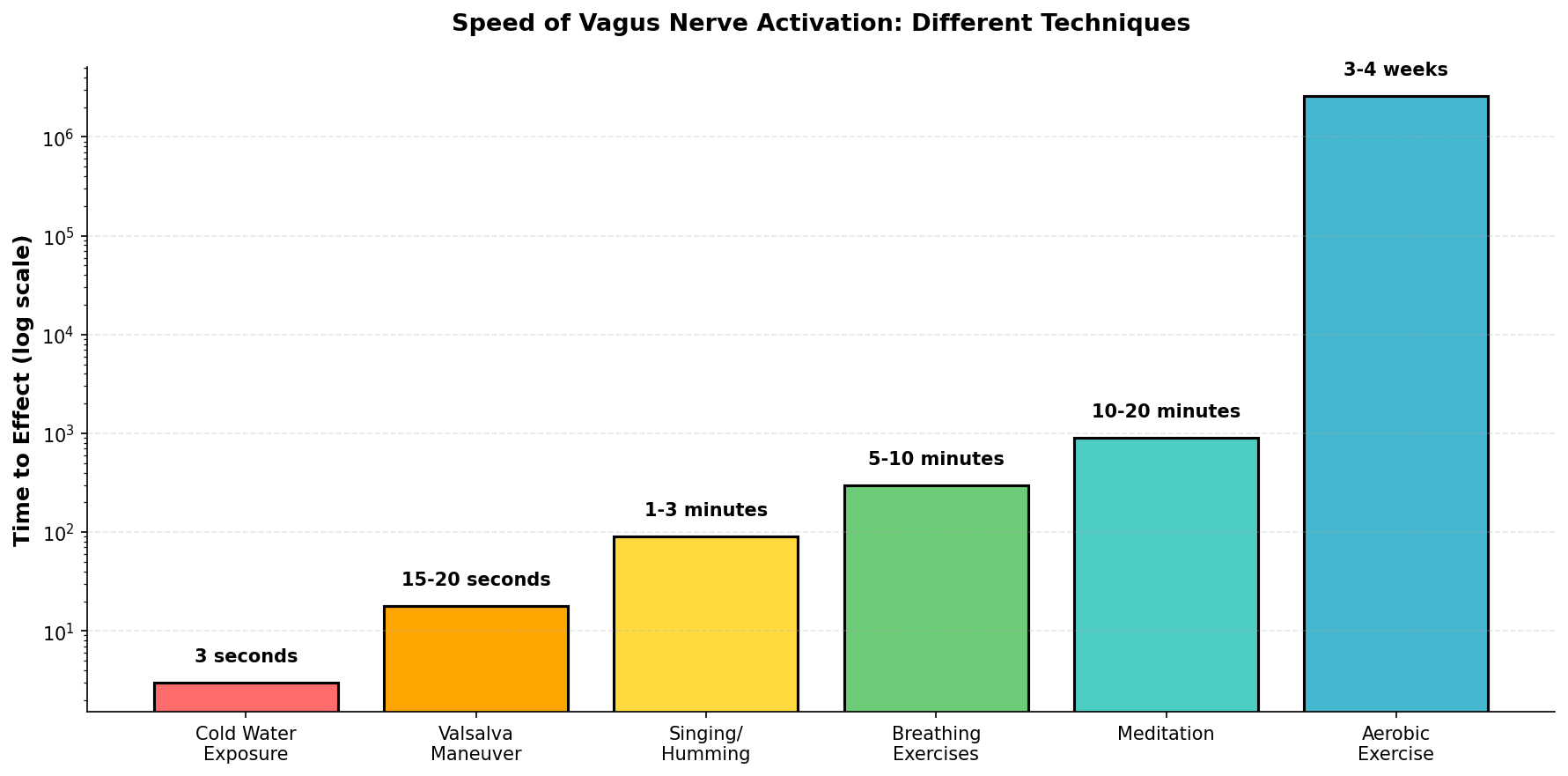 Figure 1: Response rates for vagus nerve stimulation across major conditions. VNS works best for migraine (50% pain-free status), but also provides meaningful benefit for treatment-resistant depression (27% response) and drug-resistant epilepsy (45% average seizure reduction).3
It is important to distinguish between clinically implanted vagus nerve stimulation devices, which have regulatory approval for specific medical conditions, and lifestyle-based techniques that may influence autonomic function indirectly.
Non-Invasive Techniques: How to Stimulate Your Vagus Nerve at Home
You don't need surgery or medical devices to activate your vagus nerve. Research shows that multiple non-invasive techniques produce measurable effects on autonomic tone, cardiovascular function, and stress response. Here are the evidence-based methods you can try immediately.
Cold Water Exposure: The Fastest Method
Cold water triggers an automatic parasympathetic response within seconds. This happens through the "diving reflex," an evolutionary survival mechanism where immersion in cold water activates the vagus nerve to slow your heart rate and preserve oxygen.4
Technique:
- Fill a bowl with ice-cold water (ideally 10-15°C or 50-59°F)
- Take a deep breath in
- Immerse your face in the water for 15-30 seconds (you can hold your breath, but don't need to)
- Remove your face and resume normal breathing
- Rest 1-2 minutes before repeating
You don't need to fully submerge; simply splashing cold water on your face activates the reflex.
How well it works: Research shows cold water immersion can slow heart rate and trigger a strong parasympathetic response within seconds in some clinical contexts.4 A 2023 systematic review found that the diving response reliably activates cardiac vagal activity.4
Safety note: If you have uncontrolled heart arrhythmias, severe heart disease, or asthma, consult your doctor before using cold water exposure. For healthy adults, brief cold exposure is safe.
Breathing Exercises: Easiest to Maintain Daily
Slow, deep breathing is associated with increased parasympathetic activity and may indirectly influence vagal tone by signalling to your nervous system that danger has passed.4 The key is making your exhale longer than your inhale.
Technique (4-6 Breathing):
- Sit comfortably with your back supported
- Breathe in through your nose for 4 seconds
- Hold briefly (1-2 seconds)
- Exhale through your mouth for 6 seconds (the longer exhale is critical)
- Repeat for 5-10 minutes daily
How well it works: A 2021 study found that this breathing pattern reduces anxiety and increases parasympathetic activity in both young and older adults.4 Benefits appear within a single session, though consistent daily practice compounds the effects. When combined with other techniques like cold water exposure, the benefits are even stronger.4
Best practice: Morning or evening practice works well. You can also use this technique before stressful events or during anxiety or panic attacks. It's safe to practise daily.
Singing, Humming, and Gargling: The Enjoyable Method
Vibrations from vocalisation stimulate the vagus nerve directly, because the vagus nerve controls your vocal cords and pharynx.4
Techniques:
- Singing: Sustained notes, any style you enjoy (opera, pop, hymns). Slower singing (below 80 beats per minute) is particularly effective
- Humming: Continuous humming for 1-3 minutes at any pitch
- Gargling: Vigorous gargling with water for 30-60 seconds
How well it works: The vagus nerve is your heart's main parasympathetic control system. Activation through singing and humming triggers profound heart rate reduction and inflammation inhibition.4 Unlike cold water, these methods are sustainable and enjoyable, making them ideal for daily practice.
Best practice: Use daily, several times weekly, or whenever you want. Even brief sessions (1-3 minutes) show effects. There are no known major contraindications in healthy populations, though individual tolerance may vary.
Meditation and Mindfulness: Building Long-Term Tone
Inward-focused meditation directly activates the parasympathetic nervous system through the vagus nerve.4 Attention-based meditation is particularly effective.
Technique:
- Sit comfortably in a quiet space
- Close your eyes
- Focus your attention inward on your breath, a mantra, or bodily sensations
- When your mind wanders, gently return attention to your focus point
- Continue for 10-20 minutes
How well it works: Research shows inward-attention meditation increases parasympathetic activity measurably.4 Heart rate variability studies demonstrate meditation shifts autonomic balance toward parasympathetic dominance.4 Benefits appear with consistent practice; advanced meditators show the strongest effects. Even single sessions produce some benefit.
Best practice: Daily practice is stronger than occasional practice. Research used sessions ranging from 10-20+ minutes, with 10 minutes daily producing measurable effects.
Physical Exercise: Building Baseline Vagal Tone
Aerobic exercise activates vagal preganglionic neurons during activity and promotes parasympathetic reactivation after exercise.4 This builds lasting "vagal tone" (your baseline parasympathetic activity).
Effective types:
- Moderate aerobic activity (walking, jogging, cycling, swimming)
- Duration: 30+ minutes per session
- Frequency: 3-5 times weekly
How well it works: 3-4 weeks of consistent training produce measurable increases in heart rate variability, a key marker of vagal tone.4 Aerobic training improves how quickly your parasympathetic system reactivates after stress.4 Regular exercise correlates with lower inflammation markers (C-reactive protein).4
Important note: Elite athletes doing extreme endurance training sometimes show a shift from parasympathetic to sympathetic dominance. For health benefits, moderate aerobic activity is better than extreme intensity.
The Modified Valsalva Manoeuvre: For Heart Rhythm Issues
This technique is particularly useful if you experience a rapid heartbeat or palpitations. Research shows modified Valsalva is more than twice as effective as standard Valsalva manoeuvres and outperforms other vagal techniques for converting abnormal heart rhythms.4
Technique:
- Sit with your back supported
- Take a deep breath in
- Pinch your nose and close your mouth
- Try to blow out hard against the closed nose and mouth (like inflating a balloon with a pinched opening) for 15 seconds
- Suddenly release and breathe normally
- Immediately lie back flat for 15 seconds (this step is what makes it "modified" and more effective)
How well it works: Studies on rapid heart rhythms show this manoeuvre converts rhythm back to normal in 20-40% of attempts.4
When to use: Only when you experience palpitations or a rapid heartbeat, not for daily routine stimulation. You can repeat 1-2 times if the first attempt doesn't work.
Safety warnings: Don't use this if you have advanced heart disease, severe valve problems, uncontrolled high blood pressure, glaucoma, recent eye surgery, or increased intracranial pressure. Consult your doctor first if you have any heart conditions.
Speed Comparison: Which Technique to Use When
Different techniques work at different speeds, so choose based on your situation.
Immediate Relief (Seconds):
- Cold water exposure activates within 3 seconds; peak effects within 15-35 seconds
Quick Relief (Minutes):
- Modified Valsalva manoeuvre works within 15-20 seconds (for heart rhythm issues)
- Singing, humming, and gargling activate within 1-3 minutes
Medium-Term (Minutes to Hours):
- Breathing exercises produce full effects within 5-10 minutes
- Meditation develops effects over 10-20 minutes of practice
Long-Term Benefits (Weeks):
- Regular aerobic exercise requires 3-4 weeks of consistent training to produce measurable changes
- Daily meditation takes weeks to months to produce sustained shifts in baseline tone
Combining Techniques for Stronger Effects
Research shows that combining techniques produces stronger benefits than any single technique alone.4
Most Effective Combination:
- Perform cold water exposure (15-30 seconds)
- Immediately begin a 4-6 breathing pattern (2-3 minutes)
- Research notes this creates "additive or synergistic beneficial effects"4
For Anxiety and Panic:
- Immediate: Cold water splash
- Follow-up: 4-6 breathing pattern (5-10 minutes)
- Sustained: Meditation or singing throughout the day
For Long-Term Vagal Tone:
- Aerobic exercise 3-5 times weekly (primary vagal builder)
- Daily meditation 10-20 minutes
- Breathing exercises 2-3 times daily (5 minutes each)
For Acute Stress Response:
- Cold water splash (immediate response)
- 4-6 breathing pattern (5 minutes)
- Singing or humming (continued throughout the day)
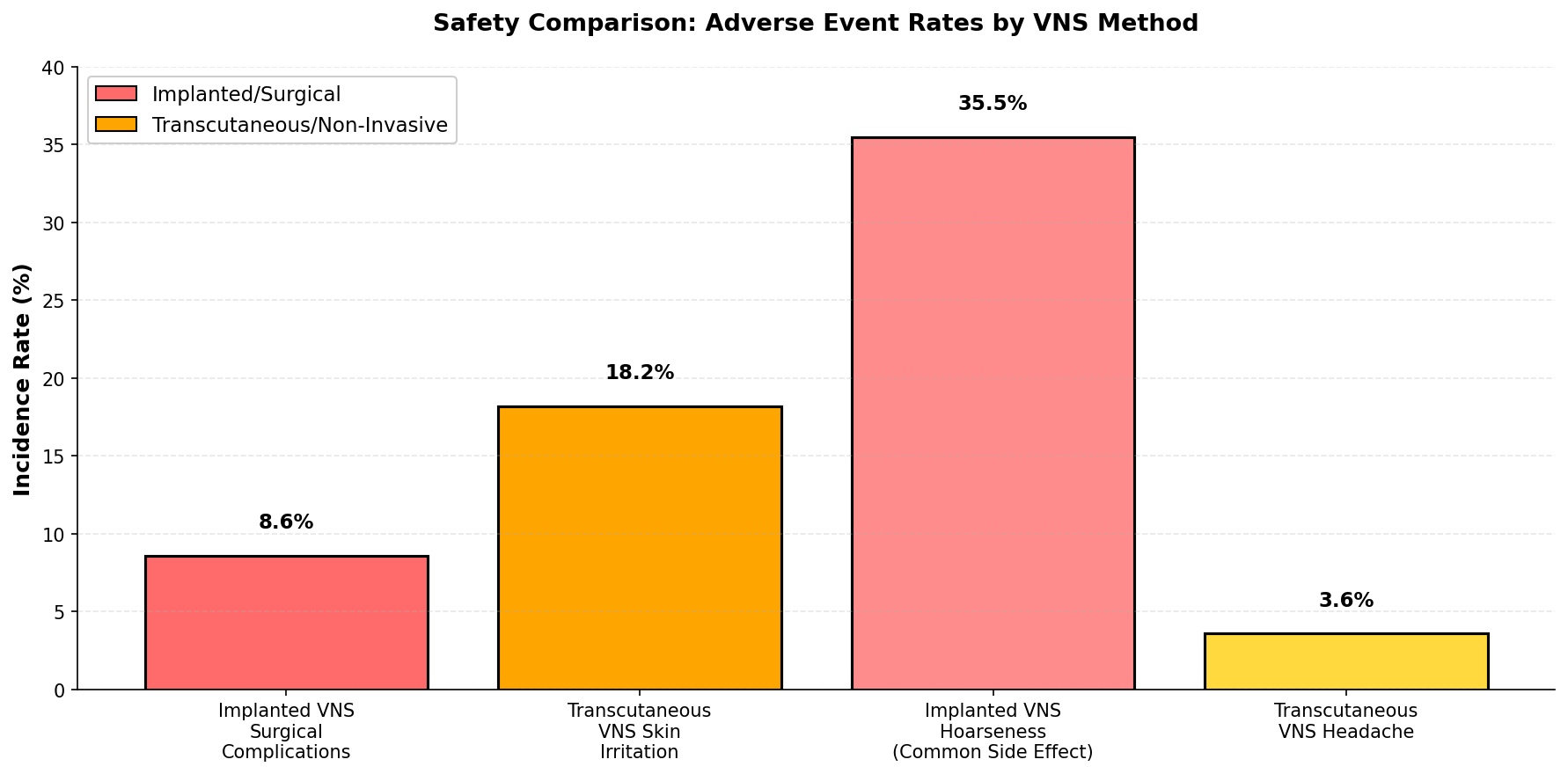 Figure 2: How quickly different vagus nerve stimulation techniques activate the nerve. Cold water is fastest (3 seconds), whilst exercise builds benefits over 3-4 weeks.4
Safety and When to See a Doctor
Non-invasive vagus nerve stimulation is generally safe, but some techniques carry contraindications for specific medical conditions.
Absolute Cautions
Don't use cold water exposure if you have:
- Uncontrolled heart arrhythmias or severe heart disease
- Implanted cardiac devices (without checking with your cardiologist)
- Asthma or reactive airway disease
Don't attempt the modified Valsalva manoeuvre if you have:
- Severe valve disease or advanced heart disease
- Uncontrolled high blood pressure
- Glaucoma or recent eye surgery
- Increased intracranial pressure
Carotid sinus massage: Research shows this requires professional training and carries significant safety risks (potential stroke in 0.2-1% of cases). Only perform under medical supervision.
Safe for Most People
Breathing exercises are gentle, reversible, and well-tolerated by nearly everyone. Even if you experience mild dizziness, simply reduce the session length and resume normal breathing.
Singing, humming, and gargling have no known contraindications. Anyone can practise these safely.
Exercise is safe for anyone with normal cardiovascular clearance.
Meditation is safe for most people, though those with certain psychiatric conditions should discuss it with their doctor first.
Consult Your Doctor Before Starting If You Have
- Cardiac arrhythmias or heart disease
- Pacemaker or implanted cardiac devices
- Uncontrolled high blood pressure
- Recent cardiac events
- Asthma or reactive airway disease
- Glaucoma or recent eye surgery
- Pregnancy (particularly for Valsalva manoeuvres)
- Current depression or psychiatric medications (meditation can occasionally have complex interactions)
Mild Side Effects and Management
With non-invasive techniques, side effects are rare and minor:
- Dizziness with breathing exercises: Reduce session length, breathe normally between cycles
- Mild discomfort with cold water: Start with a shorter duration, gradually build tolerance
- Throat irritation with gargling: Use warm salt water instead
- Headache with meditation: Reduce session length, ensure comfortable posture
FAQs
How often should I practise vagus nerve stimulation?
This depends on your goal. For daily stress management, 5-10 minutes of breathing exercises daily is ideal. Singing or humming can be done whenever. Exercise 3-5 times weekly builds lasting benefits. Meditation, 10-20 minutes daily, shows the strongest effects. There's no harm in practising multiple techniques daily.
How long does it take to see results?
Cold water works within seconds. Breathing exercises show anxiety reduction within single sessions. Singing and humming work within minutes. Meditation takes 10-20 minutes per session, with cumulative benefits building over weeks and months. Exercise requires 3-4 weeks of consistent training for measurable heart rate variability improvements.
Can I use all techniques together?
Yes. In fact, research shows that combining techniques produces stronger effects than any single method alone. A practical approach: use cold water or breathing for acute stress, practise singing or humming daily, meditate regularly, and exercise consistently.
Is vagus nerve stimulation the same as vagus nerve "reset"?
"Vagus reset" is popular terminology referring to any acute stimulation technique (usually cold water or Valsalva). However, research shows the vagus nerve isn't truly "reset" in a single moment; instead, you're activating it, which produces parasympathetic effects. The effects sustain only during and briefly after practice. Building lasting "vagal tone" requires consistent practice over weeks.
What if I have a pacemaker or cardiac implants?
Do not use cold water exposure or modified Valsalva manoeuvres without explicit permission from your cardiologist. Breathing exercises, singing, and moderate exercise are generally safe, but check with your doctor first.
Can I use these techniques whilst pregnant?
Breathing exercises and singing are safe. Avoid modified Valsalva manoeuvres unless your doctor approves. Discuss meditation and exercise with your healthcare provider.
Does it matter what time of day I stimulate my vagus nerve?
Yes, slightly. Research shows morning vagus nerve stimulation significantly increases heart rate variability, whilst evening stimulation did not yield similar results.3 Morning practice may be more effective, though any time is better than none.
How do I know if it's working?
You can track several markers: notice your resting heart rate (should decrease with consistent practice), observe your stress levels and anxiety (should improve), pay attention to sleep quality (often improves), and track your digestion (should improve with regular stimulation). Some people notice effects immediately; others take weeks of consistent practice to feel differences.
Health Benefits Supported by Research
Cardiovascular and Heart Health
Vagus nerve stimulation increases heart rate variability, a key marker of cardiovascular health and stress resilience.3 Heart rate variability predicts risk of heart disease, sudden cardiac events, and overall stress resilience. Regular vagal stimulation shifts the autonomic nervous system toward parasympathetic (vagal) predominance, meaning your body spends more time in a calm, healing state.3
Stress and Anxiety Reduction
All vagus nerve stimulation techniques reduce anxiety, though at different speeds and with different mechanisms.4 Cold water works fastest. Breathing exercises work within single sessions. Meditation and exercise build cumulative stress resilience. The net effect: your nervous system becomes better at recognising when it's safe to relax, reducing baseline anxiety.
Improved Sleep
Activation of the parasympathetic nervous system through vagus nerve stimulation improves sleep quality and reduces insomnia severity.3 Research on non-invasive transcutaneous VNS found significant improvements in sleep quality and overall quality of life compared to sham treatment.3
Better Digestion and Gut Health
The vagus nerve controls stomach acid production, digestive enzyme release, and intestinal motility.2 It also signals your brain about satiety and nutrient availability. Proper vagal function is essential for healthy digestion. People with vagus nerve dysfunction often experience nausea, bloating, heartburn, and gastroparesis (delayed stomach emptying). Stimulating the vagus nerve improves these symptoms.
Inflammation Reduction
The cholinergic anti-inflammatory pathway is a direct mechanism where vagus nerve activation suppresses pro-inflammatory cytokines like TNF-alpha and interleukins.2 In Crohn's disease patients, VNS reduced inflammation markers (C-reactive protein) in 55% of patients and achieved clinical remission in 50%.3 For conditions driven by chronic inflammation, vagus nerve stimulation is literally turning on your body's anti-inflammatory system.
Mood Improvement and Depression Support
The vagus nerve communicates bidirectionally with brain regions involved in mood regulation, including the amygdala (emotion processing), prefrontal cortex (rational thinking), and hippocampus (memory).2 VNS helps 27% of people with treatment-resistant depression when standard medications have failed.3 It works through different mechanisms than medications: modulating neuromodulator release (serotonin, norepinephrine, acetylcholine) and enhancing brain plasticity.3
The Bottom Line
Your vagus nerve is your body's primary control system for rest, recovery, and healing. Stimulating it regularly trains your nervous system to spend more time in a calm, anti-inflammatory state. Research shows multiple practical, non-invasive techniques can activate this nerve safely at home. Start with one technique that fits your life: breathing exercises if you want something you can do anywhere, singing if you prefer something enjoyable, exercise if you want to build long-term resilience, or cold water if you need immediate relief from acute stress.
The evidence is clearest for serious medical conditions (drug-resistant epilepsy, treatment-resistant depression, migraine) where medical VNS devices are FDA-approved. But the research on non-invasive techniques is growing, and the safety profile is excellent. Even just 5 minutes of deep breathing daily activates your vagus nerve measurably.
If you experience acute anxiety, palpitations, or chronic stress, try these techniques consistently for 2-4 weeks and track how you feel. Most people notice changes in stress levels, sleep quality, and baseline anxiety. If you have any cardiac condition, discuss these techniques with your doctor first. Otherwise, vagus nerve stimulation is a free, accessible, evidence-based tool you can start using today.
Further Reading
Vagus Nerve Anatomy and Physiology
- Vagus Nerve: What It Is, Function, Location & Conditions (Cleveland Clinic)
- Parasympathetic Nervous System: What It Is & Function (Cleveland Clinic)
- Autonomic Neuropathy: Symptoms & Causes (Mayo Clinic)
Research on Vagus Nerve Stimulation Mechanisms
- Neuroanatomy, Cranial Nerve 10 (Vagus Nerve) (PubMed)
- Structure and Functions of the Vagus Nerve in Mammals (PubMed)
- The Cholinergic Anti-inflammatory Pathway (NIH/PMC)
Medical Vagus Nerve Stimulation Devices
- Vagus Nerve Stimulation (Mayo Clinic)
- FDA Summary of Safety and Effectiveness Data (FDA)
- A Review of Vagus Nerve Stimulation for Disease (PubMed)
Effectiveness for Specific Conditions
- Long-term Efficacy in Drug-Resistant Epilepsy (NIH/PMC)
- Treatment-Resistant Depression 5-Year Study (PubMed)
- Migraine and Cluster Headache Meta-Analysis (PubMed)
- Crohn's Disease Neuroimmune Modulation (PubMed)
Non-Invasive Stimulation Techniques
- Cold Water Exposure and Diving Reflex (PubMed)
- Transcutaneous Auricular Vagus Nerve Stimulation Safety (Nature Scientific Reports)
- Meditation and Parasympathetic Activation (PubMed)
Heart Rate Variability and Cardiovascular Effects
- Effects of Transcutaneous VNS on Cardiovascular Autonomic Control (PubMed)
- Vagus Nerve Stimulation and the Cardiovascular System (NIH/PMC)
Inflammation and Immune Response
- The Vagus Nerve and the Inflammatory Reflex (NIH/PMC)
- Vagus Nerve as Modulator of the Brain-Gut Axis (PubMed)
Safety and Adverse Effects
- Complications and Safety: 25 Years of Experience (PubMed)
- Safety of Transcutaneous Auricular VNS (PubMed)
Stress Response and HPA Axis
- Transcutaneous VNS Inhibits Stress-Induced Cortisol Release (PubMed)
- How the Gut-Brain Connection Influences Mood (Harvard Health)
References
- Vagus Nerve: What It Is, Function, Location & Conditions. Cleveland Clinic [Internet]. [cited 2026 Apr 17]. Available from: https://my.clevelandclinic.org/health/body/22279-vagus-nerve
- Ottaviani MM, Macefield VG. Structure and Functions of the Vagus Nerve in Mammals. Compr Physiol. 2022; 12(4):3989–4037. Available from: https://onlinelibrary.wiley.com/doi/abs/10.1002/j.2040-4603.2022.tb00237.x?msockid=11cacb18e47c60dd0bbedd97e5526163
- Vagus Nerve Stimulation. Mayo Clinic [Internet]. [cited 2026 Apr 16]. Available from: https://www.mayoclinic.org/tests-procedures/vagus-nerve-stimulation/about/pac-20384565
- Magnon V, Dutheil F, Vallet GT. Benefits from one session of deep and slow breathing on vagal tone and anxiety in young and older adults. Sci Rep [Internet]. 2021 [cited 2026 Apr 17]; 11(1):19267. Available from: https://www.nature.com/articles/s41598-021-98736-9
