

Zone 2 Cardio Training: The Sustainable Path to Metabolic Health and Longevity
If you've heard that you need to suffer through gruelling workouts to be healthy, you're being sold a lie. One of the most powerful training tools for fat loss, cardiovascular health, and living longer isn't flashy, doesn't require extreme effort, and honestly, feels almost too easy. It's called zone 2 training, and the research backing it is remarkably convincing.1
Most people have it backwards. They think harder means better. They push into uncomfortable territory, gasping for breath, believing that's what fitness requires. But elite endurance athletes do the opposite: they spend 60–90% of their training time at conversational intensity, building a foundation that makes everything else possible.2 This approach isn't just effective for athletes but might also be an evidence-based intervention for long-term health and weight loss.24,35
Here's what matters: Zone 2 training can help you sustainably lose weight, as well as reduce your heart disease risk by 14–20%, and cut your mortality risk in half compared to being sedentary.28 This is because zone 2 training is habit-forming, through consistent, more manageable movement for most people.
What Zone 2 Actually Is
Zone 2 is the intensity level at which you can hold a light conversation, but can't sing. It's moderate-intensity aerobic exercise, typically between 60–70% of your maximum heart rate.1 You're working, your heart rate is elevated, but you're not pushing hard. It should feel like you could continue for another 30–60 minutes when you finish.
The physiological definition is even more precise: blood lactate remains below 2.0 millimoles per litre (mmol/L).41 Without getting too technical, this means your muscles are producing energy with sufficient oxygen supply, so lactate isn't accumulating faster than your body can clear it. Cross that threshold, and fatigue builds quickly; stay below it, and you can sustain the effort for hours.
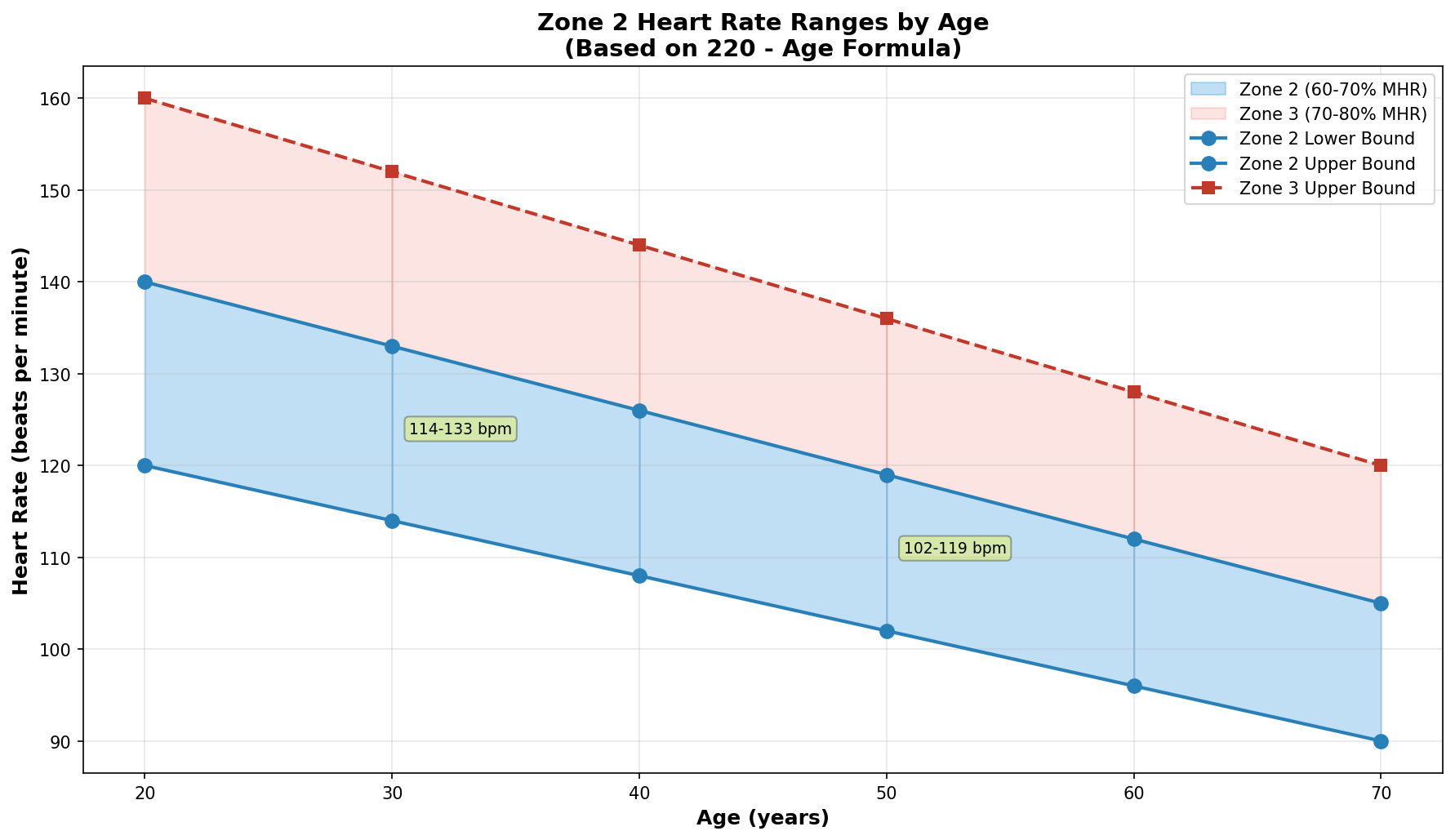 Figure 1: Zone 2 heart rate ranges decrease with age. A 30-year-old zone 2 heart rate is between 114–133 bpm, whilst a 60-year-old’s is between 97–113 bpm. These ranges are calculated using the formula (220 - Age) × 0.60–0.70.1
To find your personal zone 2 range, use this simple formula:
- Calculate your maximum heart rate: 220 minus your age
- Multiply that by 0.60 and 0.70 to find your Zone 2 range
A 45-year-old, for example, would calculate: 220 - 45 = 175 bpm maximum. Zone 2 would be 105–122 bpm (175 × 0.60 and 175 × 0.70).1
The talk test is accurate and requires no equipment; simply aim for an intensity where you can speak in short sentences of 3–5 words before needing a breath.1
The Physiology: Why Your Body Prefers Fat at Zone 2 Intensity
Understanding why zone 2 works is the key to trusting it. Most people think burning calories is all that matters, but the type of fuel matters enormously. Lower-intensity exercise utilises more fat than carbohydrates, as fat can provide more sustained energy despite being harder to break down.5,6 Higher intensity exercise utilises more carbohydrates as they can be broken down more quickly.5,6
Your muscle cells generate energy using ATP (adenosine triphosphate), a molecule that powers every contraction. The amount of ATP your body produces from each fuel source varies dramatically:3,4
- Fat (palmitate): 106 ATP molecules per fuel molecule
- Carbohydrates (glucose, aerobic): 30–32 ATP molecules
- Carbohydrates (anaerobic): 2 ATP molecules
This means fat produces three times more energy than carbohydrates. At zone 2 intensity, your slow-twitch muscle fibres have enough oxygen to burn fat extremely efficiently.6,7 Zone 2 training is often marketed as ‘fat-burning’ due to its intensity, utilising more fat than carbohydrates as an energy source.
Figure 2: Fat yields 106 ATP molecules compared to 32 ATP from aerobic carbohydrate metabolism. This threefold difference explains why fat is the preferred fuel at zone 2 intensity.
At zone 2 intensity, your body uses a mix of fat and carbohydrates, but mostly fat, for energy.8 Because zone 2 training tends to last longer than higher-intensity training, it can contribute to greater fat burning overall by increasing energy expenditure. Additionally, regular zone 2 training can increase fat-burning efficiency over a short period. However, higher-intensity training can produce similar results, just over a longer period.8,40
Regular exercise teaches your body metabolic flexibility, the ability to efficiently switch between burning fat and carbohydrates based on what's available.9,10
People with poor metabolic flexibility (which can result from sedentary lifestyles and type 2 diabetes) may struggle to access fat stores for energy during periods of changing energy demand. 11,12 Regular zone 2 training can greatly improve your metabolic flexibility over a period of weeks to months.8
The Cellular Power Plants: Mitochondrial Adaptation
Inside every muscle cell are structures called mitochondria, tiny cellular 'power plants' that produce energy. More mitochondria means greater aerobic capacity, faster fat burning, better endurance, and improved metabolism.13 Elite endurance athletes have significantly more mitochondrial density than sedentary individuals.13 Research shows that lower-intensity exercise, such as zone 2, can increase the number of mitochondria in skeletal muscle, while higher-intensity training increases mitochondrial function.13
Zone 2 training increases the number of mitochondria. During regular zone 2 exercise, your muscles require more energy to meet the demands of sustained activity, and your body responds by building new mitochondria and increasing the enzymes within them.13 This happens gradually, but consistently. Research shows that untrained individuals can achieve significant increases in mitochondrial content with consistent Zone 2 training.14
This matters for ageing. Mitochondrial decline is a primary driver of age-related health loss, including decreased energy, reduced fat-burning capacity, and increased disease risk.16,17 Zone 2 training can help reduce age-related decline by maintaining and rebuilding mitochondrial function in midlife and beyond.15
What Zone 2 Does for Your Heart and Arteries
Zone 2 training produces measurable improvements in cardiovascular efficiency:
Resting heart rate drops consistently with sustained training, indicating a stronger, more efficient heart.19 A lower resting heart rate is directly linked to cardiovascular health and longevity.20
Blood pressure decreases significantly with moderate-intensity aerobic exercise, reducing the risk of coronary heart disease and stroke.21 The improvement is substantial enough to match pharmaceutical interventions in some instances.22
Your heart's stroke volume increases (it pumps more blood with each beat), and oxygen-carrying capacity improves through enhanced red blood cell production.13 Peripheral adaptations include increased capillary density (the number of tiny blood vessels delivering oxygen to working muscles) and improved metabolic enzyme function.13,30
These aren't subtle improvements. People report feeling noticeably less fatigued, sleeping better, and having more sustained energy throughout the day.13,23
The Disease Prevention Effect: How Zone 2 Extends Your Life
If you want a strong argument for why zone 2 matters, here it is: Zone 2 cardio can significantly reduce the risk of all-cause mortality.24 This isn't marginal. The longevity benefit of aerobic fitness exceeds the risk reduction from controlling blood pressure, managing cholesterol, or quitting smoking.25 Large cohort studies tracking over 122,000 participants show a clear dose-response relationship: the more aerobically fit you are, the longer you're likely to live.24
For specific diseases:
Coronary heart disease risk drops 14% with 150 minutes per week of zone 2 training, and increases to a 20% reduction at 300 minutes per week.26 This is PHE’s minimum recommended dose, and Zone 2 aligns perfectly with it.27
Type 2 diabetes risk decreases through improved insulin sensitivity. In one study, 60-minute Zone 2 sessions increased insulin-independent glucose disposal by 67–97% in non-diabetic adults, meaning muscles absorbed blood sugar far more efficiently without requiring as much insulin.28 Across longer-term training, people at risk of diabetes develop steadier blood sugar levels and improved metabolic flexibility.28,29
Visceral fat reduction has particularly large protective effects. People who reduce visceral fat also see significant reductions in cardiovascular disease risk and improved lipid profiles (cholesterol measurements).31
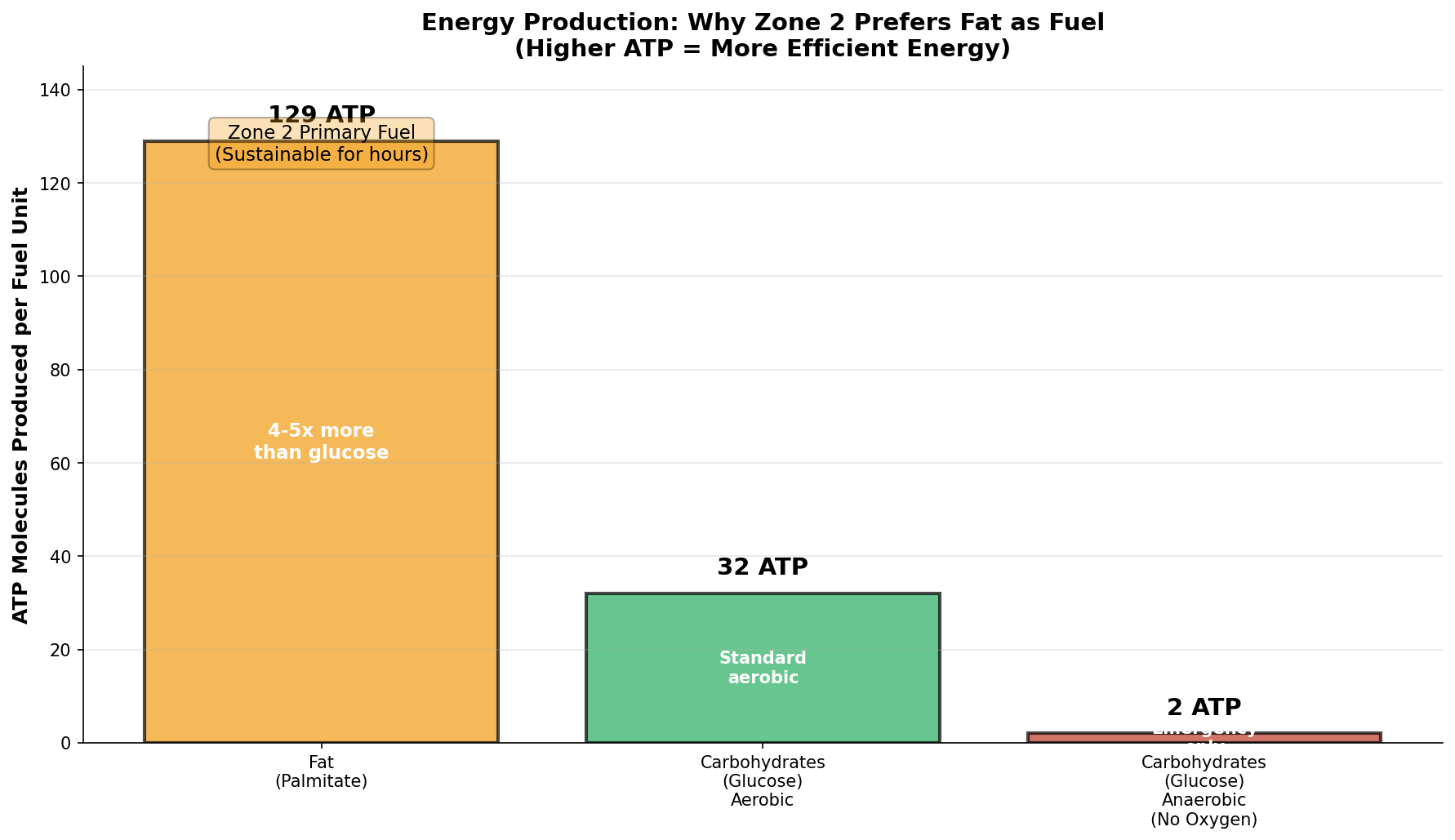 Figure 3: Coronary heart disease risk drops progressively with zone 2 training volume. Just 150 minutes per week achieves a 14% reduction, with an additional 6% reduction at 300 minutes per week. The dashed line shows baseline sedentary risk.
How Much Zone 2 Is Actually Enough?
Public Health England (PHE) recommends 150 minutes of moderate-intensity aerobic activity per week as a minimum for significant health benefits.27 This is achievable for most people and produces measurable cardiovascular and metabolic improvements.
Real-world options for 150 minutes per week include:
- 30 minutes × 5 days per week (easiest for most people)
- 50 minutes × 3 days per week
- 60 minutes × 2–3 days per week with additional shorter sessions
The word 'minimum' is important. Doubling to 300 minutes per week provides additional benefits: your heart disease risk reduction increases from 14% to 20%, cardiovascular efficiency improves further, and mitochondrial adaptations accelerate.36
For beginners, aim for 30–90 minutes per week and gradually build up to 150 minutes over 4–6 weeks. Once you reach 150 minutes (typically three sessions of 45–50 minutes), you've hit the threshold for substantial health benefits.27,36
An important finding: 3 hours per week (180 minutes) produces noticeable aerobic improvements. If you're time-constrained, even 60–90 minutes per week provides some benefit, though progress will be slower.32
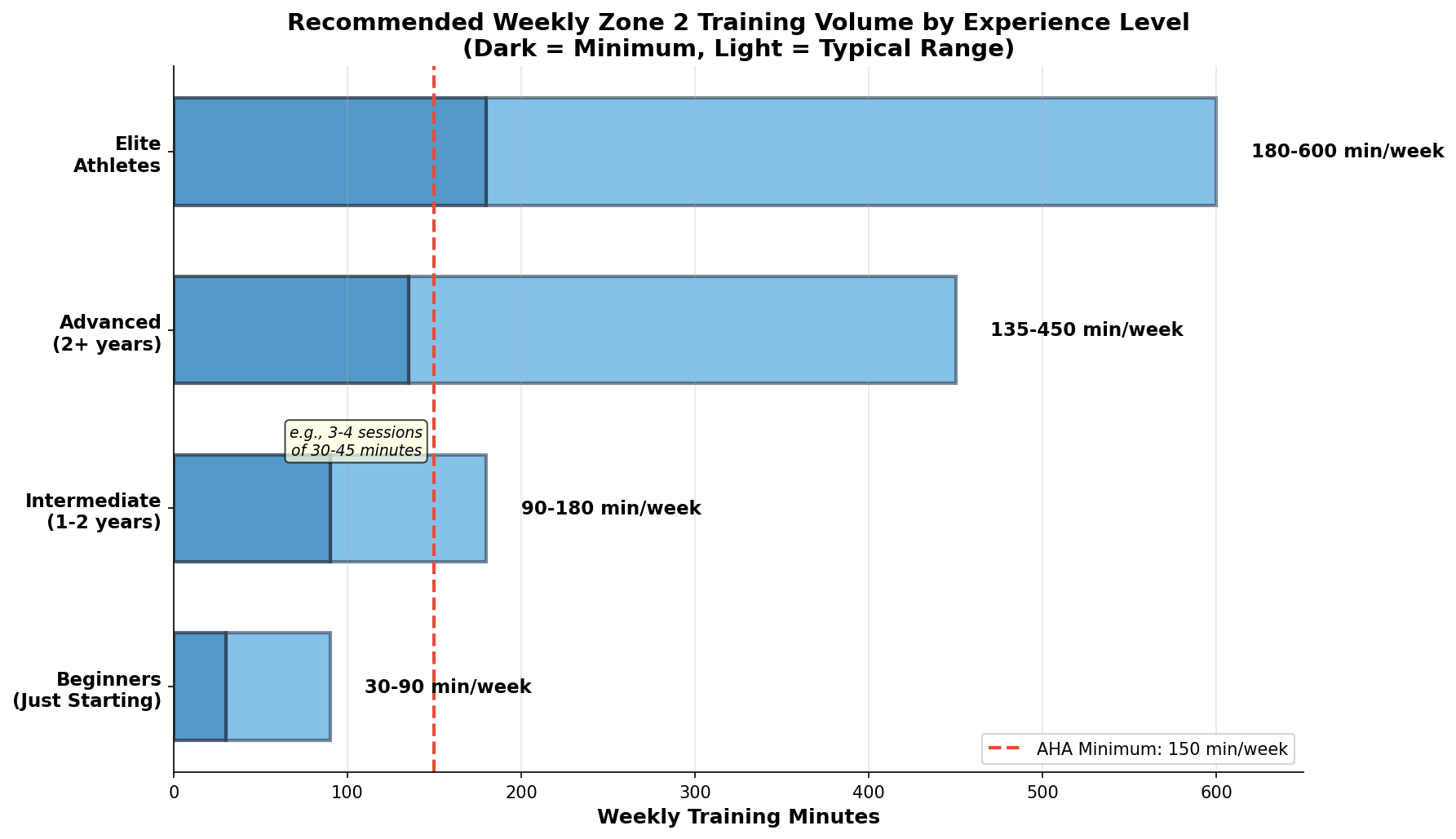 Figure 4: Different experience levels require different training volumes. Beginners start with 30–90 minutes per week; intermediates aim for 90–180 minutes (achieving the PHE 150-minute minimum); advanced athletes can sustain 135–450 minutes per week; and elite athletes train 180–600+ minutes per week.
Fat-Burning Capacity: Measurable Improvements Across All Fitness Levels
A study of 761 untrained adults revealed something encouraging: regardless of fitness level, most people reached maximal fat burning at similar training intensities.33
Less fit individuals reached peak fat burning at 43% of their maximum work capacity; moderately fit people at 37%; highly fit people at 35%.33 The variation was similar across groups (around 8%), suggesting that peak fat burning occurred within a low- to moderate-intensity range regardless of fitness level, though the exact intensity varied among individuals.33
What Zone 2 Does (And Doesn't) Optimise
Recent peer-reviewed research (2024–2025) provides important nuance about zone 2's role in comprehensive fitness. Zone 2 is exceptionally effective at:
- Fat loss and sustainable weight management
- Cardiovascular health and disease risk reduction
- Building metabolic flexibility and insulin sensitivity
- Improving daily energy and endurance
- Maintaining mitochondrial function with age
- Developing sustainable, long-term exercise habits
What zone 2 alone doesn't maximise:
- Peak mitochondrial growth (high-intensity training triggers larger mitochondrial adaptations per unit time)
- VO2max improvements (requires some higher-intensity work)
- Rapid fitness gains
- Strength or power development
This doesn't mean zone 2 doesn't build mitochondria; it does. Research simply shows that higher-intensity training triggers larger adaptations per session.13 However, zone 2's key advantage is sustainability: you can do it daily, allowing for a much higher total training volume over time.34
For most people seeking better health, weight loss, and longevity, zone 2 alone can produce great results. However, research and government guidelines suggest a combination of various exercise types and intensities for optimal health results.18,27 For athletes seeking to maximise fitness, the research supports an 80/20 approach: 80% of training in zone 2 (building aerobic base and sustainability) combined with 20% higher-intensity work (improving VO2max and power).2,34
Timeline: When Will You See Results?
Zone 2 benefits appear gradually, not overnight. Here's what to expect:13,23,35
Weeks 1–4: Initial cardiovascular adaptations begin. Energy levels may fluctuate. No visible changes yet.
Week 4–12: Energy improves noticeably. Exercise feels slightly easier. Daily fatigue decreases. Resting heart rate drops measurably. Cardiovascular improvements register on fitness tests. Clothes fit differently. Major visible changes. Weight loss becomes apparent (sustainable 1–2 pounds per week).
Week 24: Major aerobic adaptations complete. Resting heart rate stabilises. Fitness level dramatically improved. Weight loss is well-established.
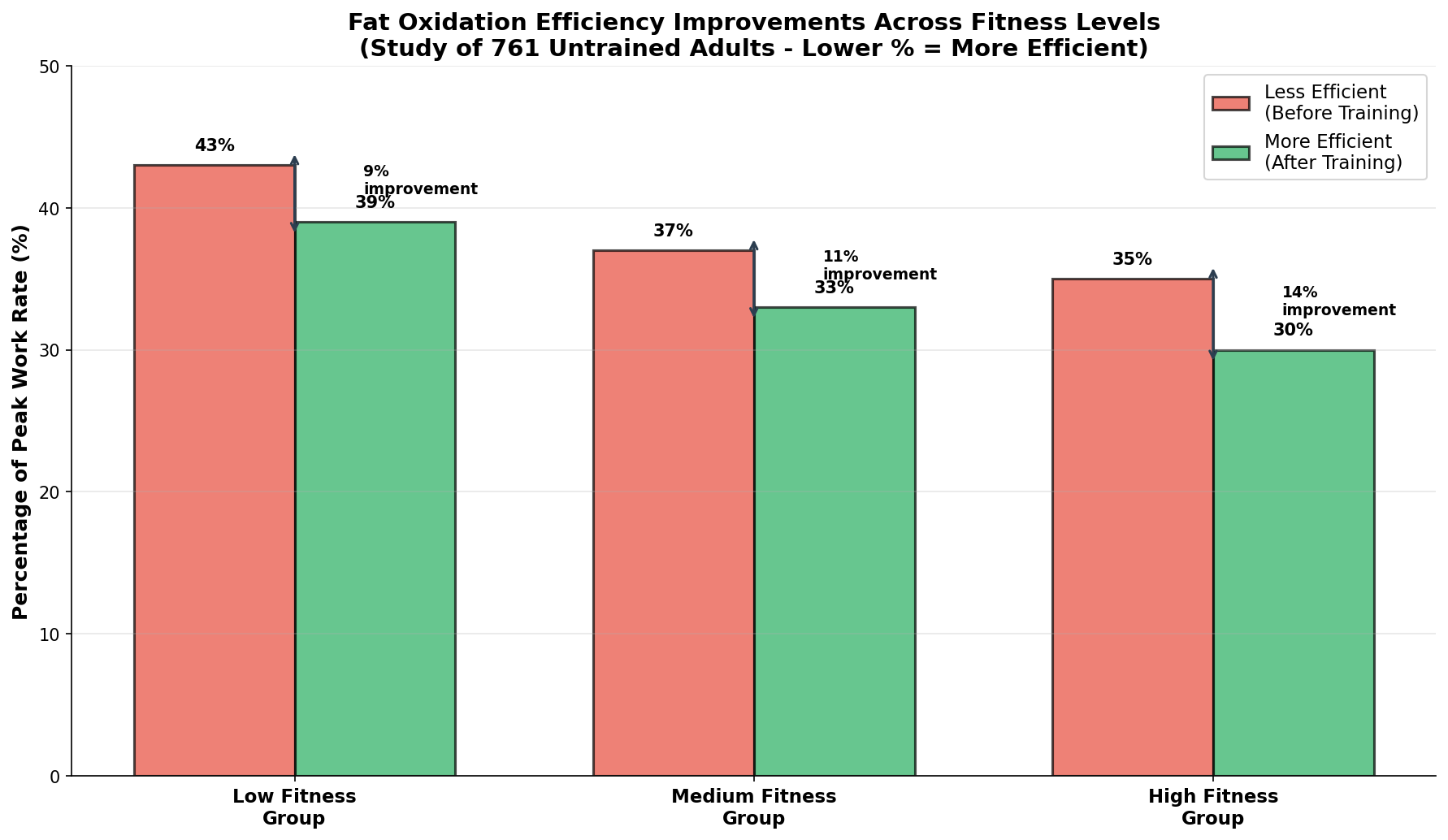 Figure 7: Over 24 weeks of consistent Zone 2 training, multiple physiological systems improve simultaneously. Resting heart rate drops continuously, cardiovascular efficiency increases, mitochondrial density grows, and fat-oxidation capacity expands. Major noticeable changes occur between weeks 4 and 12.
The most important lesson: consistency matters infinitely more than any single session. One 90-minute workout cannot match six weeks of consistent 30-minute sessions. The cumulative effect of regular zone 2 training is what drives results.13
Choosing Your Activity: What Works for Zone 2
Zone 2 works for any rhythmic, sustainable activity where you can maintain a consistent heart rate in the correct zone:1
- Running: Conversational pace running at zone 2 intensity. The most common mistake is running too fast; most people need to slow down significantly
- Cycling: Smooth, relaxed pedalling at moderate resistance. Easy to maintain a steady heart rate for extended periods.
- Rowing: Full-body, low-impact movement at a consistent rhythmic pace (typically 16–18 strokes per minute)
- Walking and Brisk Walking: Effective for beginners and older adults. Uphill walking at any pace elevates heart rate into zone 2
- Swimming: Steady-paced swimming at conversational effort. Challenge: harder to monitor heart rate in water; use perceived exertion instead
- Elliptical: Low-impact option with easy heart-rate monitoring
For most people, 30–45 minutes per session is the 'sweet spot' balancing time investment with adaptations. Although consistent long sessions can lead to more efficient fat burning41, even 15–20-minute sessions provide some benefit for beginners.32,36
Common Mistakes That Sabotage Zone 2 Training
Going too hard: This is the most frequent error. Zone 2 should feel conversational and sustainable. If you're gasping for breath or can barely speak, you’re working too hard. Slow down.1
Inconsistent frequency: One 90-minute session per week won't match three 30-minute sessions. Consistency drives adaptations. Three to four sessions per week is the minimum for noticeable progress.13
Ignoring the talk test: Some people obsess over perfect heart-rate numbers. The talk test is accurate and requires no equipment. If you can't chat comfortably, you're working too hard.1
Not accounting for individual variation: The '220 minus age' formula is an estimation. Some people's Zone 2 ranges differ from the formula by 5–10 bpm.37 A heart rate monitor or smartwatch can help you find your personal range.38
Quitting too soon: Four weeks isn't enough time to assess progress. Commit to a minimum of 8–12 weeks before evaluating results. Major adaptations occur between weeks 4 and 12.13
Trying to skip the foundation: Wanting to jump straight to high-intensity work before building an aerobic base. Zone 2 first; intensity later.1
The Balanced Approach: Zone 2 Plus
For general health and weight loss, 150–300 minutes per week of zone 2 training produces excellent results.27 However, studies and government organisations would suggest combining endurance training with other types of exercise for optimal health benefits.18,27
For fitness enthusiasts wanting maximum results, combine zone 2 with occasional higher-intensity work. The research supports an 80/20 split: about four days of zone 2 training per week combined with one day of higher-intensity intervals or strength work.41 This approach reduces cumulative stress whilst including the higher-intensity work that maximises VO2max and power.
Elite endurance athletes follow this principle rigorously: approximately 77% in zone 1 (very easy), 15% in zone 2 (moderate), and only 8% in zone 3+ (hard intensity).39 This distribution proves that harder isn't always better; sustainable volume is. Additionally, these types of splits vary between sports.
Measuring Progress: What Changes First
Track these metrics to see zone 2 working:19,36
- Resting heart rate: Measure first thing in the morning before getting out of bed. Expect it to drop by 2–3 bpm per month with consistent training
- Energy levels: Noticeable by week 4. Most people report less daily fatigue and better sustained energy
- Clothes fit: Often noticed before scale weight changes, particularly around the waist (reduction in visceral fat)
- Workout feel: The same pace becomes noticeably easier by week 8. This is aerobic adaptation working
- Sleep quality: Commonly improves within 2–3 weeks
- Body composition: Scale weight might not change dramatically at first (muscle is denser than fat, meaning it takes up less space for a given weight), but body fat percentage and how clothes fit change more noticeably
Individual Variation: Your Zone 2 Might Differ
Important reminder: the '220 minus age' formula produces an estimate. Real zone 2 varies by individual, differing by 5–10 bpm from the formula based on personal fitness level and genetics.37
This is why a heart-rate monitor or smartwatch (even a basic one) is valuable. Wearing a monitor for a week or two lets you calibrate your personal Zone 2 range against how you feel. Once you've done this, the talk test becomes remarkably reliable.37,38
For ultimate precision, a lactate threshold test (available at some sports science clinics) directly measures your 2.0 mmol/L threshold. But this isn't necessary for most people; the talk test works extremely well.41
The Bigger Picture: Zone 2 as a Longevity Tool
Step back for a moment. Exercise is one of the few interventions with evidence this strong: it significantly reduces mortality risk, prevents multiple diseases, improves daily energy, supports sustainable weight loss, and requires no special equipment or expensive memberships.13,24,25
Walking, cycling, swimming, rowing; these are free or inexpensive, accessible to nearly everyone, and scientifically proven to extend lifespan.1 Most people have barriers to exotic fitness trends, expensive programmes, or high-intensity training. Zone 2 removes those barriers.
For midlife adults concerned about ageing well, zone 2 directly addresses mitochondrial decline, the cellular hallmark of ageing.16 For people trying to lose weight sustainably, zone 2 can help by helping form and maintain exercise habits.35 For people wanting to prevent heart disease or diabetes, zone 2 improves every single risk factor.25
This isn't trendy. It's simply one of the most evidence-supported health interventions available. The fact that it feels almost too easy is actually the point: easy is sustainable. Sustainability is what produces lifelong results.
Getting Started: Your Action Plan
If you're ready to begin:
- Week 1: Calculate your Zone 2 range using the formula (220 - age) × 0.60–0.70. Choose one activity you can do consistently (walking, cycling, running, swimming, or rowing)
- Weeks 1–2: Aim for 2–3 sessions per week, 15–30 minutes each. Prioritise consistency over duration. Use the talk test to ensure you're in the correct zone
- Weeks 3–6: Increase to 3–4 sessions per week. Gradually extend session length to 30–45 minutes. You should feel like you could continue for 15–20 minutes more when you finish
- Week 7+: Establish your baseline at 150 minutes per week (the PHE minimum for significant health benefits). Add higher-intensity work if desired, but this may be easier after establishing this Zone 2 foundation1
Track resting heart rate weekly (first thing in the morning), note energy levels, and give yourself 8–12 weeks before assessing progress. The improvements are coming; they just need consistency to accumulate.13,20
Final Word
You've been told that fitness requires suffering, that more intensity means better results, and that you need to exhaust yourself to be healthy. None of this is true. Low-to-moderate training has been proven to be effective for fat loss, cardiovascular health, and longevity, and it feels almost too easy. That paradox, the gentleness being the feature, not a weakness, is what makes zone 2 so valuable.
Zone 2 isn't a shortcut. It requires consistency, commitment to regular training, and patience for results to accumulate. But it's sustainable in a way extreme approaches never are. You can do it for life. That's the whole point.13
If you're ready to invest four hours per week in an easier, more sustainable health intervention, you already know where to start: at a conversational pace, building the aerobic foundation that makes everything else possible.
Further Reading
Understanding Zone 2 and Heart Rate Training
- Cleveland Clinic: Zone 2 Cardio
- Cleveland Clinic: Exercise Heart Rate Zones Explained
- Colorado State University: How to Train With Heart Rate Monitoring Zones Effectively
- REI Expert Advice: How to Train With a Heart Rate Monitor
Metabolic Health and Fat Oxidation
- National Geographic: Zone 2 Cardio and Metabolic Flexibility
- Gatorade Sports Science Institute: Regulation of Fat Metabolism During Exercise
- Frontiers in Sports and Active Living: The Influence of Cardiorespiratory Fitness on Fat Oxidation
Cardiovascular Health and Disease Prevention
- Mayo Clinic Press: Zone 2 Cardio: What It Is and Why It's Trending Online
- Vail Health: The Power of Zone 2 Training
- Houston Methodist: Is Zone 2 Cardio the Best for Your Health?
Training Implementation and Physiology
- TrainRight/CTS: Blood Lactate and LT1 in Zone 2 Training
- Training Peaks: Zone 2 Training for Endurance Athletes
- Mountain Tactical Institute: 3 Hours of Weekly Zone 2 Running Improves Aerobic Base
- HPRC: What's Zone 2 Training and Why Does It Matter
Peer-Reviewed Research and Critical Analysis
- PubMed: Much Ado About Zone 2: A Narrative Review
- PubMed Central: Zone 2 Intensity and Individual Variability
- PubMed Central: Training Intensity Distribution in Elite Athletes
- Journal of Applied Physiology: Mitochondrial Adaptations to Aerobic Exercise
- The Broken Science Initiative: Do We Really Need Zone 2?
References/Helpful Resources
- Cleveland Clinic. Zone 2 Cardio [Internet]. [cited 2026 Mar 16]. Available from: https://health.clevelandclinic.org/zone-2-cardio
- Stöggl TL, Sperlich B. Editorial: Training Intensity, Volume and Recovery Distribution Among Elite and Recreational Endurance Athletes. Frontiers in Physiology. 2019 May 21;10.
- Fu Z, Kern TS, Hellström A, Smith LEH. Fatty acid oxidation and photoreceptor metabolic needs. Journal of Lipid Research [Internet]. 2021 Feb 6 [cited 2022 Mar 1];62:100035. Available from: https://www.ncbi.nlm.nih.gov/pmc/articles/PMC7905050/
- Loftus RM, Finlay DK. Immunometabolism: Cellular Metabolism Turns Immune Regulator. Journal of Biological Chemistry [Internet]. 2015 Nov 3 [cited 2020 Feb 2];291(1):1–10. Available from: http://www.jbc.org/content/291/1/1.full
- Spriet LL. New Insights into the Interaction of Carbohydrate and Fat Metabolism During Exercise. Sports Medicine [Internet]. 2014 May;44(S1):87–96. Available from: https://www.ncbi.nlm.nih.gov/pmc/articles/PMC4008806/
- Muscella A, Stefàno E, Lunetti P, Capobianco L, Marsigliante S. The Regulation of Fat Metabolism during Aerobic Exercise. Biomolecules. 2020 Dec 21;10(12):1699.
- Alghannam AF, Ghaith MM, Alhussain MH. Regulation of Energy Substrate Metabolism in Endurance Exercise. International Journal of Environmental Research and Public Health. 2021 May 7;18(9).
- Melanson EL, MacLean PS, Hill JO. Exercise Improves Fat Metabolism in Muscle But Does Not Increase 24-h Fat Oxidation. Exercise and Sport Sciences Reviews. 2009 Apr;37(2):93–101.
- Goodpaster BH, Sparks LM. Metabolic Flexibility in Health and Disease. Cell Metabolism. 2017 May;25(5):1027–36.
- Rynders CA, Blanc S, DeJong N, Bessesen DH, Bergouignan A. Sedentary behaviour is a key determinant of metabolic inflexibility. The Journal of Physiology. 2017 Jul 4;596(8):1319–30.
- Battaglia GM, Zheng D, Hickner RC, Houmard JA. Effect of exercise training on metabolic flexibility in response to a high-fat diet in obese individuals. American Journal of Physiology-Endocrinology and Metabolism. 2012 Dec 15;303(12):E1440–5.
- San-Millán I. The Key Role of Mitochondrial Function in Health and Disease. Antioxidants [Internet]. 2023 Mar 23;12(4):782. Available from: https://www.mdpi.com/2076-3921/12/4/782
- Hughes DC, Ellefsen S, Baar K. Adaptations to endurance and strength training. Cold Spring Harbor Perspectives in Medicine [Internet]. 2018;8(6). Available from: https://www.ncbi.nlm.nih.gov/pmc/articles/PMC5983157/
- Knut Sindre Mølmen, Almquist NW, Skattebo Ø. Effects of Exercise Training on Mitochondrial and Capillary Growth in Human Skeletal Muscle: A Systematic Review and Meta-Regression. Sports Medicine. 2024 Oct 10;55(1).
- Huertas JR, Casuso RA, Agustín PH, Cogliati S. Stay Fit, Stay Young: Mitochondria in Movement: The Role of Exercise in the New Mitochondrial Paradigm. Oxidative Medicine and Cellular Longevity. 2019 Jun 19;2019:1–18.
- Gorgori-Gonzalez A, Soto-Rodriguez S, Tamayo-Torres E, Garcia-Dominguez E, Sebastia V, Gambini J, et al. Leveraging mitochondrial stress to improve healthy aging. Sports Medicine and Health Science [Internet]. 2025 Oct 24; Available from: https://www.sciencedirect.com/science/article/pii/S2666337625001106
- Somasundaram I, Jain SM, Blot-Chabaud M, Pathak S, Banerjee A, Rawat S, et al. Mitochondrial dysfunction and its association with age-related disorders. Frontiers in Physiology. 2024 Jul 2;15.
- Storoschuk KL, Moran-MacDonald A, Gibala MJ, Gurd BJ. Much Ado About Zone 2: A Narrative Review Assessing the Efficacy of Zone 2 Training for Improving Mitochondrial Capacity and Cardiorespiratory Fitness in the General Population. Sports Medicine. 2025 Jun 25;
- Reimers A, Knapp G, Reimers CD. Effects of Exercise on the Resting Heart Rate: a Systematic Review and Meta-Analysis of Interventional Studies. Journal of Clinical Medicine [Internet]. 2018 Dec 1;7(12):503. Available from: https://www.ncbi.nlm.nih.gov/pmc/articles/PMC6306777/
- HUANG G, SHI X, DAVIS-BREZETTE JA, OSNESS WH. Resting Heart Rate Changes after Endurance Training in Older Adults: A Meta-Analysis. Medicine & Science in Sports & Exercise. 2005 Aug;37(8):1381–6.
- Edwards JJ, Deenmamode AHP, Griffiths M, Arnold O, Cooper NJ, Wiles JD, et al. Exercise training and resting blood pressure: a large-scale pairwise and network meta-analysis of randomised controlled trials. British Journal of Sports Medicine [Internet]. 2023 Jul 30;57(20). Available from: https://bjsm.bmj.com/content/early/2023/07/02/bjsports-2022-106503
- Naci H, Salcher-Konrad M, Dias S, Blum MR, Sahoo SA, Nunan D, et al. How does exercise treatment compare with antihypertensive medications? A network meta-analysis of 391 randomised controlled trials assessing exercise and medication effects on systolic blood pressure. British Journal of Sports Medicine [Internet]. 2019 Dec 18;53(14):859–69. Available from: https://bjsm.bmj.com/content/53/14/859
- Wender CLA, Manninen M, O’Connor PJ. The Effect of Chronic Exercise on Energy and Fatigue States: A Systematic Review and Meta-Analysis of Randomized Trials. Frontiers in Psychology. 2022 Jun 3;13(13).
- Mandsager K, Harb S, Cremer P, Phelan D, Nissen SE, Jaber W. Association of Cardiorespiratory Fitness With Long-term Mortality Among Adults Undergoing Exercise Treadmill Testing. JAMA Network Open [Internet]. 2018 Oct 19;1(6):e183605. Available from: https://jamanetwork.com/journals/jamanetworkopen/fullarticle/2707428
- O’Keefe JH, O’Keefe EL, Eckert R, Lavie CJ. Training Strategies to Optimize Cardiovascular Durability and Life Expectancy. Missouri Medicine [Internet]. 2023 Mar [cited 2024 Dec 1];120(2):155. Available from: https://pmc.ncbi.nlm.nih.gov/articles/PMC10121111/
- Mannakkara NN, Finocchiaro G. Exercise and the Heart: Benefits, Risks and Adverse Effects of Exercise Training. Reviews in Cardiovascular Medicine. 2023 Mar 23;24(3):94.
- Department of Health and Social Care. UK Chief Medical Officers’ Physical Activity Guidelines [Internet]. 2019 Sep. Available from: https://assets.publishing.service.gov.uk/media/5d839543ed915d52428dc134/uk-chief-medical-officers-physical-activity-guidelines.pdf
- Davide Romeres, Schiavon M, Basu A, Cobelli C, Basu R, Chiara Dalla Man. Exercise Effect on Insulin-Dependent and Insulin-Independent Glucose Utilization in Healthy and Type 1 Diabetes Individuals. A Modeling Study. American Journal of Physiology-endocrinology and Metabolism. 2021 May 17;
- Wang Y, Li H, Yang D, Wang M, Han Y, Wang H. Effects of aerobic exercises in prediabetes patients: a systematic review and meta-analysis. Frontiers in Endocrinology [Internet]. 2023 Jul 13;14:1227489. Available from: https://www.ncbi.nlm.nih.gov/pmc/articles/PMC10374027/#:~:text=Exercise%20reduced%20HbA1c%20in%20prediabetic
- Palmer BF, Clegg DJ. Metabolic Flexibility and Its Impact on Health Outcomes. Mayo Clinic Proceedings. 2022 Mar;97(4):761–76.
- Khalafi M, Sakhaei MH, Kazeminasab F, Rosenkranz SK, Symonds ME. Exercise training, dietary intervention, or combined interventions and their effects on lipid profiles in adults with overweight and obesity: A systematic review and meta-analysis of randomized clinical trials. Nutrition, Metabolism and Cardiovascular Diseases [Internet]. 2023 Sep 1 [cited 2023 Oct 26];33(9):1662–83. Available from: https://www.sciencedirect.com/science/article/pii/S0939475323002077
- Sattelmair J, Pertman J, Ding EL, Kohl HW, Haskell W, Lee I-Min. Dose Response Between Physical Activity and Risk of Coronary Heart Disease. Circulation [Internet]. 2011 Aug 16;124(7):789–95. Available from: https://www.ncbi.nlm.nih.gov/pmc/articles/PMC3158733/
- Pühringer M, Ring-Dimitriou S. The influence of cardiorespiratory fitness level on the relationship between work rates at the aerobic threshold (AerT) and the point of maximal fat oxidation (Fatmax) in untrained adults. Frontiers in Sports and Active Living. 2024 Feb 23;6.
- Pekka Matomäki. Why low-intensity endurance training for athletes? European Journal of Applied Physiology. 2025 Jun 27;
- Bellicha A, Baak MA, Battista F, Beaulieu K, Blundell JE, Busetto L, et al. Effect of exercise training on weight loss, body composition changes, and weight maintenance in adults with overweight or obesity: An overview of 12 systematic reviews and 149 studies. Obesity Reviews [Internet]. 2021 May 6;22(S4). Available from: https://www.ncbi.nlm.nih.gov/pmc/articles/PMC8365736/
- Wen CP, Wai JPM, Tsai MK, Yang YC, Cheng TYD, Lee MC, et al. Minimum amount of physical activity for reduced mortality and extended life expectancy: a prospective cohort study. Lancet (London, England). 2011;378(9798):1244–53.
- Tanaka H, Monahan KD, Seals DR. Age-predicted maximal heart rate revisited. Journal of the American College of Cardiology [Internet]. 2001;37(1):153–6. Available from: https://www.sciencedirect.com/science/article/pii/S0735109700010548?via%3Dihub
- Ho WT, Yang YJ, Li TC. Accuracy of wrist-worn wearable devices for determining exercise intensity. DIGITAL HEALTH. 2022 Jan;8:205520762211243.
- Sun Q, Yu Y, Cui J, Lin S, Wang X, Zhou T. Recent advances in training intensity distribution theory for cyclic endurance sports: theoretical foundations, model comparisons, and periodization characteristics. Frontiers in physiology [Internet]. 2025 Autumn;16:1657892. Available from: https://pubmed.ncbi.nlm.nih.gov/41169886/
- Ruegsegger GN, Pataky MW, Suvyaktha Simha, Robinson MM, Klaus KA, K. Sreekumaran Nair. High-intensity aerobic, but not resistance or combined, exercise training improves both cardiometabolic health and skeletal muscle mitochondrial dynamics. Journal of applied physiology. 2023 Oct 1;135(4):763–74.
- Meixner B, Luca Filipas, Holmberg HC, Sperlich B. Zone 2 Intensity: A Critical Comparison of Individual Variability in Different Submaximal Exercise Intensity Boundaries. Translational Sports Medicine [Internet]. 2025 Feb 23; Available from: https://www.researchgate.net/profile/Luca-Filipas/publication/389270810
